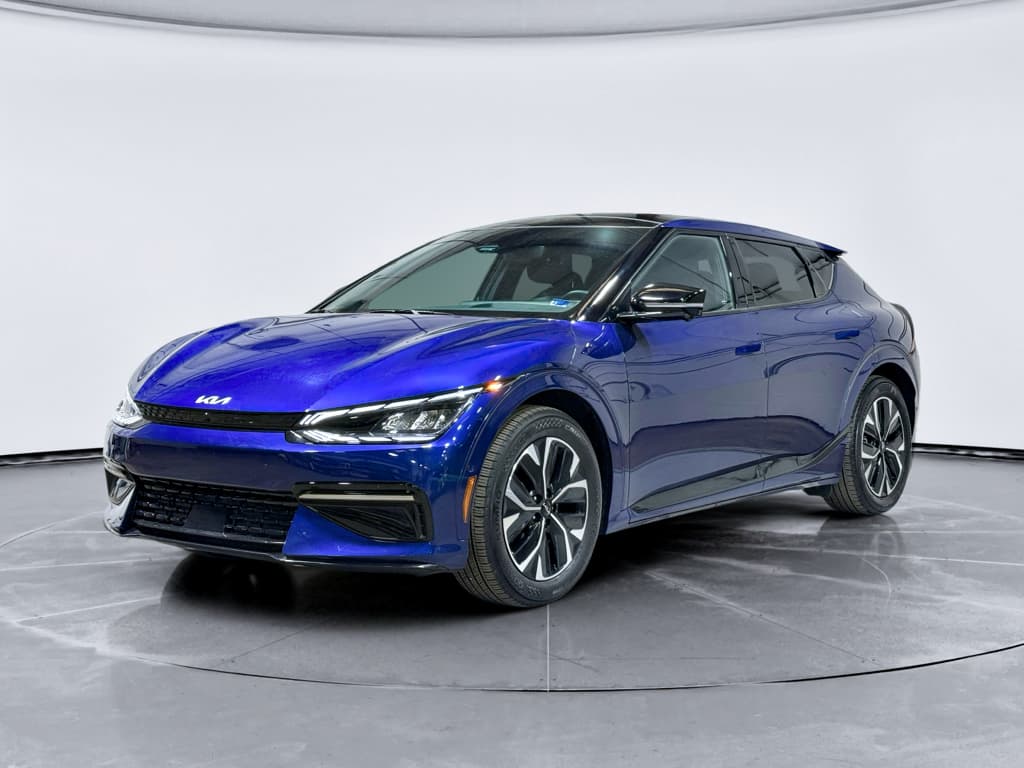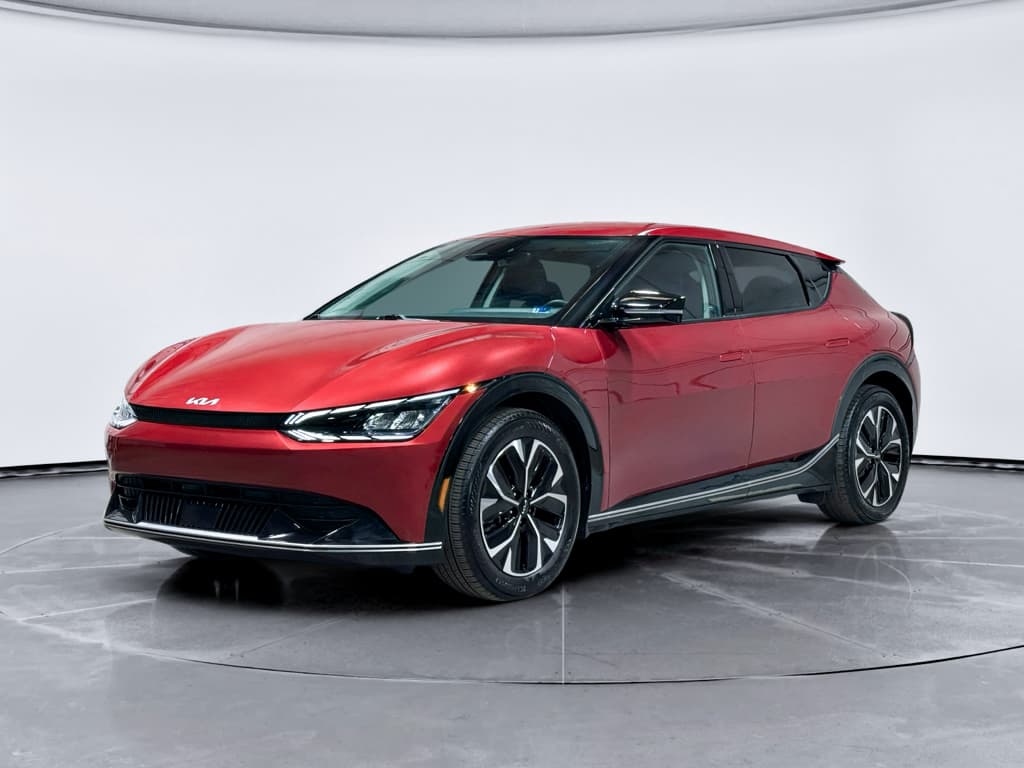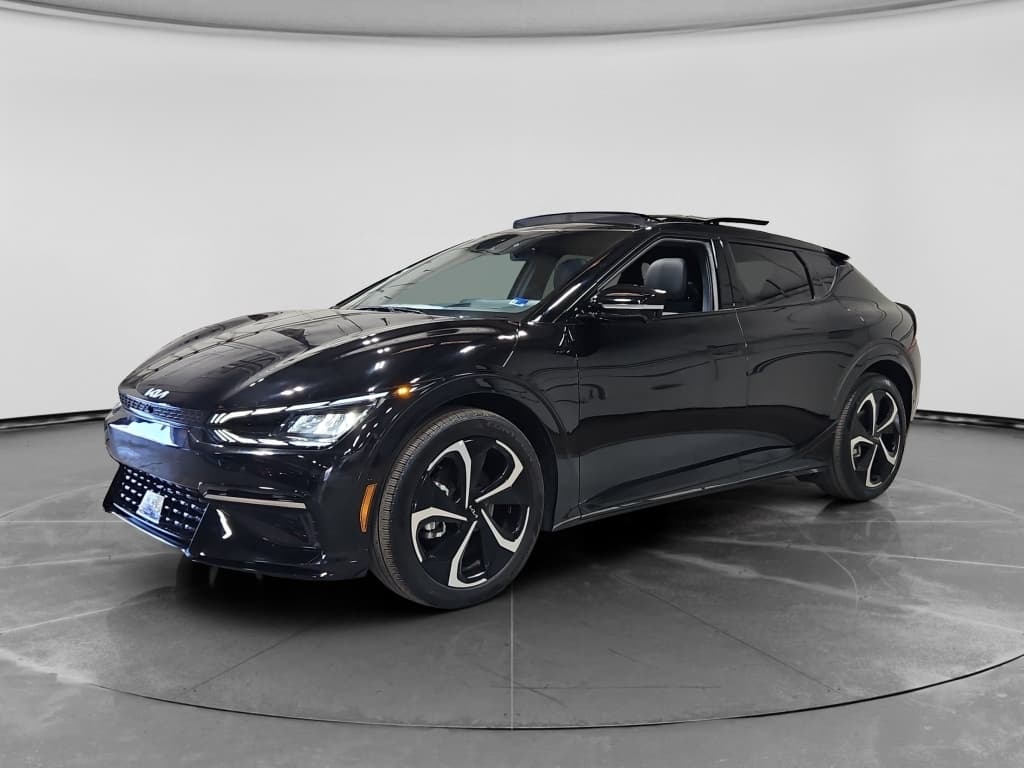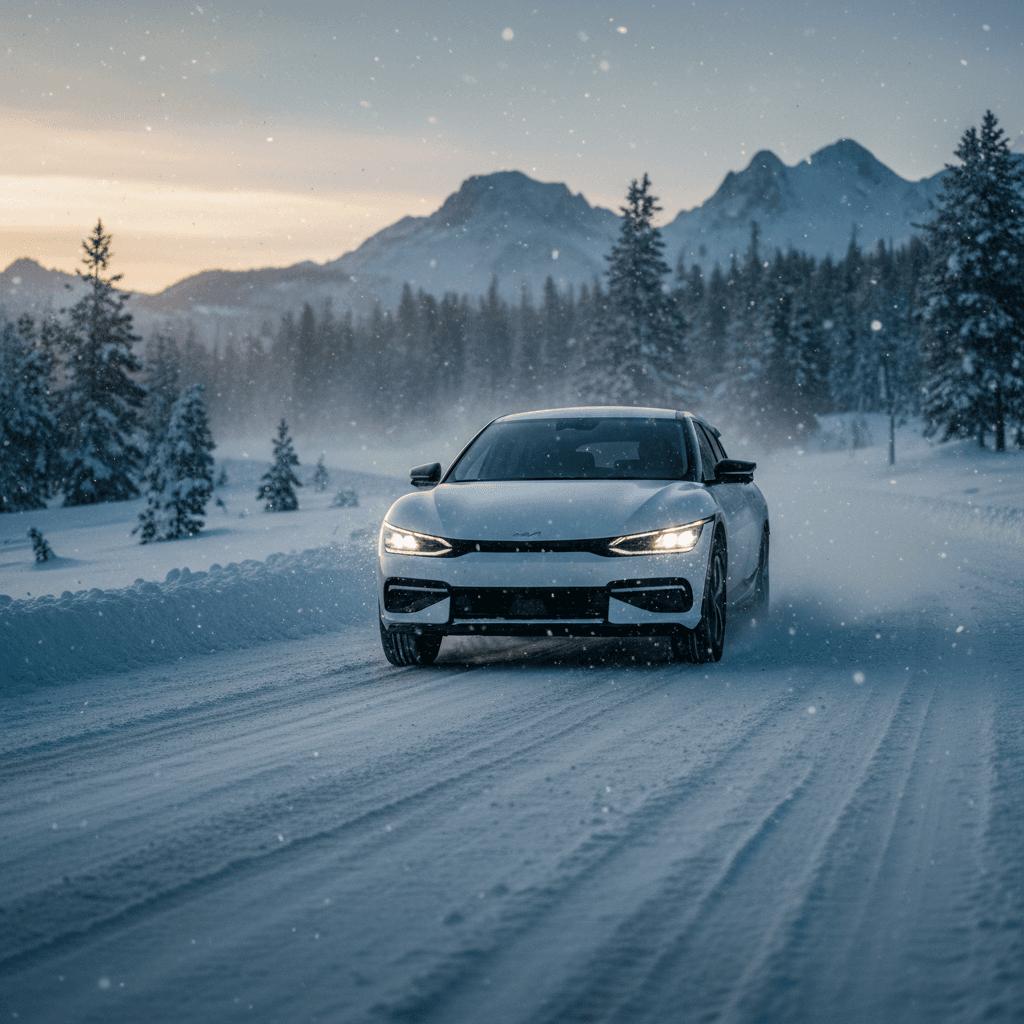
If you live where roads turn into a mix of snowpack, glare ice, and frozen ruts for three months of the year, you don’t care how quick the Kia EV6 is. You care whether the Kia EV6 is actually good in snow and ice, and which versions feel most at home in a storm.
Short answer
Kia EV6 in Snow and Ice: Big Picture
On paper, the EV6 has most of the right ingredients for winter: available dual‑motor all‑wheel drive, a sophisticated traction and stability control system, a dedicated Snow terrain mode, a heavy battery pack that loads the tires, and an available heat pump to keep range reasonably intact in the cold. Real‑world owners in places like the U.S. Midwest, Canada, and Scandinavia consistently report that an AWD EV6 with good winter tires is among the best snow cars they’ve owned.
- AWD models lock in continuous all‑wheel drive in Snow mode to prevent sudden wheelspin.
- Snow mode softens throttle response and reduces peak torque so you don’t shock the tires on slick surfaces.
- Regenerative braking can be dialed back so the car doesn’t surprise you with strong lift‑off braking on ice.
- Ground clearance is modest but workable for plowed roads and moderate accumulation.
- Weight distribution and low center of gravity make the car feel planted rather than tippy in winter crosswinds.
Where the EV6 is not a hero
Which Kia EV6 Trims Are Best for Winter?
Best Kia EV6 Configurations for Snow and Ice
Think in terms of drivetrain, tires, and climate package, not just trim names.
Best overall: Long‑range AWD with heat pump
Who it suits: Snow‑belt drivers who see real winters, Upper Midwest, Northeast, mountain states, Canada.
- Dual‑motor AWD for confident launches and hill climbs.
- Snow mode to tame torque and lock in AWD.
- Heat pump (on many Wind/GT‑Line/GT and later refresh models) to reduce winter range loss.
- Usually comes with heated seats, wheel, and often rear seats, key comfort features in sub‑freezing temps.
Good enough: RWD with winter tires
Who it suits: Mild‑to‑moderate winter regions, or experienced winter drivers.
- Single‑motor RWD can be absolutely fine if you run quality winter tires.
- Snow mode (where equipped) still calms throttle and helps the stability systems.
- Less traction on steep, unplowed hills or starting on ice.
- Range is slightly better than AWD, useful on long cold‑weather commutes.
Used EV6 shoppers: what to prioritize
AWD vs RWD EV6 in Snow
Dual‑motor AWD EV6
- Traction: Predictable traction pulling away from slick intersections and climbing snowy grades, especially in Snow mode which pre‑engages the front motor.
- Stability: The car feels neutral when you nudge it, less tendency to spin the rears and fishtail if you’re ham‑footed with the throttle.
- Confidence factor: For most drivers, especially those new to EV torque, AWD + Snow mode + winter tires is the most forgiving combination.
- Trade‑off: Somewhat lower efficiency in winter because the front motor stays awake in Snow mode and you’re adding drivetrain losses.
Rear‑wheel‑drive EV6
- Traction: With good winter tires and Snow mode, owners report RWD models are surprisingly capable, but they ask more of the driver.
- Behavior: Easier to provoke oversteer if you jump on the throttle in a corner. Fun for experts, unnerving if you’re not expecting it.
- Best use‑case: Areas with mostly cleared roads, occasional snow dumps, and drivers who already know how to handle RWD in winter.
- Deal‑breaker: RWD on stock summer or mediocre all‑seasons is not what you want on regular ice‑storm duty.
Don’t trust the badge alone
Snow Mode on the EV6: How It Actually Behaves
Kia tucks the EV6’s Snow setting inside its terrain or drive‑mode system. Press and hold the mode button on the steering wheel and you’ll find Snow alongside Eco and Normal. On later models it may appear under a Terrain submenu, but the behavior is similar.
What Snow Mode Changes on the Kia EV6
Snow mode doesn’t just change a dash icon – it reshapes how the car delivers power and braking on slick surfaces.
| System | What Snow Mode Does | Why It Helps on Snow/Ice |
|---|---|---|
| Throttle mapping | Softens initial pedal response and limits peak torque | Prevents sudden wheelspin when you pull away or mid‑corner. |
| AWD engagement (AWD models) | Locks in continuous all‑wheel drive instead of on‑demand | Keeps both axles helping so the car doesn’t surprise you switching from RWD to AWD under slip. |
| Traction & stability control | Tightens intervention thresholds | Catches small slides sooner instead of letting you hang it out. |
| Regenerative braking | Often limits regen level toward 0–1 | Avoids abrupt lift‑off deceleration that could unsettle the car on ice. |
| Top speed / power | Slightly reduced power availability in some versions | Again, about predictability not lap times. |
Exact tuning varies slightly by model year and market, but the core behavior is consistent.
When to use Snow mode
“Snow mode also locks you into AWD, which is of obvious benefit when driving on snow/ice/slush. The EV6 is a great winter car even with ‘all‑season’ tires due to how it handles putting power down and it’s heavy for traction.”
Tires: Where Winter Performance Is Won or Lost
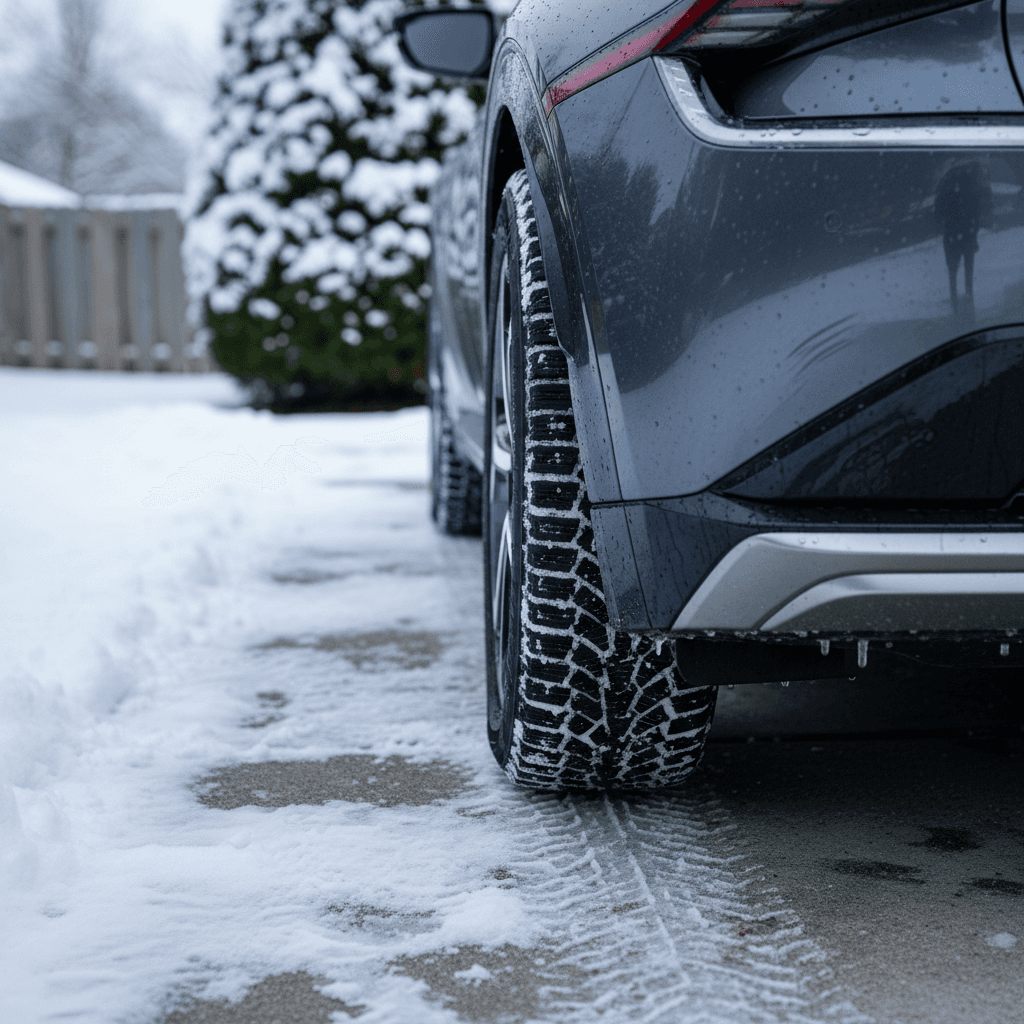
Ask ten EV6 owners what made the biggest difference in snow and ice and nine will say the same thing: tires. All‑season tires are a compromise. In true winter, repeated freeze/thaw, packed snow, and ice, dedicated winter tires transform the car.
Best Tire Choices for Your Winter EV6
Match your rubber to your reality, not the brochure photos.
Dedicated winter tires
Best for: Regular snow/ice, temps below 40°F for much of the season.
- Maximum grip on packed snow and ice.
- Softer compound stays flexible in the cold.
- Popular choices for the EV6 include tires like Michelin X‑Ice Snow or similar premium winter lines.
Downsides: Louder, softer steering feel, and you’ll want a second set of wheels.
All‑weather / 3PMSF rated
Best for: Shoulder‑season climates with mixed rain, slush, and occasional snow.
- Look for the Three‑Peak Mountain Snowflake symbol, not just “M+S.”
- Better cold‑weather braking than regular all‑seasons, without committing to a pure winter tire.
Standard all‑seasons / summer
Best for: Sunbelt drivers, occasional trips to the mountains where roads are usually clear.
- Usable in light snow if you slow down and let the electronics work.
- Not what you want for regular ice storms or unplowed sidestreets.
Chains, socks, and EV6 clearance
Ground Clearance, Weight & Chassis: The Physics Stuff
The EV6 has around 6.1 inches of ground clearance in U.S. spec, typical for a sporty crossover, not a lifted SUV. That’s plenty for plowed city streets and highways with a couple of inches of accumulation, but it’s not the rig you pick for breaking trail through a foot of heavy snow.
- The 77–80 kWh battery pack sits low in the chassis, giving the EV6 a low center of gravity and a curb weight north of 4,400 pounds depending on trim. That mass helps the tires bite into snow but also means you must respect braking distances.
- Wide EV‑style tires look great but are more likely to float on top of deep, loose snow. A narrower winter setup on smaller wheels can actually improve traction.
- The suspension tuning on most trims skews toward firm and controlled, which keeps the car from lolling around in ruts and slush, but you’ll still want to slow down for frozen potholes.
Deep‑snow reality check
Braking, Regen & Stability Systems on Ice
Winter driving in an EV isn’t just about traction on acceleration; it’s also about how the car behaves when you come off the pedal or touch the brakes. The EV6’s combination of regenerative braking, ABS, and stability control is generally well‑tuned for winter, but you need to understand how to work with it.
How to Set Up Braking and Regen for Winter
1. Dial back regen in slick conditions
High regen (i‑Pedal) is brilliant in the dry, but in snow and on ice it can feel like an invisible foot stabbing the brake when you lift. Use Snow mode or manually set regen to Level 0–1 on truly slick days.
2. Trust ABS, but leave room
The EV6’s 4‑wheel ABS and stability control are quick to intervene, but no system can create friction where the road offers none. Increase following distances and brake progressively, especially on bridges and shaded corners that collect black ice.
3. Use paddle regen like an engine brake
On long snowy descents, gently pulling the left paddle to add regen mimics downshifting in an ICE car. Done smoothly, it helps slow the car without constantly riding the friction brakes.
4. Keep sensors clear
Wet snow and road slush can cake radar and camera sensors, triggering a Christmas tree of driver‑assist warnings. When you stop for coffee, wipe off the front radar panel and cameras so features like Smart Cruise and lane‑keeping work properly.
The ice rule that never changes
Winter Range, Heat Pump & Battery Care
All EVs lose range in the cold. The battery chemistry slows down, you’re pulling energy for cabin heat, seat heaters, steering‑wheel heat, and window defogging, and rolling resistance goes up in slush. The EV6 is no exception, but it does have tools to make winter hits manageable.
What to Expect from EV6 Winter Range
- Many EV6 trims offer a heat pump, which scavenges waste heat and dramatically lowers energy draw for cabin heating versus simple resistive heaters.
- Preconditioning, heating the cabin and battery while you’re still plugged in, is your winter superpower. Use the Kia app or built‑in timer so you leave with a warm pack and full charge.
- Seat and wheel heaters use less energy than blasting hot air, so lean on them first, then use moderate cabin temps.
- Frequent DC fast charging in very cold temperatures can slow charging speeds; arriving with a warmed battery, after 10–15 minutes of highway driving, helps.
Used EV6 battery health in winter
How to Set Up a Used Kia EV6 for Winter
If you’re picking up a used EV6 this year and planning to point it at a snowbank come December, you can do a few simple things now that will pay off all winter long.
Winter Prep Checklist for a Used EV6
1. Choose the right drivetrain for your climate
In serious snow country, favor dual‑motor AWD. If you’re mostly on cleared roads and want maximum efficiency, RWD can work, with the right tires and driver expectations.
2. Budget for a dedicated winter wheel & tire set
A second set of smaller‑diameter wheels with quality winter tires is the single best upgrade you can make. Swap them on in late fall, off in early spring, and your fancy summer wheels stay out of the salt bath.
3. Verify cold‑weather features
On a test drive, confirm heated seats, steering wheel, rear defroster, and side‑mirror heaters all work. Ask whether the car has a heat‑pump system; it’s especially valuable for long cold‑weather commutes.
4. Learn the drive‑mode and regen shortcuts
Before the first ice storm, practice switching into Snow mode and changing regen levels with the paddles on an empty side street. Muscle memory matters when things get slick fast.
5. Protect the underbody and seals
Road salt and grime are no friend to any car. Regular underbody washes and a light application of silicone on door seals keep winter squeaks and frozen doors at bay.
6. Plan your charging around winter
If you’re installing home charging, a 240‑V Level 2 unit in a garage or carport is ideal for winter. Recharged can connect you with EV‑savvy partners and help you ballpark charging costs as part of your buying process.
Kia EV6 Winter Driving FAQ
EV6 Snow & Ice: Frequently Asked Questions
So, Is the Kia EV6 a Good Snow Car?
Configured wisely, the Kia EV6 is exactly the kind of winter companion you want: calm, predictable, unflustered by slush ruts and surprise storms. The best setup for snow and ice is simple, AWD, Snow mode, and quality winter tires, ideally backed by a heat‑pump cabin system for comfort and range. Get those pieces right and the EV6 stops feeling like a science project and starts feeling like the car you trust when the forecast turns ugly.
If you’re shopping used, this is where buying through a specialist matters. Recharged builds every sale around transparent battery health, fair pricing and EV‑savvy guidance on details like drivetrain, tires and winter range planning. That way, when the first storm hits next season, you’re not white‑knuckling your way home, you’re cruising past gas stations in a warm, quiet EV6 that feels entirely at home in the snow.