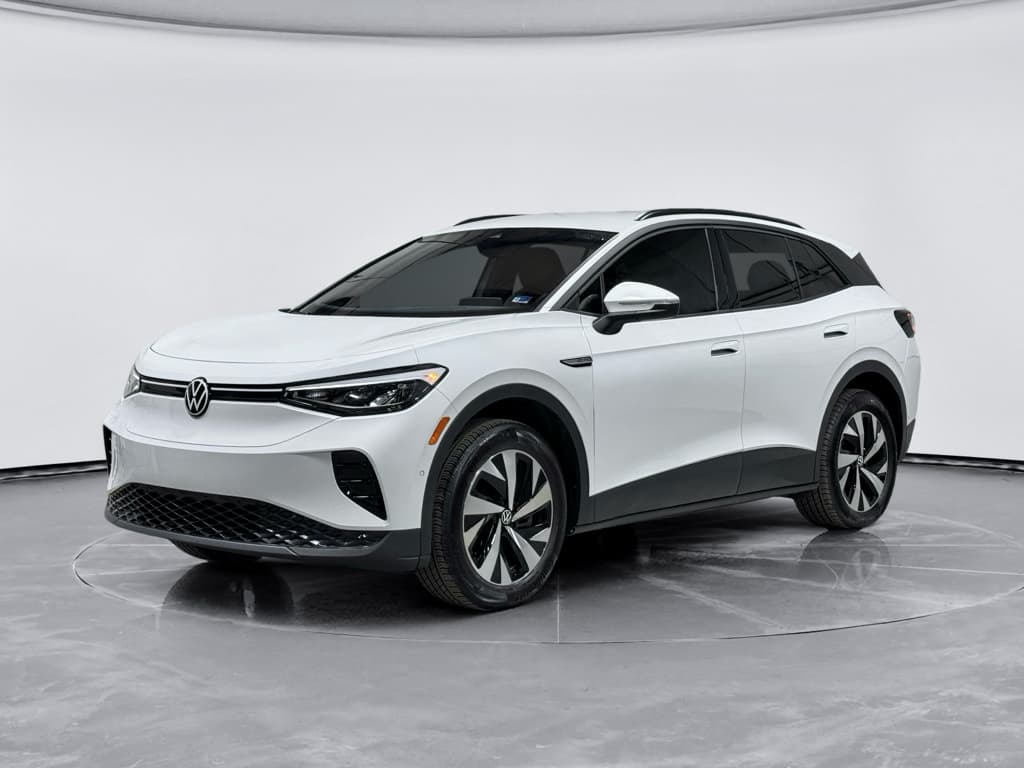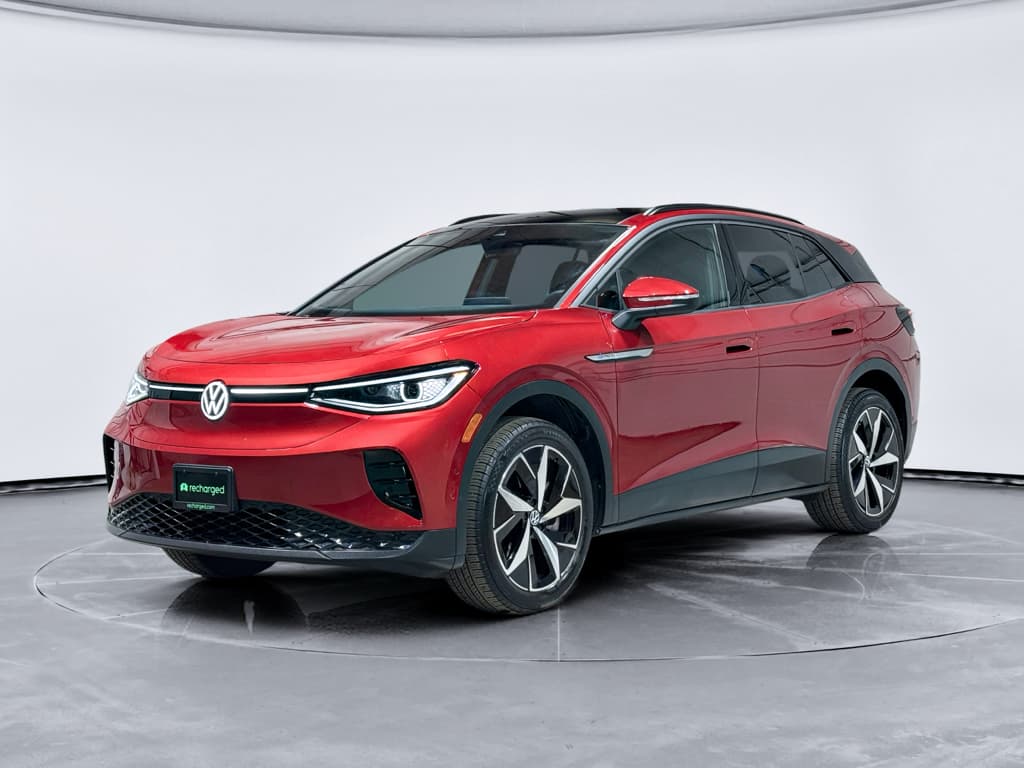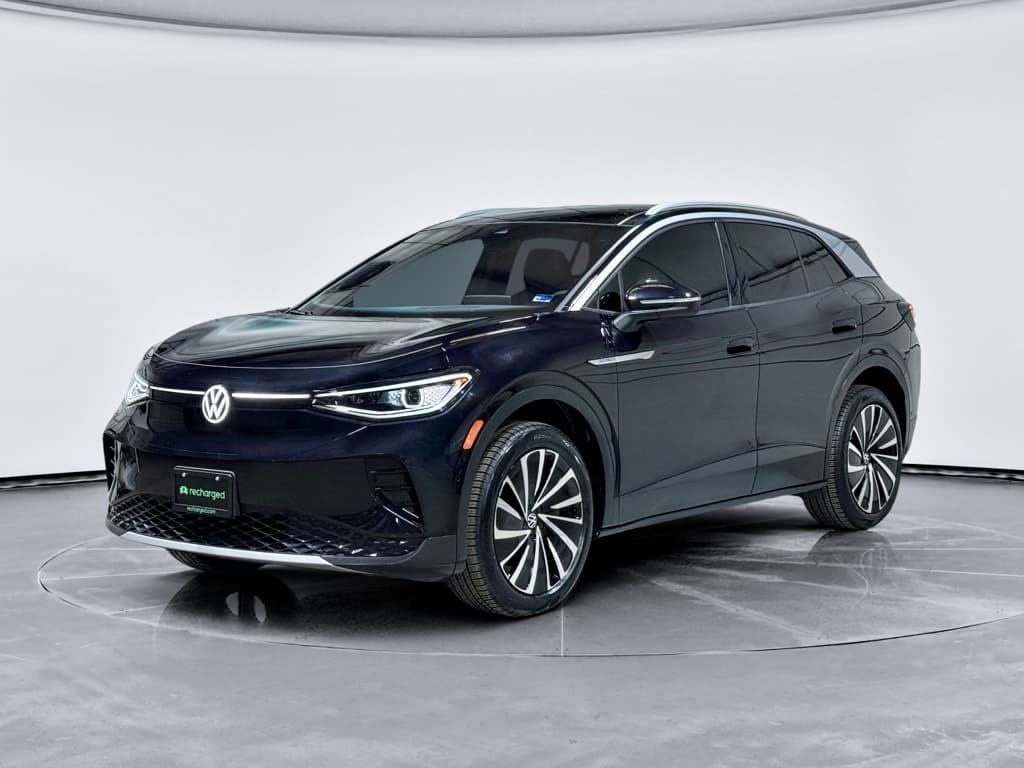
If you own a Volkswagen ID.4, you’re driving one of the most popular non-Tesla EVs on the road, and one of the most actively traded on the used market. That’s good news when you’re asking the big question: what’s the best time to sell a Volkswagen ID.4 so you keep as much money as possible?
Bottom line up front
Why timing your Volkswagen ID.4 sale really matters
Timing matters for any car, but it’s magnified with EVs. The ID.4 has a value curve that’s steeper than halo EVs like the Tesla Model Y, but better than many niche or early‑generation electric cars. In plain English: wait too long and the price cliff is real, especially once you’re out of battery warranty or the car is carrying six figures on the odometer.
Volkswagen ID.4 resale snapshot in 2026 (typical cases)
Think like your future buyer
How the Volkswagen ID.4 actually depreciates
Resale value is where emotion meets math. ID.4 buyers may love the minimalist cabin and quiet ride, but the markets care about MSRP, incentives, miles, and fear of battery risk. Based on multiple valuation sources and Recharged’s own transaction data, the ID.4 tends to lose value quickly in the first few years and then tapers.
Typical Volkswagen ID.4 value curve (high level)
Illustrative ranges under normal U.S. use, actual values depend on trim, condition, region, and incentives at time of sale.
| Age of ID.4 | Approx. miles | Typical depreciation vs. original MSRP | What it feels like to buyers |
|---|---|---|---|
| Year 1–2 | 0–24,000 | ~25–35% | "Nearly new" with full warranty, prime CPO and lease‑buyout territory. |
| Year 3 | 24,000–36,000 | ~35–45% | Still modern, tech feels current, but buyers expect a noticeable discount versus new. |
| Years 4–5 | 36,000–60,000 | ~50–60% | Sweet spot for budget shoppers; warranty remaining is a key selling point. |
| Years 6–8 | 60,000–100,000+ | ~60–70%+ | Price-sensitive buyers only; questions about battery health move to center stage. |
These bands describe how a "normal" ID.4 behaves; recalls, heavy incentives, or local demand can push your result higher or lower.
Why IDs drop harder when new incentives appear
Mileage and age sweet spots for selling an ID.4
The clock on a Volkswagen ID.4 isn’t just in years; it’s in years plus miles plus software age. A 2021 ID.4 with 25,000 miles is a very different story from a 2021 with 90,000 miles, even if both sit on the same showroom floor.
Best mileage windows to sell your Volkswagen ID.4
Use these as guardrails, not commandments, to time your exit.
Under 25,000 miles
Ideal if you’re flipping early.
- Feels "nearly new" to most buyers.
- Best if you’re bailing out of a lease or changing vehicles quickly.
- Premium trims (Pro S, AWD) shine here.
25,000–60,000 miles
The mainstream sweet spot.
- Most ID.4s in this band still have lots of battery warranty left.
- Price is comfortably below new, but not "beater" territory.
- Often the best balance of value kept vs. value left for the next owner.
60,000–90,000+ miles
Sell before it looks tired.
- Buyers start to worry about range loss and big-ticket repairs.
- Still saleable, but expect more bargaining and inspection questions.
- If you’re nearing 100,000 miles, sell before versus after crossing that line.
Quick check: is your ID.4 in the timing sweet spot?
1. Your ID.4 is 3–6 model years old
Most shoppers see 3–6‑year‑old EVs as a fair compromise between new‑car tech and used‑car pricing. Younger than this, you may be throwing away too much depreciation you’ve already paid.
2. Odometer is under 70,000 miles
Below this line, an ID.4 still feels like a commuter with lots of life left. Above it, you’re competing with cheaper, higher‑miles crossover options and buyers get choosier.
3. Battery warranty still has years left
Volkswagen backs the high‑voltage battery for <strong>8 years/100,000 miles</strong> in the U.S. Having several years and tens of thousands of miles left is a big selling point.
4. No major cosmetic or accident history issues
Once an ID.4 has obvious damage or a branded title, you’re no longer in the sweet spot, now you’re selling a discount story. Timing won’t fix that; pricing and transparency will.
Battery health and warranty: the EV-specific clock
Unlike a gas Tiguan, the number one fear buyers bring to a used ID.4 is the battery. They’ve seen the headlines; they don’t want to be the person holding the bag if something goes wrong after the warranty expires. That’s why the best time to sell a Volkswagen ID.4 usually lands well before the 8‑year/100,000‑mile battery warranty ends.
Years 1–4: Maximum confidence era
- Factory bumper‑to‑bumper and battery warranties are both active.
- Real‑world data from VW’s sibling ID.3 suggests modest degradation in the first 4 years, often still showing 85–90% of original capacity.
- Buyers are willing to pay a premium for cars that still feel almost new, and priced accordingly.
Years 5–8: Warranty countdown
- The battery warranty’s remaining time becomes a headline selling point.
- Buyers ask more questions about fast‑charging habits, home charging, and range in winter.
- If your ID.4 is in this band now, sooner is usually better than later, especially as mileage creeps toward six digits.
Use real battery data to defend your price

Seasonal timing and 2026 EV market trends
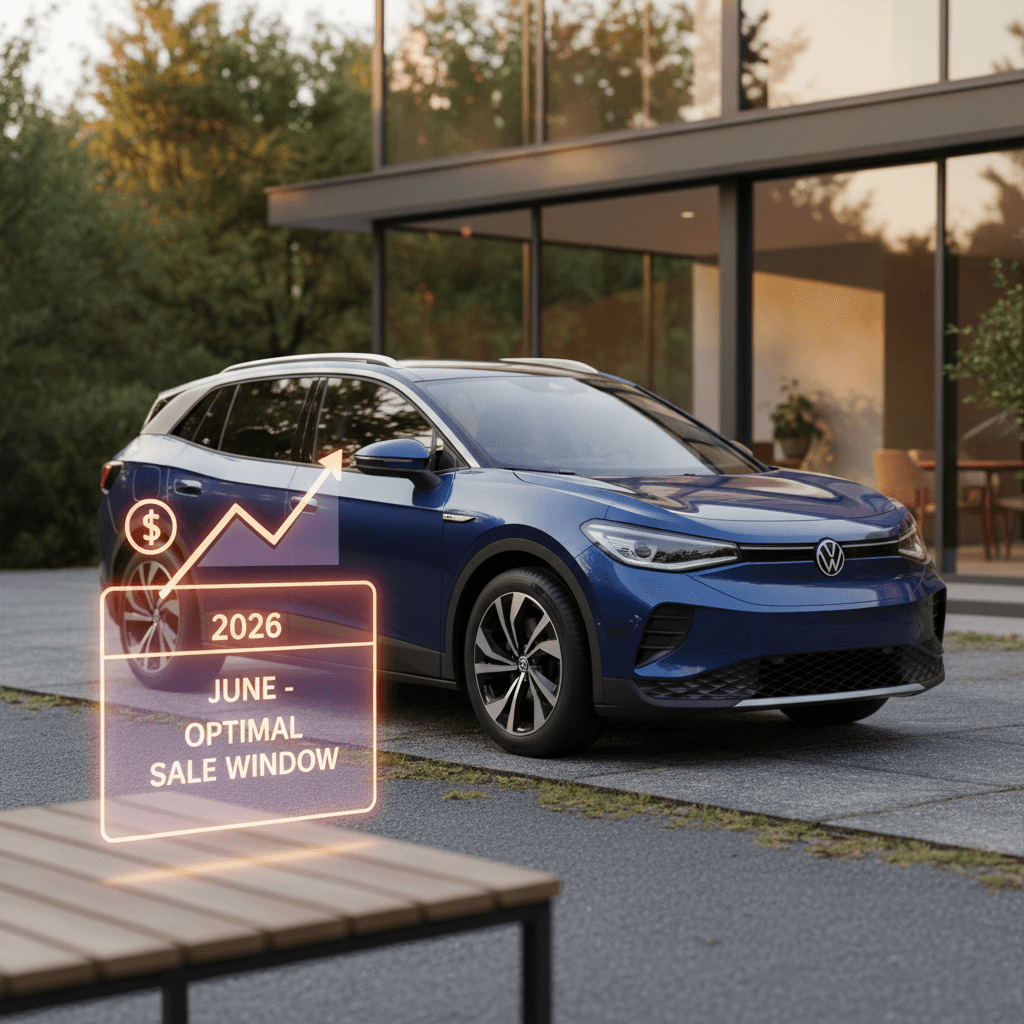
The calendar matters more than most people think. For used cars in general, and EVs in particular, the strongest seller’s window in the U.S. tends to run from early spring into early summer. Buyers are emerging from winter, tax refunds are landing, and road‑trip season is looming.
How seasons affect what your ID.4 is worth
Think of it as weather for prices, not just for traction.
Spring (March–May)
- Historically one of the best times to sell vehicles.
- Gas prices often rise, nudging shoppers toward EVs.
- Ideal time to list a family‑friendly crossover like the ID.4.
Summer (June–August)
- Demand stays healthy but can soften as vacation season picks up.
- Great if your ID.4 is road‑trip ready with fresh tires and service.
- Hot‑weather range worries can surface in very warm regions.
Fall & winter
- Fall can be decent, but year‑end new‑car incentives may drag used values.
- Winter amplifies range anxiety, buyers may lowball based on cold‑weather stories.
- If you’re selling in winter, price realistically and show recent cold‑weather range.
Pay attention to new‑car deals and tax credits
Personal situations: when to sell now vs. wait
No depreciation curve knows that your commute just doubled or that your third kid is on the way. Your life is the tiebreaker. Here’s how to think it through if you’re on the fence about whether to sell your ID.4 now or later.
Two paths: sell now or hold a bit longer
Signs you should sell your ID.4 sooner
Your ID.4 is approaching a mileage milestone that scares buyers (75,000 or 100,000 miles).
You’re within 1–2 years of the 8‑year battery warranty expiring and don’t want to own an out‑of‑warranty pack.
Your needs changed (longer commute, towing, third row) and the ID.4 no longer fits your life.
You’re staring down an expensive repair, set of tires, or out‑of‑warranty fix and don’t want to invest more.
Local new‑car incentives are strong today, giving you a great deal on the next EV if you trade.
Signs you can wait without much penalty
Your ID.4 is low‑miles, under 40,000, with many warranty years left.
You love the car and only drive modestly; miles will creep up slowly.
Used EV demand is soft right now in your region, and you’re not forced to sell.
You’re waiting for a specific upcoming model or feature (e.g., longer‑range or three‑row EV) and timing the switch.
You’re still upside‑down on a loan; another year of payments may put you in a stronger equity position.
How Recharged can help you choose a path
Ready to find your next EV?
Browse VehiclesTrade-in vs. private sale vs. EV-focused marketplace
Once you’ve decided when to sell, the next question is how to sell. With an ID.4, the playing field isn’t totally level: some channels understand EVs, and battery value, much better than others.
Traditional dealer trade‑in
- Pros: Fast, convenient, wraps into your next purchase.
- Cons: Typically the lowest dollar amount, and many dealers still undervalue EVs or overestimate battery risk.
- Best for: When you prioritize speed and simplicity over top dollar.
Private sale
- Pros: Highest theoretical price, especially if your ID.4 is in a desirable spec (AWD, Pro S, rare color).
- Cons: Time‑consuming, you’re doing test drives, paperwork, and explaining EV basics to nervous buyers.
- Best for: Patient, hands‑on sellers comfortable screening buyers and handling the details.
EV‑focused marketplace (like Recharged)
- Pros: Buyers already shopping for EVs, transparent battery‑health reporting, nationwide reach, and support handling financing and paperwork.
- Cons: Slightly more effort than a straight trade‑in, but less than full DIY private sale.
- Best for: ID.4 owners who want stronger pricing than a dealer without turning into their own sales department.
Don’t forget the time cost
How to prep and position your ID.4 for top dollar
You can’t change your model year, but you can absolutely change how your ID.4 presents itself to the market. A well‑prepared car sells faster and for more money, especially in the crucial 3–6‑year, sub‑70k‑mile band where most buyers are shopping.
Pre‑sale checklist for your Volkswagen ID.4
Document your charging and service habits
Gather service records, tire receipts, and any paperwork for software updates or recall work. If most charging was done at home on Level 2 rather than daily DC fast charging, make a note, this reassures buyers about battery life.
Get a battery‑health report if possible
A professional battery‑health snapshot, such as the <strong>Recharged Score Report</strong>, turns vague fear into hard numbers. That makes pricing easier to defend and helps buyers feel comfortable paying top of market for your ID.4.
Fix small cosmetic issues
Curb‑rashed wheels, a cracked windshield, or a torn cargo cover can spook otherwise serious buyers. Repair the cheap, obvious stuff; leave only the big‑ticket items to negotiate, if at all.
Detail the interior and de‑personalize
The ID.4’s spacious, airy cabin is one of its selling points. A professional detail, no lingering odors, and clearing out personal items make it easier for a buyer to imagine the car as theirs, not yours.
Highlight software and feature updates
If your ID.4 has received over‑the‑air updates, DC fast‑charging improvements, or added features, mention them in your listing. An updated infotainment system or improved charging curve can distinguish your car from older‑software competitors.
Price strategically within your band
Look at comparable listings with similar year, trim, and mileage. If your ID.4 has a clean battery‑health report and strong service history, you can comfortably price at the top of that band.
With EVs, the story you can tell about how the car was charged and cared for is worth nearly as much as the car itself.
FAQ: Best time to sell a Volkswagen ID.4
Frequently asked questions about timing your ID.4 sale
The best time to sell a Volkswagen ID.4 isn’t a single date on a calendar, it’s the moment when your car, your market, and your life line up. For most owners, that means selling in the mid‑life window, around 3–6 years old and under 70,000 miles, while there’s still ample battery warranty and the car looks modern next to new‑car competitors. Time it for spring if you can, present a clear story about how the car was charged and cared for, and pick a selling channel that respects EVs as more than just gas cars without tailpipes.
If you’re weighing your options, Recharged can help you benchmark what your ID.4 is worth right now, including a Recharged Score battery‑health report, fair‑market pricing guidance, and flexible selling options, from instant offers and consignment to nationwide buyers. However you decide to sell, a little timing and preparation can keep thousands of dollars in your pocket instead of on someone else’s balance sheet.