Do electric cars need servicing, or can you just plug in and forget about maintenance? The short answer: yes, EVs still need servicing, but far less of it, and it looks very different from what you may be used to with a gas car. Understanding that difference is key to budgeting your ownership costs and to evaluating any used EV you’re thinking about buying.
Big Picture
Do Electric Cars Need Servicing at All?
Electric vehicles aren’t maintenance‑free, but they are maintenance‑light. There’s no engine oil, no spark plugs, no timing belt, no exhaust system, and usually no multi‑gear transmission to service. That’s why multiple 2024–2025 cost studies show EVs needing around 30–50% less maintenance than comparable gas vehicles over their lifetime.
- EVs absolutely do need regular checks and basic servicing.
- Most maintenance focuses on tires, brakes, fluids, filters and inspections.
- Software updates and diagnostics now replace many traditional tune‑ups.
- High‑voltage components are largely sealed and rarely serviced during normal ownership.
Good News for Owners
How EV Servicing Differs From Gas Cars
Electric vs Gas Car Servicing at a Glance
Fewer moving parts means fewer things to service or fail.
Powertrain Complexity
Gas cars: Hundreds of moving parts, pistons, valves, fuel system, exhaust, complex transmission.
EVs: Simple electric motor, single‑speed reduction gear, inverter, battery pack.
Routine Service Items
Gas cars: Oil & filter, spark plugs, timing belt/chain, coolant, transmission fluid, emissions system.
EVs: Tires, brake fluid, occasional gearbox fluid, cabin filter, basic inspections.
Average Maintenance Costs
Recent ownership studies and insurer data suggest EV maintenance and repair costs are roughly 30–50% lower than for similar gas cars over the first 5–10 years.
Tip for Former Gas‑Car Owners
What Maintenance Do Electric Cars Actually Need?
Every manufacturer has its own schedule, but the core maintenance items for most EVs are surprisingly consistent. Here’s what nearly every electric car will need over time.
Core EV Maintenance Items
Typical items you’ll see on an electric car’s service schedule. Always follow your owner’s manual for exact intervals and requirements.
| Item | What It Does | Typical Interval |
|---|---|---|
| Tire rotation & inspection | Even out tire wear, check tread and damage | Every 6–8,000 miles or annually |
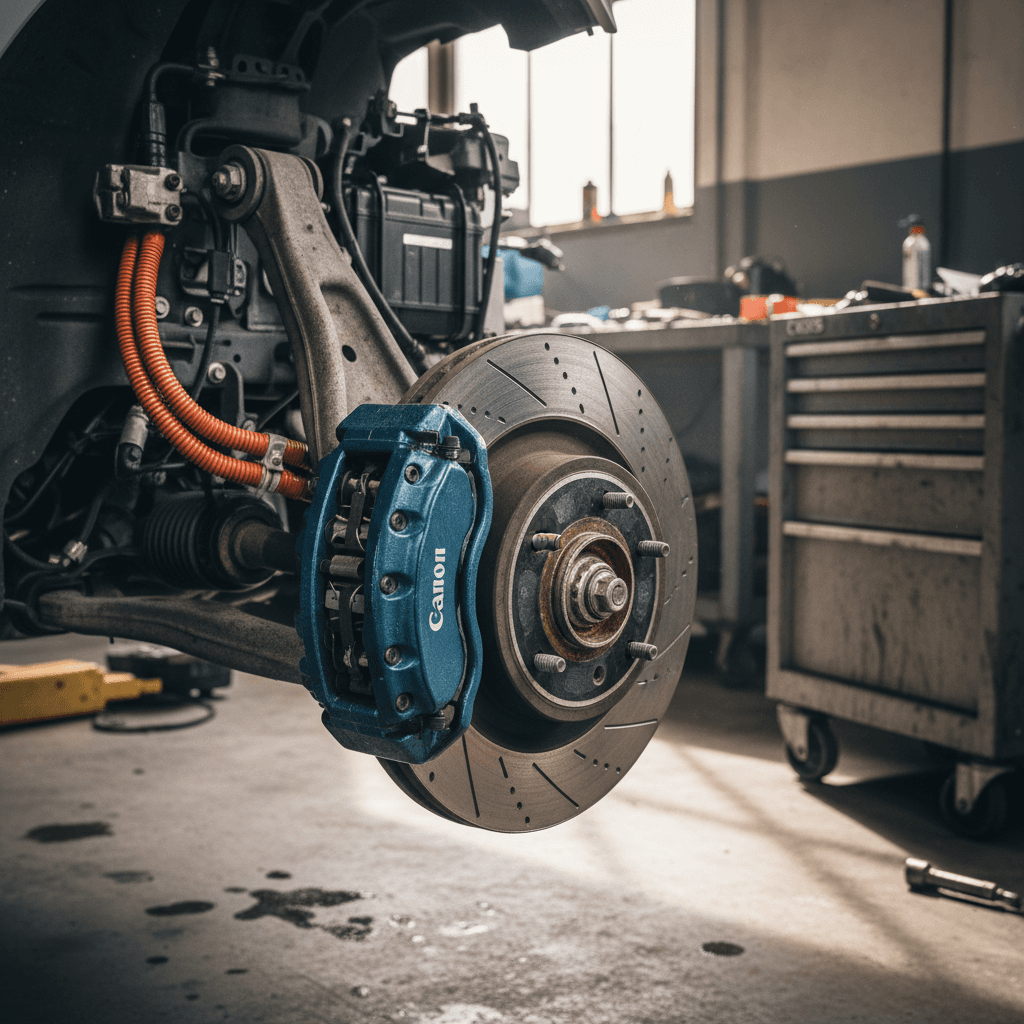
| Brake inspection & cleaning | Check pads/rotors, clean hardware to prevent corrosion | Every 12–24,000 miles or 1–2 years |
| Brake fluid replacement | Maintains braking performance, prevents internal corrosion | About every 2–3 years |
| Cabin air filter | Cleans air entering the cabin, protects HVAC | Every 1–2 years |
| Coolant for battery/drive unit (if equipped) | Manages battery and power electronics temperature | Often 100,000+ miles or 8–10 years |
| Reduction‑gear/drive‑unit oil (some models) | Lubricates the simple EV gearbox | Anywhere from “lifetime” to 100,000 miles |
| 12‑volt battery | Powers accessories and vehicle computers | Commonly 4–7 years |
| Software updates & diagnostics | Fixes bugs, improves efficiency, adds features | As released by manufacturer |
Maintenance needs may vary slightly by brand, climate, and driving style.
Don’t Ignore Tires
Typical EV Service Intervals by Time and Mileage
Because EV maintenance is lighter, many manufacturers have moved away from the old “bring it in every 5,000 miles” mindset. Instead, you’ll see time‑based checks with specific mileage triggers. Here’s a simplified view of what many EV owners can expect.
- Every 6–8,000 miles: Tire rotation and basic inspection. This is your most frequent regular service item.
- Every 1–2 years: Cabin air filter replacement; brake inspection and cleaning where needed; general multi‑point inspection.
- Every 2–3 years: Brake fluid replacement, especially in humid or cold climates where moisture and corrosion are concerns.
- Around 8–10 years or 100,000+ miles: Possible coolant service for the battery/drive unit on EVs that use liquid thermal management. Some brands may specify drive‑unit fluid changes as well.
- As needed: Tires, wiper blades, 12‑volt battery, suspension components, door seals, and any repairs prompted by warning lights or unusual behavior.
Mileage vs Time
How Much Does EV Servicing Cost Compared With Gas Cars?
On average, EV owners in 2025 spend several hundred dollars less per year on maintenance than comparable gas‑car owners. Industry cost breakdowns and insurer data typically show EV maintenance in the ballpark of $400–$950 per year, versus $900–$1,300 for a similar gasoline vehicle, depending on mileage and vehicle class.
EV vs Gas Car Maintenance, Big Picture Numbers
Where EV Owners Still Spend Money
- Tires: Often a bit more expensive and may wear faster.
- Alignments & suspension: Heavier vehicles can stress components.
- Glass & body work: Same risks as any car.
Where EV Owners Save
- No oil changes: That alone can save hundreds every year.
- Fewer moving parts: No tune‑ups, timing belts, or exhaust repairs.
- Longer brake life: Regenerative braking reduces pad and rotor wear.
The One Big Exception: Collision Repairs
Do You Have to Service the Battery?
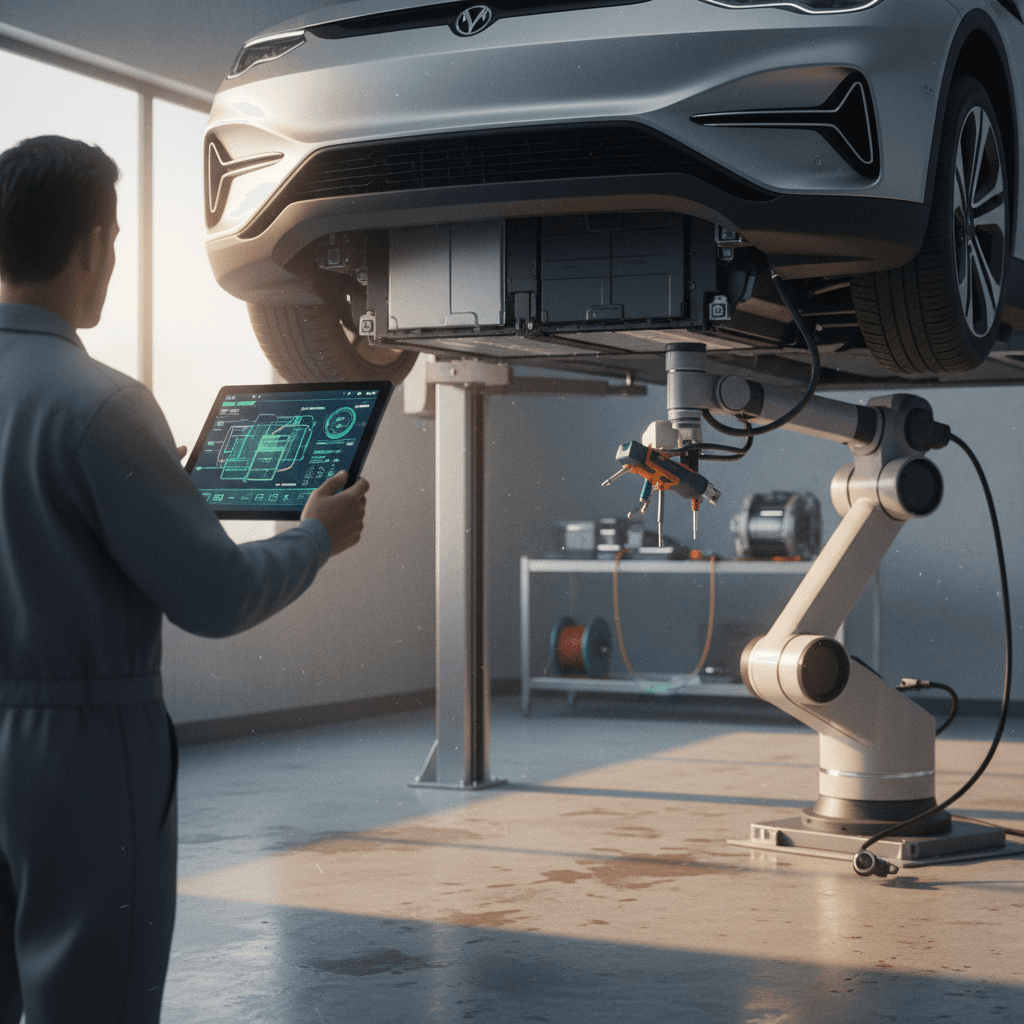
High‑voltage batteries are the heart of an EV, and they’re what many shoppers worry about most. The reality is that there’s almost no routine “battery service” in the way you might service an engine. Instead, manufacturers focus on monitoring, software control, and long warranties.
- Most EVs carry 8–10 year battery warranties, commonly up to 100,000 miles or more.
- Thermal management systems (coolant, pumps, valves) keep the pack within a healthy temperature range with minimal owner involvement.
- Modern data shows average battery capacity loss of only a few percent over many years for most mainstream EVs, assuming normal use and charging habits.
- True battery repairs or replacements are rare within the warranty period and are treated as major repairs, not routine maintenance items.
How You “Service” the Battery in Practice
How Servicing Affects Used EV Value
If you’re looking at the used EV market, which is where Recharged focuses, service history and battery health are two of the biggest drivers of value. EVs may depreciate faster on paper, but a well‑documented car can stand out and command stronger prices.
Why Service History Matters Even More With Used EVs
Good records can separate a smart buy from a risky one.
Documented Maintenance
Regular tire rotations, brake inspections, and fluid changes show that the previous owner treated the car like a long‑term asset, not a tech gadget.
Battery Health Transparency
Real‑world capacity measurements and charge‑cycle data paint a far clearer picture than age or mileage alone.
Warranty & Peace of Mind
Knowing what’s been done, and when, reduces surprises and feeds into stronger resale value down the road.
How Recharged Helps
Ready to find your next EV?
Browse VehiclesSimple Maintenance Checklist for EV Owners
Your Practical EV Maintenance Checklist
1. Rotate & Inspect Tires
Schedule a tire rotation every 6–8,000 miles. Ask the shop to check tread depth, sidewall damage, and alignment, especially if you’ve hit potholes or notice uneven wear.
2. Inspect Brakes Regularly
Even with regenerative braking, have pads, rotors, and calipers inspected every 12–24,000 miles. Lightly using the friction brakes now and then can help keep them free of rust.
3. Replace the Cabin Air Filter
Swap the cabin filter every 1–2 years to keep the HVAC system efficient and your cabin air clean, especially important if you live in a dusty or high‑pollution area.
4. Keep Software Up to Date
Accept manufacturer software updates promptly. They can improve efficiency, range prediction, charging behavior, and even fix known issues without a shop visit.
5. Protect the 12‑Volt System
If your EV shows signs of a weak 12‑volt battery (slow wake‑up, random warnings), don’t ignore it. A failing 12‑volt can strand an otherwise healthy vehicle.
6. Check Fluids Occasionally
Even if intervals are long, ask your service provider to inspect coolant and brake fluid condition every couple of years, and follow the manual for replacement timing.
Where to Service an EV
Common EV Servicing Myths, Debunked
Myth 1: “EVs Don’t Need Any Service.”
EVs skip oil changes, but they still have brakes, tires, suspension, steering, and safety systems that age and wear. Skipping basic service can lead to noisy brakes, poor tire life, and even safety issues.
Myth 2: “Battery Replacements Are Inevitable and Frequent.”
Most owners will never pay for a pack out of pocket within the first decade. Degradation is usually gradual, and pack failures within the warranty window are relatively rare.
Myth 3: “Any Mechanic Can Service an EV.”
Basic work like tires and brakes are familiar territory, but high‑voltage systems require specialized training and safety procedures. Choose shops that explicitly support EVs.
Myth 4: “EV Service Is Always More Expensive.”
Some repairs, especially collision‑related battery work, can be pricey, but routine maintenance is generally cheaper than on gas cars over the same mileage.
Watch for Neglected Cars
FAQs: Electric Car Servicing
Frequently Asked Questions About EV Servicing
The Bottom Line on EV Servicing
Electric cars absolutely do need servicing, but compared with gas vehicles, there’s less of it, and it tends to be simpler and cheaper. Think tires, brakes, fluids and software rather than oil changes and tune‑ups. For many owners, that means fewer trips to the shop, lower routine costs, and more predictable ownership over time.
If you’re considering a used EV, paying attention to service history and battery health is just as important as looking at price and mileage. That’s exactly why Recharged includes a Recharged Score Report with verified battery diagnostics and expert guidance for every vehicle we sell. You get a clear picture of what’s been done, what’s coming due, and what it will realistically cost to own the car over the next several years, so you can enjoy the benefits of electric driving with fewer surprises.