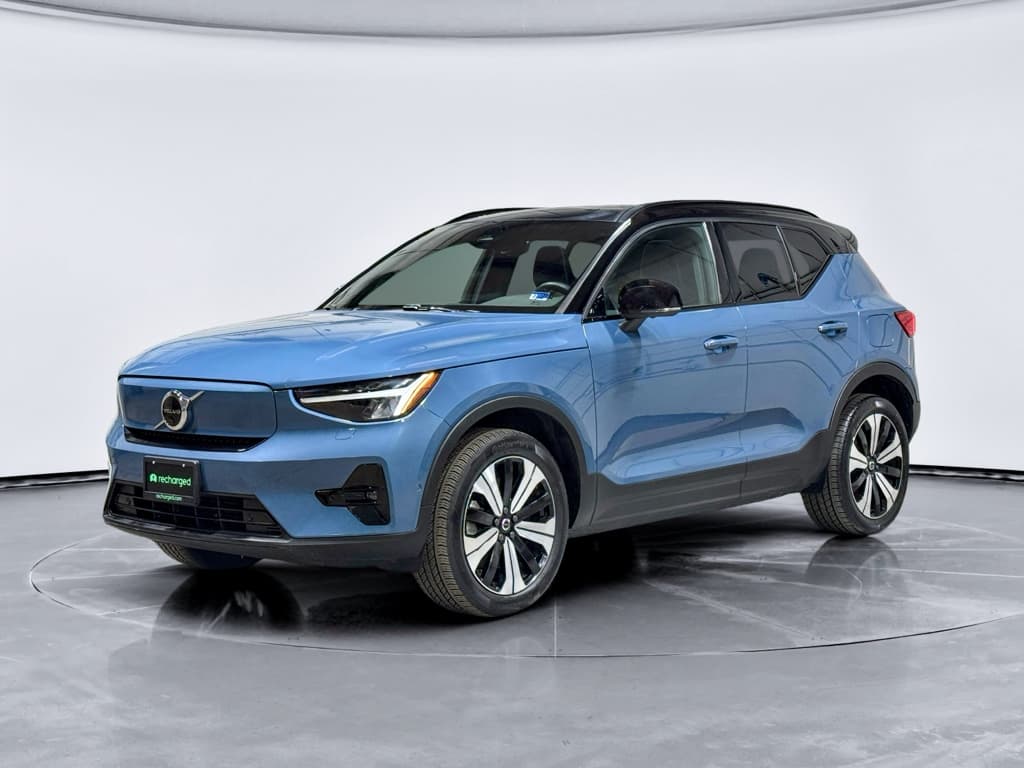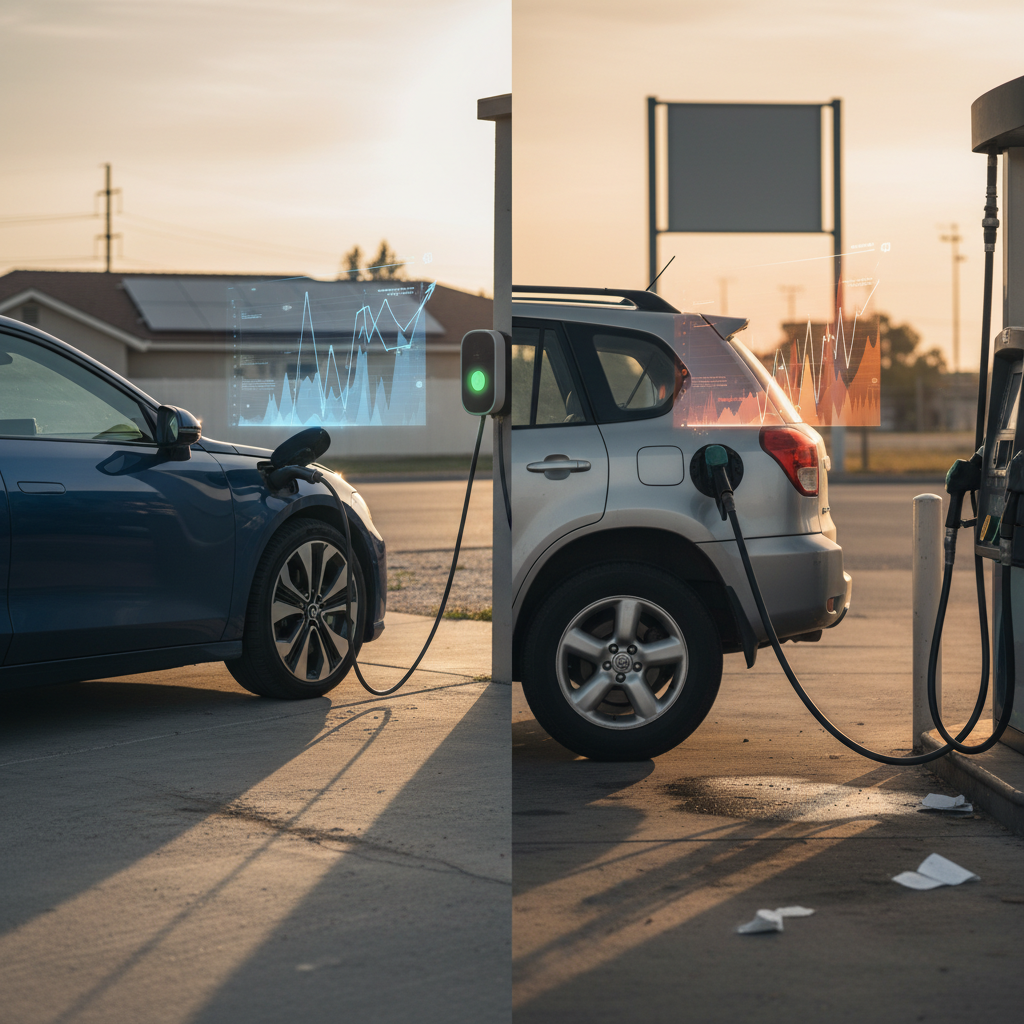
If you’re shopping for a Volvo XC40 Recharge, you’ve probably seen that eye‑catching up to 293‑mile EPA range for newer rear‑wheel‑drive models. But what you really want to know is simple: How far will it go at 70–75 mph on the highway? This guide digs into real‑world highway range for the XC40 Recharge, how different model years compare, and what you should expect if you’re considering a used example.
EPA numbers vs real life
Why real‑world highway range matters more than the brochure
Volvo built the XC40 Recharge for comfort, safety, and style first, efficiency second. That’s part of its charm, but it also means highway range is its weak spot compared with some sleeker rivals. If you mostly drive around town, you may never notice. But if your life includes long interstate stretches, understanding the XC40’s real‑world highway range is the difference between a relaxed cruise and watching the battery gauge like a hawk.
We’ll walk through actual test data, owner experiences, and physics to give you realistic highway range expectations, and then we’ll talk about how battery health and smart charging habits come into play when you’re buying a used XC40 Recharge, something Recharged focuses on with our battery‑health‑verified vehicles.
XC40 Recharge highway range snapshot (best‑case, mild weather)
Volvo XC40 Recharge range at a glance
The XC40 Recharge has evolved quickly since 2021. Early dual‑motor versions had modest range; later cars gained a more efficient rear‑motor setup and a slightly larger battery. Here’s how the official EPA numbers line up so you can see where any used XC40 you’re considering might fall:
EPA‑rated range by XC40 Recharge version (U.S.)
Approximate EPA combined ranges. Exact numbers can vary slightly by wheel size and trim, but this gives you the right order of magnitude.
| Model years & powertrain | EPA combined range (mi) | Battery (usable, approx.) | Drive |
|---|---|---|---|
| 2021–2023 Twin Motor (AWD) | ~223–226 | ~75 kWh | AWD |
| 2023 Single Motor (FWD early cars) | low‑mid 200s | ~69–75 kWh | FWD |
| 2024+ Single Motor (RWD) | 293 | ~79 kWh | RWD |
| 2024+ Twin Motor (AWD) | 254 | ~75 kWh | AWD |
Remember: real‑world highway range is usually lower than these combined figures.
Don’t plan a trip off the EPA number
Real‑world highway range by XC40 Recharge version
Let’s get to the heart of it: what owners and independent testers are actually seeing on the highway. These figures assume continuous highway driving around 70–75 mph in mild weather with a healthy battery and stock tires.
Real‑world highway range expectations
Based on a mix of instrumented tests and owner reports; your results will vary with conditions.
2024+ XC40 Recharge Single Motor (RWD)
EPA combined: 293 miles
EPA highway: about 259 miles
Battery: ~79 kWh usable
- Best‑case 65–70 mph: roughly 210–230 miles from 100% to 0%
- Typical 70–75 mph: about 180–210 miles
- 75 mph instrumented test: around 190 miles before the pack hit empty
Compared with a Tesla Model Y Long Range, the Volvo will usually go 40–60 fewer highway miles on a charge, but it delivers classic Volvo comfort and safety in return.
2024+ XC40 Recharge Twin Motor (AWD)
EPA combined: 254 miles
EPA highway estimate: low 230s
Battery: ~75 kWh usable
- Best‑case 65–70 mph: roughly 190–210 miles
- Typical 70–75 mph: about 160–190 miles
- Winter highway in the 30s °F: seeing 130–160 miles between fast‑charge stops is common.
The extra motor adds traction and punch but costs you some efficiency. If your life involves mountains, snow, or towing, that tradeoff may be worth it.
2021–2023 XC40 Recharge Twin Motor (AWD, early cars)
EPA combined: roughly 223–226 miles
Battery: ~75 kWh usable
- Best‑case 65–70 mph: about 170–190 miles
- Typical 70–75 mph: 140–170 miles
- Owners often report consumption between 30–35 kWh/100 mi overall, higher in winter.
These early cars work well as commuters or for shorter regional trips with reliable DC fast charging along the way.
Cold‑weather highway reality check
Highway range drops hardest in the cold because you’re fighting thick air, cold tires, and cabin heat on top of speed.
- At freezing temps: expect another 15–25% hit vs mild‑weather numbers.
- In deep winter (single digits °F): it’s not unusual to see 30–40% less highway range, especially on short legs where the cabin and pack never fully warm up.
Volvo’s heat pump helps, but it can’t rewrite the laws of physics.
Highway vs EPA: why the numbers don’t match
1. EPA tests mix city and highway
The EPA "combined" number you see on the window sticker is a blend of lower‑speed city cycles and a moderate‑speed highway cycle in a lab. It’s not the same thing as setting the cruise at 75 mph with bikes on the roof and the A/C running.
Because EVs are very efficient at low speeds and stop‑and‑go, city results can inflate the combined number compared with long, fast highway drives.
2. Boxy shape, big tires, lots of grip
The XC40 Recharge wears chunky crossover styling and relatively wide tires. That gives you confidence on bad roads, but it also increases aerodynamic drag and rolling resistance at speed.
At 70–75 mph, aero drag dominates energy use. Compared with a low‑slung hatch or sedan with narrower tires, the Volvo will always burn a bit more kWh per mile on the interstate.
Independent testing backs this up. In one well‑controlled 75‑mph highway loop, a 2024 XC40 Recharge Single Motor RWD managed around 190 miles before the battery was empty, roughly 65% of its 293‑mile EPA rating. That gap isn’t the sign of a bad car; it’s simply how boxy, comfortable SUVs behave at speed.
Use the EPA highway MPGe, not just combined
How speed, weather, and load change your XC40’s range
- Speed: The single biggest lever. Going from 65 mph to 75 mph can cost you 10–20% of your range, even in good weather.
- Temperature: Batteries are happiest around room temperature. Very cold or very hot days increase losses and push the HVAC to work harder.
- Cabin comfort: Cranking the heat in winter is a real hit in an EV, especially at highway speeds where there’s no engine waste heat to borrow.
- Wind and elevation: Headwinds and long climbs quietly chew through range; tailwinds and gentle descents give it back.
- Weight and roof loads: Passengers, cargo, roof boxes, and bike racks all increase drag and rolling resistance, trimming the miles you’ll see per charge.
The worst‑case scenario for range
Owning a used XC40 Recharge: what range to expect
If you’re eyeing a used XC40 Recharge, you’re smart to ask about both original EPA numbers and current real‑world range. Classic Volvo buyers keep their cars, and many XC40 Recharges are already into their second or third owners. Here’s how to think about range on a used example.
Used XC40 Recharge: realistic highway range bands
Assuming a healthy battery and 70–75 mph cruising in mild weather.
Early AWD (2021–2023)
EPA new: ~223–226 miles
Likely highway today: 130–170 miles per full charge
Great daily‑driver range, but road trips will mean more frequent fast‑charge stops, especially in winter.
Mid‑cycle FWD/Single‑motor
EPA new: low‑mid 200s
Likely highway today: 150–190 miles
More efficient than the early twin‑motor cars. If you mostly road trip in fair weather, this can be a sweet spot of price vs range.
Latest RWD & AWD (2024+)
EPA new: 254–293 miles
Likely highway today: 160–210 miles
Newer battery chemistry and a more efficient drive layout help these cars hold their own on the highway compared with earlier builds.
How Recharged handles used EV range
Ready to find your next EV?
Browse Vehicles7 ways to stretch your XC40 Recharge’s highway range
Practical ways to go farther between fast‑charge stops
1. Ease back to 70 mph (or 65)
Speed is your biggest tool. Dropping from 75 mph to 70 mph can easily buy you another 10–20 miles per charge without feeling painfully slow.
2. Use Eco drive mode and smoother inputs
The XC40’s Eco‑style settings soften throttle response and rein in climate use. Combine that with gentle accelerations and you’ll see your Wh/mi number settle down.
3. Precondition while plugged in
Use the app to warm or cool the cabin while the car is still on the charger. That way, the battery isn’t paying the full HVAC bill once you hit the highway.
4. Watch the energy screen, not just the guess‑o‑meter
The projected range can swing wildly. Instead, pay attention to your recent consumption in kWh/100 mi, compare it to the battery size, and do quick mental math to set expectations.
5. Travel light and rethink the roof box
Extra weight hurts a bit; roof boxes hurt a lot. If you can fit your gear inside the car and leave the brick‑shaped box at home, your highway range will thank you.
6. Time your charges smartly
On long trips it’s usually faster to charge from about 10–15% up to 60–70% multiple times than to sit once from 10% all the way to 100%, where charging slows dramatically.
7. Use climate wisely
On cool days, try seat and wheel heaters before blasting cabin heat. On hot days, start the A/C strong, then ease it back once the cabin is comfortable.
Planning road trips and charging stops with an XC40 Recharge
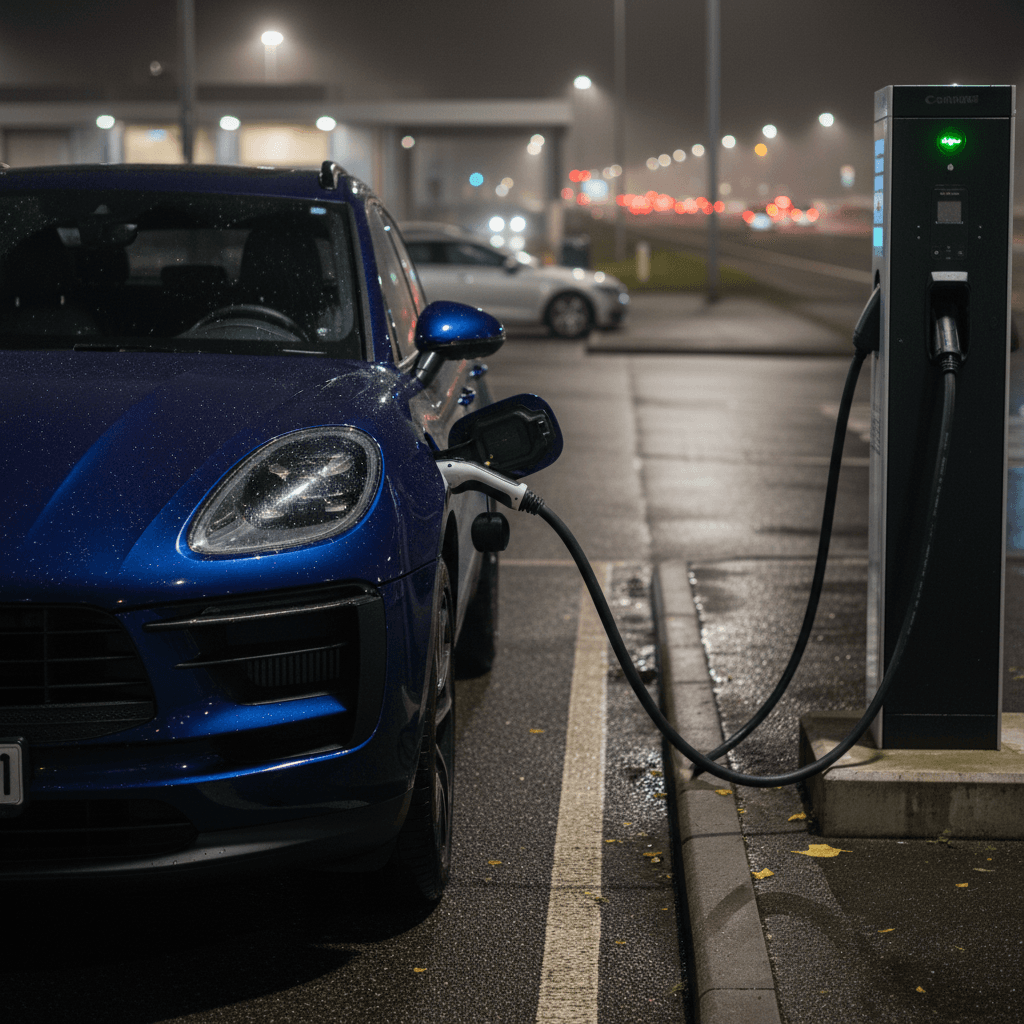
A Volvo XC40 Recharge can absolutely be a road‑trip car, you just plan differently than you would with a 400‑mile sedan or a gasoline tank. The good news: newer XC40s can DC fast charge up to around 200 kW under ideal conditions, and even the earlier cars are quick enough to make 20–40 minute stops productive.
How far between fast chargers?
- Modern RWD XC40 (293‑mile EPA): plan legs of 120–170 miles between chargers in good weather.
- Older AWD XC40 (~225‑mile EPA): plan 90–140‑mile legs.
- Winter or heavy loads: trim those numbers by 20–30% to stay comfortable.
Think of it as linking reliable fast‑charge stops together instead of running the battery down to single digits just to hit the brochure range number.
Tools that make it easier
- Use the built‑in Google‑based nav to route via DC fast chargers and watch predicted arrival state‑of‑charge.
- Cross‑check with third‑party apps like PlugShare or A Better Routeplanner if you’re exploring new territory.
- If you’re buying from Recharged, lean on your EV specialist, they’ll happily sanity‑check your first road‑trip plan and help you understand how the specific XC40 you’re buying will behave.
Pro‑tip for first‑time road‑trippers
FAQ: Volvo XC40 Recharge real‑world highway range
Frequently asked questions
Bottom line: is the XC40 Recharge a good highway EV?
The Volvo XC40 Recharge isn’t the efficiency champ of the EV world, and its real‑world highway range reflects that. Where the window sticker might promise up to 293 miles, the reality at 70–75 mph is usually somewhere in the 150–210‑mile band depending on year, drivetrain, weather, and how you pack and drive.
If your routine is mostly city and suburban miles with the occasional interstate run, the XC40 Recharge’s comfort, safety tech, and tidy size make a compelling package. If you’re a road‑trip warrior, you’ll want to understand its limits, plan your charging, and maybe focus on the more efficient 2024+ rear‑drive models, or cross‑shop longer‑range options.
Either way, going in with clear expectations about highway range is the difference between frustration and satisfaction. That’s why every used EV at Recharged comes with verified battery health, transparent pricing, and EV‑savvy support, so when you fall for an XC40 Recharge, you’ll already know exactly how far it can take you.