If you’re shopping for an electric car, you’ve probably heard a lot about regenerative braking and may be wondering, “Do all electric vehicles have regenerative braking, and how big a deal is it really?” The short answer: virtually every modern EV sold today uses regenerative braking, but not all of them do it in the same way, or feel the same from behind the wheel.
Key takeaway
Do all electric vehicles have regenerative braking?
On the current market in the U.S., all mainstream battery-electric vehicles (BEVs) and plug‑in hybrids (PHEVs) use regenerative braking in some form. Regen is built into the way their electric motors and power electronics work; without it, engineers would be wasting a major efficiency opportunity and leaning too heavily on conventional friction brakes.
- Modern EVs from Tesla, Ford, GM, Hyundai–Kia, VW, Nissan, Rivian, Lucid and others all include regenerative braking as standard equipment.
- Nearly all plug‑in hybrids (like Toyota RAV4 Prime, Chrysler Pacifica Hybrid, and many others) use regen to recapture energy during deceleration.
- Conventional non‑plug‑in hybrids (Toyota Prius, Honda hybrid models, etc.) also rely heavily on regenerative braking, even though they still burn gasoline.
Where things differ is how much control you have over regen and whether the car supports true one‑pedal driving, the ability to come to a complete stop using only the accelerator in everyday traffic. Some EVs make regen very aggressive and adjustable; others keep it mild and more like a conventional car.
Important nuance
How regenerative braking works in an electric vehicle
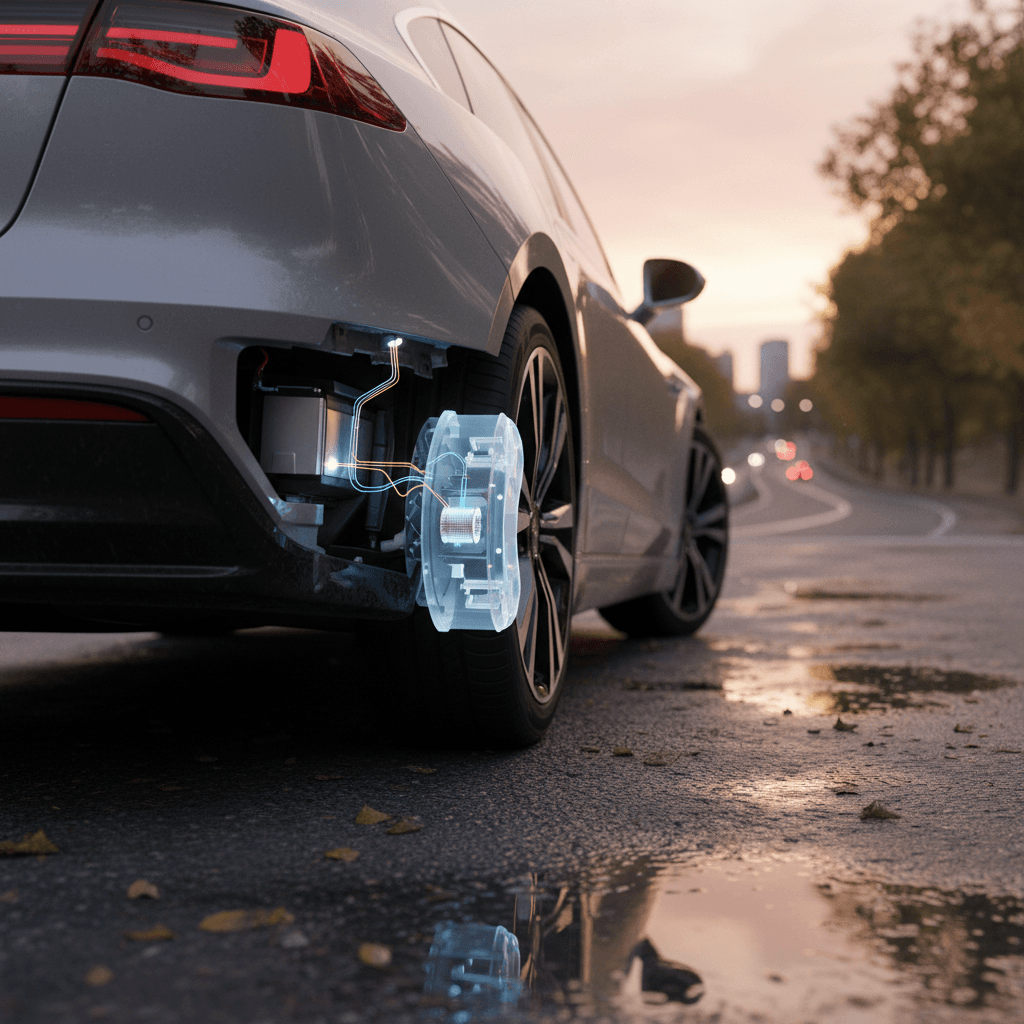
In a gas car, stepping on the brake pedal turns your car’s kinetic energy into heat at the brake pads and rotors. That energy is gone forever. In an electric vehicle, regenerative braking recovers some of that energy and sends it back into the high‑voltage battery instead.
- You lift off the accelerator or gently press the brake pedal.
- The car’s control system switches the drive motor into generator mode.
- The spinning wheels turn the motor, which now generates electricity instead of consuming it.
- That electricity flows through the power electronics back into the battery pack, adding a little charge.
- The resistance of the motor acting as a generator creates a braking force, slowing the car.
Regen doesn’t replace friction brakes
Regen vs one-pedal driving vs creep: what’s the difference?
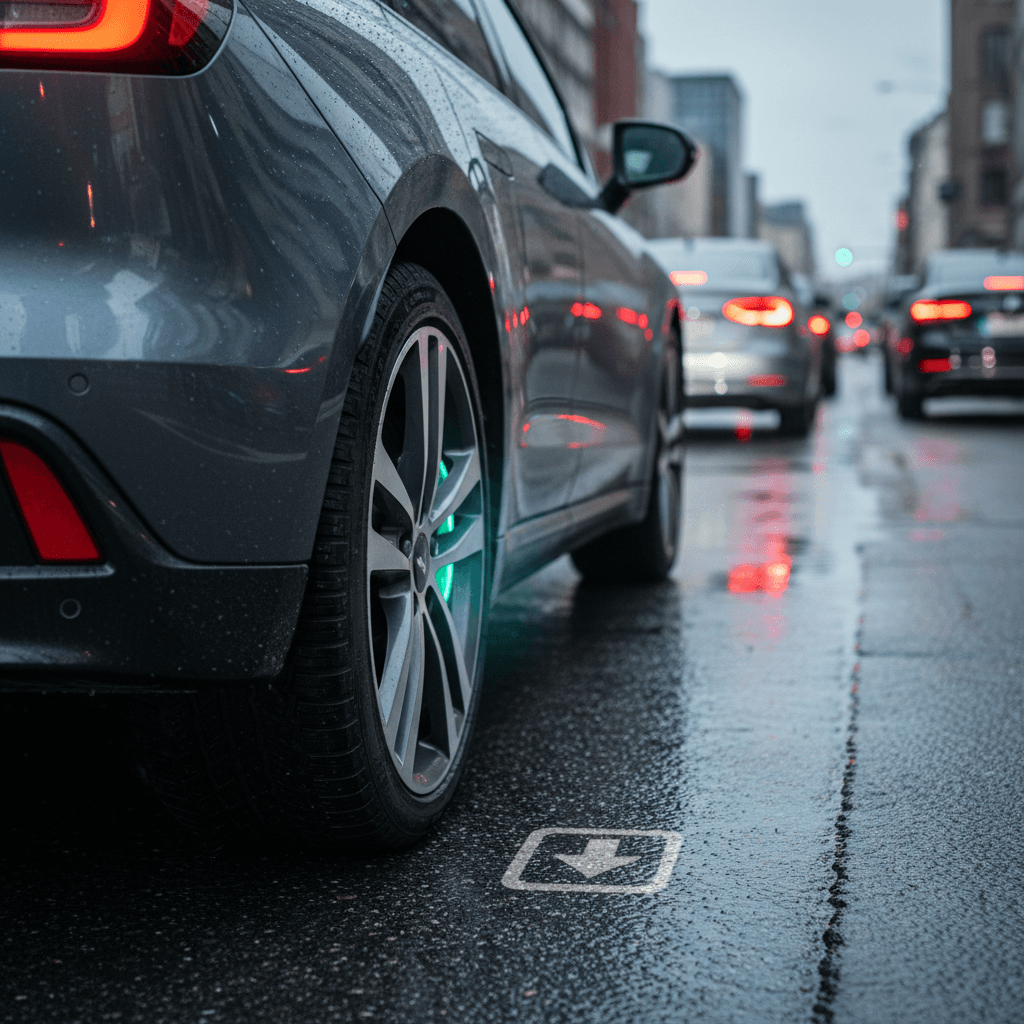
Regen talk gets confusing because automakers mix it with terms like one‑pedal driving and creep. These are related but not the same thing.
Three common EV braking/drive modes
Understanding these terms will make your next test drive a lot easier.
Regenerative braking
Any time the electric motor is used to slow the car and recover energy instead of just using friction brakes.
- Can happen when you lift off the accelerator
- Can happen when you press the brake lightly
- Strength depends on vehicle and settings
One‑pedal driving
A strong, predictable regen setting that lets you slow to (or almost to) a complete stop just by lifting off the accelerator.
- Common on Nissan Leaf, Tesla models, many others
- Reduces need to move your foot to the brake
- Some cars still require brake at the last few mph
Creep and roll
Low‑speed behavior that mimics a gas car in gear.
- Creep: car inches forward when you lift off the brake
- Roll: car free‑rolls like neutral
- Many EVs let you choose creep, roll, or full hold
Many newer EVs let you mix and match these behaviors. For example, a car might offer strong regen with a “Hold” stop mode for true one‑pedal driving, or lighter regen with “Creep” to feel more like a traditional automatic transmission around parking lots.
Test this on your drive
Adjustable regen levels and how they change driving feel
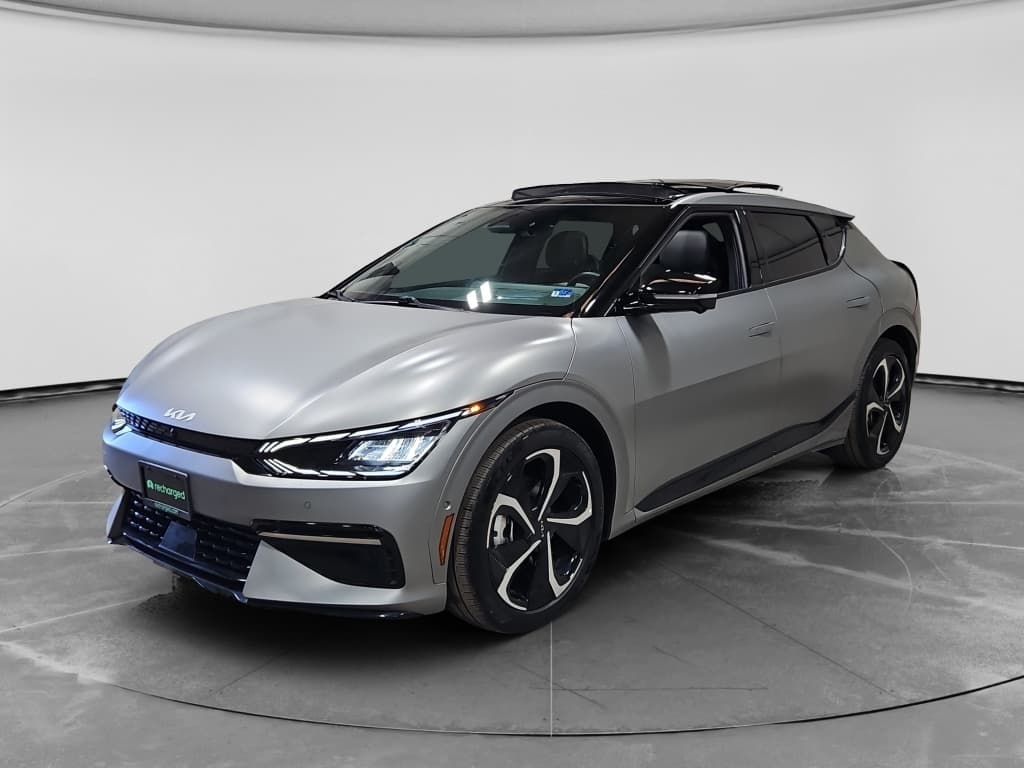
Automakers don’t just turn regen on or off, they usually give you several levels. You might see them labeled as 0–3, Normal/High, or via drive modes like Eco, Normal, Sport. Some models (like Hyundai IONIQ 5 and Kia EV6) use paddles behind the steering wheel so you can instantly dial regen up or down on the fly.
- Low or zero regen: Car coasts more freely when you lift off the accelerator. Feels closest to a gas car in neutral.
- Medium regen: Mild engine‑braking sensation. Good all‑round setting for drivers transitioning from gasoline vehicles.
- High/maximum regen: Strong deceleration as soon as you lift off. Ideal for city driving and stop‑and‑go traffic; often enables one‑pedal driving.
Why automakers give you choices
When strong regen feels great
- Heavy urban traffic with lots of stop‑and‑go
- Hilly routes where you’d normally ride the brakes
- Maximizing range on a road trip
Here, one‑pedal style driving reduces fatigue and keeps your friction brakes cooler.
When light regen is more comfortable
- Long highway cruises where you want smooth, gradual deceleration
- Drivers who share the car and prefer a "normal" feel
- Slippery conditions where abrupt weight transfer can unsettle the car
Most EVs will automatically reduce regen on very slick roads to maintain stability, but a gentle setting can also feel more reassuring.
Limits of regenerative braking: when friction brakes still matter
Even though regen does a lot of the work in an EV, there are important situations where it can’t do everything. Understanding these limits will make you a better, safer EV driver.
- Emergency stops: In a panic stop from highway speed, the car’s control system leans heavily on conventional hydraulic brakes to give you maximum stopping force.
- Full or very cold battery: When the battery is at a high state of charge or temperatures are low, the pack can’t accept much additional energy. The car will automatically limit regen and rely more on friction brakes; some EVs display a warning or dotted line on the power gauge when this happens.
- Very low speeds: Many systems taper off regen as you drop under about 5–10 mph because the motor can’t generate much torque at those speeds, so the friction brakes take over to bring you to a full stop.
- Grip and stability: On slick surfaces (snow, ice, gravel), the car may reduce regen to avoid wheel lock or instability, again blending in more traditional braking.
Don’t treat regen like a magic parachute
Real-world benefits: range, brake wear, and comfort
Regen isn’t just a neat engineering trick. It has three big benefits you’ll feel in day‑to‑day ownership: more usable range, less brake wear, and often smoother driving once you’re used to it.
Why regenerative braking matters in everyday driving
Those numbers will vary by driver and route, but the pattern is consistent: the more opportunities your EV has to use regen, the better it does on efficiency and brake wear. City driving and hilly terrain are where it really shines.
Buying a used EV? Regen-related things to check
If you’re considering a used electric vehicle, regenerative braking is one more system you’ll want to understand, not because it usually fails, but because it affects how the car drives and how the previous owner likely treated it.
Regen checklist for used-EV shoppers
1. Test all regen modes
On your test drive, cycle through the car’s available regen settings and drive each for a few minutes. Make sure transitions between regen and friction braking feel smooth and predictable.
2. Try low-speed and parking maneuvers
Practice creeping into a parking space, backing out of a driveway, and inching forward in traffic. Confirm you’re comfortable with how the car behaves in your typical daily situations.
3. Listen and feel for brake issues
Even with regen, rusted rotors or uneven pads can cause noise or judder the first time friction brakes are used hard. Have a technician inspect the brakes if anything feels off.
4. Check for software updates
Some brands improve regen behavior with software updates, including how the car blends friction brakes when the pack is cold or full. Ask if the vehicle’s software is up to date.
5. Review driving history and climate
An EV that lived in a very cold climate or sat unused for long stretches may have seen more limited regen and potential brake corrosion. That’s not a deal-breaker, but it’s worth checking.
6. Get an independent EV health report
A comprehensive pre‑purchase inspection that includes <strong>battery health data</strong> and a brake inspection will tell you how well the car’s energy‑recovery and braking systems are working together.
How Recharged can help
Ready to find your next EV?
Browse VehiclesDoes regenerative braking affect battery health?
Any time you move energy into or out of an EV battery, you’re contributing to long‑term wear. That includes regenerative braking. But in practice, regen is not something you need to fear from a battery‑life standpoint.
- Battery packs are engineered with regen in mind; they expect thousands of shallow charge/discharge cycles over their life.
- Most regen events are relatively small bursts of power, which are less stressful than repeated full fast‑charge sessions or deep discharges.
- The car’s software automatically limits regen when the pack is cold or nearly full to protect the battery, even if that means you get more friction braking instead.
Use regen freely
FAQ: common questions about EV regenerative braking
Frequently asked questions about regenerative braking
Bottom line: what this means when you’re choosing an EV
To circle back to the original question, yes, essentially all modern electric vehicles have regenerative braking, and that’s a very good thing. It’s a big part of why EVs feel so efficient and controlled in everyday driving. The real differences between models lie in how strong, smooth, and adjustable the regen is, and whether the car offers true one‑pedal driving or prefers a more conventional feel.
When you’re comparing EVs, or browsing used options on Recharged, pay close attention to how the car slows when you lift off the accelerator, how many regen modes it offers, and how confident you feel in low‑speed maneuvering. Combine that with a solid battery‑health report and a brake inspection, and you’ll have a clear picture of how the car has been used and how it will fit your driving style for years to come.