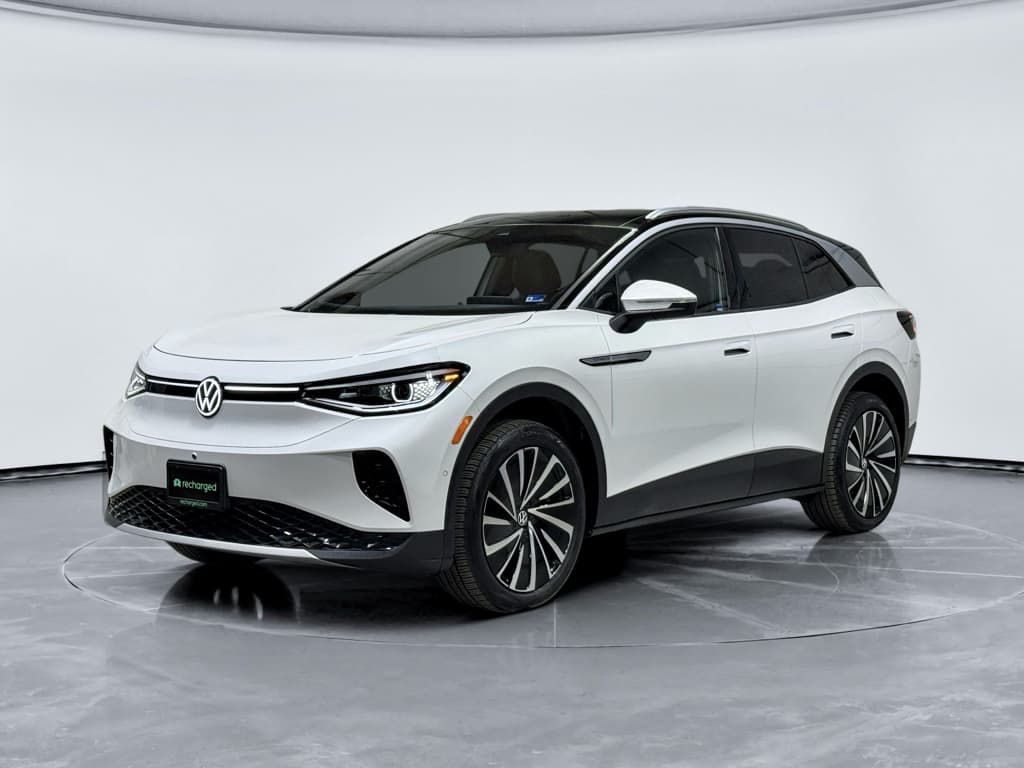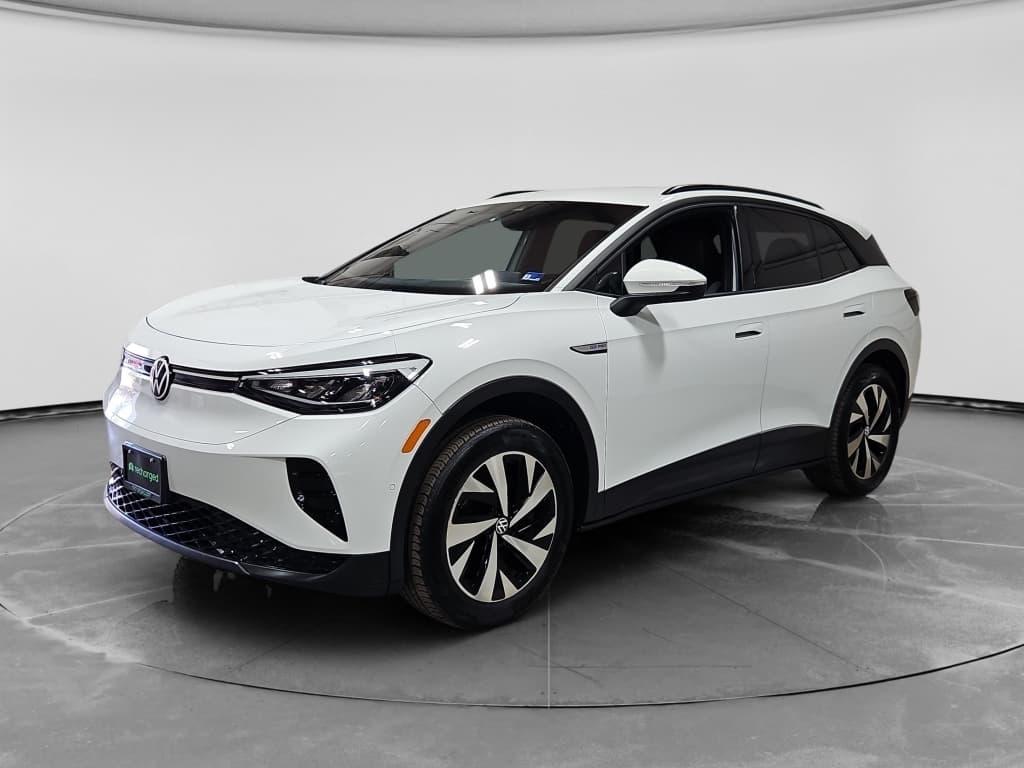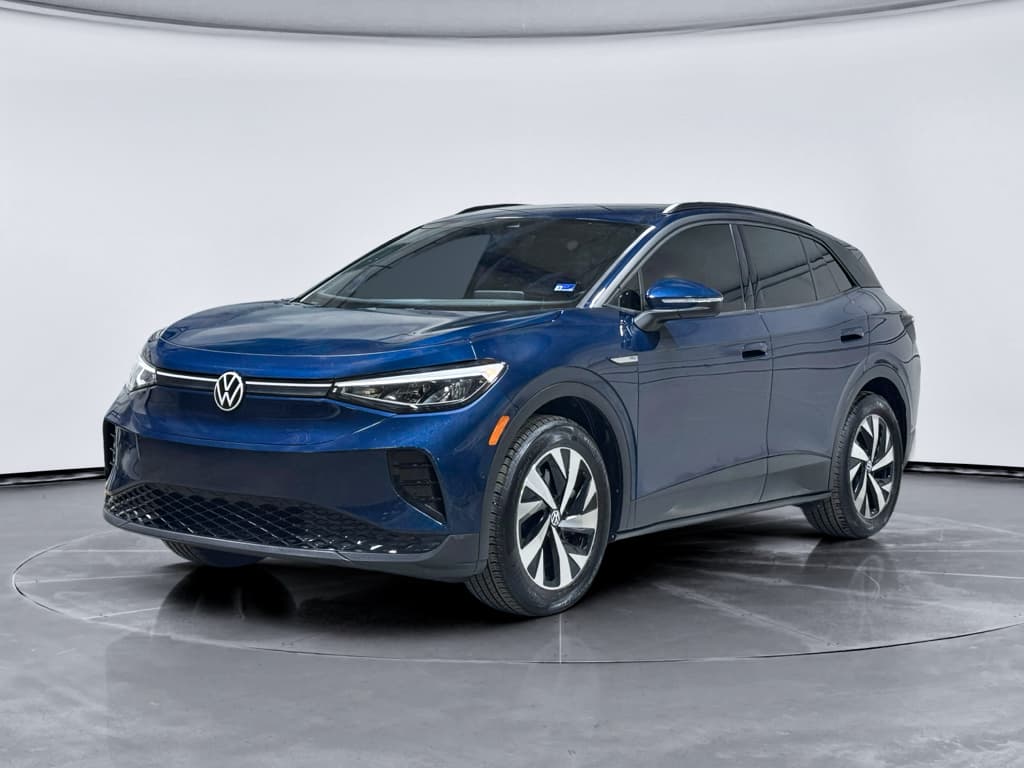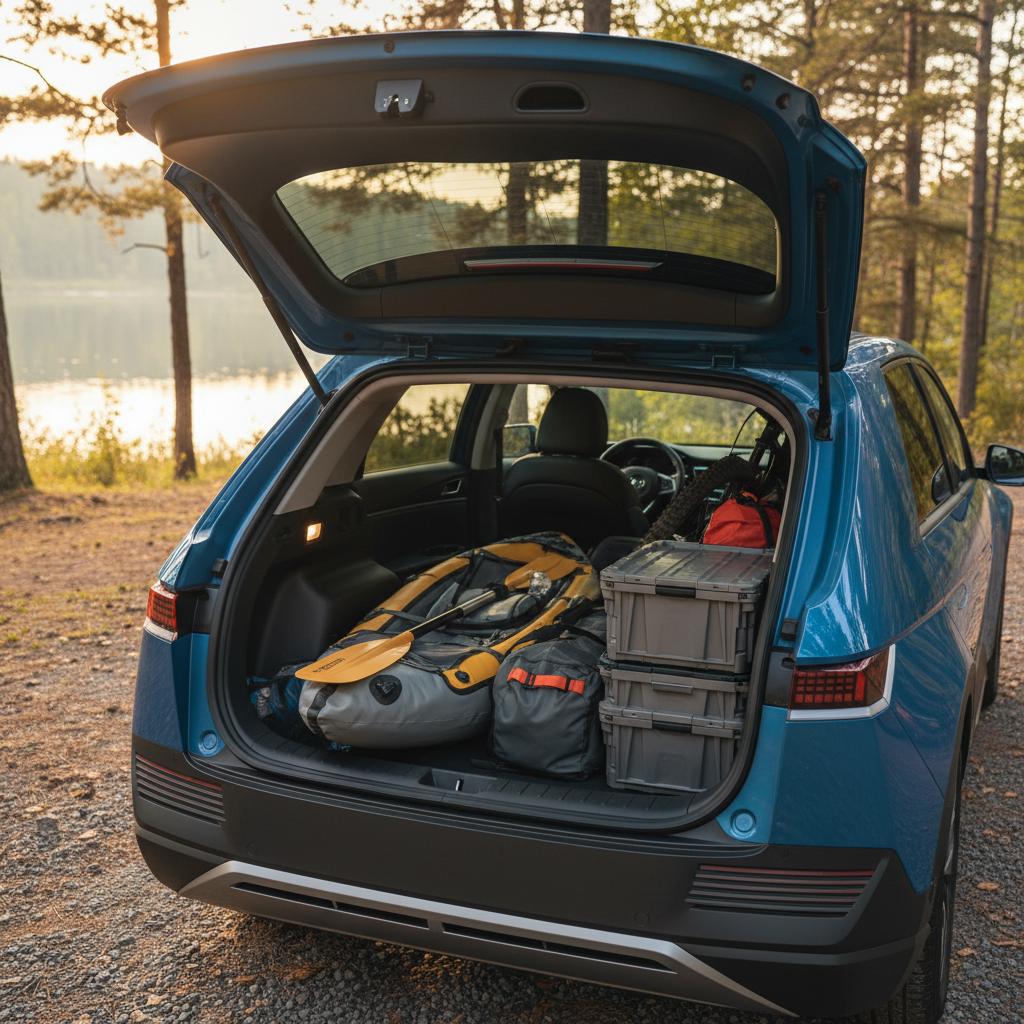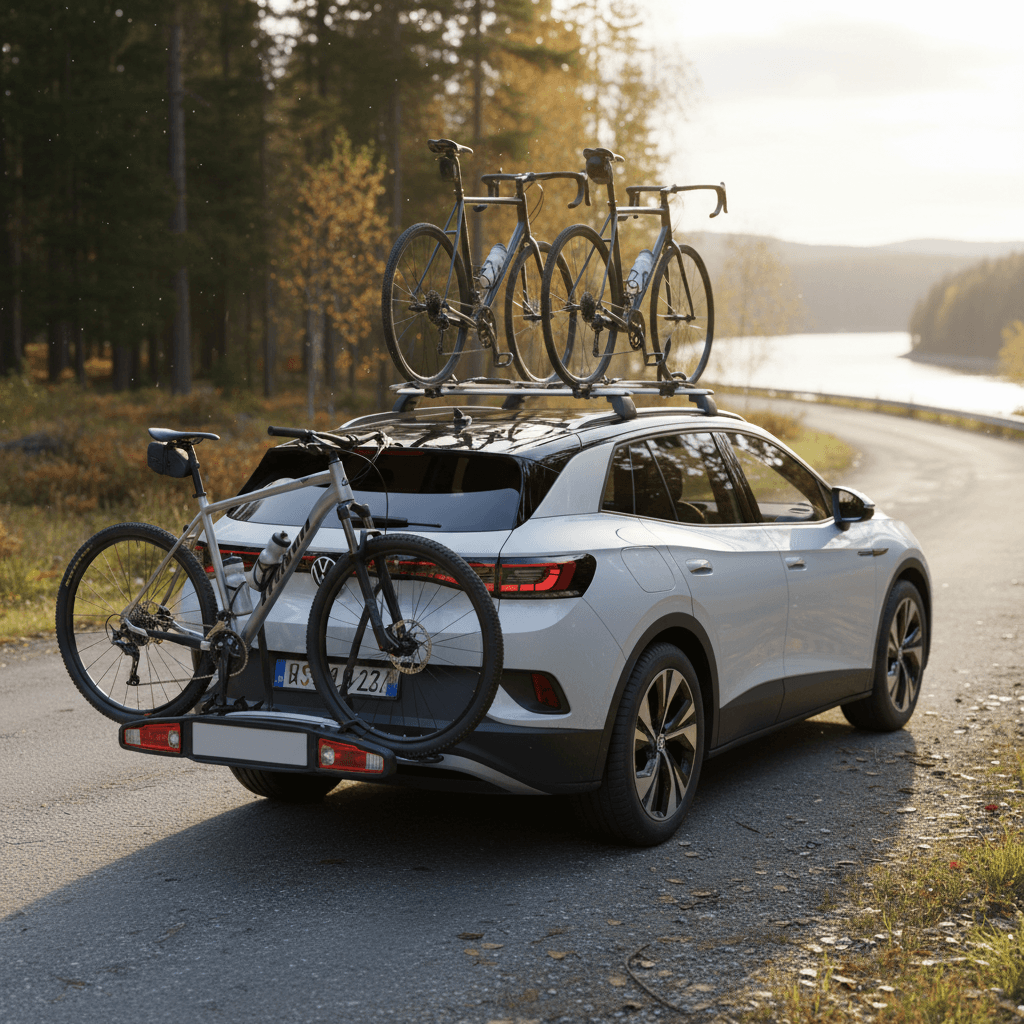
If you own a Volkswagen ID.4 and you ride, getting the right bike rack is almost as important as picking the right trail. The ID.4’s mix of EV weight, rear sensors, and sometimes‑confusing hitch ratings means you can’t just bolt on any old rack and hope for the best. This guide walks through the most practical Volkswagen ID.4 bike rack options, hitch, roof, and more, so you can haul everything from kids’ bikes to heavy e‑bikes with confidence.
Big picture
Why bike rack choice matters on a VW ID.4
On a gasoline crossover, you can often treat a bike rack as an afterthought. On an ID.4, it’s different. The battery pack and rear motor add weight, the rear crash structure is carefully engineered, and range is sensitive to added drag. That means the wrong rack, or a badly loaded one, can affect handling, efficiency, and even how well the tailgate and sensors work.
- The ID.4 is heavy; tongue‑weight on the hitch matters more than you think.
- The rear camera, radar, and parking sensors sit right where many racks and bikes live.
- Aerodynamic drag from bikes can easily cost you 10–25% of your highway range.
- E‑bikes push many older hanging‑style racks beyond their comfort zone.
Always check your own manual
Quick overview of VW ID.4 bike rack options
Main bike rack styles that work on an ID.4
Each has trade‑offs in cost, capacity, and convenience.
Hitch‑mounted racks
Best overall for most ID.4 owners. Easy loading, solid for e‑bikes, and no lifting bikes overhead. Requires a factory or aftermarket hitch.
- Great for 2–4 bikes
- Minimal roof wind noise
- Can affect rear sensor and hatch access
Roof‑mounted racks
Use crossbars on the ID.4’s flush rails, then add one or more upright bike mounts.
- Keeps hatch clear
- Good for lighter bikes
- More wind noise & bigger range hit at highway speeds
Trunk & other solutions
Strap‑on trunk racks, tailgate pads, and spare‑tire solutions are not ideal on an ID.4 because of the glass hatch and sensors.
- Only consider trunk racks as a last resort
- Protect the glass and paint if you do
Fast recommendation
Understanding ID.4 hitches and weight limits
Before you shop for a hitch rack, you need to know what’s on the back of your ID.4. Volkswagen has offered different configurations by year, trim, and market, and owners also add aftermarket hitches for bike racks and cargo carriers.
Common VW ID.4 hitch setups in the U.S.
Representative setups you’ll see on 2021–2025 ID.4s. Always verify your own vehicle’s ratings.
| Configuration | Receiver size | Typical use | Typical tongue-weight limit* |
|---|---|---|---|
| Factory VW hitch (AWD, some trims) | 1.25" | Light towing in rated markets + bike/cargo racks | ~200–270 lb |
| Aftermarket Class 3 (Curt/Draw‑Tite, etc.) | 2" | Bike racks & small cargo carriers; some rated for light towing | ~300 lb |
| Aftermarket EcoHitch‑style 2" "stealth" receiver | 2" | Primarily racks & cargo; marketed as e‑bike‑friendly | Often 300–525 lb (hitch rating, not vehicle) |
| No hitch installed | , | Roof or trunk‑mount only until you add a receiver | , |
Hitch ratings are hardware limits; your vehicle’s published tongue‑weight limit may be lower. Stay below the lower of the two.
Towing vs. carrying bikes
For bike racks, the key number is tongue weight, the vertical load allowed on the hitch. Add the weight of the rack itself plus every bike, plus any accessories like a swing‑away adapter. Stay well under the lowest published limit (vehicle or hitch) and be conservative if you drive on rough roads.
Typical ID.4 bike rack load numbers
Quick math check
Best hitch-mounted bike rack options for the ID.4
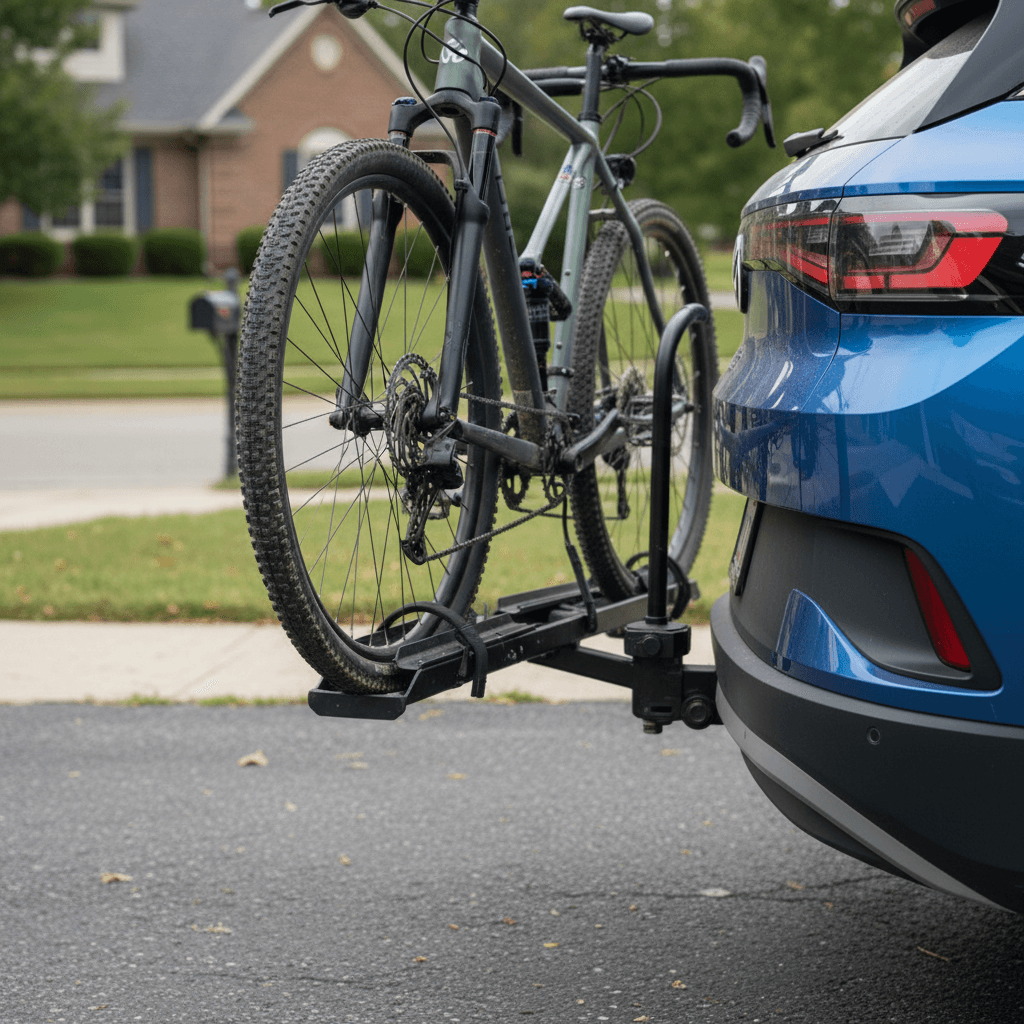
If you can use a hitch, start here. Hitch‑mounted racks keep weight low, bikes out of the airflow up top, and loading simple. The ID.4 works well with either 1.25" or 2" receivers, but 2" racks offer more choice and better high‑capacity options.
Two main hitch rack styles for your ID.4
Platform racks win for e‑bikes; hanging racks can work for lighter bikes and lower budgets.
Platform (tray) racks
Best for the ID.4 and e‑bikes. Bikes sit in wheel trays with arms that clamp the frame or front wheel.
- Very stable on rough roads
- Easier loading for heavy bikes
- Many are rated for 60–80 lb per bike
Examples include Thule T2 Pro XTR and Kuat NV–style racks.
Hanging (mast) racks
More affordable and lighter, but usually not e‑bike‑rated.
- Bikes hang from the top tube on arms
- Great for 2–4 lightweight road or kids’ bikes
- May require frame adapters for step‑throughs
Best only if you carry light, traditional bikes.
Checklist for choosing a hitch rack for your ID.4
1. Match the receiver size
Confirm whether your ID.4 has a 1.25" or 2" receiver. Some owners replace the factory 1.25" insert with a 2" Class 3 receiver specifically to use a wider range of heavy‑duty platform racks.
2. Verify total weight on the hitch
Add rack + bikes + any add‑ons. Stay comfortably under your vehicle’s published tongue‑weight limit. If you’re close to the limit, consider carrying fewer bikes or using roof mounts for the extras.
3. Check e‑bike ratings
If you own e‑bikes, look for racks that are explicitly rated for 60–80 lb per bike and ideally include a loading ramp. Double‑check the manufacturer’s manual; don’t guess.
4. Look for tilt or swing‑away
Most modern ID.4‑friendly racks tilt away so you can open the hatch with bikes loaded. If you frequently need full access, a swing‑away adapter can move the whole rack out of the way, but remember to include its weight in your calculations.
5. Mind the rear sensors and camera
Expect some interference with parking sensors and the rear camera when the rack is on. Practice backing up in a safe area so you know what the beeps and warnings really mean with bikes mounted.
6. Consider security and storage
Integrated cable locks, locking hitch pins, and fold‑up designs make life easier. A 60+ lb rack can be awkward to move; make sure you have a storage plan when it’s off the car.
OEM‑branded options
Roof rack and roof bike carrier options
If you don’t want a hitch, or your garage entry is steep enough that a rack would scrape, a roof setup can work well on the ID.4. Most trims in the U.S. have integrated flush roof rails, so you only need crossbars and a bike carrier system.
What you need for roof‑mounted bikes on an ID.4
Think of it as a two‑piece puzzle: crossbars + bike carriers.
1. Crossbars for flush rails
The ID.4’s flush rails accept vehicle‑specific crossbars from brands like Thule, Yakima, and several reputable aftermarket makers.
- Look for “fits 2021–2025 VW ID.4” in the listing
- Aim for aerodynamic bars to cut wind noise
2. Upright bike carriers
These attach to the crossbars and hold the bike by the fork, frame, or front wheel.
- Fork‑mount: very secure, but you remove the front wheel
- Frame‑clamp: versatile but can mark paint
- Wheel‑clamp: great balance of convenience and protection
3. Weight & height checks
Every roof system has a max load. Add the crossbars, bike carriers, and bikes, and stay under the published dynamic roof rating.
Also measure garage and drive‑through clearance with bikes loaded.
Range & noise trade‑offs
When a roof setup makes sense
- You only carry 1–2 relatively light bikes.
- Your ID.4 doesn’t have a hitch and you don’t want to add one.
- You need the rear hatch completely clear for a cargo box or rear‑facing child seats.
- You’re sensitive to scraping the rack on steep driveways.
When to avoid roof racks
- You often load heavy e‑bikes or downhill rigs.
- You or your passengers can’t comfortably lift bikes overhead.
- You frequently use low parking garages or drive‑thrus.
- You’re already stretching your highway range on road trips.
Can you use a trunk-mount bike rack on an ID.4?
Traditional strap‑on trunk racks are popular for sedans and hatchbacks, but the ID.4’s full‑glass hatch, roof spoiler, and integrated sensors make them a poor match.
- Straps and feet can put stress on the glass, not just painted metal.
- The spoiler and wiper aren’t designed to handle rack loads.
- Straps often block the camera and parking sensors.
- Many trunk racks simply aren’t rated for the weight of modern e‑bikes.
Use trunk racks only as a last resort
VW ID.4 bike racks for e-bikes: what to know
E‑bikes are where things get serious. A pair of 65 lb e‑bikes plus a 70 lb platform rack can put you near or over the tongue‑weight limit on some ID.4 setups. That doesn’t mean you can’t carry them, but you need to choose hardware carefully and pay attention to the fine print.
Key rules for carrying e‑bikes on an ID.4
A bit of planning prevents expensive mistakes.
Respect per‑bike & total ratings
Every rack lists a per‑bike maximum and a total maximum. With e‑bikes, it’s easy to exceed one or both.
Example: a rack rated at 60 lb per position and 120 lb total is fine for two 55 lb bikes but not for two 70 lb cargo e‑bikes.
Use ramps and removable batteries
Look for racks with built‑in loading ramps so you roll bikes up instead of dead‑lifting them. Removing the battery before loading often saves 5–10 lb per bike and improves balance.
Avoid roof‑mounting e‑bikes
Lifting a 60+ lb bike over your head onto the ID.4 roof is a recipe for strained backs and scratched paint. Stick to hitch‑mounted platforms for heavy machines.
Re‑torque & inspect regularly
Heavy bikes put real stress on the receiver and rack. Re‑check all bolts and the hitch pin periodically, especially after long trips or rough roads.
Consider mixing rack types
Range impact and driving tips with bikes on your ID.4
Any external rack will affect how your ID.4 drives and how far it goes on a charge. Hitch racks mostly add weight and a little extra drag; roof racks add weight and a lot of drag. Either way, a few simple habits will help you preserve range and stay safe.
Driving and charging tips with bikes on your ID.4
1. Expect reduced range, plan extra stops
With bikes on a hitch rack, many owners report a 5–15% range hit at highway speeds. Roof‑mounted bikes can cost 15–25% or more. Use a buffer in your trip planner and don’t cut it close between fast‑charging stops.
2. Watch your rear overhang
A loaded hitch rack extends the car’s overall length. Be extra cautious when parallel‑parking, backing into tight spots, or using drive‑thru lanes. Practice your new footprint in an empty lot before you rely on it.
3. Slow down in crosswinds
Bikes, especially on the roof, catch side gusts. Reduce speed in strong winds and leave more distance to the car ahead. Your ID.4’s stability systems are excellent, but you don’t want to test their limits.
4. Remove the rack when you’re not using it
A modern platform rack is a big sail and a big chunk of weight. Taking it off between trips saves energy, reduces parking‑lot damage risk, and deters theft.
5. Protect the bikes and the car
Use frame pads or tape where cables or pedals might rub the paint. Check straps, clamps, and wheel holders at each stop on long drives. A quick walk‑around is cheap insurance.
Used ID.4 buying tips if you plan to carry bikes
If you’re shopping for a used ID.4 and know bikes will be part of your life, it pays to think about racks before you sign. Certain trims and setups make it much easier, and safer, to haul your gear.
What to look for on a used ID.4
- Factory or dealer‑installed hitch: Saves you the cost and hassle of adding one later and usually integrates better with the rear bumper.
- Roof rails in good shape: Check that the flush rails aren’t dented or damaged where crossbars would clamp.
- Evidence of past racks: Light scuffs are common; deep gouges in the hatch, bumper, or roof may signal improper rack use.
How Recharged can help
Every ID.4 sold through Recharged includes a Recharged Score Report with verified battery health and a condition check. If you tell an EV specialist that you plan to carry bikes, they can:
- Point you toward trims and units that already have hitches or roof hardware.
- Walk you through realistic range expectations for road trips with bikes.
- Help you compare ID.4s with other used EVs that might better fit heavy towing or bike‑hauling needs.
You can browse used ID.4 listings, get trade‑in offers, and even arrange nationwide delivery without leaving your couch.
Buying with bikes in mind
FAQ: Volkswagen ID.4 bike rack options
Frequently asked questions about ID.4 bike racks
Bottom line: choosing the right VW ID.4 bike rack
The Volkswagen ID.4 is a capable, comfortable way to get you and your bikes to the trail, if you match it with the right rack. For most owners, a quality hitch‑mounted platform is the sweet spot, especially if e‑bikes are in the mix. Roof systems still make sense for lighter bikes or when you need a clear hatch, while trunk‑mount solutions should be treated as temporary workarounds, not daily drivers.
Start by confirming your receiver size and weight limits, then work backward to the number and type of bikes you want to carry. If you’re still shopping for an ID.4, consider letting a Recharged EV specialist know that bikes are part of your plan so they can steer you toward trims and configurations that make rack life easier. Get that foundation right, and your biggest problem will be deciding which trail to ride first, not how to get there.