Deals on electric cars are better in late 2025 than they’ve been in years, especially if you’re willing to buy used. Prices on many popular EVs have fallen, supply has improved, and there are still meaningful tax credits and state incentives on the table. The flip side: the rules have changed, some federal perks have expired, and advertised “deals” can hide expensive surprises if you’re not careful.
What this guide covers
Why EV deals are better in 2025
Key 2025 trends that favor EV buyers
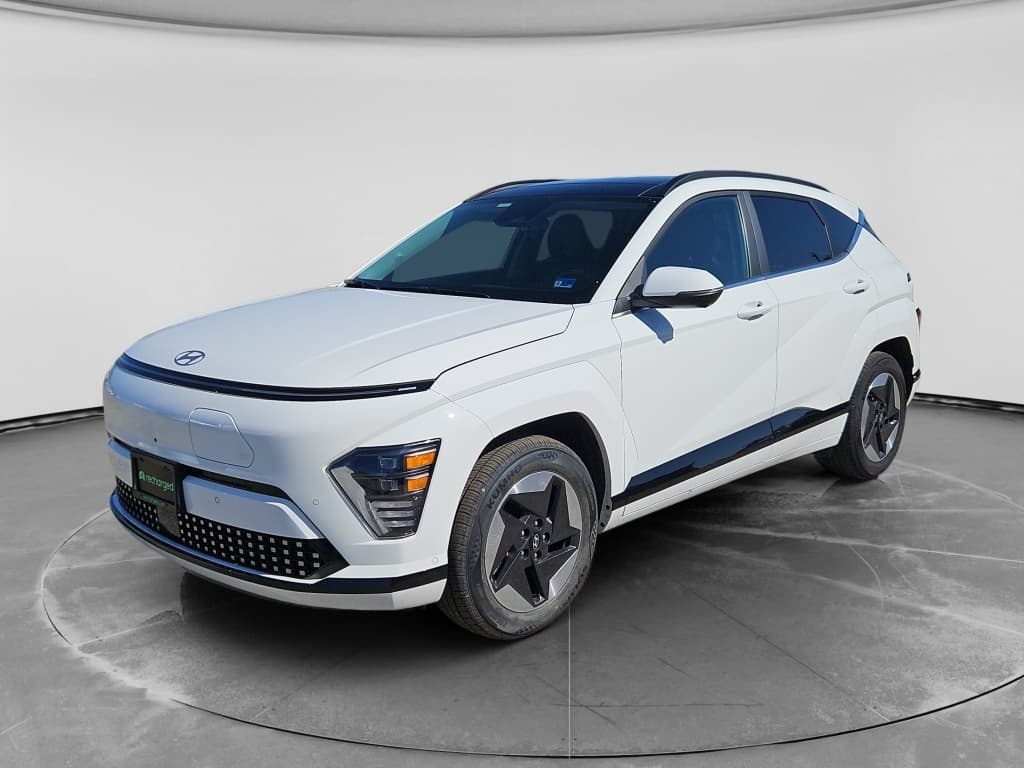
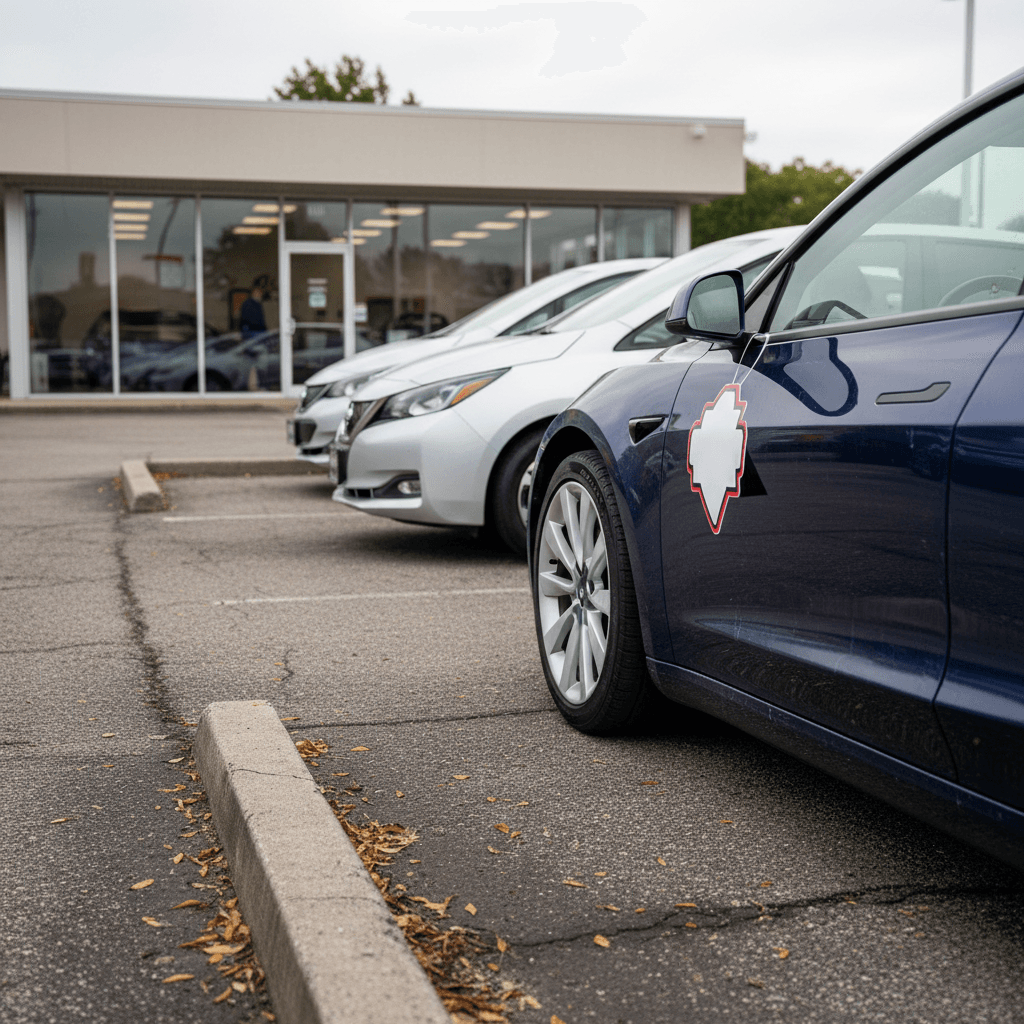
Several forces are lining up in your favor. First, used EV supply has expanded as the early adopters from 2020–2022 trade out of their cars or return leases. That puts downward pressure on prices, especially for mass-market models like the Tesla Model 3 and Model Y, Chevy Bolt, Hyundai Kona Electric, and Nissan Leaf. In many metro markets, a well-equipped 3–5‑year‑old EV now costs less than a comparable gas car once you factor in fuel and maintenance.
Second, incentives are in a transition period. The headline-grabbing $7,500 new EV federal tax credit was eliminated for retail purchases on September 30, 2025, and many shoppers think the party’s over. But there’s still meaningful value left in used EV credits, state programs, and lease-based incentives, if you know where to look.
Why used beats new for value right now
Where the best deals on electric cars are right now
Three places to hunt for strong EV deals
Think beyond your local new‑car showroom
1. Used EV marketplaces
Online used‑EV specialists like Recharged aggregate vehicles nationwide, so you’re not limited to what happens to be on one local lot this week.
- Transparent pricing and vehicle history
- Battery health reports (via the Recharged Score)
- Financing, trade‑in, and delivery options
2. Franchise & independent dealers
Traditional dealers are holding more off‑lease and trade‑in EVs than ever.
- Look for 2–4‑year‑old lease returns
- Ask about CPO (certified pre‑owned) programs
- Be ready to negotiate – dealers watch EV days‑on‑lot closely
3. Direct‑from‑owner & consignment
Private‑party sales and consignment platforms can offer aggressive pricing, but you shoulder more of the due diligence.
- Insist on a third‑party battery health check
- Verify any remaining factory warranty
- Confirm lien payoff and title status before sending money
The best value isn’t always where the sticker price looks lowest. A seemingly cheap EV with an unknown battery history or missing tax-credit eligibility can cost you more over time than a well‑documented car at a fair price. That’s why Recharged bakes in a Recharged Score battery health report, pricing analysis, and expert guidance so you can compare apples to apples across cars and sellers.
Understanding today’s EV incentives and tax credits
In 2025, the EV incentive landscape is more complex than the simple “$7,500 for everyone” story you might remember. New‑car federal credits have ended for most retail buyers, but several valuable programs remain, especially for used EVs and leases. Here’s the high‑level view.
Major incentive types that can improve your EV deal
Not every program will apply to every buyer, but stacking the right ones can knock thousands off your true cost of ownership.
| Incentive | Applies To | Typical Value | Key Requirements |
|---|---|---|---|
| Federal used EV tax credit | Qualified used EVs bought from dealers | Up to $4,000 (30% of price) | Vehicle price ≤ $25,000; at least 2 model years old; income limits; first transfer since Aug. 16, 2022; acquired by Sept. 30, 2025 and placed in service by year‑end |
| State EV rebates/credits | New and/or used EVs (varies by state) | ~$1,000–$7,500 | Residency requirements; price caps; often income‑based; funds sometimes limited |
| Utility rebates & rate plans | Home charger installs, EV ownership | $250–$2,500 + cheaper power | EV ownership or charger install; specific utility territory; often simple application |
| Lease‑based manufacturer incentives | New EV leases | Up to $7,500 equivalent on select models | Leasing through captive finance arm; sometimes inventory‑specific; may end at year‑end |
| Low‑interest loan programs | New and used EVs | Value depends on loan size and rate | Offered by some states, credit unions, and nonprofits; may be income‑qualified |
Always verify current eligibility rules for your income, location, and specific vehicle before you buy.
Don’t assume incentives are gone
To see what’s available where you live, use tools from organizations like ENERGY STAR and state energy offices that maintain up‑to‑date lists of EV rebates and low‑interest loan programs. Many utilities quietly offer excellent incentives on home charging equipment and off‑peak charging rates that can make running your EV dramatically cheaper.
Leasing vs. buying: which gets you the better deal?
When leasing can be the better “deal”
- Access to incentives: Automaker finance arms can often still claim federal credits on leases and pass some or all of that value to you as a lower payment or capitalized-cost reduction.
- Lower commitment: A 2–3‑year lease lets you drive a new EV now and upgrade as range, charging speeds, and tech improve.
- Warranty coverage: Most leases keep you under bumper‑to‑bumper and battery warranty for the full term, limiting surprise repair costs.
- Good for uncertain drivers: If you’re not sure EV ownership fits your lifestyle, leasing is a lower‑risk trial run.
When buying (especially used) wins
- Lower long‑term cost: Once you’ve paid off a competitively-priced EV, your ongoing costs can be dramatically lower than an equivalent gas car.
- Used EV bargains: Between softer used prices and the remaining federal used EV credit (for eligible cars), ownership costs can undercut both new EVs and many gas cars.
- No mileage anxiety: You’re not penalized for extra miles as you would be on a lease.
- More control: You can sell whenever you want, modify the car, and choose your own insurance and maintenance strategy.
Practical rule of thumb
How to compare used EV deals like a pro
Comparing deals on used electric cars takes a slightly different playbook than comparing gas cars. Battery health, charging speed, and software support matter just as much as mileage and trim level. Here’s how to line up offers intelligently.
Key factors to evaluate in every used EV deal
1. Battery health and remaining warranty
Ask for a <strong>battery health report</strong> or state of health (SoH) estimate that shows remaining capacity. Then confirm how many years/miles of factory battery warranty are left. With Recharged, this is built into the Recharged Score so you don’t have to guess.
2. Realistic range for your climate
The original EPA range isn’t what matters; the current usable range in your climate and driving pattern does. Take degradation, winter conditions, and highway driving into account when comparing cars.
3. Charging speed and connector type
Check the car’s maximum DC fast‑charge rate and AC (Level 2) rate, and whether it uses CCS, NACS (Tesla), or CHAdeMO. Faster charging and modern connectors make road trips and public charging far easier.
4. Total cost of ownership, not just price
Compare payment, insurance, electricity vs. fuel, routine maintenance, and any home charging upgrades. An EV that’s $30 more per month on payment could still be hundreds cheaper overall once you stop buying gas.
5. Vehicle history and use profile
Beyond a standard history report, look for how the car was used. High‑mileage highway commuting is often easier on an EV than short, hot‑climate city trips with lots of DC fast charging.
6. Software support and features
EVs are rolling computers. Make sure over‑the‑air updates, key safety features, and smartphone integration still work and are supported for your model year.
How Recharged simplifies the comparison
Ready to find your next EV?
Browse VehiclesSaving money with smart charging and lower running costs
A deal on an electric car isn’t just what you pay at signing; it’s what you spend (or save) every month you own it. Done right, your charging and maintenance habits can turn a good purchase price into an outstanding overall deal.
Where EVs quietly save you money
These savings compound over the life of the car
Cheaper “fuel” with off‑peak charging
Many utilities offer EV‑specific or time‑of‑use rates that make electricity cheapest at night.
- Schedule charging for off‑peak hours using your car or charger app.
- In many areas, that’s like paying the equivalent of $1–$1.50 per gallon.
- Always enroll in any EV‑owner discount your utility offers.
Lower maintenance and fewer surprises
EVs have fewer moving parts, no oil changes, and far fewer wear items.
- Brake pads last longer thanks to regenerative braking.
- No timing belts, spark plugs, or emissions systems to fail.
- Stay current on cabin filters, brake fluid, and tire rotations, that’s most of it.
Think in cost‑per‑mile, not just monthly payment
Step-by-step checklist for scoring a great EV deal
From first search to final signature
1. Map your needs honestly
List your typical daily mileage, parking situation, road‑trip habits, and who else drives the car. This drives your minimum acceptable range and charging needs.
2. Set a realistic out‑the‑door budget
Decide what you’re comfortable with for total monthly cost: payment, insurance, and a rough estimate for charging. Remember that many used EVs qualify for a federal used EV tax credit of up to $4,000 if bought from a dealer and under $25,000.
3. Research models and short‑list 3–5
Target models that match your range and space needs, then check reliability history and any known battery issues. Eliminate cars with poor charging performance or limited parts support in your area.
4. Hunt across multiple channels
Compare listings from Recharged, franchise dealers, independents, and private sellers. Use nationwide filters for mileage, battery warranty remaining, and asking price.
5. Request documentation and battery data
Ask every seller for a recent battery health readout, full service history, and any prior repair documentation. If they can’t provide them, price the car accordingly, or move on.
6. Stack every incentive and financing option
Before you commit, check eligibility for the federal used EV credit, state or local rebates, utility offers, and low‑interest EV loans. Recharged can help you line these up and arrange financing in one digital workflow.
7. Negotiate based on facts, not feelings
Use comparable listings, incentive eligibility, and any reconditioning needs (tires, brakes, cosmetic damage) as objective reasons for your offer, especially if the car has been sitting on the lot for a while.
Common pitfalls that make a good EV deal go bad
Avoid these EV deal killers
- Assuming every used EV qualifies for the federal used EV credit. It must meet price, age, and dealer requirements, and you must meet income limits.
- Ignoring battery health and fast‑charging history. Heavy DC fast‑charging and extreme‑heat use can accelerate degradation.
- Buying an orphaned model with poor support. Some early EVs and compliance cars have limited parts availability and few technicians who know them well.
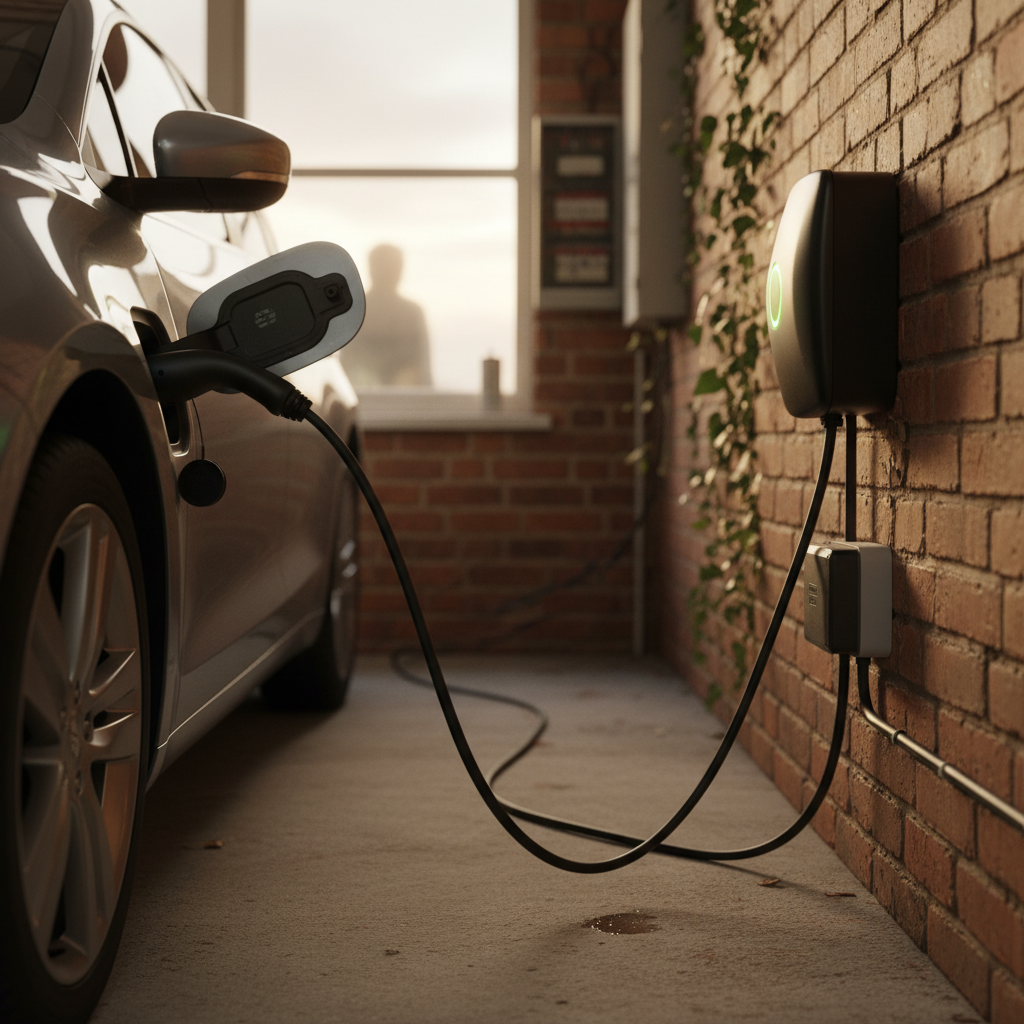
- Underestimating home‑charging costs. A panel upgrade or long wire run can add thousands, get quotes before you buy if you’ll need new electrical work.
- Focusing only on monthly payment. Extending to 84+ months to “make it fit” can erase much of the financial advantage of a used EV.
One more pitfall: skipping inspection
FAQ: Deals on electric cars in 2025
Frequently asked questions about EV deals
Bottom line on deals for electric cars in 2025
If you’ve been waiting for the right moment to go electric, 2025 offers a rare combination of softer used prices, maturing technology, and still‑meaningful incentives, especially if you shop under the $25,000 mark and take advantage of programs designed for used EVs. The best deals on electric cars tend to be well‑documented, 2–5‑year‑old models with solid battery health, realistic range for your life, and a clear path to affordable home charging.
Approach the process methodically: define your needs, understand the current incentive landscape, compare several vehicles with battery health data in hand, and negotiate based on facts. A platform like Recharged can streamline that journey, combining diagnostics, pricing transparency, financing, trade‑in, and delivery into a single digital experience so you can focus on what matters: driving away in an electric car that fits your life and your budget.