If you’re considering a Chevy Silverado EV, or shopping for one used, the first thing you should understand is its battery warranty. The Ultium pack under the floor is the single most expensive component in the truck, and the Silverado EV battery warranty details will tell you how much risk you’re actually taking on over the next 8–10 years.
Big picture
Silverado EV battery warranty basics
Chevy Silverado EV core warranty terms
Chevrolet doesn’t break out a unique battery warranty just for the Silverado EV. Instead, it falls under Chevy’s standard EV coverage: an 8‑year/100,000‑mile Propulsion Battery Limited Warranty that specifically covers the high‑voltage pack and related electric‑drive components. That sits alongside the conventional 3‑year/36,000‑mile New Vehicle Limited (bumper‑to‑bumper) warranty and corrosion, emissions, and roadside benefits you’d expect on any modern Chevy.
Practically speaking, this means that as long as your Silverado EV is within 8 years of its original in‑service date and under 100,000 total miles, Chevrolet will repair or replace a defective Ultium battery, or other covered propulsion components, at no cost to you, subject to the fine print we’ll get into below.
How long the Chevy Silverado EV battery warranty lasts
Key timelines for Silverado EV coverage
When your factory protection starts and ends
Start date
The clock starts when the truck is first placed in service, usually the date of first retail sale or lease, not when you buy it used.
Battery term
The Ultium pack and related electric‑drive components are covered for 8 years or 100,000 miles, whichever comes first.
Other coverage
Bumper‑to‑bumper coverage lasts 3 years/36,000 miles. Powertrain and roadside terms are typically 5 years/60,000 miles for Silverado models, including the EV’s auxiliary systems.
If you’re buying new, this is straightforward: keep an eye on both the calendar and your odometer. For example, a Silverado EV first sold on March 1, 2025, with 20 miles on it will have battery coverage through roughly March 1, 2033, or until it hits 100,000 miles, whichever happens sooner.
Used truck trap to avoid
What the Silverado EV battery warranty actually covers
Core high‑voltage components
- Ultium battery pack and internal modules
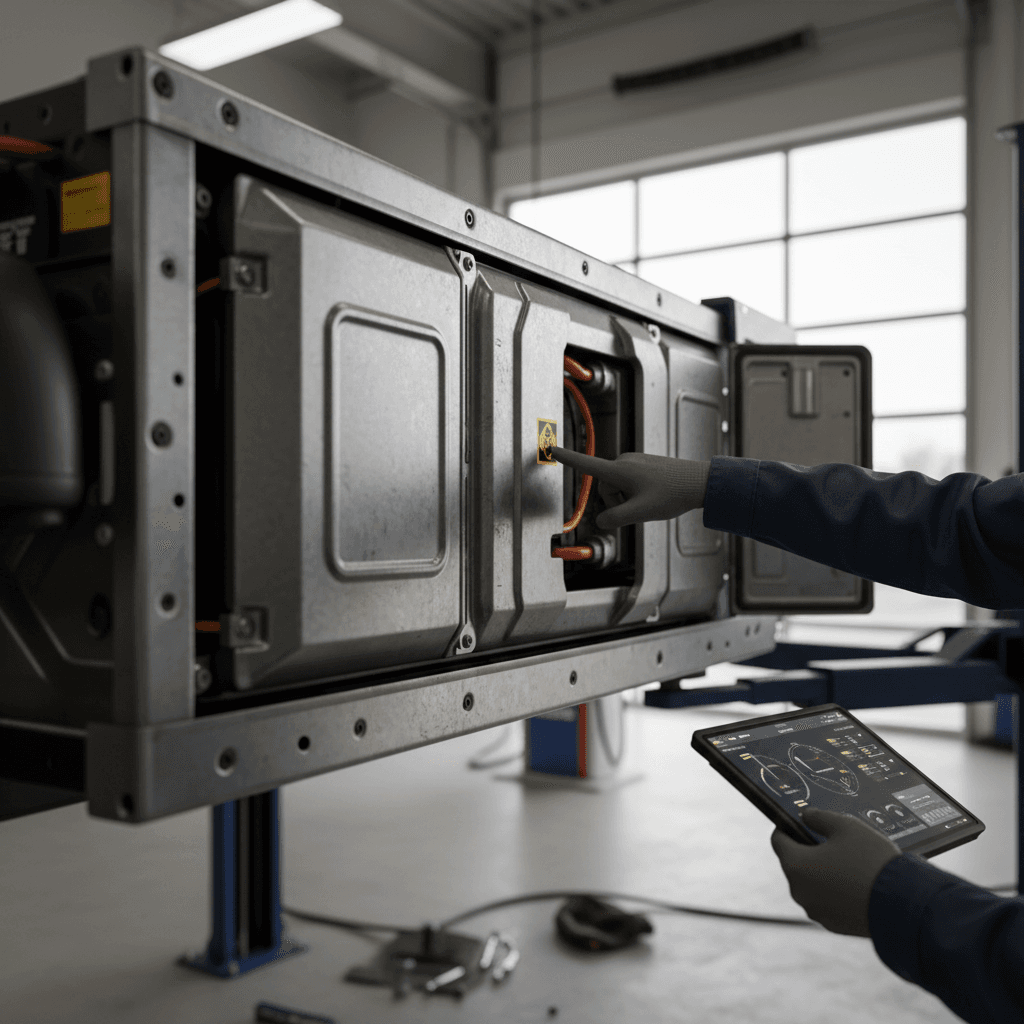
- High‑voltage contactors, wiring, and junctions that are part of the pack assembly
- Drive motors and integrated power electronics (inverter)
- Onboard AC charger and DC fast‑charge interface hardware
These are the expensive, EV‑specific parts that define the Silverado EV. If they fail due to defects in materials or workmanship within the warranty window, Chevy’s obligation is to repair or replace them.
Defects vs. wear and tear
The battery warranty is meant to protect you from defects, not normal use. Examples that are typically covered:
- Internal cell failure triggered by a manufacturing defect
- High‑voltage isolation faults or coolant ingress into the pack
- Pack electronics failures that prevent charging or driving
What it doesn’t promise is that your Silverado EV will behave like brand‑new forever. Gradual range loss, especially after years of use, is considered normal unless Chevrolet specifies a threshold in writing for your model year.
Battery replacement vs. repair
What isn’t covered: common exclusions and ways to void coverage
Every warranty has teeth in the fine print. Silverado EV owners aren’t likely to read the booklet cover to cover, but a few patterns show up in Chevrolet’s EV warranty language that are worth understanding.
Typical Silverado EV battery warranty exclusions
Always confirm exact language for your model year in the official warranty booklet.
| Category | Example | Why it’s excluded |
|---|---|---|
| Physical damage | Battery enclosure punctured in an off‑road impact | Considered accident damage, handled by insurance not warranty |
| Improper modifications | Aftermarket tuning that alters battery or inverter software | Non‑GM software/hardware can interfere with safety systems |
| Charging abuse | Repeated DC fast‑charging outside published specs, or non‑approved hardware | If it leads to damage outside normal use, coverage can be challenged |
| Neglect | Ignoring critical warning lights or driving after the truck flags a high‑voltage fault | Warranty expects owners to address known issues promptly |
| Environmental events | Flood damage, saltwater immersion, or severe corrosion from road chemicals | These are external events, not manufacturing defects |
These examples are based on Chevy’s current EV warranty framework, not an exhaustive legal list.
Don’t assume everything is “warranty”
- Stick to GM‑approved software and hardware for anything that touches the high‑voltage system.
- Use charging equipment that meets Chevy’s published specs, especially for DC fast‑charging.
- Address high‑voltage or battery warnings immediately rather than continuing to drive for weeks.
Battery degradation: what happens as your Silverado EV ages
Lithium‑ion batteries don’t fail like a lightbulb, they slowly lose usable capacity over time. The Silverado EV’s Ultium pack is large, thermally managed, and designed to keep degradation modest, but no EV is immune to range loss.
Why trucks are harder on batteries
Factors that affect Silverado EV battery life
Why two trucks with the same miles can age very differently
Towing & payload
Long‑distance towing with a heavy trailer forces high current draw and more frequent fast‑charging. Great for work, but it ages cells faster.
Charging habits
Living at 100% charge, fast‑charging daily, or leaving the truck parked at 0% for long stretches will all accelerate degradation.
Climate & storage
Hot climates and outdoor parking in direct sun are especially tough. The truck’s thermal management helps, but can’t change physics.
Some automakers explicitly guarantee a minimum state of health, often around 70% capacity, during the battery warranty period. Chevy has historically emphasized defect coverage rather than a specific degradation threshold, so you should read the latest warranty booklet for your model year to see what’s promised in writing.
How to sanity‑check a used truck’s battery
How battery warranty works on a used Silverado EV
Chevy’s EV battery warranty is generally transferable to subsequent owners, as long as the truck hasn’t hit the time or mileage cap and hasn’t been salvaged or branded. That’s good news if you’re buying a pre‑owned Silverado EV, but the details matter.
Checklist: evaluating battery warranty on a used Silverado EV
1. Confirm the in‑service date
Ask for the original sales paperwork or have a dealer run the VIN to confirm when the truck was first put into service. That’s when the 8‑year clock started.
2. Verify current mileage
Look at the odometer and make sure it’s well under 100,000 miles. If it’s close, you may get very little remaining battery coverage, even if the truck is only a few years old.
3. Check title history
Avoid trucks with salvage or branded titles. Those often <strong>lose factory warranty coverage</strong>, including on the battery.
4. Ask about prior repairs
A clean record is ideal, but a documented GM battery repair or module replacement under warranty isn’t necessarily a red flag, it can mean a known issue was properly fixed.
5. Get a battery‑health report
Instead of guessing from the EPA label, use an independent health assessment. At Recharged, the <strong>Recharged Score</strong> includes verified battery diagnostics so you can see how much usable capacity remains.
How Recharged simplifies used Silverado EV shopping
- A Recharged Score Report with verified battery health data
- Clear documentation of any factory warranty still in effect
- EV‑specialist support to walk you through coverage, costs, and financing
- Digital buying experience with available trade‑in and nationwide delivery
Ready to find your next EV?
Browse VehiclesFactory warranty vs. Chevy EV Protection Plans
Chevy’s 8‑year/100,000‑mile battery warranty is the foundation, but it isn’t the whole story. General Motors also sells Chevrolet EV Protection Plans and related products that can extend or broaden coverage, especially for non‑battery components, beyond the factory warranty.
Silverado EV factory warranty vs. EV Protection Plan
How Chevy’s baked‑in coverage compares to paid plans from a dealer.
| Feature | Factory warranty | Chevy EV Protection Plan (example) |
|---|---|---|
| Battery coverage | 8 yr / 100,000 mi Propulsion Battery Limited Warranty | Doesn’t replace battery warranty; may cover diagnostics or related components beyond 8/100 |
| Bumper‑to‑bumper | 3 yr / 36,000 mi | Can extend many components up to 8–10 years / 100,000 mi depending on plan |
| Roadside assistance | Typically 5 yr / 60,000 mi with EV tow coverage | Often continues similar roadside benefits while plan is active |
| Who sells it | Included from Chevrolet | Purchased separately from dealer or Chevy Protection; optional |
| Best use case | Baseline peace of mind for high‑voltage components | Smoothing repair costs after the base warranty expires, especially on complex electronics |
Details vary by state and provider; always review actual contracts before buying any protection plan.
Do you need an extended plan?
Real‑world ownership tips to protect your battery and warranty
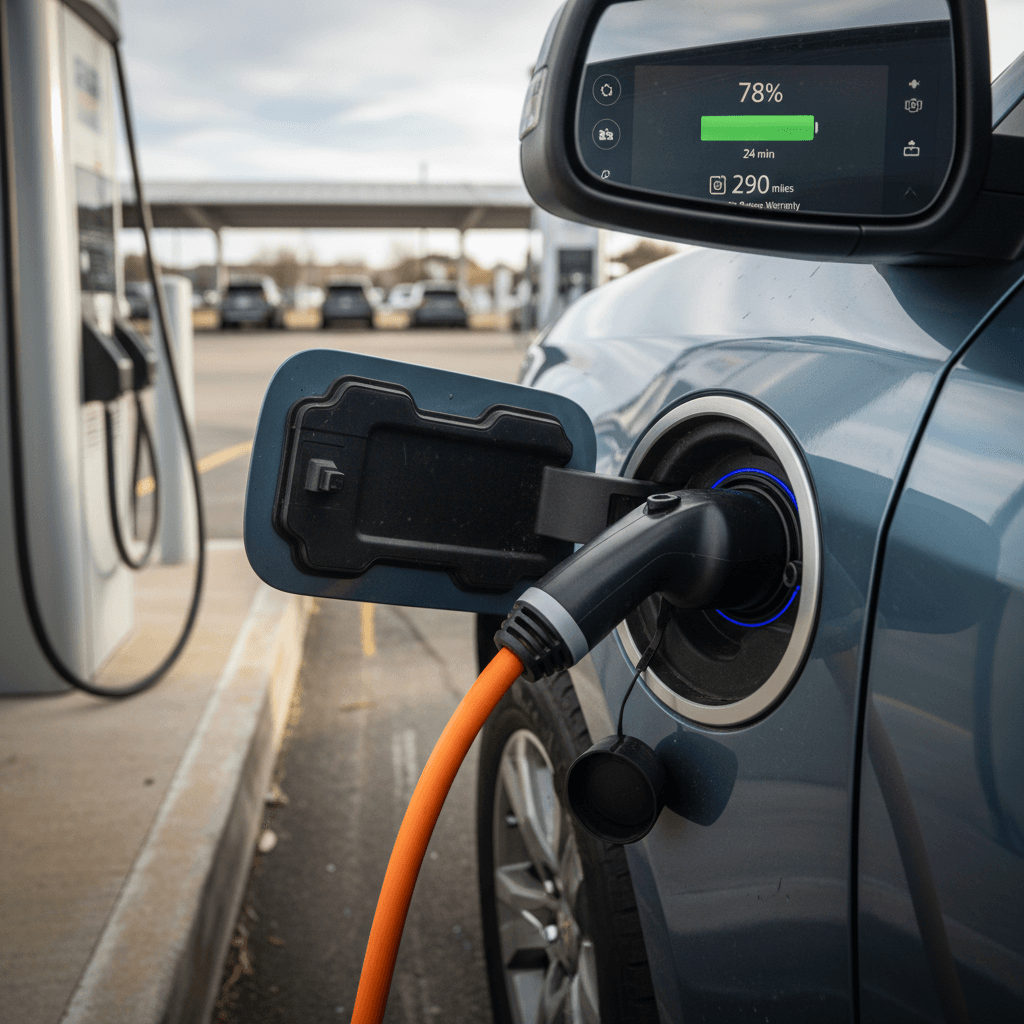
You can’t completely control degradation, but you can absolutely influence the slope of the curve, and avoid the kinds of abuse that give manufacturers an excuse to deny coverage.
Best practices to keep your Silverado EV’s battery (and warranty) happy
Avoid living at 0% or 100%
For daily use, aim to keep the battery mostly between about 20% and 80%. Use 100% only before long trips or heavy towing days.
Use DC fast‑charging strategically
Fast‑charging is fine on road trips, but relying on it daily is harder on the pack. Home Level 2 charging is gentler and usually cheaper.
Watch thermal warnings
If the truck flags high‑voltage or temperature warnings, treat them seriously. Document them and have a dealer investigate early.
Keep software up to date
GM regularly refines battery management and diagnostics via software updates. Skipping them can mean missing out on reliability fixes.
Document your maintenance
Save service receipts, charging‑equipment invoices, and any dealer correspondence. If there’s ever a dispute, a paper trail helps.
Be realistic when towing
When you tow near the Silverado EV’s max capacity, expect shorter range, more frequent charges, and higher battery stress. Plan trips and charging accordingly.
Careful with aftermarket mods
FAQ: Chevy Silverado EV battery warranty details
Frequently asked questions
Key takeaways for Silverado EV buyers and owners
The Chevy Silverado EV’s 8‑year/100,000‑mile battery warranty is a big part of what makes a full‑size electric truck workable for both fleets and private owners. But like any warranty, the value is in the details: it covers defects, not every possible scenario, and the clock starts the day the truck first goes into service.
If you’re buying used, the homework matters even more. Confirm the in‑service date, verify mileage, check for branded titles, and insist on a real battery‑health assessment rather than taking the dash range estimate at face value. That’s exactly why Recharged bakes a Recharged Score Report into every EV we sell, so you know what you’re getting before you finance it, trade into it, or have it delivered to your driveway.
Handled thoughtfully, a Silverado EV can be a long‑lived workhorse with predictable running costs. Understanding its battery warranty, and using that knowledge to guide how you charge, tow, and shop for one, puts you in control of the risk instead of leaving it to chance.