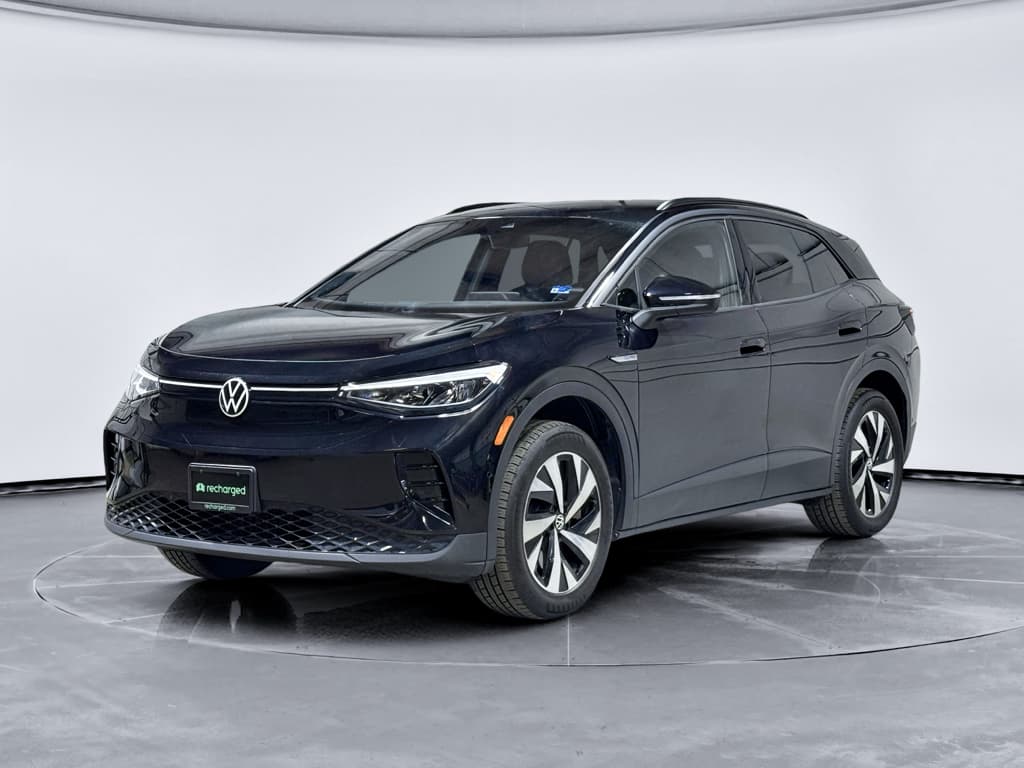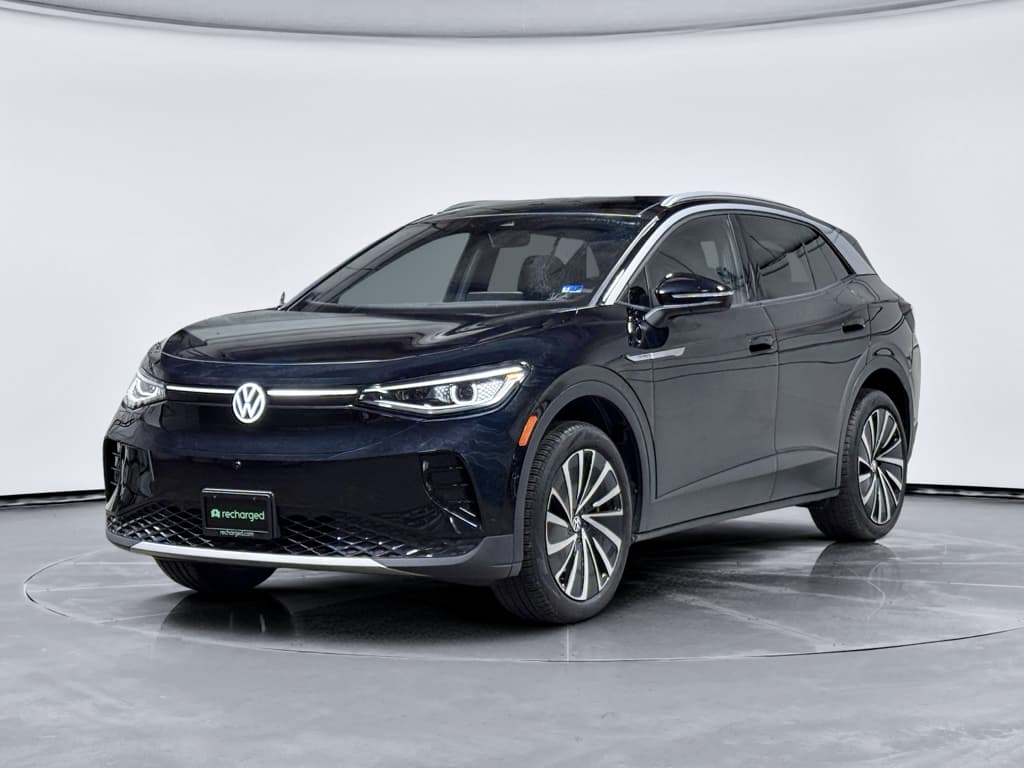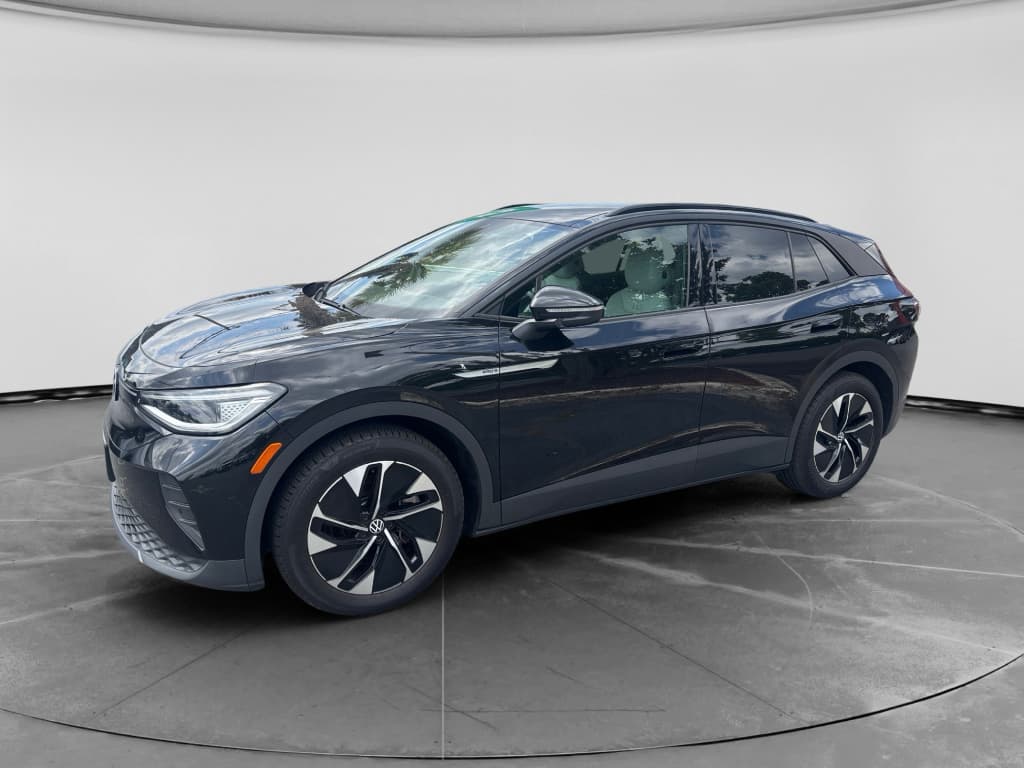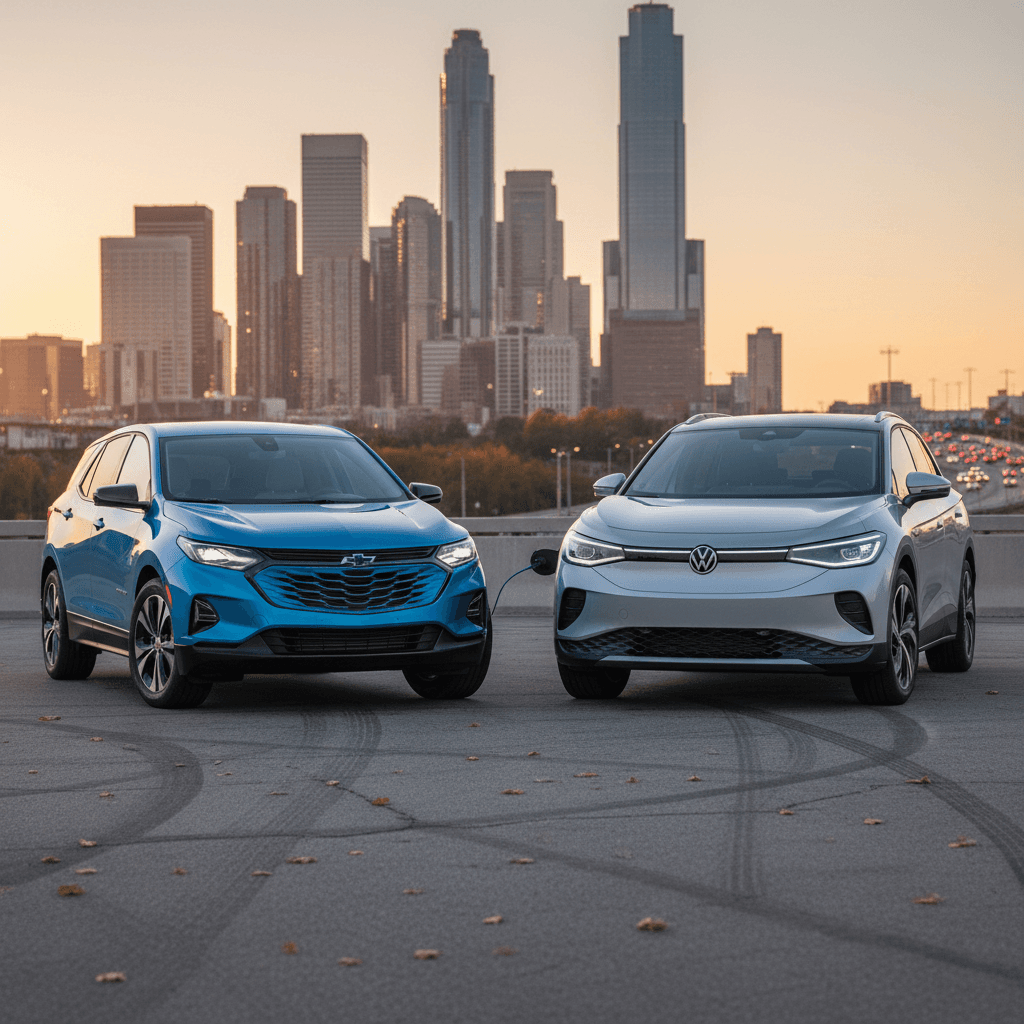
If you’re cross‑shopping the Chevy Equinox EV vs VW ID.4, you’re looking squarely at the heart of the mainstream electric SUV market. Both are compact, five‑seat crossovers with real‑world range, DC fast charging and pricing that undercuts flashier options like the Model Y or Hyundai Ioniq 5. But they approach the same mission in very different ways.
At a Glance
Chevy Equinox EV vs VW ID.4: Quick Take
Where the Equinox EV Wins
- Lower starting price than most ID.4 trims in the U.S.
- Impressive FWD range, up to about 319 miles on select trims.
- Large 17.7-inch center display on most versions.
- Available Super Cruise hands‑free driving on compatible highways.
Where the VW ID.4 Wins
- More mature product with several model years on the road.
- Smooth, comfort‑tuned ride and quiet cabin.
- Proven DC fast‑charging curve that can outpace the Chevy in independent tests.
- Still qualifies for a full federal EV tax credit when new in many trims, thanks to U.S. assembly and battery sourcing.
Bottom Line
Pricing, Incentives and Value
Pricing is where the Equinox EV vs ID.4 story starts to diverge for U.S. shoppers.
2025 Chevy Equinox EV vs 2024–2025 VW ID.4: Typical New MSRP (U.S.)
Approximate starting MSRPs before incentives; actual transaction prices vary by dealer and region.
| Model / Trim | Drivetrain | Approx. Starting MSRP* | Typical Effective Price with $7,500 Credit |
|---|---|---|---|
| Equinox EV LT FWD | Single‑motor FWD | $34,995 | Around $27,500 if eligible |
| Equinox EV LT eAWD | Dual‑motor AWD | ~$40,000 | Low‑$30Ks if eligible |
| Equinox EV RS AWD | Dual‑motor AWD | High‑$40Ks | Low‑$40Ks if eligible |
| VW ID.4 Standard RWD (62 kWh) | Single‑motor RWD | ~$39,700 | Low‑$33Ks (qualifies for full credit) |
| VW ID.4 Pro RWD (82 kWh) | Single‑motor RWD | Low‑$40Ks | Mid‑$30Ks with credit |
| VW ID.4 AWD Pro | Dual‑motor AWD | Upper‑$40Ks | Low‑$40Ks with credit |
Both SUVs often qualify for federal and state incentives when new, which can significantly reduce real‑world cost.
Incentive Reality Check
On paper, the Equinox EV undercuts the ID.4’s MSRP on comparable trims, and GM has been aggressive with discounts to move inventory. The ID.4 fights back with consistent access to the full federal tax credit on most U.S.‑built trims, which can erase a good chunk of that price gap.
Value Snapshot
Range, Batteries and Efficiency
Range is often the first spec shoppers look at, and here the Equinox EV has a headline advantage, especially in front‑wheel‑drive form.
Range and Battery Overview
Representative U.S. EPA estimates; exact figures vary by wheel size, trim and model year.
| Model / Battery | Drivetrain | Battery (usable kWh) | EPA Range (mi) |
|---|---|---|---|
| Equinox EV (larger pack) | FWD | ~85 kWh | Up to ~319 mi |
| Equinox EV (larger pack) | eAWD | ~85 kWh | Low‑300s / high‑200s (varies by trim) |
| VW ID.4 Standard | RWD | 62 kWh | ~206 mi |
| VW ID.4 Pro / Pro S | RWD | 82 kWh | Up to ~291 mi |
| VW ID.4 AWD Pro | AWD | 82 kWh | ~263 mi |
Both SUVs offer multiple battery sizes and driveline options; check the specific trim you’re considering.
Battery Tech Background
In everyday commuting, both vehicles deliver more than enough range for a week of typical suburban driving. Where you’ll notice the difference is on longer stretches: an Equinox EV FWD with the larger pack can comfortably beat most ID.4 trims between stops, which matters if you prefer fewer charging breaks on road trips.
- Light‑footed drivers will often beat EPA range in city‑heavy driving with either SUV.
- Cold weather, high speeds and roof racks will cut into range on both, but the ID.4’s heat pump (on some trims) can help in winter.
- Heavier AWD versions of each model trade some efficiency for all‑weather traction and stronger acceleration.
Charging Speed and Road-Trip Readiness
Range is only half the story. How quickly each SUV adds miles when you plug in can matter more if you spend time on the interstate.
Charging Specs: Equinox EV vs VW ID.4
Published peak rates; real‑world session times depend on charger quality, battery temperature and state of charge.
| Model | Max DC Fast‑Charge Rate | AC Home Charging | Typical 10–80% DC Session |
|---|---|---|---|
| Equinox EV | Up to ~150 kW | Up to 11.5 kW (19.2 kW on select trims) | Roughly 30–40 minutes in ideal conditions |
| VW ID.4 (82 kWh) | Up to ~175 kW | About 11 kW | Roughly mid‑30‑minute window from low state of charge |
On paper the ID.4 claims the faster DC rate, but both are capable of practical road‑trip charging when you plan stops smartly.
Spec Sheet vs Reality
For home charging, both SUVs are well‑suited to a 40‑ or 48‑amp Level 2 charger on a 240‑volt circuit. The Equinox EV’s 11.5 kW onboard charger can add roughly 30+ miles of range per hour, while certain higher‑end trims with 19.2 kW hardware can fill the pack significantly faster, handy if you drive a lot or share the charger with another EV.
Plan for Your Garage, Not the Brochure
Performance and Driving Feel
On paper, the Equinox EV and ID.4 look evenly matched, but they’re tuned with different personalities.
Power and Personality
How the numbers translate into daily driving
Chevy Equinox EV
- Single‑motor FWD versions typically deliver just over 200 hp, with strong off‑the‑line pull.
- Dual‑motor eAWD trims climb close to 290 hp, giving brisk highway merges.
- Chassis tuning leans sportier, with sharper throttle response and a more planted feel at speed.
Volkswagen ID.4
- Base RWD trims come in around 201 hp, enough but not thrilling.
- AWD Pro models jump to roughly 295 hp and feel noticeably stronger.
- VW prioritizes comfort and quiet, with a soft, composed ride that soaks up bad pavement.
The ID.4 feels like a traditional compact SUV that happens to be electric. The Equinox EV feels more like a new‑school EV shaped like an SUV.
If you care most about quick steering and a slightly sportier character, the Equinox EV will likely speak your language. If your priority is a calm cabin, easygoing ride and familiar feel for non‑EV converts, the ID.4 is the friendlier choice.
Interior Space, Comfort and Usability
Both the Equinox EV and ID.4 slot into the compact SUV class, and both seat five adults without drama. The devil is in the details, especially when you start loading strollers, sports gear or warehouse‑club runs.
Interior and Cargo Space Highlights
Official measurements vary slightly by trim and model year; this table focuses on big‑picture usability.
| Area | Equinox EV | VW ID.4 |
|---|---|---|
| Seating | 5 passengers | 5 passengers |
| Rear legroom | Comfortable for adults | Comfortable for adults |
| Cargo behind 2nd row | Mid‑20s cu ft (approx.) | Just over 26 cu ft with seats up |
| Max cargo with seats folded | Mid‑50s cu ft (approx.) | Around 57 cu ft |
| Front trunk (frunk) | None | None |
On space alone, neither SUV is a clear winner; your impression will come down to seating position, visibility and how you use the cargo area.
Cabin Character
- Both offer heated front seats and steering wheel on many trims; ventilated seats appear on higher Equinox EV variants.
- Flat load floors in both make it easy to slide bulky items in and out.
- Neither offers a third row, so if you need more than five seats, you’re shopping in the wrong segment.
Tech, Infotainment and Driver Assistance
Here’s where philosophies truly split. Chevy pushes a bold, screen‑heavy experience, while Volkswagen has been refining the ID.4’s interface to answer early owner complaints.
Screens and Connectivity
How you’ll interact with each SUV every day
Equinox EV Tech
- Standard digital driver display plus a huge 17.7-inch center touchscreen on most trims.
- Google built‑in (Maps, Assistant, apps) runs natively.
- Support for Apple CarPlay/Android Auto has varied by GM EV rollout; confirm on the specific model year you’re considering.
- Over‑the‑air (OTA) updates to refine features and add capabilities.
VW ID.4 Tech
- Upgraded infotainment with a 12.9-inch touchscreen on many 2024+ trims.
- Standard wireless Apple CarPlay and Android Auto.
- Physical controls are still limited, but VW has been improving touch‑slider ergonomics and software responsiveness over time.
- OTA updates available for core systems.
Driver Assistance and Safety Highlights
Automatic emergency braking
Standard on both SUVs, with pedestrian detection on most trims.
Lane keeping and blind‑spot monitoring
Lane‑keeping assist, blind‑spot warning and rear cross‑traffic alert are widely available on both nameplates.
Adaptive cruise control
Common on mid‑ and upper‑level trims; some ID.4 models bundle it with VW’s IQ.DRIVE suite.
Hands‑free highway driving
Select Equinox EV trims offer <strong>Super Cruise</strong>, GM’s hands‑free driving system on compatible mapped highways, a feature the ID.4 does not match directly.
Parking aids
360‑degree cameras, automated parking and rear parking sensors appear on better‑equipped versions of both SUVs.
Software improvements over time
Because both models support OTA updates, driver‑assist behavior and interface quirks can change meaningfully over the life of the vehicle.
Infotainment Learning Curve
Ownership Experience: Which One Fits Your Life?
Specs matter, but ownership is about how the vehicle fits into your daily routine: commute, charging access, weather and how long you plan to keep it.
Which Electric SUV Is Right for You?
Range-Focused Commuter or Road‑Tripper
You drive long distances, or you’d rather charge less often.
Equinox EV FWD’s higher EPA range reduces stop frequency.
Plan home Level 2 charging; DC fast stops will be similar in length to ID.4 overall, but slightly less frequent.
Comfort-First Family Hauler
You prioritize ride comfort, quiet and a familiar feel for non‑EV drivers.
VW ID.4’s softer suspension and calm demeanor shine here.
Standard wireless CarPlay/Android Auto eases the move from a gas SUV.
Technology Enthusiast
You want the latest software, large displays and hands‑free capability.
Equinox EV’s 17.7‑inch screen and available Super Cruise stand out.
Just be ready to live with an all‑digital, Google‑centric cabin experience.
Budget-Conscious Buyer
You’re watching every dollar of payment and running cost.
Equinox EV’s lower MSRP and aggressive GM discounts can be hard to ignore.
The ID.4 can compete on effective price when you fully capture the federal credit, especially on Pro trims.
What We’d Tell a Typical Shopper
Shopping Used: Equinox EV vs ID.4
On the used market, these two electric SUVs look a little different. The ID.4 has been on U.S. roads since the 2021 model year, so there’s already a meaningful pool of pre‑owned inventory at a wide range of prices and mileages. The Equinox EV only started deliveries in 2024, so used examples are newer, rarer and typically higher‑priced for now.
Key Used-Buy Considerations
What to check before you sign anything
Battery Health
For both SUVs, the battery pack is the most valuable component. Look for:
- Documented fast‑charging history, if available.
- Any warranty repairs or module replacements.
- Real‑world range compared with original EPA ratings.
Software & Recalls
Both models rely heavily on software. Confirm:
- Latest OTA updates are applied.
- Open recalls or service campaigns are closed.
- Infotainment and driver‑assist systems behave as expected on a test drive.
Warranty Coverage
New EVs typically carry 8‑year/100,000‑mile battery warranties. On a used ID.4 or Equinox EV, check:
- In‑service date and mileage to see what’s left.
- Transferability of coverage to the next owner.
How Recharged Helps
Given the ID.4’s longer on‑sale history, you’ll currently find more variety in trims, colors and price points on the used side. The Equinox EV’s youth means most pre‑owned examples are low‑mileage and still deep into their factory coverage, which can justify a premium if you want the latest GM EV tech without paying new‑car money.
Used EV Test-Drive Checklist
1. Verify advertised range claims
Start with a reasonably full battery and pay attention to how quickly the remaining‑range estimate drops in mixed driving.
2. Inspect charging behavior
Test Level 2 and, if possible, DC fast charging. You’re looking for stable connections and charging speeds that roughly match expectations for that model.
3. Check driver‑assist features
Confirm adaptive cruise, lane‑keeping, parking sensors and cameras all work as intended. These systems are central to the ownership experience.
4. Listen for unusual noises
Electric drivetrains are quiet, which makes suspension clunks, wind noise and tire roar easier to spot on a test drive.
5. Review the vehicle history
Look for prior accidents, flood damage and repeated service visits for the same issue, especially related to high‑voltage components.
FAQ: Chevy Equinox EV vs VW ID.4
Frequently Asked Questions
Choosing between the Chevy Equinox EV and VW ID.4 isn’t about finding a universal winner, it’s about matching each SUV’s strengths to your daily reality. The Equinox EV brings standout range, sharp pricing and cutting‑edge GM tech to the compact EV arena. The ID.4 leans on comfort, proven road‑trip chops and a more established used‑vehicle footprint. If you’re ready to compare real vehicles, not just spec sheets, a used‑EV specialist like Recharged can help you weigh battery health, pricing and long‑term costs across both models so you drive away in the electric SUV that genuinely fits your life.