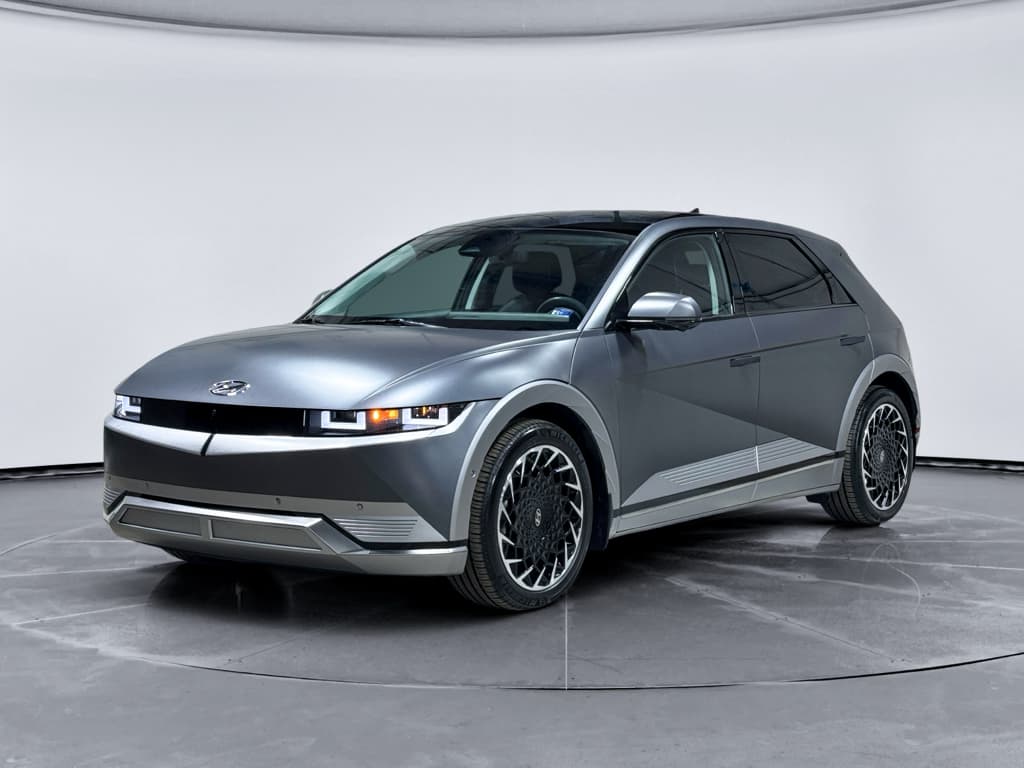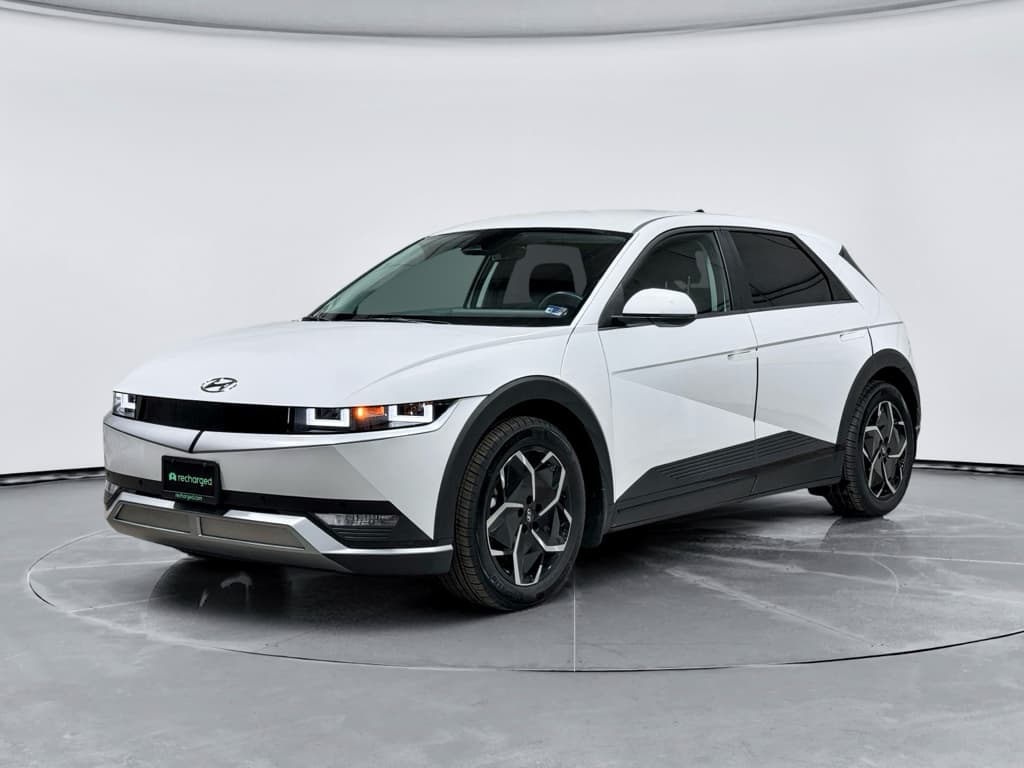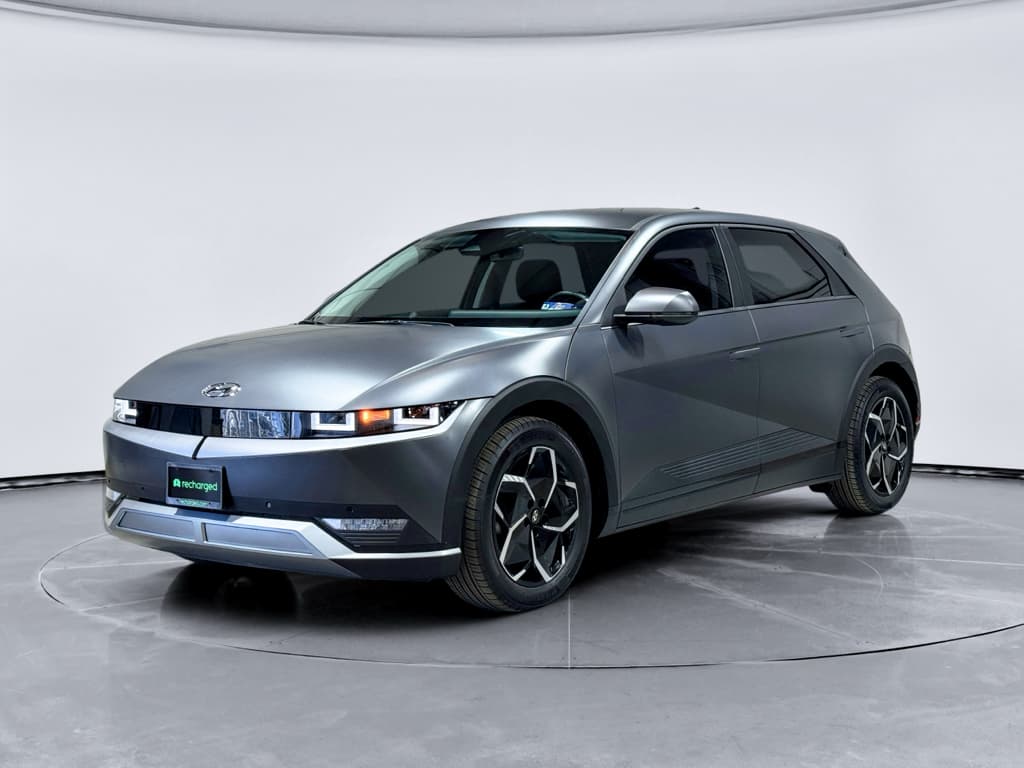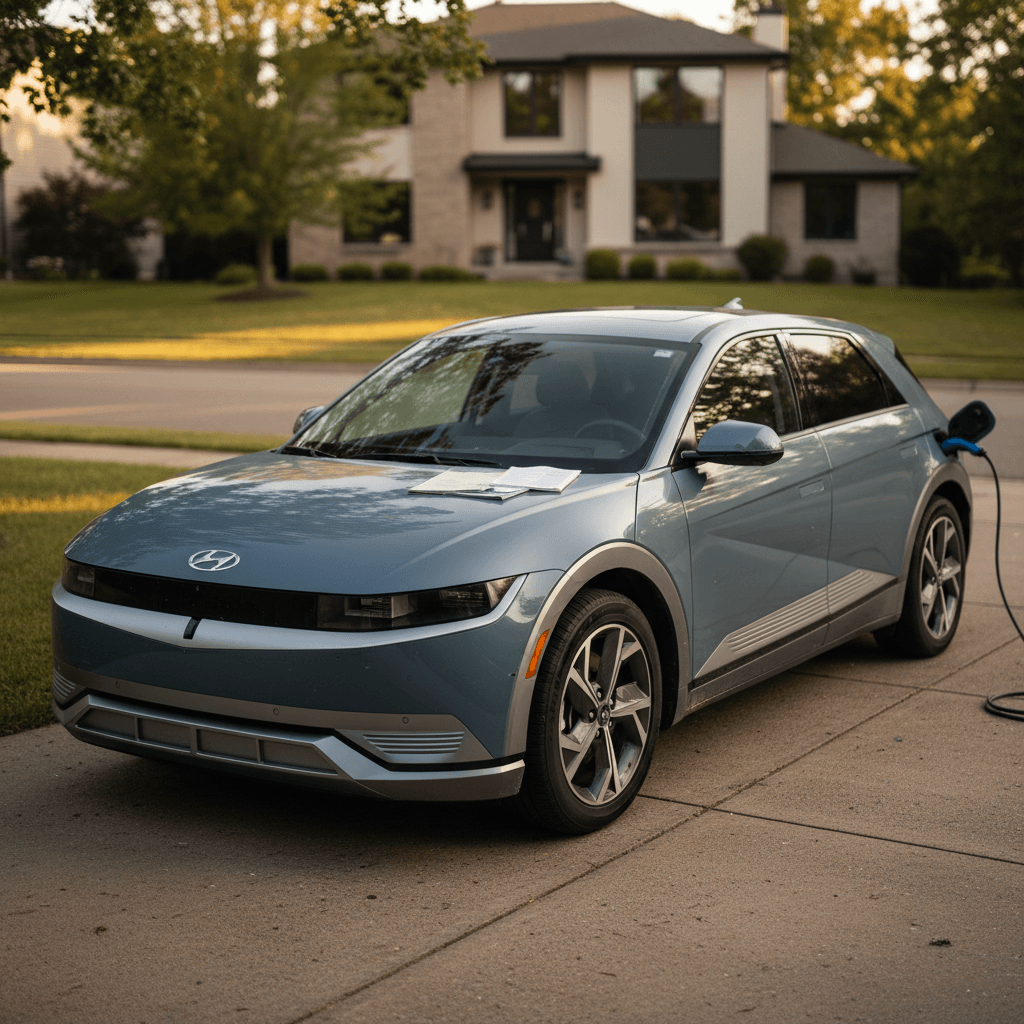
If you like the look of the Hyundai Ioniq 5, you’re not alone. It’s one of the most talked‑about electric SUVs of the past few years. But with big price cuts for the 2026 model year, new NACS (Tesla‑style) charging ports, and steep depreciation on early models, you’re smart to ask: is the 2026 Hyundai Ioniq 5 a good buy right now?
Short answer
Overview: Is the 2026 Ioniq 5 a Good Buy?
Where the 2026 Ioniq 5 shines
- Range and efficiency that now rival or beat most non‑Tesla EV SUVs, especially in rear‑wheel‑drive trims.
- Ultra‑fast DC charging on an 800‑volt platform, still among the quickest in the segment.
- NACS charge port (standard since 2025), opening access to most Tesla Superchargers for 2026 buyers.
- Spacious, flexible interior with sliding rear seats and a near‑flat floor, great for families.
- Aggressive 2026 pricing, with Hyundai cutting MSRPs to stay competitive as EV demand softens.
Where you should pause and think
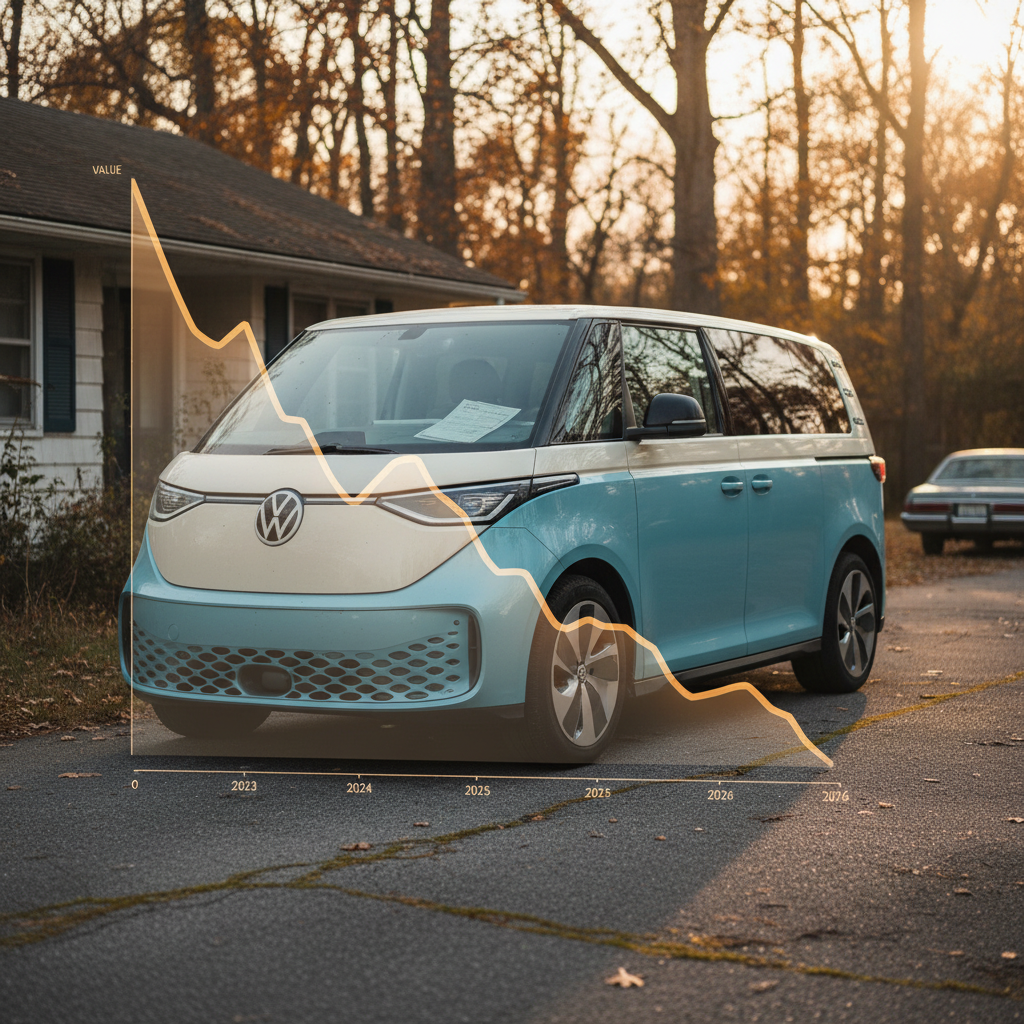
- Depreciation hits hard on earlier Ioniq 5s; 2022–2024 models have lost roughly half their value in a few years, and 2026s will follow the same curve.
- Charging on Tesla’s network via NACS doesn’t always deliver the headline speeds seen on CCS fast chargers, based on early independent testing.
- Still‑developing software experience: Hyundai’s infotainment and apps have improved, but updates and UX still trail the best in class.
- Tax credit rules are complex; some trims may not qualify for the full federal EV tax credit when bought new.
2025–2026 Ioniq 5: Key Numbers at a Glance
What’s New on the 2026 Hyundai Ioniq 5
To decide if the 2026 Hyundai Ioniq 5 is a good buy, you first need to understand what’s actually new versus the heavily updated 2025 model.
2026 Ioniq 5: Updates That Matter for Buyers
Most hardware carries over from 2025, but strategy and pricing shift.
Carryover powertrain & range
The big jump in battery capacity and range happened for 2025, not 2026. Expect similar EPA ranges: roughly mid‑200s for standard‑range and just over 300 miles for long‑range RWD trims.
Lower 2026 pricing
Hyundai announced lower MSRPs for the 2026 Ioniq 5 lineup to stay competitive as EV demand cools. That makes the Ioniq 5 more compelling against Tesla and legacy rivals, but also pressures resale further.
Simplified trims & tech tweaks
Hyundai has been consolidating trims and adding software and feature updates (like its latest infotainment stack and Hyundai Pay) rather than radically re‑engineering the car every year.
Model‑year nuance
Range & Charging: How the 2026 Ioniq 5 Fits Real Life
Range and charging are where the Ioniq 5 has always punched above its weight. The 2025 refresh increased battery capacity and range, and the 2026 carries that forward with the added benefit of standard NACS hardware.
Estimated 2025–2026 Ioniq 5 Range by Configuration
Exact EPA numbers can shift slightly by wheel size and options, but this gives you the ballpark for 2026.
| Configuration | Battery | Drivetrain | Est. EPA Range |
|---|---|---|---|
| Standard range | ~63 kWh | RWD | ≈245 miles |
| Long range | ~84 kWh | RWD | ≈300–318 miles |
| Long range | ~84 kWh | AWD | ≈260–280 miles |
For the best mix of price and real‑world range, long‑range RWD trims remain the sweet spot.
Independent testing of the 2025 Ioniq 5 has shown it can often beat its EPA estimates in mixed driving, especially in RWD trims. That’s important because range labels are one thing; how far you can actually go at 70 mph with climate control on is what dictates whether a car works for your life.
NACS is great, but don’t over‑romanticize it
- On a strong DC fast charger, the Ioniq 5 can go from around 10% to 80% in roughly 18–20 minutes under ideal conditions.
- Its 800‑V platform means high peak power (into the 200‑kW+ range) and a fairly flat fast‑charge curve, minimizing road‑trip downtime.
- Home charging on a 240‑V Level 2 charger (up to 11 kW) will easily refill a depleted pack overnight.

Pricing, Incentives & Total Cost of Ownership
The real story of the 2026 Ioniq 5 isn’t just hardware, it’s pricing and resale. Hyundai has leaned heavily on discounts, leases, and price cuts, which are great for buyers today but brutal for first owners’ depreciation.
New 2026 Ioniq 5 pricing landscape
- Hyundai cut MSRPs on the 2026 lineup compared with earlier years, putting many trims in the low‑ to mid‑$40,000s before incentives.
- Manufacturer incentives and dealer discounts can stack on top, especially in regions where EV inventory is heavy.
- Depending on final assembly location and battery sourcing, some trims may qualify for the federal clean vehicle credit when purchased or leased, but rules change often, so always verify the VIN and deal structure with your tax advisor.
Ownership costs in the real world
- Energy costs: Even if you fast‑charge occasionally, most owners will see significantly lower “fuel” costs vs a similar gas SUV, especially if they can charge at home on off‑peak rates.
- Maintenance is light, no oil changes, fewer moving parts, but you’ll still budget for tires, cabin filters, brake fluid and software‑related service visits.
- Insurance for EVs can run higher than for comparable gas crossovers; it’s worth getting a quote before you sign.
Watch depreciation if you buy new
Reliability, Depreciation & Long-Term Value
The Ioniq 5 is still a relatively young product, but by 2026 we have several model years of real‑world data on reliability and resale. That’s where the story gets more nuanced.
How the Ioniq 5 Holds Up Over Time
Battery health is encouraging; resale values are more sobering.
Battery & drivetrain durability
So far, there’s no systemic pattern of catastrophic battery failures on the Ioniq 5. Hyundai’s long EV powertrain warranty and careful thermal management have kept degradation relatively modest in the first few years of ownership, especially for drivers who mostly AC charge.
Depreciation reality check
Because Hyundai and dealers pushed heavy incentives, early Ioniq 5s have taken a steep value hit, often around half their original MSRP within a few years. That creates excellent opportunities in the used market, but punishes buyers who paid full new‑car pricing.
Good news for used buyers
2026 Ioniq 5 vs Tesla Model Y and Other Rivals
Any time you ask if the 2026 Ioniq 5 is a good buy, you’re really asking, “Compared with what?” For most shoppers, the “what” is the Tesla Model Y, plus mainstream players like the VW ID.4, Kia EV6, and Ford Mustang Mach‑E.
2026 Ioniq 5 vs Key Electric SUV Rivals (High-Level)
This focuses on the factors daily drivers care about most: range, charging, interior practicality, and pricing direction.
| Model | Max Range | Fast-Charge Strength | Interior & Practicality | Pricing & Value Trend |
|---|---|---|---|---|
| Hyundai Ioniq 5 (2025–26) | ≈318 mi (RWD LR) | Very strong; ultra‑fast on 800‑V, good but not class‑leading on Tesla Superchargers | Excellent space, sliding rear seats, airy cabin | MSRPs cut for 2026; heavy used discounts create strong bargains |
| Tesla Model Y (2026) | Low‑ to mid‑300s | Good, especially on Tesla’s own network | More minimalist, less rear headroom; strong cargo space | Ongoing price volatility; tends to hold value better than most non‑Tesla EVs |
| Kia EV6 | High‑200s to low‑300s | Similar 800‑V fast‑charge hardware to Ioniq 5 | Sportier posture, less upright; good cargo with seats folded | Incentives and discounts similar to Hyundai’s in many markets |
| VW ID.4 / Ford Mach‑E | Low‑ to mid‑200s (typical) | Respectable but generally slower charge rates | Conventional SUV feel; packaging varies by trim | Aggressive discounts in many regions; value depends heavily on deals |
The Ioniq 5 rarely wins every column, but it balances the grid well, especially on comfort and value.
Who should pick Ioniq 5 over Model Y?
Should You Buy a New 2026 Ioniq 5 or a Used One?
This is where your personal use case matters more than any spec sheet. The 2026 Ioniq 5 is a better product than the earliest model years, but the value equation often leans used, especially in 2026 and 2027.
When a new 2026 Ioniq 5 makes sense
- You want the latest hardware and software, including NACS from day one and Hyundai’s newest infotainment/driver‑assist suite.
- You can stack a strong deal (lease support, rebates, maybe a federal tax credit) that lowers your effective cost dramatically.
- You intend to keep the car 8+ years, so short‑term depreciation hurts less.
- You’re not comfortable with any uncertainty around how a previous owner treated the battery.
When a used Ioniq 5 is the smarter buy
- You’re willing to trade "brand new" for thousands in savings on a 1–3‑year‑old example.
- You want to let someone else take the worst of the depreciation and then buy at the flatter part of the curve.
- You shop through a marketplace that verifies battery health and pricing, so you’re not guessing.
- You’re flexible on color/trim and can focus on finding the right condition and history instead.
Model-year sweet spots
How Recharged Simplifies Buying a Used Ioniq 5
Because the Ioniq 5’s biggest question mark is value over time, buying used isn’t just about haggling, it’s about transparency. That’s where Recharged is intentionally different from a traditional dealer or anonymous classifieds site.
Why Shop for a Used Ioniq 5 on Recharged?
Battery transparency and EV‑specific support make or break this purchase.
Recharged Score battery health diagnostics
Every Ioniq 5 on Recharged comes with a Recharged Score Report that includes verified battery health, charge‑cycle behavior, and range expectations. Instead of guessing based on odometer alone, you can see how strong the pack really is.
Fair market pricing, clearly explained
Recharged benchmarks each vehicle against nationwide EV sales data, incentives, and depreciation trends. That means the price you see already bakes in how quickly Ioniq 5s typically lose value, rather than pretending they’re rare collectibles.
Digital buying, trade‑in & delivery
You can handle everything online, including financing, trade‑in, and nationwide delivery. If you’d rather see an Ioniq 5 in person, Recharged also operates an Experience Center in Richmond, VA with EV specialists on site.
Ready to find your next EV?
Browse VehiclesIf you already own an Ioniq 5
Quick Checklist: When the Ioniq 5 Is (and Isn’t) a Good Buy
Use This Checklist Before You Commit to a 2026 Ioniq 5
1. Confirm your charging reality
If you can install Level 2 charging at home or have consistent workplace charging, the Ioniq 5’s strengths really shine. If you’ll rely heavily on DC fast charging every week, plan your routes carefully and test how local stations perform.
2. Decide how long you’ll keep it
Buying new only makes sense if you’re comfortable holding through the steepest depreciation years. If you typically swap cars every 3–4 years, run the numbers on a used Ioniq 5 or a lease.
3. Prioritize interior space and comfort
If you need great rear‑seat space, an easy‑to‑use cabin, and a calm ride, the Ioniq 5 is a standout. If you prefer sportier handling or a more minimalist cockpit, you might prefer a Kia EV6 or Tesla Model Y instead.
4. Look beyond headline range
Check real‑world tests and owner reports, not just EPA labels. Focus on highway range at the speeds you actually drive, in the climate you actually live in.
5. For used: demand battery transparency
Don’t buy a used Ioniq 5 on price alone. Insist on a <strong>battery health report</strong>, charging history, and clear disclosure about prior fast‑charging usage. This is exactly what Recharged’s Score Report is designed to surface.
6. Compare total deal, not just MSRP
Factor in tax credits, financing terms, insurance quotes, and projected resale when comparing a new 2026 Ioniq 5 to a discounted used one. Sometimes a slightly higher sticker with better terms is the cheaper car over five years.
Frequently Asked Questions About the 2026 Ioniq 5
Common Questions About Buying a 2026 Hyundai Ioniq 5
Bottom Line: Is the 2026 Hyundai Ioniq 5 Right for You?
Taken on its own merits, the 2026 Hyundai Ioniq 5 is a very competent, often excellent electric SUV: roomy, quick‑charging, efficient, and now more aggressively priced. For the right driver, especially someone who values comfort and space over sharp handling, and who can charge at home, it’s absolutely a good buy.
Where you need to think harder is on timing and format. If you’re allergic to depreciation and open to buying used, a well‑vetted 2024 or 2025 Ioniq 5 with a strong battery‑health report may be an even better buy than a brand‑new 2026. If you prefer new and plan to keep the car long‑term, a discounted 2026 with the latest updates can still pencil out well, especially with incentives or a favorable lease.
Either way, don’t just fall for the styling and spec sheet. Anchor your decision in how you’ll actually use the car, how long you intend to keep it, and what kind of charging life you’ll realistically have. And if you decide the Ioniq 5 fits, using a platform like Recharged, with battery‑health‑verified listings, transparent pricing and EV‑specialist support, can turn a complicated EV purchase into a straightforward one.