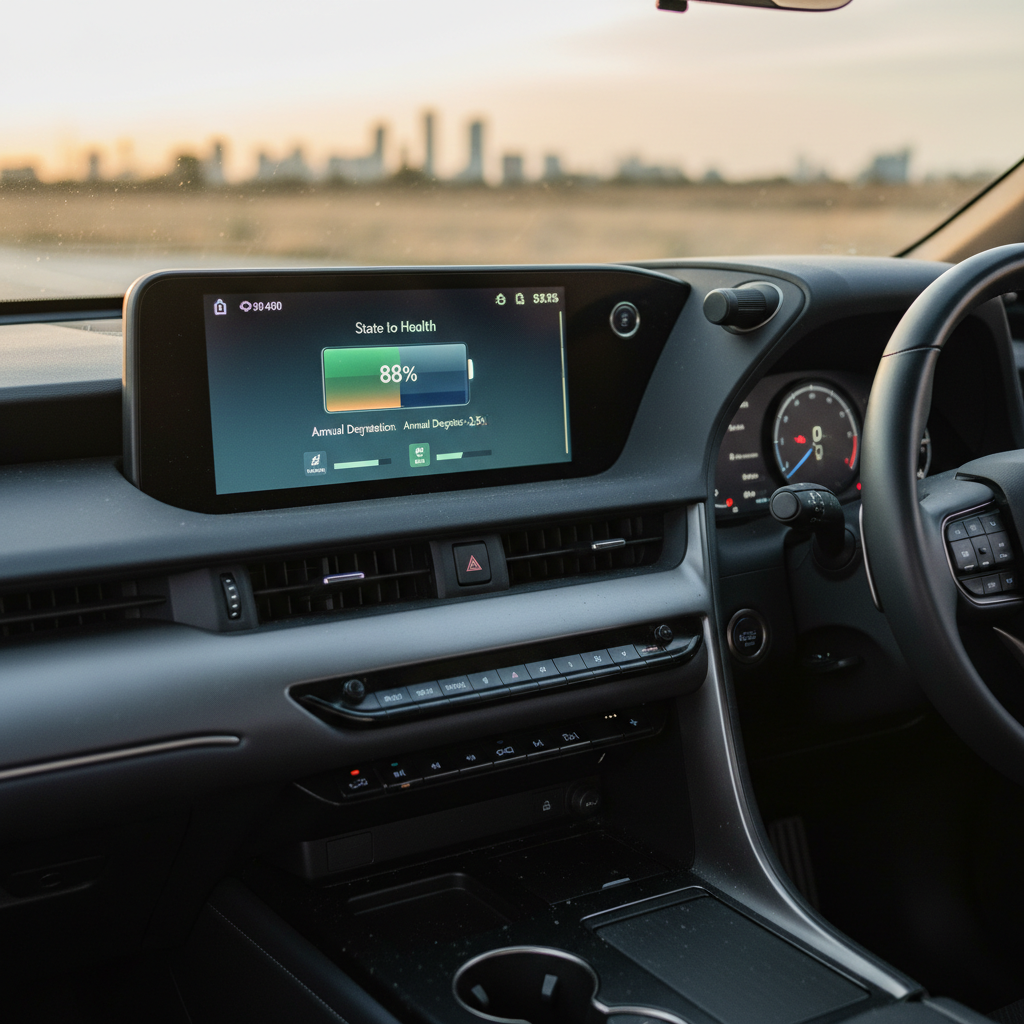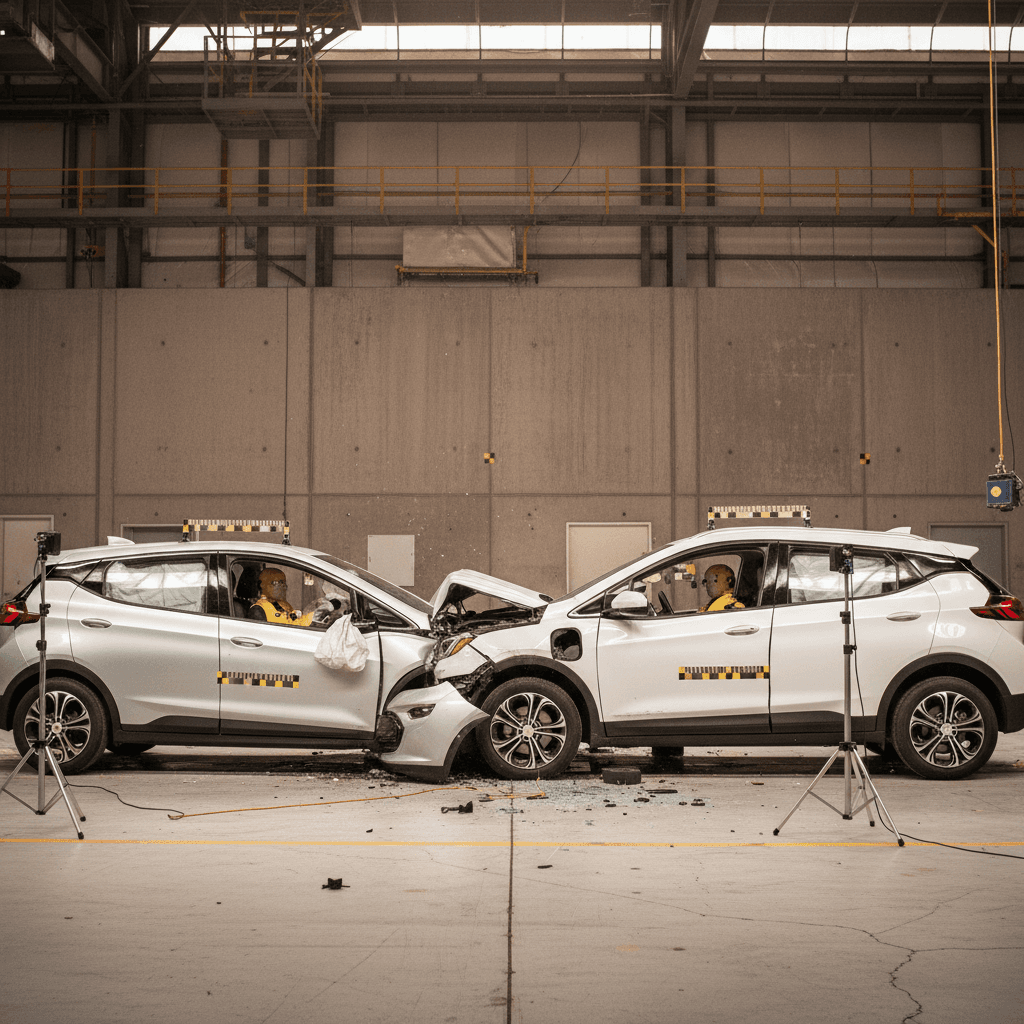
If you’re researching a Chevy Bolt EUV recalls list, you’ve probably seen the headlines about battery fires and multiple “fixes.” The story is messy, but it’s also finite and fairly well understood at this point. This guide walks through every major Bolt EUV recall, what was done to fix it, how to check any VIN, and what all of this means if you own or are considering a used Bolt EUV.
Quick context
Overview: Every Major Chevy Bolt EUV Recall
The Bolt EUV’s recall history is really a subset of the broader Bolt EV story. From a safety and ownership perspective, you can think of three main recall “chapters” that matter for EUV owners and used buyers:
- A series of high‑voltage battery fire risk recalls that ultimately covered all 2017–2022 Bolt EVs and 2022–2023 Bolt EUVs.
- A “final fix” campaign that combined battery pack or module replacement with advanced diagnostic software that briefly limited charging to about 80% until the pack proved healthy.
- A small 2024
Chevy Bolt EV & EUV Recall Snapshot
Used‑buyer takeaway
Bolt EUV vs. Bolt EV: Which Recalls Apply to Which Models?
The Bolt EV launched as a compact hatchback for the 2017 model year. The Bolt EUV (Electric Utility Vehicle) is the slightly longer, more crossover‑like variant that arrived for the 2022 model year and continued through 2023 before GM paused production.
Bolt EV (2017–2022)
- Battery‑fire recalls affect every model year.
- Most cars received new battery packs or modules plus software.
- Some needed only the advanced diagnostic software, depending on build date and battery batch.
Bolt EUV (2022–2023)
- Shares pack design and LG cells with late‑run Bolt EVs.
- Included in the expanded battery recall covering 2017–2022 Bolt EVs and all 2022–2023 EUVs.
- A tiny subset of 2022 EUVs (19 in the U.S.) was re‑recalled in 2024 for a software-install issue, not a new hardware defect.
Don’t assume “2022+ means safe by default”
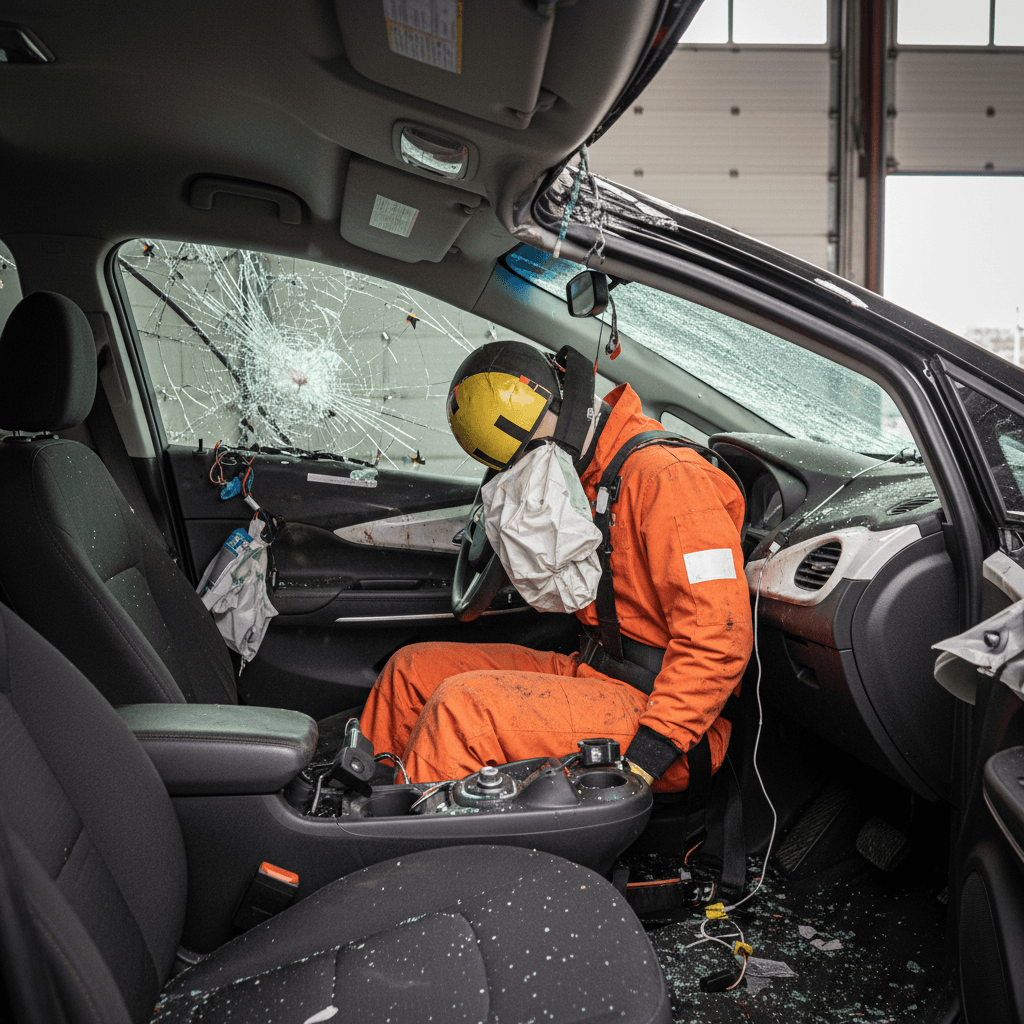
Chronological Chevy Bolt EUV Recalls List
Here’s the Chevy Bolt EUV recalls list in simple, chronological form. For the EUV specifically, the key campaigns really start when GM widens the original Bolt EV recall to include later cars.
Major Recall Campaigns Affecting Chevy Bolt EUV
High‑level summary of the safety campaigns that matter most for Bolt EUV owners and buyers. Exact NHTSA/GM campaign numbers can vary by model year and build date, so always run a VIN check for details.
| Approx. Date Announced | Models Involved (EUV) | What Triggered It | Main Risk / Issue | Typical Remedy for EUV |
|---|---|---|---|---|
| Aug 2021 – expansion | 2022 Bolt EUV (plus 2017–2022 Bolt EV) | NHTSA and GM data showed that rare LG battery manufacturing defects could appear across the entire production span, not just early Korean‑built packs. | High‑voltage battery fire risk, particularly at high state of charge or after deep discharge. | Initially: charge and parking limits plus interim software. Ultimately: pack/module replacement on high‑risk packs and/or permanent advanced diagnostic software. |
| Late 2021 – 2022 | 2022 Bolt EUV | GM developed and rolled out a more sophisticated diagnostic algorithm to monitor individual cells and modules over thousands of miles. | Same fire‑risk concern, but now with proactive monitoring instead of blunt limits. | Advanced battery diagnostics software that temporarily limited charge to ≈80% until the pack passed a 6,200 mi / 10,000 km evaluation, then restored full use. |
| 2022–2023 | 2022–2023 Bolt EUV | Production adjustments and supplier changes (newer N2.2 cells) reduced risk, but all cars were still kept in the recall net until verified. | Need to confirm that later EUVs either had unaffected packs or passed diagnostic monitoring. | Some EUVs got new packs, others simply completed the diagnostic‑monitoring window with no issues and had their charge limit lifted. |
| Nov–Dec 2024 "re‑recall" | Subset of 2020–2022 Bolt EV and only 19 units of 2022 Bolt EUV | Investigation found that, on 107 cars total, dealers installed the final diagnostic software incorrectly; one EUV stayed stuck at 80% charge even after the evaluation period. | Software might not reliably detect a bad module, so residual fire risk remained on this tiny population. | Reinstall the correct diagnostic software. GM asked affected owners to set a 90% charge cap and avoid deep discharges until the update was verified. |
Timeline and focus of key recalls, simplified for owners and shoppers.
Important nuance
Battery Fire Root Cause and How GM Fixed It
When GM finally went public with root‑cause details, it pointed to a combination of two rare manufacturing defects inside certain LG battery cells: a torn anode tab and a folded separator. When these two flaws existed in the same cell, they could create internal short circuits and thermal runaway, what drivers experience as a battery fire.
What Actually Went Wrong, And How It Was Addressed
Understanding this helps you evaluate long‑term risk on a used Bolt EUV.
1. Defect in the cells
Some LG‑made cells had a torn anode tab and a folded separator. Alone, each is usually benign. Together, they can create a short circuit inside the cell.
2. Fire risk at extremes
The risk was highest when the pack was near full or nearly empty, where cells are under more stress. That’s why GM originally told owners to avoid 100% charges and deep discharges.
3. Replacement + software
GM replaced high‑risk packs or modules and rolled out advanced monitoring software that keeps an eye on pack behavior over thousands of miles. If it sees trouble, it flags the pack for replacement.
Good news for current owners
How to Check If Your Bolt EUV Has Open Recalls
Because recall coverage depends on build date, battery batch and prior repairs, the only way to know exactly where you stand is to check your specific VIN. The process takes just a couple of minutes and is something you should repeat every so often if you own a Bolt EUV.
Step‑by‑Step: Confirm Recall Status on a Bolt EUV
1. Locate your 17‑digit VIN
You’ll find the VIN at the base of the windshield on the driver’s side, on a sticker inside the driver’s door jamb, and on your registration or insurance documents.
2. Run it through an official recall lookup
Use the NHTSA recall lookup tool or GM’s own recall site. Enter the full VIN to see all open and completed safety campaigns tied to that vehicle.
3. Look for battery-related campaigns
Any recall references to the "high‑voltage battery," "battery module," or "battery diagnostic software" are part of the fire‑risk fix story. Note whether they’re listed as open or completed.
4. Check dealer service history
If you’re evaluating a used car, ask for printed service records. Look for line items showing <strong>HV battery replacement</strong>, <strong>module replacement</strong>, or <strong>advanced diagnostic software installed</strong> under recall codes.
5. Test the charge‑limit behavior
On a test drive, go into the charging settings. If you can’t set the car above around 80%, it may still be in the diagnostic‑monitoring phase or have incomplete software work. Ask a Chevy dealer to explain what they see in their system.
6. Book recall work promptly
If your VIN shows an open recall, schedule it with an authorized Chevrolet dealer. Recall repairs and software updates are <strong>performed at no cost</strong> to you.
Make it a yearly habit
Buying a Used Bolt EUV: Recalls & Battery Checklist
On the used market, the Bolt EUV is compelling: solid efficiency, good real‑world range and aggressive pricing after GM discontinued the first generation. The downside is that the recall history can scare shoppers away, or worse, tempt them into ignoring the details because the price looks too good to pass up.
The smartest move is to treat recalls and battery health as a structured inspection item, not a deal‑breaker by default. Here’s how to do that.
Key Questions to Ask Before You Buy a Used Bolt EUV
You’re not just buying an EV, you’re buying a specific battery pack with a specific history.
Has all recall work been completed?
Ask the seller for documentation showing that battery‑related recalls are closed. A reputable seller should be willing to share recall printouts or dealer invoices with campaign codes.
Did it get a new pack or just software?
Some EUVs have fully replaced packs; others have original hardware plus monitoring. Neither is automatically better, but a newer pack from a less‑affected batch is a plus, all else equal.
How does it charge and drive today?
During a test drive, confirm that you can set the charge limit above 80%, that DC fast charging behaves normally, and that there are no warning lights related to the battery or propulsion system.
What does independent battery testing show?
Whenever possible, pair recall verification with a third‑party battery health report, for example, the Recharged Score on our vehicles, which uses diagnostics to estimate usable capacity and pack condition.
How Recharged handles Bolt EUV recalls
Used Chevy Bolt EUV Buying Checklist
1. Run VIN through recall tools
Confirm there are <strong>no open recalls</strong>, especially related to the high‑voltage battery or diagnostic software. If there are, have the seller complete them before purchase.
2. Request full service and recall records
Look for documentation of any battery pack or module replacement, or software campaigns. Keep copies, these can support future resale value.
3. Get a battery health report
Ask for an independent assessment, such as a Recharged Score battery‑health diagnostic, to understand remaining capacity and expected real‑world range.
4. Inspect charge behavior in settings
Verify that the car isn’t artificially locked to 80% unless you know it’s finishing a diagnostic window and a dealer has explained the plan.
5. Evaluate charging history and habits
If possible, ask how the previous owner used the car, lots of DC fast charging, frequent 100% charges, or long storage periods can all influence long‑term battery health.
6. Leverage pricing, don’t ignore risk
If recall history makes you nervous, that’s fine, but remember it also <strong>depresses prices</strong>. A properly fixed Bolt EUV at a discount can be a very rational buy once you’ve verified the details.
Chevy Bolt EUV Recall FAQ
Frequently Asked Questions About Chevy Bolt EUV Recalls
Bottom Line: Are Chevy Bolt EUVs Safe to Own Used?
The Bolt EUV’s recall history is real, and you shouldn’t gloss over it. But it’s also a story with a clear arc: GM and LG identified the root cause, recalled the entire fleet, poured billions into fixes, and deployed robust diagnostic tools to watch these packs over time. Most of the drama you read about online happened years ago, and the day‑to‑day reality for a properly repaired Bolt EUV today is uneventful in the best possible way.
If you’re shopping used, treat the Chevy Bolt EUV recalls list as a checklist, not a warning siren. Confirm recall completion, understand whether the car has its original or a replacement pack, and get an independent view of battery health. That’s exactly the work Recharged does behind the scenes, combining verified battery diagnostics, transparent pricing and recall checks, so you can focus on whether the car fits your life rather than worrying about what’s hidden in its history.