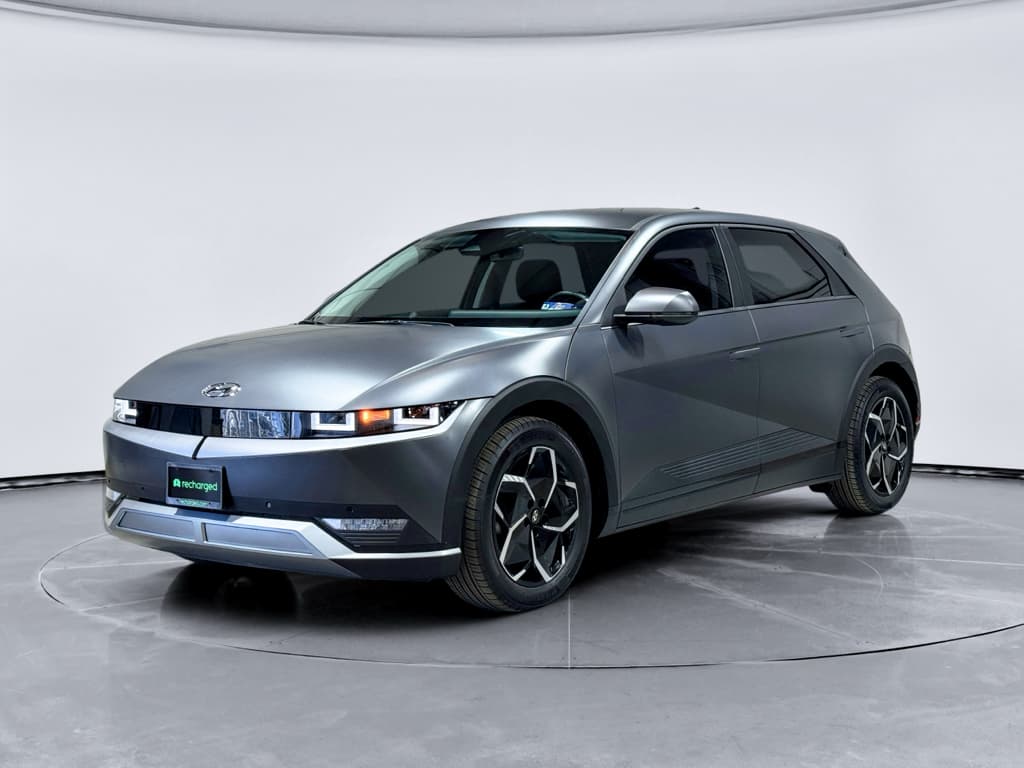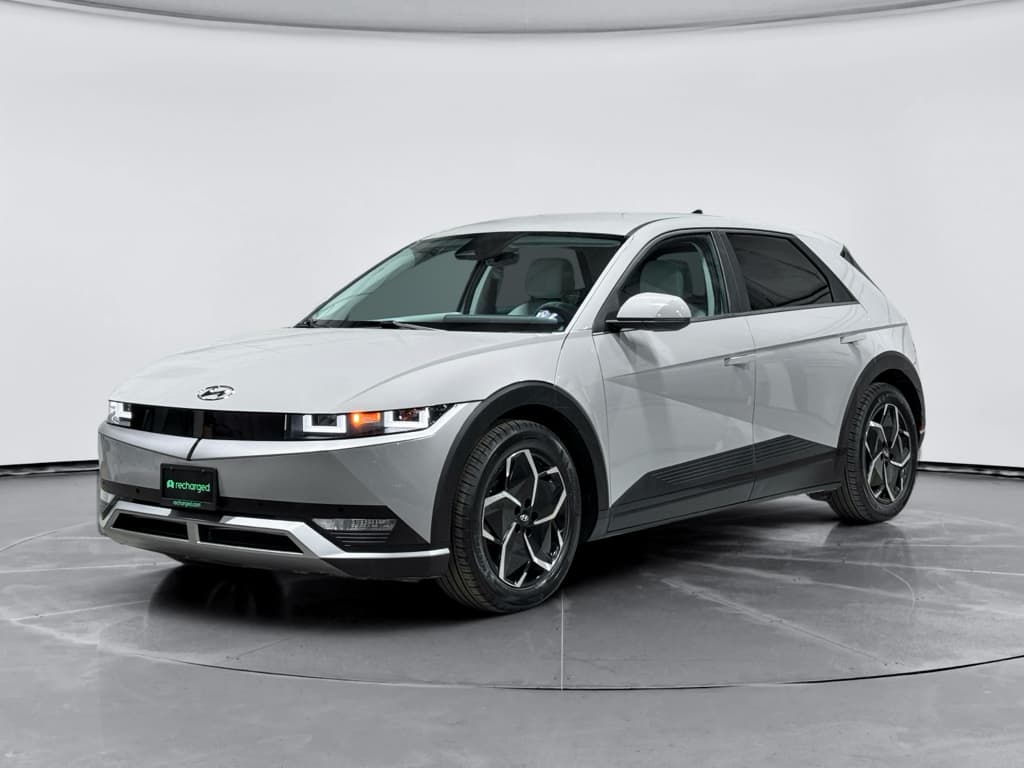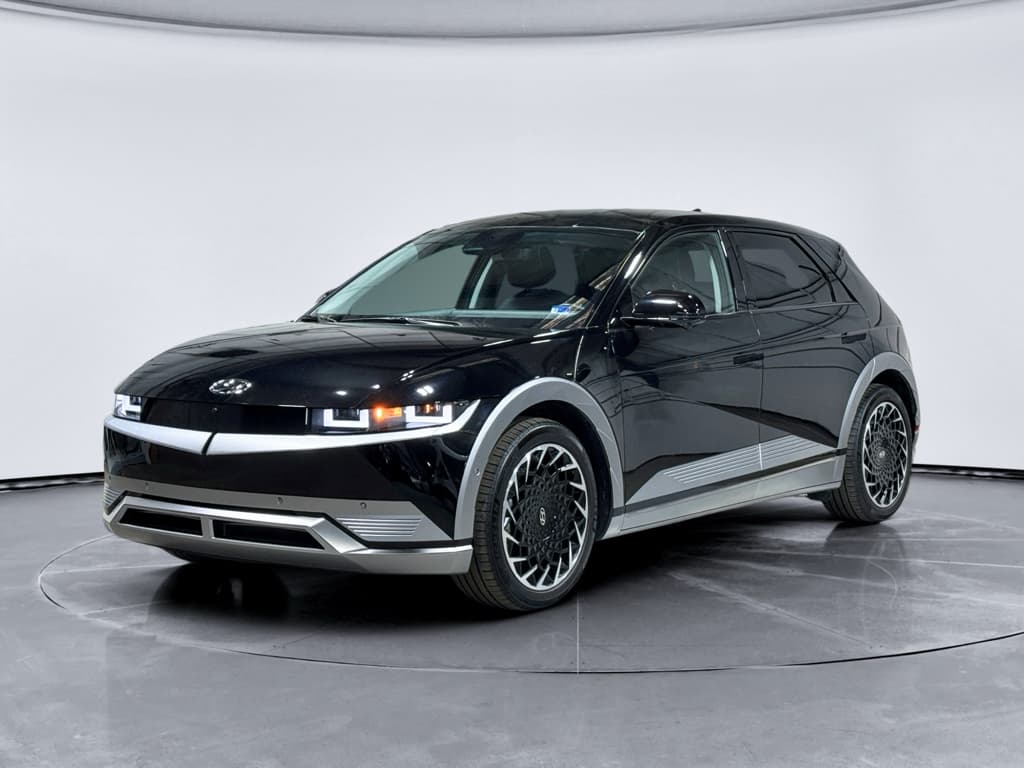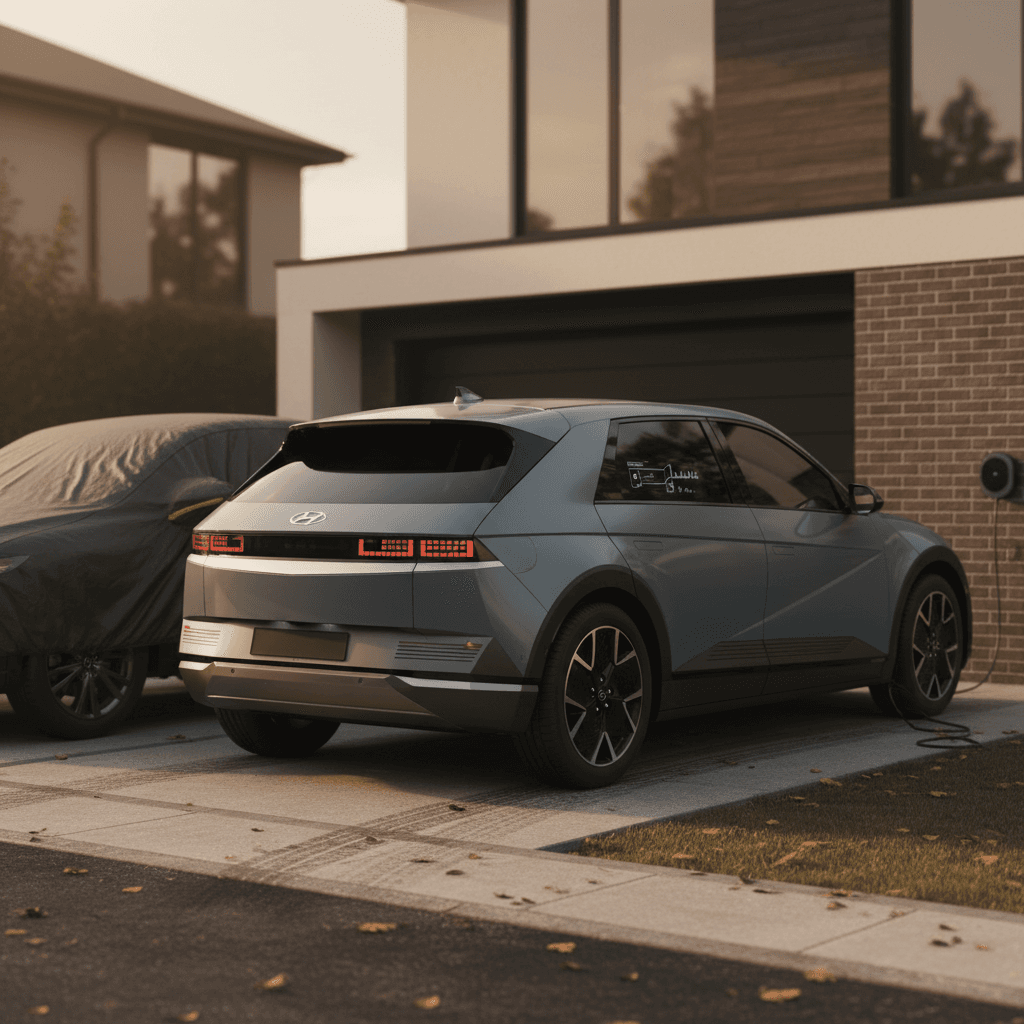
If you’re a Mazda CX-5 owner, you’re used to a practical, nicely finished crossover that’s more fun to drive than most rivals. So when you start eyeing a Hyundai Ioniq 5, it’s natural to wonder: does switching from CX-5 to Ioniq 5 feel like an upgrade, a compromise, or a bit of both? This review walks through that transition from a CX-5 driver’s point of view, space, comfort, performance, charging, costs, and what to watch for, especially if you’re considering a used Ioniq 5 from a marketplace like Recharged.
Who this review is for
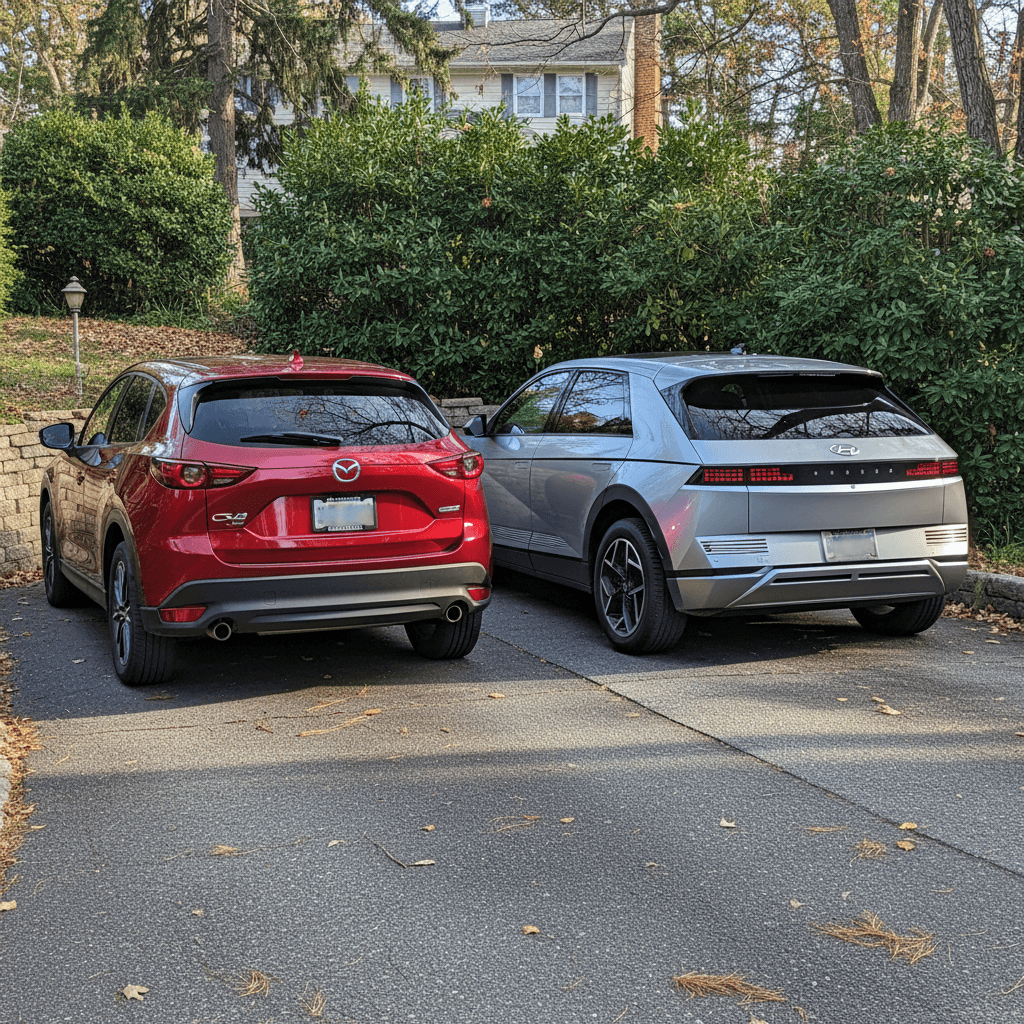
Why Mazda CX-5 Owners Start Looking at the Hyundai Ioniq 5
Typical reasons CX-5 owners consider the Ioniq 5
Most owners aren’t just chasing novelty, they’re solving real pain points.
Tired of fuel costs
Access to home charging
Want lower emissions, not less comfort
The Mazda CX-5 has earned its reputation with sharp steering, a comfortable ride, and a nicely trimmed interior. You’re probably not unhappy with the car itself, you’re unhappy with stops at the gas station, or you’re looking ahead to rising maintenance as the CX-5 ages. The Hyundai Ioniq 5 appeals because it promises EV smoothness, ultra-fast charging, and a more modern cabin without feeling like a science experiment.
Size, Space, and Comfort: CX-5 vs Ioniq 5
Mazda CX-5 vs Hyundai Ioniq 5: Key size and space numbers
Approximate U.S.-spec figures; exact numbers vary slightly by model year and trim.
| Metric | Mazda CX-5 | Hyundai Ioniq 5 |
|---|---|---|
| Overall length | ~179 in | ~182 in |
| Wheelbase | ~106 in | ~118 in (much longer) |
| Cargo behind 2nd row | ~30 cu ft | ~26–27 cu ft |
| Cargo with rear seats folded | ~59 cu ft | ~58–59 cu ft |
| Rear legroom | Good for class | Noticeably more stretch-out space |
| Front headroom | Comfortable | Airier, more open-feeling cabin |
On paper, the Ioniq 5 is similar in length to the CX-5, but the wheelbase and interior packaging make it feel roomier inside.
From the driver’s seat, the Ioniq 5 feels more like a small living room on wheels than a traditional crossover. That’s the effect of the very long wheelbase and the flat floor. Compared with your CX-5, rear passengers gain real knee room, and the sliding/reclining rear seat can turn long trips into something closer to business class.
Where the CX-5 still feels familiar and cozy
- Driver-focused cockpit: Conventional gauges, physical knobs, and a more enclosed feel around the driver.
- Supportive seats: Mazda has done a nice job with seat comfort and lateral support, especially in higher trims.
- Traditional cargo bay: Slightly boxier space for tall items and the occasional Costco run.
Where the Ioniq 5 feels like a step up
- Rear seat space: Adults fit more comfortably behind other adults, especially taller drivers.
- Flat floor: The middle rear passenger doesn’t straddle a hump, which is a quiet revolution if you have three across.
- Open front cabin: Sliding center console on many trims, more foot room, and an airy greenhouse.
Practical test drive tip
Driving Feel: From Sporty CX-5 to Instant EV Torque
Mazda has built the CX-5’s reputation around steering feel and a slightly sporty edge. If you enjoy that, you’ll notice a change in character with the Ioniq 5. It’s not trying to be an MX-5 on stilts; it’s more about effortless, quiet speed.
Typical CX-5 vs Ioniq 5 performance snapshot
What you feel most is the instant torque. From a stoplight or a short on-ramp, the Ioniq 5 simply goes, no downshifts, no turbo spool. The trade-off is steering that’s a bit lighter and less talkative than your Mazda’s and a ride tuned more for quiet comfort than corner-carving. If your CX-5 is already on the comfortable side (touring tires, normal driving), the Ioniq 5 will feel like a natural evolution rather than a let‑down.
Watch your right foot
Range and Charging: How the Ioniq 5 Changes Your “Fuel” Stops
In the CX-5, your fueling model is simple: drive until the needle drops, then spend 5 minutes at any gas station. In an Ioniq 5, the pattern shifts to top up at home overnight and use public fast charging for trips. That’s a big mental change, but not as complicated as it first appears.
Mazda CX-5 vs Hyundai Ioniq 5: Typical range and “refuel” patterns
Approximate real‑world numbers; your results will vary with temperature, terrain, speed, and wheel size.
| Use case | CX-5 (gas) | Ioniq 5 (long‑range RWD/AWD) |
|---|---|---|
| Daily commuting | 300–350 miles per tank; 5‑minute gas stops every week or two | Real‑world ~240–280 miles per charge for many drivers; plug in at home and rarely think about it |
| Road trips | Easy 400+ mile days, gas every 250–350 miles | Plan 150–220‑mile legs; DC fast charge from ~10–80% in roughly 20 minutes on a strong 350 kW charger |
| Bad weather highway driving | More fuel consumption, but gas is everywhere | Range drops with winter and higher speeds; charging network and planning matter more |
Where the CX-5 wins on pure refuel speed, the Ioniq 5 wins on convenience if you can plug in at home.
Fast charging is an Ioniq 5 strength
Checklist: Are you ready for Ioniq 5 charging instead of CX-5 fueling?
1. Do you have reliable home parking?
A dedicated driveway or garage you control is a huge advantage. If you rely entirely on street parking, think very carefully before giving up the CX-5’s gasoline flexibility.
2. Can you install or access 240V charging?
A professionally installed Level 2 charger or a 240V outlet lets the Ioniq 5 fully recharge overnight. Factor this into your budget and timeline before you trade out of the Mazda.
3. How often do you road‑trip?
If you do several 400–600‑mile days per year, map your common routes using public fast‑charging apps. Make sure there’s robust coverage where you actually travel.
4. Are you comfortable planning stops?
You’ll spend less time fueling overall, but you will spend more time thinking about where and when you stop on long trips compared with your CX‑5.
Ownership Costs: Gas Crossover vs EV SUV
Total cost of ownership is where many CX-5 owners are pleasantly surprised by the Ioniq 5, especially if they buy used and avoid initial depreciation. You trade gasoline and some traditional maintenance for electricity and a simpler drivetrain.
Where the CX-5 can cost more over time
- Fuel: Even with decent mileage, regular gas fill‑ups add up quickly at typical U.S. prices.
- Maintenance: Engine oil, transmission fluid, exhaust, spark plugs, and more complex emissions equipment over the long term.
- Wear items under load: Brakes and transmission do more work in stop‑and‑go traffic than in an EV with strong regenerative braking.
Where the Ioniq 5 can save, or add, cost
- Electricity vs gas: Home charging, especially off‑peak, is usually cheaper per mile than gasoline.
- Less routine service: No oil changes; fewer moving parts in the drivetrain.
- Insurance and tires: EVs can carry higher insurance and tire costs, especially on heavier AWD models with larger wheels.
Used Ioniq 5 can be a value play
Daily Life Adjustments: What Surprises Most New Ioniq 5 Owners
Three big day‑to‑day changes vs a Mazda CX-5
None of them are deal‑breakers, but it’s better to know them before you trade keys.
You stop at gas stations…almost never
You think in % instead of miles
More life through the screen
“The most common thing I hear from first‑time EV owners is that they worry about charging for two weeks, then worry about ever going back to gas.”
What to Look For If You Buy a Used Ioniq 5 After a CX-5
If you’ve owned your CX-5 for a while, you already know the value of a thorough pre‑purchase inspection. With a used Ioniq 5, you’re adding one more critical layer: battery and charging health. That’s where buying from an EV‑focused retailer like Recharged can de‑risk the jump from gas to electric.
Used Hyundai Ioniq 5 checklist for CX-5 owners
1. Confirm battery health and DC fast‑charging behavior
Ask for a battery health report and pay attention to previous fast‑charging usage. Recharged includes a Recharged Score report with verified battery diagnostics so you’re not guessing about the most expensive component in the car.
2. Verify charging hardware and cables
Make sure the portable charge cable is included and the charge port door operates smoothly. Test both AC charging (Level 2) and, if possible, a short DC fast‑charge session before you finalize the deal.
3. Check software version and features
Many convenience and charging features arrive via software updates. Verify that the vehicle is up to date and that driver‑assistance systems, cameras, and navigation are functioning correctly.
4. Inspect tires and brakes carefully
The Ioniq 5 is heavier than your CX‑5. Worn tires or uneven brake wear can show up sooner if the previous owner drove aggressively or skipped rotations.
5. Look closely at interior wear
The bright, airy cabin shows wear and stains more readily than a dark Mazda interior. Check seat bolsters, door cards, and the floating console area for scuffs or discoloration.
6. Confirm charging network fit for your life
Before you sign, map your daily and long‑trip routes against major charging networks, Electrify America, EVgo, local utilities, and Tesla Superchargers where compatible. The car and the network have to work together for you.
How Recharged helps de‑risk the switch
Ready to find your next EV?
Browse VehiclesPros and Cons Summary for Mazda CX-5 Owners
Reasons a CX‑5 owner will likely love the Ioniq 5
- Smooth, quiet power: Instant torque with no gear changes, and a cabin that’s calmer than most gas crossovers.
- Roomier back seat and flat floor: Families with teenagers or car seats notice this immediately.
- Home “fueling” convenience: No more routine gas stops if you can charge where you park.
- Lower routine maintenance: Fewer drivetrain fluids and wear items than in your Mazda.
- Modern tech and design: If your CX‑5 predates the latest infotainment systems, the Ioniq 5 feels like a big step forward.
Potential downsides versus staying in a CX‑5
- Road‑trip planning: You must think about charging locations and speeds; your CX‑5 will always be more carefree in remote areas.
- Upfront cost: A well‑equipped Ioniq 5, new or nearly new, can be pricier than a comparable used CX‑5.
- Learning curve: Charging apps, public networks, and EV‑specific quirks take time to learn.
- Cargo shape, not just size: The Ioniq 5’s sloping rear and under‑floor storage can change how some bulky items fit.
- Charging infrastructure dependence: If local fast‑charging is sparse or unreliable where you live, the CX‑5’s gas tank remains a strong argument.
FAQ: Mazda CX-5 Owner Switching to Hyundai Ioniq 5
Common questions from CX-5 drivers about the Ioniq 5
So…Should a Mazda CX-5 Owner Switch to a Hyundai Ioniq 5?
If you like what your Mazda CX-5 does well, comfortable ride, tidy size, tasteful interior, but you’re ready to leave gasoline behind, the Hyundai Ioniq 5 is one of the most natural upgrades on the market. It keeps the crossover practicality you’re used to, adds a roomier rear seat and ultra‑smooth power, and replaces gas‑station errands with the quiet convenience of home charging.
The Ioniq 5 isn’t a perfect one‑for‑one replacement. You give up spontaneous 500‑mile days without planning, and you accept a bit more technology and charging homework. But for many CX‑5 owners, especially those with predictable commutes, home parking, and an eye on long‑term running costs, the switch feels less like a risk and more like the obvious next step.
If you’re serious about moving from a CX‑5 into an Ioniq 5, start with two things: map your real driving and charging patterns, and insist on transparent battery health data on any used EV you consider. That’s where Recharged can help, with verified Recharged Score battery diagnostics, fair‑market pricing, financing, and trade‑in options so you can send your CX‑5 off with confidence and step into electric ownership with your eyes wide open.