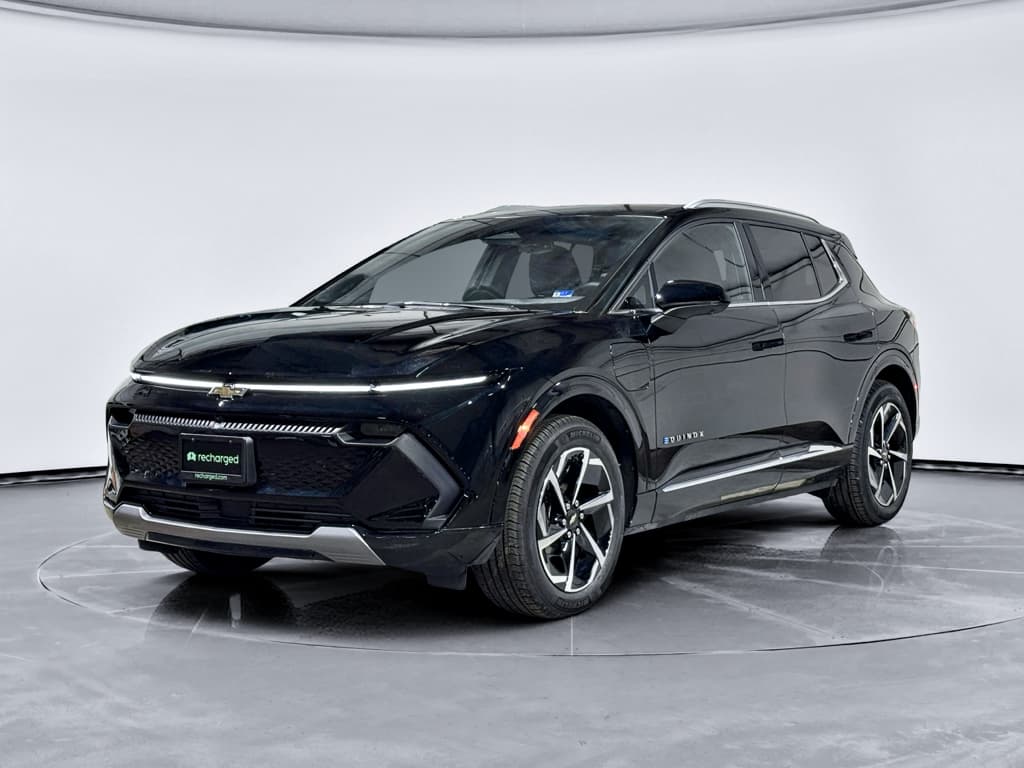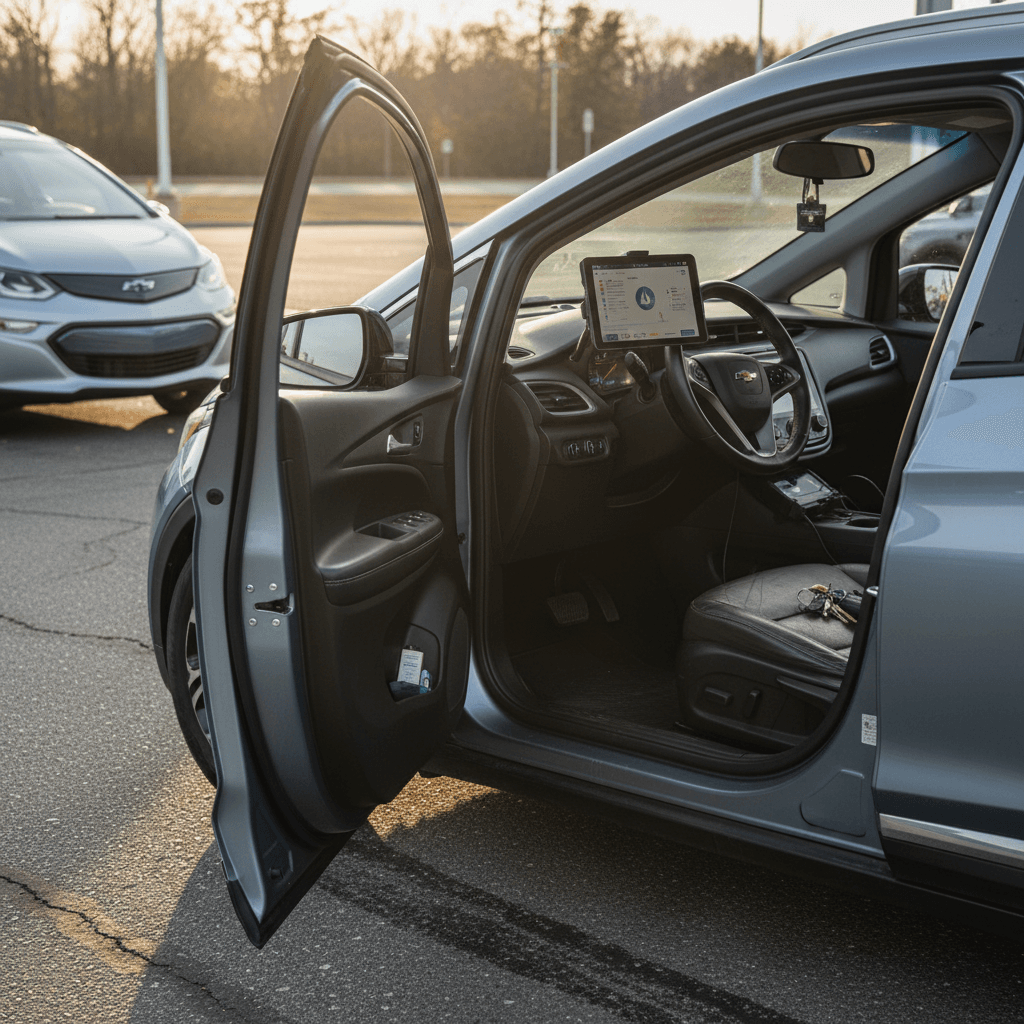
If you’re eyeing a Chevy Bolt EUV as an affordable way into EV ownership, depreciation is your friend. If you bought one new and are thinking about selling, that same Chevy Bolt EUV depreciation rate can feel like a punch in the gut. Either way, understanding how quickly the Bolt EUV loses value, and why, helps you make smarter decisions.
Snapshot: Bolt EUV depreciation in 2026
Why Chevy Bolt EUV depreciation matters
Depreciation is simply how much value your car loses over time. It’s not as exciting as 0–60 times, but it’s the single biggest cost of ownership for almost every vehicle, gas or electric. For EVs, especially value-oriented ones like the Bolt EUV, depreciation shapes: - What you can afford new vs. used - How long you should plan to keep the car - Whether a used Bolt EUV beats a used gas hatchback or small SUV on total cost The Bolt EUV is a case study in how EV pricing swings, battery tech, and incentives all collide in the real world.
Bolt EUV depreciation in context
How fast does a Chevy Bolt EUV depreciate?
Let’s start with a real baseline: a 2023 Chevy Bolt EUV. Kelley Blue Book’s depreciation tool shows that a typical 2023 Bolt EUV has dropped about $13,300, roughly 46% of its value in the first three years, with an estimated resale value around the mid‑$15,000s and trade‑in in the low‑$13,000s. That’s steeper than many gas hatchbacks of the same year, but not unusual for an EV that saw big new-car discounts and incentive swings.
Example: 2023 Chevy Bolt EUV depreciation curve
Approximate values based on a typical 2023 Bolt EUV with average mileage and condition.
| Year | Estimated private-party value | Change vs. original MSRP | What this means for you |
|---|---|---|---|
| New (2023) | $28,800 | , | Typical MSRP paid before incentives or dealer discounts. |
| Year 1 (2024) | $20,700 | –$8,000 (–28%) | Steep first-year drop, magnified by aggressive Bolt discounting. |
| Year 2 (2025) | $18,400 | –$10,400 (–36%) | Depreciation slows, but values still sliding faster than many gas cars. |
| Year 3 (2026) | $15,500 | –$13,300 (–46%) | Bolt EUV sits in the bottom quartile of 2023 hatchbacks for value retention. |
Real-world numbers will vary with mileage, trim, local demand, and battery health, but this gives you the overall shape of the curve.
On average, that works out to around $4,400 of depreciation per year for the first three years. After that, the curve usually flattens, and the next three to four years are much less punishing, especially if the battery tests well.
Sticker price vs. real-world price
How the Bolt EUV compares to other EV depreciation rates
Zoom out to the overall EV market, and the Bolt EUV isn’t an outlier at all. Several 2024–2025 studies of used EVs show that: - EVs as a group lose about 50–60% of their value by year three, versus 40–50% for comparable gas cars. - By five years, EVs average around 58–65% depreciation, compared with about 45–55% for all vehicles. In other words, EVs generally shed value faster early on, then settle into more normal patterns. The Bolt EUV sits roughly in the middle of the EV pack, far better than some luxury EVs that can lose two-thirds of their original price in five years, but not as strong as the best-reselling Teslas and some efficient crossovers.
Where the Bolt EUV is strong
- Lower entry price: Its original MSRP was far below many EVs, so total dollars lost can be lower even if the percentage is similar.
- Practical range: 247 miles EPA is still competitive for daily use, so demand on the used side is healthy.
- Compact crossover form: The EUV’s small-SUV shape lines up with what many used shoppers want.
Where the Bolt EUV is vulnerable
- Older battery tech: Lacks the ultra-fast DC charging and thermal tricks of newer EVs.
- Brand signals: Chevy isn’t a halo EV brand the way Tesla is, which affects perceived value.
- Model changeover: Discontinuation and an upcoming next-gen Bolt can push used prices around, at least in the short term.
5 factors that move Bolt EUV prices up or down
The real drivers behind Bolt EUV depreciation
It’s not just age and miles, these five levers matter most.
1. Battery health
For any EV, State of Health (SOH) is king. A Bolt EUV with 88–92% battery health commands a clear premium over one in the mid‑70s, even if both show similar mileage.
2. Mileage & use
EVs care more about fast‑charge cycles and extreme temps than just odometer numbers. A highway commuter in mild weather often looks better than a low‑mile city car fast‑charged constantly.
3. Local demand
In EV‑mature markets (West Coast, Northeast), used Bolt EUVs can sell faster and at higher prices than in regions where charging is still sparse and EV adoption is low.
4. Incentives & new-car deals
When automakers cut new EV prices or when incentives disappear, used values move. The Bolt’s aggressive discounts in its final years pushed used prices down sooner than a typical gas car.
5. Warranty & recall history
The Bolt’s high‑profile battery recall is largely behind it, but buyers still watch warranty coverage and proof that recall work was done, they’ll pay less for uncertainty.
6. Upcoming models
GM’s teased return of the Bolt (likely as a 2027 model) can soften values for outgoing EUVs today, though the effect may be modest if the new car is priced higher.
Ownership scenarios: 3–7 year depreciation outlook
The question you really care about isn’t the exact percentage today, it’s what happens from now until you’re ready to move on. Let’s walk through three common scenarios.
What you might expect from here
1. Bought new in 2023, keeping 7–8 years
You’ve already absorbed the worst of the hit. Expect total depreciation in the <strong>65–70% range by year seven</strong>, which is common for EVs. From year three onward, annual losses typically slow to a couple of thousand dollars, then taper further.
2. Buying a 3-year-old Bolt EUV today
You’re skipping the brutal first drop. If you buy around $15,000–$17,000 and keep it five more years, it might be worth <strong>$7,000–$9,000</strong> at that point, assuming good battery health. That’s roughly 40–50% additional depreciation over your ownership period, often cheaper than a comparable gas crossover when fuel and maintenance are included.
3. Flipping in 2–3 years
Short-term ownership of a used EV can work if you buy right. A clean Bolt EUV purchased today at a healthy discount with documented battery health may lose <strong>$3,000–$5,000</strong> over the next three years. High miles or a weak battery, though, can easily double that hit.
Why used beats new for this car
Battery health: the single biggest swing factor
Across the used EV market, analysts consistently find that battery health is the #1 predictor of value. Industry studies peg average degradation at roughly 1.5–2% per year for modern EVs, with a “healthy” used pack usually defined as 80% SOH or better. The Bolt EUV tends to track close to that average when properly maintained.
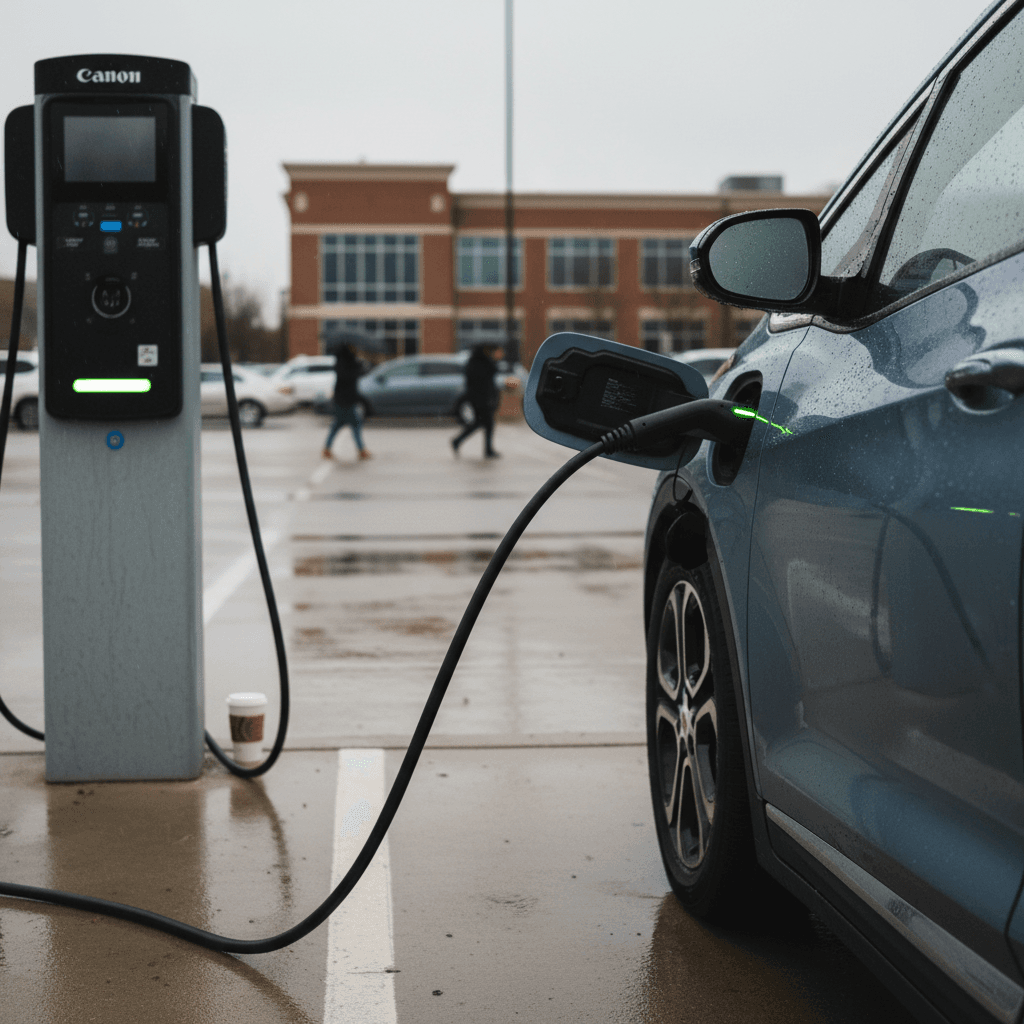
On a Bolt EUV, a strong battery test can be the difference between a quick, top‑of‑market sale and a car that lingers with lowball offers. That’s why every car on Recharged includes a Recharged Score battery health report, with diagnostics that go beyond a simple range estimate to show how the pack is aging.
How a health report changes the math
How discontinuation and the next-gen Bolt affect values
GM wound down production of the first‑generation Bolt EV and Bolt EUV after the 2023 model year, then teased a new Bolt, likely arriving as a 2027 model, with updated styling, better tech, and a NACS (Tesla) charging port. That one‑two punch creates some mixed signals for used values:
- Short term (2024–2026): The end-of-line discounts and heavy incentives on new Bolts pushed used values down faster than normal. Buyers who got the best deals new are insulated; buyers who paid close to sticker feel more pain.
- Medium term (2026–2029): As the next‑gen Bolt appears and early reviews land, first‑gen EUVs likely settle into a clear second‑tier role: less range and tech, but much cheaper to buy. That tends to stabilize prices rather than collapse them.
- Long term: If the new Bolt is significantly more expensive, as many expect, the used EUV may become the “budget gateway EV,” which can support values as long as parts availability and support remain strong.
Discontinued doesn’t mean orphaned
7 tips to minimize depreciation on your Bolt EUV
Practical ways to protect your Bolt EUV’s value
1. Keep the battery happy
Avoid living at 100% or 0% state of charge, minimize frequent DC fast charging in extreme heat, and charge in a garage or shade when you can. Healthier batteries mean stronger resale.
2. Stay on top of recalls and software updates
Make sure all Bolt battery recall work and software updates are complete and documented. A seller who can show proof of recall completion instantly looks more trustworthy.
3. Track and document battery health
Before you sell or trade, get a <strong>formal battery health report</strong>. On Recharged, this is built into the Recharged Score; elsewhere, many buyers will pay more when they see real data instead of guesses.
4. Mind your miles, but don’t obsess
EV buyers understand that these cars love miles. Reasonable annual mileage (10,000–15,000) is fine. What hurts more is hard use with no maintenance or documentation.
5. Keep the car clean and stock
Curb rash, mismatched tires, and aftermarket wiring are a turnoff. A clean, stock Bolt EUV with OEM wheels, tidy charge port, and a well‑kept interior simply looks more valuable.
6. Time your sale around incentives
When new EV incentives disappear or get tighter, used prices often firm up. Conversely, when new EV prices are slashed, used values can wobble. If you have flexibility, watch the news cycle.
7. Sell where the demand is
If you live in a low‑EV area, consider marketing or consigning your Bolt EUV through a platform that reaches EV‑heavy regions. At Recharged, we work nationally and can match cars with the right buyers.
When buying a used Bolt EUV is a smart move
If you’re shopping, the Bolt EUV’s relatively heavy early depreciation can be a gift. You’re stepping into a modern EV with a usable real‑world range at a price point that would take a lot of compromises in a newer model. It’s especially compelling when:
- You can find a 3–5‑year‑old EUV with documented recall work and a strong battery report.
- Your driving is mostly commuting, errands, and weekend trips, not weekly 500‑mile road‑warrior runs.
- You live or work somewhere with reasonably good charging access, or you can install home Level 2 charging.
- You prioritize low running costs and are comfortable owning the car for at least four to six years.
This is exactly the slice of the market where Recharged focuses. Every used EV we list, including the Bolt EUV, comes with a Recharged Score Report covering battery health, pricing relative to the market, and our technician’s notes. If you already own a Bolt EUV and are thinking about moving on, we can give you an instant offer, consignment option, or trade‑in toward another EV, often with nationwide pickup and delivery.
FAQ: Chevy Bolt EUV depreciation & resale value
Frequently asked questions
The bottom line on Chevy Bolt EUV depreciation
The Chevy Bolt EUV doesn’t defy gravity. Like most EVs, it drops quickly in the first three years, then settles into a slower decline. For early buyers, that can sting, especially if you paid close to sticker. For used shoppers, it’s a rare opportunity: a practical, long‑range EV at compact‑car money.
If you already own a Bolt EUV, your best defense against depreciation is simple: take care of the battery, document its health, and sell when incentives and local demand are on your side. If you’re shopping, focus less on the headline percentage and more on the car in front of you, its pack, its history, and its price. And if you want a partner that understands all of that, not just the odometer, Recharged was built to make this part of EV ownership simple, transparent, and on your side.