If you’re eyeing a Chevy Blazer EV and wondering whether it’s up for serious highway miles, you’re asking the right question. On paper, this Ultium-based electric SUV offers strong EPA range, competitive DC fast charging, and available Super Cruise. But road trips expose strengths and weaknesses you’ll never see in a quick test drive. This Chevy Blazer EV road trip review pulls together real-world range tests, charging behavior, owner feedback, and expert impressions so you know exactly what to expect before you hit the interstate.
Blazer EV Road Trip Snapshot
Chevy Blazer EV Road Trip at a Glance
Key Blazer EV Road Trip Numbers
The Blazer EV lineup includes LT, RS, and high-performance SS trims. EPA-estimated ranges span roughly the high 200s to low 300s miles depending on year, drivetrain, and battery. In independent 75‑mph highway tests, all-wheel-drive LT and RS models have delivered around 200–210 miles on a charge, while the SS has topped around 250 miles thanks to a larger battery and more efficient tuning at cruise.
EPA Range vs. Road-Trip Reality
Real-World Range and Efficiency on the Highway
On a road trip, you care less about what’s printed on the window sticker and more about how far you can actually drive between chargers at real interstate speeds. Here’s how the Blazer EV behaves once you’re out of town and settled at 70–75 mph.
Blazer EV Highway Range: What Drivers Are Seeing
Not exact numbers for every situation, but realistic expectations for planning
LT / RS AWD
Realistic highway legs: ~180–220 miles per charge at 70–75 mph.
These trims use an ~85 kWh Ultium pack and all-wheel drive. Independent testing has seen ~200–210 miles in steady highway driving. Expect less in winter, more at 60–65 mph.
RS RWD & later long-range variants
Realistic highway legs: ~220–250 miles at 70–75 mph.
When available, rear-drive and long-range variants tend to be the efficiency sweet spot. They trade some traction for better range and slightly lower consumption.
SS Performance Trim
Realistic highway legs: ~220–260 miles at 70–75 mph.
The SS uses a bigger battery and powerful dual motors. Driven gently on the highway, it can stretch range close to its strong EPA rating, but aggressive driving eats into that quickly.
Efficiency Benchmarks
One area to watch is the Blazer EV’s range prediction. Early Ultium vehicles have been praised for accurate estimates, but some drivers report that the Blazer EV’s guess-o-meter can be optimistic after city driving and then drop faster than expected at highway speeds. On a road trip, it’s smarter to watch state of charge (SoC) and miles-per-kWh than to trust the projected range blindly.
Range-Protecting Habits
DC Fast Charging: What Road-Trippers Need to Know
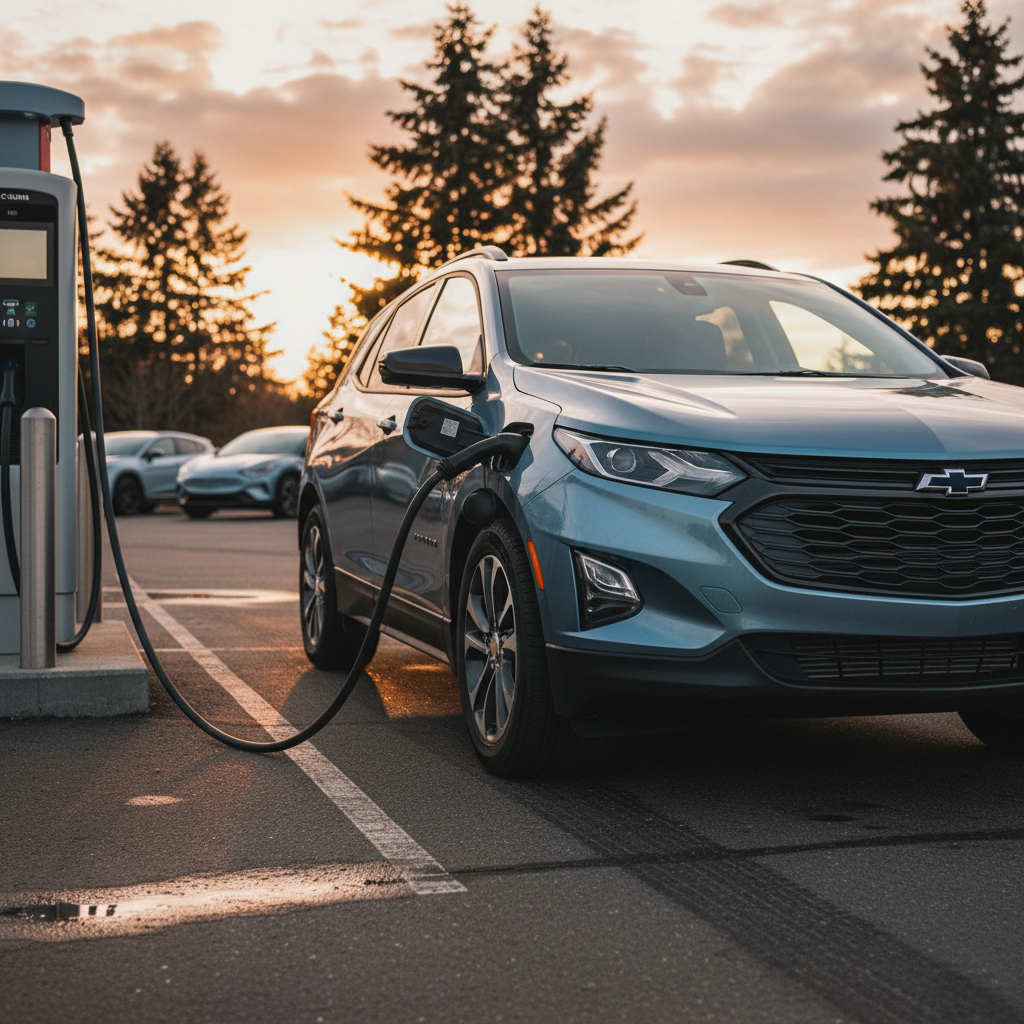
Charging performance can make or break an EV road trip. On paper, the Blazer EV supports strong DC fast charging: most trims with the 85 kWh pack are rated for up to about 150 kW, while newer and performance variants are quoted up to 190 kW. In the real world, though, the story is more nuanced.
Charging Strengths
- Competitive peak speeds: Seeing 140–160 kW at low state of charge (around 10–30%) is realistic on a healthy DC fast charger.
- Useful 10–80% window: Under ideal conditions, you can typically go from 10–80% in roughly 30–35 minutes, restoring a solid 140–180 miles of highway range.
- 11.5 kW onboard AC: At home or overnight stops with Level 2, the Blazer EV can add roughly 30–35 miles of range per charging hour, enough for a full refill while you sleep.
Charging Weaknesses
- Drop-off after the peak: Owners frequently report strong initial rates that quickly taper to 60–90 kW well before 80%, especially on the smaller pack trims.
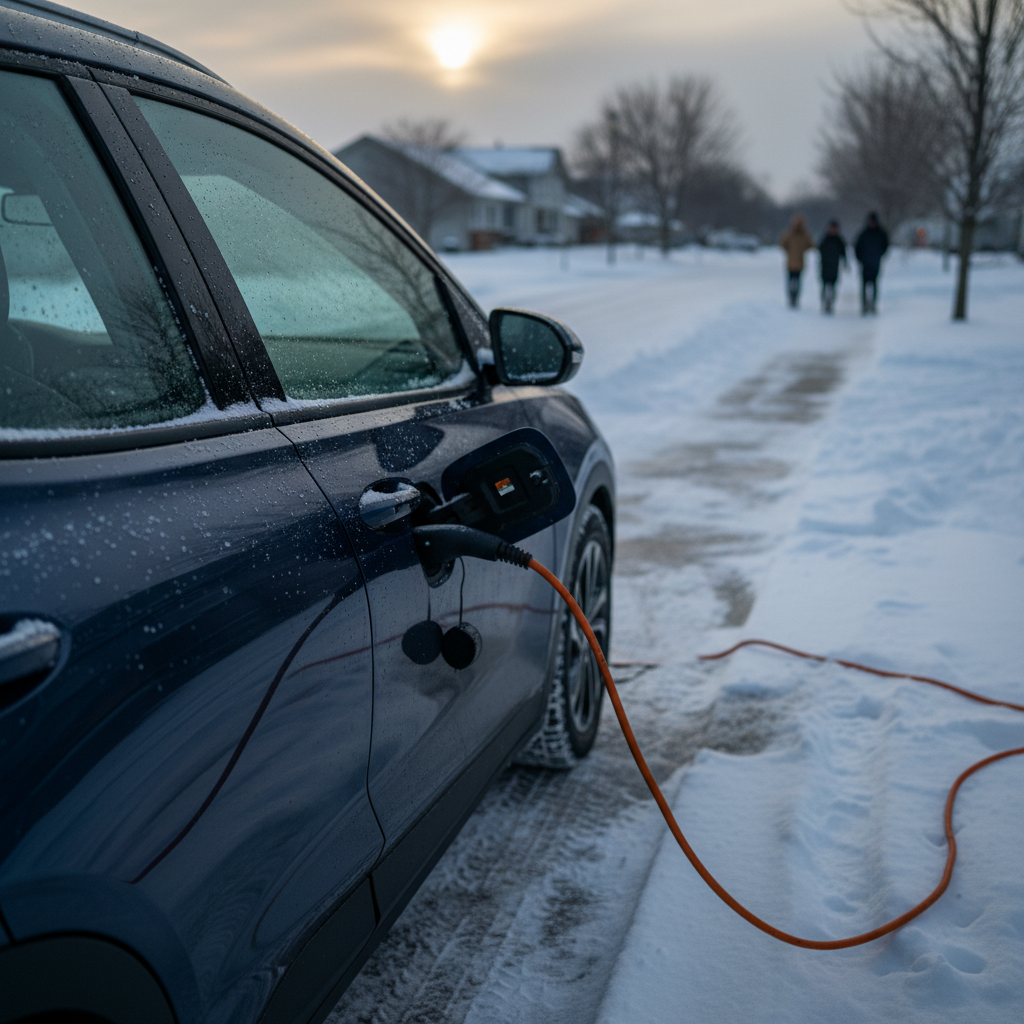
- Sensitivity to conditions: Cold batteries, high states of charge, or marginal public chargers can drop speeds into the 50–70 kW range, stretching stops beyond 40 minutes.
- Charging curve not class-leading: Some Korean rivals hold higher power longer, so they add miles faster even with similar peak ratings.
Owner Feedback: Inconsistent DC Charging
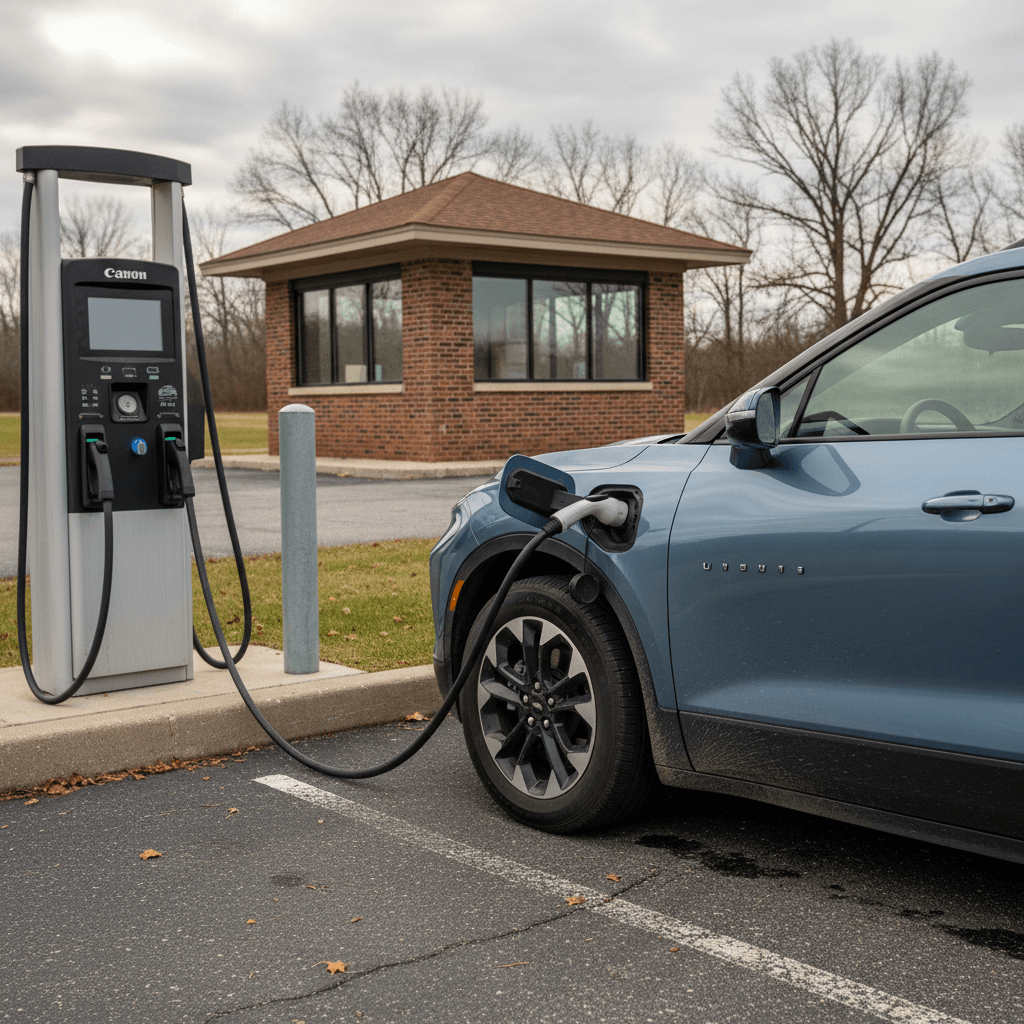
Fast-Charging Best Practices for the Blazer EV
1. Arrive at the charger around 10–25%
The Blazer EV’s fastest charging happens at lower states of charge. If possible, plan legs that land you at a fast charger below 25% remaining to hit the best power levels.
2. Unplug around 70–80%
Above about 70–80%, charge power drops sharply. For quicker travel, stop more often for shorter sessions rather than waiting for a near-full battery each time.
3. Precondition when possible
Use route planning that guides you to a DC fast charger so the battery is warm when you arrive, especially in cold weather. A warmer pack generally accepts power more quickly.
4. Prefer newer high-power stations
Look for sites advertised at 150 kW or 350 kW with multiple stalls. These are more likely to deliver full power than older or heavily-used units.
5. Have a backup charger in mind
When routing, always know your Plan B, another site within 20–30 miles, just in case your first choice is down or delivering poor speeds.
Comfort, Noise, and Practicality Over Long Days
Road trips aren’t just about kilowatts and kilowatt-hours. You also want a cabin that stays comfortable after six hours, space for luggage, and a ride that doesn’t wear you out. Here the Blazer EV does much of its best work.
Living With the Blazer EV on a Road Trip
Where it shines and where it merely gets a passing grade
Seating & Ride Comfort
Seats in LT and RS trims are generally comfortable, with a slightly firmer feel that supports long stints. The ride balances control and compliance well for an EV of its size, especially on sensible wheel/tire packages.
Noise Levels
Wind and road noise are well managed, though big wheels and performance tires on SS models can add some thrum. Overall, it’s quiet enough for relaxed conversation and phone calls at highway speed.
Cargo & Space
With two rows and a generous cargo area, the Blazer EV swallows suitcases, strollers, and weekend gear with ease. Fold down the rear seats and it can handle bulky items for longer adventures.
Pack Smart for Charging Stops
Tech, Navigation, and Super Cruise on Long Drives
The Blazer EV leans heavily on a large central touchscreen and built-in Google-based infotainment. That brings strong voice recognition and Google Maps integration, but it also means you don’t get traditional Apple CarPlay/Android Auto mirroring. On a road trip, that’s a love-it-or-hate-it decision.
Tech Pros
- Google Maps integration: Native EV routing can plan charging stops, estimate arrival state of charge, and adjust for terrain.
- Big, bright screens: The main display is easy to read at a glance, with clear mapping and redundant physical controls for the most-used functions.
- Available Super Cruise: On compatible highways, GM’s hands-free driver-assist can dramatically reduce fatigue by handling speed and steering while you supervise.
Tech Cons
- No phone mirroring: If you’re attached to CarPlay or Android Auto for navigation and media, you’ll need to adjust to GM’s ecosystem.
- Software quirks: Some owners report glitches with navigation, screens freezing, or connectivity issues that can be especially frustrating when you’re mid-trip.
- Learning curve: You’ll want to familiarize yourself with menus, EV settings, and Super Cruise behavior before tackling a long journey.
Take Time to Learn the Tech Before a Big Trip
How the Chevy Blazer EV Compares to Rivals on Road Trips
In the rapidly growing field of electric SUVs, the Blazer EV sits in the “middle lane” for road-trip performance. It’s more rewarding to drive than some mainstream crossovers, but doesn’t quite match the long-distance ease of the best in the segment.
Blazer EV vs. Key Rivals for Road Trips
High-level comparison for long-distance driving priorities
| Model | Highway Range Feel | Fast-Charge Experience | Comfort & Noise | Tech & Driver Assist |
|---|---|---|---|---|
| Chevy Blazer EV | Solid 200–250 mi legs depending on trim; not class-leading but usable | Strong peak speeds, but curve tapers; some owners see inconsistent rates between stops | Comfortable, reasonably quiet, good space | Google-based infotainment, no CarPlay/Android Auto; available Super Cruise is a highlight |
| Kia EV6 | Can feel shorter on range in performance trims, but efficient at modest speeds | Very fast and consistent on 800V architecture, adding miles quickly | Firm but controlled ride, modern cabin | Good infotainment, highway assist systems ease fatigue |
| Hyundai Ioniq 5 | Similar or better real-world efficiency depending on wheel/tire choice | Among the quickest charging in the segment when conditions are right | Calm, airy cabin; excellent ride comfort | Strong tech suite, helpful EV planning tools |
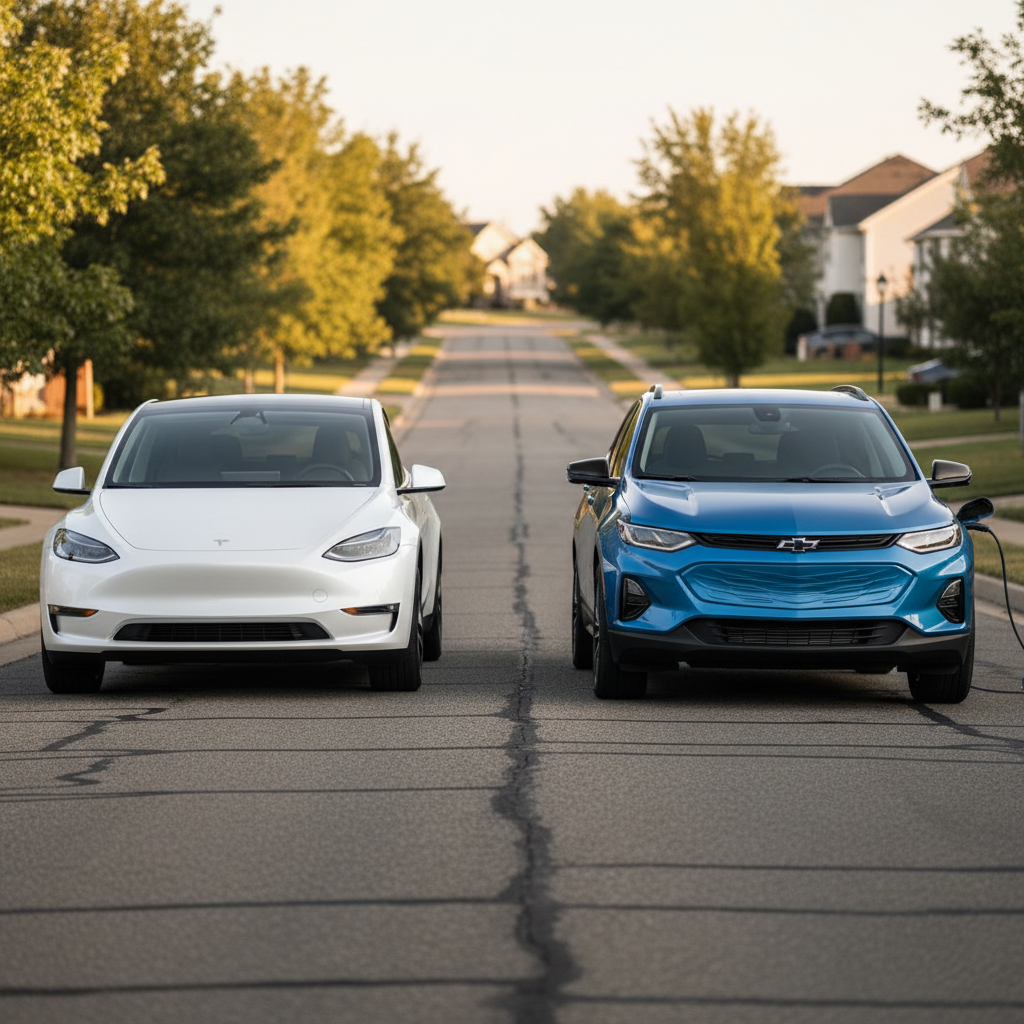
| Tesla Model Y | Real-world highway range is strong, aided by efficient drivetrain and aero | Supercharger network is extremely reliable and quick, now opening to more brands | Firm ride but acceptable; minimalist cabin | Simple UI, powerful navigation; Autopilot/Enhanced Autopilot handy on long drives |
Exact numbers vary by trim and conditions; think of these as directional comparisons rather than absolutes.
Where the Blazer EV Shines
Road Trip Planning Tips for Blazer EV Owners
With reasonable expectations and a bit of planning, you can stack long days of highway miles in the Blazer EV without drama. Here’s how to set yourself up for success.
Step-by-Step Blazer EV Road Trip Game Plan
1. Start with realistic leg lengths
Base your trip around 150–180‑mile hops for LT/RS AWD and up to ~200 miles for the most efficient trims. That keeps you in the fast part of the charging curve and builds in a buffer for weather, traffic, or detours.
2. Choose charging networks wisely
Favor high-power stations from reputable networks along well-traveled corridors. When available in your region, NACS-enabled fast chargers can simplify stops and broaden your options.
3. Time your charging with meals
Plan to arrive at a charger when you’re ready for lunch, coffee, or a restroom break. In practice, a 30‑minute stop often feels shorter when you’re not just staring at the percentage indicator.
4. Set a sensible arrival buffer
Aim to reach each stop with at least 10–15% remaining. That gives you a margin if a charger is offline or delivering poor speeds and you need to move to an alternate location.
5. Pre-check software and apps
Make sure your myChevy app is logged in, payment methods are set, and any third‑party charging apps are updated. Download key maps for offline use in case cell coverage drops.
6. Practice one shorter trip first
Before a cross-country adventure, try a 200–300‑mile day trip to learn how your specific Blazer EV behaves, its realistic range, how quickly it charges on your local networks, and what SoC targets you prefer.
Layer Your Planning Tools
Is the Chevy Blazer EV Right for Your Road Trips?
Whether the Blazer EV is a good road-trip partner for you depends on how you travel. If you’re the type who sets cruise at 72 mph, stops every 2–3 hours anyway, and values comfort and style as much as outright efficiency, it can fit nicely into your life. You’ll get brisk acceleration for passing, a quiet ride, and enough range to make meaningful progress between breaks.
If, on the other hand, you regularly knock out 500–600‑mile days with minimal stops, or you’re coming from a Tesla and used to the speed and simplicity of that ecosystem, the Blazer EV may feel like a half-step behind on charging consistency and software polish. It’s completely capable of those big days, but you’ll spend a bit more time thinking about where to stop and how long to stay.
Great Road-Trip Fit If You…
- Prefer an SUV with bold styling and a roomy interior for family or friends.
- Are comfortable planning 150–200‑mile legs with 30‑minute fast-charge stops.
- Like the idea of advanced driver assistance like Super Cruise on long interstate stretches.
- Mostly charge at home and use road trips a few times a year rather than every weekend.
Consider Other Options If You…
- Want the absolute fastest charging and longest real‑world highway range in the class.
- Rely heavily on CarPlay/Android Auto for navigation and media and don’t want to give that up.
- Live in an area with spotty DC fast‑charging infrastructure, where every kilowatt and every mile counts.
Thinking About a Used Blazer EV?
Bottom line: the Chevy Blazer EV is a genuinely capable road-trip machine with a few clear caveats. Treat the EPA numbers as a starting point, learn the way its charging curve behaves, and lean on planning tools to keep your days smooth. Do that, and this striking electric SUV can carry you, your crew, and your gear comfortably across states, without turning every charging stop into a white‑knuckle math exercise.