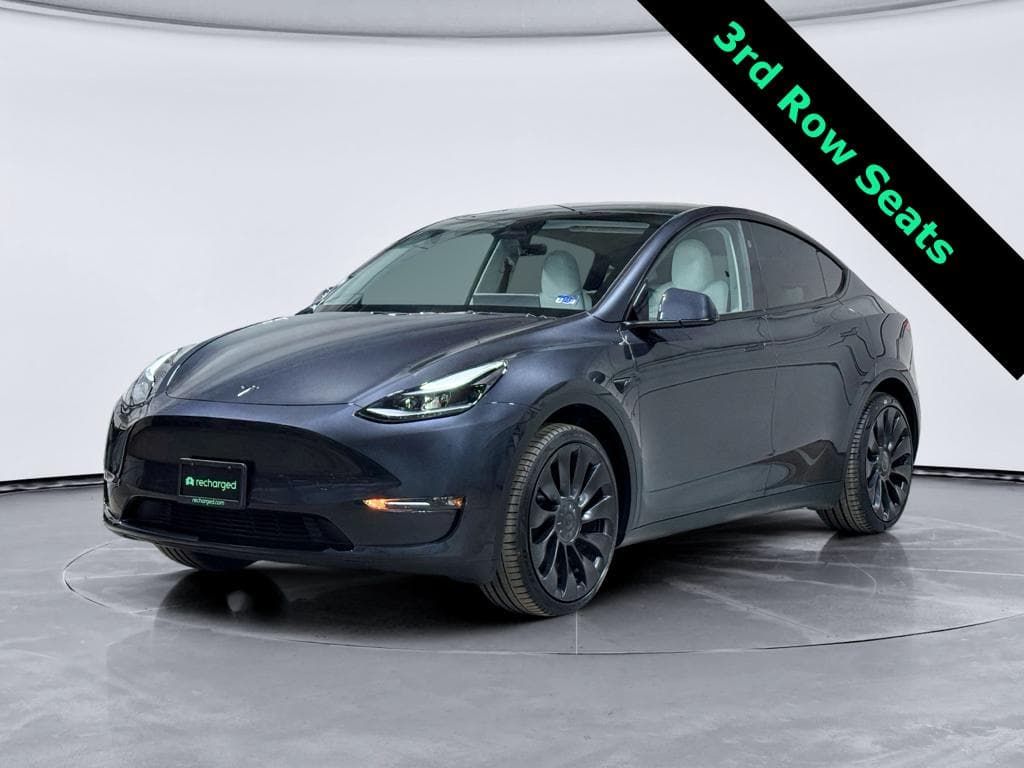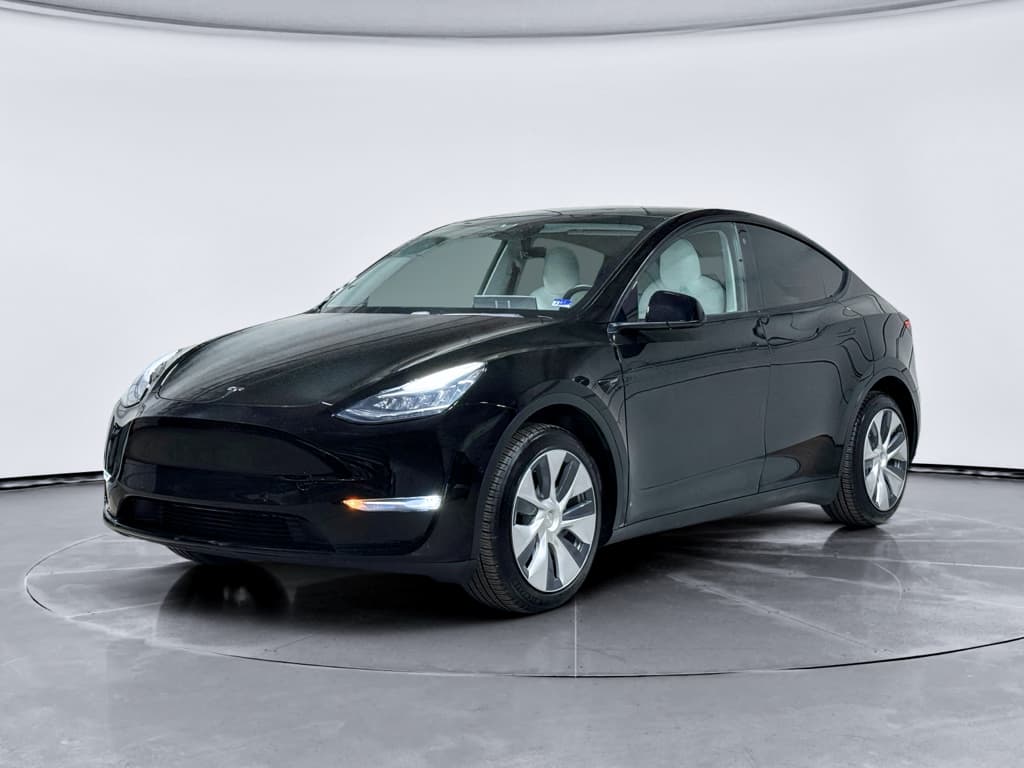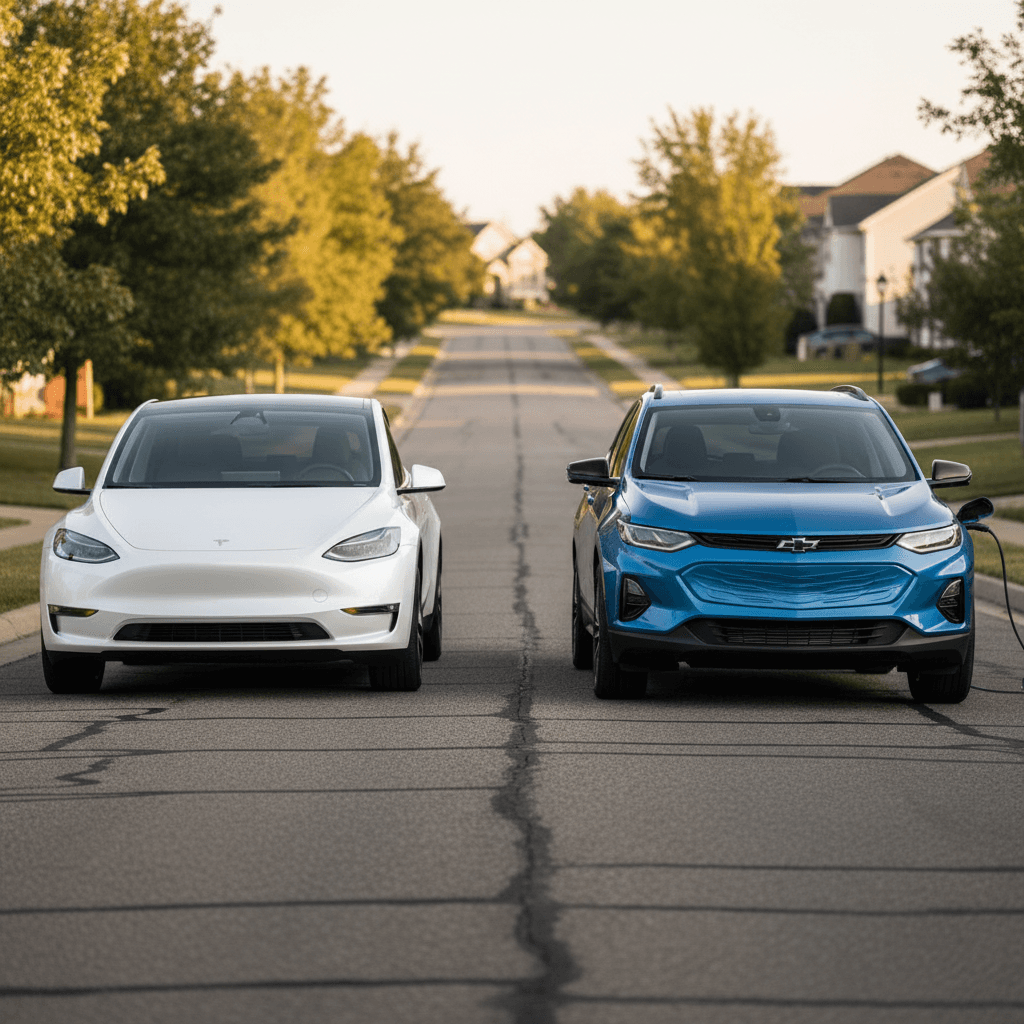
If you’re cross-shopping electric SUVs, the **Tesla Model Y vs Toyota bZ4X** matchup lands on almost every short list. Both are compact, all-electric crossovers with room for the family, but they approach the EV game very differently: Tesla leans into range and software, while Toyota plays the long-game on value, comfort, and familiarity. This guide breaks down how they compare in the real world, especially on the used market, where Recharged focuses.
Quick takeaway
Overview: Tesla Model Y vs. Toyota bZ4X
Both SUVs launched within a couple of years of each other, but they occupy slightly different corners of the segment. The **Model Y** is treated as a **premium electric SUV** with higher starting prices, strong acceleration, and tight integration with Tesla’s software and Supercharger network. The **bZ4X** is Toyota’s first dedicated EV SUV and positions itself closer to mainstream compact crossovers on price and feel, with standard Toyota Safety Sense and a more traditional interior layout.
Headline Numbers at a Glance
Key Specs: Tesla Model Y vs Toyota bZ4X
Core Spec Comparison
How the Tesla Model Y and Toyota bZ4X stack up on the basics.
| Spec | Tesla Model Y (recent U.S. trims) | Toyota bZ4X (2024–2025 U.S.) |
|---|---|---|
| Drivetrain | RWD or dual‑motor AWD | FWD or dual‑motor AWD |
| Max EPA range | Up to ~357 miles (Long Range RWD) | Up to ~252 miles (FWD XLE) |
| 0–60 mph | As quick as mid‑3s (Performance); ~4–5s other trims | ~6.4s (AWD), slower in FWD |
| Battery size | ~75–81 kWh usable (varies by trim) | ~71–73 kWh pack (earlier U.S. versions) |
| DC fast‑charge peak | Up to 250 kW | Up to ~150 kW FWD; lower on AWD |
| Max cargo volume | About 76 cu ft with seats down | About 56 cu ft with seats down |
| Seating | 5 (2-row), some markets 7-seat option | 5 (2-row only) |
| Typical new MSRP segment | Higher, luxury electric SUV | Lower, mainstream electric SUV |
Specs shown are representative U.S. figures for recent model years; exact numbers vary by trim and year.
Spec sheet vs. driveway
Pricing, Incentives & Used Market Reality
New, the Tesla Model Y typically costs more than a comparable bZ4X. By the time these vehicles hit the **used EV market**, however, the story gets more interesting, especially if you’re hunting for value or eyeing total cost of ownership over 5–10 years.
How Pricing Compares in the Real World
New vs. used positioning for Model Y and bZ4X
New pricing & incentives
Tesla Model Y usually starts higher than the bZ4X and is often treated as a luxury EV for incentive rules. Pricing also moves around more frequently because Tesla adjusts stickers and discounts directly through its site.
Toyota bZ4X starts closer to mainstream compact SUVs. Depending on the model year and where you live, you may find strong lease programs or dealer incentives, especially as Toyota transitions to newer bZ variants and NACS-equipped models.
Used pricing & depreciation
Recent U.S. data shows a **used 2025 Toyota bZ4X often listing around the high‑$20,000s to low‑$40,000s**, while a comparable **used 2026 Tesla Model Y tends to fall in the low‑$40,000s to high‑$50,000s** range.
The bZ4X is projected to **retain more of its value after five years** than Model Y, meaning a shallower depreciation curve. That’s good news if you plan to sell or trade after a few years, or if you want a lower entry price by buying used.
How Recharged fits in
Range, Battery & Real-World Efficiency
Range is where the **Tesla Model Y clearly pulls ahead**. Depending on trim and year, you’re looking at roughly **300–357 miles of EPA-rated range** on popular Long Range variants. By contrast, most recent U.S.-market **Toyota bZ4X** trims fall in the **220–252‑mile EPA window**, with FWD models posting the strongest numbers.
- If your daily driving is under 60–80 miles and you charge at home, both vehicles offer more than enough range.
- If you road‑trip frequently in the U.S. and prefer fewer charging stops, the Model Y’s extra 50–100+ miles of range per charge is noticeable.
- In cold weather, both will lose range, but early owner reports suggest the bZ4X can feel more sensitive to temperature and speed on the highway than its EPA label implies.
Battery chemistry & upgrades
Charging Speed & Network Access
Charging is more than peak kW; it’s about **where you can plug in, how long you sit, and how predictable the experience feels**. Here, Tesla’s ecosystem is still a major selling point, but Toyota is closing the gap through standards changes and evolving hardware.
Tesla Model Y charging
- Network: Native access to the Tesla Supercharger network, plus compatibility with many CCS/Level 2 public stations via adapters.
- Speed: Newer Model Y variants can accept up to ~250 kW on DC fast charging, with 10–80% sessions often in the 25–30 minute window under good conditions.
- Home charging: Well‑developed home charging options and scheduling in the Tesla app, along with robust third‑party Level 2 support.
Toyota bZ4X charging
- Network: Uses CCS1 for DC fast charging and standard J1772/CCS hardware on Level 2. That gives you access to Electrify America, EVgo, and many regional providers.
- Speed: Recent FWD bZ4X versions can hit up to ~150 kW DC and reach 10–80% in roughly the mid‑30‑minute range when conditions are ideal; AWD versions typically charge somewhat slower.
- Home charging: Toyota includes (on many trims) a dual‑voltage portable cable that handles Level 1 and Level 2, making it easier to start charging at home without an immediate wall‑box purchase.
NACS & adapter future
Space, Comfort & Interior Tech
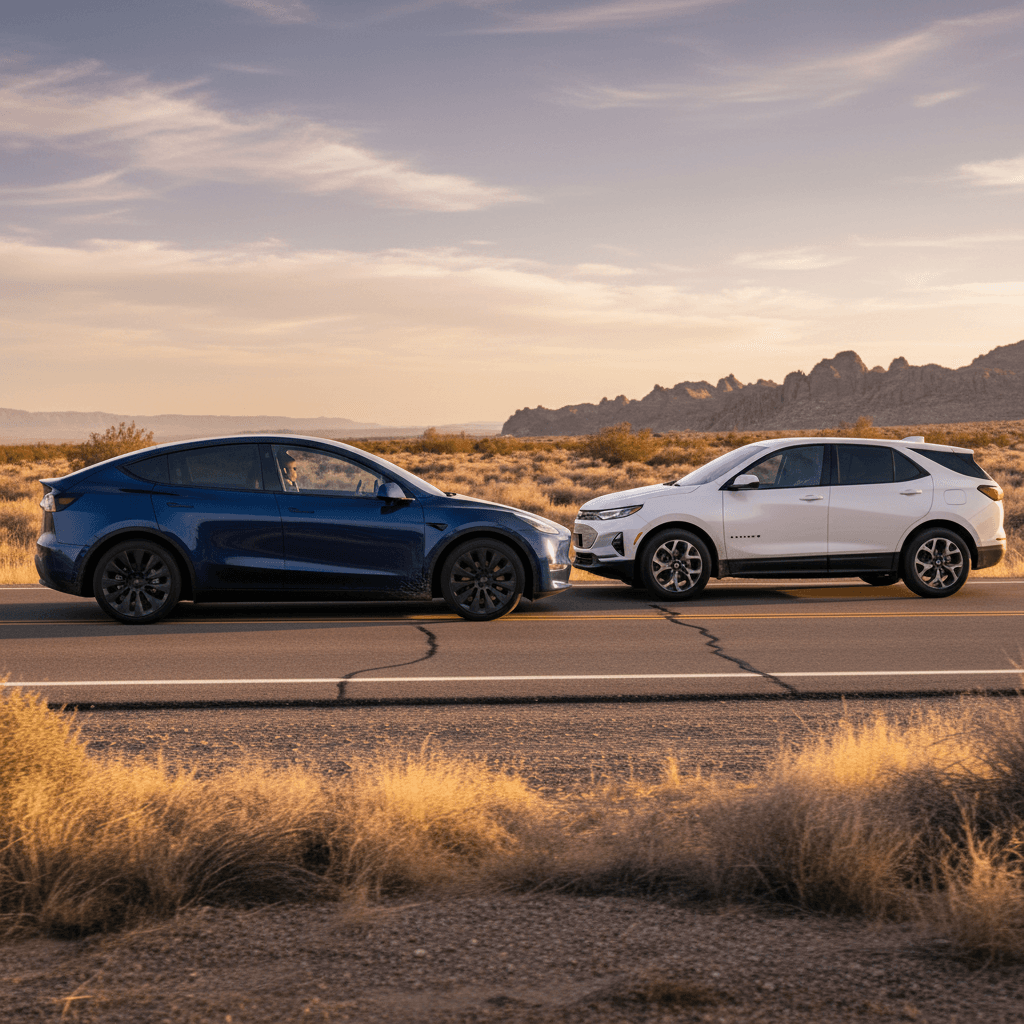
The **Model Y** feels like a taller Model 3 inside: minimalist dashboard, one large center screen, and most functions driven through software. The **bZ4X** leans toward a more traditional crossover layout with familiar switchgear and a more conventional instrument cluster. Which you prefer is largely a personality call.
Interior Experience: Side by Side
Minimalist tech pod vs. mainstream crossover cabin
Tesla Model Y cabin
- Display: Single large central touchscreen handles almost everything, from HVAC to speed to navigation.
- Cargo & space: Excellent cargo volume (around 76 cu ft), plus a usable front trunk. Rear seat space is competitive for the segment.
- Tech feel: Over‑the‑air updates, advanced driver‑assistance features, and deep integration with the Tesla app make the experience feel like a rolling smartphone.
- Trade‑off: Some drivers find the lack of physical buttons and instrument cluster fatiguing or distracting on longer drives.
Toyota bZ4X cabin
- Display & controls: Center screen plus a more traditional gauge area. More physical buttons and a layout that feels familiar if you’ve owned recent Toyotas.
- Comfort: Softer ride tuning and a more conventional seating position. Less cargo volume (mid‑50s cu ft) but still practical for families.
- Tech feel: Wireless Apple CarPlay/Android Auto on newer builds, standard Toyota Safety Sense, and an interface many drivers master quickly.
- Trade‑off: Tech stack isn’t as tightly integrated as Tesla’s; some features depend heavily on phone mirroring and subscriptions.
Driving Experience & Performance
If you care about **quick acceleration and a sportier feel**, the Model Y is the sharper tool. Even non‑Performance trims deliver strong straight‑line speed, and AWD versions can feel legitimately quick merging or passing. The bZ4X feels more like a conventional compact SUV with electric torque, smooth and quiet, but not trying to win any drag races.
- Model Y Performance trims can hit 60 mph in the mid‑3‑second range; Long Range and other AWD variants land closer to the 4–5‑second neighborhood.
- bZ4X AWD trims hover in the mid‑6‑second range to 60 mph, with FWD versions a bit slower, more than adequate for commuting, less thrilling for enthusiasts.
- Both offer multiple drive modes, but Tesla’s tuning leans firmer and more responsive, while Toyota prioritizes comfort and predictability over razor‑sharp handling.
Who enjoys which more?
Reliability, Resale Value & Warranty
Long-term ownership is where Toyota has historically shined, and early data suggests the bZ4X may follow that pattern on **depreciation** even as Tesla maintains a strong reputation for battery longevity. Both vehicles come with competitive EV component warranties, and real-world battery degradation on modern packs has generally been modest when properly cared for.
Resale & depreciation
- Recent multi‑year projections show the **Toyota bZ4X retaining more of its value** at the five‑year mark versus the Tesla Model Y, with roughly a mid‑40% vs low‑40% depreciation profile.
- That gives the Toyota an edge if you tend to buy new and trade within 5–7 years or want a better chance of a stronger trade‑in offer.
- For used buyers, steeper depreciation on older Model Y examples can translate into **more range and performance per dollar**, especially on higher‑trim Teslas that took bigger hits from their original MSRP.
Reliability & warranty
- Toyota bZ4X: Backed by Toyota’s reputation and an 8‑year/100,000‑mile EV component warranty in the U.S. Early recall headaches on wheel bolts and charging have largely been addressed in later builds.
- Tesla Model Y: Also offers an 8‑year/100,000‑mile (or more, depending on variant) battery and drive unit warranty. Some owners report fit-and-finish quirks and service‑center bottlenecks in certain regions.
- For both, **battery health** is the big variable in the used market, something Recharged addresses directly with objective diagnostics in the Recharged Score.
Which EV SUV Fits You Best? Scenarios
Model Y vs bZ4X: Best-Fit Scenarios
Match the SUV to your actual life, not just the spec sheet
Daily commuter, light road‑trip use
If you mostly drive under 60 miles a day with the occasional weekend trip and have access to home Level 2 charging, **either SUV will work**.
Choose bZ4X if you value comfort, a lower price of entry, and Toyota familiarity. Choose Model Y if you want future‑proof range and a more tech‑forward experience.
Frequent road‑tripper
If you regularly drive long distances, the **Model Y is the safer bet** today. More range per charge plus Supercharger access means shorter stops and fewer detours.
A bZ4X can road‑trip, but you’ll stop more often and spend more time planning routes around CCS fast chargers, especially in rural areas.
Value‑focused or first EV
If this is your first EV and budget matters more than outright speed, a **used bZ4X can be very compelling**, especially once depreciation has done its work.
You still get Toyota Safety Sense, a comfortable ride, and mainstream SUV feel without paying for Tesla’s performance and software premiums.
5 Questions to Clarify Your Choice
1. How often do you drive more than 200 miles in a day?
If the answer is "rarely," range differences matter mostly for peace of mind. If it’s "often," the Model Y’s extra 50–100+ miles of range and better DC fast‑charge ecosystem tip the scales.
2. Do you want a minimalist tech cockpit or traditional controls?
If you’re excited to live inside a big touchscreen and app ecosystem, the Model Y will feel natural. If you prefer a more familiar instrument cluster and buttons, the bZ4X will likely feel less fatiguing.
3. How price‑sensitive are you on your monthly payment?
Lower starting prices and gentler depreciation make the bZ4X easier to fit into a tighter budget, especially on the used market or with strong Toyota lease deals.
4. What’s your charging reality at home?
Apartment dwellers relying on public fast charging lean slightly toward Tesla because of the Supercharger network. If you’ll install or already have Level 2 at home, either SUV can work well.
5. How long do you plan to keep the vehicle?
Shorter ownership windows (3–5 years) make resale value and depreciation more important, areas where recent projections favor bZ4X. Longer ownership puts more weight on range, charging convenience, and your comfort with each brand’s service model.
Buying Used: Model Y vs bZ4X on Recharged
For many shoppers, the smartest move is a **low‑mileage used Model Y or bZ4X** that’s already absorbed its initial depreciation. That’s exactly the space Recharged was built for: making used EV buying more transparent and less stressful.
Why a used Tesla Model Y on Recharged?
- Get **more range and performance per dollar** versus new, especially on former Long Range and Performance trims.
- The Recharged Score Report shows how the battery in that specific car has held up vs. what it delivered new.
- Transparent pricing analysis helps you see whether a "deal" actually undercuts similar Model Y listings nationwide.
- Optional financing, trade‑in, and nationwide delivery streamline the purchase without a traditional dealer dance.
Why a used Toyota bZ4X on Recharged?
- Benefit from **Toyota’s slower depreciation curve**, potentially getting a newer model year for the same monthly payment.
- Access detailed battery diagnostics through the Recharged Score, especially valuable on early‑build bZ4X models where charging behavior evolved over time.
- Shop a curated set of EV‑only inventory with specialists who understand CCS vs. NACS, home charging setups, and daily‑use tradeoffs.
- If you already have a gas car to sell, Recharged can provide an instant offer or consignment to help you move into your EV with less friction.
Bottom line: **there’s no single winner in Tesla Model Y vs Toyota bZ4X**, only a better match for your life and budget. The Model Y favors range, performance, and charging convenience; the bZ4X leans into comfort, familiarity, and long‑term value. If you’re ready to compare real vehicles instead of just spec sheets, explore used listings on Recharged, review the Recharged Score battery reports, and let an EV specialist walk you through which SUV will serve you best over the next decade.