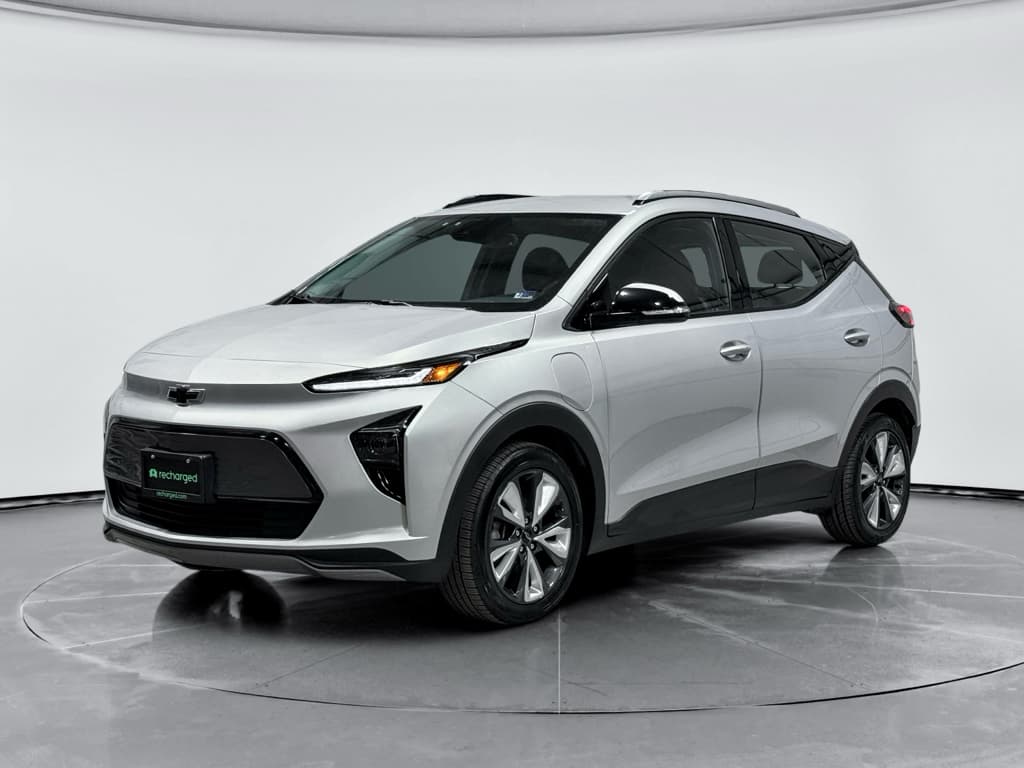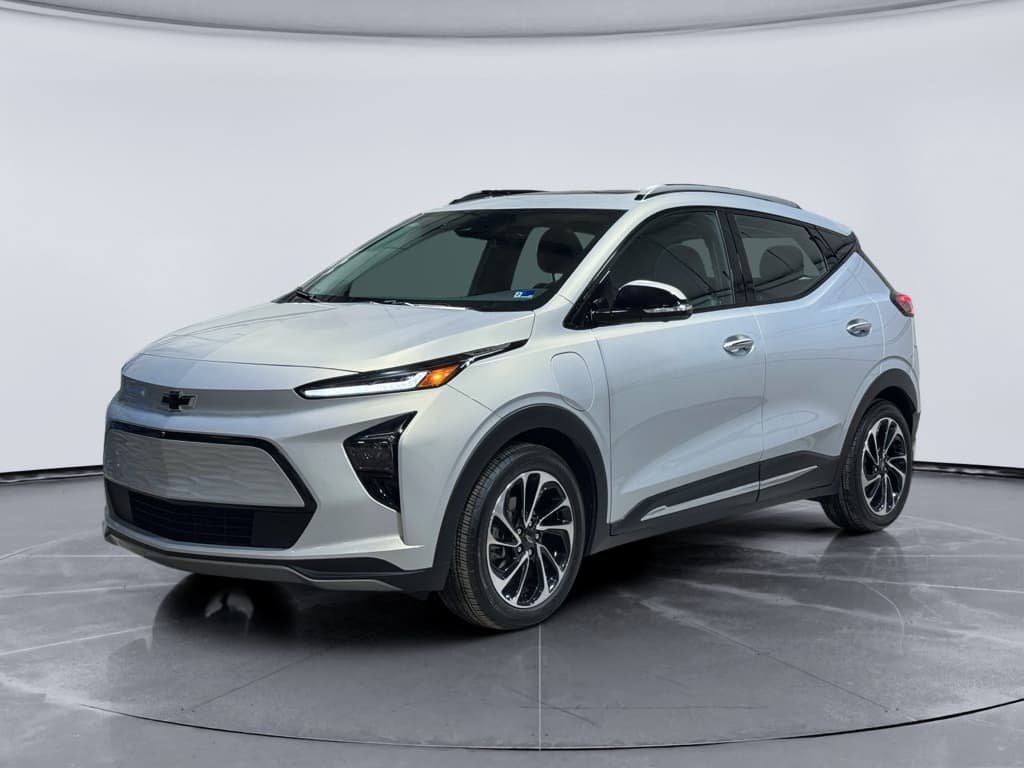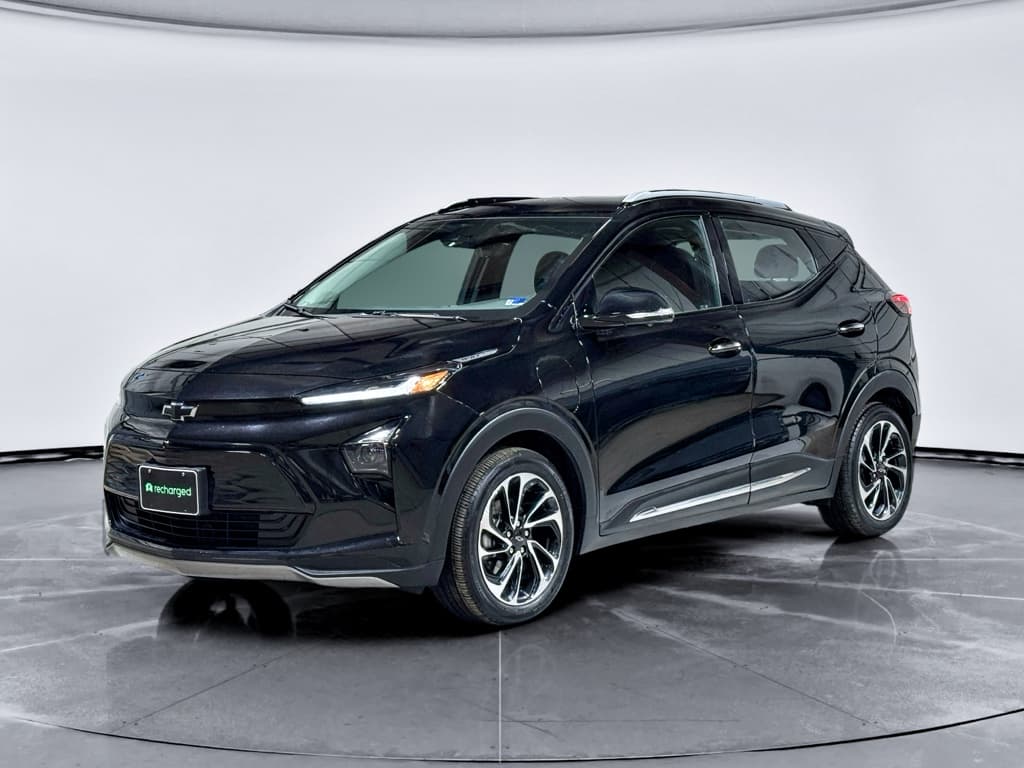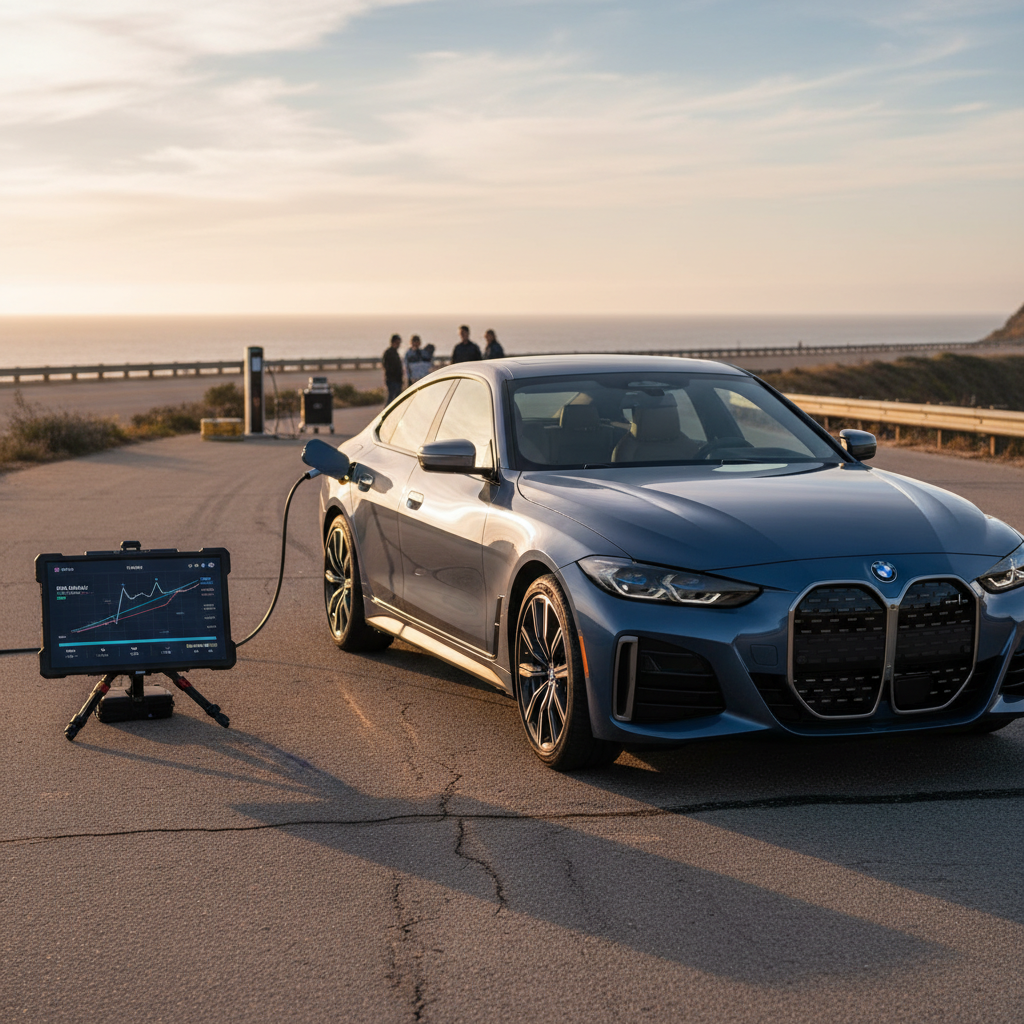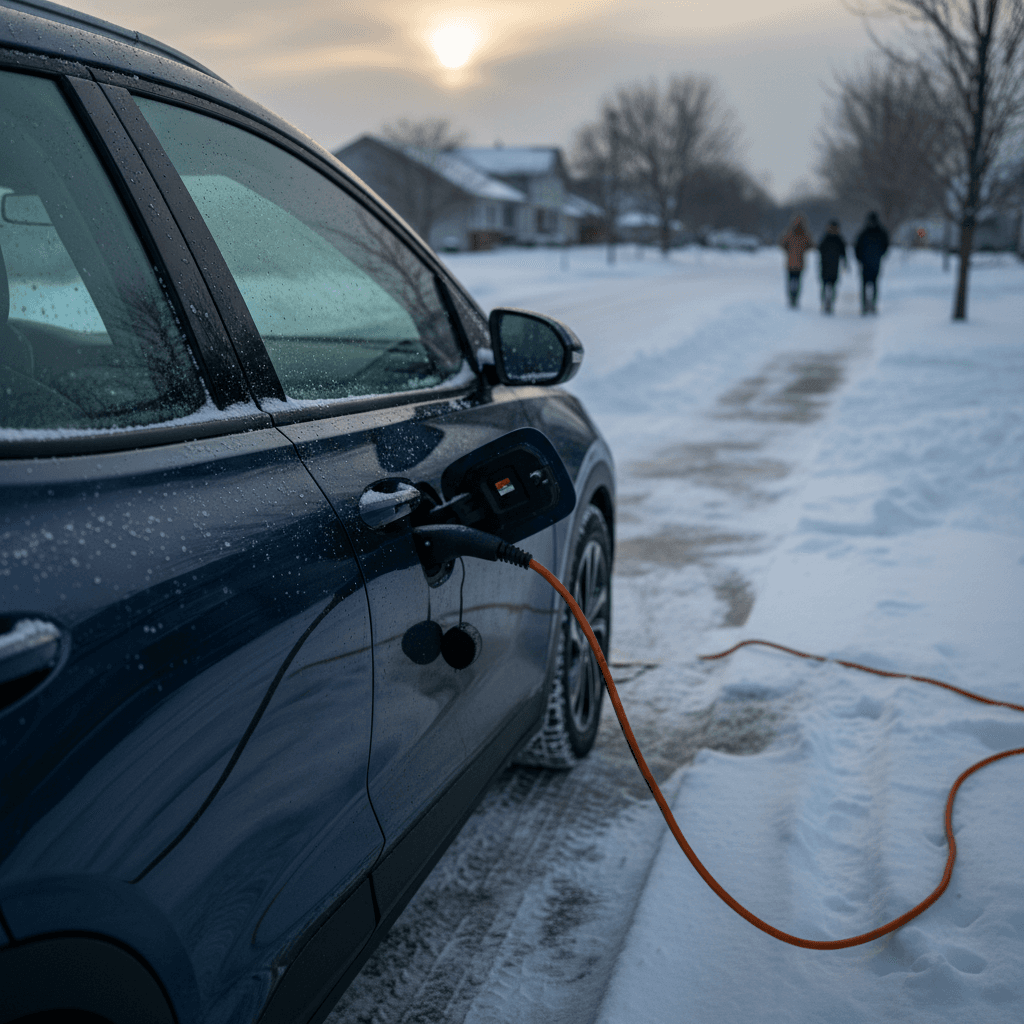
If you’re considering a used Chevrolet Bolt EUV and you live where winters are real, you’re probably wondering how much the Bolt EUV range drops in cold weather. The short answer: the EPA‑rated 247 miles turns into something closer to 170 miles on a typical cold day, and less if it’s brutally cold or you’re running 75–80 mph. The good news is that with realistic expectations and a smart charging plan, the Bolt EUV remains a very usable and efficient winter commuter.
Key takeaway on Bolt EUV winter range
Chevy Bolt EUV range basics
Let’s start with the baseline. Every first‑generation Chevrolet Bolt EUV sold in the U.S. (model years 2022–2023) uses a ~65 kWh battery pack and carries an EPA‑rated range of 247 miles combined on a full charge. That figure assumes moderate temperatures, mixed city/highway driving, and no heavy HVAC use.
Chevrolet Bolt EUV range at a glance
In everyday use, most Bolt EUV drivers see mild‑weather ranges in the low‑ to mid‑200‑mile bracket on mixed driving. When temperatures drop into the 20s and 30s °F and you rely on the cabin heater, that number falls substantially. Understanding by how much, and why, will tell you whether a Bolt EUV still fits your winter needs.
How much range the Bolt EUV loses in cold weather
Across controlled tests and large samples of owner data, the Chevrolet Bolt EUV typically loses around 30% of its rated range in cold weather. One comprehensive analysis that compared EPA range to winter test results lists the Bolt EUV at roughly 247 miles EPA versus about 172 miles in winter, almost exactly a 30% drop. Internally at Recharged, our winter‑range roundup shows similar numbers, and we see the same pattern in Recharged Score battery reports from real customer cars.
Chevy Bolt EUV range in different conditions
Approximate real‑world range numbers for a healthy Bolt EUV with a full charge. Your results will vary with speed, elevation, tires, and how warmly you heat the cabin.
| Scenario | Temp & conditions | Typical efficiency | Approx. usable range |
|---|---|---|---|
| EPA rating (reference) | Standardized test ~70°F | ≈ 3.8 mi/kWh | 247 mi |
| Mild weather commute | 50–70°F, mixed driving | ≈ 3.4–3.6 mi/kWh | 220–235 mi |
| Cold, dry day city/suburban | 20–35°F, speeds ≤ 55 mph | ≈ 2.7–3.0 mi/kWh | 170–190 mi |
| Cold highway driving | 20–35°F, 70–75 mph | ≈ 2.3–2.6 mi/kWh | 150–175 mi |
| Very cold snap | 0–15°F, mixed driving | ≈ 2.0–2.4 mi/kWh | 135–165 mi |
| Deep‑freeze, high speed | Below 0°F, 70+ mph | ≈ 1.7–2.2 mi/kWh | 115–150 mi |
Use these numbers as planning guidance, not promises. Build in a buffer for headwinds, snow, and detours.
Don’t confuse worst case with everyday
Why cold weather hurts Bolt EUV range
Three reasons your Bolt EUV feels "shrunk" in winter
The physics are working against you, but understanding them helps you plan.
Colder battery chemistry
The lithium‑ion cells in the Bolt EUV don’t like the cold. At low temperatures, internal resistance rises and the pack can’t accept or deliver energy as efficiently. You effectively have a slightly "smaller" battery until it warms up from driving or charging.
Heater & defrost demand
Unlike many newer EVs, the Bolt EUV does not use a heat pump. It relies on a resistive heater that can draw several kilowatts when you’re asking for a toasty cabin and full defrost. That energy comes straight out of the same battery that propels the car.
Rolling and aerodynamic drag
Cold air is denser, so aerodynamic drag goes up, especially at highway speeds. Winter tires add rolling resistance, and slushy or snowy pavement takes more energy to push through. Every one of those factors shaves miles from the estimated range.
What GM builds in for winter
Real-world winter range examples
Data tables are helpful, but it’s also useful to translate them into real trips. Here are a few typical winter scenarios for a healthy Bolt EUV with the original ~65 kWh pack and normal tires.
- Suburban commute, 30°F, mostly 45–55 mph: Drivers often report 3.0 mi/kWh or better with careful heater use. That translates to roughly 180–190 miles of realistic range, more than enough for a 50–70‑mile daily round trip with plenty in reserve.
- Mixed highway drive, 25°F, 70 mph cruise: Efficiency often falls into the 2.3–2.6 mi/kWh zone. That puts practical range around 150–170 miles when you plan to arrive with a 10–15% buffer rather than running to zero.
- Deep freeze, single‑digit temps, some snow: Here’s where you may see numbers closer to 2.0 mi/kWh or even a bit less if conditions are bad. That can pull effective range toward 130–150 miles, and trip planning matters much more.
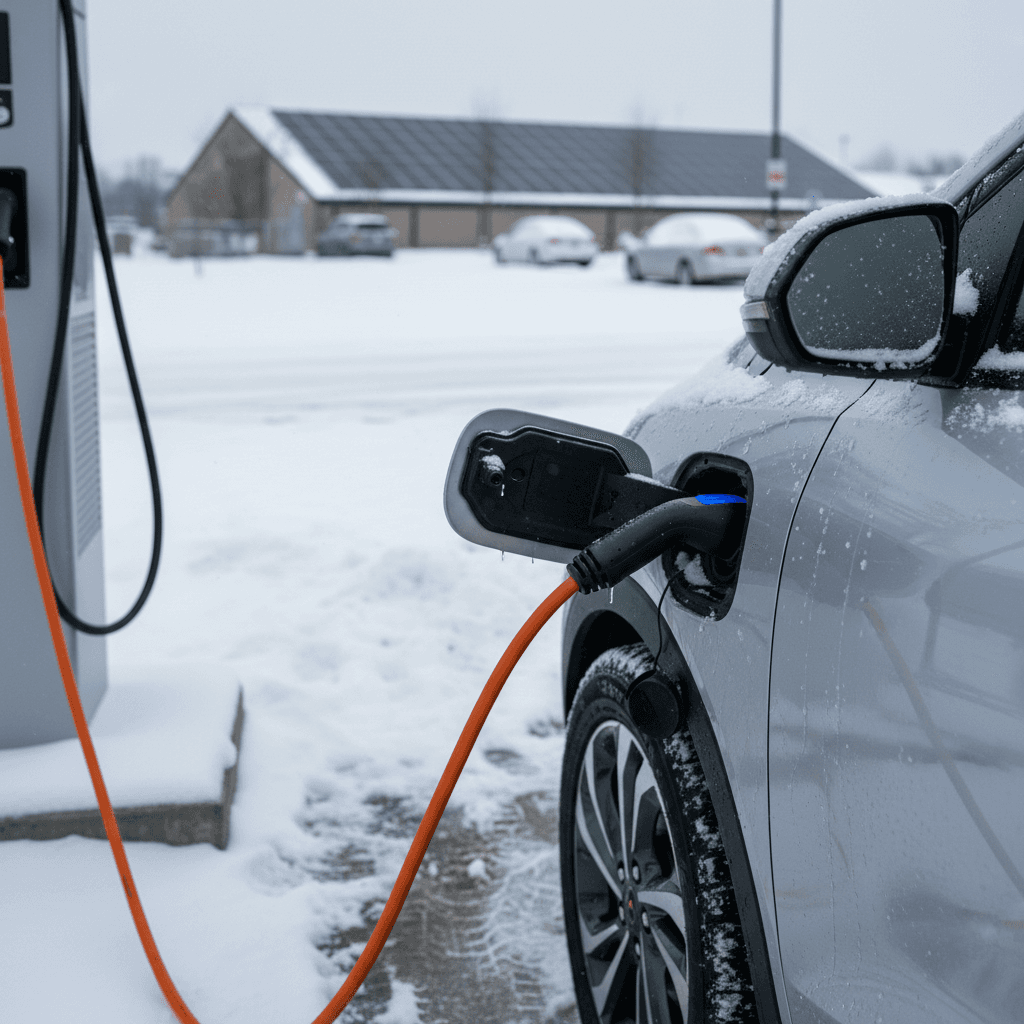
Watch miles per kWh, not just the guess‑o‑meter
Planning your commute and errands in winter
Most Bolt EUV owners in cold climates use the car exactly as GM intended: as a daily driver and commuter. Even with winter range loss, it’s an easy fit for many households, as long as you know your numbers and charge habits.
Set your Bolt EUV up for winter commuting
1. Know your real daily mileage
Add up your typical weekday round trip, including detours. If you’re driving 60–80 miles a day, a winter‑range Bolt EUV still has a lot of headroom, even in rough weather.
2. Install or access Level 2 charging
At home or at work, Level 2 (240V) lets you comfortably refill your daily usage overnight. The Bolt EUV’s 11.5 kW onboard charger can add roughly 30–37 miles of range per charging hour in mild weather and still solid gains in winter.
3. Precondition while plugged in
Use remote start or the app to warm the cabin and battery while the car is charging. You’ll pull that energy from the wall instead of the pack and start your drive with a warm, more efficient battery.
4. Use seat and steering‑wheel heaters
The seat and wheel heaters draw less energy than cranking the cabin temperature. You can often feel comfortable with a slightly lower cabin set‑point, saving several miles of range over a long drive.
5. Build in a 25% winter buffer
If you regularly drive 100 miles in a day, plan as if you have 150 miles of usable winter range, not 170+. That built‑in cushion keeps cold snaps, detours, and headwinds from turning into white‑knuckle drives.
When a Bolt EUV is an easy winter fit
Winter road trips in a Bolt EUV
Daily use is one thing; winter road trips are another. The Bolt EUV is capable of long‑distance winter travel, but you’ll need to plan around two realities: reduced cold‑weather range and the car’s modest DC fast‑charging speed of up to about 55 kW. That means more frequent, slightly longer stops than in newer EVs that can charge 2–3 times faster.
How far between winter fast‑charge stops?
On a winter highway run, many Bolt EUV drivers plan legs of 70–110 miles between DC fast chargers instead of trying to stretch 150+ miles. That keeps you in the 10–70% or 20–80% state‑of‑charge window, where the car charges closer to its peak rate and you’re not gambling with unexpected weather or station issues.
At a 55 kW peak, a 20–30 minute stop can add 60–80 miles of winter highway range, plenty to reach the next station with a safe buffer.
When winter trips feel tight
The combination of sub‑freezing temps, 75–80 mph freeway speeds, and sparse DC fast charging can make a Bolt EUV feel range‑limited. If you frequently drive through remote areas with few public chargers, winter is when you’ll feel that more than any other time.
Before a big trip, map the route in multiple charging apps and consider slowing 5–10 mph in the coldest stretches to keep efficiency and range predictable.
Be conservative on the first cold road trip
Charging strategy when it’s cold
Cold weather doesn’t just affect how far you can drive; it also changes how quickly your Bolt EUV charges. A cold battery will accept power more slowly, and that’s especially noticeable at DC fast chargers. Smart timing can offset a lot of that pain.
Smart charging moves for cold weather
These habits can buy you both time and range.
Arrive with a warm battery
Try to fast charge after driving 20–40 miles, not after the car has sat in the cold all night. Driving warms the pack naturally, which helps the car reach its 50+ kW peak instead of trickling along at much lower rates.
Use Level 2 overnight
At home or work, Level 2 is your friend in winter. Charging more slowly but for longer, especially during the warmer part of the day, can be more efficient overall than short, hard DC fast‑charge bursts into a very cold pack.
Finish charging close to departure
Set a departure time so the car completes charging shortly before you leave. The pack will be warmer and closer to its sweet spot, which boosts both immediate efficiency and initial fast‑charge speeds if you stop soon after.
Think in energy, not just miles
Battery health vs. temporary winter range loss
One of the most common questions we hear at Recharged is, “How do I know if my winter range loss is just the cold, or if my Bolt EUV battery is degrading?” It’s an important distinction, especially when you’re shopping used.
Signs it’s just cold weather
- Range rebounds noticeably in spring and fall at similar driving speeds.
- mi/kWh improves back into the high‑2s or 3s in mild temps.
- The drop in range closely tracks temperature and heater use.
- You see similar winter losses year over year, not a steep downward trend.
Signs to investigate battery health
- Range remains significantly lower even in 50–70°F weather.
- You see unusually low mi/kWh compared with other Bolt EUV owners in similar climates.
- The car has very high mileage or a history of abuse (frequent full charges, heavy DC fast‑charging in heat).
- Capacity bars or dealer diagnostics suggest reduced usable kWh.
How Recharged checks winter and long‑term range
Should you still buy a Bolt EUV if you live in a cold climate?
For many shoppers, the answer is yes, with eyes open. The 2022–2023 Chevrolet Bolt EUV offers a combination that’s rare in today’s used EV market: reasonable winter range, low running costs, and approachable pricing. You do give up blazing‑fast DC charging and a heat pump, but in return you get one of the most efficient and affordable electric crossovers you can buy.
Bolt EUV in winter: strengths and trade‑offs
How it stacks up as a cold‑climate daily driver.
Where the Bolt EUV shines
- Enough winter range for most daily commutes and errands, even with 25–35% loss.
- Predictable behavior once you learn how temp, speed, and HVAC affect it.
- Compact size and front‑wheel drive make it competent in snow with proper tires.
- Attractive pricing on the used market, especially compared with newer long‑range EVs.
Where you’ll notice limitations
- Modest 55 kW DC fast‑charging speeds make long winter road trips slower.
- No heat pump, so cabin heat uses more energy than in some rivals.
- Range can feel tight for 150‑mile one‑way winter drives without convenient charging along the route.
- Higher winter range loss than some newer EVs designed specifically around cold‑climate efficiency.
If your regular life fits inside the Bolt EUV’s winter envelope, and you’re willing to be thoughtful about charging and HVAC use, it’s a compelling choice in snow states. And if you’d like help matching your real‑world routes to the right EV, Recharged’s EV specialists can walk through your winter driving profile, share battery‑health data from actual cars, and help you decide whether a used Bolt EUV, a different model, or a larger‑pack EV is the best fit.