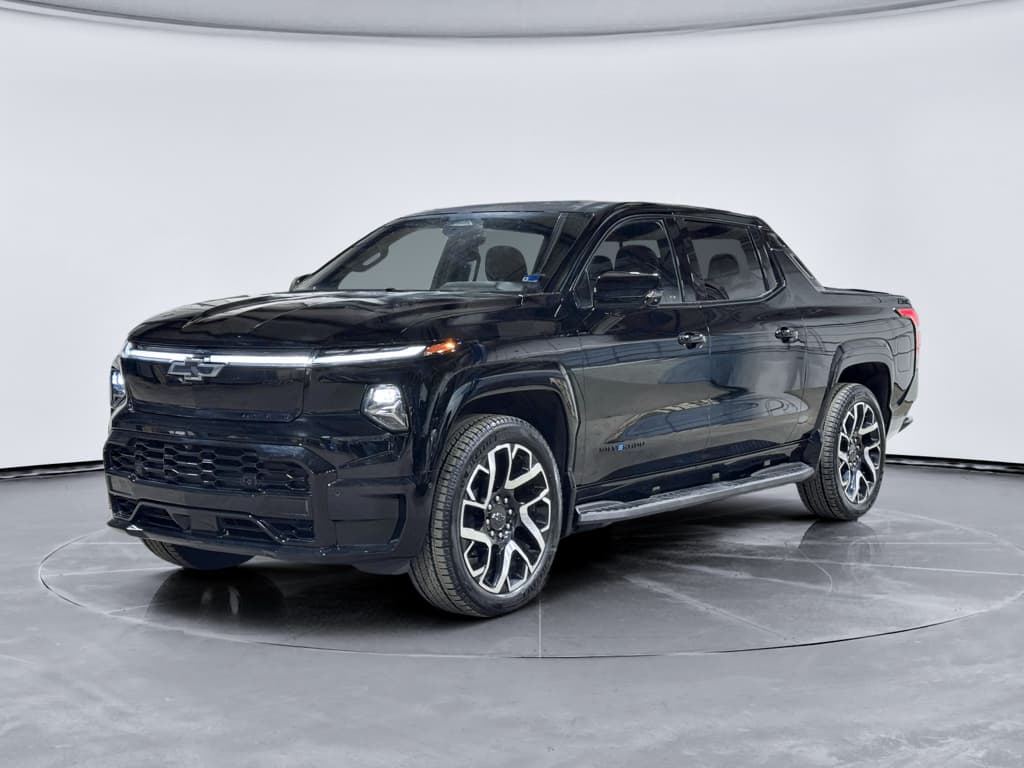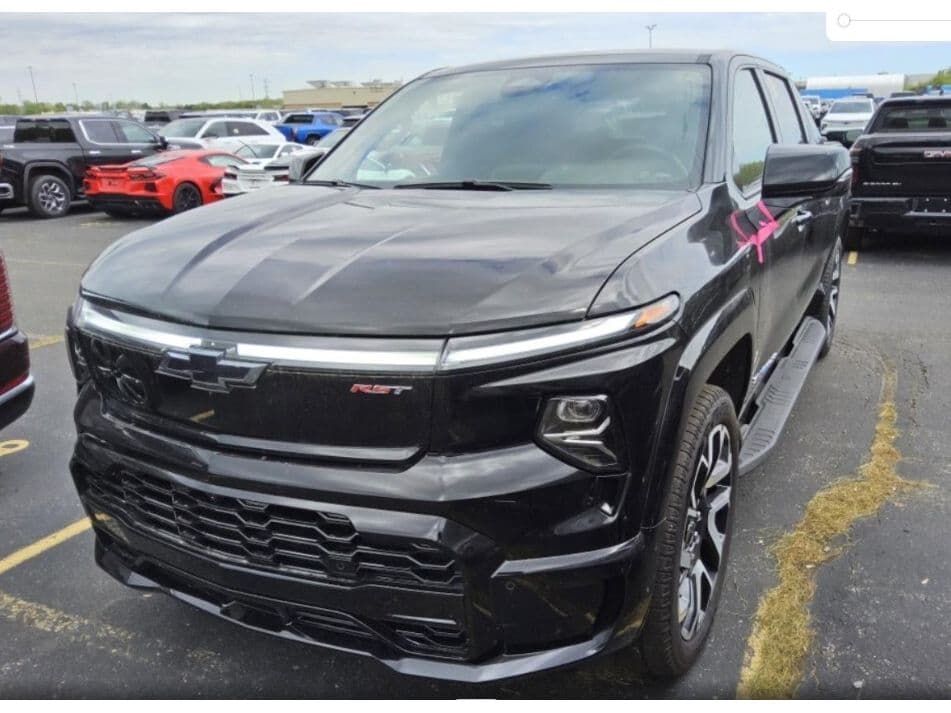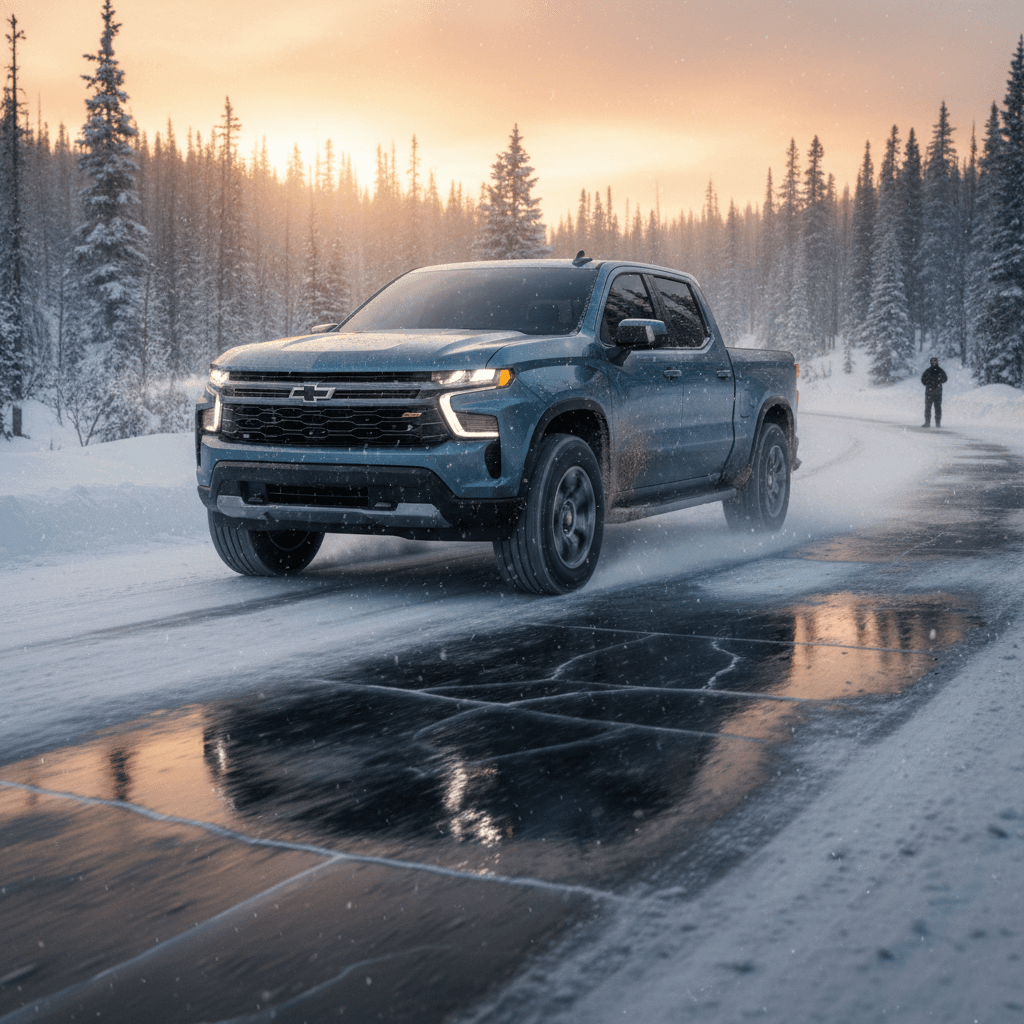
If you live where winter means real snowbanks and polished ice, you’re right to ask whether the Chevrolet Silverado EV is best for snow and ice compared with gas trucks and other electric pickups. Big battery, big weight, instant torque, those can be your best friends on a blizzard commute or your worst enemies if you don’t set the truck up correctly.
Quick take
Is the Chevrolet Silverado EV good in snow and ice?
Let’s start with the big question. If you spec it right, the Chevrolet Silverado EV is very capable in snow and ice. Dual-motor all‑wheel drive, fine‑grained traction control, and the truck’s sheer mass help it stay planted when roads turn slick. Where it can fall short is the same place most EVs stumble in winter: range loss and tire choice. If you put it on real winter tires and plan around cold‑weather range, the Silverado EV will likely feel more secure than a comparable gas Silverado on all‑seasons.
- Pros in winter: instant torque for controlled launches, well‑tuned stability systems, heavy curb weight, available heated features, and remote preconditioning.
- Cons in winter: noticeable range loss in deep cold, slower fast‑charging when the pack is cold, and potential traction issues if you stay on factory all‑season tires.
Who will like it most in winter?
How EVs behave in winter compared with gas trucks
Before we judge the Silverado EV, it helps to understand how all EVs behave in snow and ice. The physics don’t change just because you’re in an electric truck, but the weak spots do move around a bit.
EV vs gas truck in winter: what actually changes?
Snow traction is similar, but energy use and comfort are very different.
Where EVs are better in snow
- Instant, controllable torque: Electric motors can meter out power much more smoothly than a gas V8 through a gearbox.
- No warm‑up drama: Cabin heat is almost immediate, especially if you precondition.
- Fewer cold‑start worries: No engine oil or fuel-system issues on frigid mornings.
Where EVs are worse in snow
- Range loss: Cold batteries and heater use can trim 20–40% off rated range.
- Slower fast charging: A cold pack can’t accept high power until it warms up.
- Weight distribution: Great for traction, but hard on all‑season tires and braking distances if you’re not on winter rubber.
Don’t confuse grip with stopping distance
Key Silverado EV specs that matter in snow
Chevrolet will eventually offer multiple Silverado EV variants, but the basics stay similar: a massive under‑floor battery, dual motors on many trims, and independent suspension. Here are the winter‑relevant specs you should care about more than 0–60 bragging rights.
Silverado EV winter-relevant specs (high-level view)
Approximate factory specs; always verify against the exact trim and model year you’re considering, especially on the used market.
| Feature | Why it matters in snow | Silverado EV highlight |
|---|---|---|
| Drivetrain | All‑wheel drive improves traction on slick surfaces. | Many trims use dual-motor AWD from the factory. |
| Battery pack size | More kWh gives more usable winter range, even after cold-weather losses. | Large pack helps offset typical 20–40% winter range loss. |
| Curb weight | Heavier vehicles can find more grip but need more distance to stop. | Substantial weight over the axles helps traction. |
| Suspension | Controls weight transfer under braking and acceleration on slick roads. | Independent suspension helps keep tire contact more consistent. |
| Heated features | Reduce need to blast cabin heat, preserving range. | Available heated seats, wheel and remote preconditioning. |
Numbers are approximate and may vary by trim and model year. Use them as directional guides, not gospel.
Check your exact build
Traction, AWD system and drive modes on the Silverado EV
The Silverado EV’s dual‑motor all‑wheel‑drive system is a big part of why people see it as a potential best truck for snow and ice. Electric motors can shuffle torque front to rear and side to side much more gracefully than a transfer case and mechanical lockers on a gas truck used strictly for commuting.
AWD traction advantages
- Fine torque control: Each motor can respond in milliseconds when a wheel slips.
- Smooth launches: Instead of revs and gear changes, you get a single, smooth rush of torque.
- Hill starts in snow: Less drama pulling away on a snowy hill, especially with stability control fully on.
Drive modes and snow
- Normal vs. Snow/Ice: A Snow/Ice mode (if equipped) dials back throttle sensitivity and can start you in a higher virtual gear feel to reduce wheelspin.
- Off‑Road mode: Useful for low‑speed, deep-snow situations, but can let the truck move around more before stability systems rein things in.
- One‑pedal driving: Strong regen feels great in dry weather, but can upset the truck on patchy ice. In snow, back regen off a notch or two.
Dial back regen on slick days
Tires, ground clearance and weight: where the Silverado EV shines, and doesn’t
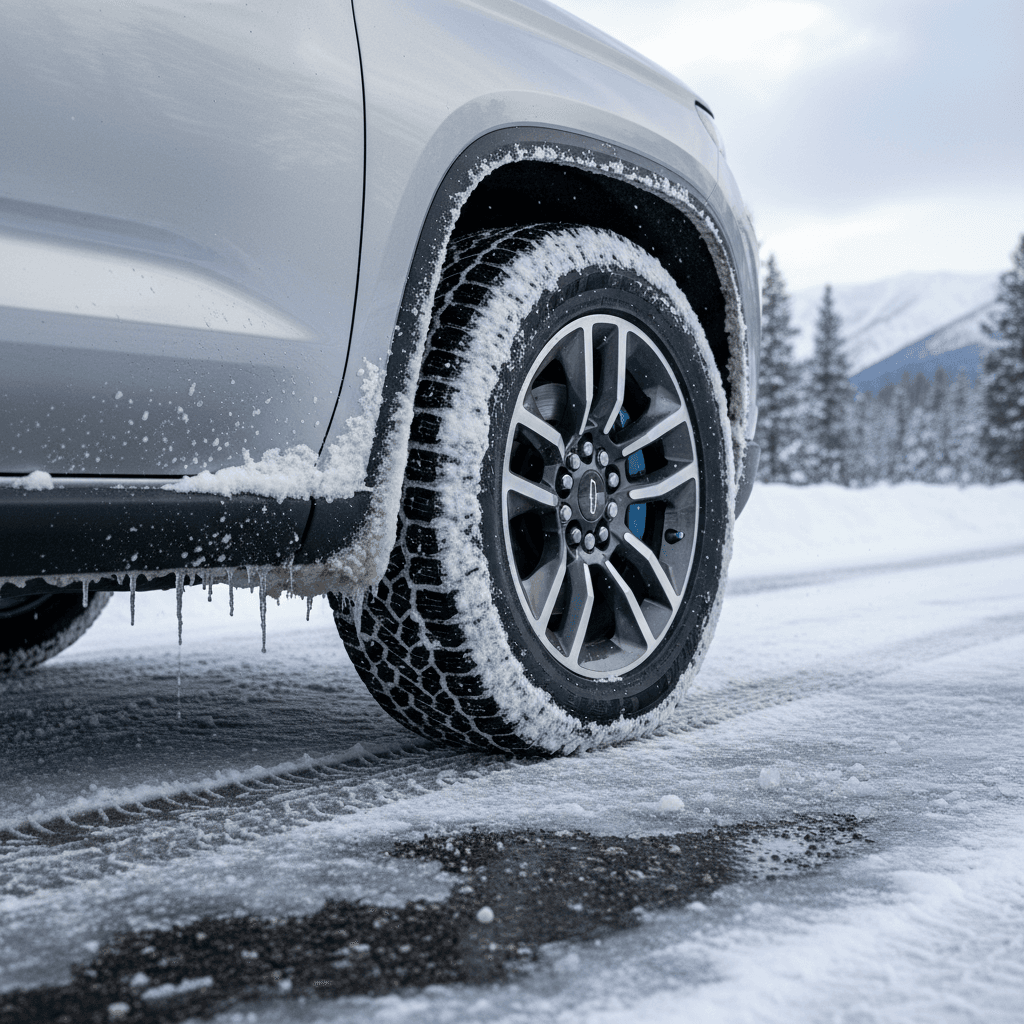
When we talk about whether any truck is “best in snow,” what we’re really grading is tires, ground clearance, and weight distribution. The Silverado EV brings two out of three to the party from the factory, and you can fix the third with a trip to a tire shop.
Three pillars of winter performance on the Silverado EV
You control more of this than you think.
Tires
- 3PMSF‑rated winter or all‑weather tires
- A narrower footprint for better pressure in deep snow
- A fresh, deep tread pattern that evacuates slush
Ground clearance
- Ride height vs. wheel/tire package
- Approach and departure angles if you drive unplowed roads
Weight and balance
- Lower center of gravity for stability
- More pressure on all four tires for traction
- But also longer stopping distances on ice
The tire trap
Winter range loss in the Chevrolet Silverado EV
Now to the part most EV truck buyers worry about: range in the cold. All EVs lose range in winter because batteries are chemical systems that prefer moderate temperatures and because keeping you warm in the cabin takes energy that would otherwise move the truck. The Silverado EV’s big battery pack helps, but it’s not magic.
What winter does to an EV truck’s range (rule-of-thumb)
The Silverado EV’s large pack softens the blow: losing 30% from a big pack still leaves you more usable miles than losing 30% from a small one. But it also means you’re moving a lot of mass through dense, cold air and heavy slush. If you’re shopping specifically for a winter rig, don’t cut battery size too close to save money.
Precondition whenever you can
Charging a Silverado EV in cold weather
A winter‑capable truck isn’t much good if it’s always tethered to a charger. Cold weather complicates charging for every EV, Silverado included, in three big ways: slower DC fast‑charging when the pack is cold, more energy use per mile, and the simple reality that your fingers don’t like standing at a charger in the wind.
Home charging habits
- Level 2 at home is gold: A 240V Level 2 charger lets you plug in every night, which is the single best winter upgrade you can buy.
- Charge to a buffer: In deep winter, avoid planning trips right to the edge of the rated range. Leave 20–30% cushion.
- Finish charging near departure: Batteries are warmest just after charging, which improves early‑drive efficiency.
Public charging in the cold
- Expect slower speeds: If the pack is cold-soaked, DC fast‑charging may ramp up slowly until the battery warms internally.
- Use preconditioning if available: If your navigation system can pre‑warm the battery when routing to a fast charger, use it.
- Think about station access: Snow piles can block charger stalls or make cable reach tricky with a big truck.
Watch for snow‑blocked charge ports
Towing and hauling in snow and ice
One reason you look at a Silverado instead of a compact EV is towing and payload. Winter complicates both. With any EV truck, towing plus cold weather is a double hit: you’re asking the battery to move a heavy trailer through thick air while keeping the cabin warm and the pack in its happy temperature window.
What changes when you tow a trailer in winter
Consider these effects if you plan to tow or haul with a Silverado EV in snow and ice.
| Factor | Effect in snow and ice | What to do about it |
|---|---|---|
| Energy use | Higher rolling resistance and air density, plus trailer drag, stack with EV winter range loss. | Shorten your legs between stops and build in an extra charging stop for long days. |
| Traction | A poorly balanced trailer can push the truck on slick descents or wiggle the rear axle. | Keep tongue weight in spec and consider winter tires rated for the truck’s load. |
| Braking | Extra weight plus slick roads lengthen stopping distances. | Use tow/haul settings and leave more space than you think you need. |
| Visibility | Salt, slush and trailer spray reduce rear visibility. | Keep cameras and sensors clean; check that rear lights on the trailer stay visible. |
Think of these as planning prompts, not precise numbers, the real impact depends on your trailer, speed, route and temperature.
When in doubt, de‑rate your expectations
Shopping for a used Silverado EV for winter driving
Because the Silverado EV is still young, many buyers will meet it first as a used electric truck. That’s where a platform like Recharged can help you separate a winter hero from a truck that’s already had three salty winters and hard towing.
Used Silverado EV: winter-specific things to inspect
Beyond the usual battery and cosmetic checks, winter trucks have their own scars.
Undercarriage and corrosion
- Rust on control arms, brake lines, and subframes
- Damage to underbody panels that help protect the battery
- Evidence of off‑road or deep‑snow abuse
Battery health and winter history
How Recharged can help
Ready to find your next EV?
Browse VehiclesWinterizing your Chevrolet Silverado EV: quick checklist
Pre‑winter checklist for a Silverado EV
1. Choose true winter or all‑weather tires
Swap out factory all‑seasons for 3PMSF‑rated winter or serious all‑weather tires in the right load rating. This one change has more impact on snow and ice than any drive mode setting.
2. Inspect brakes, wipers and washer system
Heavy EVs work their brakes hard when regen tapers off in cold. Make sure pads and rotors are healthy, wiper blades are fresh, and you’re running winter‑blend washer fluid that won’t freeze.
3. Set up home charging and preconditioning
If you have a garage or driveway, install a Level 2 charger or verify your existing one is in good shape. Enable scheduled departure so the truck and cabin are warm while still plugged in.
4. Dial in your drive modes and regen
On the first snowy week, experiment in an empty lot. Try Snow/Ice mode if available, adjust regen strength, and learn how the truck reacts when you lift off the accelerator on slick pavement.
5. Build a winter emergency kit
Pack a shovel, traction mats or sand, warm gloves, a windshield scraper, a small snow brush, and a portable power bank. An EV’s big battery can keep the cabin warm for a long time, but you still need the basics.
6. Re‑estimate your winter range
Before a big trip, do a familiar route in cold weather and compare actual consumption to warm‑weather numbers. Use that real data to reset your mental “comfortable radius” in winter.
Chevrolet Silverado EV in snow and ice: FAQs
Frequently asked questions about the Silverado EV in winter
Bottom line: Is the Silverado EV the best truck for snow and ice?
If you’re picturing pre‑dawn plow lines, black ice at the end of your driveway, and a Silverado EV sitting there humming quietly, you’re on the right track. Properly equipped, the Chevrolet Silverado EV is absolutely capable in snow and ice, and for many drivers it may feel calmer and more confidence‑inspiring than the gas trucks they’re used to. But winter performance is a package deal: tires, charging, driving style and route planning all matter more than the model name.
If you’re considering a used Silverado EV as your next winter rig, take advantage of tools that didn’t exist back in the days of guessing at battery health. A Recharged Score Report, EV‑savvy inspection, and clear understanding of winter range will tell you whether that particular truck is a snow‑day hero or just a shiny experiment. Set it up correctly, respect what winter does to every vehicle, and the Silverado EV can carry you through some truly ugly weather with the quiet confidence only a big electric truck can deliver.