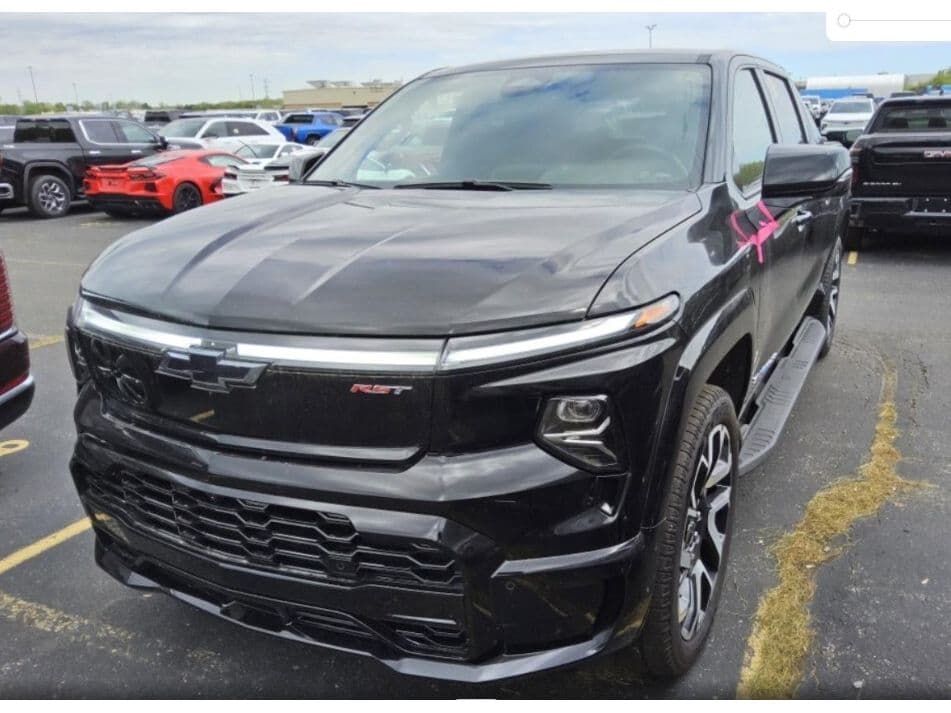
If you’re eyeing a Chevrolet Silverado EV, or already have one in the driveway, the obvious question is: how long will the Silverado EV battery last? With a massive Ultium pack sitting under that truck, you’re not just thinking about range today. You’re wondering what happens in 8, 10, even 15 years, and what that means for resale value or buying used.
Key takeaway
Silverado EV battery lifespan: the short answer
- Warranty window: Chevrolet typically backs Ultium truck batteries for 8 years or 100,000 miles, whichever comes first, against defects in materials and workmanship.
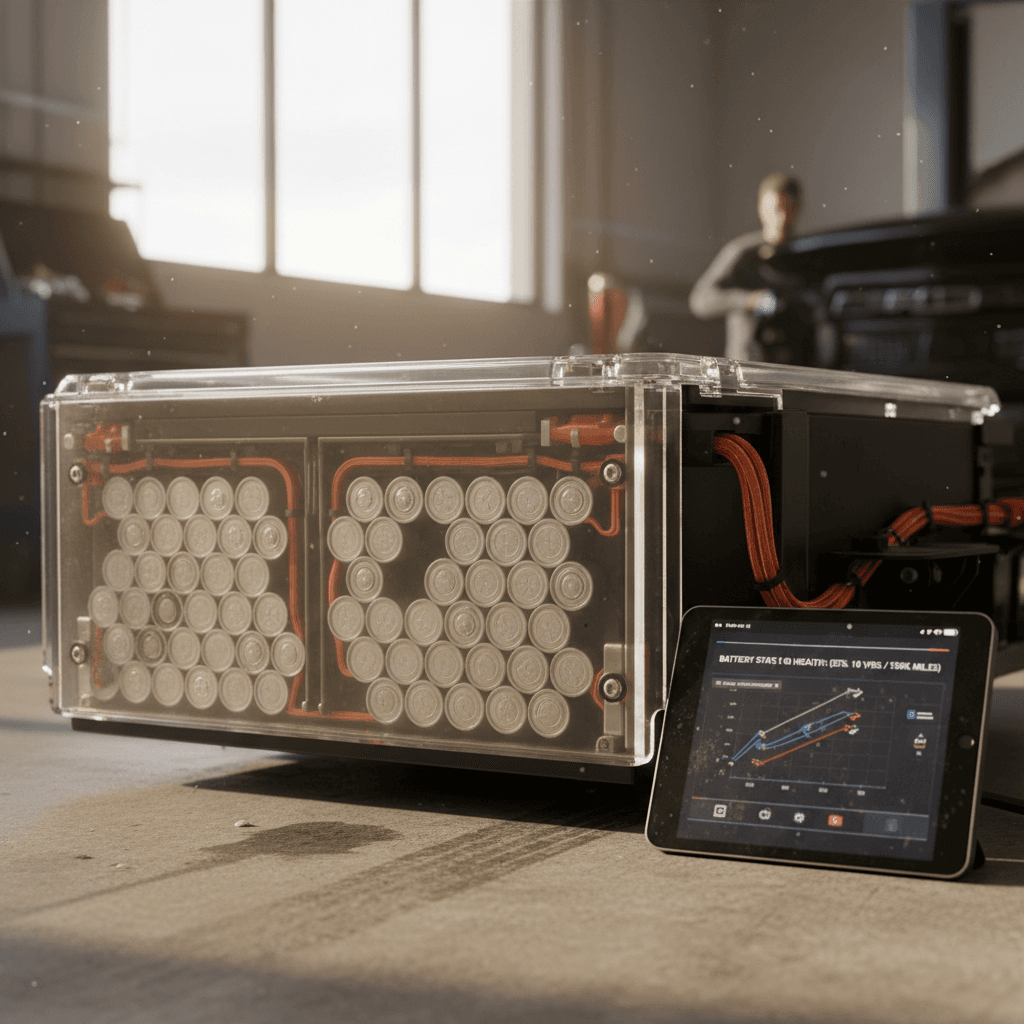
- Realistic lifespan: Modern liquid‑cooled lithium‑ion packs like GM’s Ultium chemistry are engineered for hundreds of thousands of miles. Industry data on similar EVs shows many packs retaining 80–90% capacity after 8–12 years of use.
- Practical expectation: Treated reasonably, your Silverado EV’s battery will likely outlast your desire to keep the truck, much like a good gas engine that’s maintained well.
- Resale reality: Trucks with plenty of battery warranty left, and verified battery health, command a premium on the used market. That becomes a big deal once early Silverado EVs start changing hands more often.
Lifespan vs. range
How the Silverado EV’s Ultium battery is built to last
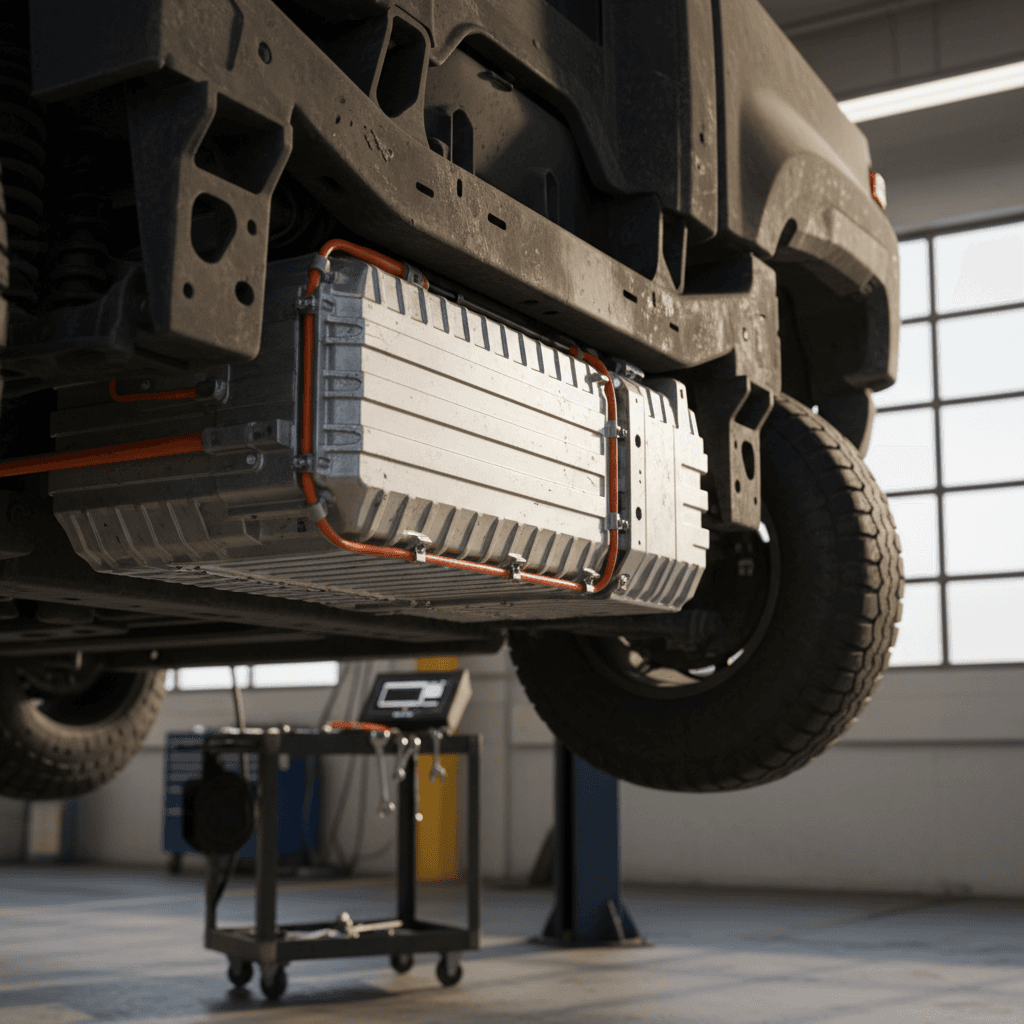
To understand how long a Silverado EV battery can last, it helps to know what’s under the floor. Chevrolet uses its Ultium architecture, a large, modular lithium‑ion pack using NCMA chemistry (nickel, cobalt, manganese, aluminum) and liquid cooling. This is a very different animal from early plug‑in batteries you might have heard horror stories about.
Ultium tech: why it’s good for long life
Key design choices that support long Silverado EV battery lifespan
Modern chemistry
Liquid cooling
Big buffer of capacity
The other unsung hero is software. The truck’s battery management system (BMS) constantly balances cells, adjusts charge rates, and protects the pack from abuse. You may never see that work happening, but it’s a major reason late‑model EV batteries age more gracefully than most people expect.
Warranty: what Chevy actually promises on battery life
Chevrolet doesn’t publish an official “this battery will last X years” statement. Instead, they put their money where their mouth is with a high‑voltage battery and electric propulsion warranty on the Silverado EV.
Typical Chevrolet Silverado EV battery warranty at a glance
Check your specific model year’s warranty booklet for exact terms, but this is what most U.S. buyers can expect from Chevy’s Ultium truck coverage.
| Item | What it covers | Typical coverage |
|---|---|---|
| High‑voltage battery pack | Defects in materials or workmanship in Ultium battery modules and related components | 8 years or 100,000 miles |
| Electric drive & propulsion components | Selected power electronics, drive units and related high‑voltage hardware | Often aligned with 8 years/100,000 miles |
| Capacity guarantee? | Specific minimum state‑of‑health threshold (like 70%) | GM focuses on defect coverage; capacity thresholds are less explicit than some rivals |
| Extended coverage options | Chevrolet EV Protection Plans and third‑party contracts | Can add years of coverage, but read the fine print carefully |
Warranty coverage is time‑ and mileage‑limited, whichever comes first.
Pro tip for shoppers
Real-world EV battery degradation: what we see so far
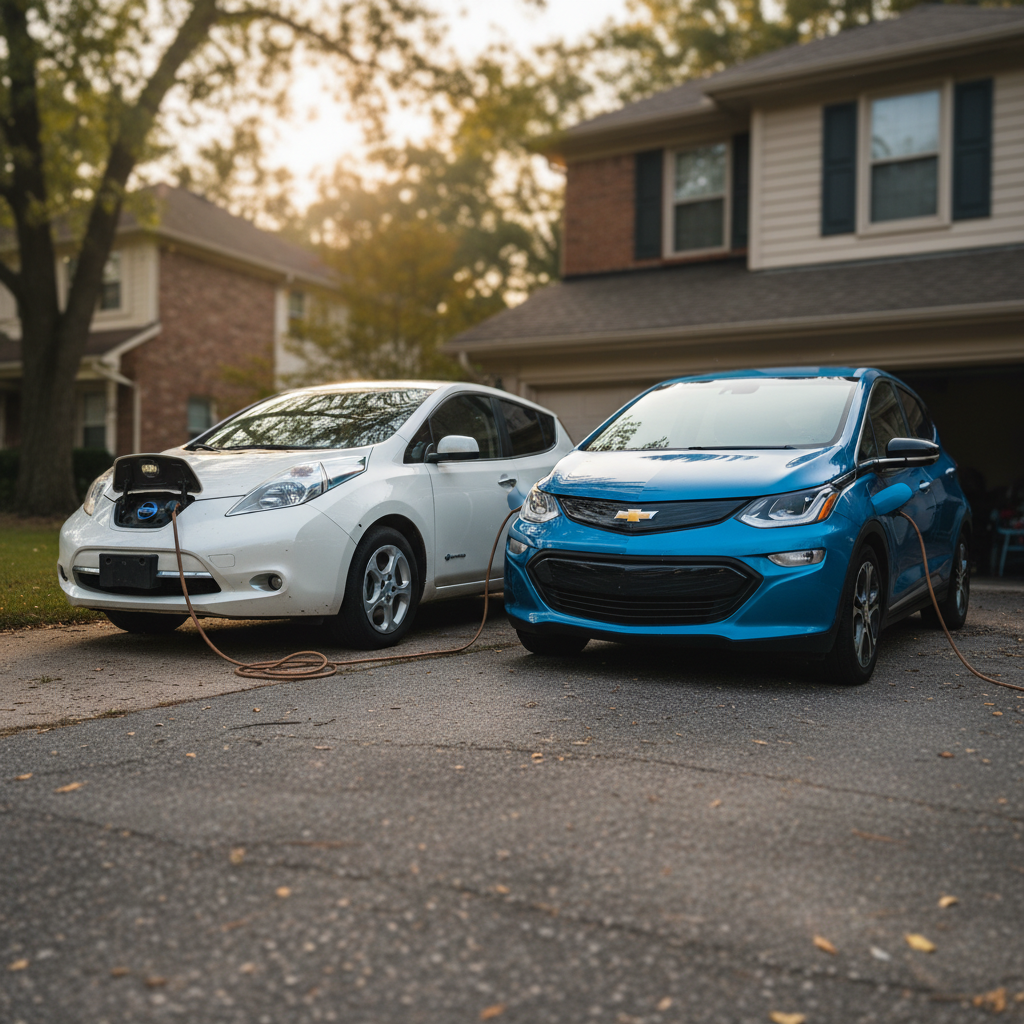
The Silverado EV is still relatively new, so we don’t yet have a decade of data on this specific truck. But we do have a lot of real‑world experience from other GM EVs, especially the Chevrolet Bolt EV and EUV, and from large studies of mixed EV fleets.
What real-world EV battery data tells us
GM’s own track record with replacement Bolt EV packs has been encouraging: owners commonly report only single‑digit percentage loss after tens of thousands of miles on the new battery. While Ultium is a different design, it benefits from the same lessons about chemistry, cooling and software that made those results possible.
Most modern EVs will see far less battery degradation than early fears suggested. How you charge and store the vehicle matters more than the logo on the hood.
7 factors that shorten or extend Silverado EV battery life
You can’t control chemistry, but you have a lot of influence over how gracefully your Silverado EV battery ages. Think of it like caring for a turbocharged gas engine, hard abuse every day shortens its sweet spot; smart habits keep it feeling strong for years.
The big seven: what really affects Silverado EV battery lifespan
1. Time at very high state of charge
Parking at 100% for days is harder on lithium‑ion cells than hovering around 40–80%. Use a lower daily charge limit when you don’t need full range, and save 100% charges for road trips.
2. Frequent deep discharges
Running the battery down to near 0% over and over again adds stress. The occasional deep run is fine; living there is not. Try to recharge before you’re deep into the single digits when possible.
3. Heat and cold exposure
The Silverado EV’s thermal management works hard, but long periods parked in scorching heat or bitter cold still add wear. Whenever you can, park in a garage or shade and use pre‑conditioning instead of driving off with an ice‑cold or roasting‑hot pack.
4. DC fast charging habits
DC fast charging is a big Silverado EV perk, especially on road trips. Used occasionally, it’s fine. Using high‑power DC fast charging multiple times a week when a slower Level 2 charge at home would do can accelerate long‑term wear.
5. Charging speed vs. schedule
Charging more slowly overnight on a home Level 2 unit is gentler than always slamming in energy as quickly as possible. If your utility offers off‑peak rates, set a schedule so the truck finishes charging near your departure time.
6. Towing pattern and load
Towing doesn’t automatically kill a battery, but repeatedly towing at or near max rating in high heat, with constant fast‑charge stops, pushes the pack harder. Respect the truck’s tow ratings and give the battery time to cool and recharge without always going flat‑to‑100% in one shot.
7. Software updates and service
Automaker updates can refine thermal profiles and BMS behavior over time. Keeping up with recommended software updates and having the pack inspected if you notice odd behavior helps catch small issues before they turn into big ones.
Good news for normal drivers
Towing, hauling and fast driving: range hit vs. lifespan hit
Electric trucks live a tougher life than compact EVs. You buy a Silverado EV because you plan to tow, haul and hustle. That absolutely affects range on a given day, but it doesn’t mean you’re sentencing the battery to an early death.
What towing does right now
- Big range penalty: Dragging a tall camper or heavy equipment can cut your displayed range dramatically compared with an unloaded highway cruise.
- More heat: High load makes the battery and motors work harder, creating more heat for the cooling system to manage.
- More frequent charging: Shorter range between stops means you lean on DC fast charging more on a towing trip.
What it means long term
- Occasional heavy use is fine: A few big tows each year, even with lots of DC fast charging, won’t ruin a well‑designed pack.
- Constant max‑load work can add wear: Treat it like a fleet work truck pulling heavy loads every day and you’re stacking the deck toward faster aging.
- Cooling is your friend: Giving the truck a breather between hard pulls and long fast‑charge sessions helps the pack cool and reduces stress.
Smart towing habits
How to care for your Silverado EV battery day to day
You don’t need to baby the Silverado EV to get a long battery life. But a few simple habits can keep its big Ultium pack in a happier place for years, without turning you into a chemistry professor.
- Set a sensible daily charge limit. If your daily driving is modest, use a 70–80% limit for routine charging and only push to 100% before a long trip.
- Use Level 2 at home whenever possible. Install a quality 240‑volt charger and let the truck charge at a moderate rate overnight instead of relying on DC fast charging out of convenience.
- Avoid leaving it full or empty for long stretches. If you’re going on vacation, don’t park it at 100% or 0%. Aim for something in the middle, around 40–60%, before leaving it.
- Pre‑condition while plugged in. Let the truck warm or cool the battery and cabin while it’s still connected to power. That reduces stress from launching with a stone‑cold or very hot pack.
- Keep software up to date. Accept recommended updates that improve charging behavior, thermal management or range estimation.
- Pay attention to sudden changes. If range suddenly drops or the truck behaves oddly when charging, don’t ignore it. Have a dealer or EV specialist look at it while you’re still within warranty if possible.
What not to do
Battery replacement cost and used Silverado EV shopping
Let’s get to the scary thought in every EV shopper’s mind: What if the Silverado EV battery needs to be replaced? Full pack replacements on large trucks are still rare and expensive. Exact prices vary by dealer, labor, and parts availability, but you should think in terms of five‑figure repair bills if you’re far outside warranty.
The more realistic scenario, though, isn’t a catastrophic pack failure, it’s normal aging. The question then becomes whether the truck still offers enough range for how you drive, and how that impacts its value if you’re buying or selling used.
If you’re shopping a used Silverado EV, focus on these
Battery health is the headline, but context matters too.
Remaining battery warranty
Verified battery health
Use history
How Recharged helps on the used side
FAQ: Chevrolet Silverado EV battery lifespan
Frequently asked questions about Silverado EV battery life
The bottom line: a Chevrolet Silverado EV battery is not a ticking time bomb. It’s a sophisticated, carefully managed Ultium pack that, driven and charged sensibly, should deliver useful range for hundreds of thousands of miles. The 8‑year/100,000‑mile battery warranty is your safety net, but for most owners the real story will be how the truck fits their life, not whether the pack makes it to year ten. If you’re buying used, lean on verified battery health data and remaining warranty rather than fear or guesswork. That’s how you end up with a Silverado EV that works hard for you now, and still holds its value when you’re ready for whatever’s next.