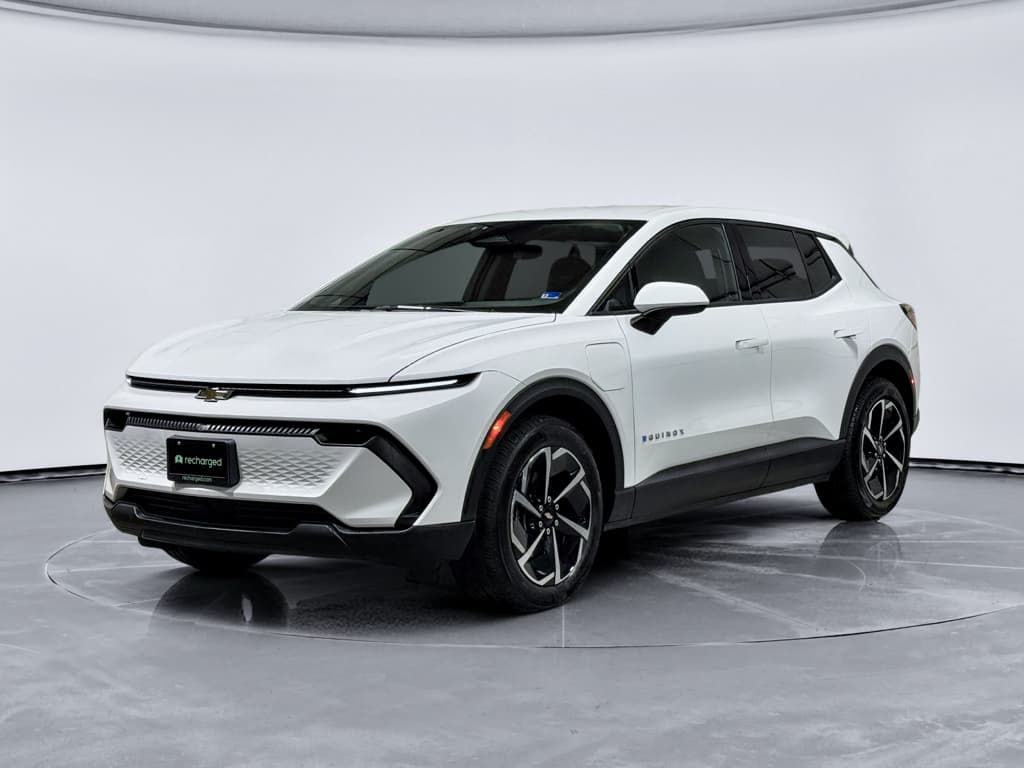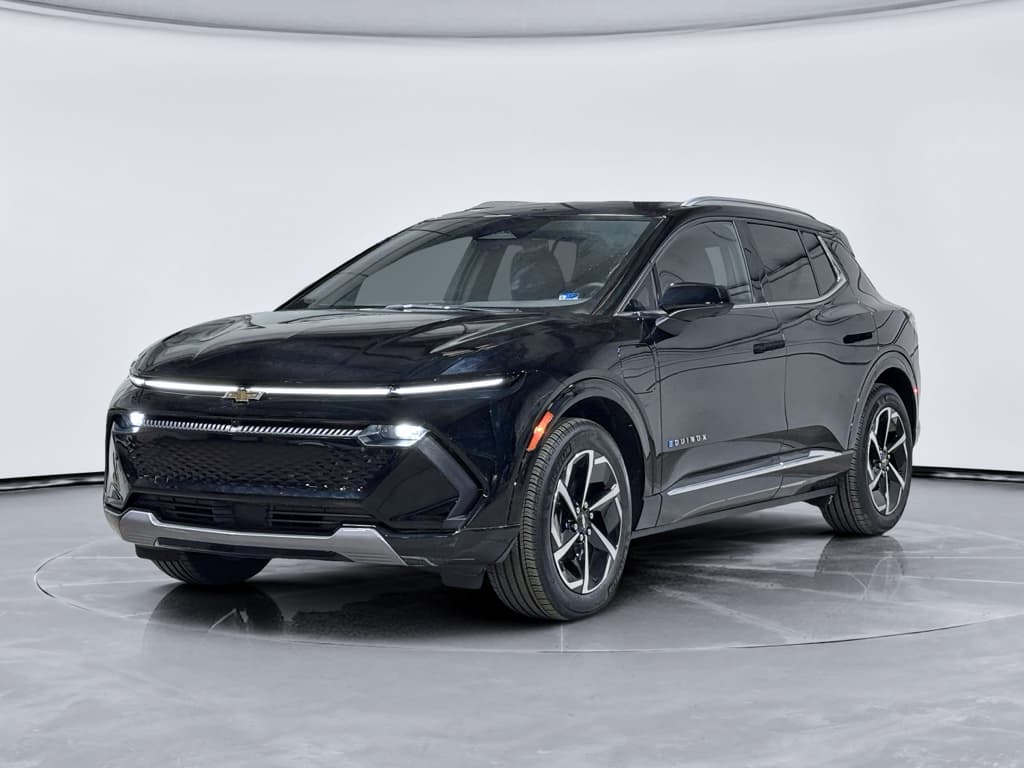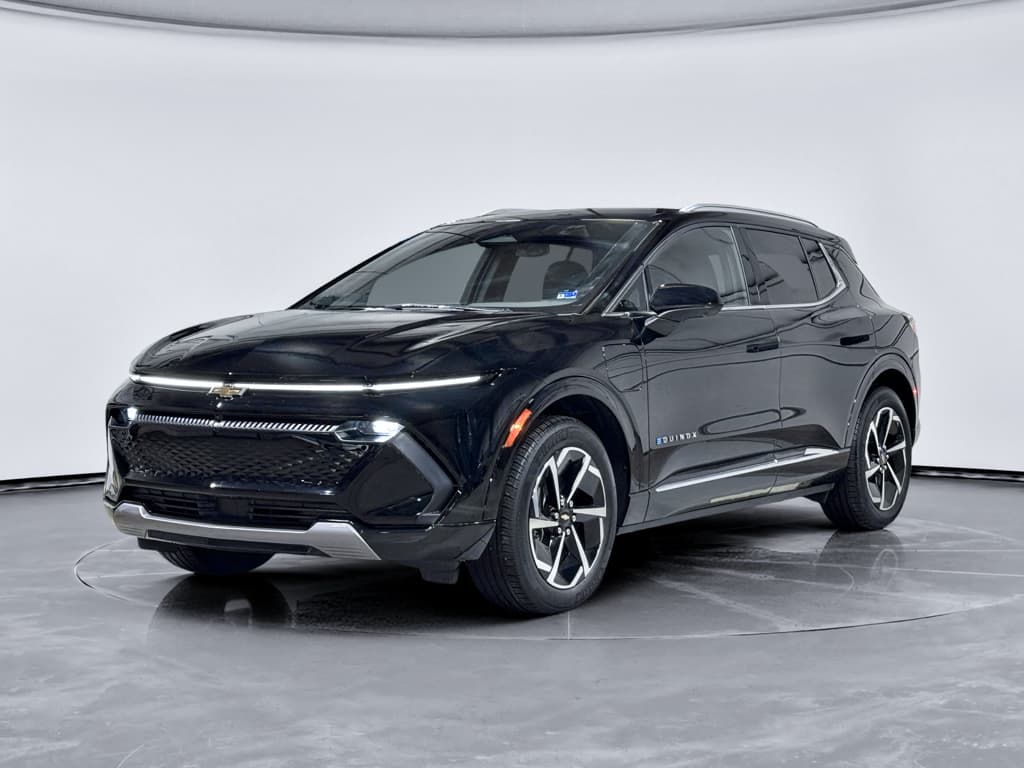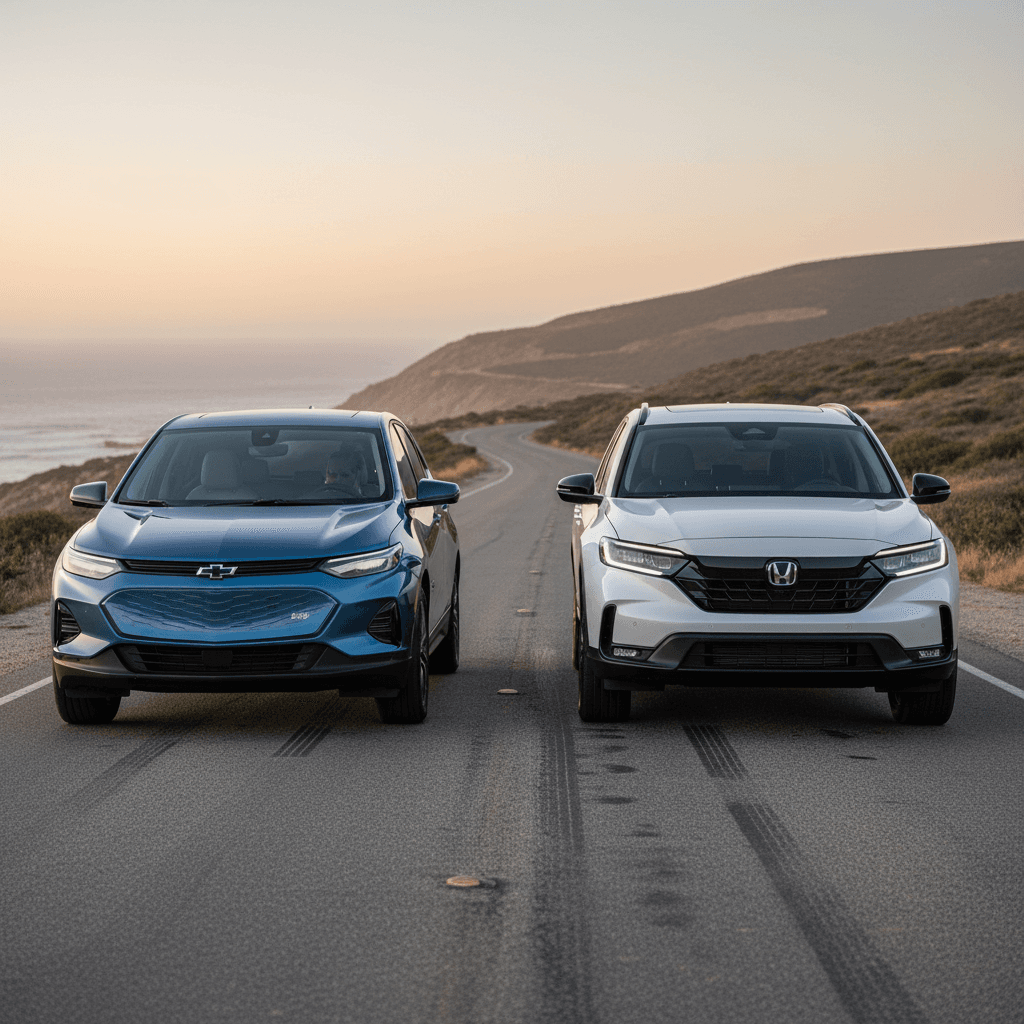
If you’re comparing the Chevrolet Equinox EV vs Honda Prologue and wondering which is better, you’ve landed in one of the most interesting corners of the EV market: mid-size, family-ready SUVs built on GM’s Ultium platform. On paper they share a lot of hardware, but in the real world they feel like very different answers to the same question.
Both are Ultium-based, but not twins
Equinox EV vs Prologue: quick take
Chevy Equinox EV vs Honda Prologue highlights
In broad strokes, the Equinox EV is the value and efficiency play, with aggressive pricing and a long-range FWD configuration aimed at stretching your dollar. The Honda Prologue leans premium, with richer materials, familiar Honda ergonomics and wireless Apple CarPlay/Android Auto baked in.
30‑second verdict
Core specs at a glance
Key specs: Chevrolet Equinox EV vs Honda Prologue
Big-picture numbers to frame the rest of the comparison. Exact figures vary slightly by trim and wheel size, but this gives you the lay of the land.
| Spec | Chevrolet Equinox EV | Honda Prologue |
|---|---|---|
| Platform | GM Ultium BEV3 | GM Ultium BEV3 |
| Battery (usable, approx.) | ~85 kWh | ~85 kWh |
| Drivetrain | FWD or AWD | FWD or AWD |
| Power (max) | Up to ~288 hp | Up to ~288 hp |
| EPA range (est., best trims) | Low‑300‑mile ballpark | Mid‑ to high‑200‑mile ballpark |
| Max DC fast‑charge rate | About 150 kW | About 150 kW |
| Onboard AC charger | Up to 11.5 kW | Up to 11.5 kW |
| Seats / layout | 5‑seat, two-row SUV | 5‑seat, two-row SUV |
Specs shown are representative of 2024–2025 FWD and AWD trims.
How to use these specs
Price and value: which gives more for the money?
Chevy was very explicit about the Equinox EV’s mission: build an electric SUV that feels like normal money. Honda positioned the Prologue more as a bridge from its CR‑V/Pilot world into EVs, and the pricing reflects that.
Chevrolet Equinox EV: value first
- Lower starting MSRP than the Prologue for comparable trims, often by several thousand dollars.
- Long‑range FWD trims target ~300 miles of range while still undercutting many rivals on price.
- GM frequently layers in lease support and incentives, especially in EV‑friendly states.
- Interior materials skew durable and pragmatic rather than luxury, which is the trade‑off for the aggressive pricing.
Honda Prologue: premium pricing
- MSRP typically sits above the Equinox EV, with EX and Touring trims priced more like near‑luxury crossovers.
- Standard features (like wireless CarPlay/Android Auto and Honda driver aids) soften the blow a bit.
- Honda’s brand reputation and resale strength help long‑term, but you pay more up front.
- Lease programs can be attractive in certain regions, but you’re still starting from a higher sticker.
Destination and dealer add‑ons matter
From a pure dollars‑and‑cents standpoint, the Equinox EV is the stronger deal. It gives you similar range and performance for less money, which is hard to argue with if you’re watching a monthly payment.
Range, efficiency and battery tech
Because both SUVs ride on the Ultium platform with similar ~85 kWh packs, their range story is less about chemistry and more about aerodynamics, tire choice and tuning. Still, they don’t land in exactly the same place.
Range considerations for Equinox EV vs Prologue
Same basic battery, slightly different personalities
Equinox EV range
Chevy’s long‑range FWD Equinox EV trims target roughly 300+ miles of EPA range in ideal spec. That puts it in the sweet spot for a one‑car household that does occasional road trips.
Prologue range
The Honda Prologue also offers trims in the mid‑ to high‑200‑mile range band, depending on wheels and drivetrain. In practice, you’re looking at very similar highway legs to the Equinox EV.
Real‑world efficiency
Driver reports suggest both SUVs deliver familiar Ultium behavior: efficient at moderate speeds, more sensitive to winter temps and heavy highway use than a Tesla, but entirely workable for daily commuting.
Range vs. lifestyle
Charging speed and road‑trip confidence
On paper, both SUVs advertise DC fast‑charging peaks around 150 kW. In practice, what matters is the charging curve, how long they can hold high power as the battery fills, and how easily you can find compatible chargers along your route.
DC fast charging
- Both SUVs use the CCS connector today, with hardware designed around roughly 150 kW peak DC fast charging at compatible stations.
- Owner data on other Ultium models suggests average 10–80% charge times in the mid‑30‑minute range when everything goes right.
- The Equinox EV’s lower pack voltage can limit real‑world speeds at some older 350 kW units that are amp‑capped, but this is getting better as networks upgrade.
- Honda Prologue charging behavior should feel very similar, since it’s using the same battery and electronics stack with Honda‑specific software on top.
Home and workplace charging
- Each SUV supports up to roughly 11.5 kW Level 2 AC charging with a 240 V, 48‑amp home charger.
- From empty to full at home, you’re typically looking at 8–10 hours overnight, depending on your circuit and battery state.
- Both brands offer branded home charging solutions; you can also use third‑party Level 2 units if they match the amperage and connector standard.
- If you mostly charge at home, slight differences in DC fast‑charging behavior fade into the background.
Plan your charging around your life, not the brochure
Space, comfort and practicality
Both SUVs live in the same size class as mainstream gas crossovers. Think CR‑V, RAV4, Equinox, tall enough for kid seats and big‑box store runs, not so huge that parking garages feel like boss levels.
Practicality: family life with Equinox EV vs Prologue
How they work as actual family cars, not just spec sheets
Interior room
Passenger space is broadly similar, with comfortable seating for four adults and a squeeze‑friendly fifth. The Prologue feels a hair more open and airy thanks to Honda’s thin‑pillar design language.
Cargo and flexibility
Both offer split‑folding rear seats, flat load floors and the usual SUV tricks. If you live at IKEA, measure the exact cargo numbers by trim, but day‑to‑day usability is a wash.
Ride comfort
The Prologue is tuned on the softer, more isolating side; the Equinox EV feels a bit tighter and more buttoned‑down, especially on larger wheels. Neither is punishing, but their personalities diverge here.
Kid‑seat and stroller reality check
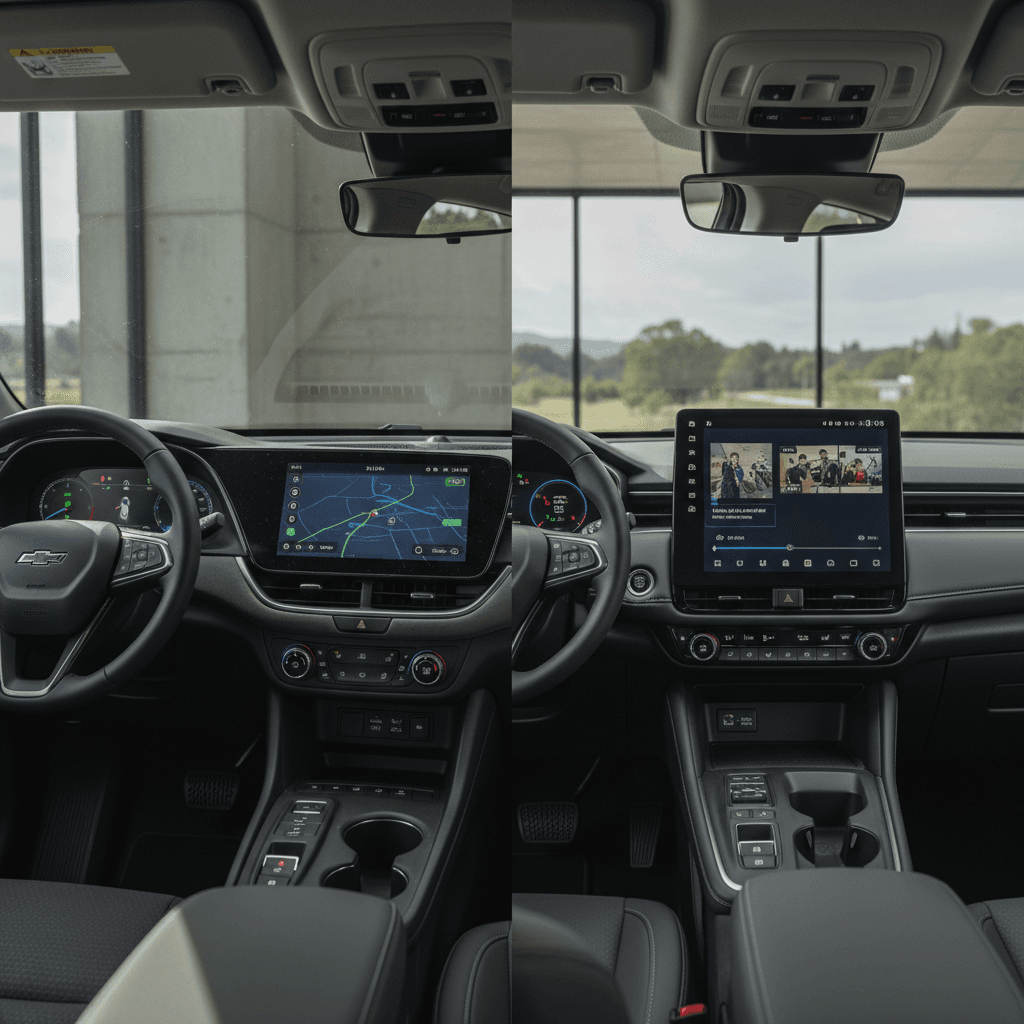
Tech and infotainment: Google, CarPlay and screens
This is where the personalities split sharply. Both SUVs run Google built‑in with native Maps and Assistant. What they do with your phone, however, is very different.
Chevrolet Equinox EV: big screen, GM ecosystem only
- Striking 17.7‑inch central touchscreen on many trims, paired with a digital gauge cluster.
- Runs Google built‑in for Maps, Assistant and some apps without needing your phone.
- No Apple CarPlay or Android Auto; GM made a clean break from phone projection on its new EVs.
- Over‑the‑air updates and EV‑focused route planning should improve over time, but you’re betting on GM’s software future.
Honda Prologue: best of both worlds
- Uses Google built‑in as well, so you get native Maps and voice controls.
- Wireless Apple CarPlay and Android Auto are standard, so your existing phone habits still work.
- Interface and steering‑wheel controls feel instantly familiar if you’ve driven a recent Honda.
- Screen size is smaller than the Equinox EV’s mega‑tablet, but still modern and cleanly integrated.
If you live in CarPlay, this is decisive
Driving experience and character
Numbers aside, these SUVs feel different from behind the wheel. Same piano, different pianist.
- Equinox EV comes across as the more playful of the two. Steering is light but accurate, and the chassis feels composed if you hustle it down a back road. It still rides like a crossover, but there’s a hint of sportiness baked in.
- Prologue leans into Honda’s traditional strengths: linear controls, a quietly competent ride, no drama. It’s the kind of car you stop thinking about, which is a compliment in daily slog traffic.
- Both SUVs mask their weight well at city speeds, with instant EV torque making merges and on‑ramps easy. AWD versions in particular have plenty of shove for American highways.
Test‑drive them back‑to‑back
Ownership costs, incentives and resale
EV ownership cost is more than just the sticker. Electricity, maintenance, incentives and future resale all matter, especially if you’re planning to keep the SUV beyond a three‑year lease.
Cost of living with Equinox EV vs Prologue
What happens after you drive off the lot
Running costs
Both SUVs enjoy classic EV advantages: no oil changes, fewer wear items and cheaper ‘fuel’ if you can charge at home on a reasonable electricity rate. Tires will be your biggest consumable.
Incentives and resale
Eligibility for federal and state incentives changes frequently and can depend on build location and battery sourcing. Historically, Honda tends to hold resale value well, but EV market volatility levels the playing field.
Where Recharged fits in
Who should buy which SUV?
Match the SUV to your priorities
Choose the Chevrolet Equinox EV if…
You want the most range and performance for the money and are comfortable living inside GM’s Google‑based infotainment world.
Price is a major factor and you’d rather put savings toward home charging or a higher‑trim interior than a more expensive badge.
You like the idea of a bold, tech‑forward design with a huge central screen and don’t mind skipping CarPlay/Android Auto.
You’re planning to keep the vehicle for a while and value Ultium’s modular hardware for future maintainability and potential software improvements.
Choose the Honda Prologue if…
You live and die by <strong>Apple CarPlay or Android Auto</strong> and want them wireless, integrated and easy.
You prefer Honda’s traditionally ergonomic cabins, intuitive controls and soft‑touch materials, even if it costs more.
You care about brand familiarity, dealer experience and Honda’s track record for long‑term reliability and resale.
You want an EV that feels like an evolution of your CR‑V/Pilot, not a complete software culture shock.
Both are ‘right’ answers
FAQ: Chevy Equinox EV vs Honda Prologue
Frequently asked questions
Bottom line: which is better overall?
If your brain is screaming "Just tell me which one to buy," here’s the cleanest way to frame it: Buy the Chevrolet Equinox EV if you’re chasing maximum value, range and screen‑driven futurism for the least money. Buy the Honda Prologue if you want an EV that feels like a familiar, polished Honda crossover with modern tech layered on top, and you’re willing to pay for that comfort.
Both SUVs are strong entries in the electric family‑hauler space, and neither will feel like a science experiment in your driveway. Get brutally honest about how you drive, where you charge and how much your phone ecosystem matters. Then drive them back‑to‑back, sleep on it, and pick the one you’re excited to see every morning.
And if you’re looking a step ahead, wondering what these will be like as used EVs, keep Recharged on your radar. Our marketplace pairs verified battery health reports, fair market pricing and EV‑specialist support, so that when today’s new Equinox EVs and Prologues become tomorrow’s pre‑owned bargains, you can shop them with real data instead of guesswork.