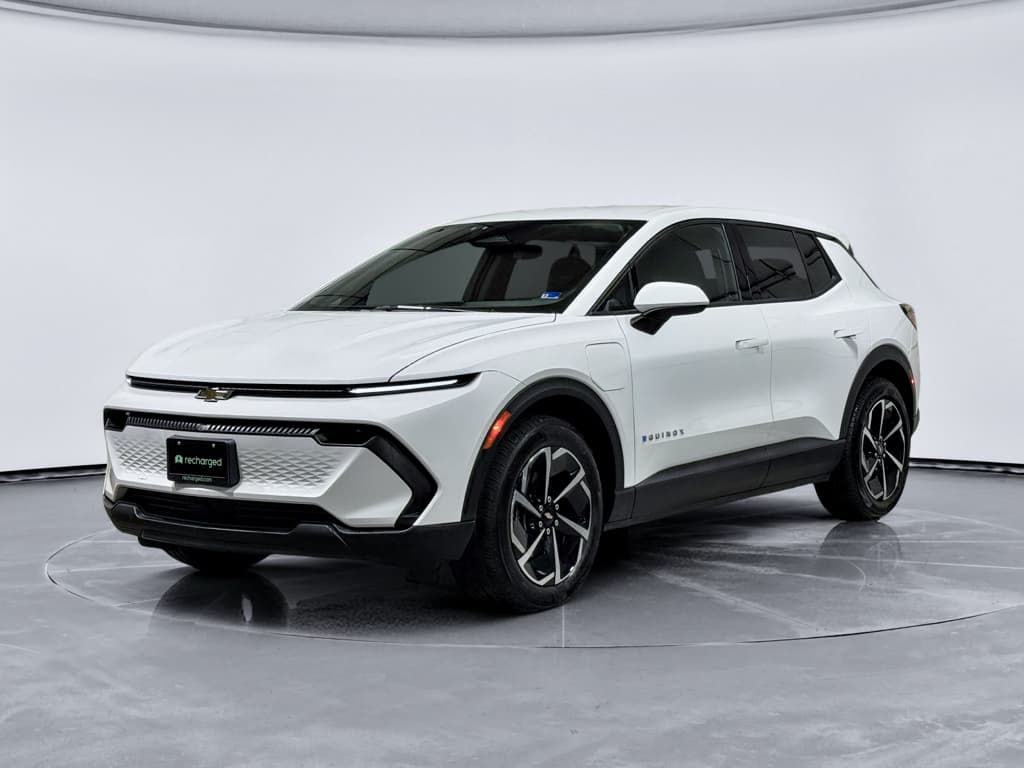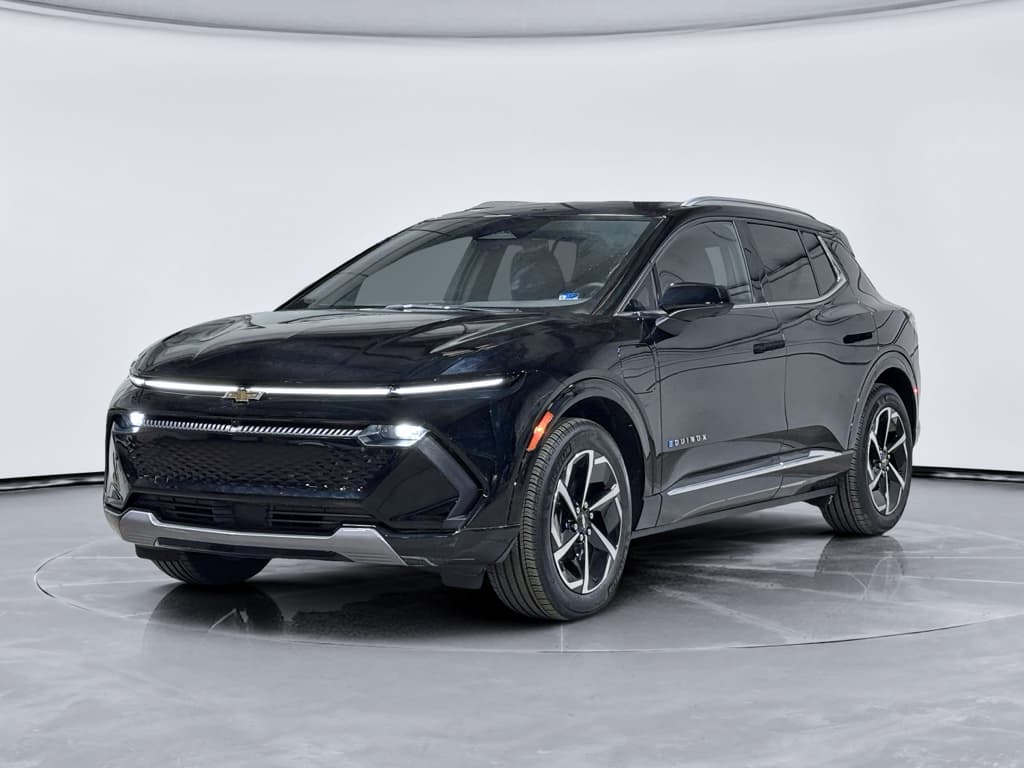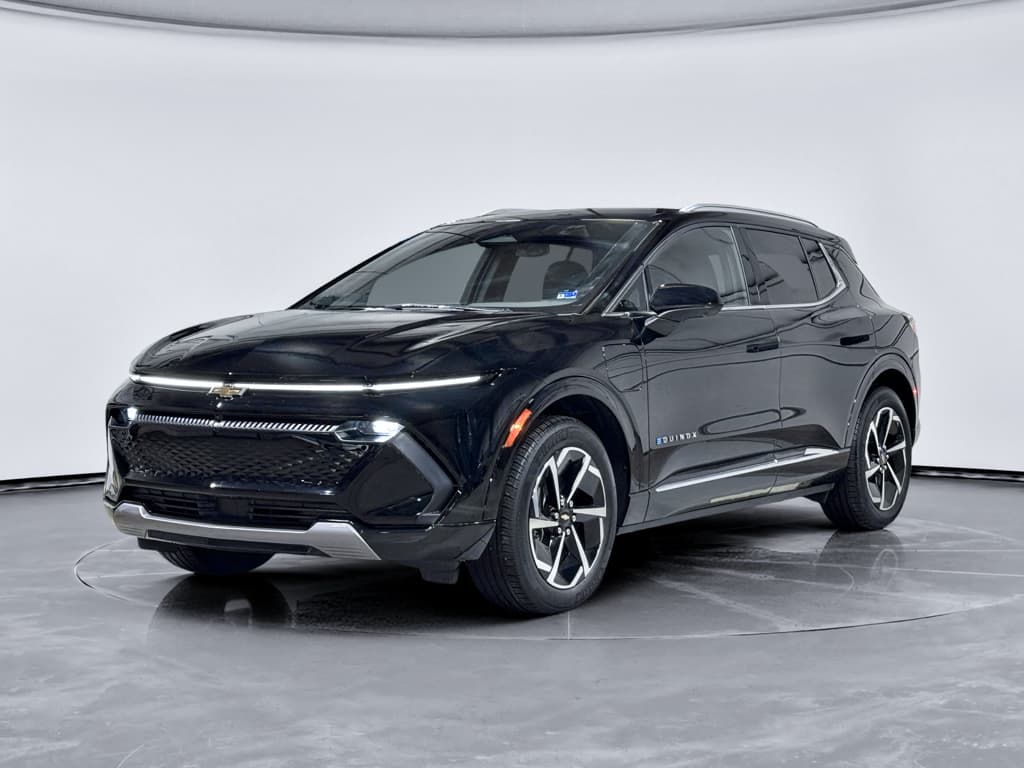
If you’re shopping for a Chevrolet Equinox EV, you’re probably also trying to pin down what the **insurance cost per month** will look like. Insurers are still learning how to price electric SUVs, and that can make quotes feel all over the map. The good news: with some context and a few smart moves, you can usually keep Equinox EV insurance in a reasonable range.
Quick answer
What does Chevrolet Equinox EV insurance cost per month?
No insurer will publish one "official" **Chevrolet Equinox EV insurance cost per month** because premiums depend heavily on you, your age, driving history, credit, ZIP code, and how you use the vehicle. But we can triangulate a realistic range from current EV data and early Equinox EV quotes.
Typical Equinox EV insurance cost snapshot (U.S.)
Owner anecdotes back this up. Some Equinox EV drivers report **around $150–$180 per month** when migrating from another compact SUV, while others in high‑cost states see **$220–$260**. When you zoom out to broader EV data, full‑coverage policies often price in the **low‑$200s per month** for electric crossovers, right where a fairly optioned Equinox EV tends to land.
Your rate may be higher, or lower
How Equinox EV insurance compares to gas Equinox and other EVs
Versus gas Chevrolet Equinox
Traditional insurance data for the gas‑powered Equinox suggests average full‑coverage premiums in the **mid‑$100s per month** for many drivers. For the Equinox EV, the combination of higher MSRP, newer tech, and battery‑repair complexity typically nudges premiums **10–25% higher** than a similarly equipped gas Equinox.
For many households, that might mean going from roughly **$160/month on a gas Equinox** to **$185–$210/month** on the Equinox EV, all else equal.
Versus other electric SUVs
Compared with pricier EV crossovers, think Tesla Model Y, Hyundai Ioniq 5, Kia EV6, the Equinox EV’s insurance usually tracks in the **middle of the EV pack**. Its pricing and performance are more modest than some premium rivals, which helps. At the same time, it’s still a new, tech‑heavy vehicle built on GM’s Ultium platform, so underwriters treat it more cautiously than a long‑running gas model.
In practice, many drivers will see Equinox EV premiums similar to other mainstream compact EV SUVs, occasionally a bit lower than high‑performance or luxury offerings.
Shop EV‑friendly insurers
7 key factors that affect your Equinox EV insurance cost
Every carrier uses its own formula, but the levers that move **Chevrolet Equinox EV insurance cost per month** tend to be consistent. Understanding them helps you predict where you’ll land, and what you can change.
The biggest levers behind your Equinox EV premium
Most are about you, not just the vehicle
1. Driver profile
Age, years licensed, prior claims, and violations are still the biggest drivers of your rate. A clean 40‑year‑old commuter will almost always pay less than a 23‑year‑old with limited experience.
2. Where you live & park
ZIP codes with more traffic, theft, vandalism, or severe weather mean higher premiums. Off‑street or garage parking can sometimes help, especially in dense metro areas.
3. Annual mileage & usage
Driving 20,000 miles a year on congested highways looks very different to an insurer than 7,500 suburban miles. Business use, rideshare, or delivery will also increase costs.
4. Coverage limits & deductibles
Full coverage with low deductibles ($250 or less) and high liability limits offers more protection, but you’ll pay more per month. Raising deductibles to $500–$1,000 can materially lower premiums.
5. Collision & repair costs
EVs like the Equinox often carry **higher repair bills**, particularly if an accident involves the battery pack or advanced driver‑assist sensors. Insurers price that risk into your collision coverage.
6. Parts & labor availability
Because the Equinox EV is relatively new, some body shops still charge a premium for certified repairs. Limited parts availability and specialized training both raise the expected claim cost.
7. Telematics & safety tech
The Equinox EV’s standard safety suite, automatic emergency braking, lane‑keep assist, and other active aids, can reduce crash frequency. If you enroll in a telematics or "usage‑based" program and drive smoothly, you can capture meaningful discounts.
Why EVs sometimes cost more to insure
Trim levels, coverage types, and how they change your bill
The Equinox EV lineup has evolved quickly, but whether you’re looking at an LT, 2RS, 3RS, or future variants, insurers mostly care about **vehicle value and equipment**, not the marketing name on the decklid.
How trim and coverage choices influence monthly Equinox EV insurance
Approximate impact for a typical mainstream driver moving between trims and coverage options. These are directional only, your actual quote may differ.
| Decision | What changes | Typical impact on monthly cost |
|---|---|---|
| Base LT vs. higher RS trims | Higher MSRP, larger wheels/tires, more tech to repair | RS can add roughly $10–$25/month vs. base, depending on value gap |
| Adding comprehensive & collision | Protects your own Equinox EV, not just others | Often adds $50–$120/month vs. liability‑only, more for new vehicles |
| Raising deductibles ($250→$1,000) | You take on more out‑of‑pocket risk in a claim | Can shave $20–$50/month off full‑coverage premiums |
| Boosting liability limits (state minimum→100/300) | Much better protection for serious crashes | Often adds $10–$25/month, usually worth it for the coverage |
| Adding roadside & rental reimbursement | Towing, flat tires, rental car after a loss | Typically $5–$15/month, depending on package and limits |
Use these ranges as a budgeting tool, not a guarantee. Always compare live quotes for your specific situation.
Check lender or lessor requirements

8 ways to lower your Chevrolet Equinox EV insurance cost per month
Practical steps to trim your Equinox EV premium
1. Get quotes before you buy
Before signing a purchase or lease agreement, get at least **three full‑coverage quotes** using the exact Equinox EV trim and VIN when possible. That prevents surprises and gives you leverage to negotiate with your current carrier.
2. Right‑size your coverage, don’t under‑insure
State minimum liability coverage is usually too low to protect your assets. Instead of cutting liability, look at **higher deductibles** or removing extras you don’t need, like duplicate roadside coverage you already get from your EV warranty or credit card.
3. Ask about EV, low‑mileage, and telematics discounts
Many insurers now offer **green‑vehicle** or "pay‑how‑you‑drive" discounts. If you mainly commute at modest speeds and avoid hard braking, these programs can trim **5–20%** off your Equinox EV insurance cost per month over time.
4. Bundle home and auto
Combining your Equinox EV with a homeowners or renters policy is still one of the easiest ways to save. Bundling discounts can range from modest to significant, especially with newer EVs that might otherwise be pricey to insure.
5. Improve credit where it’s allowed
In most U.S. states, insurers still use **credit‑based insurance scores**. Paying bills on time, lowering card balances, and avoiding new debt can gradually improve your score and, with it, your premium, though the impact is usually long‑term, not overnight.
6. Compare quotes at renewal, not just at purchase
EV insurance pricing is changing fast as carriers gather more loss data. Re‑shopping quotes **every 12 months** can surface better offers as underwriters get more comfortable with models like the Equinox EV.
7. Take advantage of safety features
Make sure your insurer properly credits any **advanced safety tech** on your Equinox EV, automatic emergency braking, lane‑keeping systems, and parking sensors. Some carriers apply small discounts when this equipment is documented on the policy.
8. Consider usage‑based programs if you drive gently
If you’re already a smooth, low‑mileage driver, usage‑based programs that track acceleration, braking, and time of day can lower your Chevrolet Equinox EV insurance cost per month after a trial period, just be sure you’re comfortable with the data sharing.
Where Recharged fits in
Ready to find your next EV?
Browse VehiclesLeasing vs. financing: how your deal structure changes insurance
How you acquire your Chevrolet Equinox EV, lease, loan, or cash, doesn’t change the physics of a crash, but it can change what **coverage** you’re required to carry and how much you pay each month.
Leasing an Equinox EV
- Higher coverage requirements: Lease contracts usually require full coverage, relatively low deductibles, and higher liability limits. That can push your monthly premium higher than a bare‑bones financed car.
- Gap coverage is often built in: Many leases include gap protection in the payment, so you might not need to buy separate gap insurance, but always confirm.
- Less flexibility: You typically have less room to tweak deductibles or remove coverages to save money.
Financing or paying cash
- More control over coverage: Aside from lender requirements on a financed vehicle, you can usually adjust deductibles and optional coverages more freely than with a lease.
- Consider standalone gap: With a loan and a rapidly depreciating new EV, separate gap coverage can be smart, especially with low down payments.
- Focus on long‑term cost: If you plan to keep the Equinox EV well past the loan term, think about how your insurance costs will change as the vehicle ages and its value falls.
Don’t drop full coverage too early
Insurance tips if you’re buying a used Equinox EV
Used electric SUVs are one of the bright spots in today’s market, and the Equinox EV is poised to follow that path as off‑lease vehicles hit the secondary market. Insurance on a **used Chevrolet Equinox EV** often comes in lower than on a brand‑new one, but there are extra details worth checking.
Smart insurance moves for a used Equinox EV
Blend vehicle due diligence with policy fine‑tuning
Verify history and prior damage
Ask for a full vehicle history report and any prior insurance claim records. A major battery or structural repair in the past can influence both the value of the vehicle and how a new insurer views future risk.
Document battery health
Battery condition is a huge part of a used EV’s value. A **Recharged Score battery health report** can help you and your insurer understand the vehicle’s real condition, lending confidence when you’re choosing coverage limits and deductibles.
Adjust coverage to true value
As a used Equinox EV’s market value drops, you can revisit whether comprehensive and collision still make sense relative to your premium and deductible. With a cheaper vehicle, it may be reasonable to raise deductibles or eventually move to liability‑only coverage.
Compare multiple quotes
Some carriers are more comfortable with used EVs than brand‑new models because there’s more real‑world loss data. A quick quote comparison can reveal meaningful savings without sacrificing coverage.
Leverage Recharged’s marketplace
Chevrolet Equinox EV insurance FAQs
Frequently asked questions about Equinox EV insurance
Bottom line: what to budget for Equinox EV insurance
If you’re trying to build a realistic budget around a Chevrolet Equinox EV, planning for **roughly $180–$220 per month** in full‑coverage insurance is a reasonable starting point for many U.S. drivers. From there, your actual quote will move up or down based on your age, driving record, location, credit, chosen trim, and coverage settings.
Use the levers you can control, shopping multiple carriers, bundling policies, choosing sensible deductibles, and leveraging EV‑friendly discounts, to pull your **Chevrolet Equinox EV insurance cost per month** closer to the bottom of that range. And if you’re leaning toward a used Equinox EV, a transparent marketplace like Recharged can help you gauge not just the purchase price and battery health, but the day‑to‑day ownership costs that follow you long after you’ve driven off the lot.