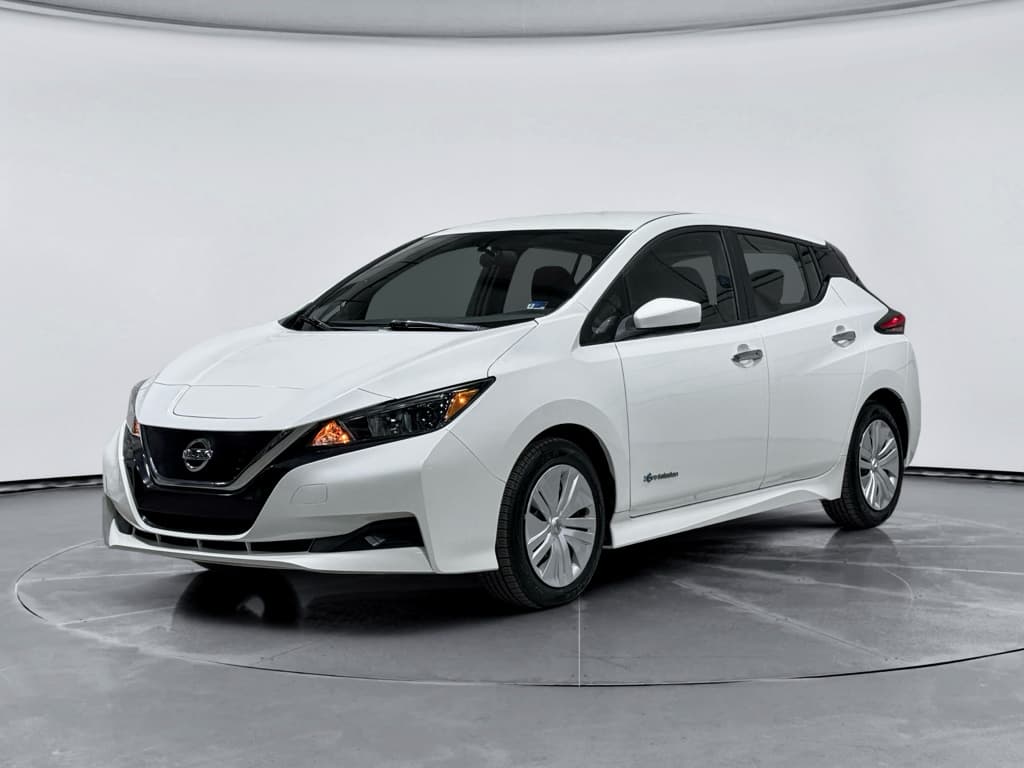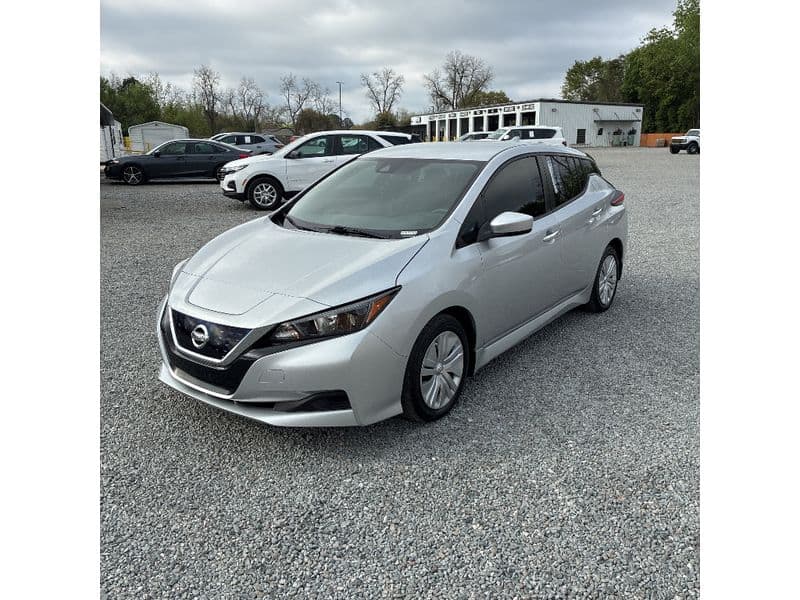
If you’re eyeing a used Nissan Leaf, the first questions that usually come up are: “How fast do these depreciate?” and “What is a fair price for a 5‑year‑old Leaf?” The Nissan Leaf depreciation curve over 5 years looks very different from a typical gas compact, and even from other EVs, because battery health and fast‑charging history matter as much as mileage.
Short answer
Why Nissan Leaf depreciation matters over 5 years
Depreciation isn’t just an abstract curve on a chart, it’s the single biggest part of your total cost of ownership. With a Nissan Leaf, the first 5 years are where most of the value drop happens, followed by a long plateau where prices are largely dictated by battery condition and range rather than age.
- If you’re buying used, understanding the 5‑year curve helps you avoid overpaying for a low‑range car.
- If you’re selling or trading in, it tells you whether it makes sense to sell now or hold the car a bit longer.
- If you’re comparing a Leaf to a gas compact (Civic, Corolla, Sentra), the curve helps you see how much of the Leaf’s fuel and maintenance savings get offset by faster early depreciation.
Key nuance with Leafs
How EV depreciation works, and what’s unique about the Leaf
Most new cars follow a familiar pattern: a big drop in the first 3 years, then a slower slide. EVs broadly follow that pattern too, but there are three extra forces at work, and the Nissan Leaf feels all of them strongly.
Three forces shaping Nissan Leaf depreciation
Why Leafs lose value differently from gas cars
Battery degradation
The Leaf uses a passively cooled battery, which is more sensitive to heat and repeated DC fast charging. Real‑world range can drop faster than on liquid‑cooled EVs, and the market prices that in.
Tech & range leapfrogging
Newer Leafs (40 kWh and 62 kWh) offer far better range and charging than early 24 kWh cars. When a new model year offers much more range for similar money, older trims depreciate harder.
Tax credits & pricing shifts
Used EV tax credits and aggressive incentives on new EVs can suddenly make a 3–5‑year‑old Leaf look overpriced, pushing used prices down even if the cars themselves haven’t changed.
Think “range per dollar,” not just age
The 5‑year Nissan Leaf depreciation curve by model and battery
Let’s simplify the Nissan Leaf lineup into three main buckets and look at how they typically depreciate over the first 5 years. To keep this practical, we’ll talk in approximate percentage ranges, not hard dollar amounts, because MSRP and incentives vary by model year and region.
Typical 5‑year depreciation ranges for the Nissan Leaf
Years 0–3: The steep slide
Across trims, the Leaf typically loses 35–45% of MSRP in the first three years. This is where new‑car incentives, technology leapfrogging, and the first visible signs of battery degradation have the biggest impact.
- Heaviest hit on early 24 kWh Leafs.
- 40 kWh and 62 kWh cars often hold a bit better because they still meet many drivers’ range needs.
Years 4–5: The curve flattens
Between years 4 and 5, many Leafs only lose another 10–15% of their original value. At this point, the market is paying mostly for remaining range rather than age.
- A well‑cared‑for 40 kWh Leaf can still be attractive.
- A 24 kWh Leaf with heavy degradation often ends up in a much lower price band.
Depreciation cliff cars

Battery health: the wildcard in every Leaf’s value
Two Leafs that rolled off the same assembly line on the same day can have wildly different 5‑year depreciation if they’ve lived different lives. One parked outside in Phoenix and fast‑charged daily can lose multiple capacity bars; another garaged in Seattle and mostly Level 2 charged can still feel nearly new.
How battery health reshapes the depreciation curve
Same age, different range, very different values
Hot climates + fast charging
High heat plus frequent DC fast charging accelerates degradation on the Leaf’s passively cooled battery. By year 5, that can mean 20–30% less usable range than a gently used counterpart.
Mild climates + gentle use
Garaged cars in cooler climates that live mostly on Level 2 charging can retain a surprising amount of capacity, keeping their real‑world range and resale value much closer to new.
Market reality
Buyers don’t talk in kilowatt‑hours; they ask: “How far will this go today?” The more range the pack still delivers, the smoother and shallower the car’s depreciation curve becomes after year 3.
Where Recharged adds value
Nissan Leaf vs gas car: 5‑year cost and depreciation
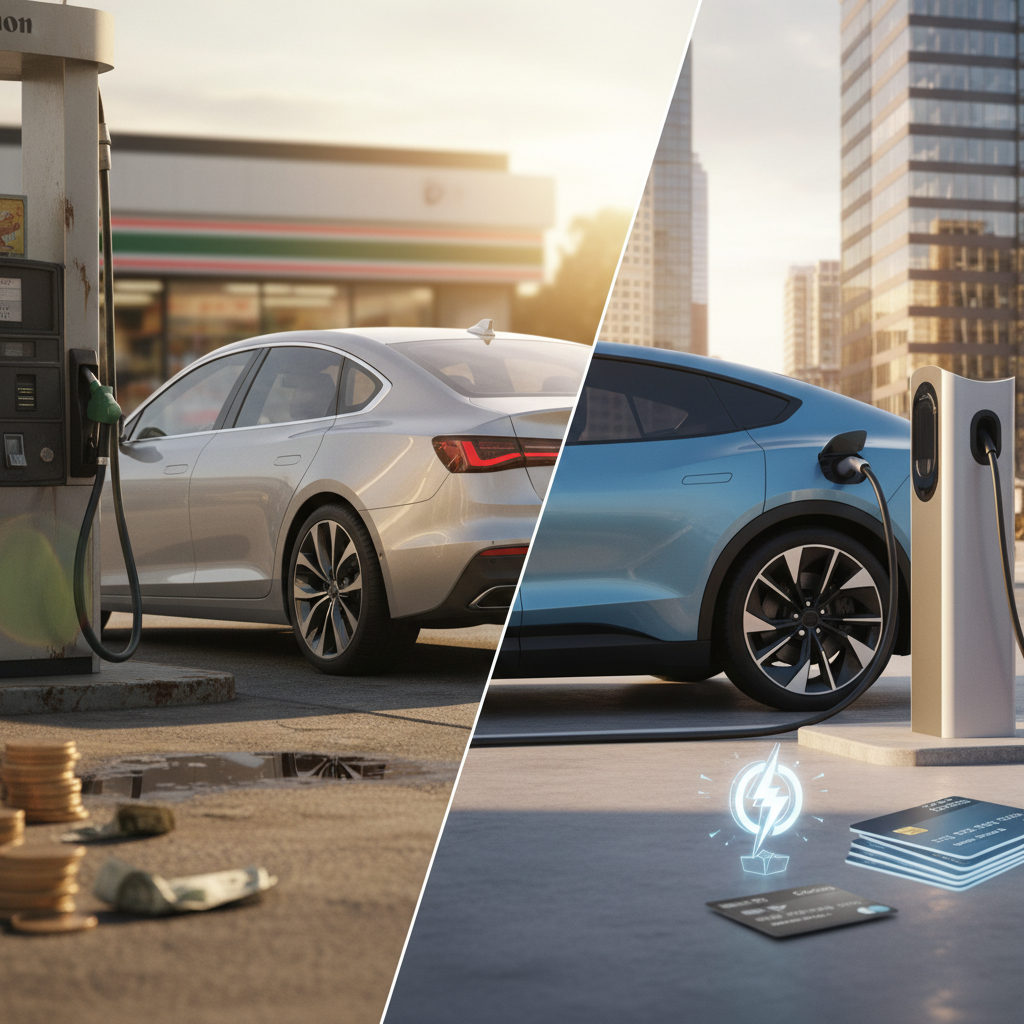
If you only look at depreciation, a Leaf can seem like a loser compared to a Honda Civic or Toyota Corolla. Many gas compacts hold 60–65% of their value after 5 years, while some Leafs are closer to 35–45%. But that’s only half the picture.
Where Leaf depreciation looks worse
- Faster early value drop: Incentives and rapid tech improvements hit early Leafs hard.
- Range anxiety discount: Buyers pay less when they’re unsure if the remaining range fits their life.
- Battery fear factor: Many shoppers overestimate the risk of needing a full pack replacement.
Where total 5‑year costs look better
- Fuel savings: Many owners save thousands on electricity vs gas, especially with home charging.
- Lower maintenance: No oil changes, fewer moving parts.
- Flat late‑life curve: Once the Leaf hits a certain price band, residual value tends to flatten; you can often run it for years with relatively little additional depreciation.
How to compare fairly
Used Nissan Leaf price bands by age and trim
Because actual dollar prices vary by region, incentives, and trim, it’s more useful to think in relative price bands: where each version of the Leaf tends to land after several years, assuming average use and a healthy battery.
Typical relative price bands for used Nissan Leafs
Conceptual view of how different Leaf variants stack up by age if battery health is average or better.
| Leaf variant & age | Typical position in used market | Typical buyer fit | Depreciation feel |
|---|---|---|---|
| 24 kWh Leaf (5–7 years old) | Lowest band in the Leaf market | Short‑trip city drivers, second cars, budget commuters | Feels heavily depreciated; value depends almost entirely on remaining range |
| 40 kWh Leaf (3–5 years old) | Mid‑market band | Daily commuters, first‑time EV buyers, small families | Steeper early drop but relatively stable once priced as a 150‑mile EV |
| 62 kWh Leaf Plus (3–5 years old) | Upper band among Leafs | High‑mileage commuters, occasional road‑trippers, range‑sensitive buyers | Holds value better; depreciation closer to mainstream EVs with similar range |
| 40/62 kWh Leaf (6+ years old) | Converging bands based on range | Budget shoppers who still want 120–150 miles of real‑world range | Age matters less; individual battery health matters most |
These ranges are directional, meant to show <strong>positioning</strong> rather than exact prices in your ZIP code.
How to “read” the depreciation curve when you’re buying
Looking at a chart of average Nissan Leaf depreciation is a useful starting point, but it won’t tell you if the particular car you’re considering is a deal or a dud. Here’s how to translate the theoretical curve into a smart decision on a real car.
6 ways to use the depreciation curve as a buyer
1. Start with battery size, not model year
A 3‑year‑old 24 kWh Leaf can be less useful than a 5‑year‑old 40 kWh Leaf. First, decide what <strong>minimum real‑world range</strong> you need, then look for cars whose current battery health supports that.
2. Adjust for climate and charging history
Ask where the car lived and how it was charged. Hot‑climate, fast‑charge‑heavy cars should be discounted relative to the average 5‑year depreciation curve; well‑cared‑for cooler‑climate cars can justifiably sit at the higher end of the range.
3. Don’t overpay for cosmetics
Because the market prices Leafs based on <strong>usable range</strong>, a cosmetically perfect car with mediocre battery health isn’t worth a big premium. It’s better to buy a clean, honest car with a strong pack than a showroom‑shiny one with weak range.
4. Compare to new and nearly new alternatives
If a slightly used, higher‑range EV (or even a new one with incentives) is priced close to your Leaf target, the Leaf needs to be discounted more steeply to justify its place on the curve.
5. Look at “years of service” remaining
A healthy 40 kWh Leaf that meets your range needs today and still will in 5 years is likely under‑appreciated by the market. The longer you can keep it without replacing the pack, the more you benefit from having bought it after the steep depreciation phase.
6. Use independent battery diagnostics
Factory capacity bars are a blunt instrument. A quantified <strong>battery health report</strong> (like the Recharged Score) lets you compare Leaf to Leaf and justify paying above or below the typical 5‑year depreciation value.
What Recharged’s pricing reflects
How Recharged evaluates Nissan Leaf depreciation and battery health
Because the Nissan Leaf’s resale value is so closely tied to unseen battery health, it’s exactly the kind of EV where a transparent, data‑driven process matters. Recharged is built around that idea.
Inside a Recharged Nissan Leaf evaluation
How we go beyond generic depreciation tables
Battery health diagnostics
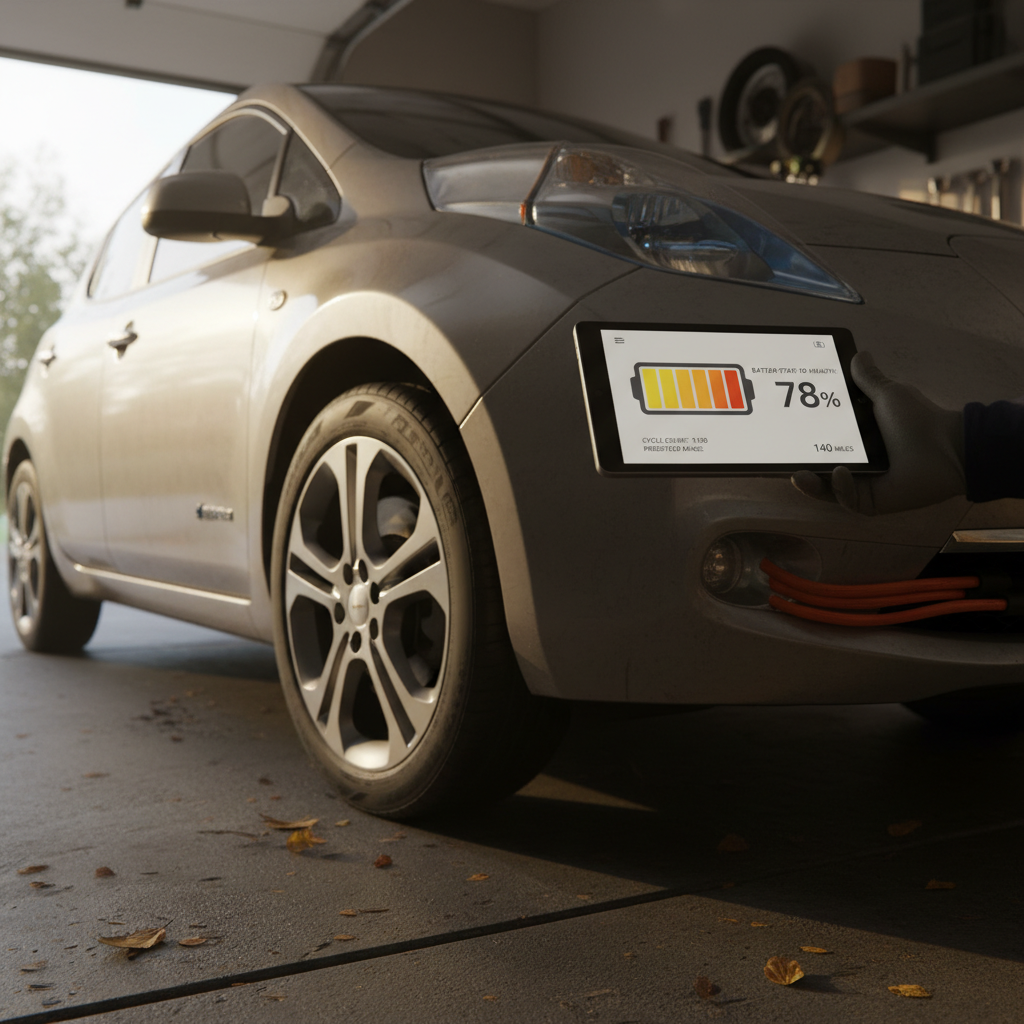
Our Recharged Score report uses pack‑level diagnostics to estimate remaining usable capacity, degradation versus typical Leafs of the same age, and signs of abuse (heat, fast‑charge patterns).
Fair‑market pricing
We combine market comps with that battery data. A high‑health Leaf might sit above the average 5‑year curve; a marginal one is priced accordingly, or we pass on it entirely.
Support from EV specialists
Our team walks you through what the numbers mean: how much real‑world range to expect, whether the car fits your use case, and how it stacks up versus other used EV options.
Ready to find your next EV?
Browse VehiclesShop Leafs the modern way
Checklist: becoming a smart used Nissan Leaf buyer
Before you put money down on a 5‑year‑old Nissan Leaf, run through this quick checklist. It’s essentially a practical way to apply everything you’ve learned about the model’s depreciation curve.
Pre‑purchase checklist for a 5‑year‑old Nissan Leaf
Confirm which battery you’re getting
Verify whether the car is 24 kWh, 30 kWh, 40 kWh, or 62 kWh, and make sure that pack size, and its current health, supports your daily and worst‑case driving needs.
Review the climate and charging story
Ask where the car spent its life and how it was charged. Daily DC fast charging in a hot climate is a red flag and should pull the car below the typical 5‑year price band.
Get a real battery health report
Use a trusted diagnostic (or buy through a platform like Recharged that provides one) so you’re not guessing based on capacity bars alone.
Benchmark against the curve
Compare the asking price to what a typical Leaf of that age and trim would sell for. Then move the number up or down based on <strong>actual measured health</strong> and your range needs.
Cross‑shop with other EVs and gas cars
Check what a similar‑age Bolt, Kona Electric, or Civic/Corolla costs in your area. If the Leaf is priced like a higher‑range alternative, it should either be a Plus model or have outstanding battery health.
Run a 5‑year total cost of ownership
Estimate your annual miles, local electricity vs gas costs, maintenance, and expected additional depreciation. Make sure the Leaf’s early‑life depreciation has already worked in your favor.
Nissan Leaf depreciation: FAQs
Frequently asked questions about Nissan Leaf depreciation
Bottom line: is a 5‑year‑old Nissan Leaf a good buy?
By year five, a Nissan Leaf has usually done the painful part of its depreciation. That can make a 5‑year‑old Leaf look like a steal, or a trap, depending on how much usable battery it has left. The key takeaway is that the Nissan Leaf depreciation curve over 5 years is really a story about range: once you understand how battery size, climate, and charging history shape that range, you can read the curve in your favor.
If you need a reliable commuter, have access to home or workplace charging, and buy a Leaf whose battery health you understand and trust, you’re letting someone else pay for the steep early drop while you enjoy the low running costs. Platforms like Recharged exist to make that process transparent, pairing Recharged Score battery diagnostics with fair pricing, EV‑savvy support, flexible financing, and nationwide delivery so you can buy a used Leaf with confidence instead of crossing your fingers.