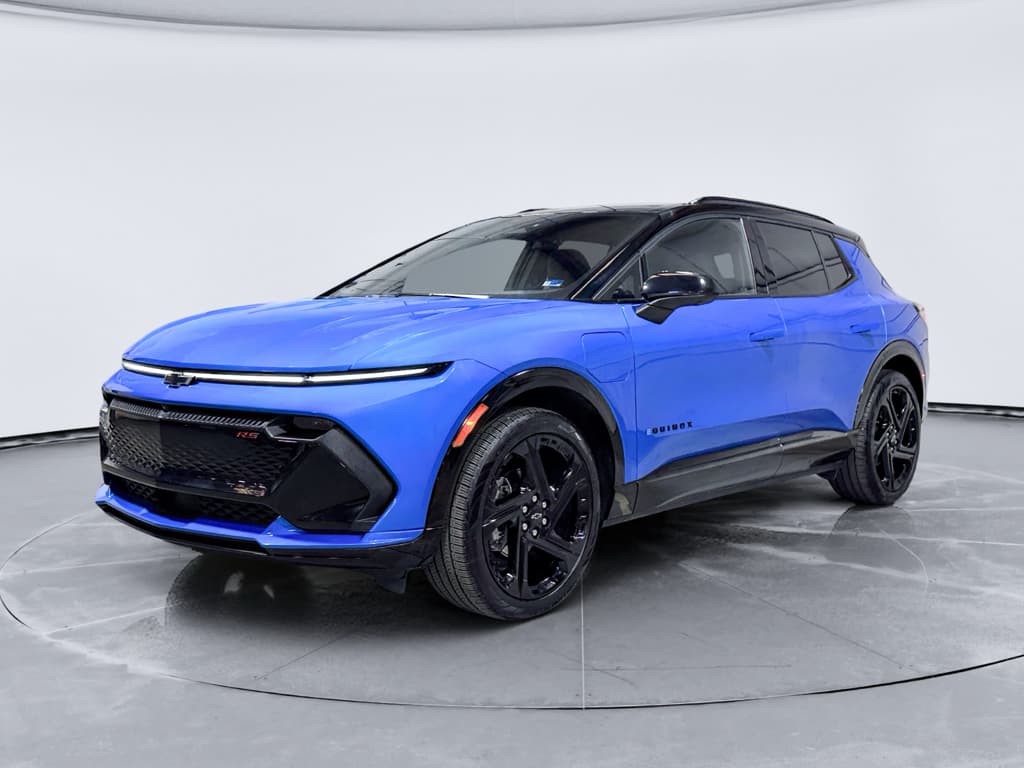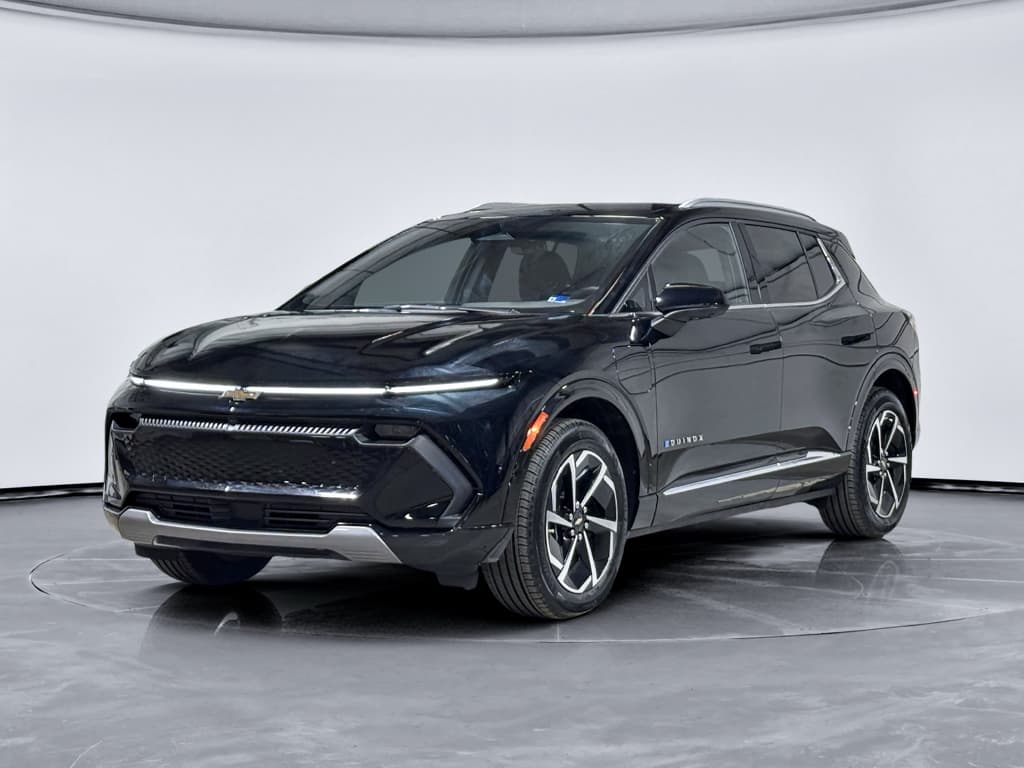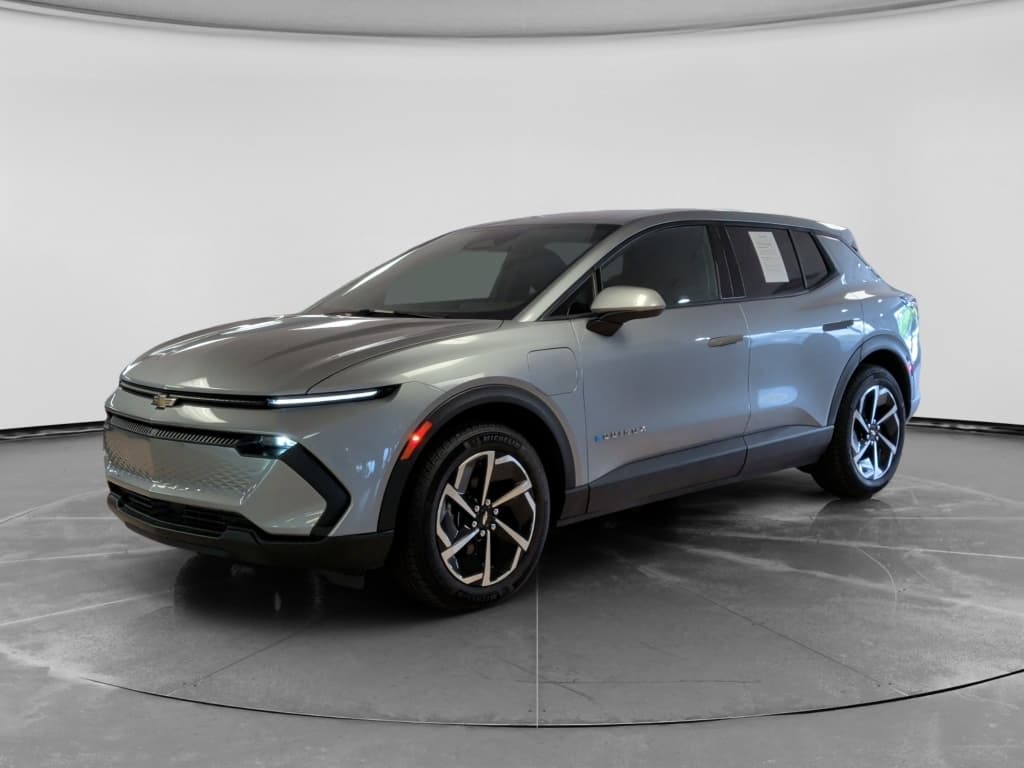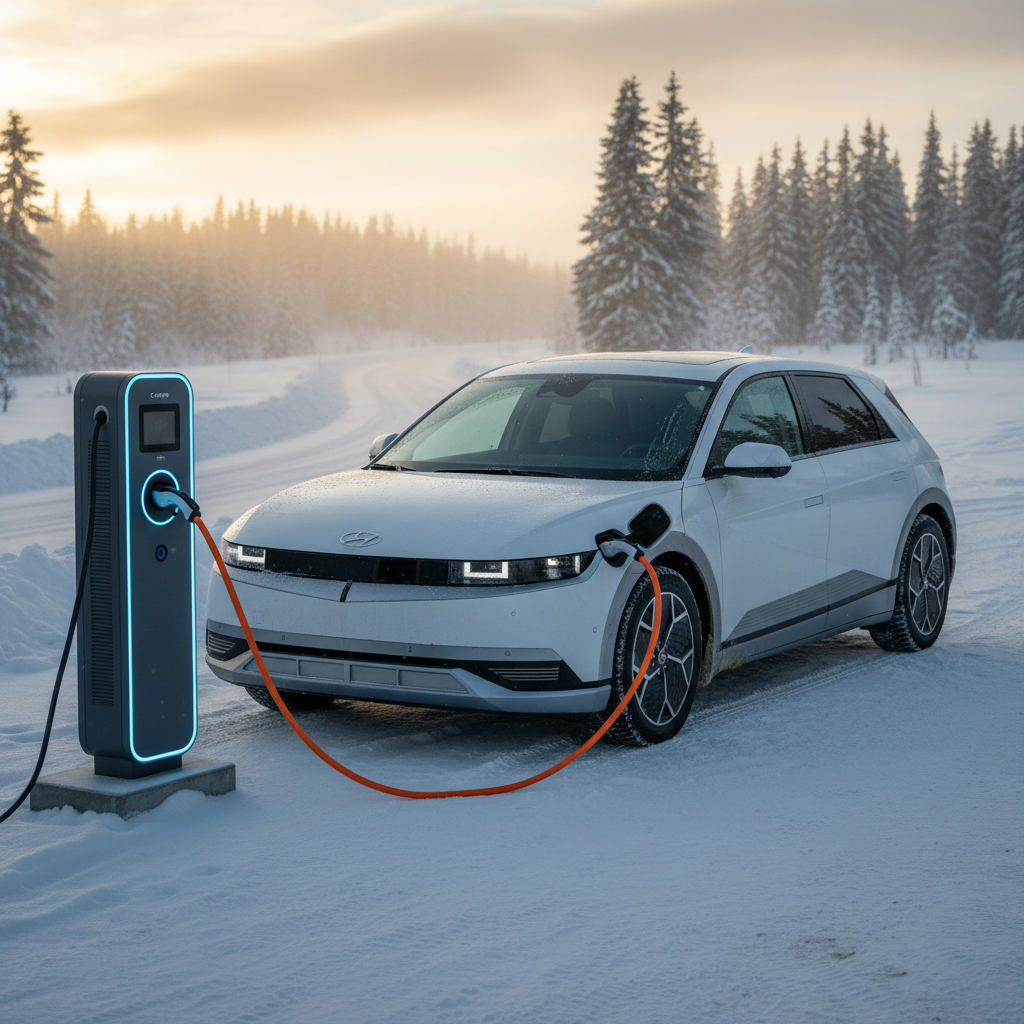
If you’re looking at a Chevrolet Equinox EV, or you just brought one home, the next question after range is simple: how fast does it really charge? This Chevrolet Equinox EV charging speed guide walks through Level 1, Level 2, and DC fast charging, using the Ultium platform’s specs and real-world owner experiences so you can plan your daily routine and road trips with confidence.
Quick Equinox EV charging snapshot
Chevrolet Equinox EV charging basics
The Equinox EV rides on GM’s Ultium platform with an 85 kWh battery pack on currently available trims. From a charging perspective, there are three speeds to understand:
- Level 1 (120V) – Standard household outlet using the portable cord. Slow, but works anywhere.
- Level 2 (240V) – Home or public AC charging, typically 32–48 amps. This is your everyday workhorse.
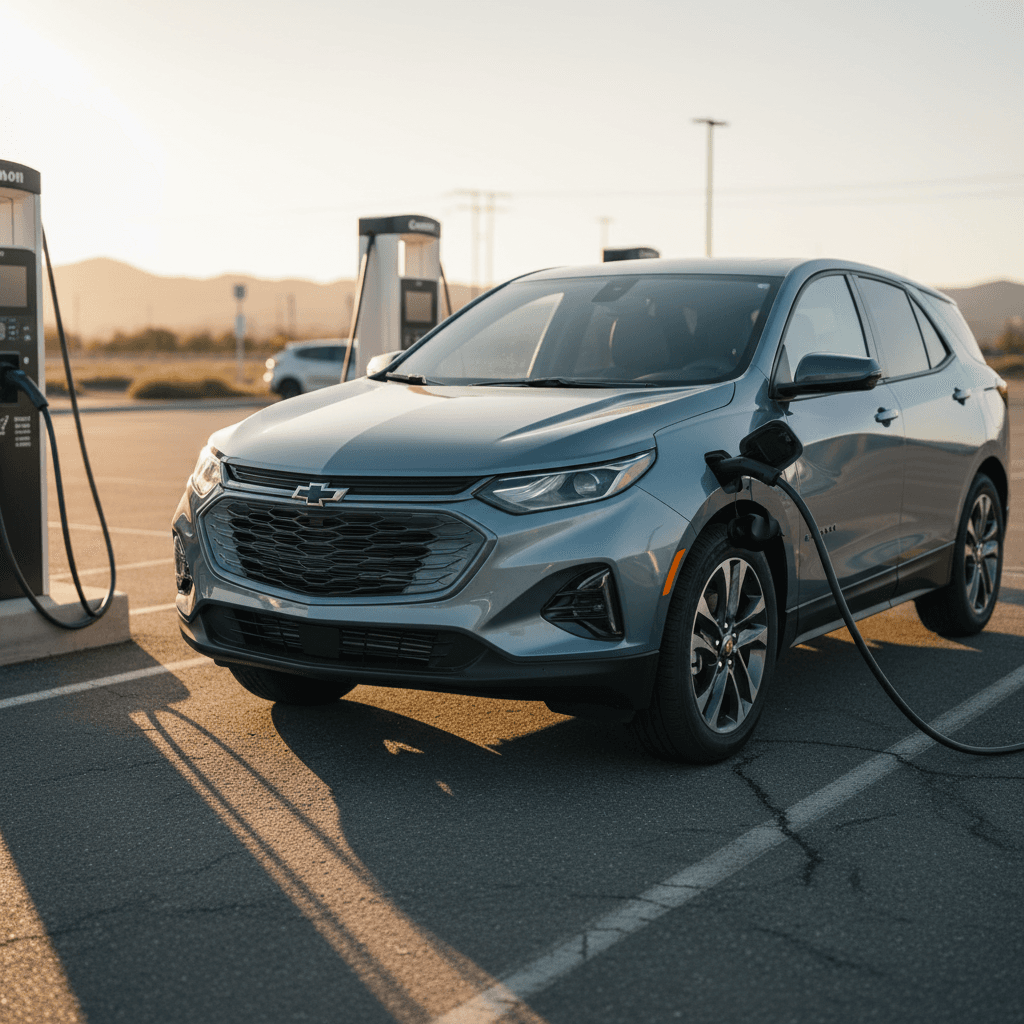
- DC fast charging – High‑power roadside chargers for quick top‑ups on trips, up to a rated 150 kW on the Equinox EV.
On paper, Chevrolet says the Equinox EV can add roughly 70–80 miles of range in about 10 minutes on a DC fast charger, thanks to that 150 kW peak and the relatively efficient compact‑SUV body. In reality, the car doesn’t sit at 150 kW for long, and battery temperature and state of charge (SoC) change the picture quite a bit, but it’s still a very usable road‑trip companion when you know what to expect.
Headline charging specs for the Equinox EV
How fast does the Equinox EV charge in the real world?
Let’s translate specs into something you can actually plan around. We’ll assume the common 85 kWh battery and a typical EPA range in the mid‑ to high‑200‑mile neighborhood, then look at how much range you add per hour (or per minute) of charging.
Real‑world Equinox EV charging times at a glance
Approximate times from low state of charge to 80% in mild weather
Level 1 (120V outlet)
- Power: ~1.4 kW (12A)
- 0–80%: well over 24 hours
- Use case: Occasional top‑offs, emergencies
Level 2 (11.5 kW)
- Power: up to 11.5 kW
- 10–80%: roughly 6–7 hours at home
- Use case: Overnight charging, daily driving
DC fast (up to 150 kW)
- Peak: around 100–150 kW briefly
- 10–80%: about 35–45 minutes in real life
- Use case: Road‑trip stops
Don’t obsess over 0–100%
Equinox EV home charging speeds: Level 1 vs Level 2
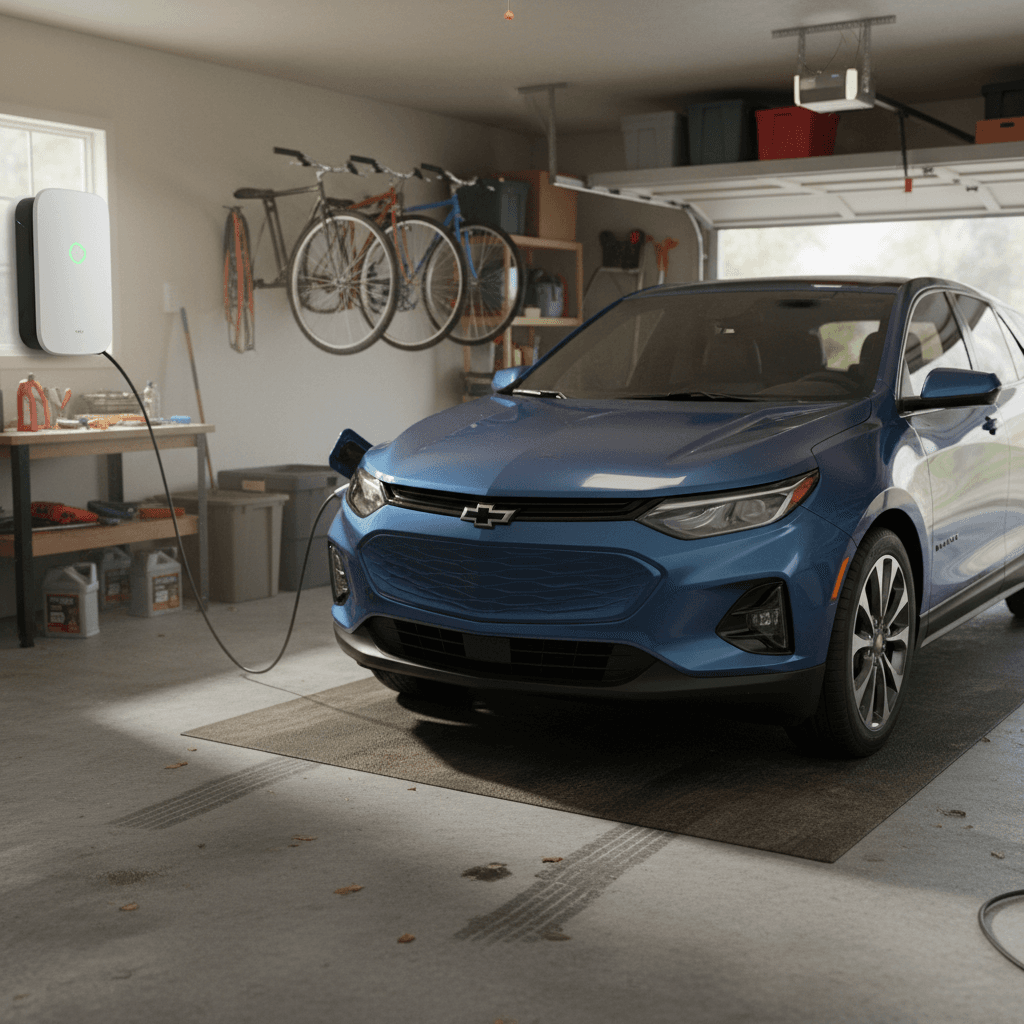
For most owners, home Level 2 charging is where the Equinox EV really earns its keep. The onboard charger is rated at 11.5 kW on most trims, with an optional 19.2 kW unit on select 3RS models. That number is the maximum AC power the car can accept; the actual speed depends on both the car and the charger or circuit you plug into.
Level 1: The just‑in‑case backup
- Uses a regular 120V household outlet at 12 amps.
- Delivers about 1.4 kW, only a few miles of range per hour.
- From low state of charge, a full charge can take more than a full day.
- Works if you’re staying with friends, or as a backup where no 240V is available.
If you drive very little, it can be enough. But most Equinox EV owners quickly look for something faster.
Level 2: The everyday workhorse
- Uses a 240V circuit, similar to an electric dryer.
- Common home setups are 32–48 amps (7.7–11.5 kW delivered).
- At 11.5 kW, you can roughly go from 10–80% in about 6–7 hours.
- In miles, expect on the order of 30–35 miles of range per hour of charging in many real‑world setups.
This is the sweet spot: plug in after dinner, wake up to a full battery in the morning.
Don’t oversize your home charger for nothing
Dialing in the right home charging setup
1. Confirm your trim’s onboard charger
Check your window sticker or owner’s manual to see if your Equinox EV has the standard 11.5 kW AC charger or the optional 19.2 kW unit on a 3RS trim.
2. Look at your daily miles
If you typically drive 30–60 miles per day, an 11.5 kW Level 2 setup is usually more than enough. Even a 32‑amp (7.7 kW) charger can cover that overnight.
3. Check your electrical panel
A full 11.5 kW draw requires a 60‑amp circuit; 19.2 kW wants 100 amps. Have a qualified electrician inspect your panel instead of guessing.
4. Decide between hardwired vs. plug‑in
Hardwired Level 2 units are cleaner and can support higher power. Plug‑in units add flexibility if you think you’ll move or want a simple install.
5. Use scheduled charging
Equinox EV software and many home chargers let you schedule charging to line up with cheaper overnight electricity rates. It’s worth the five minutes to set up.
DC fast charging the Equinox EV: What to expect
Chevy quotes up to 150 kW peak DC fast‑charge power for the Equinox EV and about 70–80 miles of range in roughly 10 minutes on a capable charger. That’s the marketing headline. Out in the wild, owners and testers are seeing charge curves that are a bit more nuanced, partly because Ultium uses a relatively low pack voltage in the Equinox, which limits current and how long the car can hold that peak.
Typical DC fast charging experience for the Equinox EV
Approximate real‑world results when starting around 10–20% on a 150 kW or higher charger in mild weather.
| From / to | Approx. time | Average power | What it feels like |
|---|---|---|---|
| 10% → 60% | ~20–25 minutes | 70–90 kW | Quick bathroom break and snack |
| 10% → 80% | ~35–45 minutes | 60–80 kW | Grab food, walk the dog, back on the road |
| 20% → 100% | ~55–70 minutes | Drops sharply after 80% | Not usually worth the extra time unless you truly need it |
Use these numbers as planning tools rather than promises, exact times vary by temperature, station, and software version.
Choosing between 150 kW and 350 kW chargers
5 factors that slow down Equinox EV charging
If your Equinox EV isn’t matching the numbers you see in ads, or in this guide, chances are one or more of these five factors are stacking against you. The physics is the same whether you’re at home or on the highway.
- Battery temperature – A very cold or very hot Ultium pack will limit charging power to protect itself. In winter, preconditioning and driving a bit before fast charging can help speed things up.
- State of charge (SoC) – The closer you get to 100%, the more the charge rate tapers. The Equinox EV, like most EVs, is much quickest between about 10–60%, then slows noticeably after 80%.
- Charger limitations – A public Level 2 pedestal set to 30 amps or a DC fast charger with shared power will cap your session. Your app may say “150 kW,” but the car only sees what’s left after other stalls have taken their bite.
- Onboard charger rating – For AC charging, the Equinox EV simply cannot exceed 11.5 kW without the optional 19.2 kW hardware. Plugging into a higher‑rated wall box doesn’t change that.
- Software and scheduling – Charge limits, departure times, and utility‑rate preferences in the car or the app can delay or slow charging. If something seems off, double‑check your settings before blaming the hardware.
Heat is the silent fast‑charging killer
Ideal charging strategies for daily life and road trips
With the Equinox EV, you don’t have to think about charging every minute of the day. You just need the right habits. Here are simple strategies that match how most people actually use this compact SUV.
Charging strategies by lifestyle
Daily commuter (20–60 miles/day)
Install a 240V Level 2 charger if possible; even 32 amps is usually enough.
Set a charge limit around 80–90% for everyday use to promote long‑term battery health.
Plug in when you get home and let the car or charger schedule around off‑peak electric rates.
Use Level 1 only when traveling or if home upgrades just aren’t in the cards yet.
Busy family / mixed driving
Aim for a solid 40‑amp (9.6 kW) or 48‑amp (11.5 kW) Level 2 setup at home.
Keep the battery between roughly 10–80% most of the time; don’t panic if you hit 100% before a long day trip now and then.
Use public Level 2 chargers when you’re at the mall, at kids’ activities, or downtown anyway, think of it as topping off instead of special trips to charge.
Save DC fast charging for road trips or true time‑crunch days.
Frequent road‑tripper
Plan legs that keep you between about 10–70% state of charge; that’s where the Equinox EV charges quickest.
Target DC fast chargers in the 125–250 kW range along your route; don’t worry about chasing the highest number on the map.
Stop a little earlier and more often rather than running the pack nearly empty. It’s easier on both you and the battery.
Precondition the battery before major fast‑charge stops if your software and route planner support it, especially in very cold weather.
Make charging part of your rhythm, not your day
Should you upgrade to the 19.2 kW Equinox EV charger?
Some 3RS trims of the Chevrolet Equinox EV are available with an optional 19.2 kW onboard AC charger. On paper, that’s a big jump from 11.5 kW. In practice, it’s more complicated, and for many households, it’s overkill.
When 19.2 kW can make sense
- You have access to a 100‑amp, 240V circuit and a matching high‑power wall box.
- You regularly drive long distances daily and truly need to recover 50–60+ kWh in a short overnight window.
- You’re installing service for multiple EVs and want one "express lane" spot in the garage.
In those edge cases, cutting a 10–80% charge almost in half compared with 11.5 kW can be handy.
When you’re better off saving the money
- Most homes don’t have 100 amps of spare capacity just waiting for an EV charger.
- Many public Level 2 stations top out below 19.2 kW anyway.
- For typical commuting, an 11.5 kW setup already leaves hours of cushion overnight.
- The same budget might go further invested in a well‑installed 11.5 kW charger plus some panel upgrades.
For the average Equinox EV owner, the standard AC charger is the smarter, simpler choice.
Think panel capacity before peak kW
Charging speed comparison table for Equinox EV
Here’s a side‑by‑side look at how the main charging options stack up for the Chevrolet Equinox EV. Use this as a planning tool when you’re choosing hardware or mapping a trip.
Chevrolet Equinox EV charging speed comparison
Approximate values based on an 85 kWh pack, mild temperatures, and typical real‑world charging hardware.
| Charging type | Power (approx.) | Miles of range added | Time from ~10–80% | Best use case |
|---|---|---|---|---|
| Level 1 (120V, 12A) | 1.4 kW | ~3–4 mi/hour | Well over 24 hours 0–100% | Emergency / very light use |
| Level 2 (240V, 32A) | 7.7 kW | ~20–25 mi/hour | ~8–9 hours | Overnight in smaller homes |
| Level 2 (240V, 48A) | 11.5 kW | ~30–35 mi/hour | ~6–7 hours | Typical home / workplace |
| Level 2 with 19.2 kW option | Up to 19.2 kW | ~45–55 mi/hour | ~4–4.5 hours | Heavy daily use & robust electrical service |
| DC fast (peak ~150 kW) | 60–100+ kW average during 10–80% | Roughly 3–5 mi/minute | ~35–45 minutes | Road‑trip top‑offs |
Actual results vary with temperature, elevation, driving style, and charger behavior, but this table will get you in the right ballpark.
Buying a used Equinox EV? How to evaluate charging and battery health
On the used market, two identical‑looking Equinox EVs can feel very different at the plug. How the previous owner charged, how often the pack was fast‑charged, and even where the car lived all influence long‑term battery health and charging behavior.
Used Equinox EV charging & battery checklist
Ask for detailed charging history
Look for patterns: mostly home Level 2 at 80–90% limits is a good sign. A life spent at high SoC and frequent DC fast charging in extreme heat can be tougher on the pack.
Check current fast‑charge performance
If you can, do a quick DC fast‑charge test from ~20–60%. A healthy Equinox EV should ramp up quickly and sustain solid power for at least part of that window.
Evaluate home charging hardware
If the seller includes a Level 2 charger, confirm its amperage rating and installation quality. A poorly installed unit can underperform, or be unsafe.
Look for software updates
GM has been refining charging behavior via over‑the‑air and dealer updates on its Ultium vehicles. Make sure the car is up to date before you judge its charging speed.
Use objective battery health data
At Recharged, every used EV gets a Recharged Score and battery health diagnostic so you’re not guessing about pack condition or charging performance before you buy.
How Recharged helps you buy smarter
Ready to find your next EV?
Browse VehiclesChevrolet Equinox EV charging FAQ
Frequently asked questions about Equinox EV charging
The Chevrolet Equinox EV won’t top every charging‑speed leaderboard, but with a solid Level 2 setup at home and a realistic understanding of its DC fast‑charging behavior, it’s an easy EV to live with. Once you stop fixating on 0–100% and focus on the quick 10–80% window, its Ultium battery and compact‑SUV efficiency work quietly in your favor. If you’re shopping used, a transparent battery health report, like the Recharged Score, turns charging speed from a question mark into just another spec, and lets you get back to enjoying the drive.