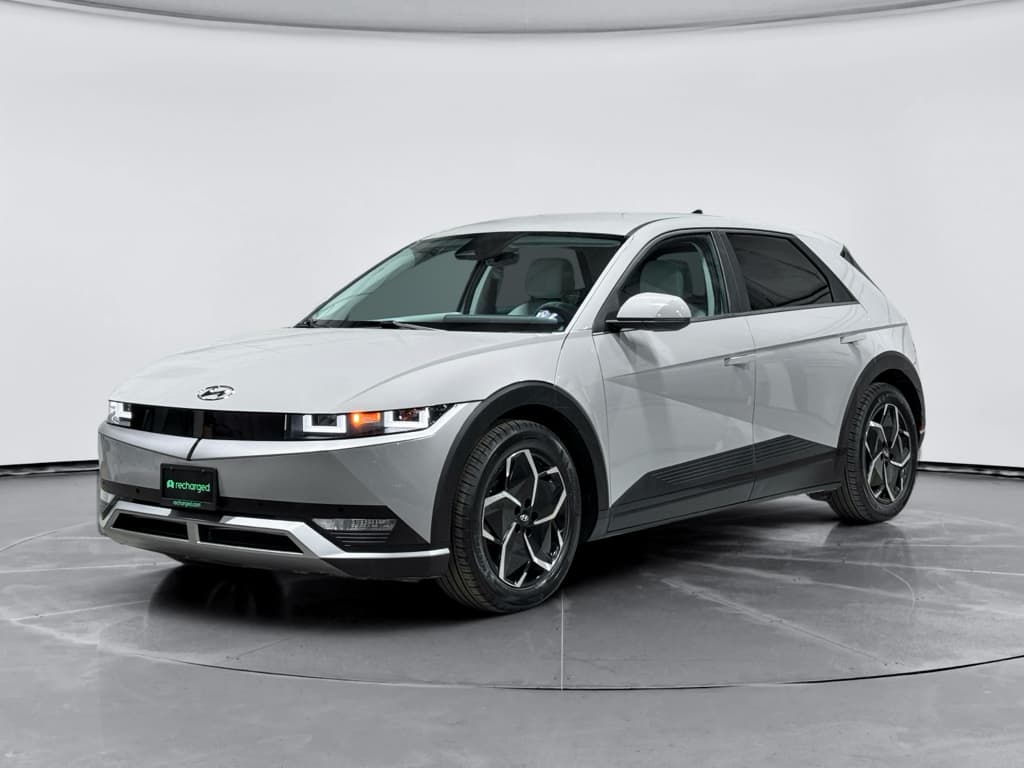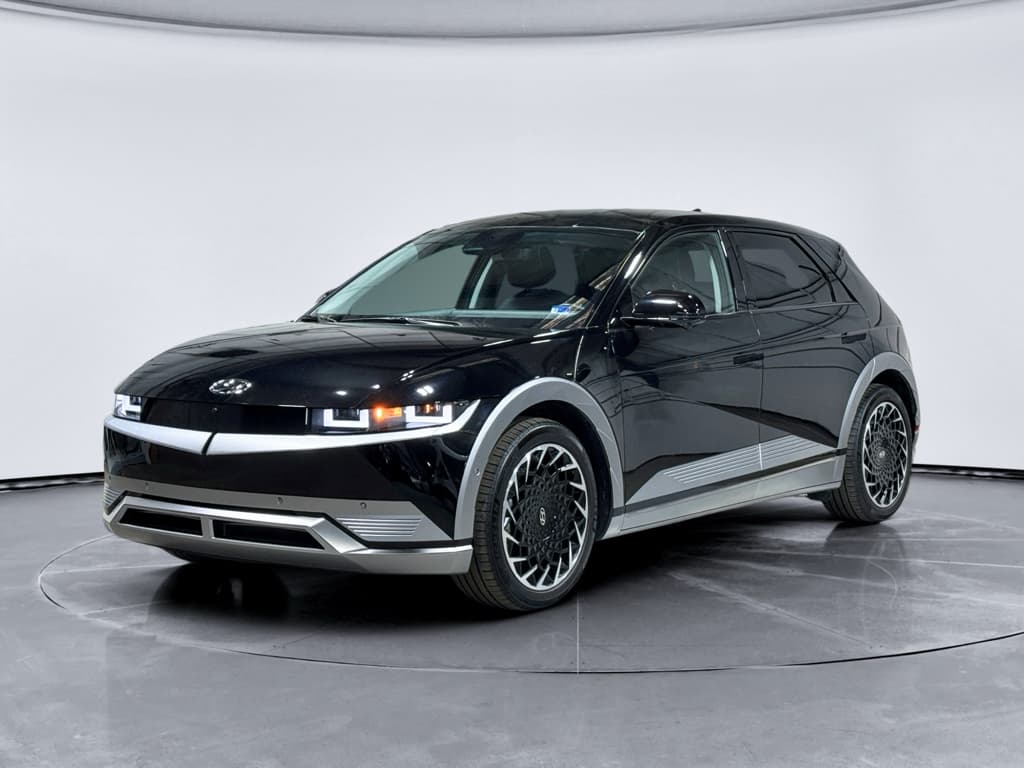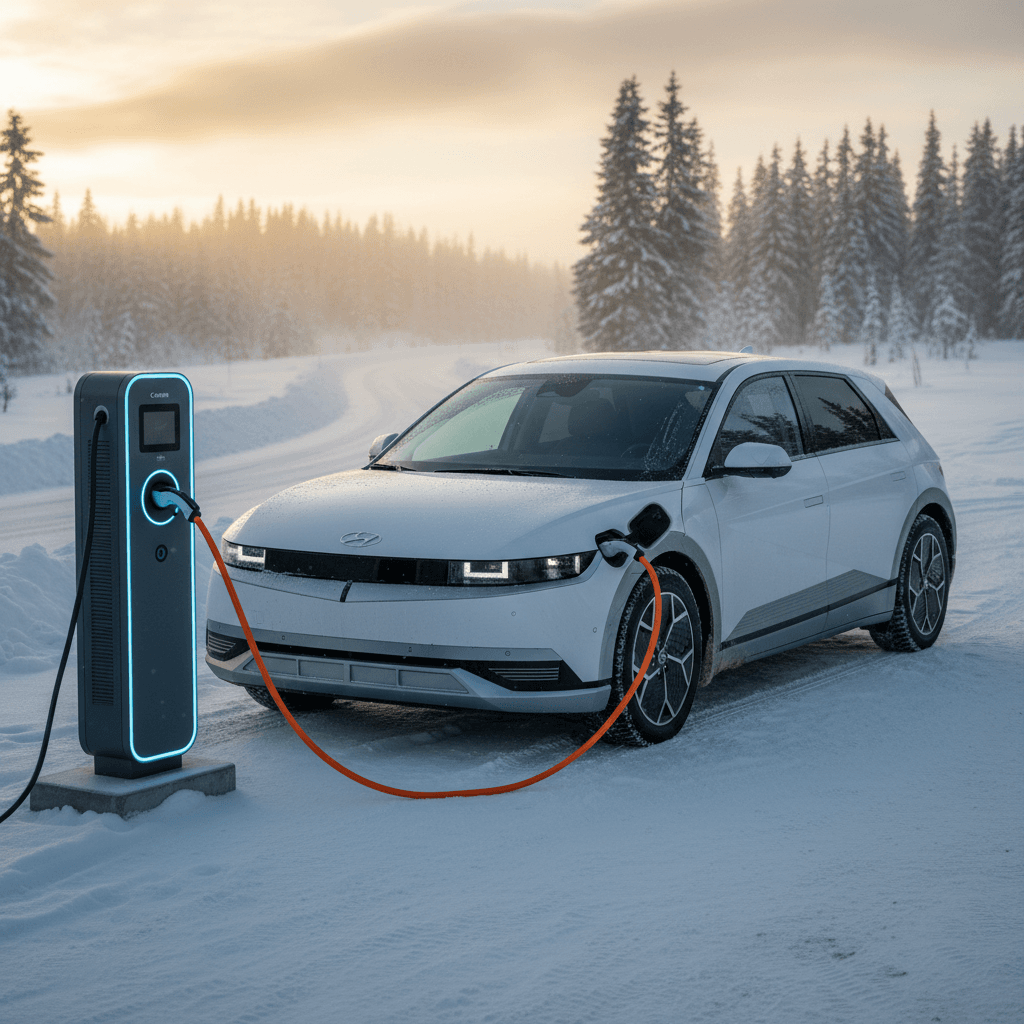
If you own a Hyundai Ioniq 5 or you’re thinking about buying one, you’ve probably heard the horror stories about EV range in cold weather. The good news is that the Hyundai Ioniq 5 actually holds up better than many electric SUVs in winter. The key is knowing what its range looks like once the temperature drops, and how to use the car’s tech to your advantage instead of fighting it.
Quick take: Ioniq 5 range in cold weather
Hyundai Ioniq 5 EPA range: your starting point
Before you can make sense of Hyundai Ioniq 5 range in cold weather, you need a baseline. That’s the EPA range number printed on the window sticker and in the spec sheet. Think of it as a best‑case, mild‑weather estimate on relatively gentle driving. Real life, especially winter, will chip away at it.
Hyundai Ioniq 5 EPA-estimated range by battery and drivetrain
These are representative EPA range ratings for recent U.S. Ioniq 5 model years. Exact numbers vary slightly by year and trim, but the pattern is the same: rear‑wheel drive models go farthest; standard range and AWD trims trade some range for cost or traction.
| Battery / Drivetrain | Example trims (2025–2026) | EPA range (mi) |
|---|---|---|
| Standard Range RWD (smaller pack) | SE RWD (Standard Range) | ~220–245 |
| Long Range RWD (large pack) | SE / SEL / Limited RWD | ~303–318 |
| Long Range AWD | SE / SEL AWD | ~269–290 |
| Long Range AWD (off-road style) | XRT AWD | ~259–269 |
Use these EPA numbers as your summer benchmark, then apply winter‑weather discounts in later sections.
Don’t compare yourself to the wrong number
How much range you’ll lose in winter
Typical Hyundai Ioniq 5 winter range impact
Put simply, if your trim is rated for about 300 miles, a realistic cold‑weather plan is to treat it like a 210–240‑mile car, especially on the highway. On short, stop‑and‑go city trips in the cold with a warm cabin, it can feel more like 180–200 miles between charges because you’re paying a bigger penalty to keep the cabin comfortable.
A simple winter planning rule
Why cold weather cuts Ioniq 5 range
Cold weather doesn’t single out the Ioniq 5, every EV loses range when temperatures drop. But understanding the “why” helps you figure out how much of that loss you can control and how much is just physics doing its thing.
The main culprits behind winter range loss
Some you can manage, some you simply plan around.
Colder battery chemistry
Cabin heating draw
Air density & rolling resistance
How this feels from the driver’s seat
You’ll notice three things first: your projected range drops as soon as the car is cold‑soaked, the **first few miles** of a drive are surprisingly inefficient, and cabin heat seems to nibble away at your range more than the A/C ever did in summer.
What you can and can’t fix
You can’t change physics, but you can change how much range you waste on warm‑up cycles, unnecessary high speeds, and blasting the cabin like a sauna. The rest of this guide is about stacking small wins so your winter range looks a lot less scary.
Ioniq 5 features that help in the cold
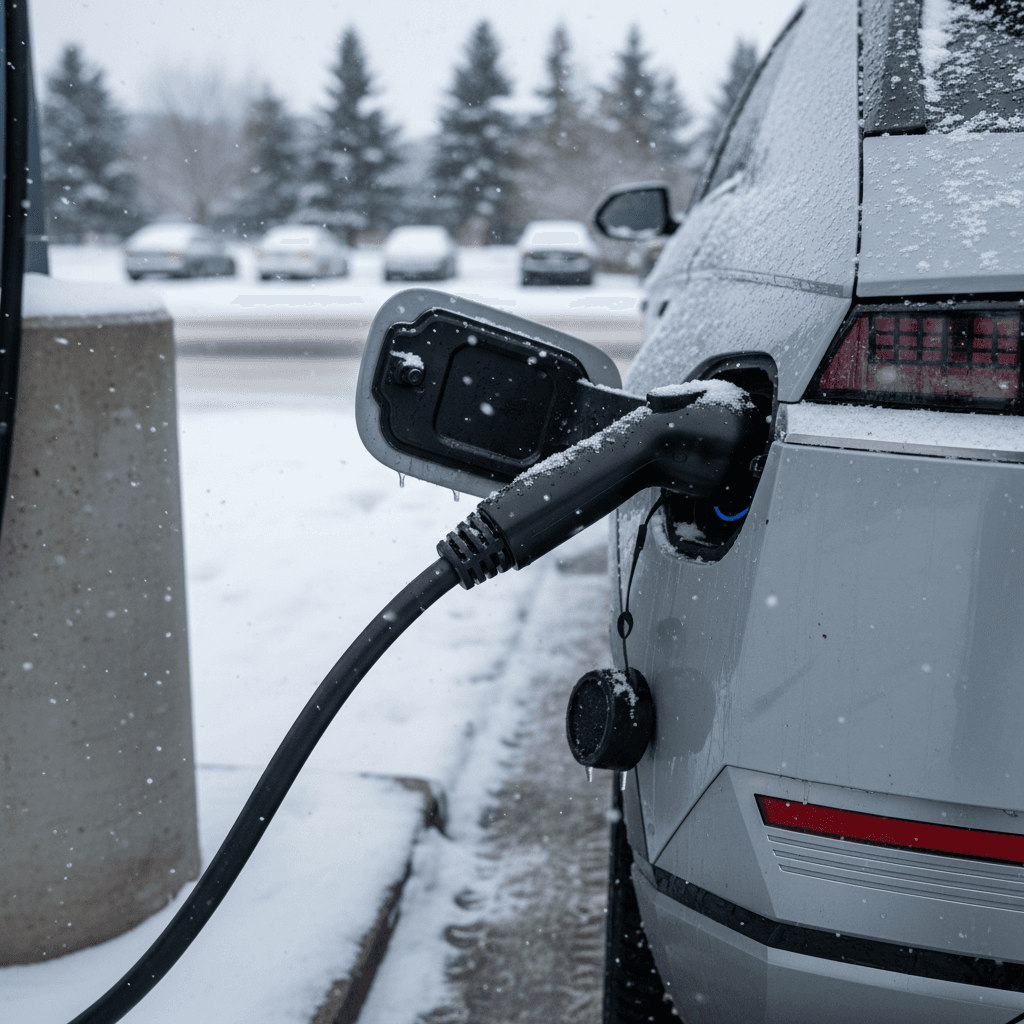
Hyundai didn’t leave you defenseless. The Ioniq 5 comes with a **heat pump**, clever battery‑warming tech, and software updates that have quietly made cold‑weather behavior better since the 2022 launch. The exact features you have will depend on model year and options, which matters if you’re shopping used.
Key Ioniq 5 winter-friendly features
Know what your car can do, and how to use it.
Heat pump HVAC
Battery warming / winter mode
Battery preconditioning for DC fast charging
Model years and preconditioning, in plain English
- Use the **hybrid heated seat + mild cabin temp** combo instead of cranking the cabin to 75°F; it’s much more efficient.
- Turn on **steering‑wheel heat** when you have it; keeping your hands and core warm matters more than heating unused space.
- If your car offers scheduled climate, **pre‑heat while plugged in** so the cabin (and battery, indirectly) warm up on shore power instead of from the high‑voltage pack.
Real-world Ioniq 5 winter range examples
Numbers are comforting, but what you really want to know is, “What will my day look like?” Here are some realistic scenarios that line up with what Ioniq 5 owners and independent tests report in cold climates.
Sample Ioniq 5 winter range scenarios
These are illustrative, not guarantees, but they give you a grounded sense of what to expect when temperatures drop.
| Scenario | Conditions | Trim type | Realistic usable winter range |
|---|---|---|---|
| Suburban commute, light winter | 25–35°F, mix of city and 45–60 mph, cabin at 68°F, some pre‑heat on plug | Long Range RWD (~303–318‑mi EPA) | ~220–250 miles |
| Cold highway road trip | 10–25°F, 70–75 mph, dry roads, cabin at 70°F | Long Range AWD (~269–290‑mi EPA) | ~185–220 miles |
| Short-hop errands all day | 15–30°F, 2–5 mile trips with cool‑downs between, cabin always warm | Any long‑range trim | Feels like ~150–190 miles between charges |
| Deep‑cold ski weekend | 0–15°F, climb to elevation, snow tires, loaded with gear | Long Range AWD or XRT | Plan around ~65–70% of EPA rating |
Assumes a healthy battery and tires properly inflated for winter.
Why short trips are range killers
Driving habits that make or break winter range
The Hyundai Ioniq 5’s hardware is excellent; your right foot and your climate‑control habits decide the rest. A few changes in how you drive and charge can give you back dozens of miles of range on a cold day.
High-impact habits for better cold weather range
None of these are painful, together they add up.
Tame your highway speed
Choose Eco or Normal, not Sport
Charge smart between 10–80%
Use regen paddles wisely
Plan winter routes around chargers, not the other way around
Winter range checklist for Ioniq 5 drivers
Cold-weather game plan for your Ioniq 5
1. Start with realistic range math
Take your trim’s EPA range and multiply by 0.8 for typical winter, 0.7 for worst‑case highway in deep cold. Plan trips around that number, not the big headline on the window sticker.
2. Warm the car while plugged in
Whenever possible, schedule cabin pre‑heat while connected to a Level 2 charger at home or work. You arrive to a comfortable cabin and a battery that’s already easing toward its happy temperature.
3. Use seat and wheel heat first
Set the cabin to a modest temperature (66–70°F) and lean on heated seats and steering wheel. They use far less energy than constantly reheating cold cabin air.
4. Combine short trips
Instead of three cold starts for separate errands, bundle them into a single loop. That way the Ioniq 5 only has to pull itself (and you) out of the deep‑freeze once.
5. Check your tires and pressures
Cold weather knocks several PSI out of your tires. Under‑inflated or aggressive winter tires can steal range. Keep pressures at the door‑jamb spec and consider low‑rolling‑resistance winter options if you drive in snow all season.
6. Learn and use battery preconditioning
If your Ioniq 5 supports it, get comfortable using navigation‑triggered battery preconditioning for DC fast charging. You’ll spend far less time at the charger when the pack is already warm.
Shopping used? Winter range questions to ask
If you’re considering a used Hyundai Ioniq 5, winter range should be part of your shopping conversation, especially if you live in the Snow Belt or do regular ski trips. The good news: the Ioniq 5’s battery chemistry has held up well so far, and smart shoppers can find cars that are already updated with the latest cold‑weather software.
Key winter questions for used Ioniq 5 shoppers
These help you understand how the car will behave once the temperature drops.
Which battery and drivetrain?
What software is it running?
How’s the battery health?
Where Recharged fits in
Ready to find your next EV?
Browse VehiclesHyundai Ioniq 5 cold weather range: FAQ
Frequently asked questions about Ioniq 5 range in cold weather
Bottom line: how worried should you be?
If you’re eyeing a Hyundai Ioniq 5 and winter is a fact of life where you live, you don’t need to panic, you just need to be realistic. Expect your **Hyundai Ioniq 5 range in cold weather** to land around 70–85% of its EPA rating depending on temperature, speed, and how you use the heat. The car’s heat pump and battery‑warming tech put it ahead of plenty of rivals, but no EV is immune to physics.
Treat the EPA range as a summer best case, plan your winter drives around a slightly smaller number, and lean on tools like cabin pre‑heat, seat heaters, and battery preconditioning for fast charging. Do that, and the Ioniq 5 becomes a confident, comfortable all‑weather companion, not just a fair‑weather commuter. And if you’re shopping used and want a clear, data‑backed view of battery health before you sign, a Recharged Ioniq 5 with a full Recharged Score report can take a lot of the guesswork, and winter‑range anxiety, out of the equation.