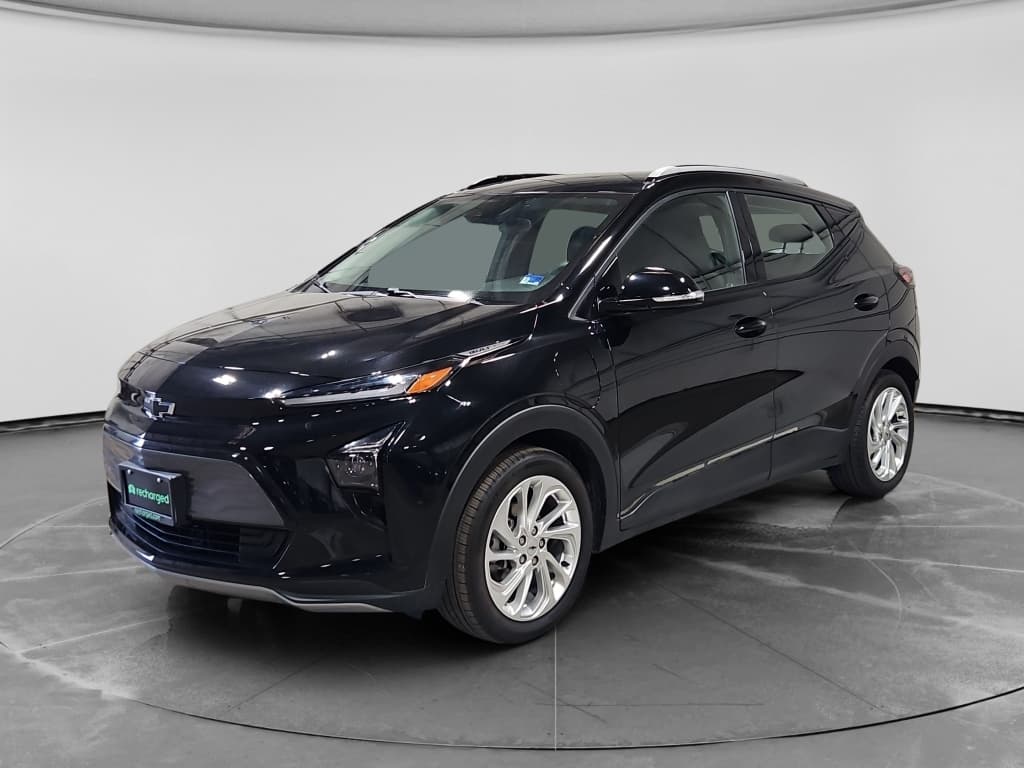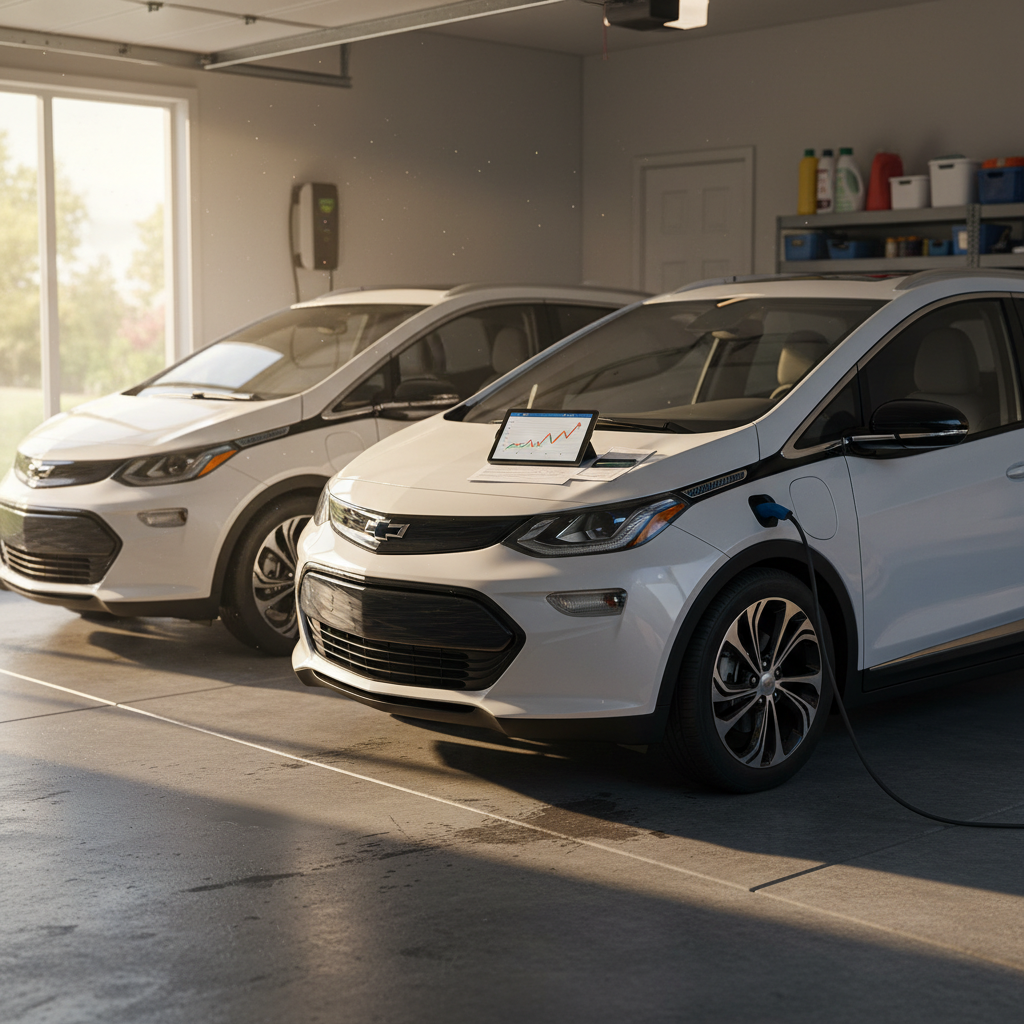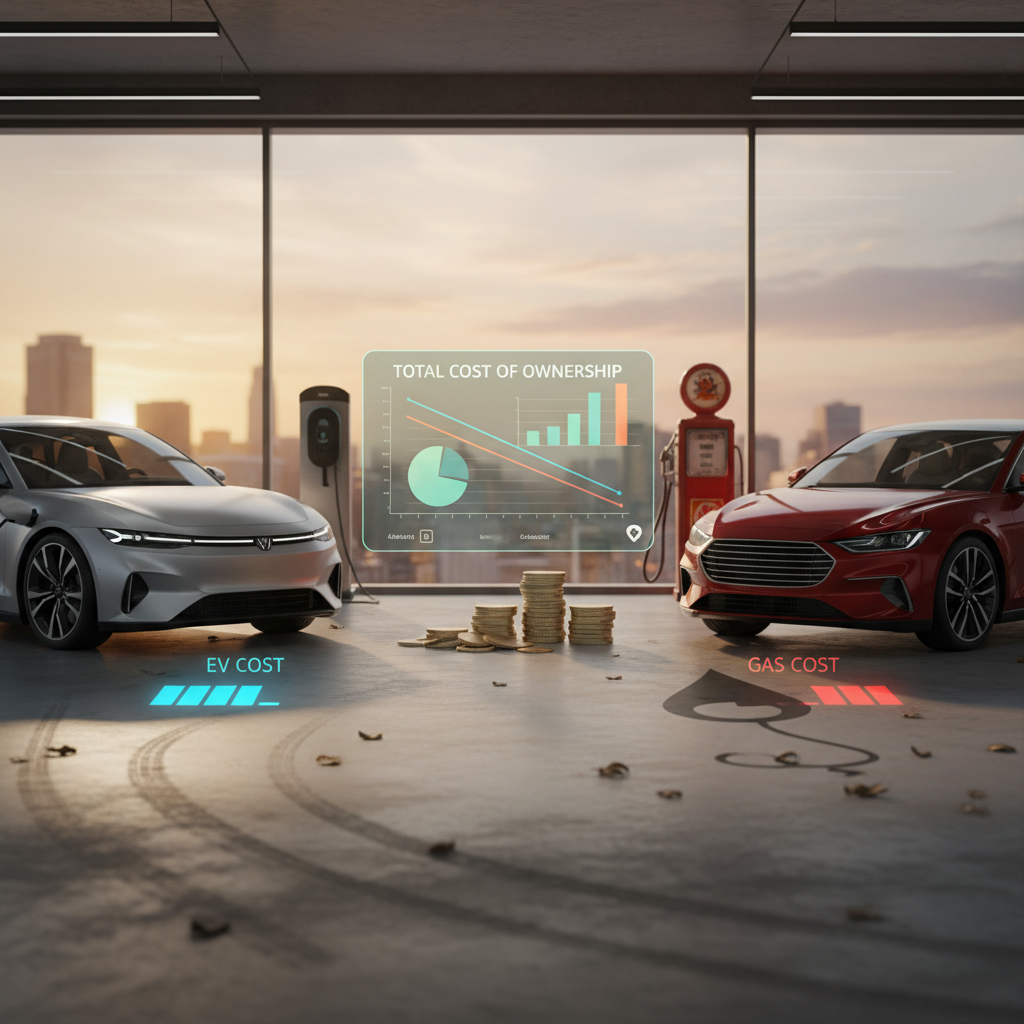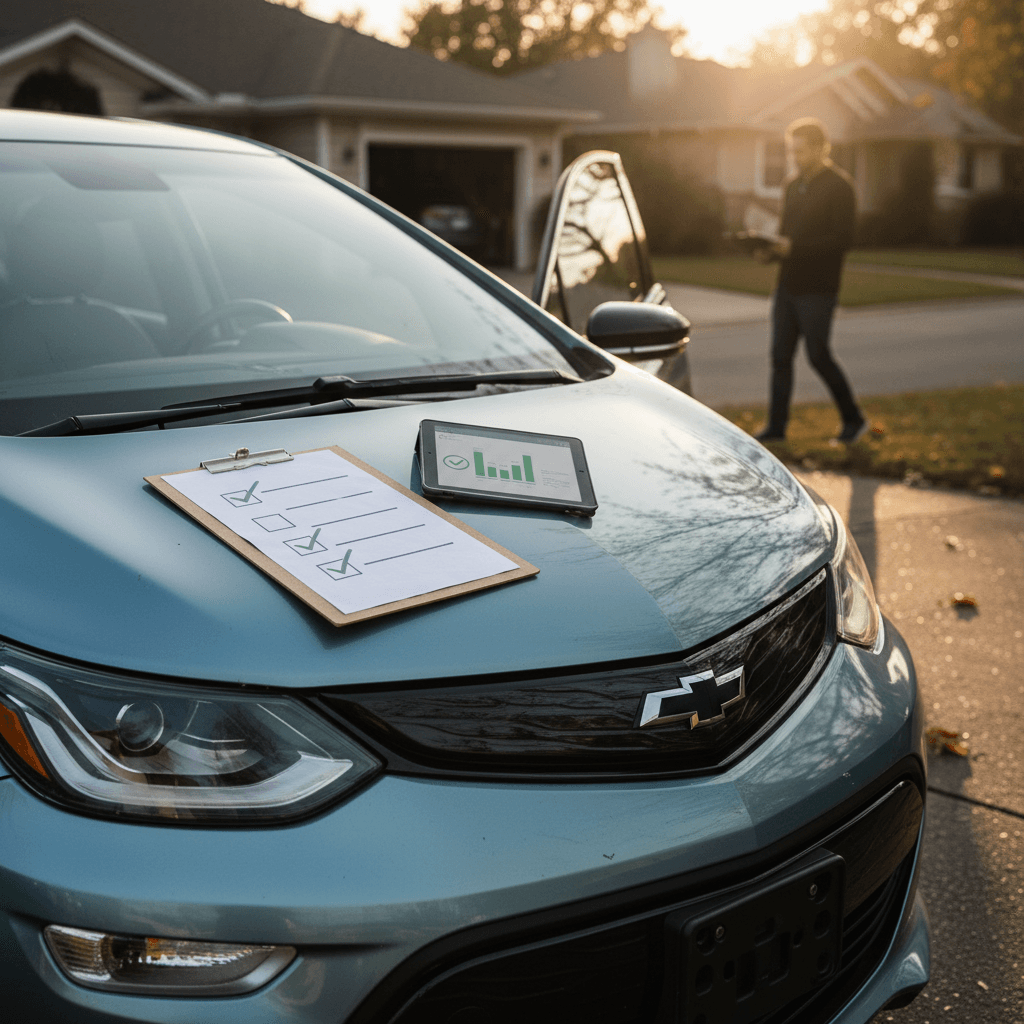
If you own a Chevrolet Bolt EV, you’re sitting on one of the most in‑demand used EVs in 2026. But between the battery recall history, fast‑moving prices, and tax‑credit rules, selling one isn’t quite like selling a used gas car. This Chevrolet Bolt EV selling checklist walks you step‑by‑step through everything to do before you list, so you can sell quickly, confidently, and for the right price.
The short version
Why a Bolt‑specific selling checklist matters in 2026
You’re not just selling a used hatchback, you’re selling an affordable commuter EV with a complicated backstory. Every Bolt EV from 2017–2022 was subject to a high‑profile battery recall, and many have now had full pack replacements. At the same time, average used EV prices fell sharply in 2024 before stabilizing, and by late 2025 the Bolt had settled into a sweet spot as one of the most popular used EVs on the market.
Chevy Bolt EV on the used market in 2025–2026
Why preparation matters
Step 1: Decide how you want to sell your Chevrolet Bolt EV
Option A: Sell it yourself (private party)
- Highest potential sale price if you’re patient.
- You handle photos, listings, test drives, and paperwork.
- Best when your Bolt is clean, well‑maintained, and you’re comfortable explaining EV basics to shoppers.
Option B: Trade‑in or instant offer
- Lower hassle, faster transaction, often slightly lower price.
- Good if you’re buying another vehicle soon or don’t want to deal with strangers and test drives.
- Ideal if your Bolt has higher mileage or cosmetic flaws that private buyers may nitpick.
Where Recharged fits in
Ready to find your next EV?
Browse VehiclesStep 2: Gather Bolt EV documents and recall proof
Chevy Bolt shoppers are unusually detail‑oriented. Before you take photos or field questions, assemble a clean, complete set of documents that answer the big concerns up front, especially recall history and warranty coverage.
Paperwork to gather before you list
1. Title or payoff information
If you own the Bolt outright, locate the physical title. If there’s a loan, get a current payoff quote from your lender so you can explain exactly how you’ll handle payment and release of the title.
2. Service and repair records
Print or save PDFs of routine maintenance, tire rotations, brake work, and any warranty repairs. Buyers expect <strong>less maintenance</strong> on an EV, but they like to see that cabin filters, tires, and brake fluid have been addressed on schedule.
3. Battery recall documentation
Log in to GM’s owner portal or visit the NHTSA recall site with your VIN. Print or screenshot confirmation that <strong>all battery recall campaigns have been completed</strong> and, if applicable, the date and mileage of a full pack replacement.
4. Remaining warranty details
Know when your Bolt’s <strong>8‑year/100,000‑mile high‑voltage battery warranty</strong> started and ends. Many buyers will specifically ask, and a car with several warranty years left is easier to sell.
5. Charging equipment and accessory list
Gather the OEM portable charge cord, any aftermarket Level 2 EVSE, roof racks, winter wheels, and extra key fobs. Having everything together lets you advertise a more complete, ready‑to‑drive package.
Pro move: Make a single digital packet
Step 3: Document battery health and charging history
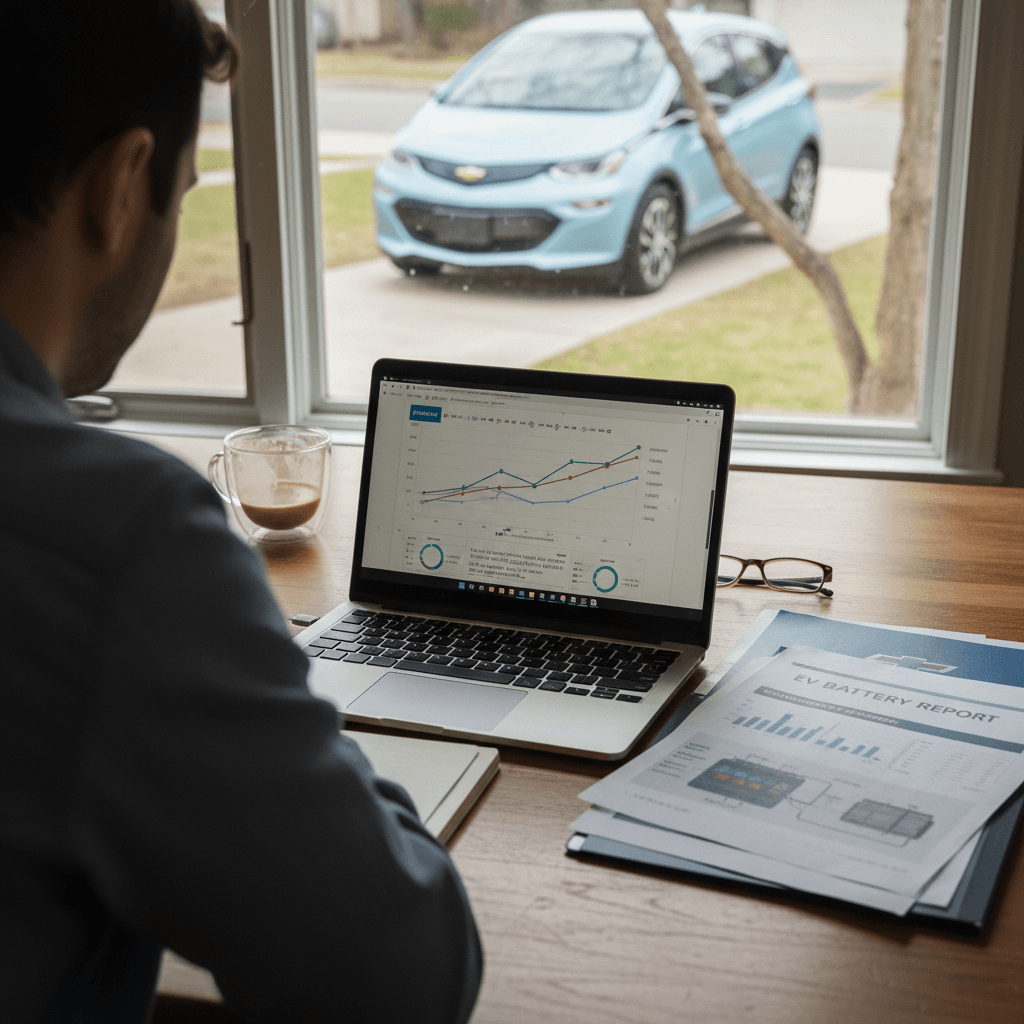
Battery condition is the number‑one driver of Chevy Bolt EV resale value. Many buyers will accept a few door dings if they can see strong range numbers, consistent charging habits, and proof that the recall fix or pack replacement was done correctly.
How to give buyers confidence in your Bolt’s battery
Simple steps that answer the questions they’re already planning to ask
Capture current real‑world range
Charge to 100%, then drive your normal mix of city and highway until around 20–30% state of charge. Note trip distance, driving conditions, and weather. This gives buyers a realistic sense of usable range, not just the dash estimate.
Photograph the energy screen
With the car fully charged and again around 50%, photograph the Bolt’s range and battery screens. Clear photos of the estimated mileage and state‑of‑charge gauge are often more convincing than any ad copy.
Explain your charging routine
In your listing, briefly describe how you’ve charged: home Level 2 vs. DC fast charging, typical charge limit (for example, 80–90%), and whether the car sat for long periods. Gentle, regular home charging is a selling point.
What Recharged’s battery diagnostics add
Step 4: Prepare and detail your Bolt EV for buyers
You don’t need a concours‑level detail, but you do need a Bolt that looks clean, smells neutral, and feels well‑cared‑for. Many used EV shoppers are first‑time EV owners; they’re already a little anxious, so condition plays a big role in how confident they feel about your car.
- Wash, clay, and wax the exterior; pay attention to plastic trim fading on the bumpers and mirrors.
- Vacuum seats, carpets, and hatch area; remove child seats and clutter before photos.
- Wipe fingerprints and dust from the center screen, steering wheel, and glossy interior plastics.
- Clean the charge port area and make sure the door opens and closes smoothly.
- Replace inexpensive wear items like wiper blades or cabin filters if they’re overdue.
- Top off washer fluid and set tire pressures to the placard on the driver’s door jamb.
Don’t hide smells
Step 5: Price your Chevy Bolt EV realistically
By early 2025, many Chevy Bolt EVs were changing hands in the mid‑teens depending on year and mileage, after a steep price correction in 2024. In 2026, prices remain sensitive to model year, battery history, and local EV demand. Your goal is to land in the realistic middle of the market, not at an optimistic outlier that sits for months.
Illustrative pricing factors for a used Chevrolet Bolt EV
Not actual offers, use this as a framework alongside live listings and valuation tools.
| Example Bolt | Miles | Battery/recall status | Condition | Market positioning |
|---|---|---|---|---|
| 2018 LT, basic options | 75,000 | Original pack, recall fix only | Clean but some cosmetic wear | Price at lower end of local 2018 range |
| 2020 Premier, DCFC, Driver Confidence | 52,000 | Full pack replacement in 2023 | Very clean, good tires | Price near top of 2020 range |
| 2022 2LT, sun & sound | 28,000 | Original pack, recalls done | Excellent, one‑owner | Price slightly below similar dealer CPO listings |
Condition, recall history, and battery confidence can easily swing a Bolt EV’s value by several thousand dollars versus similar cars on paper.
How to set your asking price
Step 6: Create a high‑converting Bolt EV listing
A strong listing does two things: it gets Bolt shoppers to click, and it answers their biggest questions before they ever message you. That’s especially important for an EV with a well‑known recall story and a lot of first‑time EV buyers in the audience.
What your Chevrolet Bolt EV listing should include
Think like a skeptical shopper and answer their questions up front
Great, honest photos
- Front, rear, both sides, and three‑quarter angles.
- Close‑ups of wheels, seats, dash, and cargo area.
- Clear shots of the main screen showing range and odometer.
- Photos of the charge port and included charging equipment.
Feature and option highlights
Call out trims and equipment shoppers look for: DC fast charging, Driver Confidence packages, adaptive cruise on later cars, heated seats/steering wheel, roof racks, upgraded audio, and winter wheel/tire sets.
Battery & recall story
Dedicate a short paragraph to the battery: recall campaigns completed, any pack replacement, your typical range, and how you’ve charged it. This turns a potential objection into a selling point.
Write your description in plain language, not dealer‑speak. Mention why you’re selling, how you’ve used the car (commuting vs. rideshare vs. road trips), and anything a buyer might reasonably discover on inspection, small scratches, curb rash, or windshield chips.
Never do this in your listing
Step 7: Screen buyers, test drives, and safety
Once the messages start rolling in, protect your time and your safety. A little structure keeps you from wasting weekends with tire‑kickers, or worse, putting yourself in a risky situation with a stranger and a fast EV.
Safe, efficient test‑drive process for your Bolt EV
1. Pre‑screen by message
Ask buyers to confirm they’ve read the full listing, are comfortable with your asking price range, and have funds or financing lined up. Simple questions like “When are you hoping to buy?” filter out browsers.
2. Meet in a public, well‑lit place
Choose a busy parking lot, bank, or police‑station safe‑exchange area. Bring a friend if possible, and avoid meeting at your home address until you’re confident in the buyer.
3. Verify driver’s license and insurance
Before anyone drives your Bolt, take a photo of their license and confirm they have active insurance. Ride along in the passenger seat, don’t hand over the keys and stay behind.
4. Plan a route that shows EV strengths
Pick a loop with city and highway segments plus a short stop to demonstrate plugging in at a nearby public charger if convenient. Explain regenerative braking and one‑pedal driving if the buyer is new to EVs.
5. Be ready for common EV questions
Expect questions about home charging, winter range, battery replacement cost, and long‑term durability. Have your battery‑health notes and recall paperwork handy so you can answer confidently.
Handling the “range anxiety” buyer
Step 8: Negotiate and close the sale
By the time a buyer has driven your Bolt EV and reviewed your documentation, price is usually the last question, not the first. Go in knowing your bottom line and be prepared to justify your number with market data and the work you’ve done to prepare the car.
Smart negotiation tactics
- Anchor with your research: reference comparable listings and the Bolt’s strong used‑EV reputation.
- Be flexible on small items (like including roof racks or winter wheels) rather than big price cuts.
- Use your battery and recall documentation as justification for staying firm compared with shakier listings.
Closing and payment basics
- Prefer cashier’s check drawn at the buyer’s bank during business hours, or a reputable escrow service.
- Complete a bill of sale and title transfer exactly as your state requires.
- Remove the car from your insurance and cancel any connected services or app access once the deal is final.
A lower‑stress alternative
Chevy Bolt EV selling checklist: Downloadable overview
Here’s a condensed, step‑by‑step Chevrolet Bolt EV selling checklist you can skim before you book photos or meet a buyer.
One‑page Chevrolet Bolt EV selling checklist
Confirm how you’ll sell
Decide between private party, trade‑in, instant offer, or consignment. Factor in your timeline, comfort with test drives, and appetite for handling paperwork.
Pull records and recall proof
Gather the title or payoff info, service records, GM/NHTSA recall completion proof, warranty dates, and a list of included charging equipment and accessories.
Document battery health
Note your typical full‑charge range, capture photos of the energy and range screens, and describe your charging habits clearly in the listing.
Detail and photograph the car
Clean inside and out, fix small cosmetic items where cost‑effective, and shoot honest, well‑lit photos including the dash, charge port, and chargers.
Research and set asking price
Check multiple sites for similar Bolts in your region. Adjust for year, mileage, options, and battery/recall status. Leave a bit of room to negotiate.
Publish a transparent listing
Write in plain English, explain the Bolt’s recall and battery story, call out key features, and disclose known flaws with photos where possible.
Plan safe test drives
Pre‑screen buyers, meet in public, verify ID and insurance, ride along, and choose a route that lets them experience EV driving without stress.
Close securely
Use verified funds, complete all state forms, remove plates if required, and cancel insurance and connected‑car access once ownership changes.
Chevrolet Bolt EV selling FAQ
Chevy Bolt EV selling FAQ
The Chevrolet Bolt EV has gone from early‑adopter science project to a staple of the used‑EV market, and that’s good news when you’re ready to sell. If you follow this Chevrolet Bolt EV selling checklist, gathering recall proof and battery data, pricing against the real market, writing an honest listing, and managing safe test drives, you’ll be positioned to move your car quickly and at a fair number. And if you’d rather have experienced EV specialists handle the details, Recharged can step in with battery‑health diagnostics, transparent pricing guidance, and nationwide exposure to the buyers already searching for a Bolt just like yours.