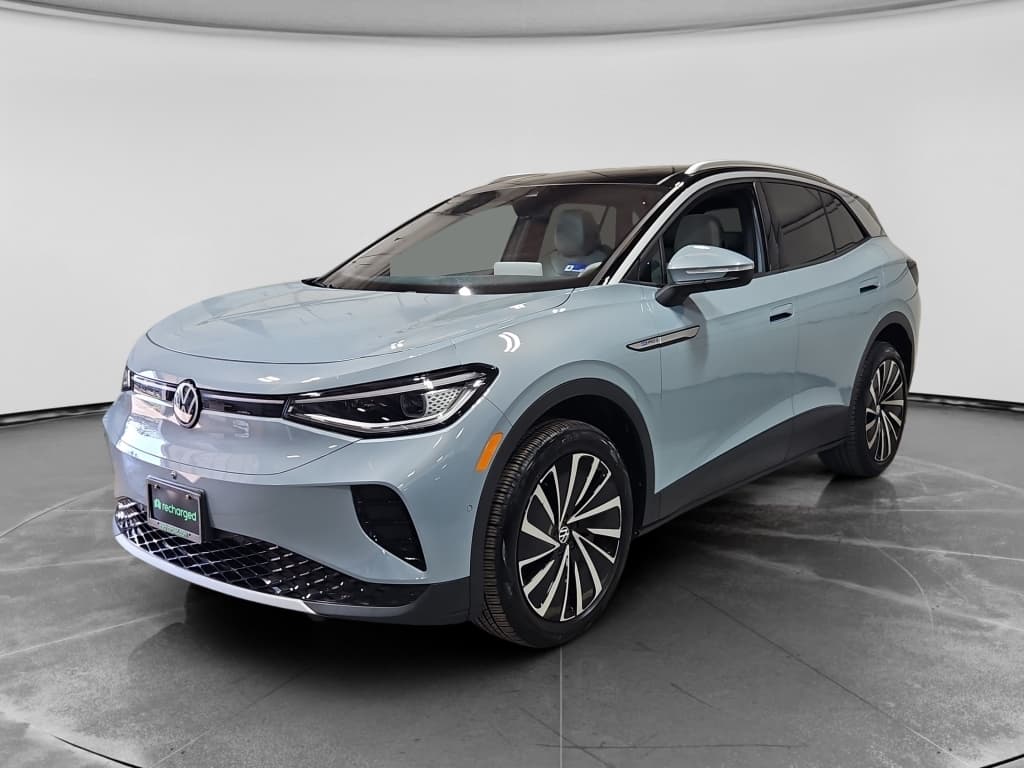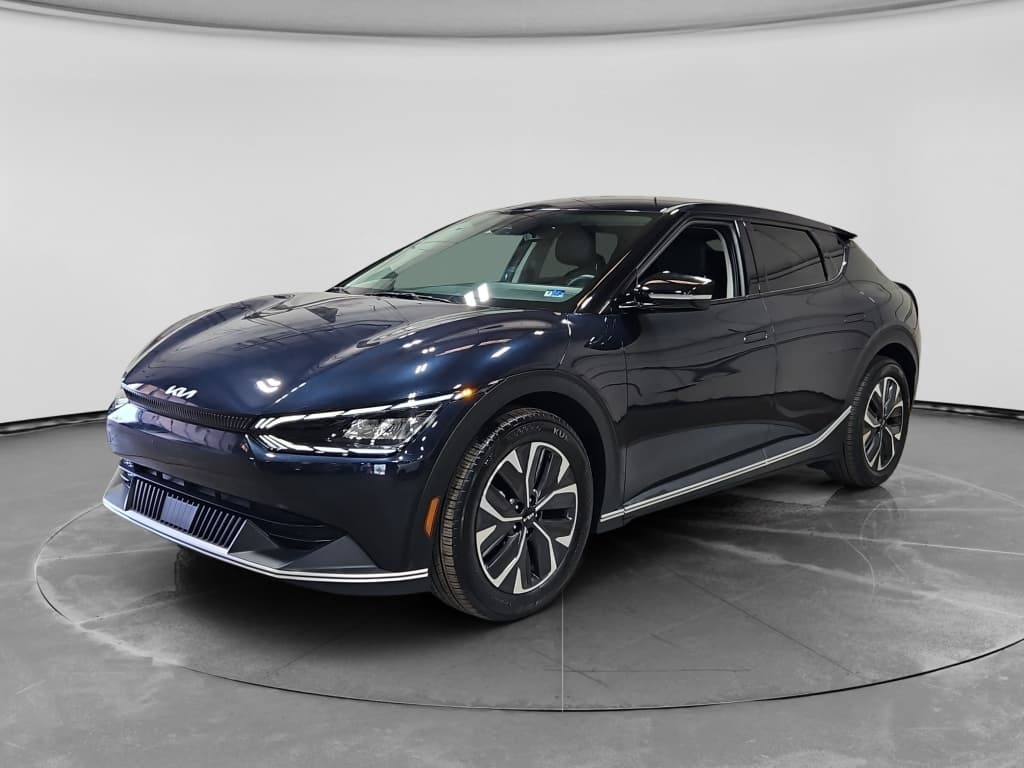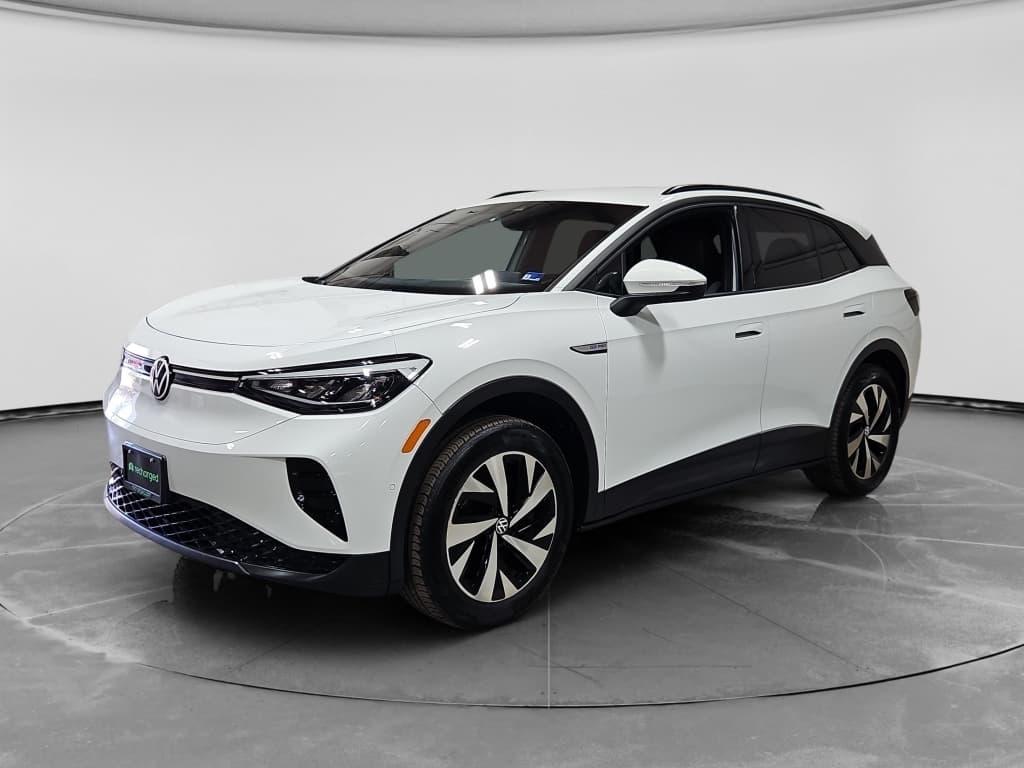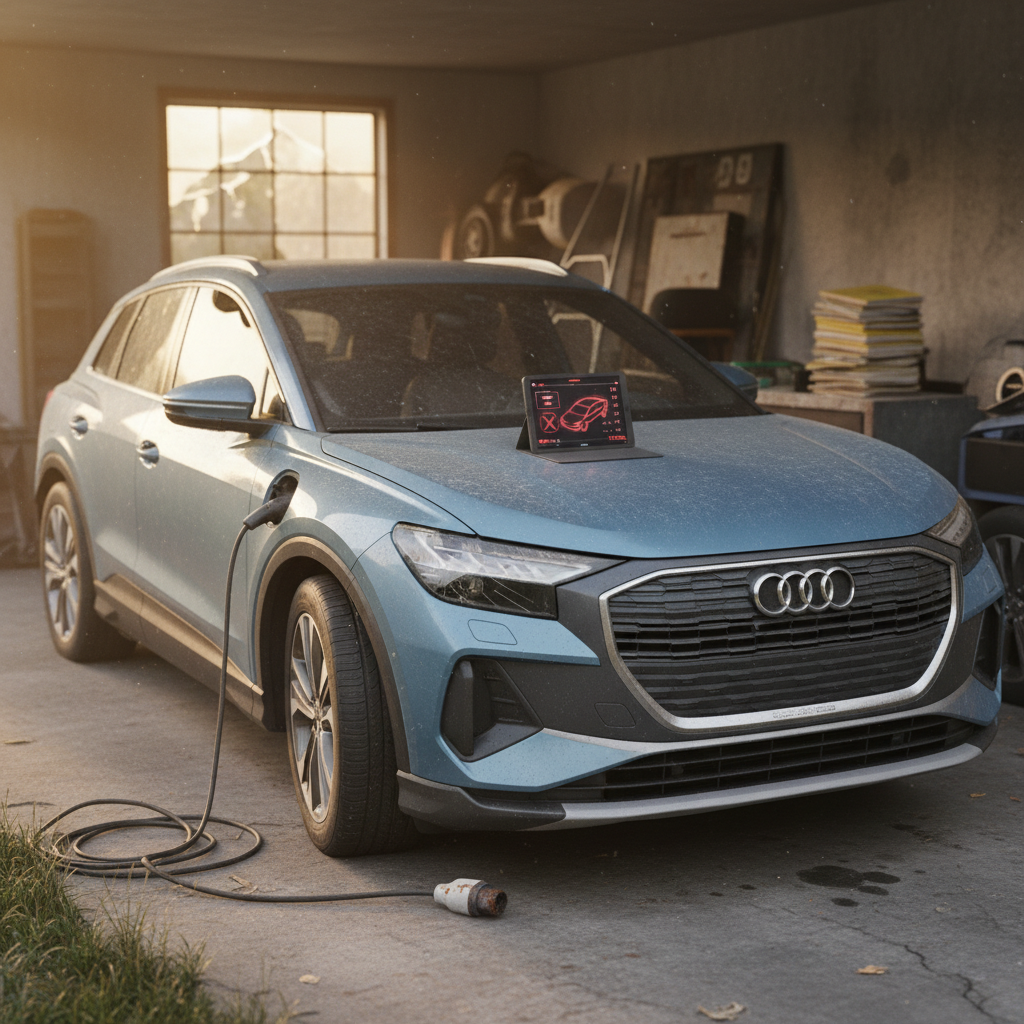
Are EVs more expensive than gas cars? On paper, many electric vehicles still have higher sticker prices. But when you factor in tax credits, used EV pricing, fuel savings, and maintenance, the answer in 2025 is more complicated, and often surprising. In plenty of real‑world cases, an EV is actually the cheaper choice over a few years of ownership.
Why this question matters right now
The myth: Are EVs always more expensive?
The phrase you’ll hear most often is that EVs cost more upfront but less to run. That used to be mostly true. Early electric cars carried a clear premium and were often sold in limited numbers. Today, the picture is more nuanced:
- Some EVs still carry a premium over comparable gas or hybrid models.
- Some models are now price‑competitive before you even apply incentives.
- In the used market, many EVs are actually cheaper than similar gas cars, mainly because shoppers worry about battery life.
- Charging and maintenance costs can tilt the total cost of ownership sharply in favor of an EV, if you drive enough and can charge conveniently.
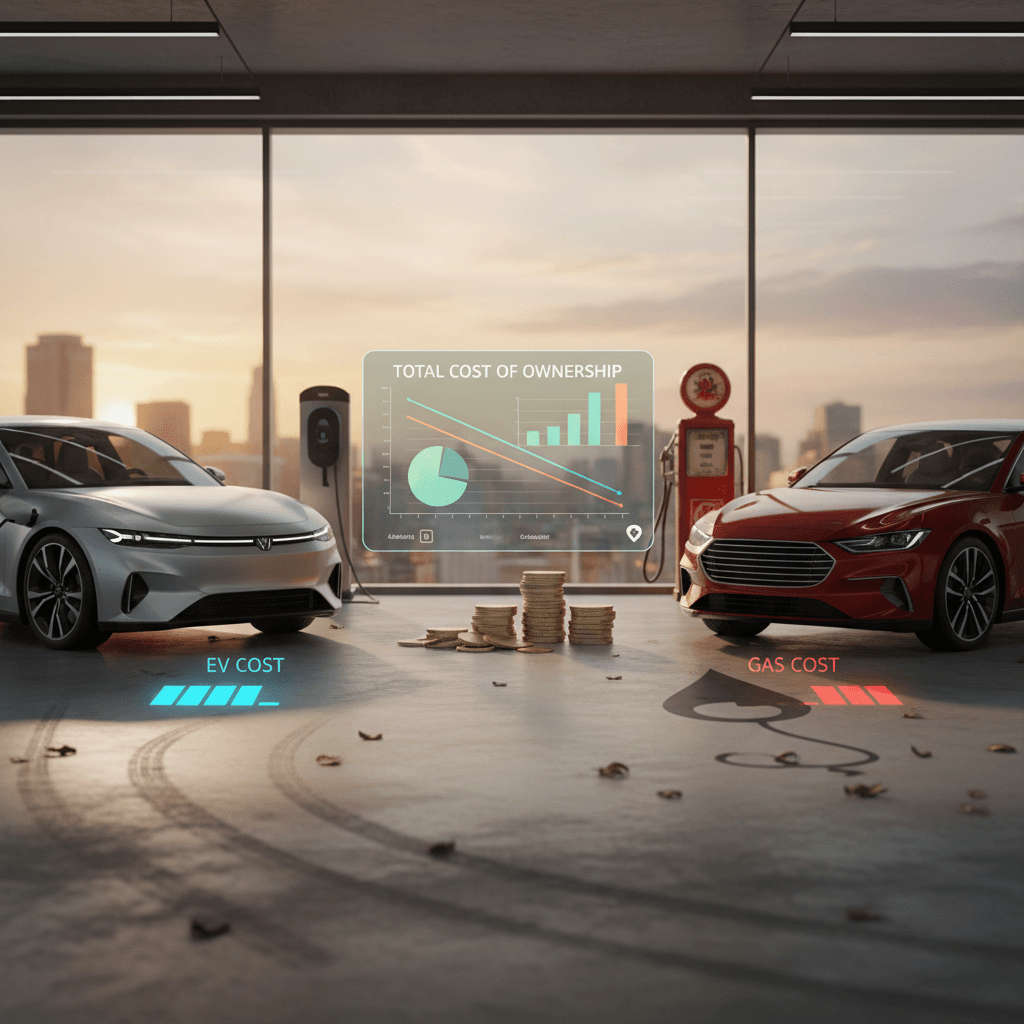
Think in total cost of ownership, not just sticker
Purchase price: New vs used EVs
To answer “are EVs more expensive,” you have to separate new from used, because the dynamics are very different in 2025.
New EV pricing in 2025
- Many mainstream EVs, compact crossovers and sedans, are now priced within a few thousand dollars of comparable gas models before incentives.
- Luxury EVs still tend to carry a premium, but they also offer performance that outguns their gas peers.
- Manufacturers are discounting unsold inventory in some regions, especially for last‑year models and vehicles that lost federal tax credit eligibility.
Used EV pricing in 2025
- Used EVs have experienced steeper price drops than many gas cars over the last few years.
- That drop is bad news for the first owner but a major opportunity for second owners, you can often buy a used EV at a meaningful discount.
- Battery fears and confusion about incentives keep some shoppers on the sidelines, creating better deals for informed buyers.
Where Recharged fits in
Ready to find your next EV?
Browse VehiclesTax credits and incentives that change the math
In the United States, incentives can be the difference between an EV that seems more expensive on paper and one that’s effectively cheaper than a gas alternative.
Key incentives that affect EV pricing
These are some of the major programs that can reduce the effective cost of an EV in 2025. Availability varies by income, vehicle, and location.
| Incentive Type | Applies To | Typical Amount (2025) | How It Affects You |
|---|---|---|---|
| Federal Clean Vehicle Credit | New qualifying EVs | Up to $7,500 | Reduces your federal tax bill or is applied at the point of sale on eligible models, lowering your out‑the‑door price. |
| Used Clean Vehicle Credit | Qualifying used EVs | Up to $4,000 | Can make a used EV significantly cheaper than a similar‑age gas car. |
| State rebates/tax credits | New and used in select states | Hundreds to several thousand dollars | Stacks on top of federal incentives in places like California, Colorado, New Jersey, and others. |
| Utility & local incentives | Home charger install and TOU rates | Varies | Lower electricity rates for off‑peak EV charging and potential rebates for installing home charging equipment. |
Always check current rules before you buy, program details and amounts can change.
Incentives are not guaranteed
Fuel vs electricity: What you’ll pay to drive
Where EVs most clearly challenge the idea that they’re more expensive is in day‑to‑day fueling. Electricity is generally cheaper per mile than gasoline, especially if you can charge at home.
Typical U.S. running‑cost comparison (illustrative)
Your exact numbers will vary with electricity rates, gas prices, your vehicle’s efficiency, and how often you use public fast charging. But if you drive 12,000–15,000 miles a year and mostly charge at home, the fuel savings alone can offset a higher monthly payment on an EV.
How to estimate your own fuel savings
Maintenance: Where EVs are actually cheaper
A big reason EVs can end up costing less over time is maintenance. An electric powertrain has far fewer moving parts than a gasoline engine and automatic transmission.
Why EVs typically cost less to maintain
Fewer moving parts, fewer fluids, fewer surprises.
No oil changes
Simpler drivetrains
Less brake wear
You’ll still have regular expenses, cabin filters, tires, brake fluid, coolant for the battery and electronics, wiper blades. But over several years, many owners find their maintenance and repair costs are hundreds to thousands of dollars lower than with their previous gas cars.
The big exception: Out‑of‑warranty battery repairs
Insurance and other ownership costs
Insurance is one area where an EV can sometimes be more expensive. Repairing late‑model vehicles, gas or electric, has become costly, and EVs add high‑voltage components that require specialized training to service.
- Some insurers charge more for popular EV models, especially new ones with expensive bodywork or complex electronics.
- Others are neutral, pricing mostly on driver profile, location, and claim history rather than powertrain type.
- Over time, as more repair data accumulates and more shops are certified, EV insurance pricing is likely to normalize.
Financing and EVs
Resale value, battery health, and used EV risk
Resale value is another ingredient in the “are EVs more expensive” equation. A vehicle that holds its value well can easily beat a cheaper vehicle that depreciates faster.
The challenge with EVs is that many shoppers are understandably worried about battery degradation. That uncertainty can push used prices down, especially for models with shorter original range or older battery tech. For shoppers who understand what they’re buying, that creates value:
- If an EV still has 70–80% of its original battery capacity and you don’t drive long distances, it may fit your needs at a significant discount.
- Models with larger original range can lose some capacity and still offer plenty of real‑world usability.
- Documented battery health, through diagnostic tools, not just a dashboard guess, is key to separating a good deal from a future headache.
How Recharged reduces used EV uncertainty
When an EV really is more expensive
Despite all the advantages, there are situations where an EV can be more expensive overall, or at least not the clear value play.
Scenarios where a gas car may still be cheaper
1. You can’t charge at home or work
If you rely heavily on public fast charging, your fuel cost advantage shrinks. Add your time into the equation, and a gas car may still make more financial sense.
2. You drive very few miles
If you only drive 4,000–5,000 miles per year, the fuel and maintenance savings may not be big enough to justify a higher purchase price or a home‑charger install.
3. The EV you want doesn’t qualify for incentives
High‑MSRP models or vehicles that miss final‑assembly and battery‑sourcing rules may not be eligible for federal credits, leaving you to shoulder the full price.
4. You need frequent long‑distance towing or hauling
Heavy towing reduces EV range dramatically and may force frequent fast‑charging stops. In those specific use cases, a diesel or gas truck can be less costly and more convenient.
5. Short ownership horizon (1–2 years)
If you turn cars over quickly, you might not keep the EV long enough to recover the price premium through fuel and maintenance savings.
Don’t ignore your own driving pattern
How to run the numbers for your situation
To move beyond averages and headlines, you need to look at your driving, your utility rates, and your purchase options. Here’s a simple framework you can follow in an evening.
5‑step checklist: EV vs gas total cost of ownership
1. Gather realistic purchase prices
Get actual quotes or listings for the EV and gas vehicles you’re considering, including any dealer fees. For used EVs, use platforms like Recharged where pricing is transparent and battery health is documented.
2. Estimate your annual miles
Look at your service records, fuel receipts, or odometer history. Most U.S. drivers land between 10,000 and 15,000 miles per year, but your number matters more than the average.
3. Calculate fuel vs electricity costs
Use your local gas prices, your utility’s rate per kWh, and each vehicle’s efficiency to estimate annual fuel or electricity spend. Many utilities offer online calculators tailored to EVs.
4. Budget for maintenance
For the gas car, include oil changes, transmission service, and common wear items. For the EV, budget for tires, brake service, and routine inspections. If you’re buying used, consider extended warranty options or savings set aside for repairs.
5. Consider resale value at your planned sell date
Are you likely to keep the car 3, 5, or 8 years? Look up historical depreciation for similar models and factor in how battery health will affect a used EV’s value. A well‑documented EV may hold value better than you expect.
Use monthly payment as one input, not the only one
FAQ: Are EVs more expensive than gas cars?
Frequently asked questions about EV costs
Bottom line: Are EVs more expensive?
If you only glance at MSRP, it’s easy to walk away thinking EVs are more expensive than gas cars. But when you factor in incentives, fuel, maintenance, and used‑market pricing, the story changes. For many U.S. drivers in 2025, especially those who can charge at home and drive average or above‑average miles, an EV can match or undercut the total cost of a comparable gas car.
The key is to run the numbers honestly for your situation and to buy the right EV at the right price. That’s where a transparent used‑EV marketplace like Recharged can help: verified battery health, fair‑market pricing, financing and trade‑in options, and EV‑specialist support from start to finish. Do that, and the question often isn’t “are EVs more expensive,” but rather “how much can going electric save me over the long haul?”