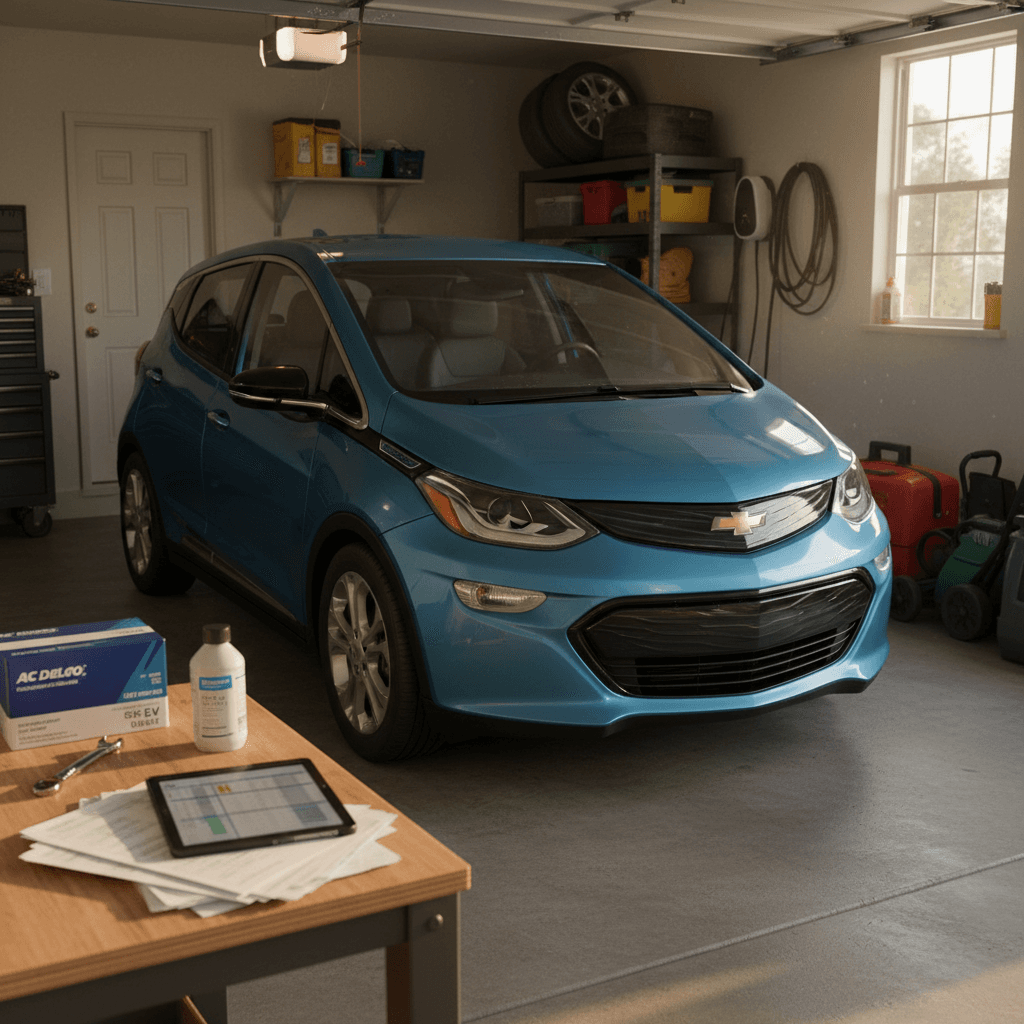
If you’re shopping for a used electric hatchback, you’ve probably heard that a Chevrolet Bolt EV is cheap to maintain. That’s broadly true, but what does that actually look like in dollars and real service visits over 5–10 years? This guide breaks down Chevrolet Bolt EV maintenance cost, how its service schedule works, and what savvy owners really spend compared with a similar gasoline compact.
Key takeaway
Chevrolet Bolt EV maintenance cost overview
Chevy Bolt EV maintenance at a glance
Those numbers will vary by how much you drive and where you service the car, but for a typical owner putting 12,000 miles a year on a Bolt EV, you’re usually looking at low hundreds per year, not thousands, assuming no accidents and no out‑of‑warranty failures.
Why Bolt EV maintenance costs less than a gas car
The Bolt EV follows the same pattern as most electric vehicles: far fewer moving parts and no engine means fewer things to service. There’s no oil, timing belt, spark plugs, or exhaust system. Most of your routine spending goes toward tires, inspections, and the same wear‑and‑tear items any car has.
Where the Bolt EV saves you money
The big differences show up over time, not on day one.
No oil or tune‑ups
The Bolt EV never needs an engine oil change, spark plugs, fuel filters, or emissions checks. That alone can remove several hundred dollars a year in routine service versus a gas compact.
Simple drivetrain
The electric motor and single‑speed gearbox have far fewer wear items than a conventional engine and automatic transmission, which cuts down on major mechanical repairs over the long haul.
Regenerative braking
Because the motor does much of the slowing, brake pads and rotors last much longer than on a gas car, often well past 100,000 miles with mostly city or suburban driving.
Tip for budget planning
Bolt EV service schedule and key intervals
Chevrolet doesn’t require a long list of scheduled services for the Bolt EV. Instead, there’s a short menu of inspections and a few long‑interval fluid changes. Exact intervals vary a bit by model year, but this outline fits most 2017–2023 Bolt EVs and EUVs.
Typical Chevrolet Bolt EV maintenance intervals
Approximate service milestones for a Bolt EV under normal driving conditions. Always confirm specifics in your owner’s manual.
| Mileage / Time | What’s usually done | Notes |
|---|---|---|
| Every 7,500–10,000 mi | Tire rotation; multi‑point inspection | Often bundled into one quick visit; many owners align with their tire‑rotation schedule. |
| Every 2 yrs | Cabin air filter inspection / replacement | Easy DIY job if you want to save; parts are inexpensive. |
| Every 5 yrs | Brake fluid check, replace if needed | Because regenerative braking reduces heat, fluid often stays in good shape longer than on gas cars. |
| 120,000–150,000 mi | Battery coolant service (if required) | Some dealers aggressively upsell this early, but Chevrolet’s guidance for coolant change is typically at high mileage, not at 30k or 60k. |
| As needed | Wheel alignment, wipers, 12‑V battery, tires | Dependent on road conditions, climate, and how you drive. |
Short service visits are the norm for Bolt EV owners.
Watch for over‑servicing
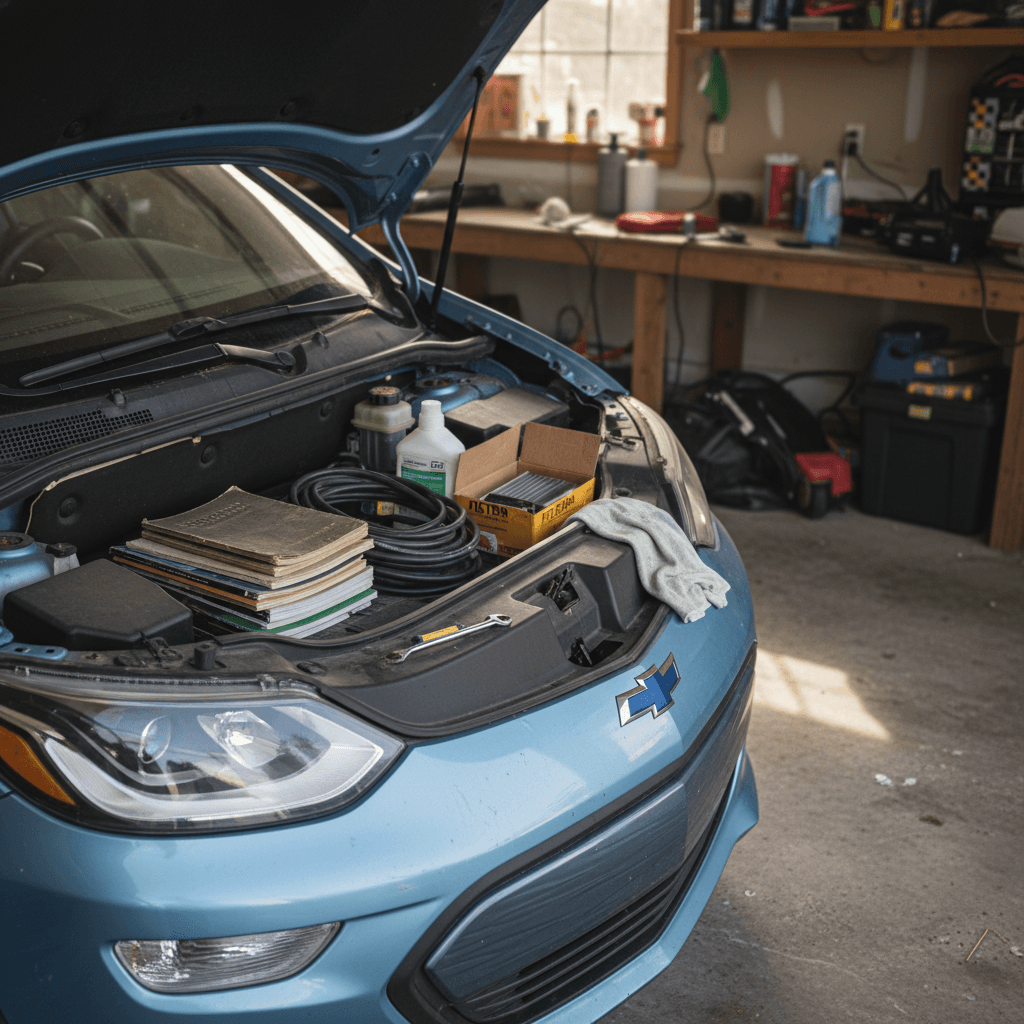
Expected Chevrolet Bolt EV maintenance costs by year
No two cars or drivers are identical, but when you look at owner reports and national cost studies, a clear pattern emerges. The average Bolt EV owner in the U.S. driving about 12,000 miles per year typically lands in these rough ranges for maintenance and minor repairs (excluding insurance, registration, and charging costs).
Years 1–3 (or up to ~36,000 miles)
- Typical annual maintenance: $150–$300
- What you pay for: Tire rotations, basic inspections, maybe a cabin air filter.
- Warranty factor: Most unexpected issues are covered under the new‑vehicle warranty if you’re the first owner.
Many Bolt EVs in this window have essentially "fuel and tires" costs, very little else.
Years 4–8 (roughly 36,000–100,000 miles)
- Typical annual maintenance: $250–$450
- What you pay for: Normal wear like tires, brake inspections, a brake‑fluid service, cabin filters, and possibly a 12‑volt battery.
- EV advantage: Still no timing belt, transmission service, or exhaust work to worry about.
Put another way, if you own your Bolt EV for 10 years and drive about 120,000 miles, it’s realistic to plan on roughly $3,000–$4,500 total in maintenance and minor repairs, not counting tires. A similar gas compact can easily double that over the same period once you include oil services, spark plugs, exhaust work, and occasional engine or transmission repairs.
Common services, and what you actually need
When you walk into a service department with a Bolt EV, you’ll often be handed a long menu of “recommended” services. Some are legitimate; others are profit centers. Here’s how to separate the must‑dos from the nice‑to‑haves and the pure upsells.
Bolt EV service items: must‑do vs. optional
Use this as a sanity check before approving a big quote.
Tire rotations & balance
Must‑do. The Bolt EV’s weight and instant torque are tough on tires. Rotating every 7,500–10,000 miles helps them wear evenly and last longer.
Cabin air filter
Must‑do, but cheap. You can often replace this yourself in minutes with a $20–$30 filter, or pay a shop a bit more for convenience.
Brake fluid
Occasional. A check every few years is smart. Many owners don’t need a full flush until well into the car’s middle age unless the cap has been opened frequently or the vehicle sees harsh conditions.
Coolant / battery thermal system
Long‑interval. The high‑voltage battery and power electronics use coolant, but Chevrolet’s own guidance is normally at very high mileage. Be skeptical of dealers pushing this service at 30k or 60k miles.
Alignments, suspension work
As‑needed. Necessary if you hit a big pothole, notice uneven tire wear, or feel the car pulling. Not something you should be buying on a fixed schedule.
“Fuel system” & engine services
Not applicable. Anything mentioning fuel injectors, engine flushes, or transmission tune‑ups does not belong on a Bolt EV invoice.
Good news for DIYers
Battery, high-voltage components, and warranty
The biggest question many used‑EV shoppers have is, “What happens if the battery goes bad?” On the Bolt EV, the answer starts with the factory warranty and the widespread battery recall that affected earlier model years.
- Most Chevrolet EVs, including the Bolt, carry an 8‑year/100,000‑mile battery and electric‑drive warranty on major high‑voltage components from the original in‑service date.
- If your Bolt had its battery replaced under the recall, that pack typically carries its own long‑term warranty coverage, separate from the original one, which can be a major plus for used‑car buyers.
- Outside of accidents or abuse, it’s rare to see well‑maintained Bolts needing full battery replacements once they’re through the recall campaign and software updates.
What this means for maintenance cost
How the Bolt EV compares to a gas compact on maintenance
To understand Chevrolet Bolt EV maintenance cost in context, it helps to stack it against a similarly sized gasoline hatchback or compact sedan, think Chevy Cruze, Toyota Corolla, or Honda Civic. Across large national datasets, pure EVs consistently come in at around half the maintenance and repair spend of comparable gas vehicles over 200,000 miles of use.
Approximate lifetime maintenance costs: Bolt EV vs. gas compact
High‑level comparison over 200,000 miles of driving in the U.S., excluding tires, insurance, and major collision damage.
| Vehicle type | Maintenance & repair cost/mi | Total over 200,000 mi | Typical annual spend (12,000 mi/yr) |
|---|---|---|---|
| Battery‑electric (e.g., Bolt EV) | $0.03 | $6,000 | ~$360 |
| Gasoline compact | $0.06 | $12,000 | ~$720 |
Fewer moving parts and no oil changes add up over long ownership.
Don’t forget fuel savings
How to save on maintenance when you buy a used Bolt EV
Used Bolts have become some of the most compelling deals in the EV market, especially as prices for 2019–2022 models have cooled and many recall battery replacements are now complete. But your long‑term maintenance costs still depend heavily on which specific car you buy and how it’s been cared for.
Smart steps before you purchase a used Bolt EV
1. Verify recall and battery work
Confirm that all open recalls are complete and, if the high‑voltage battery was replaced, get documentation. A newer pack under extended coverage can materially reduce your risk of major out‑of‑pocket repairs.
2. Review service history
Look for records showing regular tire rotations and inspections, not a pattern of deferred maintenance. Gaps aren’t always a red flag, some owners simply had very little work done because the car didn’t need it, but consistency is a plus.
3. Inspect tires and brakes closely
Because EVs are heavier and more powerful off the line, cheap or worn tires can balloon your first‑year costs. Likewise, check pad thickness and rotor condition, especially on cars that sat for long periods, which can cause surface rust.
4. Ask for battery health data
Look at real‑world range and, when possible, battery state‑of‑health metrics. At Recharged, every vehicle comes with a <strong>Recharged Score Report</strong> that includes verified battery diagnostics, so you’re not guessing at pack condition.
5. Factor in local shop options
Check whether you have a Chevrolet dealer or independent shop nearby that’s comfortable working on EVs. Labor rates and convenience can swing annual costs up or down more than the car’s brand‑new sticker price.
How Recharged helps you control maintenance costs
Ready to find your next EV?
Browse VehiclesChevrolet Bolt EV maintenance cost FAQ
Frequently asked questions about Bolt EV maintenance
Bottom line: Is a Bolt EV cheap to maintain?
If you’re comparing total ownership costs, the Chevrolet Bolt EV is one of the most affordable modern compact vehicles to maintain. You avoid oil changes and engine work entirely, see extended brake life, and typically spend about half as much on maintenance and repairs as you would on a similar gasoline car over high mileage.
The keys to keeping your real‑world Chevrolet Bolt EV maintenance cost low are simple: follow the factory schedule, be skeptical of unnecessary upsells, rotate your tires on time, and choose a car with healthy battery diagnostics and a clean service history if you’re buying used. That’s exactly the kind of transparency Recharged is built for, combining verified battery health, fair pricing, and EV‑savvy support so you can focus on enjoying quiet, low‑drama electric miles instead of worrying about the next surprise bill.