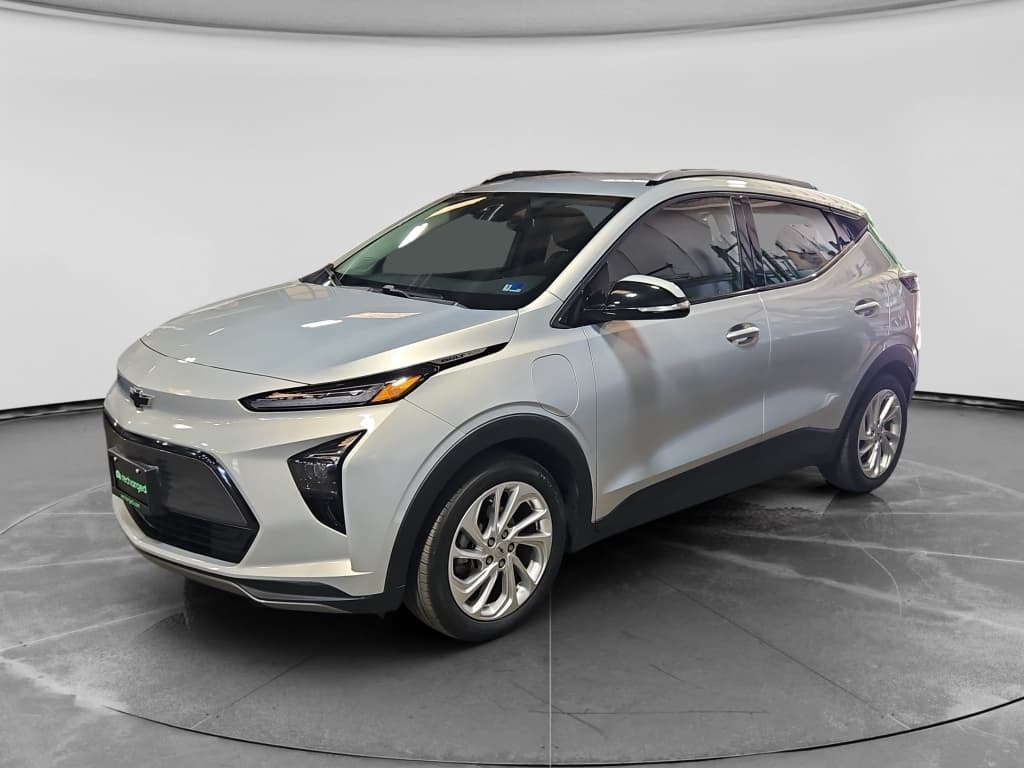
If you’re hunting for an affordable electric crossover, the **Chevrolet Bolt EUV vs Kia Niro EV** comparison is probably at the top of your list. Both are compact, practical, and far cheaper than most new EV SUVs, especially on the used market. But they don’t drive, charge, or age in quite the same way, and those differences matter a lot once you start living with the car.
The quick take
Chevrolet Bolt EUV vs Kia Niro EV: overview
Chevrolet Bolt EUV (2022–2023 in the U.S.)
- Subcompact electric crossover spun from the original Bolt EV hatchback.
- ~65 kWh battery, EPA range around 247–259 miles depending on year and trim.
- CCS DC fast charging, peak around 55 kW, and up to about 11 kW on Level 2 AC charging.
- Known for excellent efficiency and value on the used market.
Kia Niro EV (2019–present, all‑new for 2023)
- Small SUV with a more conventional crossover shape and higher seating position.
- 64.8 kWh battery with up to 253 miles of EPA‑rated range on 2023–2024 models.
- CCS fast charging with a peak around 85 kW, plus an 11 kW onboard AC charger.
- Typically costs more than a comparable Bolt EUV, new or used, but feels more "SUV" than "tall hatch."
Model years to focus on
Core specs: Chevrolet Bolt EUV vs Kia Niro EV
Key numbers at a glance
Approximate specs for recent U.S. models you’re most likely to see in the used market.
| Spec | Chevrolet Bolt EUV (2022–2023) | Kia Niro EV (2023–2024) |
|---|---|---|
| Battery size | ~65 kWh | 64.8 kWh |
| Official range | ~247–259 miles (EPA, depending on year/trim) | 253 miles EPA (64.8 kWh pack) |
| DC fast‑charge peak | ~55 kW | ~85 kW |
| Onboard AC charger | Up to 11 kW (depending on equipment) | 11 kW |
| Drivetrain | Single‑motor FWD | Single‑motor FWD |
| Horsepower | ~200 hp | ~201 hp |
| Rear legroom | ~39 in | ~36–37 in (varies by spec) |
| Cargo behind rear seats | ~16–17 cu ft (approx., seats up) | ~22–23 cu ft (approx., seats up) |
Always confirm exact specs by model year and trim when you shop.
Range and energy use highlights
Range and efficiency
On paper, **Chevrolet Bolt EUV vs Kia Niro EV** range looks like a photo finish. Recent Bolt EUV models check in around the mid‑240s to high‑250s for EPA range, while a 2023–2024 Niro EV with the 64.8 kWh pack is rated at about **253 miles**. In everyday use, owners of both cars routinely report 230–270 miles on a full charge, depending on temperature, speed, and how heavy your right foot is.
- At steady highway speeds (70–75 mph), expect closer to 180–220 miles from either car.
- Around town in mild weather, it’s not hard to squeeze past the official range numbers if you drive smoothly.
- The Bolt EUV is often a touch more efficient in kWh/100 miles, which can save you a bit on electricity over time.
Cold‑weather reality check
Charging speed and road-trip usability
If you mostly commute and charge at home, both the Bolt EUV and Niro EV are easy to live with. But if you want to road‑trip, the **charging story is where these two really separate**.
Charging: Bolt EUV vs Niro EV
Same idea, very different fast‑charging experience.
Chevrolet Bolt EUV charging
- CCS fast charging with a peak around 55 kW.
- In real‑world testing, you’ll usually see the best speeds between 10–50% state of charge.
- Chevrolet says a DC fast charger can add about 95 miles in 30 minutes under ideal conditions.
- On Level 2 at home, many Bolt EUVs can pull up to 11 kW, so an overnight charge from low to full is no problem.
Kia Niro EV charging
- CCS fast charging with a peak around 85 kW.
- On a good DC fast charger, going from 10–80% can take roughly 40–45 minutes.
- That higher peak speed makes a difference on longer trips where you’re hopping charger to charger.
- An 11 kW onboard AC charger also supports strong home charging when paired with a capable Level 2 station.
Planning road trips in either EV
For **heavy road‑trippers**, the Niro EV is the better tool simply because it spends **less time parked at DC fast chargers**. The Bolt EUV can absolutely do long drives, but its modest 55 kW peak and conservative charging curve make it feel slower than newer EVs at every stop.
Interior space and practicality
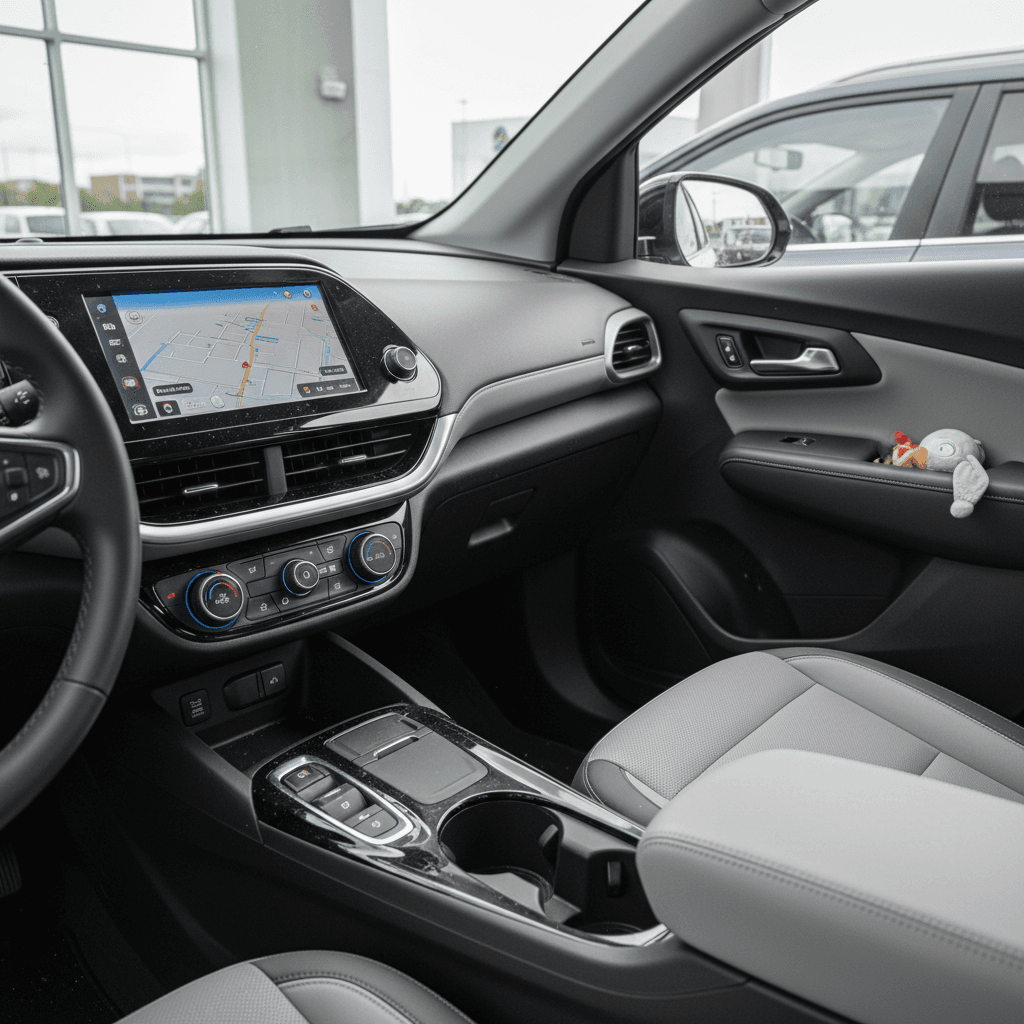
Both of these EVs are proof that you don’t need a giant SUV to haul people and stuff. They’re roughly the size of a compact hatchback on the outside, but smart packaging makes them surprisingly livable.
Space and utility: which one feels bigger?
Think of the Bolt EUV as the legroom champ and the Niro EV as the cargo king.
Chevrolet Bolt EUV
- Stretched wheelbase over the Bolt EV gives rear passengers roughly 39 inches of legroom, impressive for the class.
- High roof and upright seating make the cabin feel airy despite the small footprint.
- Cargo space is competitive but not huge, fine for groceries, strollers, and weekend bags.
- The rear seat folds flat for larger items, but the load floor sits a bit high.
Kia Niro EV
- More traditional crossover shape yields a wider, squarer cargo area.
- With the rear seats up, you generally get more usable cubic feet than in the Bolt EUV.
- Rear legroom is good but not quite as stretch‑out comfortable as the Bolt EUV’s back seat.
- Higher ride height and boxier tailgate make loading bulky items easier.
Family‑friendly pick
Tech, safety, and driving experience
You’re not just buying a battery and a range number, you’re buying the way the car feels every single day. Here the personalities of the Bolt EUV and Niro EV really come through.
How they drive
- Bolt EUV: Feels light and eager, with quick steering and instant electric torque. Around town, it behaves more like a zippy hatchback than a crossover.
- Niro EV: A bit more grown‑up and planted. The steering is calmer, the ride often slightly softer, and it feels more like a traditional compact SUV on the highway.
If you love a nimble city car, the Bolt EUV is a joy. If you spend hours on interstates, the Niro EV’s extra refinement can be worth the money.
Tech and safety
- Both offer big touchscreens, full smartphone integration, and a healthy list of standard safety gear (automatic emergency braking, lane‑keeping assist, and more).
- Higher‑trim Bolt EUVs can be equipped with features like advanced driver assistance that take some stress out of long drives.
- Niro EVs, especially from 2023 on, come with a modern cabin design, clear digital displays, and widely praised driver‑assist tuning.
Neither car feels bare‑bones, but the newer‑generation Niro has the more upscale dashboard and infotainment experience.
Noise and comfort
Reliability, battery health, and recalls
Both the Chevy Bolt EUV and Kia Niro EV have been around long enough that we have a decent feel for how they age. The news is mostly good, but there are a few things to go in with eyes open.
What to know before you buy used
1. Battery recall history (Bolt family)
Earlier Bolt EV and EUV models were subject to high‑profile battery recalls and replacements. Many vehicles received new packs under warranty, which can actually be a plus if you’re buying used, just confirm the work was done and documented.
2. Niro EV wiring and component recalls
Kia has issued recalls on various Niro models over the years, including items like floor wiring related to side‑curtain airbag deployment on some 2023–2025 vehicles. Always run a VIN check and confirm recall work with a dealer.
3. Battery degradation patterns
Owners of both vehicles generally report modest degradation when the cars are charged reasonably (lots of home Level 2, occasional DC fast charging). It’s still smart to have battery health assessed before buying used.
4. Software updates
Both Chevy and Kia push software updates that can affect charging behavior, range estimates, and safety systems. When you’re shopping, ask for service records and confirm the car is current on updates.
Don’t skip a battery health check
Ownership costs, pricing, and resale
Where **Chevrolet Bolt EUV vs Kia Niro EV** really diverge is in what they cost to get into, and what they’re likely to be worth later. Both are frugal to run, but they sit in different price bands on the used market.
Cost of ownership comparison
Think beyond the sticker price, consider electricity, maintenance, and resale.
Chevrolet Bolt EUV ownership picture
- Typically one of the cheapest used EV crossovers available with ~250 miles of range.
- Electricity costs are low thanks to strong efficiency.
- Maintenance is minimal: no oil changes, fewer moving parts than a gas SUV.
- Because entry price is low, depreciation in dollar terms can be gentler, even if resale percentages aren’t stellar.
Kia Niro EV ownership picture
- Used prices are usually higher than a comparable‑year Bolt EUV, reflecting more SUV‑like packaging and faster DC charging.
- Electricity and maintenance costs are similar; both cars rely heavily on simple, proven EV components.
- Kia’s long battery warranty (typically 8 years/100k+ miles) is a plus if you’re buying a younger used example.
- Resale tends to be buoyed by the SUV body style and Kia’s broader Niro lineup recognition.
Where the value is in 2026
Which EV fits you better?
By now you’ve seen that neither crossover is objectively “better” in every way. The right call comes down to how you drive, where you charge, and what you haul.
Choose your EV based on how you actually live
Daily commuter, rare road trips
You mostly drive 20–70 miles a day and charge at home overnight.
A few long trips a year are fine, even if charging stops are a bit slower.
You’d like to keep your monthly payment or cash outlay as low as possible.
→ A used <strong>Chevrolet Bolt EUV</strong> is usually the smarter, cheaper tool.
Frequent highway and road‑trip driver
You often do 200–400 mile days or multi‑day road trips.
You want the shortest possible DC fast‑charging stops.
You carry luggage, sports gear, or pets regularly.
→ A <strong>Kia Niro EV</strong> makes those miles easier with better DC speeds and more cargo room.
Young family, car‑seat duty
You care about easy‑to‑use rear doors and car‑seat access.
Back‑seat legroom matters for growing kids or grandparents.
Cargo room is key for strollers and family trips.
→ Test both, but many parents prefer the Niro EV’s cargo flexibility; tall passengers may love the Bolt EUV’s rear legroom.
Tech‑focused early adopter
You want modern screens, plush materials, and the latest driver‑assist toys.
You’re picky about cabin design and noise levels.
You plan to keep the car for many years.
→ A newer‑generation <strong>Niro EV</strong> will likely feel more future‑proof inside.
How Recharged can help you shop used Bolt EUV and Niro EV
Comparing brochures is one thing. Choosing a specific used Chevrolet Bolt EUV or Kia Niro EV, with real‑world battery health, charging behavior, and past ownership history, is another. That’s where Recharged comes in.
- Every EV on Recharged comes with a Recharged Score Report that includes verified battery health, fair‑market pricing analysis, and key history checks.
- You can browse used Bolt EUV and Niro EV listings in a fully digital experience, then have the car delivered nationwide or visit our Experience Center in Richmond, VA.
- Our EV specialists can walk you through charging options, home setup, and whether a slower‑charging Bolt EUV or faster‑charging Niro EV fits your actual routes.
- If you’re replacing a gas car, we can help with financing, trade‑in, or consignment so you step into your next EV with confidence.
Next step
Ready to find your next EV?
Browse VehiclesChevrolet Bolt EUV vs Kia Niro EV: FAQ
Frequently asked questions
Choosing between the Chevrolet Bolt EUV and Kia Niro EV isn’t about chasing the perfect spec sheet, it’s about matching an electric crossover to the life you already live. The Bolt EUV is the value hero with big‑car legroom and a friendly price; the Niro EV is the capable all‑rounder with better DC fast‑charging and a roomier cargo hold. Once you’re honest about your daily miles, your road‑trip ambitions, and how you’ll charge, the right answer becomes obvious. And if you’d like a second set of eyes, Recharged can bring real battery data, transparent pricing, and EV‑savvy guidance to every step of your search.