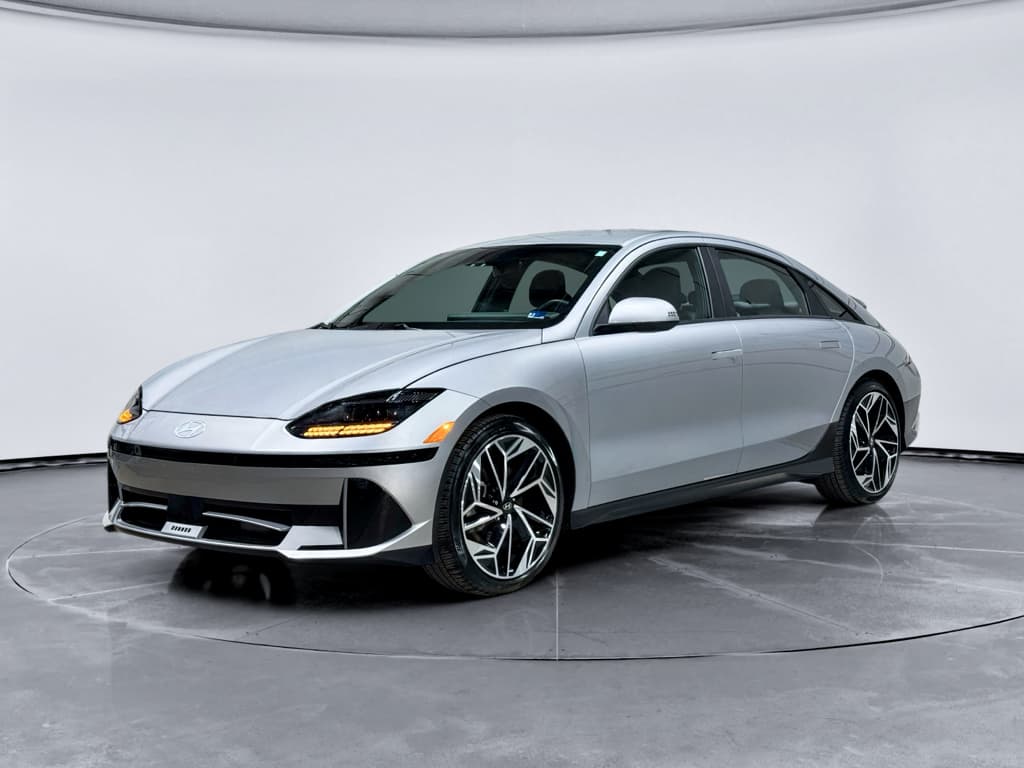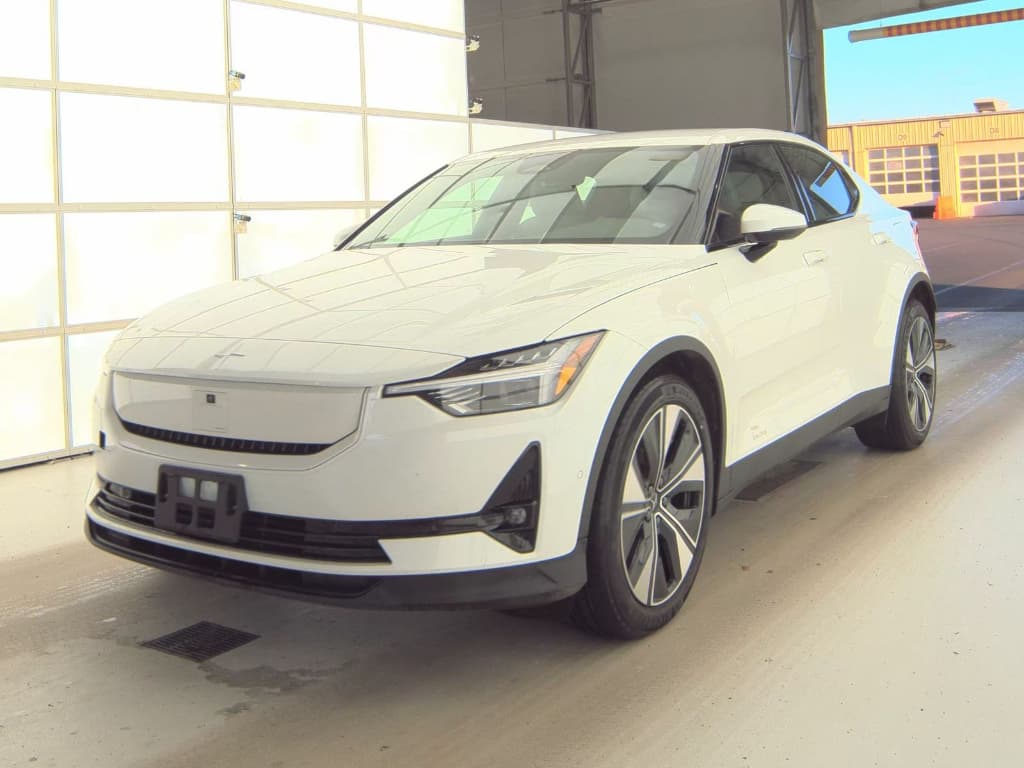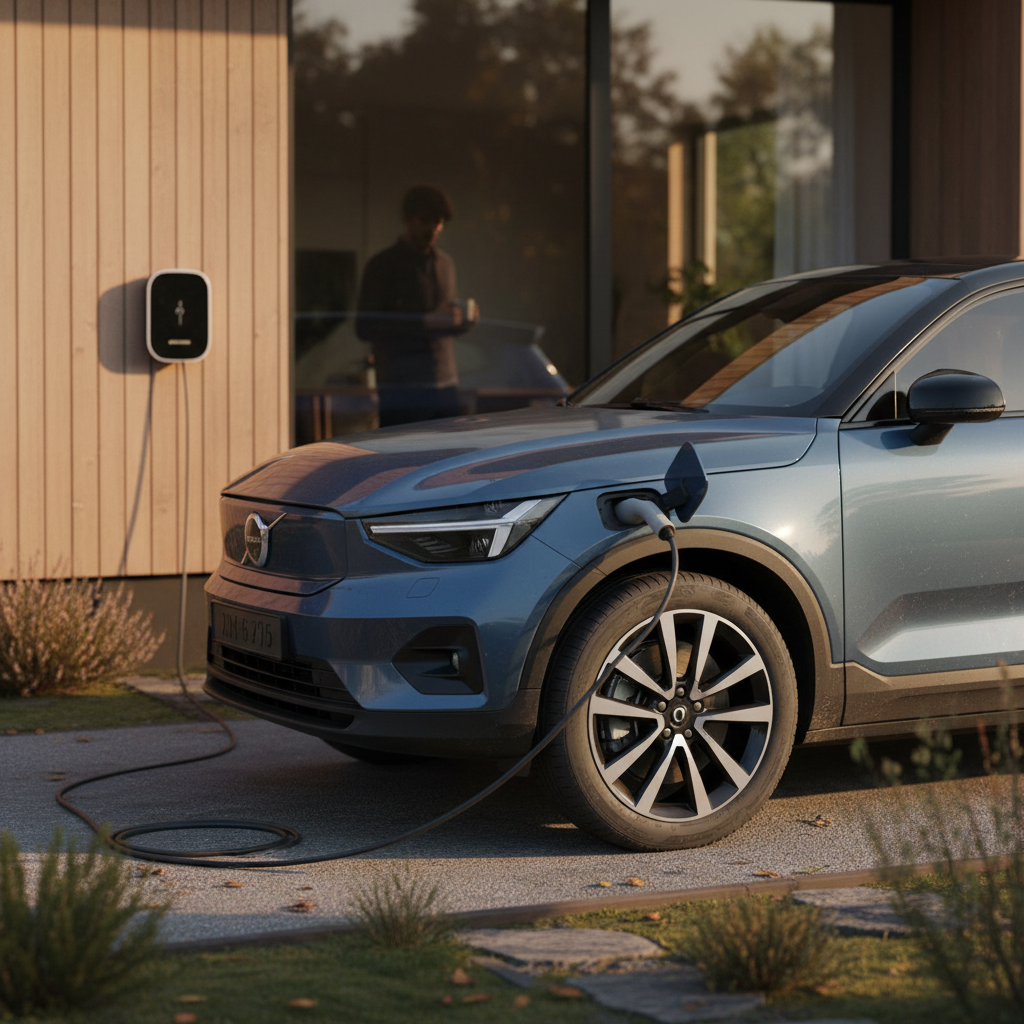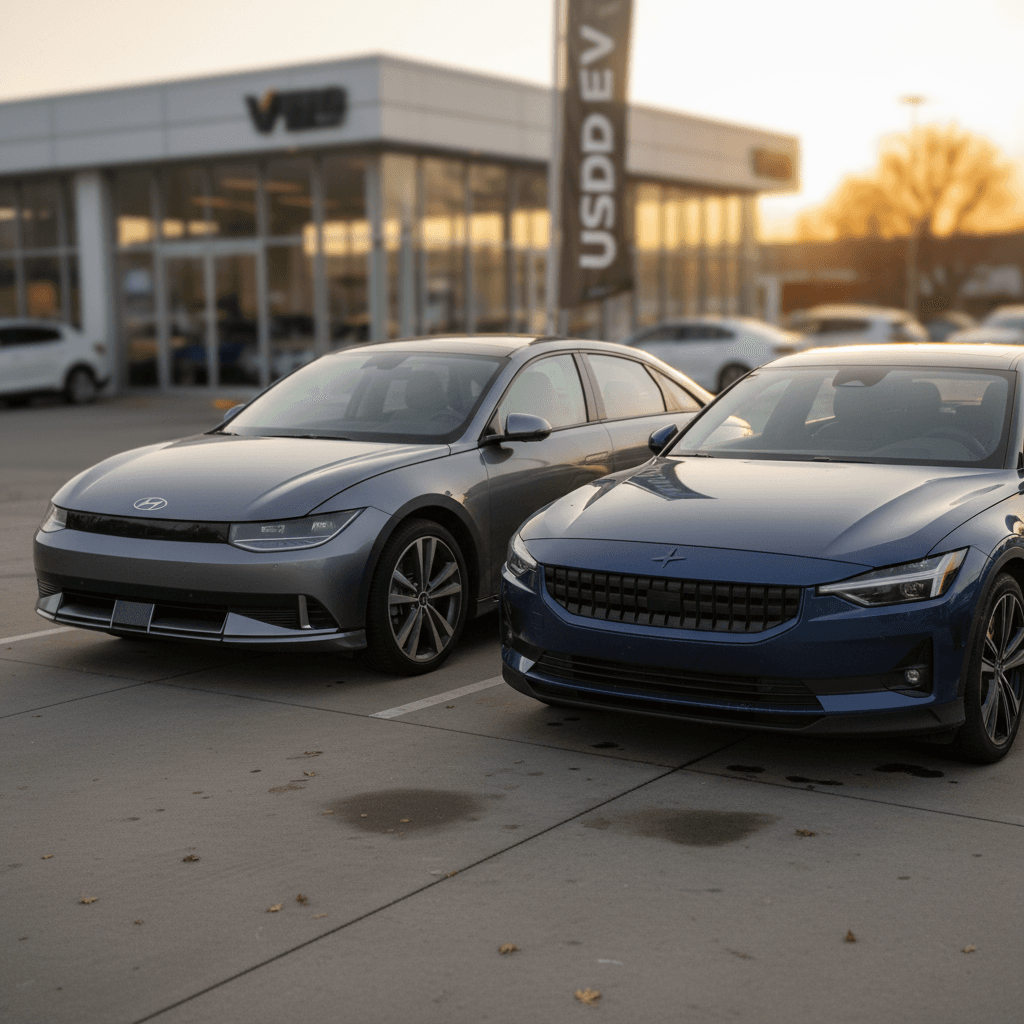
You could argue that the Hyundai Ioniq 6 and Polestar 2 are the two most design‑forward used EVs you can buy in 2026. One is a wind‑tunnel‑obsessed streamliner, the other a Swedish‑minimalist liftback that looks like it escaped from an architecture magazine. If you’re cross‑shopping a used Hyundai Ioniq 6 vs Polestar 2 in 2026, you’re not just picking a car, you’re picking a personality.
Quick take
Why this comparison matters in 2026
The 2024–2025 model years pushed EVs firmly into the mainstream, and by early 2026 we’re seeing the first wave of serious used EV bargains. Both the Hyundai Ioniq 6 and Polestar 2 launched as technology showcases and style pieces, and both depreciate faster than their talent deserves, good news for you.
- Both are fully electric, 4‑door, fastback‑style cars that compete with vehicles like the Tesla Model 3 and BMW i4.
- Both offer long‑range battery options, DC fast charging, and modern driver‑assist tech.
- Both are now widely available as 1–3‑year‑old used cars at prices that undercut many new gas sedans.
The key question isn’t "Which is better?" in the abstract. It’s which used EV makes more sense for how you drive, where you live, and how long you plan to keep it.
Hyundai Ioniq 6 vs Polestar 2 at a glance
Core specs: used Hyundai Ioniq 6 vs Polestar 2 (U.S. market)
Broad strokes comparison; exact specs vary by trim, model year, and wheel size.
| Used Hyundai Ioniq 6 (2024–2025 SE/SEL/Limited) | Used Polestar 2 (2023–2025 Long Range) | |
|---|---|---|
| Body style | Low, aero fastback sedan | Higher‑riding liftback hatch |
| Battery (usable, approx.) | 77.4 kWh long‑range pack | Around 79–82 kWh on 2024–2025 Long Range trims |
| EPA range (best‑case trims) | Up to ~342 miles for SE Long Range RWD | Around mid‑250s EPA on Performance AWD; some single‑motor trims higher |
| Fast‑charging peak | Up to ~235 kW on 800V E‑GMP platform | Up to ~205 kW on newer cars |
| On‑board AC charger | ~10.9 kW | 11 kW |
| Drivetrain options | RWD or AWD | Single‑motor RWD or dual‑motor AWD |
| Character | Ultra‑efficient, calm, comfort‑oriented | Driver‑focused, firmer, Scandinavian‑chic |
| Typical used price (early 2026) | Often mid‑$20Ks to low‑$30Ks depending on year and trim | Roughly mid‑$20Ks to low‑$40Ks depending on spec and mileage |
Typical U.S. configurations you’ll see most often on the used market in 2026.
Shopping tip
Used pricing and value in 2026
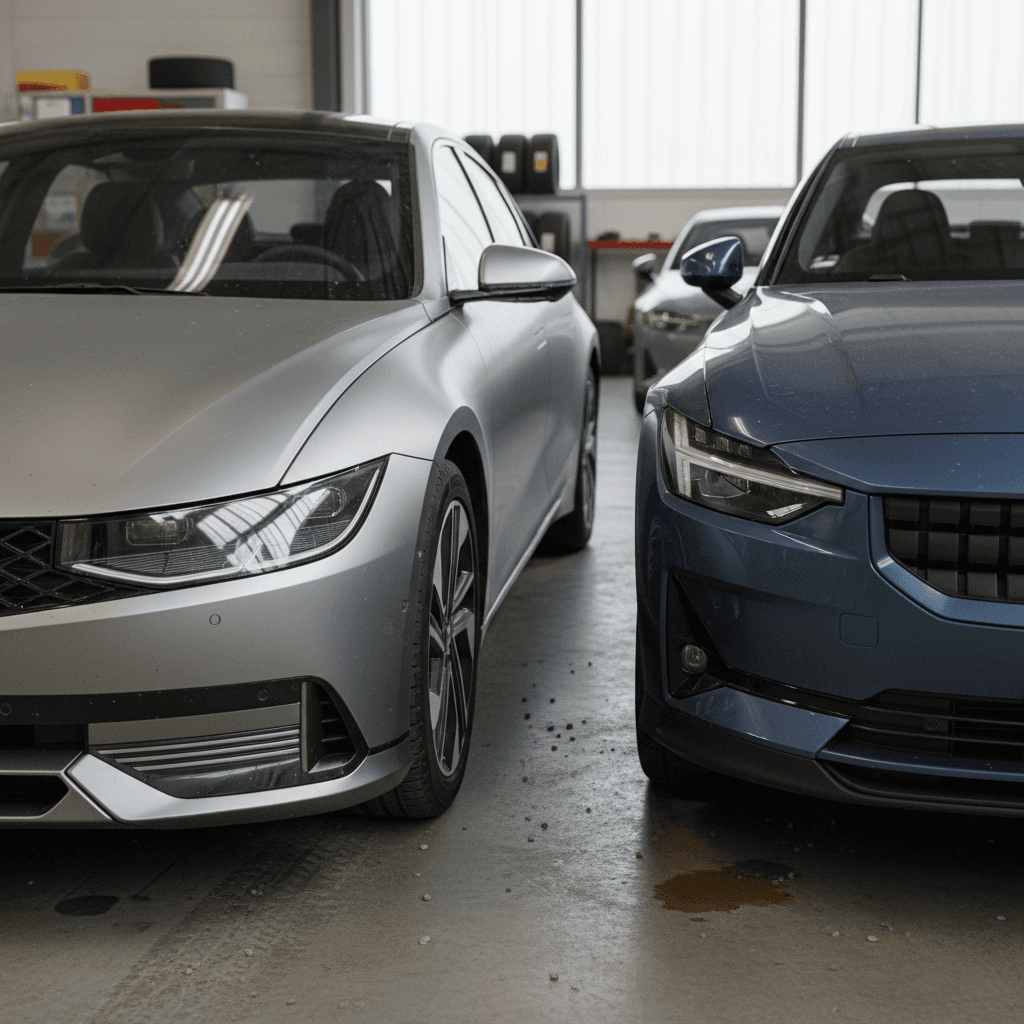
Let’s talk money. Because however elegant the LED signature, your budget has veto power.
Used market snapshot: Ioniq 6 vs Polestar 2 (early 2026)
Hyundai Ioniq 6: quietly excellent value
Because it’s not a Tesla and doesn’t wear a German badge, the Ioniq 6 tends to be undervalued relative to its capability. Its long range, generous warranty coverage, and mass‑market badge keep running costs low. On a dollar‑per‑mile‑of‑range basis, it’s one of the better deals in the used EV world.
Hyundai’s long high‑voltage battery warranty, which is transferable to subsequent owners, also sweetens the value proposition when you’re shopping used.
Polestar 2: priced for design and feel
The Polestar 2 carries more of a premium halo. You’re often paying extra for brand cachet, cabin materials, and a more engaging driving experience. Dual‑motor and Performance‑pack cars especially can sit several thousand dollars above similarly aged Ioniq 6s.
If you care deeply about steering feel and interior vibe, that delta might be money well spent. If you just want maximum electric sedan for the buck, the Hyundai makes a more ruthless financial case.
Watch the trim walk
Range, efficiency, and battery health
Range is the new horsepower; battery health is the new compression test. This is where the Ioniq 6 quietly pulls ahead for most drivers.
Real‑world range and efficiency
Both are capable, one is just more miserly with electrons.
Hyundai Ioniq 6
- U.S. long‑range RWD trims stretch into the low‑to‑mid 300‑mile EPA range when spec’d with smaller wheels.
- E‑GMP platform is notably efficient at highway speeds, helped by that slippery silhouette.
- Hyundai’s battery thermal management is conservative, which tends to be good news for long‑term health.
Polestar 2
- Newer Long Range single‑motor cars post respectable EPA numbers, while Performance AWD trims live more in the mid‑200s.
- Boxier shape and higher ride height mean it typically uses a bit more energy at highway speeds than the Hyundai.
- Real‑world owners report good durability, but frequent fast‑charging can matter more in this car due to somewhat smaller efficiency margins.
Battery health matters more than brochure range
How to quickly assess range and battery condition when shopping used
1. Prioritize long‑range trims
On the Ioniq 6, hunt for Long Range SE/SEL/Limited rather than Standard Range. On Polestar 2, look for "Long Range" in the listing and confirm battery size in kWh.
2. Check wheel size
Big 20‑inch wheels look great but typically shave range compared with 18‑ or 19‑inch setups. Decide whether aesthetics or efficiency matter more to you.
3. Ask about fast‑charging history
Occasional DC fast charging is fine. A car that lived on DC plugs every day, especially in hot climates, deserves a closer look at battery health numbers.
4. Compare realistic range, not just EPA
Read highway range tests and owner reports. A car that does 260 real‑world miles at 75 mph may fit your life better than one that claims 300 but only delivers that in city driving.
Charging speed and road‑trip usability
Both of these cars charge quickly enough that your road‑trip pace is determined more by the charging network you choose than by the logo on the hood. That said, there are nuances.
Charging comparison: Ioniq 6 vs Polestar 2 (typical trims)
Approximate specs; charging speeds depend on temperature, state of charge, and station quality.
| Hyundai Ioniq 6 | Polestar 2 (newer Long Range trims) | |
|---|---|---|
| Platform voltage | 800V E‑GMP | 400V architecture |
| DC fast‑charge peak | Up to roughly 235 kW | Up to roughly 205 kW (newer cars) |
| 10–80% DC time (ideal) | Around 18–20 minutes on a 350‑kW station | Roughly high‑20‑minute range on a strong DC charger |
| AC Level 2 charging | ~10.9 kW onboard (~7 hours for big pack) | 11 kW onboard (~8 hours for big pack) |
Think of these numbers as "best case" on a healthy, warm battery at a strong fast‑charger.
Real‑world road‑trip strategy
If you live near high‑powered DC stations that play nicely with your chosen car, the Ioniq 6’s 800V hardware and high peak rate give it a slight advantage in stop‑time. But in practice, the difference between a good Polestar 2 and a good Ioniq 6 session is often the time it takes to order and drink a coffee, not a full meal.
Comfort, space, and practicality
Cabin and seating
- Ioniq 6: Lounge‑like cabin with a low cowl and a sense of width. The rear seat has decent legroom but the dramatic roofline can nibble at headroom for tall passengers.
- Polestar 2: Feels cozier and more vertical, with supportive seats and an upright seating position. Rear legroom is tighter, and the middle rear seat is more occasional than comfortable.
If you regularly carry adults in the back, the Hyundai is the friendlier option. If it’s usually just you (and maybe one passenger), the Polestar’s cocooning front cabin may feel more special.
Cargo and daily usability
- Ioniq 6: Conventional sedan trunk with a wide opening but limited vertical height. Fine for bags and groceries; long, bulky objects are a squeeze.
- Polestar 2: Proper hatchback, which makes it much easier to haul bikes, strollers, or large suitcases. Split‑folding rear seats give it small‑wagon practicality.
If you live at IKEA, the Polestar has the better life skills. If you mostly commute and run errands, the Hyundai’s trunk is adequate, and you get the benefit of lower aerodynamic drag.
Family use verdict
Tech, safety, and driving experience
Both cars feel fully modern inside, but they express "modern" in different dialects.
How they drive and feel
Same idea, very different execution.
Hyundai Ioniq 6 on the road
- Soft, quiet, and composed; feels like a baby luxury car on the highway.
- Steering is light and easygoing rather than chatty.
- Regenerative braking offers multiple levels, including strong single‑pedal modes.
- Driver‑assist suite (Hyundai’s Highway Driving Assist, smart cruise, lane centering) makes long highway slogs almost relaxing.
Polestar 2 on the road
- Heavier steering with more feedback; encourages spirited driving, especially in dual‑motor trims.
- Ride skews firmer, particularly on Performance packs with sport dampers and larger wheels.
- Single‑pedal driving is natural and well‑tuned; Polestar’s pedal calibration is a high point.
- Android Automotive‑based interface gives you native Google Maps, Assistant, and app support; very intuitive if you live in Google’s ecosystem.
Safety and assistance
Ownership costs, reliability, and resale
With any used EV, the big levers on total ownership cost are depreciation, energy costs, maintenance, and surprise repairs. Neither car has a long track record like a Camry, but patterns are emerging.
- Energy costs: The Ioniq 6’s aero advantage and efficiency usually mean slightly lower electricity bills for the same miles driven, especially if you do a lot of highway work.
- Maintenance: Both are low‑maintenance compared with gas cars. You’re mainly looking at tires, wiper blades, cabin filters, brake fluid, and the occasional software update.
- Repairs: Polestar’s smaller dealer network and premium parts pricing can make out‑of‑warranty fixes pricier or less convenient in some regions. Hyundai’s network is sprawling by comparison.
- Resale: The Polestar 2’s brand aura may help it hold value slightly better at the high end, but the Ioniq 6’s strong range and warranty story also support healthy resale when it’s time to move on.
Network reality check
Which used EV fits which type of buyer?
Match yourself to the right car
High‑mileage commuter or road‑tripper
Prioritize the Ioniq 6 Long Range RWD for maximum range and efficiency.
Smaller wheels and all‑season tires will help with comfort and consumption.
Hyundai’s driver‑assist and long battery warranty are big quality‑of‑life wins.
Design‑conscious urban driver
Polestar 2’s minimalist cabin and hatch practicality shine in city life.
Single‑motor Long Range trims balance performance and efficiency well.
If you value brand image and touch‑and‑feel more than sheer range, lean Polestar.
Enthusiast driver
Dual‑motor Polestar 2s, especially with Performance packs, deliver the more engaging drive.
Ioniq 6 is composed and quick but tuned more for serenity than mischief.
If your idea of fun is the on‑ramp, the Polestar’s steering and chassis talk more.
Budget‑focused, first EV
Cast a wide net on used Ioniq 6 listings; they often undercut equivalent Polestar 2s.
Look for remaining battery warranty and clean battery health numbers (or a Recharged Score Report).
Skip the flashiest wheels and highest‑performance trims; they cost more to buy and to feed with tires.
How Recharged helps you shop smarter for either car
Buying used EVs doesn’t have to mean squinting at range guesses and crossing your fingers. Every EV sold on Recharged, whether it’s an Ioniq 6, a Polestar 2, or something else entirely, comes with tools built for exactly these questions.
What you get when you shop Ioniq 6 or Polestar 2 on Recharged
Less guesswork, more confidence.
Recharged Score battery diagnostics
Fair‑market pricing insights
Financing, trade‑in, and delivery
Ready to find your next EV?
Browse VehiclesIf you’re torn between a specific Ioniq 6 and Polestar 2, Recharged’s EV‑specialist team can walk you through each car’s battery report, spec differences, and long‑term cost picture, so you can stop doom‑scrolling forums and start planning your first road trip.
FAQ: Used Hyundai Ioniq 6 vs Polestar 2
Frequently asked questions
Bottom line: Which one should you buy?
If you strip away the styling drama and brand narratives, the verdict is surprisingly clear. The used Hyundai Ioniq 6 is the better default choice for most shoppers in 2026: more range for the money, superb efficiency, quick charging, a cushy highway ride, and a deep dealer network. It’s the rational pick that also happens to look like concept art.
The used Polestar 2 is the right answer when you actively want something sharper and more distinctive from behind the wheel: firmer, more communicative, more architectural inside and out. You accept a bit less range and potentially higher running costs in exchange for a richer daily experience.
Either way, the smart move is to buy the car in front of you, not the brochure ideal. That means confirming the exact trim, battery, wheel size, and, most importantly, battery health. Shop through Recharged, line up a few candidates, and let the numbers and your test drive decide whether you’re an aero‑sleek Hyundai person or a Scandinavian‑minimalist Polestar person after all.