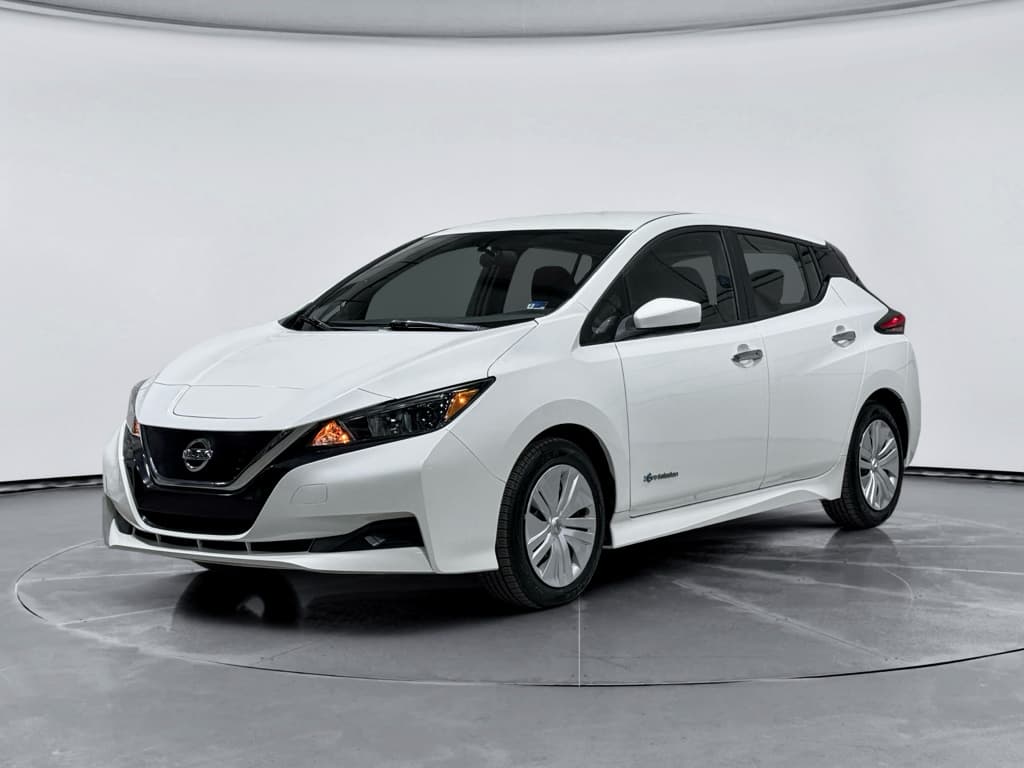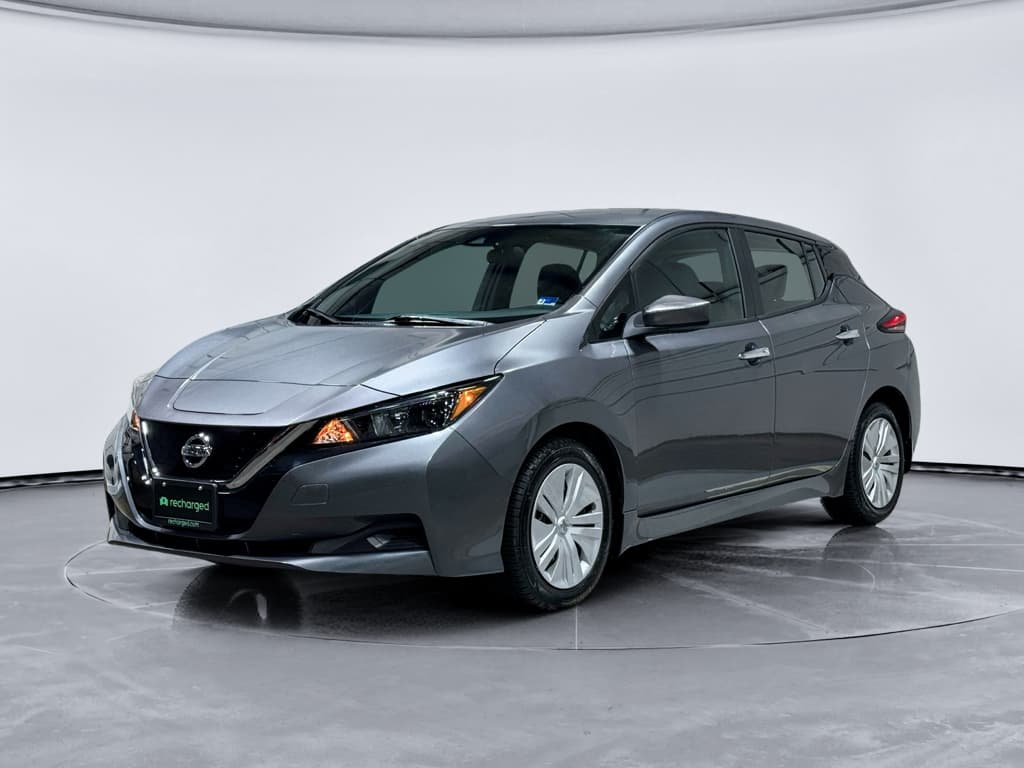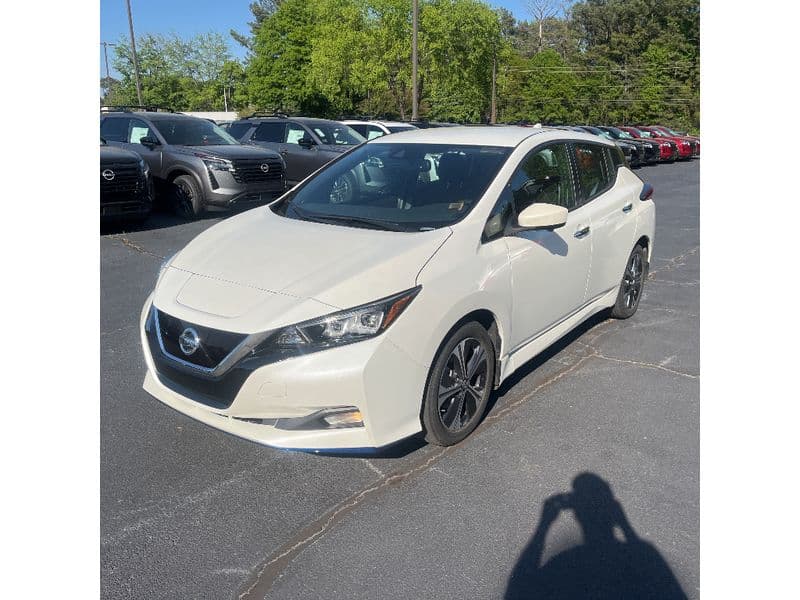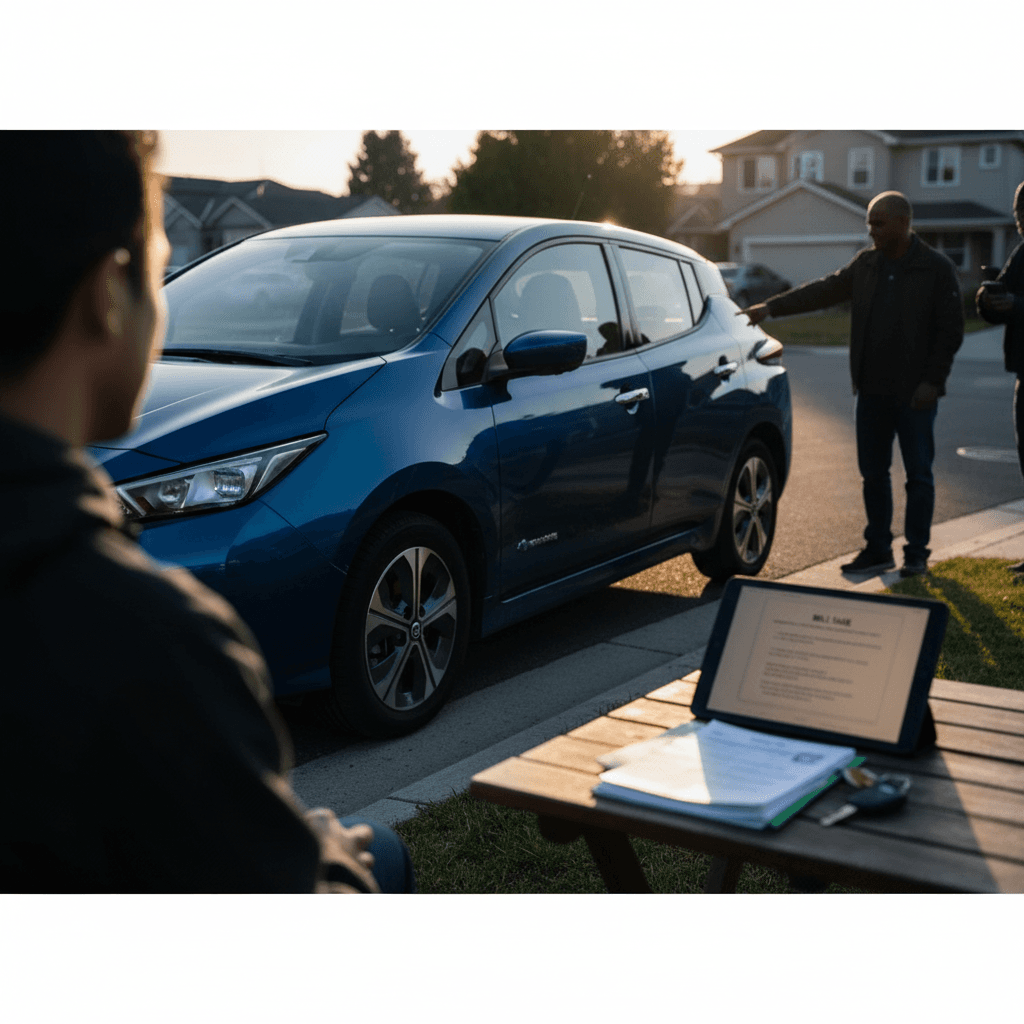
If you own a Nissan Leaf and you’re wondering how to sell your Leaf in a private sale instead of trading it in, you’re not alone. EV owners increasingly discover that a well‑managed private sale can put thousands more in their pocket, especially when the battery is healthy and the paperwork is clean. This guide walks you through the process step by step, with a special focus on issues that matter for electric cars, not just gas vehicles.
Good News for Used EV Sellers
Why Sell Your Nissan Leaf Privately?
- Higher sale price: Private buyers looking for an affordable EV often pay more than a dealer trade‑in, especially for a Leaf with a strong battery and clean history.
- Control over the story: You can explain how the car was used, where it was charged, and how you cared for the battery, details dealers rarely communicate.
- Growing demand for budget EVs: With new EV prices still high, a used Leaf is often one of the cheapest ways into electric driving, keeping demand surprisingly resilient.
- Flexibility: You choose your buyer, your timeline, and whether you’ll accept cash, cashier’s check, or work through an escrow service.
But It’s Not All Upside
How Battery Health Shapes Nissan Leaf Resale Value
With a Nissan Leaf, battery condition is the single biggest factor separating a strong private‑sale price from a disappointing one. Early Leafs (especially 2011–2015 models) used an air‑cooled pack that could lose range faster in hot climates and with heavy DC fast‑charging. Later models improved chemistry and capacity, but savvy buyers will still ask about range and degradation.
Key Battery Factors Leaf Buyers Care About
These questions often decide whether you get a quick sale or a lowball offer.
Usable Range Today
Buyers care less about the original EPA figure and more about how far it goes now on a full charge under your normal driving.
State of Health (SoH)
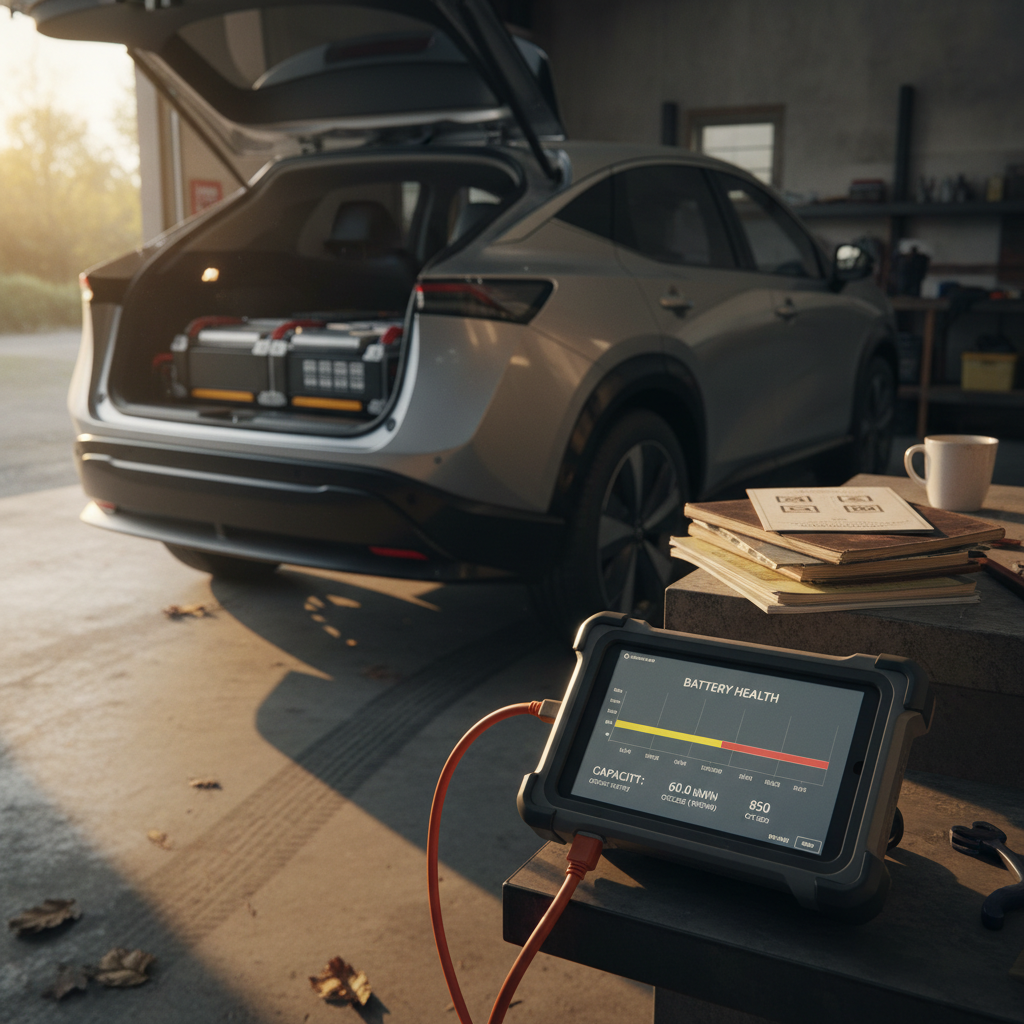
Tools like professional battery diagnostics (such as the Recharged Score) or Leaf‑specific apps can estimate remaining capacity as a percentage.
Charging Habits & Climate
Light DC fast‑charging and moderate climates generally mean better battery health and stronger resale confidence.
Turn Battery Health Into a Selling Point
Step 1: Decide Your Nissan Leaf Selling Strategy
Option A: Pure Private Sale
- Maximum price potential if you’re willing to do the work.
- You’ll manage listings, messages, test drives, and paperwork.
- Best if your Leaf has good battery health, no major accidents, and you’re comfortable vetting buyers and payments.
Option B: Hybrid Route with a Marketplace
- Use a specialist like Recharged to get a professional battery health report, pricing guidance, and nationwide exposure.
- You can still net more than a traditional trade‑in while outsourcing the thorniest parts, valuation, marketing, and paperwork.
- Ideal if you want strong value but don’t want to coordinate everything yourself.
Where Recharged Fits In
Step 2: Get Your Paperwork and Title Ready
Before you advertise your Nissan Leaf, get your paperwork tight. In a private sale, paperwork problems kill deals faster than almost anything else.
Nissan Leaf Private Sale Paperwork Checklist
1. Confirm You Have the Physical Title
If you still owe money on the Leaf, contact your lender well before listing. You’ll need a clear title or a payoff plan that both you and the buyer are comfortable with.
2. Match Names and VIN
Make sure the name on the title matches your ID and that the VIN on the title, registration, and the Leaf itself all match. Any mismatch spooks buyers and DMV clerks.
3. Check State‑Specific Rules
In most states, you must sign the title, record the odometer reading (if not exempt due to age), and provide a <strong>bill of sale</strong>. Some states also require a smog or safety inspection, EVs are often exempt from emissions but not always from safety checks.
4. Gather Service and Charge Records
Receipts for tire rotations, brake service, and battery‑related work (like software updates or warranty replacements) help justify your asking price.
5. Print Vehicle History & Battery Report
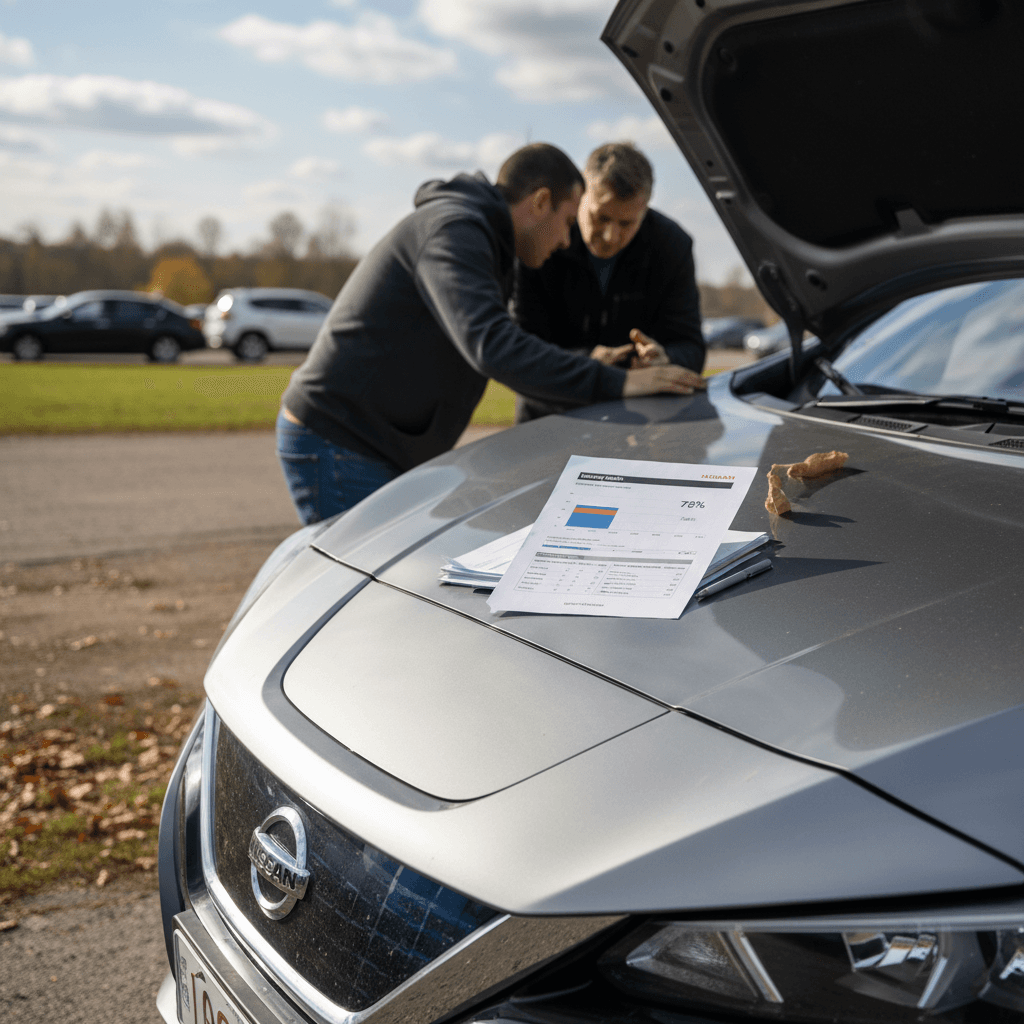
A Carfax or similar report plus a <strong>battery health report</strong> (from a diagnostic tool or Recharged’s Score Report) reassures buyers and speeds up negotiations.
6. Notify DMV After the Sale
Most states require the seller to file a release of liability or transfer notice within a few days of the sale so you’re not responsible for tickets or accidents after the hand‑off.
Don’t Hand Over the Keys Without a Signed Title
Step 3: Prepare Your Nissan Leaf for Sale
You don’t need a full restoration, but a clean, well‑presented Leaf sells faster and for more money. Buyers equate visible care with invisible care, especially around the battery and electronics.
- Deep clean inside and out: Vacuum, wipe hard surfaces, clean glass, remove personal items, and consider a modest detail if the car is particularly dirty.
- Fix easy, inexpensive issues: Replace burned‑out bulbs, top off washer fluid, fix minor trim if cheap and easy, and make sure no warning lights are showing on the dash.
- Address open recalls: Check your VIN on NHTSA’s website for any active recalls, especially battery‑related, and get them handled at a Nissan dealer before listing.
- Charge to a reasonable level: For showings and test drives, 60–80% state of charge demonstrates realistic range without stressing the battery.
- Include both keys and accessories: Extra keys, portable EVSE, manuals, and floor mats all add perceived value.
Photograph in the Best Light
Step 4: Price Your Nissan Leaf for a Private Sale
Pricing a Nissan Leaf for a private sale is part science, part art. Generic book values don’t always reflect battery health, local EV incentives, or regional demand. Your goal is to set a price that attracts serious buyers without giving away upside.
Core Pricing Drivers for a Used Nissan Leaf
How to Set a Smart Asking Price
1. Start with Guide Values
Check a few pricing guides and online marketplaces for your model year, trim, and mileage. Note both trade‑in and private‑party numbers to frame the range.
2. Adjust for Battery Health
If your Leaf has <strong>above‑average range</strong> or a verified high State of Health, price toward the top, or slightly above, comparable listings. If range has significantly dropped, price more aggressively and be transparent.
3. Scan Local Listings
Search within 100–200 miles for similar Leafs. What actually shows as "Pending" or recently sold is more telling than optimistic stale listings.
4. Plan for Negotiation
Leave yourself 3–8% room to negotiate. If you want to net $11,000, you might list at $11,500–$11,900 depending on demand.
5. Use Recharged as a Benchmark
Even if you intend a private sale, getting an instant offer or trade‑in estimate from Recharged gives you a realistic floor. If private offers don’t beat it, you have a solid backup plan.
Pricing Sweet Spot
Step 5: Create a High‑Converting Nissan Leaf Listing
Your listing is your sales pitch. A strong listing for a Nissan Leaf does two things especially well: it spotlights battery health and range, and it reduces buyer anxiety about EV ownership.
What to Include in Your Leaf Listing
Borrow the structure dealers use, but with more honesty and EV detail.
Clear, Honest Photos
- Front, rear, both sides, and 3/4 angles
- Interior, seats, cargo area
- Close‑up of wheels/tires
- Dash with range and odometer visible
Straightforward Description
Cover year, trim, mileage, ownership history, accident history, and why you’re selling. Mention city vs highway usage and typical charging routine.
Battery & Charging Details
Share real‑world range, charging ports (CHAdeMO DC fast‑charge or not), typical charging habits, and any battery health reports you have.
Example Listing Headline
Step 6: Handle Inquiries, Test Drives, and Inspections
Once your listing is live, you’ll start getting messages, some serious, some not. Your job is to separate real buyers from tire‑kickers while keeping yourself and your Leaf safe.
- Pre‑screen by message: Ask simple questions: "Do you have financing or cash ready?" and "When are you hoping to buy?" Serious buyers usually answer directly.
- Meet in a safe, public spot: Many police stations and shopping centers offer well‑lit areas with cameras. For an EV, a public charging station can also be a great neutral spot.
- Ask to see a valid driver’s license: Before any test drive, verify identity and snap a photo of the license (with permission) or write down the details.
- Ride along on the test drive: You control the route. Highlight quiet operation, regen braking, and real‑world range while they drive.
- Be ready for a pre‑purchase inspection: Some buyers will want a mechanic or EV specialist to look over the Leaf. Agree to it at their expense, and meet them at the shop.
Never Let a Stranger Test Drive Alone
Step 7: Secure Payment and Complete the Sale
The last step in selling your Nissan Leaf privately is also the most sensitive: getting paid safely and making sure the title transfer is done correctly so you’re fully released from liability.
Safer Ways to Get Paid for Your Nissan Leaf
1. Prefer Bank‑Mediated Payment
Meet the buyer at their bank. They can initiate a cashier’s check while you’re present or wire funds to your account. You can confirm the funds before handing over the keys.
2. Avoid Large Peer‑to‑Peer App Transfers
Apps like Venmo or Cash App are fine for small deposits but <strong>not</strong> ideal for the full purchase price. Limits, reversals, and account freezes can create real headaches.
3. Consider an Escrow Service
For high‑value transactions or long‑distance buyers, a reputable escrow service can hold the funds while the title transfer is completed.
4. Complete and Copy the Paperwork
Fill out the title, bill of sale, and any state forms together. Make copies or clear photos for both parties before anyone drives away.
5. Remove Plates and Cancel Insurance
In many states, sellers keep their plates. Remove them, cancel or transfer your insurance, and complete your state’s <strong>release of liability</strong> or transfer notice promptly.
Beware of Overpayment & Shipping Scams
When a Marketplace Like Recharged Makes More Sense
A private sale isn’t always the right move. If your Leaf has complicated history, if you’re in a time crunch, or if you’d simply rather not manage strangers and paperwork, a specialist marketplace can be the smarter path.
Situations Where Recharged Is Often a Better Fit
You may net similar or better money with far less hassle.
You Need to Sell Quickly
If you’re moving, replacing the Leaf soon, or simply don’t have weeks to meet shoppers, an instant offer from Recharged or a consignment listing can compress the timeline with a clear, fair number.
You Want Professional EV Documentation
Recharged includes a Recharged Score battery health report, fair‑market pricing analysis, and EV‑specialist support. That can be especially helpful if you’re worried that battery degradation or recalls might spook private buyers.
Ready to find your next EV?
Browse VehiclesRecharged also handles financing, trade‑in, and nationwide delivery, which dramatically widens your buyer pool beyond your local classifieds. For many Leaf owners, comparing a private‑sale estimate with a Recharged offer is the easiest way to decide which route to take.
FAQ: Selling a Nissan Leaf in a Private Sale
Frequently Asked Questions
Bottom Line: How to Sell Your Nissan Leaf Smart
A successful private sale of your Nissan Leaf comes down to three things: presenting a clean, well‑cared‑for car; documenting battery health and ownership history; and handling payment and paperwork safely. Do those things well and you’ll usually beat trade‑in value by a healthy margin.
If you decide the hassle isn’t worth it, you don’t have to settle for a rock‑bottom offer at a traditional dealer. A specialist marketplace like Recharged can value your Leaf based on real battery data, offer financing and delivery to buyers nationwide, and guide you through each step from payoff to title transfer. Whether you ultimately sell privately or through a trusted partner, going in with a clear, EV‑specific game plan is the surest way to get full value from the car that introduced so many drivers to electric motoring.