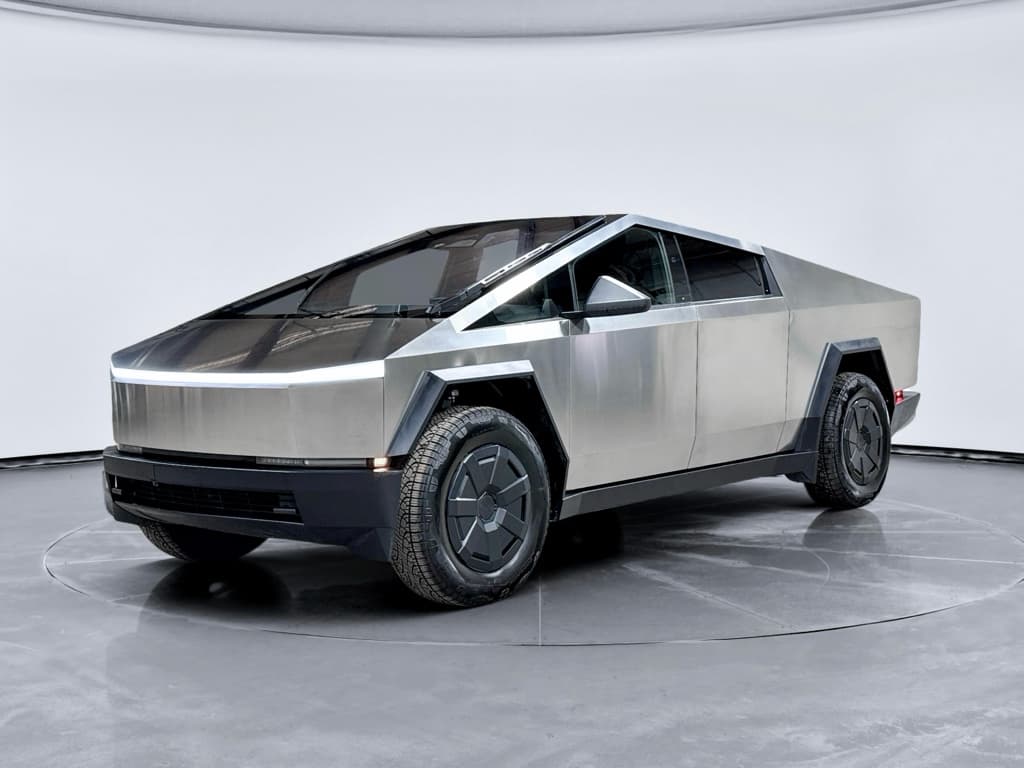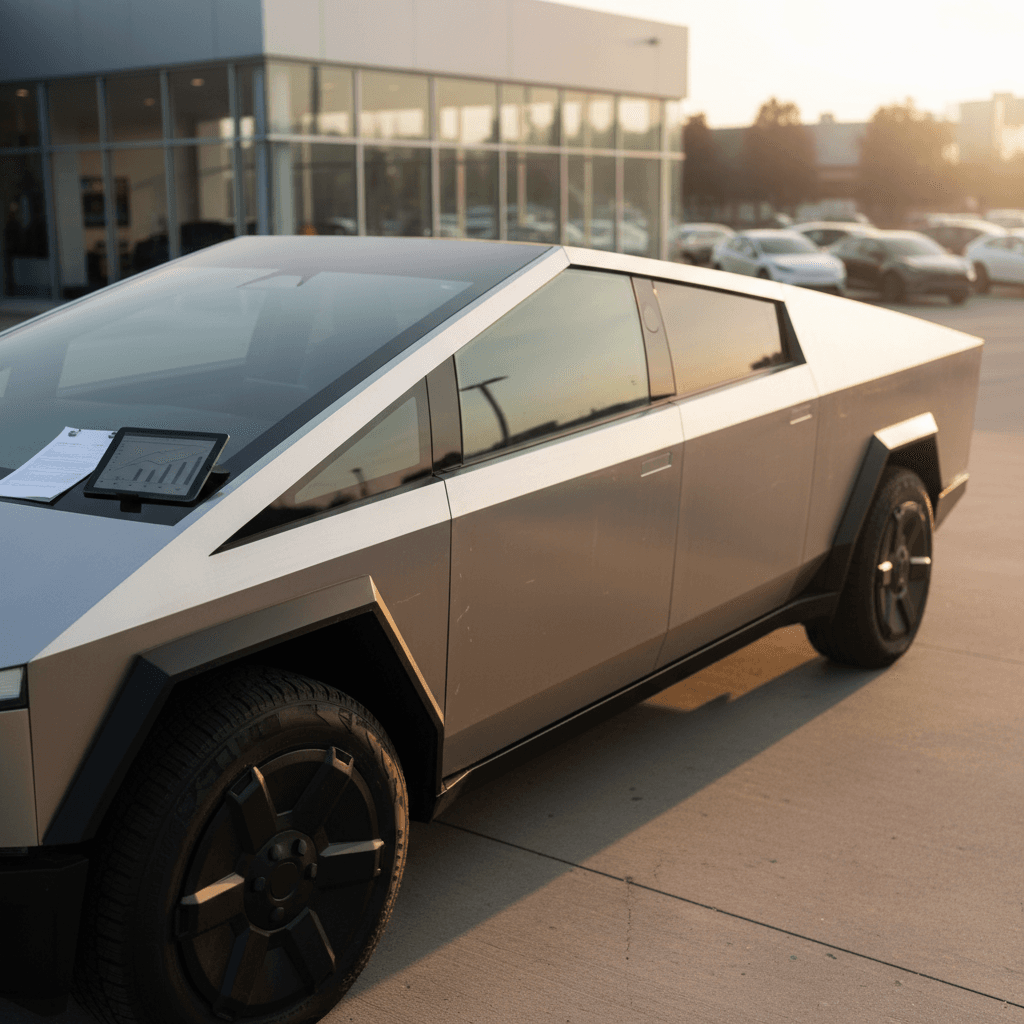
The 2024 Tesla Cybertruck arrived with more hype than any pickup in history, and more memes about broken windows and stainless‑steel panel gaps than any vehicle deserves. Now that trucks have been on the road for a while, the obvious question is: how reliable is the 2024 Tesla Cybertruck in the real world?
Quick takeaway
2024 Cybertruck reliability at a glance
2024 Tesla Cybertruck: reliability snapshot
If you think of the Cybertruck as a rolling beta test, the numbers make sense. For a first‑year, clean‑sheet vehicle built in limited volumes with radical materials, early reliability is exactly as chaotic as you’d expect. The good news: many problems are fixable via software or straightforward hardware campaigns. The bad news: there have already been a lot of them.
How bad is 2024 Cybertruck reliability, really?
Independent reliability data now groups the 2024 Tesla Cybertruck in the bottom tier of new vehicles for overall dependability. That doesn’t mean every truck is a disaster, but it does mean the curve is fat‑tailed: some owners report flawless experiences, while others seem to collect service tickets like trading cards.
On paper
- Multiple recalls in the first model year, including safety‑critical items like the accelerator pedal and wiper motor.
- Low predicted reliability scores compared with other 2024 vehicles.
- Owner surveys showing above‑average complaints for body hardware, trim and electronics.
In real life
- The fundamental EV bits, motors, battery, inverters, are not failing en masse, but a small batch of drive inverters did trigger a hardware recall.
- Most issues are annoyances and trips to service, not catastrophic failures.
- Over‑the‑air updates quietly fix some software‑based problems without a shop visit.
First‑year rule applies
The big 2024 Cybertruck recalls, explained in plain English
The Cybertruck’s recall rap sheet is already long for such a young vehicle. Here are the most important campaigns affecting 2024 trucks and what they actually mean for you.
Key 2024 Cybertruck recalls
Not exhaustive, but these are the recalls shoppers and owners should understand.
| Issue | What went wrong | Risk to driver | How it’s fixed |
|---|---|---|---|
| Accelerator pedal pad | The pedal cover could slip forward and get trapped against interior trim. | Possible unintended acceleration if the pedal can’t return smoothly. | Service replaces or repairs the pedal assembly with a revised design. |
| Windshield wiper motor | The front wiper motor controller could fail from excessive current draw. | Loss of visibility in rain or snow, arguably catastrophic in a tall truck. | Motor replaced at service; no software shortcut here. |
| Rear camera delay | The backup camera image could appear with a noticeable delay after selecting Reverse. | Reduced visibility behind the truck, especially in tight spaces. | Over‑the‑air software update to camera and display logic. |
| Drive inverter fault | A batch of drive inverters could fail, leading to loss of drive power. | Truck may lose propulsion while driving, though steering and brakes remain. | Physical inverter replacement at a Tesla service facility. |
| Stainless trim / cant rail | An exterior stainless trim piece along the bed could loosen and, in extreme cases, detach. | Potential road debris hazard for vehicles behind you. | Service applies new adhesive and mechanical retention; in some cases, new trim panels. |
Always run a VIN check on any used Cybertruck to confirm recall status and completion.
Recalls vs reliability
Owner‑reported trouble spots: where the Cybertruck actually misbehaves
Survey data from early owners paints a consistent picture: the 2024 Tesla Cybertruck’s weak spots aren’t usually the battery or motors. They’re the bits you touch, slam, swipe and look at every day.
Most common Cybertruck problem areas
Based on early owner surveys and service reports.
Body hardware & trim
Owners report issues with doors, windows, latches and tailgates being misaligned or finicky. The sharp‑edged stainless body magnifies even small panel misalignments, so what would be tolerable on a painted truck can look egregious on a Cybertruck.
In‑car electronics
From quirky infotainment behavior to camera glitches and buggy driver‑assistance alerts, the Cybertruck inherits much of Tesla’s software‑first personality, for better and for worse. Software fixes are frequent, but you are effectively part of an ongoing beta test.
Electrical accessories
Complaints around wipers, lights, sensors, and seat heaters show up in owner surveys. Most are repairable one‑offs, but the pattern indicates quality‑control noise rather than rock‑solid consistency.
EV charging quirks
Some owners report intermittent issues starting or completing a charge at home or on certain public stations, especially non‑Tesla networks. Often these are handshake or software issues, but they’re reliability problems from your perspective when you just want to charge and go.
Noises & leaks
Squeaks, rattles and wind noise around the huge windshield and doors are common themes. Stainless eliminates paint chips but doesn’t eliminate the laws of aero or NVH.
Climate & comfort
A few reports of over‑eager HVAC, fogging or sensor‑related climate glitches. Not catastrophic, just the usual Tesla "we’ll iterate in software" approach to what used to be simple knobs and vents.
What to listen and look for on a test drive
Battery and charging reliability: separating drama from reality
Underneath the stainless cosplay, the Cybertruck is still a Tesla. That means a mature high‑voltage architecture and a company that’s built millions of battery‑electric vehicles. So far, there is no evidence of widespread pack failures unique to the Cybertruck, but it’s early days, and we should be honest about what we do and don’t know.
- Early‑life battery failures appear rare; most high‑voltage issues are tied to that bad batch of inverters, now covered by recall.
- Real‑world range seems broadly in line with expectations for a heavy, brick‑shaped truck, very sensitive to speed, payload and wheel/tire choice.
- Some owners report charge‑port door glitches, non‑starts on certain third‑party fast chargers, or home chargers that require occasional resets.
- Like other Teslas, the Cybertruck benefits from battery‑friendly habits: avoiding repeated 0–100% cycles, limiting DC fast charging when possible, and parking out of extreme heat.
Where the Cybertruck actually shines
If you’re considering a used Cybertruck, the right question isn’t “Will the battery explode?” It’s “How has this battery been treated?” That’s exactly the kind of thing a Recharged Score battery health report is designed to quantify, using real data instead of seller assurances.
Build quality, fit and finish: is the stainless science project livable?
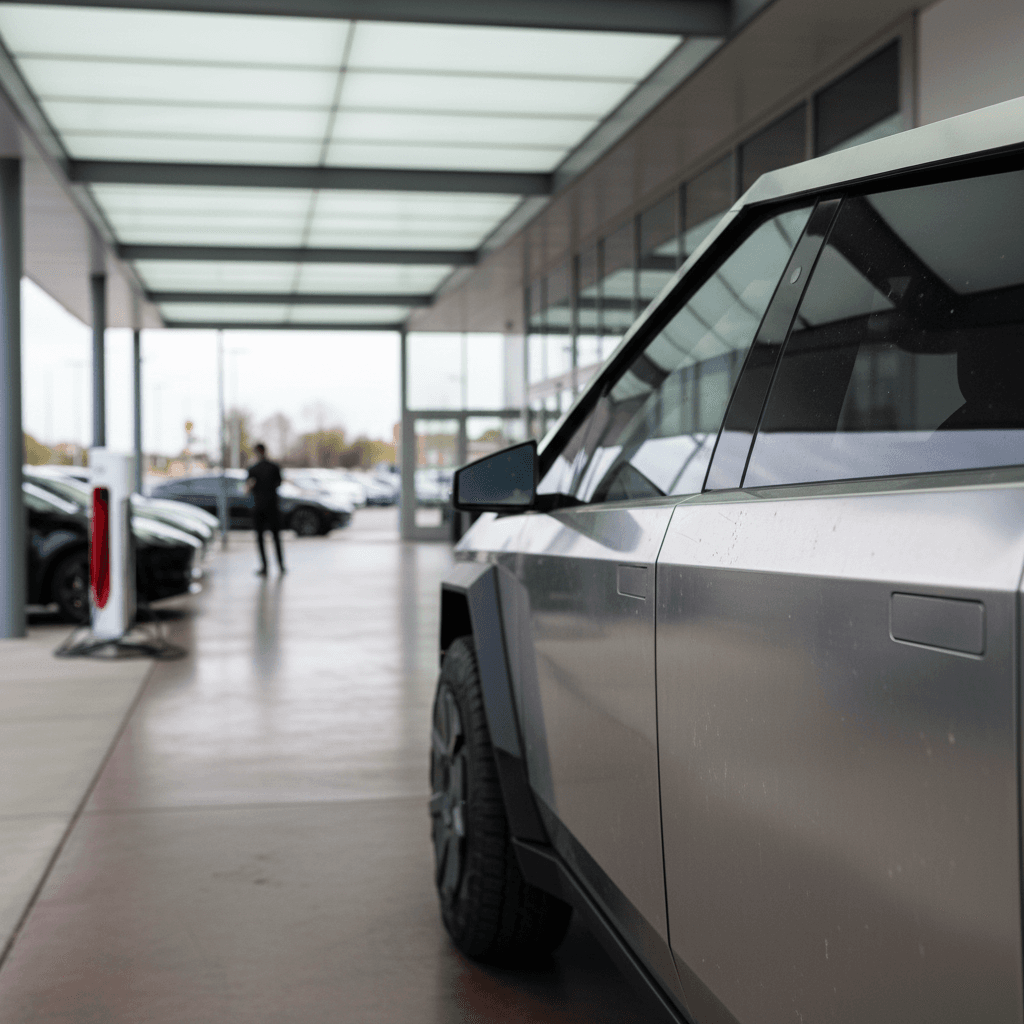
Let’s talk about the elephant in the garage: Cybertruck build quality is wildly variable. This isn’t internet folklore; it’s what you see walking around them. Panel alignment can range from “pretty good considering the geometry” to “did a geodesic dome explode in here?”
Stainless steel pros
- No clearcoat to chip; minor scratches can sometimes be buffed or blended.
- Rust‑through is less of an immediate concern than on a conventional steel‑bodied truck.
- The truck will look essentially the same after a decade of car‑wash brushes and parking‑lot door dings, assuming nothing big hits it.
Stainless steel cons
- Everything shows: panel gaps, small dings, surface contamination, and inconsistent grain direction.
- Repairing crash damage requires specialized bodywork; not every shop is eager to learn on your truck.
- Owners report “rust‑colored specks” from surface contamination that require special cleaning, even though the metal itself isn’t rusting through.
Adhesives and trim deserve extra scrutiny
How Cybertruck reliability compares to other electric trucks
No modern full‑size EV truck is bulletproof, these are all complex, heavy, first‑ or second‑generation efforts. But the 2024 Cybertruck does sit on the rougher side of the reliability spectrum right now.
2024 EV truck reliability comparison (high‑level)
A qualitative look at where the Cybertruck sits versus key rivals.
| Model | Overall early reliability feel | Typical issues | Who it suits |
|---|---|---|---|
| Tesla Cybertruck (2024) | Below average | Recalls, trim and hardware quirks, software niggles, wipers, camera timing, inverter batch recall. | Buyers who want the wild design and Tesla ecosystem and are comfortable with first‑year chaos. |
| Ford F‑150 Lightning (early years) | Below average to average | 12V battery issues, software glitches, some drive‑unit and charging complaints. | Traditional truck buyers who value Ford dealer network access and a familiar cabin. |
| Rivian R1T | Average | Minor trim issues, occasional electronic gremlins, air‑suspension quirks. | Enthusiasts who prioritize off‑road ability and interior quality over mass‑market service access. |
| Chevy Silverado EV / GMC Hummer EV | Still emerging | Heavy curb weight, some electrical and suspension complaints, early build issues. | Buyers loyal to GM who want maximum presence and power, and accept first‑wave tradeoffs. |
This table reflects early‑life reliability impressions, not long‑term durability after 10 years of use.
Framed that way, the 2024 Cybertruck isn’t uniquely cursed, it’s just the most visible example of an industry‑wide pattern: very complex EV trucks launched fast, debugged in public.
Should you buy a used 2024 Cybertruck? Who it suits, and who it doesn’t
By 2026, more 2024 Cybertrucks are drifting into the used market, often with low miles and a story that begins, “I loved it, but…” You’re not just buying a truck; you’re buying into its development arc.
Good candidate for you if…
- You’re comfortable being an early adopter and can tolerate the occasional service visit or software quirk.
- You live near a Tesla service center and dense Supercharger coverage.
- You care more about design, tech and conversation‑starter value than quiet, invisible ownership.
- You understand that resale values could be volatile as more trucks and updates arrive.
Probably not for you if…
- You want a set‑and‑forget work truck that just runs forever with minimal fuss.
- You tow heavy loads for long distances and cannot afford charging or reliability surprises.
- You live far from Tesla service and don’t want to be a logistics manager for your own repairs.
- You find the stainless body, attention and polarizing design more exhausting than fun.
Where Recharged fits in
Used Cybertruck inspection checklist
What to check before you commit to a 2024 Cybertruck
1. Run the VIN for recall status
Use NHTSA’s site or Tesla’s own tools to confirm <strong>all open recalls are addressed</strong>, especially the accelerator pedal, wiper motor, drive inverter and trim‑adhesion campaigns.
2. Inspect stainless panels and trim closely
Look along the sides in good light. Panel gaps should be reasonably even, with no obvious waves, buckles or misaligned doors. Gently press along bed trim and roof rails to check for looseness.
3. Test all doors, windows and hardware
Open and close every door, frunk, tailgate and tonneau cover multiple times. Verify power seat controls, mirrors, locks and latches operate smoothly and consistently.
4. Drive at highway speeds
On the test drive, get to 60–70 mph. Listen for <strong>excessive wind noise</strong>, rattles from the bed or roof, and any steering shimmy or vibration that might suggest alignment or suspension issues.
5. Check charging behavior
If possible, plug into both a Level 2 charger and a DC fast charger. Confirm the truck recognizes the charger quickly, charges at appropriate speed and does not throw charge‑port warnings or errors.
6. Review software and warning history
Ask the seller to show any prior service records and recent software alerts or warnings. Frequent resets or unexplained warning lights are a red flag on a first‑year truck.
7. Get a battery health report
A <strong>Recharged Score report</strong> or equivalent diagnostic can reveal usable battery capacity and fast‑charge history, critical for understanding long‑term range and value.
How Recharged evaluates Cybertruck battery health and value
With a vehicle as polarizing as the Cybertruck, it’s easy for internet drama to drown out the single biggest question that drives long‑term cost of ownership: What kind of shape is the high‑voltage battery in? That’s where a structured, transparent evaluation makes a real difference.
Inside a Recharged Score for a 2024 Cybertruck
Beyond vibes and viral videos, down to data.
Battery health diagnostics
We pull detailed diagnostics wherever possible: estimated usable capacity, charge‑cycle patterns, fast‑charge frequency and thermal behavior. The goal is to understand how much real‑world range you’re likely to see versus the original rating.
Fair market pricing
First‑year trucks can swing wildly in value. Our pricing models account for recall history, mileage, configuration and market demand to benchmark whether a particular Cybertruck is fairly priced against other EV trucks.
Expert‑guided buying support
Recharged EV specialists walk you through the report, explain what’s normal for an early‑build Cybertruck and what’s a walk‑away, and help you compare it to more conventional used EVs if you decide the stainless spaceship isn’t for you.
Ready to find your next EV?
Browse Vehicles2024 Tesla Cybertruck reliability FAQ
Common questions about 2024 Cybertruck reliability
Bottom line: buy the headline, live with the hardware
The 2024 Tesla Cybertruck is not a quietly competent appliance; it’s a rolling moonshot with the early‑run gremlins to match. Reliability so far is mixed at best: headline‑grabbing recalls, fussy trim and hardware, and the usual Tesla software melodrama, all wrapped around a battery‑electric platform that, fundamentally, still does the EV work very well.
If you’re the sort of driver who enjoys being one software update away from something new, a carefully vetted used Cybertruck can make sense, especially if you lean on tools like a Recharged Score battery health report and expert guidance to separate good trucks from bad science projects. If you want predictable, low‑drama ownership above all else, you may be better off looking at a more conventional used EV or a later‑year truck once Tesla has had time to sand down the rough edges.
Either way, don’t let the memes make the decision for you. Put the 2024 Cybertruck on the same footing as any other used EV: verify the battery, check the recalls, study the body, and buy the truck that looks ready for your life, not just your feed.