If you’re considering a 2025 Subaru Solterra, you’ve probably heard about early recalls, slow fast‑charging, and quirky software. The good news is that by 2025 most of the scary headlines are behind this electric Subaru, but there are still some real‑world problems and annoyances you should understand before you buy, especially on the used market.
Shared DNA with the Toyota bZ4X
Overview: Should you worry about 2025 Solterra problems?
The 2025 Solterra carries over the basic hardware launched for the 2023 model year: a 72.8 kWh battery, dual‑motor AWD, and conservative DC fast‑charging speeds. Subaru trimmed the price for 2025 and saved the big range and charging upgrades for the 2026 refresh, so what you’re really judging is whether this early‑generation hardware fits your life, and whether the main issues have been addressed.
2025 Solterra problems at a glance
The short version before we dig into details
Safety issues mostly addressed
Early wheel hub bolt concerns were tied to 2023 builds and have been handled through recalls. There’s also a newer HVAC/defroster recall that 2023–2025 owners should get fixed promptly.
Charging & range quirks
Owners consistently report slower‑than‑advertised DC fast‑charging, especially in cold weather, and modest highway range compared with newer EVs.
Software & app frustrations
The Solterra’s dedicated app and in‑car infotainment are common complaint areas: bugs, slow start‑up, and Bluetooth/app glitches show up frequently in owner stories.
Quick look: known issues and recalls
Key Solterra problem areas to know
Model‑year vs. build‑date matters
Major recalls affecting 2023–2025 Solterra
Even though you’re hunting for a 2025 model, it helps to know the recall history of the whole generation. It tells you what’s already been fixed, and what could still bite if a previous owner ignored the mail.
Key Solterra recalls relevant to 2025 shoppers
This isn’t every campaign ever issued, but it covers the big themes you should ask about when evaluating a used 2023–2025 Solterra.
| Issue | Model years affected | What went wrong | Why it matters | What to confirm on a used 2025 |
|---|---|---|---|---|
| Wheel hub bolts / wheels could loosen | Primarily 2023 | Improperly torqued hub bolts on some early builds could loosen, in extreme cases allowing a wheel to detach. | Serious safety risk, but tied to a specific batch and now well‑known in the dealer network. | 2025s are generally built after the fix, but check history if the car was an early‑build carryover or demo. Confirm no outstanding campaigns. |
| HVAC/defroster software fault | 2023–2025 | A software issue in the HVAC control module can push the system into failsafe, shutting down heat and defrost after certain compressor faults. | Loss of windshield defrosting in winter is a clear safety issue and could make the vehicle undrivable until repaired. | Ask if the HVAC recall software update has been done and test defog/defrost on a cold start. |
| Assorted software/ECU updates | 2023–2025 | Subaru and Toyota have continuously tweaked battery management, charging logic, and range display through over‑the‑air or dealer updates. | These aren’t always labeled as “recalls,” but they materially change how the car charges and reports range. | Ask for a dealer printout of completed campaigns and whether the latest software bundles have been installed. |
Always verify open recalls with the VIN; repairs are performed free of charge at Subaru dealers.
Battery and EV‑specific warranty coverage
Everyday complaints from Solterra owners
Owner forums and early long‑term tests paint a pretty consistent picture: the Solterra is pleasant to drive and extremely stable in bad weather, but livability can be undermined by software glitches and a driving experience that lags newer EVs in range and charging speed.
- Infotainment system can be slow to boot, with occasional re‑logins and Bluetooth stutters.
- The dedicated Solterra app is widely described as clunky or unreliable, especially for remote pre‑conditioning and status updates.
- Some drivers dislike the digital‑gauge placement and steering‑wheel relationship, especially taller or shorter drivers who struggle to see the whole cluster.
- Range estimates on the dash can jump around more than some owners expect, especially after software updates or in changing temperatures.
- Multiple user profiles can interact badly with charging preferences, causing charge limits or settings to revert until the extra profile is removed or re‑set.
Take a long, tech‑heavy test drive
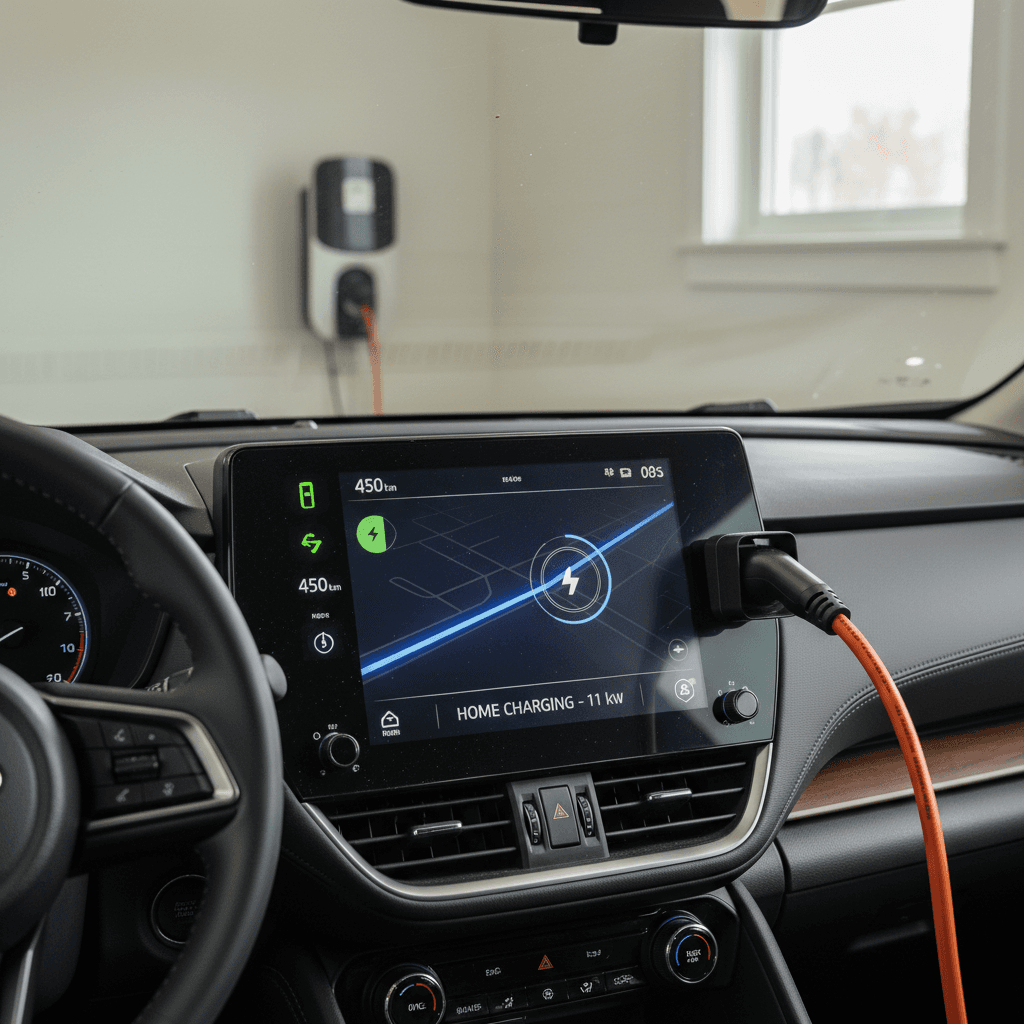
Range and charging problems: what to expect
On paper, the 2025 Subaru Solterra’s 72.8 kWh battery and AWD layout put it in the same ballpark as other compact electric SUVs. In practice, owners report that the combination of modest range and conservative charging curves makes it feel a step or two behind the newest competition, especially if you road‑trip a lot or live in a cold climate.
Real‑world range expectations
- EPA‑rated range for many AWD Solterra trims hovers in the low‑ to mid‑220‑mile area, and real‑world highway range is typically less, often around 180–200 miles at 70 mph in mild weather.
- Owners regularly see bigger drops in winter: cold batteries, heater use, and defroster loads can easily shave another 15–30% off usable range.
- After software updates that added a visible battery‑percentage display, some drivers noticed sudden changes in displayed range, even though actual energy use hadn’t changed much. It’s more of a "guess‑o‑meter" recalibration than a true battery failure in most cases.
DC fast‑charging behavior
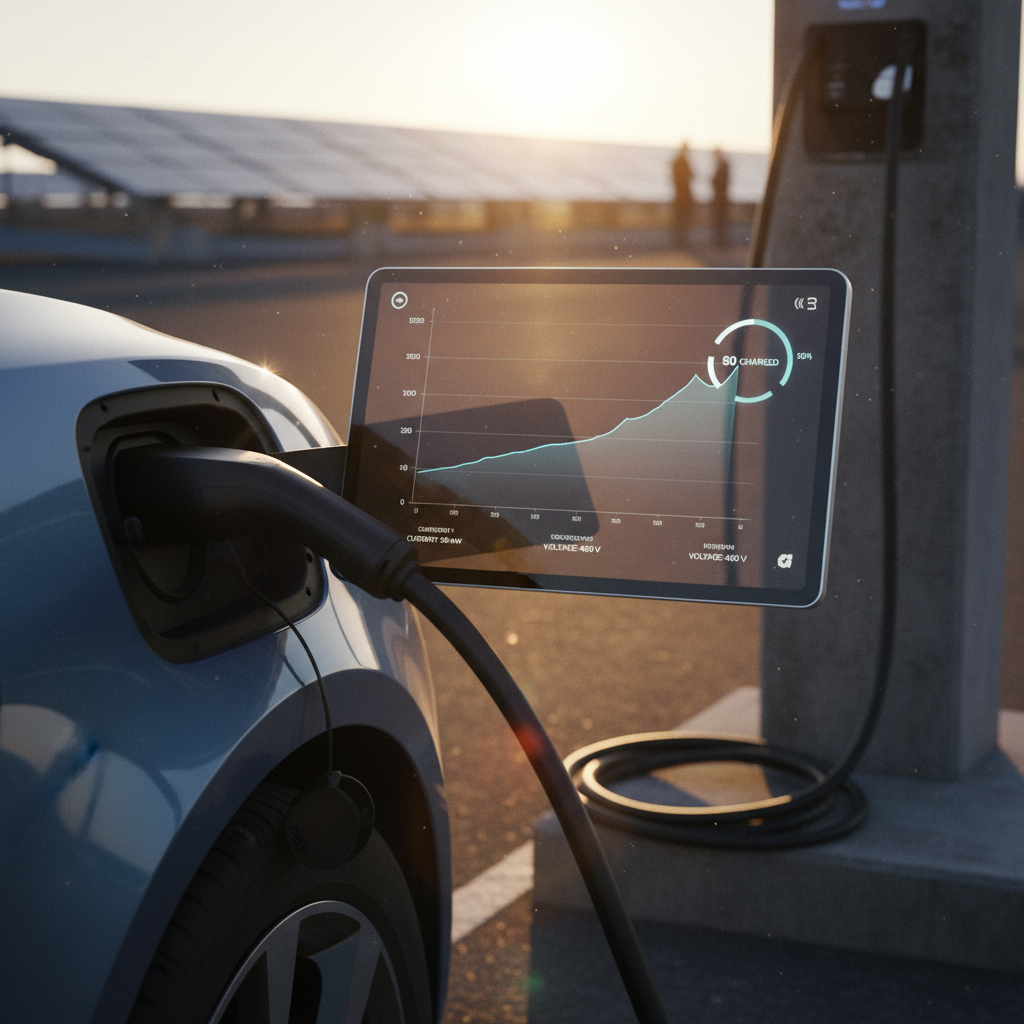
- Marketing materials suggest up to ~150 kW peak DC charging and roughly 10–80% in about an hour, but many U.S. owners report peak power closer to 60–80 kW and long sessions that barely crack 40–50 kW.
- Cold weather is especially punishing: without aggressive battery pre‑conditioning, charge rates can plummet into the 20–30 kW range even on high‑power stations.
- Some drivers have struggled with inconsistent compatibility with certain public DC networks, though this seems to be more hit‑or‑miss than universal.
Cold‑weather charging reality check
For a lot of owners who mostly charge at home and drive a normal daily commute, these charging quirks are more of a mild annoyance than a crisis. Where they really matter is if you’re using the Solterra as a primary road‑trip vehicle, or you’re comparing it to newer EVs that can comfortably pull 150–200 kW for big chunks of a fast‑charge session.
HVAC and defroster issues on the 2025 Solterra
One of the more recent headaches for Solterra owners is a software‑related HVAC and defroster recall covering 2023–2025 Solterra, plus the Toyota bZ4X and Lexus RZ twins. A fault in the HVAC control logic can send the system into a failsafe mode after a specific compressor problem, shutting down heat and defrost just when you need them most.
- In cold or wet weather, losing defrost function is a real safety risk, visibility can degrade quickly.
- The fix is a dealer‑performed software update, sometimes combined with hardware checks or compressor replacement if needed.
- On a used 2025 Solterra, it’s crucial to confirm this recall has been done; it’s free, but not every original owner gets around to it right away.
- Even with the recall addressed, some owners report that cabin warm‑up is slower than they’d like, especially when trying to conserve range.
Test the HVAC before you sign
Infotainment and app frustrations
If there’s one theme that unites Subaru and Toyota EV owners, it’s that the car is usually better than the software wrapped around it. The 2025 Solterra is no exception: while the driving experience is calm and confidence‑inspiring, the infotainment system and companion app draw a lot of complaints.
Common tech complaints from Solterra owners
Not everyone sees every problem, but these themes pop up again and again
Solterra app & remote features
- Difficulty logging in or staying logged in; biometric unlock that works one day and not the next.
- Remote pre‑heat/pre‑cool sometimes fails to start or doesn’t update status reliably.
- Charging info in the app often requires manual refreshes and screen‑swapping to show a current state of charge.
- Attempting to set up digital keys or multiple users can trigger new glitches until profiles are cleaned up.
In‑car infotainment & profiles
- Slow start‑up sequence: the system can take a noticeable beat to recognize the driver, load profiles, and bring everything online.
- Bluetooth audio that stutters or drops out, especially right after start‑up.
- Occasional requests to re‑enter login info for connected services, even on relatively new vehicles.
- Profile‑linked preferences (like charge limits) not always sticking when switching between drivers.
A simple way to avoid profile chaos
How serious are 2025 Solterra problems?
When you zoom out, the 2025 Subaru Solterra doesn’t have a reputation as a chronic breakdown artist. Instead, its problems fall into three buckets: early‑generation recalls that are now largely corrected, software that could really use another round or two of polish, and performance (range and charging) that’s safe and conservative rather than class‑leading.
Safety & hardware
After the initial hub‑bolt scare, there’s no pattern of catastrophic hardware failures specific to the Solterra. The big current watch‑item is the HVAC/defroster recall, which is serious but fixable with an update and, if needed, hardware work at a dealer.
Software & livability
Most issues here are annoyances, not deal‑breakers: slow boot times, finicky profiles, a clumsy app. They can make the car feel older than its model year, but they rarely leave you stranded.
Range & charging
The Solterra’s biggest “problem” is that the EV world is moving fast. By 2025, other compact SUVs offer more range and much faster DC charging. If you mostly drive locally and charge at home, that may not matter. If you road‑trip, it will.
Where the Solterra quietly shines
Used 2025 Solterra problem checklist
Shopping used is where you really want a clear, methodical look at potential problems. Here’s a practical checklist you can work through in a single, well‑planned test drive and inspection.
Pre‑purchase checklist for a used 2025 Subaru Solterra
1. Run the VIN for recalls and campaigns
Ask a Subaru dealer, or use the NHTSA site, to confirm all <strong>recalls and service campaigns</strong> are complete, especially anything related to wheels, battery/charging software, and the HVAC/defroster fix.
2. Verify battery warranty and mileage
Confirm odometer and in‑service date so you know how much of the <strong>8‑year / 100,000‑mile battery warranty</strong> remains. Higher‑mileage 2023–2024 cars may have noticeably less coverage left than a lightly‑used 2025.
3. Test AC and DC charging
If possible, plug into both a <strong>Level 2 (home‑style)</strong> charger and a <strong>DC fast charger</strong>. Watch for error messages, aborted sessions, or extremely low DC charge rates that don’t improve as the session continues.
4. Check real‑time range vs. charge level
With a full or near‑full battery, compare the indicated range to what you’d expect from a ~220‑mile EV. A little variation is normal, but huge drops or wildly bouncing estimates may justify a deeper battery‑health check.
5. Stress‑test the HVAC and defroster
On a cold or damp day, start the car cold and run <strong>heat and defrost at full blast</strong>. Make sure the windshield clears quickly and warm air continues blowing. Any fading heat, foggy glass, or odd noises deserve a closer look.
6. Live with the infotainment for 15 minutes
Pair your phone, start some music, try CarPlay/Android Auto if equipped, and cycle the car off and on. Note any <strong>lag, Bluetooth dropouts, or repeated login prompts</strong> that would drive you nuts in daily use.
7. Open and close everything
Walk around and cycle doors, hatch, charge port door, and windows. Listen for creaks or rattles and check for any trim that looks like it’s been off before, a clue that prior repairs might not have been factory‑quality.
8. Drive it the way you really drive
Don’t just loop the block. Hit a highway on‑ramp, try a quick stop, and drive at your usual speeds. Note whether the <strong>range estimate</strong> drops in a way that feels consistent or unnervingly steep.
How Recharged helps with used Solterra shopping
Early‑generation EVs like the 2025 Solterra reward shoppers who look past the window sticker and dig into software updates, battery health, and recall history. That’s exactly the homework Recharged bakes into every used EV we list.
Why shop for a Solterra through Recharged?
We do the nerdy EV homework so you can focus on the drive
Verified battery health
Recall & software status
Transparent pricing & support
Experience Center test‑drives
Fully digital buying process
Right EV for your use case
Ready to find your next EV?
Browse Vehicles2025 Subaru Solterra problems FAQ
Frequently asked questions about 2025 Solterra problems
Bottom line: Is the 2025 Solterra worth it used?
If you measure an EV strictly by range and fast‑charging heroics, the 2025 Subaru Solterra is clearly outgunned by newer rivals. Its problems are mostly about being conservative and a little kludgy, not about falling apart. Where it fights back is in all‑weather confidence, familiar Subaru feel, and a price that’s softening on the used market as more metal hits the streets.
Go in with open eyes: make sure the HVAC recall is handled, be honest about how often you really road‑trip, and don’t underestimate how much bad software can annoy you on your daily commute. Do that homework, and lean on tools like the Recharged Score Report and EV‑specialist support, and a used 2025 Solterra can be a quietly capable, winter‑ready electric SUV that fits your life more comfortably than the spec sheet suggests.