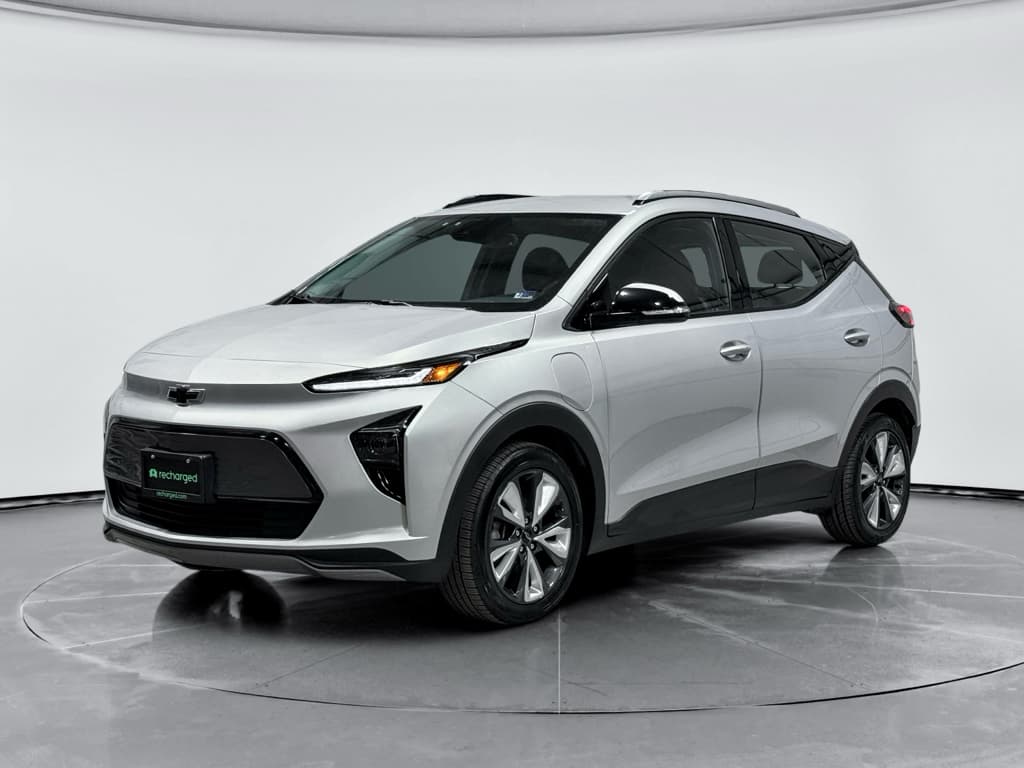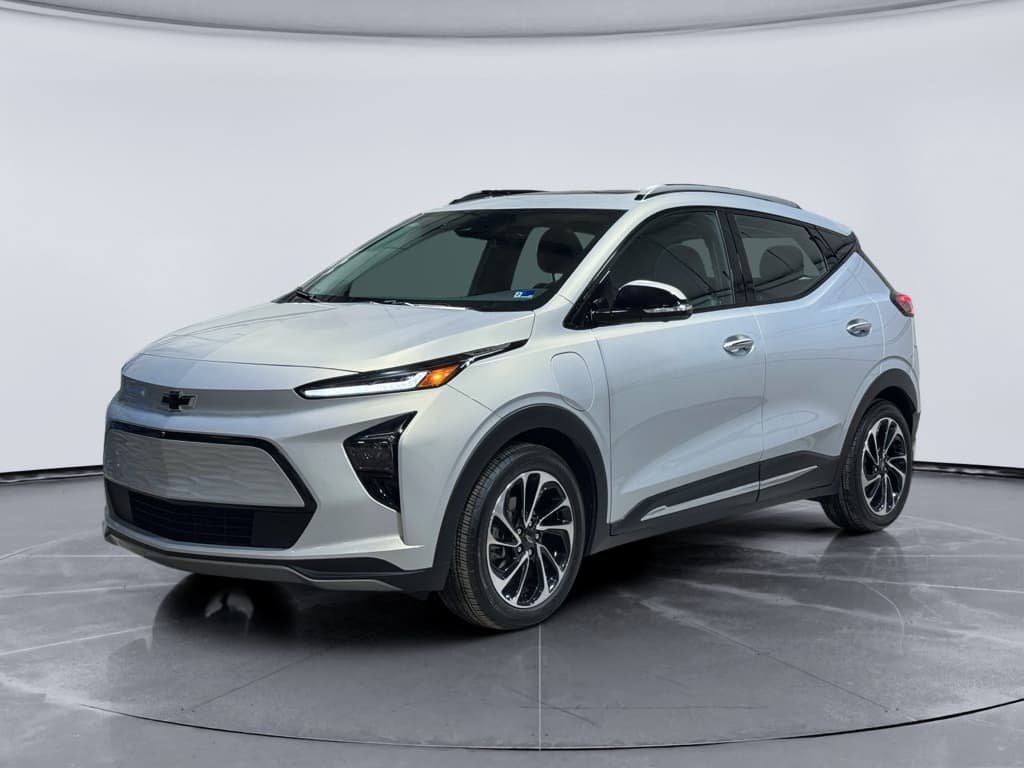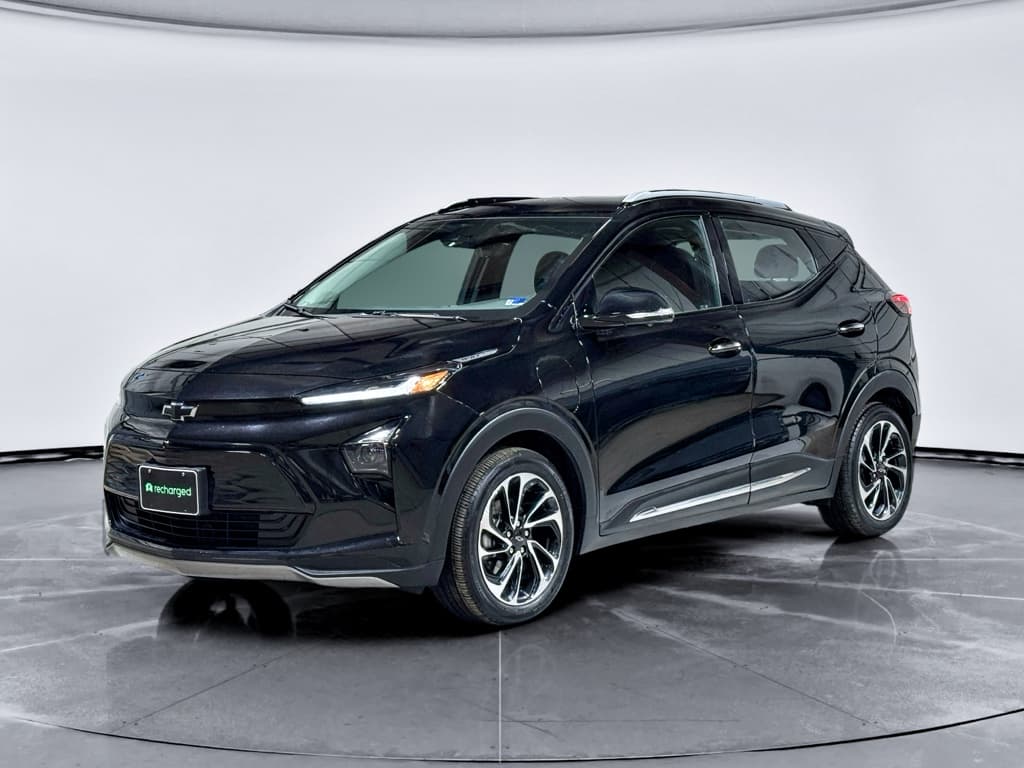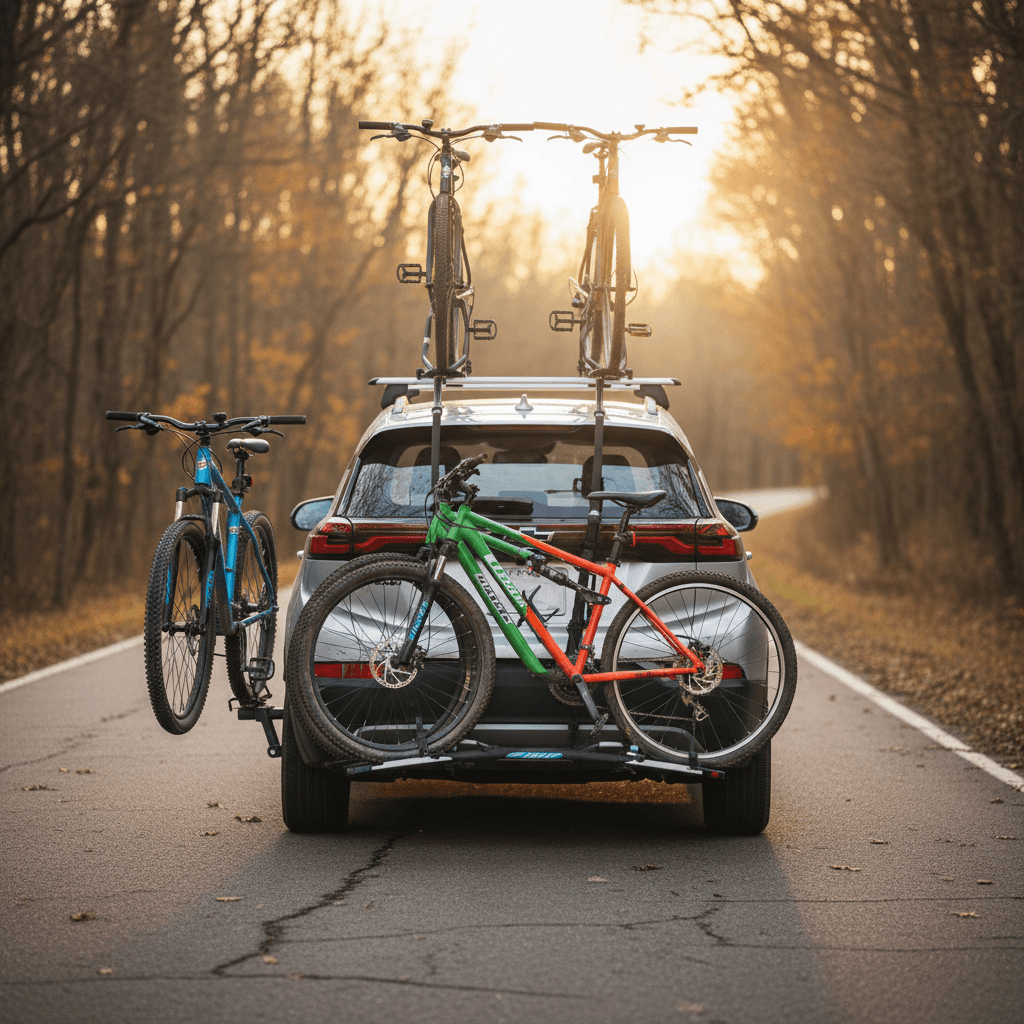
If you own a Chevrolet Bolt EUV and love to ride, sooner or later you start wondering about bike racks. The Bolt EUV is compact, efficient, and already has roof rails on most trims, but its short overhangs and EV packaging make bike hauling a little different from your average crossover. This guide walks through the best Chevrolet Bolt EUV bike rack options, hitch, roof, and trunk, so you can carry everything from carbon road bikes to burly e‑MTBs without abusing the car or your nerves.
Quick answer
Bolt EUV bike rack basics
Before diving into specific products, it helps to understand what the Bolt EUV gives you, and what it doesn’t, out of the box. That shapes which bike rack styles actually work well on this platform.
What the Bolt EUV gets right (and wrong) for bike racks
Know your starting point before spending on hardware
Factory roof rails
Short, tall rear
No factory tow rating
None of this rules out carrying bikes; it just means you’ll want to choose hardware that respects the car’s relatively light hitch ratings and tall stance while still giving you a stable, confidence‑inspiring setup.
Chevrolet Bolt EUV hitch bike rack options
If you talk to serious riders who own a Bolt EUV, nearly all of them end up with a hitch‑mounted bike rack. It keeps dirty bikes out of the cabin, avoids roof‑loading on a tall-ish hatchback, and works well with everything from aero road bikes to heavy e‑MTBs.
Why most Bolt EUV owners prefer hitch racks
For the Bolt EUV, hitch racks break down into two big families: platform racks and hanging (mast) racks. Either style can work, but each has pros and cons that are magnified by the Bolt’s relatively light accessory ratings.
Common hitch bike rack styles for the Bolt EUV
Use this at‑a‑glance comparison to decide which style fits your bikes and budget.
| Rack style | Best for | Typical capacity | Works with e‑bikes? | Pros | Cons |
|---|---|---|---|---|---|
| Platform (tray) | MTB, gravel, e‑bikes | 2–4 bikes | Yes (many up to 60 lb/bike) | Easiest loading, minimal frame contact, stable on highway | Heavier and pricier; often 2" receiver only |
| Hanging (mast) | Light road/commuter bikes | 2–4 bikes | Usually no | Cheaper, lighter, works with many 1.25" hitches | Can sway; more frame contact; poor for step‑through/e‑bikes |
| Vertical (ladder) | Downhill fleets, shuttling | 4–7 bikes | Sometimes | High capacity, tight footprint for many bikes | Tall, heavy, may exceed Bolt hitch ratings or block taillights |
Specific models change every year, but these patterns stay consistent across brands like Thule, Yakima, Küat, 1Up, Saris, and RockyMounts.
Watch the fine print on e‑bikes
Choosing a hitch for your Bolt EUV
The Bolt EUV doesn’t ship with a receiver, so your bike‑rack journey starts with picking the right hitch. The good news: there are several aftermarket options designed specifically for 2022–2024 Bolt EUV models with clean installs and no bumper butchery.
1.25" vs 2" receivers
- 1.25-inch hitches are smaller, usually lighter, and often rated around 200 lb tongue weight. They can handle lighter hanging racks or compact two‑bike platforms, but they limit your future rack choices, many of the best e‑bike racks are 2" only.
- 2-inch hitches open the door to heavier-duty, higher‑capacity racks. Some aftermarket options for the Bolt EUV are rated up to about 300–450 lb of tongue weight for accessories, which is much more comfortable for two loaded e‑MTBs plus the rack.
Aftermarket Bolt EUV hitch examples
- EcoHitch‑style stainless 2" receiver – Designed specifically for the Bolt EUV with a concealed cross tube and a 2" receiver angled for better ground clearance. Published tongue weight ratings are around 450 lb for accessories, which is ideal for heavier platform racks and e‑bikes.
- Class 3 2" receivers from mainstream brands – Several suppliers now list a Bolt EUV‑specific hitch rated around 2000 lb gross trailer weight and 300 lb tongue weight for accessory use. That’s plenty for two conventional bikes on a platform rack or up to four lighter bikes on a hanging rack.
Exact ratings vary by manufacturer and model year, so always confirm the sticker on your specific hitch.
Aim for a 2" receiver if you can
When in doubt, have the hitch installed by a reputable shop familiar with EVs. They’ll understand how to route around high‑voltage components and can help you choose a rack that won’t drag on steep driveways or gouge the bumper when folded up.
Roof rack bike options for the Bolt EUV
The Bolt EUV quietly does cyclists a favor: unlike the standard Bolt EV in some years, many EUV trims come with factory flush roof rails. That makes it simple to add crossbars and a roof‑mounted bike rack system, especially if you prefer to keep the rear hatch clear.
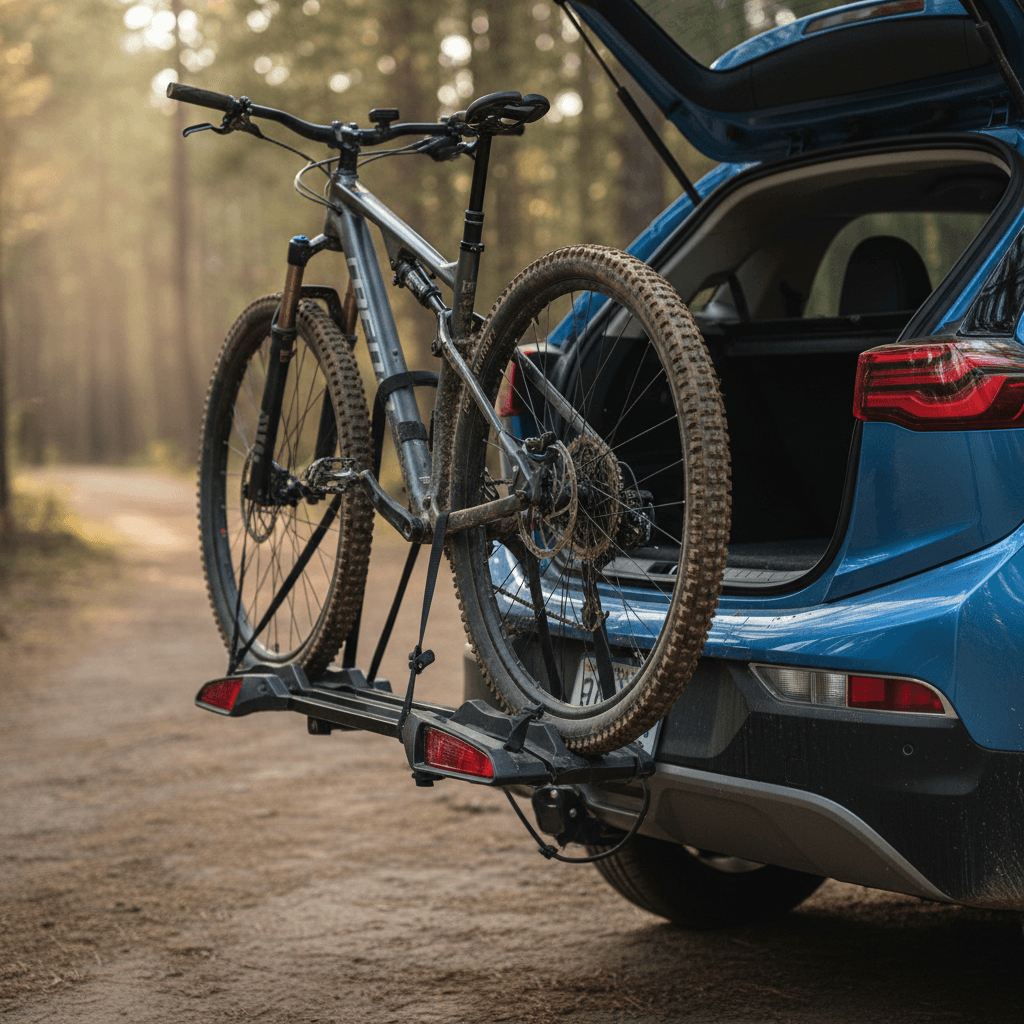
Typical roof rack setup for a Chevrolet Bolt EUV
The basic hardware stack is similar no matter which rack brand you choose.
| Component | What you need | Notes |
|---|---|---|
| Crossbars | Bolt EUV‑specific or adjustable bars for flush rails | Aftermarket options in aluminum support around 165–220 lb of dynamic load. |
| Bike carriers | Fork‑mount or upright trays (1 per bike) | Look for trays rated ~40–50 lb per bike; most are meant for analog bikes, not heavy e‑bikes. |
| Locks | Core sets or integrated cable locks | Prevents quick grab‑and‑go theft at trailheads and hotels. |
Check both the crossbar rating and the Bolt EUV’s roof load limit in the owner’s manual before hauling multiple bikes up top.
Wind noise is real
Roof systems are great if you carry just one or two light bikes, share racks between multiple vehicles, or don’t want a hitch hanging off the back. The tradeoff is lifting height, on a tall hatch like the Bolt EUV, you’re muscling bikes up to head level or above, which gets old fast with heavy mountain bikes.
Trunk and hatch‑mounted bike racks
Trunk‑mount racks, those strap‑on contraptions that cling to the hatch with rubber feet, are the cheapest way to get bikes onto a Bolt EUV. They can work in a pinch, but on a modern EV with a large glass hatch and sculpted spoiler, they’re very much the compromise option.
When a trunk rack makes sense (and when it doesn’t)
Think of this as the temporary solution, not the forever setup.
Pros
- Lowest upfront cost of any bike‑carrying option.
- No need to install a hitch or buy crossbars.
- Can be moved between multiple vehicles fairly easily.
Cons
- Straps can chafe paint or press on glass and plastic spoilers.
- Often blocks the rear camera and some parking sensors.
- Limited weight ratings; rarely suitable for e‑bikes.
- Can loosen over time, requires regular re‑tensioning.
Be careful with glass hatches
If you ride frequently, or if your bikes cost anything more than a good laptop, a hitch or roof system is usually a smarter long‑term investment than relying on straps and prayers.
Weight limits and e‑bike considerations
The phrase you’ll see all over hitch and rack spec sheets is tongue weight, the vertical load the hitch can safely support. With bikes, tongue weight is basically the combined weight of the rack plus all bikes, multiplied by the leverage of how far that mass sits behind the bumper.
Estimating bike rack weight on a Bolt EUV
Use these rough numbers to sanity‑check your setup before you hit the road.
| Example setup | Rack weight | Bike weights | Total at hitch | Comfort level on 300 lb hitch |
|---|---|---|---|---|
| 2 analog MTBs on mid‑weight platform | 45 lb | 2 × 32 lb | ~109 lb | Comfortable with margin |
| 2 e‑MTBs on stout platform | 65 lb | 2 × 55 lb | ~175 lb | Still fine, but check leverage and road conditions |
| 4 light road bikes on hanging rack | 35 lb | 4 × 20 lb | ~115 lb | Usually okay, but watch for sway and frame contact |
| 3 heavy e‑bikes on big 2" rack | 75 lb | 3 × 60 lb | ~255 lb | Getting close; may exceed some 1.25" or lower‑rated hitches |
These are example figures only. Always compare your actual rack and bike weights to the hitch rating on your car.
Leave headroom in the numbers
Roof systems have their own numbers: your crossbars will have a dynamic rating (often around 165–220 lb), and the Bolt EUV’s owner’s manual specifies a maximum roof load. Add up the trays and bikes and make sure you’re below both limits, and remember that crosswinds and abrupt steering on the highway add extra stress.
How to choose the right rack for you
Step‑by‑step: Pick the right Bolt EUV bike rack
1. Count bikes and types
Make a realistic tally: How many bikes do you carry most of the time, and are any of them e‑bikes, fat bikes, or step‑through frames that need special trays or adapters?
2. Decide on hitch vs roof
If you’re hauling e‑bikes or more than two bikes regularly, a <strong>hitch rack</strong> is almost always the better choice. For one light road bike and occasional trips, a <strong>roof rack</strong> can be cleaner and more flexible.
3. Check your hitch rating
Look at the sticker on the hitch itself for the <strong>maximum tongue weight</strong>. This is the hard limit. Stay below it, and ideally keep your rack+bike load under about 75% of that number.
4. Choose receiver size and rack style
If you don’t own a rack yet, lean toward a <strong>2-inch receiver with a platform rack</strong>. If you already have a 1.25" two‑bike rack you love, it can make sense to match the hitch to the rack instead.
5. Think about daily usability
Will you need <strong>tilt-away</strong> to access the hatch with bikes loaded? Can you fold the rack up without blocking the charge port door? How often will you remove the rack entirely for city parking?
6. Budget realistically
Quality hitches plus a solid platform rack can easily cost more than $1,000 installed. If you’re stretching, consider a used rack in good condition and invest in a <strong>properly installed hitch</strong>, that’s not the corner to cut.
Where a used Bolt EUV shines
Ready to find your next EV?
Browse VehiclesInstallation and usage tips for Bolt EUV bike racks
Hitch rack best practices
- Mind departure angle: The Bolt EUV sits higher than a sedan but lower than most SUVs. Choose a rack with a rising shank or angled receiver if your driveway is steep.
- Check bolt torque yearly: Hitch mounting hardware and rack bolts can loosen over miles of washboard roads. A quick torque check every season is cheap insurance.
- Use anti‑rattle hardware: Many racks include a wedge or bolt system to lock the rack into the receiver. Use it; it cuts noise and reduces fatigue on the hitch.
- Watch your backup sensors: Some racks will trigger rear parking sensors or block the camera when folded. Learn what your specific combo does before backing near obstacles.
Roof and trunk rack best practices
- Measure garage clearance: Put a bright reminder tag on the steering wheel or garage door frame until “bikes on roof” becomes muscle memory.
- Secure loose straps: With trunk racks, tuck away excess strap length so it doesn’t slap the paint or glass at highway speeds.
- Load heavier bikes inside: On a roof system with multiple trays, the heaviest bike should sit closest to the middle of the car to minimize flex.
- Inspect contact points: Periodically check rubber feet and pads for dirt and grit that can abrade paint over time.
Don’t forget the EV side of the equation
Chevrolet Bolt EUV bike rack FAQ
Frequently asked questions
Final thoughts: Making your Bolt EUV a bike-hauling hero
The Chevrolet Bolt EUV is a small electric crossover with big adventure ambitions. With the right bike rack setup, whether that’s a stout 2" hitch and platform rack for e‑bikes, a sleek roof system for lightweight rigs, or a carefully chosen trunk rack for occasional use, you can turn it into a credible shuttle rig, road‑trip partner, or weekday‑commuter/weekend‑trailhead hybrid.
Take the time to match the rack to your riding life, respect the hitch and roof load limits, and think through everyday usability like hatch access, parking, and garage clearance. If you’re still shopping for the right Bolt EUV, working with a used‑EV specialist like Recharged can help you start from a solid foundation: verified battery health, transparent pricing, and expert guidance on accessories like hitches and racks. Get those details right, and your little electric Chevy becomes something bigger, a quiet, efficient passport to wherever the pavement and singletrack happen to meet.