If you’re shopping for an electric car in 2026, efficiency is the quiet superpower that changes everything. The **most efficient electric cars of 2026** don’t just go farther on a charge, they cost less to run, are easier to live with, and often hold their value better, especially on the used market.
Quick take
Why EV efficiency matters more than ever in 2026
Range grabs the headlines, but **efficiency is the number that quietly runs your household budget**. Two EVs with the same range can have wildly different energy appetites. The less energy your car needs to travel a mile, the less you spend on electricity, and the more forgiving it is in cold weather, high speeds, or road trips.
Three big reasons to care about EV efficiency
It’s not just about bragging rights, efficiency shapes ownership costs and convenience.
Lower running costs
Efficient EVs sip electricity. A car that uses 23 kWh/100 miles can cost ~25–30% less to run than one that uses 30 kWh/100 miles at typical U.S. power rates.
More usable range
Better efficiency means more miles from the same battery, especially at highway speeds where aero and drivetrain losses really show up.
Smaller footprint
Less energy per mile means fewer emissions from electricity generation and battery production, important if you care about your carbon report card.
Don’t confuse range with efficiency
How EV efficiency is measured: MPGe vs mi/kWh vs kWh/100 miles
Before we crown the **most efficient electric cars of 2026**, it’s worth untangling the alphabet soup on the window sticker. Fortunately, you really only need to understand three numbers.
Key efficiency metrics for electric cars
How to read the stickers and spec sheets without needing an engineering degree.
| Metric | What it means | Higher or lower is better? | Where you’ll see it |
|---|---|---|---|
| MPGe | Miles per gallon equivalent, how far the car goes on the energy in 1 gallon of gas. | Higher is better. | EPA label, shopping sites. |
| mi/kWh | Miles you can drive on 1 kilowatt-hour of electricity. | Higher is better. | Reviews, road tests, owner reports. |
| kWh/100 mi | How many kilowatt-hours you use to go 100 miles. | Lower is better. | EPA label (small print), technical specs. |
Use any of these three views, MPGe, miles per kWh, or kWh/100 mi, to compare efficiency between EVs.
A quick translation trick
Top 10 most efficient electric cars for 2026
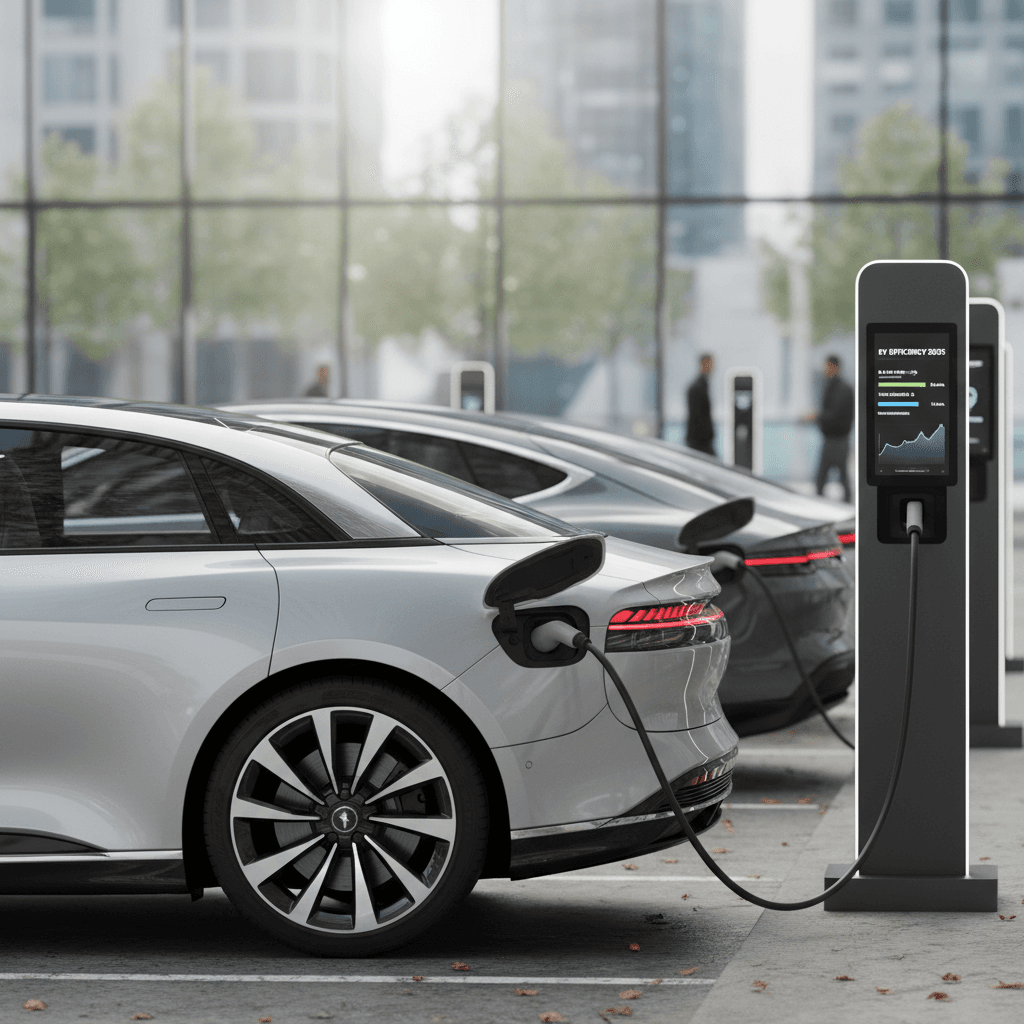
EPA efficiency tables move a bit year to year, but a few names keep bubbling to the top. For 2026 in the U.S., the stars are slippery sedans and compact crossovers that combine low drag, efficient motors, and frugal software tuning.
What the 2026 efficiency leaders look like
Most efficient electric cars for 2026 (U.S. market, headline models)
Representative 2025–2026 models using the latest EPA-style data where available. Numbers may vary slightly by wheel size and trim.
| Rank | Model (2025–2026) | Type | Approx. combined MPGe | Approx. kWh/100 mi | Why it’s efficient |
|---|---|---|---|---|---|
| 1 | Lucid Air Pure RWD (2026) | Mid-size luxury sedan | ~146 | ~23 | Ultra-slick aerodynamics and a highly optimized drivetrain make this big sedan shockingly frugal. |
| 2 | Tesla Model 3 RWD (2026 refresh) | Compact sedan | Low–mid 140s | Low 20s | Small frontal area, low drag, efficient motor control, and careful tire choices keep it near the top of the charts. |
| 3 | Hyundai Ioniq 6 SE Long Range | Mid-size sedan | High 130s | Mid 20s | Streamlined "electric streamliner" shape and ultra-efficient E-GMP platform. |
| 4 | Hyundai Kona Electric | Subcompact crossover | ~120–125 | Mid 20s | Compact, relatively light, and tuned for efficiency rather than brute power. |
| 5 | Kia Niro EV (2026 facelift) | Compact crossover | Low 120s | Mid–high 20s | Shared tech with Kona, with aero tweaks and smart energy management. |
| 6 | Hyundai Ioniq 5 RWD | Compact crossover | Around 115–120 | High 20s | Boxier than Ioniq 6 but still slippery for a crossover. |
| 7 | Toyota bZ4X FWD | Compact crossover | High teens to low 120s | High 20s | Careful power management and modest weight compared with some rivals. |
| 8 | Lexus RZ 300e | Compact luxury crossover | Mid–high 120s | High 20s | FWD variant is tuned for calmer power delivery and better efficiency than the dual-motor RZ 450e. |
| 9 | BMW i4 eDrive35 | Compact luxury hatch | ~120 | High 20s | Slim, low sedan profile with a single-motor rear-drive layout. |
| 10 | Tesla Model Y RWD/Long Range | Compact crossover | Around 120 | High 20s | Shares components with the Model 3; a bit taller and heavier, but still near the front of the pack. |
Think of this list as a compass, not gospel, always check the exact trim you’re considering.
A note on numbers
Spotlight: Most efficient EVs by category
Most efficient luxury EV: Lucid Air Pure
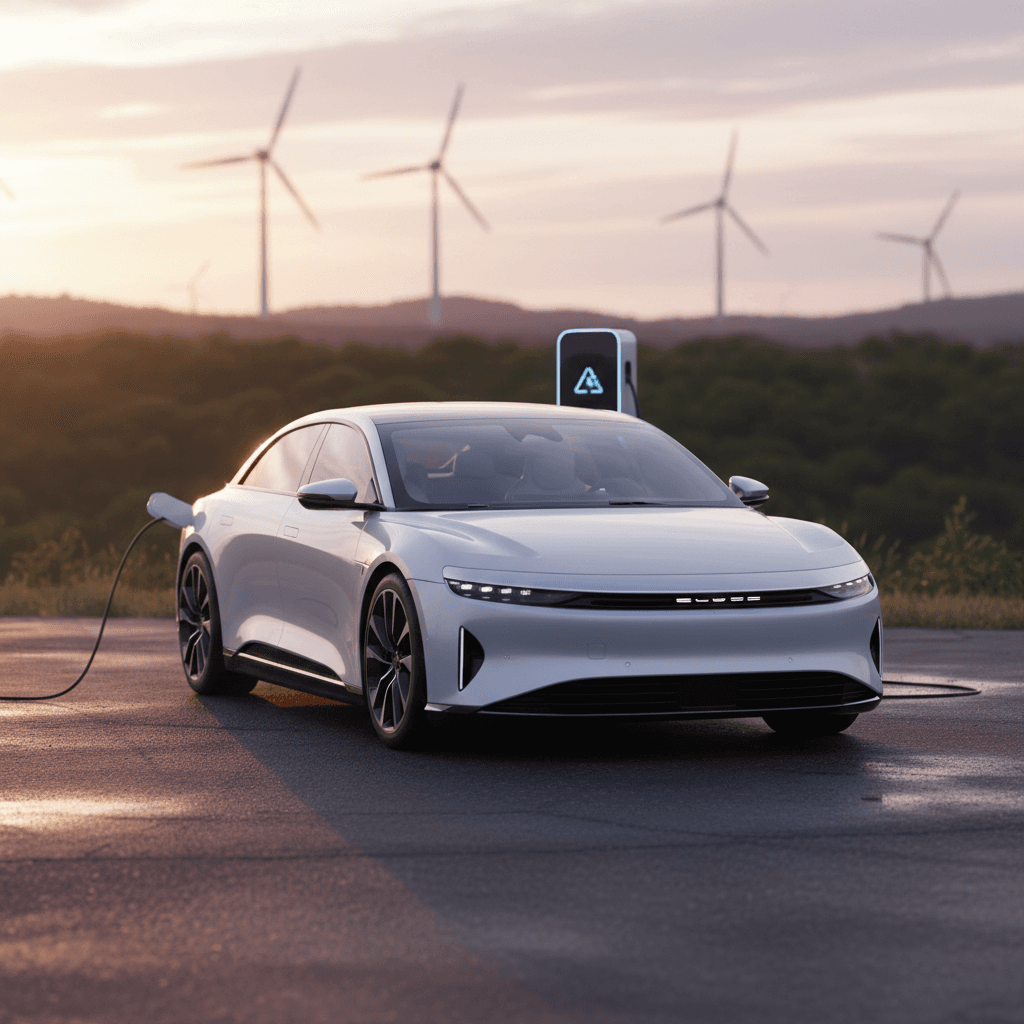
The Lucid Air Pure is the poster child for efficiency as a luxury feature. It’s a full-size sedan that sips energy like a compact, thanks to obsessive aerodynamics and a world-class motor and inverter package.
- Best for: Long-distance drivers who want comfort and max range.
- Watch for: Price and wheel size, larger wheels can shave both range and efficiency.
Most efficient mainstream sedan: Tesla Model 3 RWD
The refreshed 2026 Tesla Model 3 is still one of the easiest ways to get top-tier efficiency without stepping into full luxury pricing. Rear-wheel-drive trims in particular tend to score the best MPGe and mi/kWh.
- Best for: Commuters who rack up miles and road-trippers who live on public fast charging.
- Watch for: Wheel and tire choices; the sportiest setups usually cost you a few MPGe.
Efficient EVs if you need space, not just stats
Crossovers that still treat your kWh with respect.
Hyundai Kona Electric
A tidy footprint and sensible power output help the Kona punch well above its weight on the efficiency charts.
Kia Niro EV
Roomier than the Kona, still frugal. A strong all-rounder for families who want a practical, efficient EV.
Hyundai Ioniq 5
More style and space, still competitive efficiency, especially in single-motor rear-drive form.
Real-world vs EPA: what you can actually expect
EPA numbers are useful because they put every car through the same wringer. But your actual efficiency will live its own life, especially if you drive fast, live in extreme temperatures, or haul a lot of gear. The trick is understanding **when your EV will beat the sticker and when it will fall short**.
Where you’ll often do better than the label
- City driving with gentle acceleration: Regenerative braking shines, recovering energy every time you slow down.
- Mild weather: When you don’t need much heating or A/C, more of your battery goes to the wheels.
- Eco driving: Smooth throttle, looking far ahead, and using Eco mode can nudge you above the official mi/kWh.
Where efficiency dives below EPA numbers
- High highway speeds: Aerodynamic drag climbs quickly above 65–70 mph. Those sleek sedans earn their keep here.
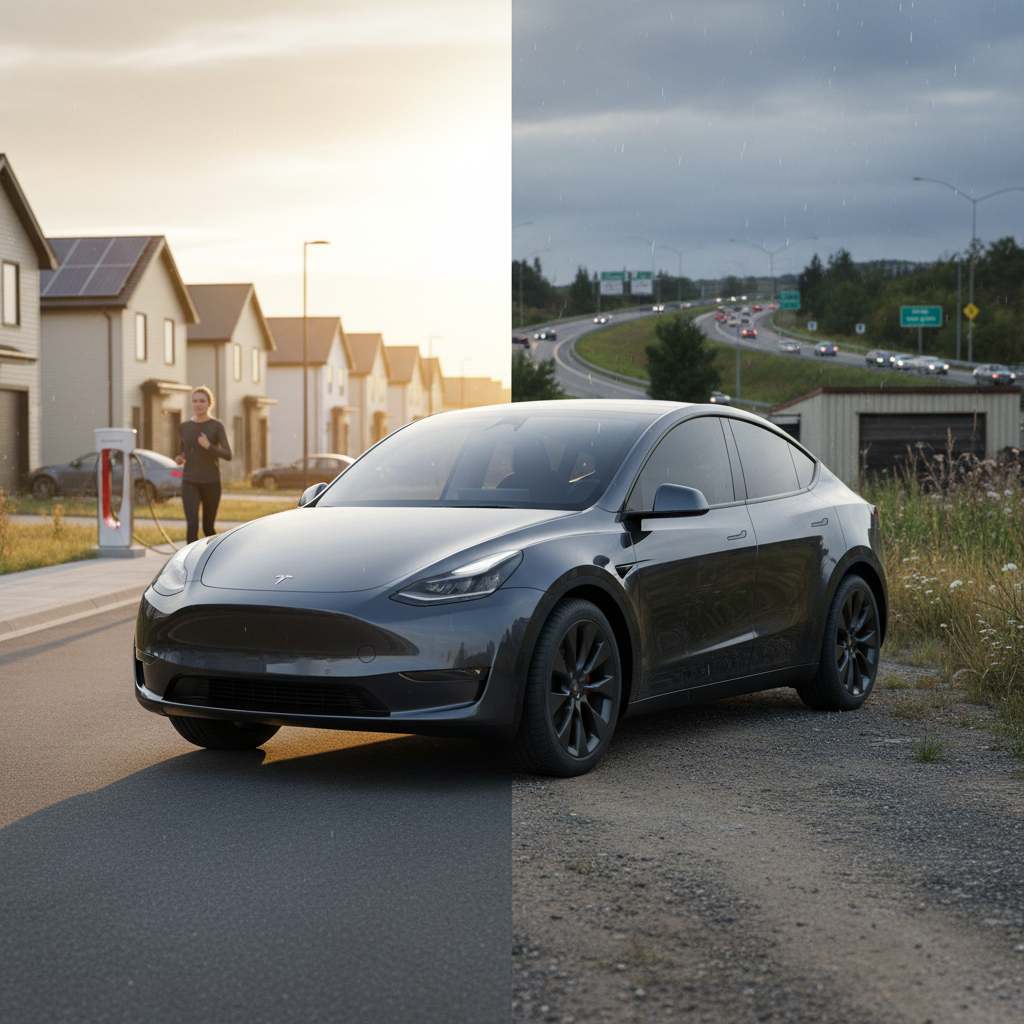
- Very cold or very hot days: Cabin heat and cooling pull surprising power, especially heat in sub-freezing weather.
- Big wheels, aggressive tires: They look great, but rolling resistance goes up and efficiency goes down.
Cold-weather reality check
How efficiency affects your wallet over time
Two EVs can have similar price tags and range, but over five or ten years, the efficient one quietly keeps more money in your pocket. That’s especially true if you mostly charge at home and your utility rate is predictable.
A tale of two EVs
Same annual miles, different appetites.
Efficient EV
Example: ~23 kWh/100 miles, ~4.3 mi/kWh.
At 12,000 miles per year and $0.15/kWh, that’s about $414/year in electricity.
Thirsty EV
Example: 30 kWh/100 miles, ~3.3 mi/kWh.
Same miles and electricity price? Around $540/year. Over 8 years, that’s roughly an extra $1,000 out of your pocket.
Where used EVs can shine
Choosing an efficient used EV (without getting burned)
Shopping used is where efficiency and battery health really start to dance together. A model that’s efficient on paper can disappoint if its battery has lost significant capacity. That’s why the data behind the range number matters as much as the number itself.
Used EV efficiency checklist
1. Start with inherently efficient models
Shortlist vehicles known for strong MPGe and mi/kWh, cars like the Tesla Model 3, Hyundai Kona Electric, Hyundai Ioniq 5/6, Kia Niro EV, and Lucid Air Pure if your budget allows.
2. Check battery health, not just odometer
A low-mileage car that lived on DC fast charging can age faster than a higher-mileage car that mostly charged gently at home. Look for a <strong>verified battery health report</strong> when possible.
3. Look at wheel and tire packages
Big wheels and sticky tires can knock both range and efficiency. If the car has a sporty wheel upgrade, ask what effect it had on consumption and whether OEM efficiency tires are available.
4. Review real-world owner data
Forums and owner groups often share mi/kWh numbers. Focus on people in similar climates and driving patterns to yours, not just the outliers.
5. Consider your commute pattern
If you mainly do short, cold-weather trips, cabin heating load matters more. If you’re a highway warrior, aerodynamics and high-speed efficiency are king.
How Recharged helps on the used side
Checklist: Easy ways to maximize your EV’s efficiency
Once you’ve picked an efficient EV, how you drive and charge can move the needle as much as the badge on the trunk. The good news: most efficiency wins are simple habits, not heroic sacrifices.
Everyday habits that give you more miles per kWh
1. Use Eco or efficiency modes
They soften throttle response and temper peak power. You still get more than enough shove for daily driving, but you waste less energy on jumpy launches.
2. Precondition while plugged in
Heat or cool the cabin (and battery, if your EV supports it) before you unplug. That way, climate control leans on the grid rather than your battery while you’re on the road, especially on cold mornings.
3. Mind your speed on the highway
Aerodynamic drag climbs quickly. Dropping from 75 mph to 65 mph can noticeably improve mi/kWh and often doesn’t add much time to typical trips.
4. Check tire pressures monthly
Underinflated tires chew up efficiency. Set them to the manufacturer’s recommended pressures, ideally when they’re cold.
5. Travel light when you can
Roof boxes, bike racks, and 200 pounds of just-in-case gear all add drag or weight. Remove accessories you don’t regularly need.
6. Favor home or workplace charging
Not an efficiency trick, but a cost one: **charging where electricity is cheapest** makes every extra mile per kWh more valuable.
Most efficient electric cars 2026: FAQ
Frequently asked questions about the most efficient EVs
Bottom line: finding the right efficient EV for you
The **most efficient electric cars of 2026** prove that you don’t need a science degree, or a six-figure budget, to drive something that treats every kilowatt-hour with respect. Sleek sedans like the Lucid Air Pure and Tesla Model 3 remain the headline acts, while crossovers such as the Hyundai Ioniq 6, Kona Electric, and Kia Niro EV make efficiency feel perfectly at home in real family life.
Your job is to match those numbers to your reality: where you drive, how often you charge, and whether you’re buying new or used. If you’re stepping into the used market, tools like Recharged’s **Recharged Score battery health diagnostics** and expert support can take much of the guesswork out of aligning original MPGe ratings with today’s real-world performance.
Get the fundamentals right, choose an inherently efficient model, verify its battery health, and build a few smart driving habits, and you’ll have an EV that feels calm, cheap to run, and wonderfully unbothered by the miles piling up on the odometer.