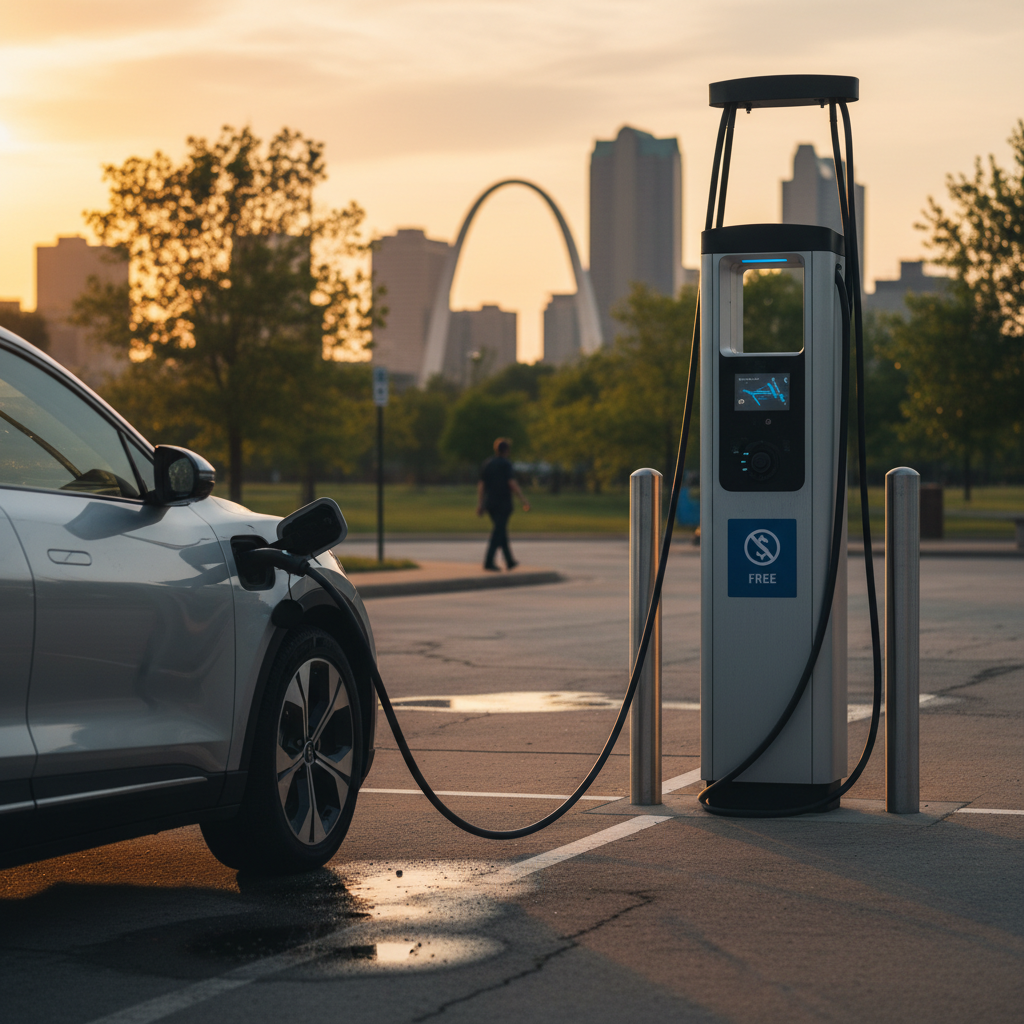
If you’re considering a Chevrolet Bolt EUV, new or used, the big question on your mind is probably some version of: “Chevrolet Bolt EUV battery lifespan: how long will it actually last?” The battery is the single most expensive component in the car, and its health will determine how much range you have a decade from now and what the vehicle is worth when you go to sell or trade it.
Quick answer
Chevrolet Bolt EUV battery lifespan at a glance
Chevy Bolt EUV battery lifespan snapshot
Those numbers are broad expectations, not guarantees. Every pack lives a different life. But they should reassure you that a healthy Bolt EUV battery is designed to go the distance, and that moderate range loss over time is normal, not a sign the car is “worn out.”
Bolt EUV battery basics: size, chemistry, and warranty
Before you can judge lifespan, it helps to know what you’re working with. Every Chevrolet Bolt EUV built so far uses a lithium‑ion battery pack around 65 kWh usable capacity, sitting low in the floor. It’s liquid‑cooled and managed by a fairly conservative battery management system (BMS), which is part of why these packs tend to age gracefully.
Chevrolet Bolt EUV high‑voltage battery snapshot
Key specs that matter for lifespan and daily driving.
| Item | Chevrolet Bolt EUV detail |
|---|---|
| Battery chemistry | Lithium‑ion, liquid‑cooled |
| Pack capacity | ≈65 kWh usable (≈68 kWh gross) |
| EPA rated range | 247 miles on a full charge (2022 EUV) |
| Cells/modules | 288 cells in multiple linked modules |
| Battery warranty | 8 years / 100,000 miles (HV battery & electric components) |
| Warranty focus | Defects and abnormal failures, not a precise % capacity guarantee |
All model years of the Bolt EUV (2022–2023 in the U.S.) share the same basic battery architecture.
Don’t confuse range with battery failure
Real‑world Chevrolet Bolt EUV battery lifespan: years and miles
Because the Bolt EUV launched for the 2022 model year, we don’t yet have 15‑year‑old examples on the road. But we do have several strong clues about how long the batteries will last:
- The Bolt EUV shares its basic pack architecture and capacity with later‑model Bolt EVs, which have accumulated high mileage in fleet and personal use.
- The pack is liquid‑cooled and software‑limited in power and usable capacity, both of which reduce stress on the cells.
- Real‑world owners who track battery capacity are seeing small early losses, then a long, slow decline, similar to other well‑designed EVs.
- Independent analyses of EV batteries in similar duty cycles often point to 200,000–300,000+ miles before the pack reaches roughly 70% of original capacity, a common definition of “end of life” for automotive use.
If you drive ~10,000–12,000 miles per year
That’s the typical U.S. driver. At that pace, a well‑cared‑for Bolt EUV pack that remains useful for 200,000–250,000 miles translates to roughly 16–20 years of service before range becomes a serious limitation for most daily use.
If you drive much more than average
Put 20,000+ miles on the car every year and you’ll hit those same mileage figures in 10–12 years. Even then, most owners will see degradation, not a cliff, your road trips will take more planning, but the car is often still fine for daily commuting.
“End of life” doesn’t mean dead
What “normal” Bolt EUV battery degradation looks like
Battery degradation is the gradual loss of usable capacity over time. For the Bolt EUV, owner data and fleet experience show a pattern that will feel familiar if you’ve followed EVs in general: a small early drop as the BMS “learns” the pack, then a long, gentle slope.
Approximate Bolt EUV battery aging pattern (typical use)
These are big‑picture expectations, not promises. Individual cars can fall outside these bands depending on climate, charging, and usage.
| Vehicle age / miles | Expected capacity vs. new | What you’re likely to notice |
|---|---|---|
| Year 1 · up to ~15,000 mi | 97–100% | Range changes more with seasons than age. Small early dip is common. |
| Years 2–3 · ~15,000–35,000 mi | 94–98% | Maybe 5–10 miles less rated range on a full charge. |
| Years 4–6 · ~35,000–75,000 mi | 90–95% | Noticeable but modest loss; daily driving still easy, road trips need a bit more planning. |
| Years 7–8+ · 75,000+ mi | ~85–92% | You’ll start budgeting more charging time on long drives, but many owners still find the car very usable. |
Use these ranges as a sanity check when you look at a used Bolt EUV or track your own car over time.
Red flags vs. normal aging
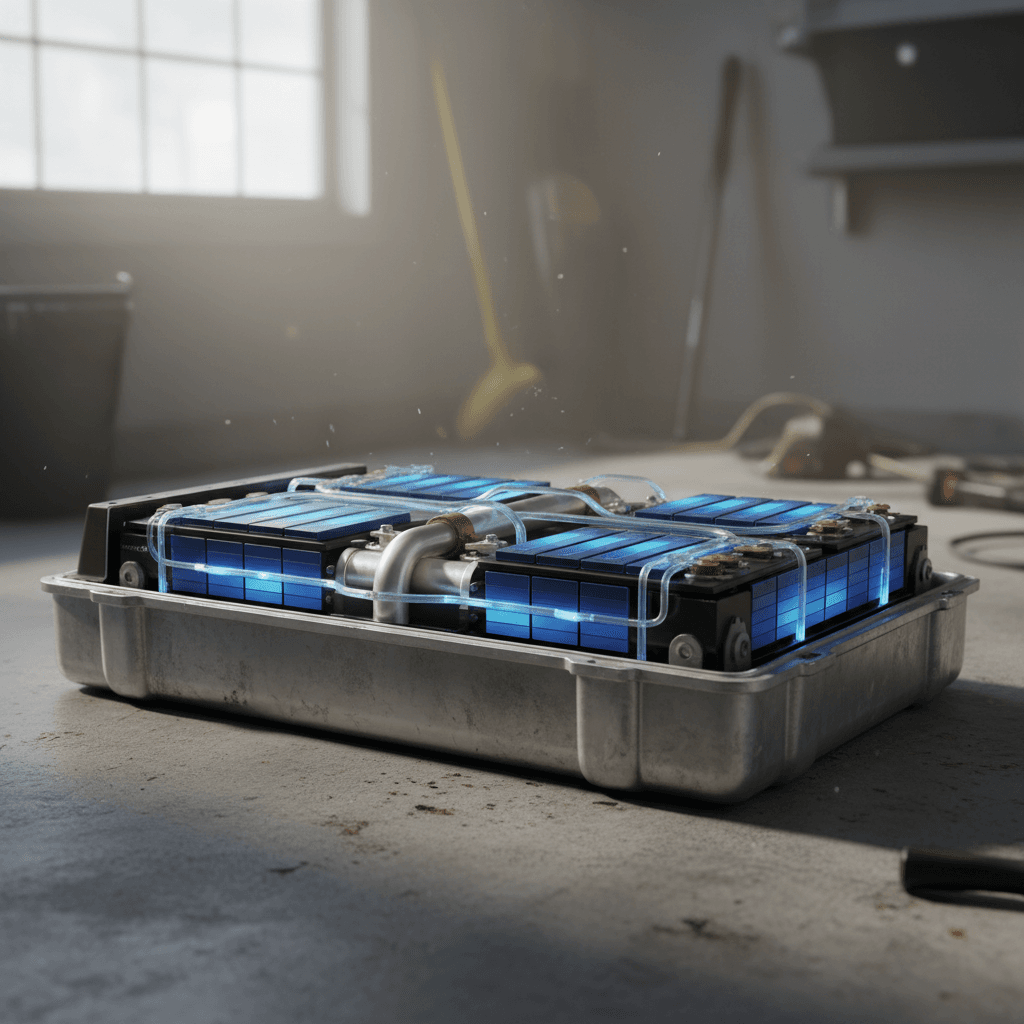
5 factors that shorten or extend Bolt EUV battery life
Two Bolt EUVs that rolled off the line on the same day can age very differently. The way you use and charge the car matters as much as the calendar.
What really affects your Bolt EUV battery lifespan?
You can’t change the chemistry, but you can control a lot about how it ages.
1. Heat and climate
High temperatures are hard on lithium‑ion cells. A Bolt EUV that lives outdoors in a very hot climate and is frequently fast‑charged will generally age faster than one in a cooler region or a garage.
2. DC fast charging habits
Occasional DC fast charging is fine. Living on DC fast charging, especially back‑to‑back sessions at high states of charge, adds stress. The car will protect itself to some extent, but fast‑charge‑only lifestyles can shave years off useful life.
3. State‑of‑charge extremes
Spending most of your time near 0% or 100% is tougher on the pack than hovering in the middle. Regularly running it to very low state of charge and then charging straight to 100% isn’t ideal.
4. Annual mileage and usage
High mileage by itself isn’t bad; in some ways, miles are easier on a battery than time. But combine high mileage with lots of fast charging and heat, and you’ll see faster degradation.
5. Calendar age
Even a low‑mileage Bolt EUV sitting mostly parked will see some calendar‑age degradation. That’s where smart storage (avoiding 100% for long periods) becomes important.
6. Charging equipment and settings
Level 2 home charging at reasonable current with scheduled start times is gentle on the pack. Undersized wiring, repeated breaker trips, or “opportunistic” 100% charges every time you park are less friendly to long‑term health.
How to make your Bolt EUV battery last longer
The good news is you don’t need to live in fear of every charge session. Modern EVs, including the Bolt EUV, are designed to be used. But a few simple habits can noticeably improve long‑term battery health and keep your range closer to new for more years.
Bolt EUV battery care checklist
1. Use Level 2 at home when you can
Level 2 charging in your garage or driveway is usually the gentlest way to charge. It lets the car manage temperature and charge rate smoothly overnight instead of constantly relying on DC fast chargers.
2. Don’t live at 100% state of charge
For day‑to‑day use, there’s rarely a reason to charge to 100%. Aim to keep your Bolt EUV in roughly the 20–80% window when practical, and reserve full charges for road trips or days when you genuinely need maximum range.
3. Avoid letting it sit near empty
Occasionally running down to low state of charge is fine; the car has an energy buffer. But parking the car at very low percent for days or weeks is hard on the cells. If you won’t drive for a while, leave it closer to 40–60%.
4. Treat fast charging as a tool, not a lifestyle
DC fast charging is wonderful on road trips. Using it multiple times a week, especially to go from high state of charge to full, will add stress over the long run. Mix in Level 2 whenever you reasonably can.
5. Park in the shade (or a garage)
Heat is the silent battery killer. Parking in a garage, carport, or even simple shade keeps cabin and battery temperatures lower, especially in hot climates, which helps slow degradation.
6. Keep software up to date
GM updates battery control software from time to time. Having those updates applied, especially in light of past recalls, helps the BMS manage charging, balancing, and safety correctly.
Pro tip for road trippers
Battery replacement: how likely, when, and what it costs
Many would‑be EV buyers picture a giant repair bill lurking around year eight. In practice, outright Bolt EUV battery replacements are rare under normal use. Most packs degrade gradually and stay within GM’s expectations for the life of the vehicle.
- Under the U.S. warranty, GM covers defects and abnormal failures in the high‑voltage battery for 8 years or 100,000 miles, whichever comes first.
- The warranty literature focuses on failures, not a simple promise like “we’ll keep you above 70% capacity,” though in some documentation GM has cited very low thresholds for considering replacement.
- Catastrophic issues, like repeated high‑voltage faults, severe range loss in the first few years, or cells involved in specific recall campaigns, can lead to full pack replacement under warranty.
- When a pack is replaced under recall or warranty, the replacement battery typically comes with its own high‑voltage battery warranty clock, which can significantly extend peace of mind on a used Bolt EUV.
What about out‑of‑warranty replacement costs?
Buying a used Bolt EUV? Battery lifespan checklist
If you’re shopping used, battery lifespan isn’t a theoretical question, it’s a pricing and peace‑of‑mind question. You want to know whether this specific car’s pack has aged gently or had a hard life. That’s where structured inspection and objective battery testing shine.
Used Bolt EUV battery lifespan checklist
1. Confirm model year and mileage
Later‑model Bolt EUVs (2022–2023) benefit from updated pack design and recall learnings. Mileage alone isn’t scary, look instead at how that mileage was accumulated and whether there are signs of abuse.
2. Review battery warranty status
Check the in‑service date and mileage to see how much of the <strong>8‑year/100,000‑mile</strong> battery warranty remains. A lower‑mile example with several years left on the clock is worth more than a similar car that’s nearly out of coverage.
3. Ask about recalls and replacements
Has the high‑voltage battery ever been replaced under recall or warranty? A <strong>newer replacement pack</strong> can actually be a positive, especially if it reset the battery warranty term.
4. Look for warning lights or odd behavior
On your test drive, watch for any high‑voltage battery warnings, sudden drops in state of charge, or big swings in the distance‑to‑empty estimate that don’t match how you’re driving.
5. Check range vs. expectations
Fully charge the car and compare the estimated range to what you’d expect for that model year and climate. A modest difference is fine; a huge shortfall could be a red flag worth investigating.
6. Get an objective battery health report
This is where a third‑party test really earns its keep. A service like the <strong>Recharged Score battery health diagnostics</strong> measures actual usable capacity instead of guessing from the dash display, giving you hard numbers to base your decision on.
How Recharged helps de‑risk used Bolt EUVs
Ready to find your next EV?
Browse VehiclesChevrolet Bolt EUV battery lifespan FAQ
Common Chevrolet Bolt EUV battery lifespan questions
Bottom line: how long will a Bolt EUV battery last?
When you cut through the anxiety and anecdotes, the picture that emerges is encouraging: a Chevrolet Bolt EUV battery is engineered to be a long‑life component, not a consumable you should expect to replace like tires or brakes. With reasonable charging habits and basic care, most owners can look forward to well over a decade, and very likely 200,000 miles or more, of practical, day‑to‑day use before degradation seriously cramps their style.
If you’re shopping used, don’t let battery questions scare you away. Instead, make them part of your process: verify warranty status, review recall history, take a thoughtful test drive, and, whenever possible, rely on an objective battery health test rather than guesswork. That’s exactly what the Recharged Score Report is built to do, turn a vague concern about “battery life” into clear, confidence‑building data so you can enjoy the Bolt EUV’s space, efficiency, and value without second‑guessing what’s under the floor.