If you’re trying to compare all Tesla models in 2026, the picture looks different than it did even a year or two ago. Model 3 and Model Y have been refreshed, Cybertruck is finally real, and Tesla has officially wound down new custom orders for Model S and Model X, though used and remaining inventory are very much in play, especially if you’re shopping smart.
Key change for 2026
2026 Tesla lineup at a glance
The core 2026 Tesla models
How each Tesla fits in the lineup
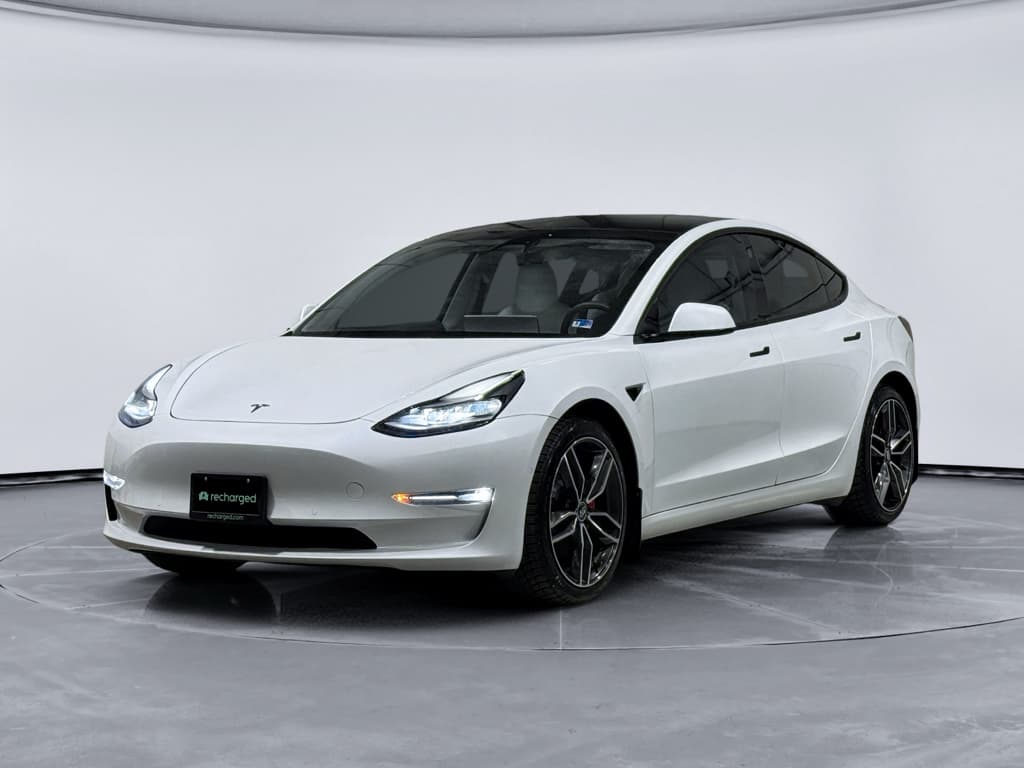
Model 3 (sedan)
The compact sport sedan of the lineup. The refreshed “Highland” update brought a quieter cabin, smoother ride, and more premium interior, while keeping it Tesla’s most affordable model. Best for commuters and smaller households who value efficiency and easy parking.
Model Y (crossover SUV)
The family crossover and Tesla’s sales leader. Taller seating position, hatchback utility, and available third row on earlier years make it the do‑it‑all choice. The 2025 redesign sharpened styling and improved comfort, and those improvements carry into 2026 inventory and leases.
Cybertruck (pickup)
The electric pickup with polarizing looks and serious capability. Stainless‑steel body, big battery, high towing ratings and strong off‑road chops. More niche than Model 3/Y, but compelling if you need a truck and want Tesla’s software and charging ecosystem.
Model S (large luxury sedan)
New custom orders for Model S ended in early 2026, but lightly used 2022–2025 cars give you huge range and performance for far less than original MSRP. Think of it as Tesla’s answer to the Mercedes E‑Class and BMW 5 Series, with supercar straight‑line speed in Plaid form.
Model X (three-row SUV)
Same story with Model X: production is winding down, but used and remaining inventory vehicles still offer unique Falcon Wing doors, standard all‑wheel drive, and true 3‑row seating. If you need three rows and want a Tesla badge, the used market is your playground in 2026.
Don’t ignore S/X just because they’re discontinued
Price comparison: all Tesla models in 2026
Tesla adjusts pricing frequently, but by spring 2026 U.S. shoppers generally see Model 3 as the price leader, with Model Y a step above, Cybertruck in the middle‑to‑upper tier depending on configuration, and Model S/X commanding higher prices on the remaining inventory and used market. Federal tax credits and state incentives can still materially change your out‑of‑pocket cost, especially on qualifying Model 3 and Model Y trims.
Approximate 2026 Tesla price ranges (U.S., before incentives)
Ballpark prices for well‑equipped vehicles as of early 2026. Tesla changes pricing and fees often; always confirm current numbers before you buy.
| Tesla model (2026) | Typical new / remaining-inventory price | Typical late-model used price | Notes |
|---|---|---|---|
| Model 3 | High $30,000s–mid $50,000s | Low $20,000s–low $40,000s | Least expensive way into a Tesla; many 2018–2023 cars now firmly in mainstream used‑car territory. |
| Model Y | Low $40,000s–low $60,000s | High $20,000s–high $40,000s | America’s best‑selling EV; strong demand but big volume means plenty of used choice. |
| Model S | Previously $80,000+ new; now remaining inventory only | Low $40,000s–$70,000s+ | Discontinued for new orders; large spread in used prices depending on battery, Plaid vs. dual‑motor, and mileage. |
| Model X | Previously mid‑$80,000s+ new; remaining inventory only | High $40,000s–$80,000s+ | Three rows and Falcon Wing doors keep demand up; depreciation still meaningful vs. original MSRP. |
| Cybertruck | Roughly low $70,000s–$100,000+ depending on trim | Too new for deep discounts; mostly near‑MSRP | Production is ramping; expect used values to normalize as volume grows. |
Model S and Model X are listed here based on remaining inventory and typical used‑market asking prices for late‑model examples.
Remember true cost, not just MSRP
Range and efficiency comparison
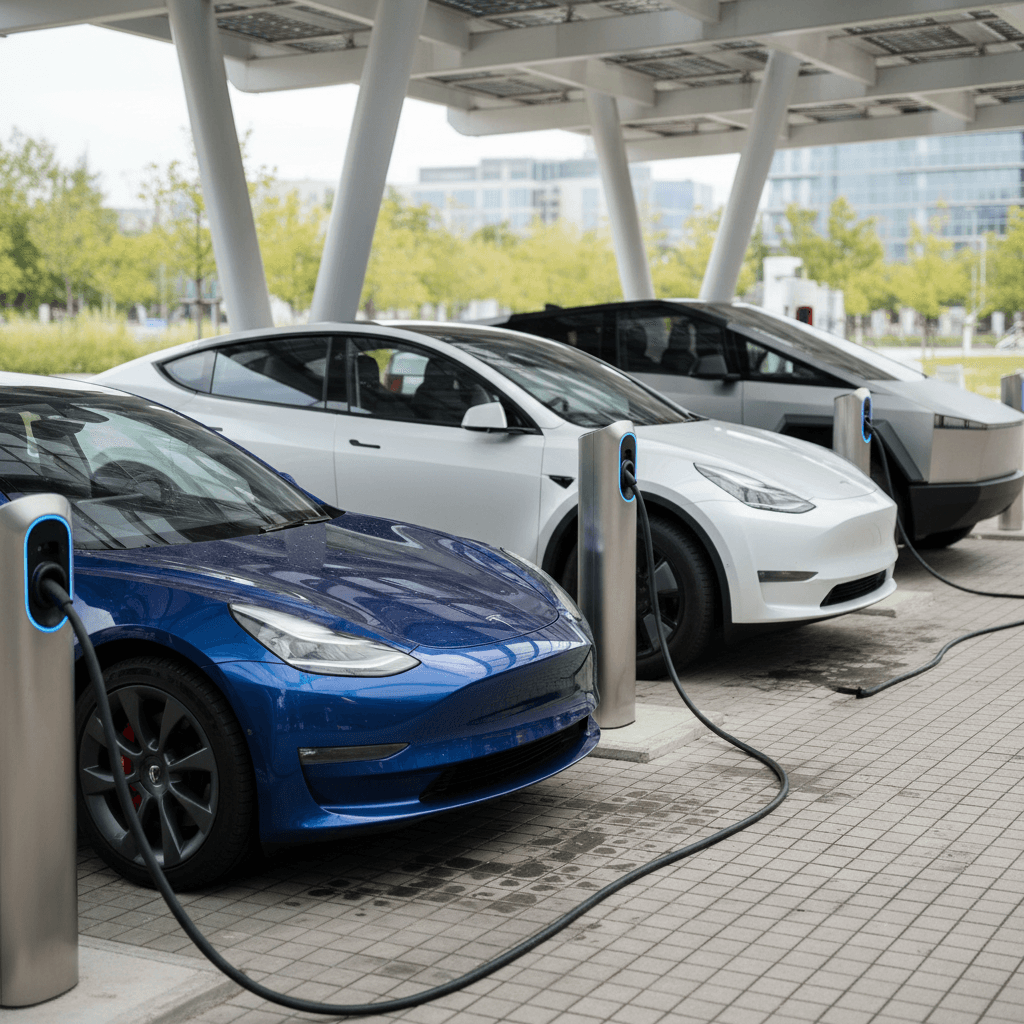
Range is a big reason many buyers lean toward Tesla. Even as other brands catch up, the Model 3 and Model Y remain highly efficient, while Model S offers road‑trip‑ready range in its larger‑battery trims and Cybertruck trades some efficiency for size and capability.
Typical EPA range by Tesla model and trim family
Representative 2025/2026 EPA ranges. Exact numbers vary by wheel size, options, and software‑locked variants.
| Model | Lower-range trims | Higher-range trims | What that means in real life |
|---|---|---|---|
| Model 3 | ~270–290 miles | ~320+ miles | Excellent for commuters and moderate road‑trippers; winter or high‑speed driving will trim these numbers. |
| Model Y | ~260–290 miles | ~330–350+ miles | The sweet spot for families: many trims can comfortably cover a full day’s driving with one DC fast‑charge stop. |
| Model S | ~350 miles | 400+ miles on select trims | Still one of the longest‑range EVs you can buy used; great if you regularly drive long highway stretches. |
| Model X | ~330 miles | ~360+ miles | Three rows plus real road‑trip range, though energy use climbs with passengers, cargo, and high speeds. |
| Cybertruck | ~250–300 miles (dual‑motor) | Projected 340+ miles on higher‑spec versions | Capable range for a big pickup, but towing or off‑roading can cut it significantly, plan charges accordingly. |
Use this as a shopping compass, not a spec sheet. Always verify exact range for the VIN you’re considering.
How Tesla range stacks up in 2026
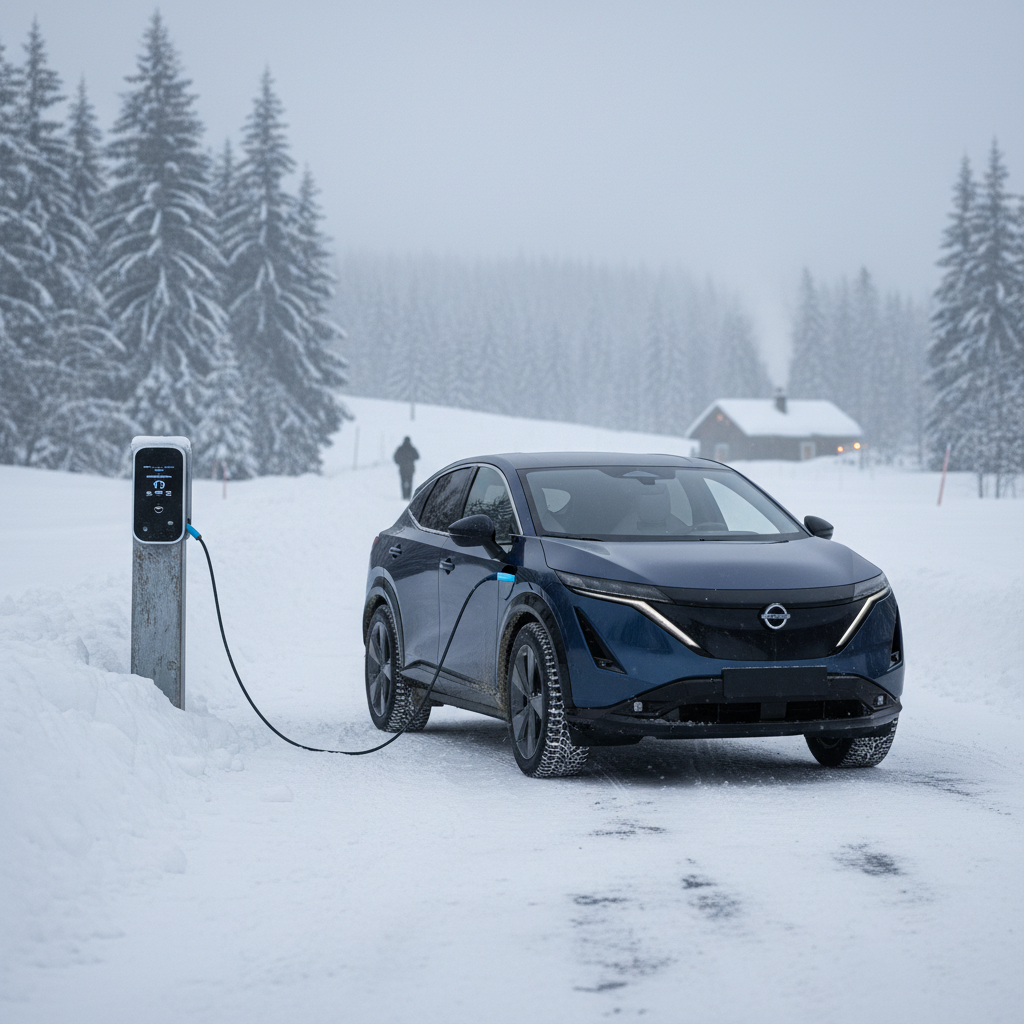
Cold weather caution
Performance, 0–60 mph, and driving feel
Tesla built its brand on performance as much as efficiency. Even the slowest trims feel quick compared with most gas cars. For many shoppers, the real question in 2026 isn’t “is it fast enough?” but “how much performance do I actually want to pay for and insure?”
Performance character by model
All are quick; some are just outrageous
Model 3
Base rear‑wheel‑drive cars feel lively around town; dual‑motor and Performance variants can sprint to 60 mph in the 3‑second range. Steering is quick, and the refreshed chassis is more refined than early cars.
Model Y
Similar straight‑line punch to Model 3 with a touch more body motion due to taller ride height. The latest suspension tuning has improved both comfort and control, especially in the new Long Range and Performance trims.
Cybertruck & S/X
Cybertruck pairs instant torque with truck mass; the tri‑motor “Cyberbeast” is sports‑car quick. Model S Plaid remains one of the quickest vehicles on sale, new or used, though its talents are overkill for many daily drivers.
Where performance actually pays off
Space, practicality, and ride comfort
Model 3 vs. Model Y
- Model 3: Lower seating position, tighter rear headroom, conventional trunk. Great if you mostly drive alone or with one passenger.
- Model Y: Higher seating, easier entry/exit, and a big hatch opening that swallows strollers, bikes, and Costco runs.
- Ride comfort: The latest updates have made both quieter and smoother, but Model Y’s extra suspension travel pays off on broken pavement.
Model S/X and Cybertruck
- Model S: Big‑car comfort with generous rear legroom and a sizable hatch. Better for taller adults than Model 3.
- Model X: True three‑row capability, especially in 6‑ or 7‑seat layouts. Falcon Wing doors improve tight‑space access but add complexity.
- Cybertruck: Vast front and rear headroom, a massive vault bed, and serious ground clearance. Inside, think minimalist truck cabin with Tesla software on the big center screen.
If you have kids or big dogs…
Technology, Autopilot, and robotaxi future
By 2026, every Tesla you’re likely to consider, new or used, comes with some form of driver‑assist tech and over‑the‑air updates. Basic Autopilot is standard on most late‑model cars, with optional Enhanced Autopilot and Full Self‑Driving (FSD) packages layered on top. Meanwhile, Tesla is piloting robotaxi services in select cities, using heavily instrumented Model Ys and upcoming dedicated Cybercab vehicles.
Tech considerations across the lineup
Software is a strength, but know what you’re paying for
Autopilot & FSD
Every modern Tesla offers lane‑keeping and adaptive cruise on highways. FSD adds city‑street features and automated lane changes, but capabilities vary by build date, region, and software version.
Over‑the‑air updates
The majority of significant feature changes come via software. A 2021 Model 3 or Y that’s been regularly updated can feel surprisingly close to a 2025–2026 car in terms of day‑to‑day tech.
Robotaxi future
If you’re tempted by Tesla’s robotaxi vision, treat it as a potential upside, not a guaranteed income stream. Buy a car you’d be happy owning even if robotaxi plans take longer than expected.
Check tech features by VIN, not just by year
Which Tesla fits which driver in 2026?
Match the Tesla to your life
1. City commuter or first‑time EV buyer
A rear‑wheel‑drive Model 3 or Model Y is usually ideal: lower price, great efficiency, and enough range for most daily driving. If winters are harsh where you live, consider a dual‑motor version for extra traction.
2. Growing family or cargo hauler
Prioritize a Model Y, or a used Model X if you want three usable rows. The hatch and extra height simplify life with kids, pets, and sports gear.
3. Road‑trip enthusiast
Look for a Long Range Model 3 or Model Y, or a long‑range Model S if you want even more battery and highway comfort. Bigger wheels look great but usually cost you range, 18–19 inch wheels are the practical choice.
4. Performance addict
Model 3 Performance, Model Y Performance, or a used Model S/X Plaid deliver supercar acceleration. Just budget for stickier tires and potentially higher insurance premiums.
5. Truck or adventure buyer
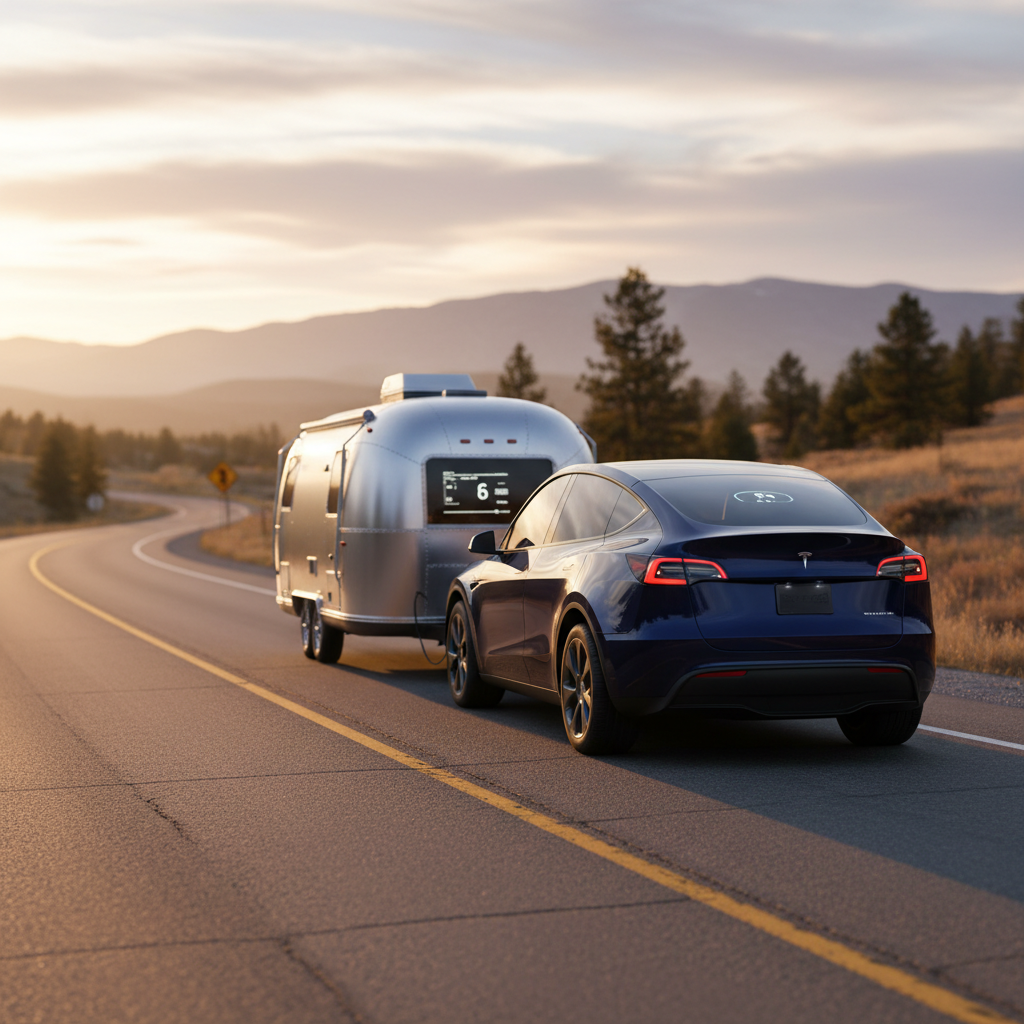
If you tow, camp, or regularly hit rough roads, Cybertruck is the logical Tesla choice. Just be realistic about charging access on remote routes and the impact of towing on range.
6. Value hunter
A well‑vetted used Model 3 or Model Y, especially one with documented battery health, often delivers 80–90% of the experience of a new car at a far friendlier price.
Buying new vs. used Tesla in 2026
In 2026, the decision isn’t just “which Tesla model?” It’s also whether you’re better served by new, used, or even a nearly‑new off‑lease car. With Model S and X discontinued for fresh orders and early Model 3s now several years old, the used market has matured into a serious opportunity, as long as you understand battery health, warranty status, and pricing.
When a new Tesla makes sense
- You qualify for federal or state EV incentives that meaningfully lower effective price.
- You want the latest styling, interior, and safety updates with a full new‑car warranty.
- Leasing pencils out favorably, especially on high‑volume models like Model Y.
- You value the ability to custom‑order color, wheels, and options.
When used is the smarter play
- You’re comfortable trading a little range or the very latest styling for a much lower payment.
- You want a Model S or X, now mostly a used‑market story.
- You’re wary of Tesla’s price swings and prefer to let the first owner absorb most of the depreciation.
- You partner with an EV‑focused retailer (like Recharged) that can give you objective battery‑health data and pricing guidance.
Used EVs are not like used gas cars
How Recharged helps with used Teslas
If a used Tesla is on your radar, Model 3, Model Y, or a late‑model S or X, your biggest unknown is usually the true condition of the battery and high‑voltage systems. That’s exactly the gap Recharged is built to close.
Buying a used Tesla through Recharged
What you get beyond an ordinary listing site
Recharged Score battery health diagnostics
Every vehicle on Recharged comes with a Recharged Score Report that measures real battery health, fast‑charge history, and expected range. You’re not guessing whether that 60,000‑mile Model 3 has another decade of life in it, you see objective data.
Fair pricing and financing
Recharged benchmarks each Tesla against the broader used‑EV market, so you can see whether you’re paying a fair price for the condition, trim, and mileage. You can also finance online and see how payment changes as you compare models.
Trade‑in, selling, and delivery
If you’re moving out of a gas car, Recharged can value your trade‑in, give you an instant offer or consignment option, and arrange nationwide delivery. EV‑specialist support walks you through charging, incentives, and everyday ownership questions.
Ready to find your next EV?
Browse VehiclesTry before you decide
FAQ: all Tesla models 2026 comparison
Frequently asked questions about Tesla’s 2026 lineup
Bottom line: how to choose your 2026 Tesla
When you line up all Tesla models for 2026, a clear pattern emerges. Model 3 is the budget‑friendly efficiency play. Model Y is the versatile family workhorse. Cybertruck is for buyers who genuinely need a truck. Model S and X are transitioning into used‑market specialties that deliver big‑car comfort and performance if you choose carefully.
Your smartest move is to start with how you actually drive, daily miles, passengers, parking, weather, then decide which body style and range band truly suits you. From there, weigh new versus used with an eye on incentives, battery health, and total monthly cost, not just MSRP. And if you’re leaning toward a used Tesla, partnering with an EV‑focused marketplace like Recharged gives you the battery‑health insights, fair‑market pricing, financing options, and expert guidance to turn that comparison shopping into a confident, well‑timed purchase.