If you search for the cheapest used Tesla for sale in 2026, you’ll see everything from $11,000 Model 3s to $90,000 Plaids in the same results. The trick isn’t just finding a low number; it’s knowing which “cheap” Teslas are smart buys and which are hiding battery, title, or repair landmines.
A quick 2026 reality check
Why used Tesla prices are weird in 2026
Used Teslas have been on a roller coaster. In 2024 and early 2025, Tesla slashed new‑car prices and demand cooled, especially after a wave of political controversies. That drove used values down faster than the wider car market and even other EVs. By late 2025, the typical used Tesla was hovering in the high‑$20,000s, slightly below the overall used‑car average.
Used Tesla market snapshot heading into 2026 (U.S.)
On top of that, the federal used‑EV tax credit of up to $4,000 ended in late 2025, briefly cooling demand and nudging prices down for non‑Tesla EVs. Teslas bucked that trend in early 2026 with a modest 4%–5% average price uptick, but there’s still an oversupply of older Model 3 and Model Y inventory. That’s where the cheapest deals live, if you’re careful.
Think like a wholesaler, not a fan
Cheapest used Tesla by model in 2026
Let’s get to what you actually care about: what’s the cheapest used Tesla you can realistically buy in 2026, and should you? Below are typical low‑end pricing bands we’re seeing in the U.S. retail market (not salvage auctions) for drivable cars with clean titles but often high miles.
Typical low‑end used Tesla pricing in 2026 (U.S. retail, clean title)
These are rough “floor” ranges we’re seeing on functioning, saleable cars, not salvage or non‑running vehicles. Expect regional variation and higher prices from top‑tier dealers or curated marketplaces like Recharged.
| Model | “Cheapest” realistic years | Typical mileage at the low end | Common low retail asking range* | What that usually buys you |
|---|---|---|---|---|
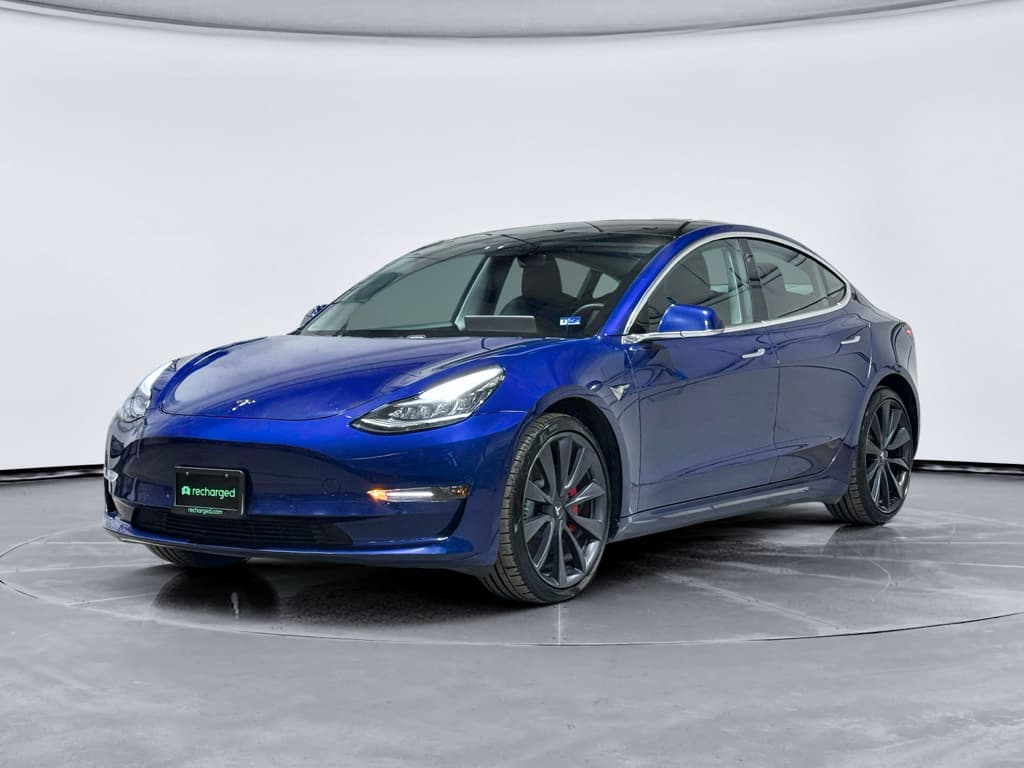
| Model 3 | 2017–2019 | 90,000–150,000+ miles | $13,000–$18,000 | Early Long Range or RWD cars, often with cosmetic damage or spotty records. Battery health is the make‑or‑break factor. |
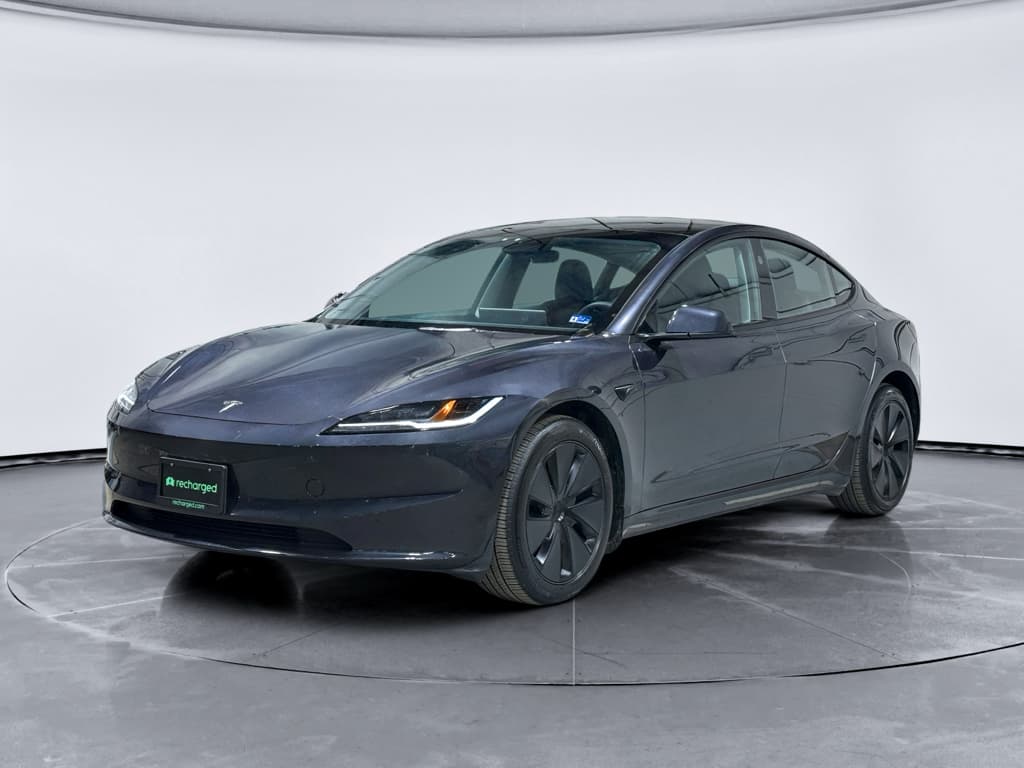
| Model 3 | 2020–2021 | 70,000–120,000 miles | $18,000–$23,000 | Higher‑mileage SR+ and Long Range. Better tech and build quality; still budget‑friendly if battery checks out. |
| Model Y | 2020–2022 | 70,000–120,000 miles | $23,000–$28,000 | First‑gen crossovers, frequently ex‑lease. Great value if you don’t mind miles and some interior wear. |
| Model S | 2015–2017 | 90,000–160,000+ miles | $18,000–$25,000 | Older luxury sedans with big batteries and expensive hardware. Cheap to buy, not always cheap to own. |
| Model X | 2016–2018 | 90,000–150,000+ miles | $25,000–$32,000 | Early SUVs with complex doors and suspension. Value is entirely dependent on service and repair history. |
| Cybertruck | 2024–2025 (rare used) | 10,000–40,000 miles | $70,000+ | Still a toy for early adopters in early 2026. Not where you hunt for “cheap” in any reasonable sense. |
If you see prices far below these bands, assume a major catch until proven otherwise.
So which is actually the cheapest Tesla?
Model 3: Lowest entry price
The Model 3 is still the price floor for joining the Tesla ecosystem. Early Long Range and Standard Range cars show up from around $13,000–$15,000 in 2026, especially with 100k+ miles. If you prioritize payment over practicality, this is where to look.
- Cheapest way into a Tesla badge
- Best selection of high‑mileage cars
- More efficient (lower energy cost) than S or X
Model Y: Best overall value
The cheapest Model Y listings are usually mid‑$20,000s, but you’re getting a much more versatile vehicle: crossover body, newer tech, and more range for the money. With prices on 2020–2022 Ys sliding, this is often the smart value play.
- Roomier cabin and cargo
- Newer design and hardware
- Still commands strong resale if you upgrade later
How cheap is too cheap? Red flags to watch for
If you sort by lowest price first, you’ll see eye‑catching numbers: $10,900 Model 3s, $19,000 Model S, maybe even a $22,000 Model X. Some are fine; many are priced that way because the market has already “priced in” a major problem. Your job is to figure out which bucket you’re looking at.
Why that ultra‑cheap Tesla is underpriced
Five common reasons a Tesla is thousands below the pack
1. Branded or salvage title
If the title says salvage, rebuilt, or flood, that’s an immediate value hit. Tesla may restrict Supercharging or future software support on heavily damaged vehicles, and resale value tanks.
2. Heavy accident or body work
Panel gaps and repaint lines aren’t just cosmetic; poorly repaired crashes can hide frame damage, misaligned sensors, or water leaks that hammer both safety and value.
3. Battery or charging issues
“Sometimes won’t charge” or “range dropped suddenly” are giant red flags. High‑voltage battery repair on a Tesla can run well into five figures, more than you saved on the purchase.
4. Repo or auction history
Cars that pinball through auctions were often neglected, deferred maintenance, bald tires, minimal records. They can still be deals, but only if you price in catch‑up costs.
5. Software or access limitations
Some bargain Teslas lost Supercharger access or certain software features due to past abuse or policy changes. That can dramatically change the ownership experience.
6. “Looks too good for the miles”
When price is way below market and photos look perfect, assume something doesn’t show in pictures, battery health, Carfax, or a dealership that simply hasn’t done the homework.
Rule of thumb on outliers
Battery health: the real deal‑breaker on cheap Teslas
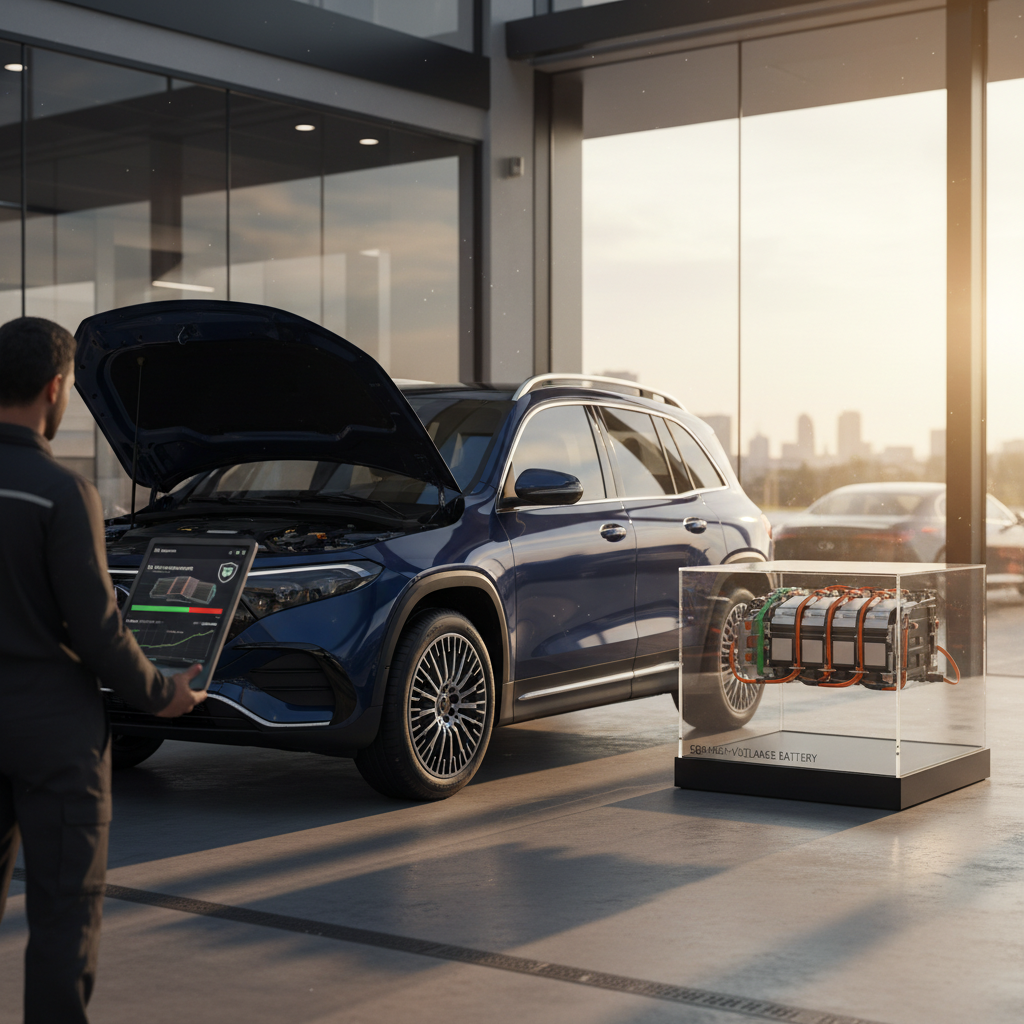
With gas cars, you can tolerate a lot of cosmetic wear if the engine and transmission are sound. With a cheap Tesla, the equivalent is the high‑voltage battery and thermal system. An extra 10,000 miles of cosmetic scuffs is nothing. A 15–20% hidden hit to usable battery capacity is everything.
- Ask for recent battery health documentation, not just “good range.” That means a scan, capacity estimate, or at least a detailed range test at a stable highway speed.
- Be cautious with cars that lived on DC fast charging. Heavy Supercharger use accelerates degradation and can mask underlying pack issues.
- Watch for software‑limited range or sudden drops in indicated miles after 80% charge. That can indicate cell imbalance or previous warranty‑claim battles.
- Older Model S and X packs can be especially expensive to replace; deep discounts there often assume future six‑figure battery work.
How Recharged handles battery risk
Ready to find your next EV?
Browse VehiclesWhere to find the cheapest used Teslas
There’s no single “cheapest place” in 2026, it’s a trade‑off between price, risk, and how much homework you’re willing to do. Here’s how the main channels stack up for bargain hunters.
1. Private sellers
Private listings on classifieds and marketplace apps often show the lowest numbers because there’s no dealer markup. You can sometimes save $1,500–$3,000 versus a dealer for the same car.
- Pros: Lowest prices, direct history from owner
- Cons: No financing help, no warranty, variable honesty, weak recourse if something goes wrong
2. Small independent dealers
Independents hunt auctions and trade‑ins for under‑market Teslas, then retail them with modest reconditioning. They’re a big source of those $13k–$17k Model 3s with 100k+ miles.
- Pros: Easiest place to finance a cheap Tesla
- Cons: Wide range of quality; some never scan the battery or understand EV specifics
3. EV‑specialist marketplaces
Curated platforms like Recharged sit between DIY and full‑retail: pricing is still aggressive, but vehicles are pre‑screened for battery health, fair market value, and clean histories.
- Pros: EV‑savvy support, verified diagnostics, transparent pricing, nationwide delivery
- Cons: You may pay slightly more than the sketchiest local listing, but with far less risk
Widen your search radius
Financing a cheap used Tesla in 2026
The financing math on cheap Teslas has changed since the early days when banks didn’t know how to underwrite EVs. In 2026, mainstream lenders are comfortable with Teslas, but they’re also more skeptical about older, high‑mileage EVs that could face big battery bills inside the loan term.
Common ways to finance a budget Tesla
What works best when you’re targeting the low end of the market
Traditional used‑auto loan
For 2018+ cars from reputable dealers or marketplaces, many banks will write 48–72 month loans at mainstream used‑car rates. Older Model S/X or super‑high‑mile 3s sometimes require larger down payments or shorter terms.
Credit union or online lender
Credit unions and fintech lenders often price risk more rationally than big banks. If a high‑mile Tesla spooks your local bank, check specialized EV‑friendly lenders or credit unions instead.
Cash + small loan hybrid
For sub‑$20,000 cars, a mix of cash and a smaller loan reduces risk. If the battery fails outside warranty, you’re less likely to be upside‑down on the note.
Financing via Recharged
Recharged offers EV‑savvy financing integrated into the buying flow, so lenders see verified battery health and realistic price data. That can improve approvals and terms on older or higher‑mileage Teslas that traditional lenders don’t fully understand yet.
Don’t stretch a loan to chase a badge
Checklist before you buy a budget Tesla
Pre‑purchase checklist for the cheapest Teslas
1. Benchmark the price
Pull 5–10 comparable listings (same model, similar year and mileage). If your target car is more than ~20% cheaper, assume there’s a story you haven’t heard yet.
2. Pull full history reports
Run at least one major history report to check for branded title, accident severity, mileage rollbacks, and auction history. Multiple reports are cheap insurance on a four‑ or five‑figure purchase.
3. Get battery health data
Insist on a recent <strong>battery health scan or report</strong>, not just “charges to 90% fine.” If you’re shopping through Recharged, this comes baked into the Recharged Score so you’re not guessing.
4. Inspect tires, brakes, suspension
EVs are heavy; they chew through tires and suspension components faster than many buyers expect. On a high‑mile Tesla, budget for a full set of tires and a suspension refresh unless records prove it’s been done.
5. Test‑drive charging and software
Plug in at both AC and (if possible) DC fast charging, run Autopilot and basic driver‑assist, and make sure there are no persistent error messages or connectivity issues.
6. Get a pre‑purchase EV inspection
A Tesla‑savvy independent shop or mobile tech can spot issues that ordinary inspectors miss, like underbody corrosion, hacky HV battery repairs, or misaligned radar/camera hardware.
The one corner you can’t cut
FAQ: Cheapest used Tesla for sale in 2026
Frequently asked questions about cheap used Teslas
Bottom line on the cheapest used Teslas
By 2026, the cheapest used Teslas are no longer unicorns; they’re a by‑product of an EV market growing up. High‑mile Model 3s in the mid‑teens and early Model Ys in the mid‑$20,000s are common sights. The question is less “Can I find one?” and more “Am I buying the right one?”, with battery health, repair history, and financing terms doing more to shape your real cost than the listing headline.
If you’re willing to put in the work, pulling history reports, insisting on battery diagnostics, and comparing prices across markets, you can end up with a legitimately cheap Tesla that still has years of useful life. If you’d rather skip some of that legwork, sourcing your car through an EV‑specialist retailer like Recharged gives you curated inventory, transparent Recharged Scores, and end‑to‑end support. Either way, the best “cheap Tesla” in 2026 isn’t just the lowest price on your screen; it’s the one that won’t surprise you after you bring it home.