If you’re a real estate agent, your car is your office, billboard, and client lounge on wheels. The best used electric car for real estate agents isn’t just efficient, it has to look professional, ride comfortably for hours, and swallow signs, lockboxes, and staging props without complaint. The good news in 2025: used EV prices have fallen sharply, so you can often upgrade your image and lower your operating costs at the same time.
Why this guide is different
Why EVs Make Sense for Real Estate Agents
Key advantages of a used EV for agents
As an agent, your driving pattern is almost tailor‑made for an EV: frequent local trips, predictable territory, and plenty of opportunity to charge at home or at the office. You’re not towing a boat; you’re moving people and paperwork. That plays to an EV’s strengths: smooth, quiet power, almost no stop‑and‑go wear on the drivetrain, and dramatically lower running costs.
Quiet cabin = better conversations
What Real Estate Agents Actually Need From an Electric Car
Core EV needs for real estate agents
Think like a mobile office, not a weekend toy
Reliable daily range
You want enough range to run all your showings plus personal errands without watching the battery gauge every mile. For most agents, 200+ miles rated range and realistic 150+ miles in mixed driving is plenty.
Comfortable, professional cabin
Clients notice seat comfort, ride quality, and climate control. A car that feels cramped or noisy works against your image, even if the photos look great online.
Usable cargo space
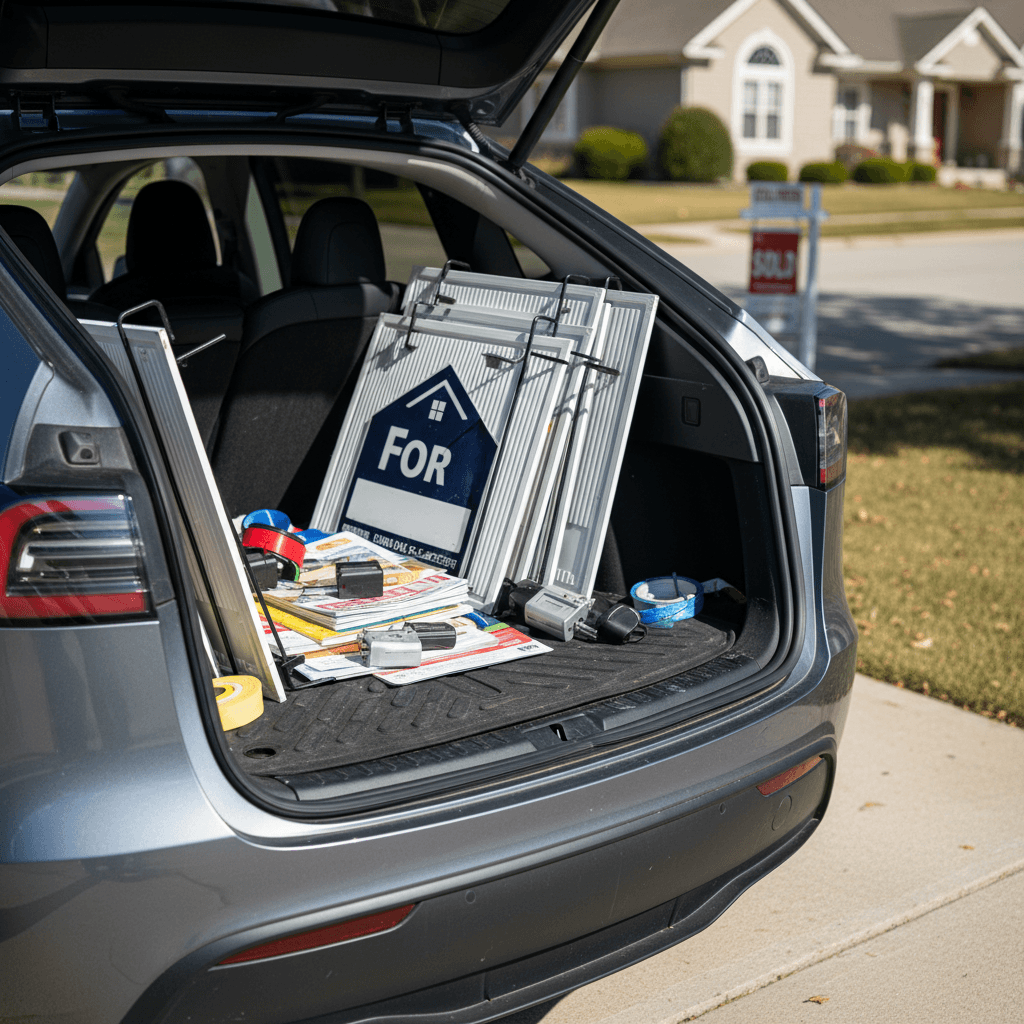
Yard signs, sandwich boards, riders, lockboxes, and staging bins all need a home. A flat cargo floor and folding rear seats are more important than flashy bodywork.
- Simple, intuitive infotainment you can use quickly at red lights without distraction.
- Good driver‑assist features (adaptive cruise, lane centering) for long days on the freeway.
- Easy in‑and‑out access for older or mobility‑limited clients.
- A shape that fits tight city parking and older driveways without stress.
- An image that aligns with your brand, forward‑thinking, successful, and trustworthy.
Don’t chase specs you won’t use
Best Used Electric Cars for Real Estate Agents: Quick Overview
Best used EVs for real estate agents in 2025
Shortlist by role, then we’ll dive into details for each model.
| Role | Model & Years | Body Style | Est. Used Price Range | Rated Range (approx.) | Why it’s great for agents |
|---|---|---|---|---|---|
| Best budget pick | Chevrolet Bolt EUV (2022–2023) | Subcompact crossover | Mid‑teens to low $20ks | ~247 mi | Low cost, easy to park, surprisingly roomy inside. |
| Best all‑around sedan | Tesla Model 3 RWD / Long Range (2018–2023) | Compact sedan | Low $20ks–mid $30ks | ~240–330 mi | Huge charging network, efficient, feels premium with the right spec. |
| Best roomy SUV | Hyundai Ioniq 5 (2022–2024) | Compact SUV | Mid $20ks–mid $30ks | ~220–303 mi | Comfortable, stylish, excellent rear‑seat and cargo space. |
| Sporty image SUV | Kia EV6 (2022–2024) | Compact SUV | Mid $20ks–mid $30ks | ~225–310 mi | Great driving feel and design, solid space for signs and gear. |
| Best value luxury feel | Ford Mustang Mach‑E (2021–2023) | Crossover SUV | Low $20ks–low $30ks | ~210–305 mi | Upscale interior, good ride, strong feature content used. |
Approximate used price ranges assume clean titles and average mileage in early 2025; your local market may vary.
Use this list by budget, not badge
Best Budget Used EV for New Agents: Chevy Bolt EUV
If you’re newer in the business or rebuilding after a tough year, the Chevrolet Bolt EUV is one of the smartest plays in the used market right now. It’s essentially a slightly stretched Bolt hatchback with more rear legroom and a more SUV‑like stance, perfect for tight urban streets and cramped driveways, but roomy enough for two adults in back plus your gear.
Chevy Bolt EUV: pros and watch‑outs for agents
Why agents like it
- Low entry price: Often thousands less than comparable crossovers, thanks to sharp used‑EV depreciation.
- Compact footprint: Easy to street‑park downtown and squeeze into older garages.
- Decent real‑world range: Roughly 180–200 miles on a typical day is realistic for most drivers.
- Surprising cargo room: Fold the rear seats and there’s space for signs, lockboxes, and rolling briefcases.
What to watch for
- Charging speed: DC fast‑charging is slower than newer rivals, so it’s best if you mostly charge at home.
- Perceived image: It’s practical and honest, but not as “wow” as a sleek Tesla or Ioniq 5.
- Seat comfort: Some drivers find the front seats narrow, take a long test drive before you buy.
Battery replacements and recalls can be a plus
For a solo agent or small‑item stager who mainly works within a tight territory, the Bolt EUV is hard to beat on cost per mile. It’s the right call if you value low overhead and easy parking more than a big back seat or luxury badge.
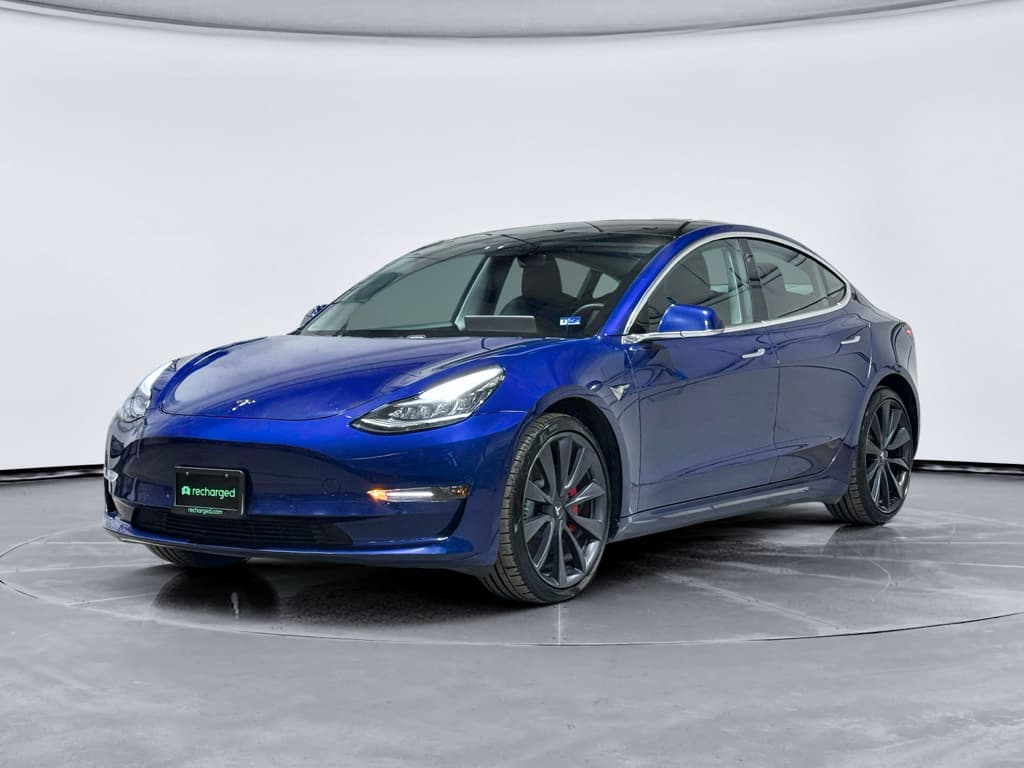
Best All-Around Used EV: Tesla Model 3
If you’re looking for the best all‑around used electric car for real estate agents, the Tesla Model 3 deserves a long look. It combines strong range, excellent efficiency, and access to the country’s most robust fast‑charging network. For many clients, it also quietly signals that you’re successful and forward‑thinking without shouting about it.
Why the Model 3 works so well for agents
- Range headroom: Many used Long Range models are rated around 300 miles when new, so even with some degradation you’ll comfortably cover a long day of showings.
- Supercharger access: On road‑warrior days or cross‑market trips, the built‑in route planning and dense network lower your stress.
- Clean, modern cabin: The minimalist interior photographs well for your social media and feels upscale to most clients.
- Strong driver‑assist: Autopilot can take some of the load off on long freeway stretches between suburbs.
Where you’ll need to think it through
- Trunk, not hatch: The sedan body limits bulky staging items; consider a roof box or separate staging vehicle if you haul furniture.
- Ride firmness: Sportier suspension means you should test it on the worst roads in your territory to make sure the ride suits you and your typical clients.
- Feature differences by year: Earlier cars may have different cameras or driver‑assist hardware; review a few model‑year guides before you shop.
Consider your MLS footprint
For many established agents, the Model 3 hits the sweet spot: long‑range capability, a polished client experience, and strong tech. If you rarely haul more than a couple of signs and your staging is handled by vendors, this is a very strong candidate.
Best Used EV SUVs for Clients and Signs
If you regularly shuttle families, bring staging bins, or work in hilly or snowy areas, a compact electric SUV or crossover can be a better tool than a sedan. You sit higher, clients climb in and out more easily, and the hatchback makes it simple to slide in signs and totes.
Top used EV SUVs for real estate work
Space, comfort, and style without full‑size SUV costs
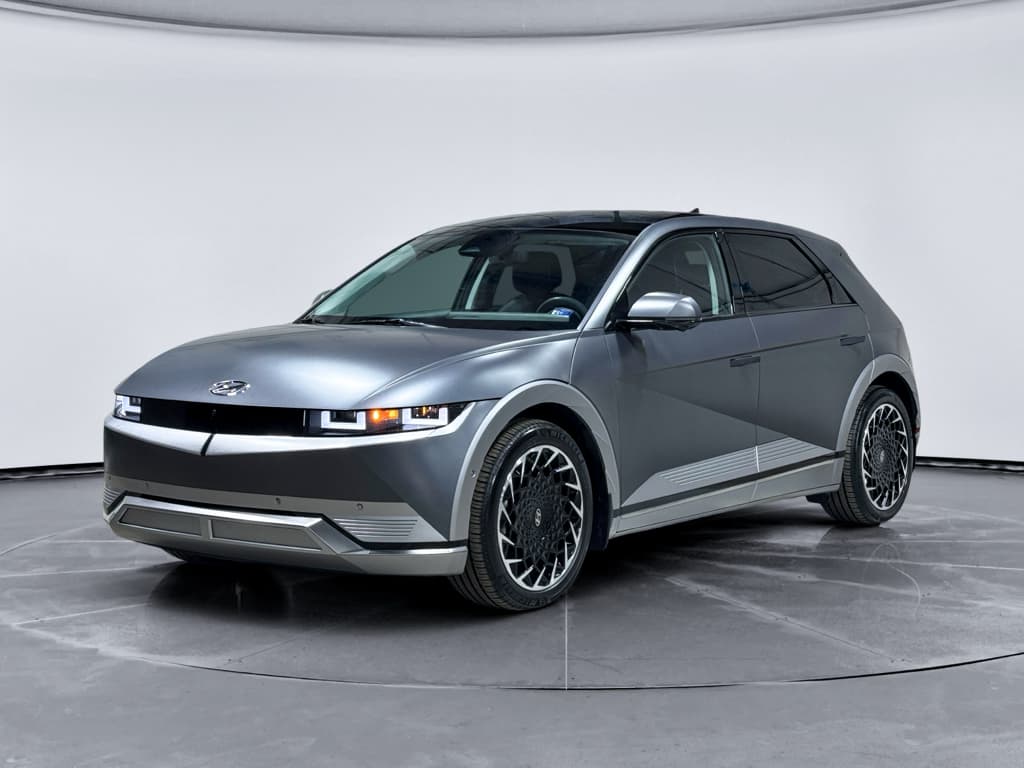
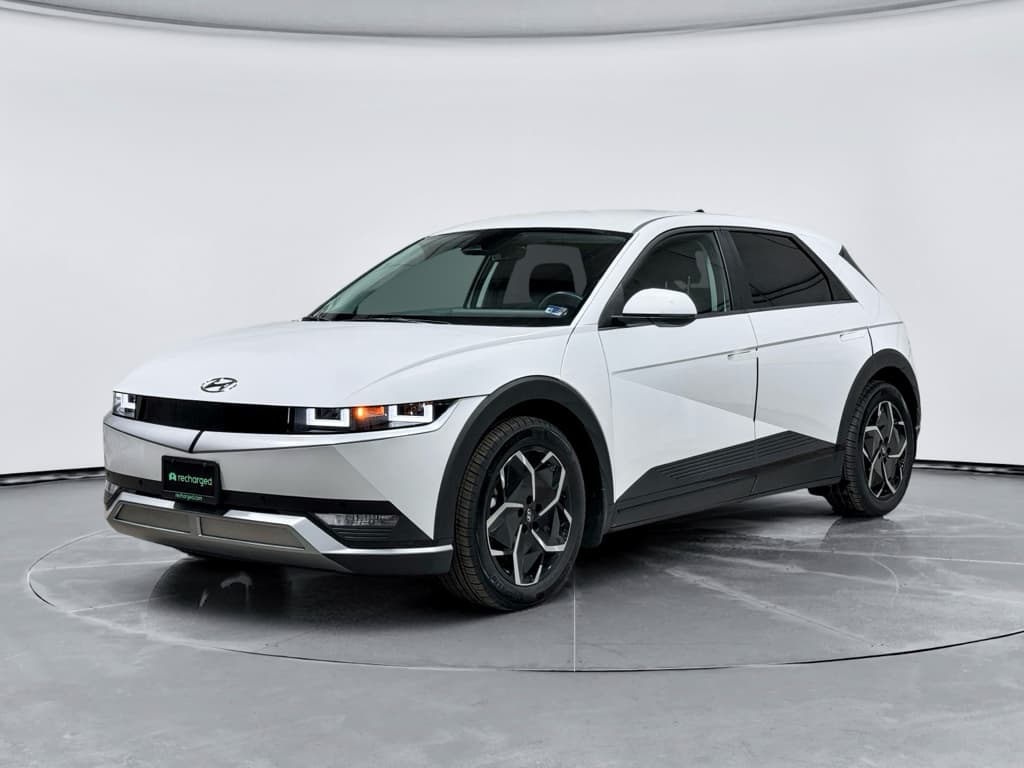
Hyundai Ioniq 5 (2022–2024)
The Ioniq 5 has become a favorite among EV drivers for its combination of excellent comfort, generous rear‑seat space, and a quiet ride. The boxy profile hides a big, flat cargo area ideal for signs and open‑house kits. Rear‑wheel‑drive models are especially efficient; all‑wheel drive is available if your winters demand it.
Kia EV6 (2022–2024)
Think of the EV6 as the Ioniq 5’s sportier cousin. The cargo space is slightly tighter, but still practical for day‑to‑day real estate gear, and the driving experience is more engaging. If your brand leans modern and performance‑oriented, it sends the right message.
Ford Mustang Mach‑E (2021–2023)
The Mach‑E blends an upscale interior with a familiar Ford badge for clients who may not know much about EVs. The rear hatch and split‑fold seats are useful for staging items, and many used examples come with strong driver‑assist suites and large infotainment screens.
What about three‑row EVs?
Range and Charging Strategy for Busy Showing Days
Before you obsess over 0–60 times or maximum DC fast‑charge rates, dial in how you’ll actually use the car. As an agent, you care less about track times and more about never having to cancel a showing because you need to find a charger.
Build a no‑stress range and charging plan
1. Map your real daily mileage
Look back at a typical week of appointments. Add up the miles between your home, office, listings, and errands. Many full‑time agents are surprised to find they drive well under 150 miles per day on average.
2. Aim for 2× your busiest day
If your heaviest day is 120 miles, a car with ~240 miles of realistic range gives you plenty of buffer for cold weather, detours, and last‑minute showings.
3. Set up Level 2 home or office charging
A 240‑volt Level 2 charger turns your driveway or parking spot into your personal “fuel station.” Overnight, even modest chargers can easily add 150+ miles, so you start each morning essentially “full.”
4. Learn your local DC fast chargers
Know where the reliable fast‑charging stations are near your main farm area and along your common freeway routes. You may rarely use them, but having them in mind is free insurance.
5. Use scheduled charging for lower rates
Many utilities offer cheaper overnight electricity. Use your car’s app to schedule charging so you’re fueling at the lowest possible cost while you sleep.
6. Keep a margin for emergencies
Just as you wouldn’t run a gas tank to empty, avoid planning days that end near 0%. A 15–20% buffer gives you room for a surprise extra showing or traffic detours.
You rarely need 100% every day
Comfort, Tech, and Image: Details Clients Notice
Clients might not know kilowatt‑hours from kilowatts, but they instantly sense whether your car feels comfortable, safe, and well cared‑for. An EV that supports your personal brand makes every driveway arrival a little quieter and more confident.
Comfort factors that matter in showings
- Seat comfort and adjustability: You may spend six or more hours in the driver’s seat on a listing day. Look for good lumbar support and adjustable thigh support if you’re tall.
- Rear access and headroom: Older or taller clients should be able to enter and exit gracefully. Boxier crossovers like the Ioniq 5 shine here.
- Quiet cabin and climate: Dual‑zone climate control and heated/ventilated seats can make clients forget about the weather entirely.
Tech and image for your business
- Clean integration with your phone: Seamless Apple CarPlay/Android Auto or Tesla’s Bluetooth integration makes navigation and calls easy.
- Digital displays: A modern instrument cluster and large center screen look impressive during quick contract reviews in the driveway.
- Exterior impression: A well‑kept EV suggests you’re organized, detail‑oriented, and thinking about the future, traits buyers and sellers like in an agent.
Use your EV as a soft marketing tool
Costs, Financing, and Depreciation for Used EVs
Thanks to steep early depreciation and a wave of lease returns, many used EVs in 2025 cost far less than comparable gasoline luxury sedans or SUVs. For agents used to writing big checks at the pump, shifting that money into a predictable payment on a nicer car can be a smart business move.
How used EV economics work in your favor
Lower running costs
Electricity is typically cheaper per mile than gas, and EVs have fewer moving parts, no oil changes, fewer brake jobs, and less routine maintenance. That’s ideal when you’re piling on miles for work.
Depreciation already “baked in”
Many EVs took their biggest value hit in the first 3–4 years. As a used buyer, you often get a newer‑feeling car without absorbing that initial drop.
Financing that fits agents
Because your car is a core business tool, structuring the deal the right way matters. A platform like Recharged can help you compare financing, trade‑in, and even consignment options with a fully digital process.
Use TCO, not just purchase price
How to Inspect a Used EV for Real Estate Work
You’re used to inspecting houses. Evaluating a used EV isn’t all that different: you’re looking past the staging (shiny paint, giant screens) to the structure (battery health, charging history, accident repair quality).
Used EV checklist for real estate agents
1. Start with battery health
Battery condition is the single biggest factor in an EV’s long‑term value. Look for a <strong>third‑party battery health report</strong>, Recharged, for example, includes a Recharged Score with verified battery diagnostics on every car.
2. Confirm usable range in real life
On a test drive, reset the trip computer and compare miles driven to the percentage of battery used. That gives you a quick feel for real‑world efficiency in your area and driving style.
3. Test all doors and seats with clients in mind
Open every door, sit in each seat, and adjust them as if you’re with a buyer and their parents. Make sure entry, exit, sightlines, and seat comfort feel good for people of different sizes.
4. Load your actual gear
Bring a couple of yard signs, lockboxes, and a rolling file bag to the test drive. See how they fit in the cargo area with seats up and folded.
5. Check charging equipment and history
Confirm that the portable charging cord and any home wall unit transfer with the sale if promised. Ask where and how the car was usually charged, frequent DC fast‑charging isn’t a deal‑breaker, but consistent home Level 2 use is ideal.
6. Review service, recalls, and cosmetic wear
Just like a house, small dings and scrapes are normal. Focus more on documented recall work, software updates, and any structural repairs. A transparent history is worth more than perfect paint.
Don’t skip a professional EV evaluation
FAQ: Best Used Electric Car for Real Estate Agents
Frequently asked questions from real estate agents
Bottom Line: Choosing the Right Used EV as an Agent
The best used electric car for real estate agents isn’t the same for everyone. If you’re watching every dollar, a Chevy Bolt EUV gives you honest, efficient transportation that still projects a modern image. If you want a polished client experience and long‑range flexibility, a Tesla Model 3 (or a comfortable crossover like the Hyundai Ioniq 5, Kia EV6, or Ford Mustang Mach‑E) can turn long days of appointments into something closer to a quiet commute.
Start with your real daily mileage, your typical clients, and how much gear you truly carry. Then shop specifically for range headroom, seat comfort, and cargo flexibility instead of chasing the flashiest spec sheet. And when you’re ready to run the numbers, platforms like Recharged can help you compare used EVs side‑by‑side, understand battery health, line up financing or a trade‑in, and have the right car delivered to your driveway, so you can focus on delivering for your clients.