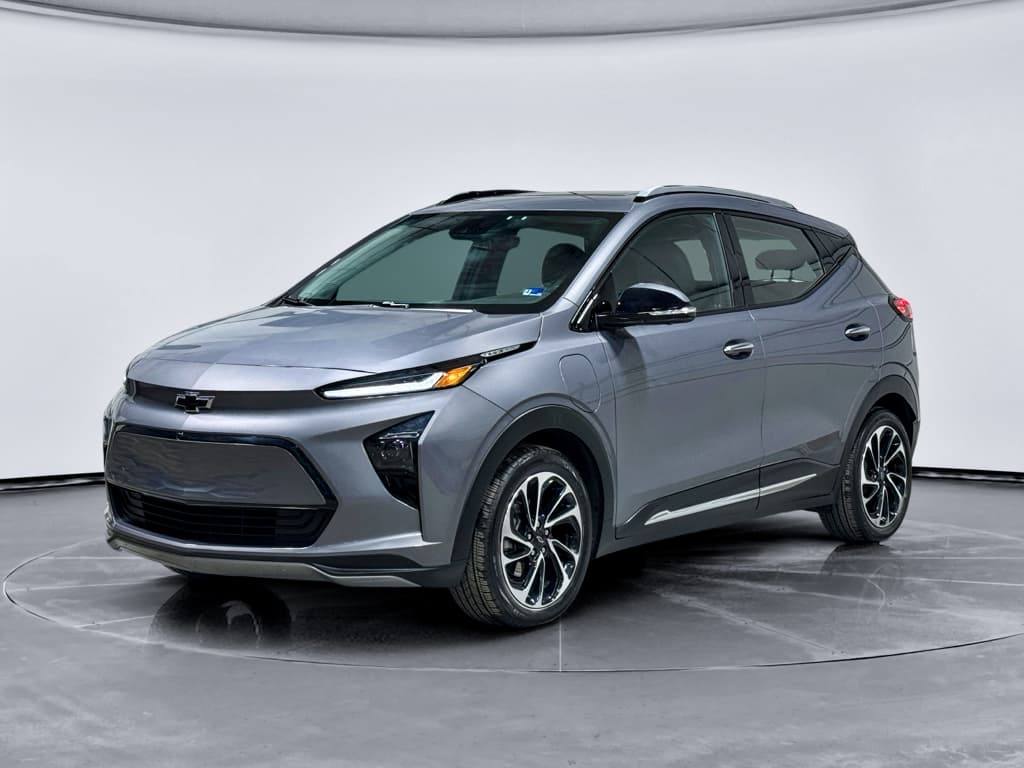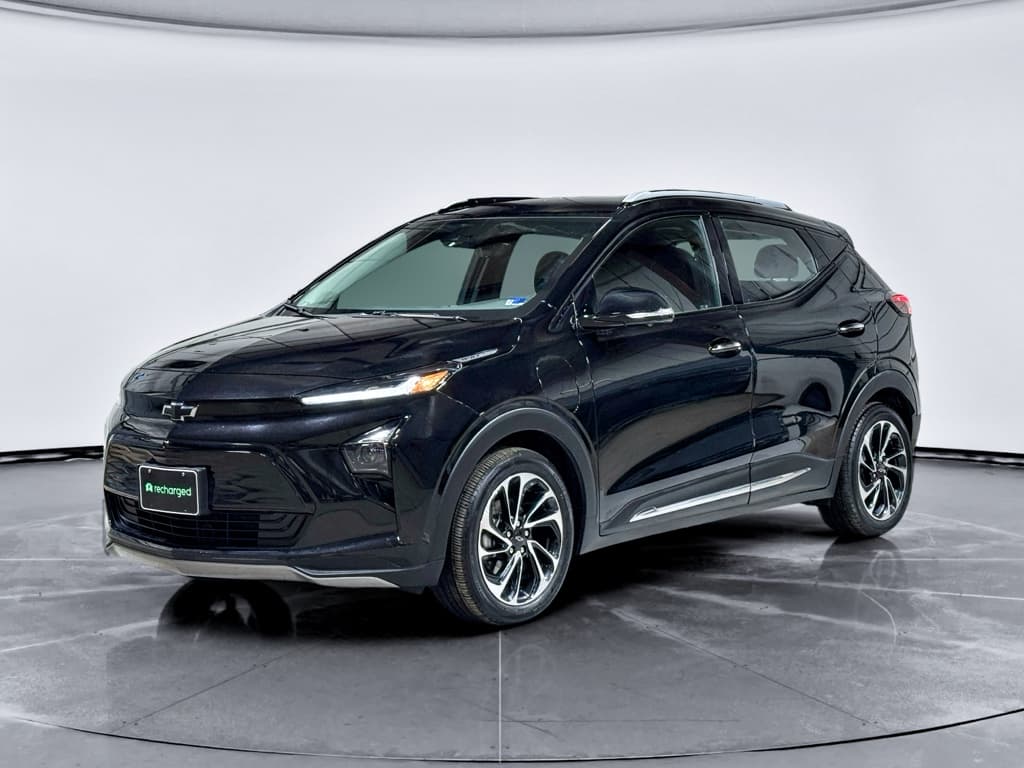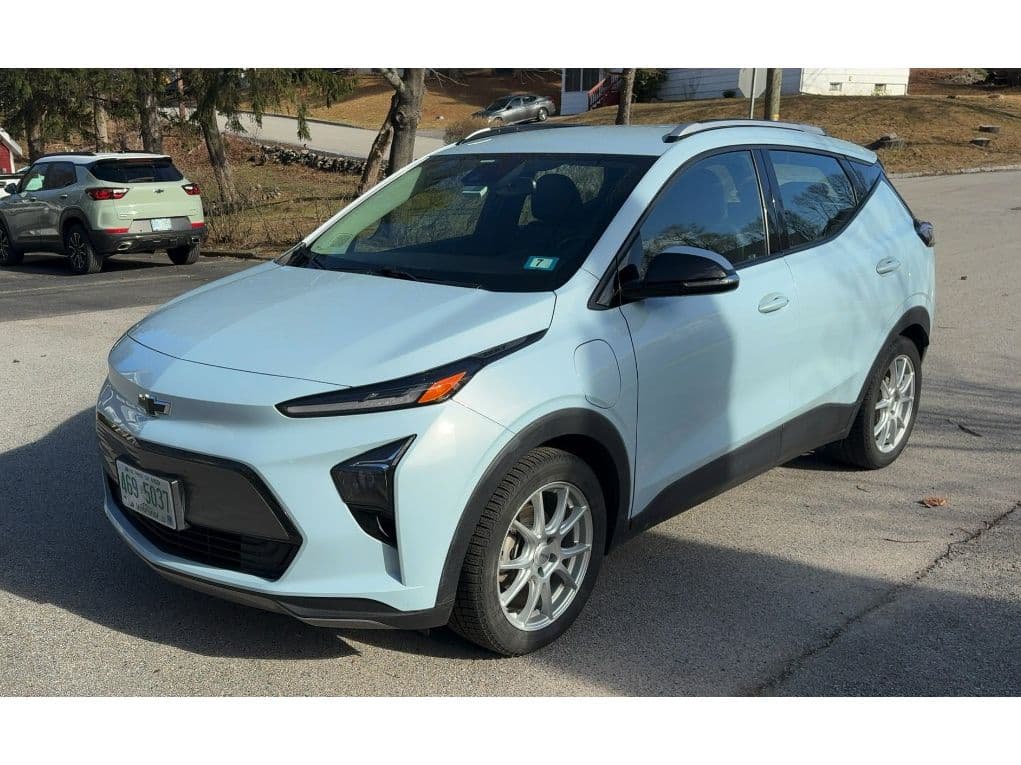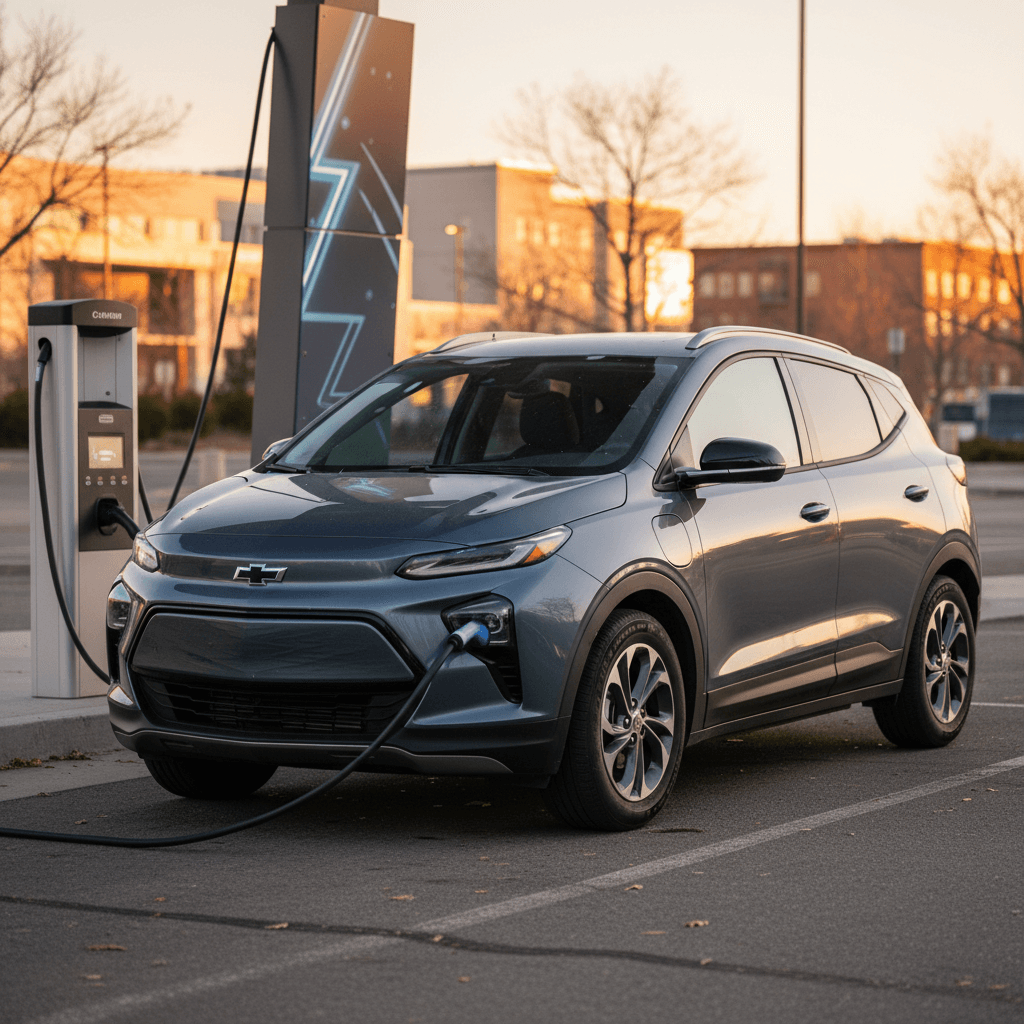
If you’re shopping the used EV market, a 2023 Chevrolet Bolt EUV will almost certainly land on your shortlist. As a used buy, it combines strong efficiency, a practical cabin, standard DC fast charging, and aggressive depreciation that keeps prices well below many newer crossovers. This review focuses specifically on the 2023 Bolt EUV as a used vehicle, how it drives today, what its range and charging really look like, and the battery, reliability, and value questions you should answer before you sign anything.
Quick verdict
Why the 2023 Bolt EUV is interesting as a used EV
- Last full model year: 2023 was the final year for the Bolt EUV before GM ended production, so every example is relatively new in the used market.
- Deep post-recall production run: 2022–2023 Bolt EUVs received redesigned LG battery packs after earlier Bolt fire recalls, giving shoppers a cleaner slate than older Bolt EVs.
- Aggressive new-car incentives then, depreciation now: Heavy discounts and tax credits on remaining 2023 inventory pushed initial prices down, which translates into significant depreciation and attractive used pricing today.
- Mature tech, not bleeding-edge: The Bolt rides on GM’s older BEV2 platform instead of Ultium. That means no ultra-fast charging, but a simple, well-understood powertrain that’s proven itself as a daily driver.
Where Recharged fits in
Core specs: range, battery, and charging performance
2023 Chevy Bolt EUV key numbers
All 2023 Bolt EUVs use a 65 kWh lithium-ion battery paired with a single front motor rated at about 200 hp. EPA range is 247 miles, and in independent tests on Recharged, healthy 2022–2023 Bolt EUVs have continued to deliver that kind of range in mild weather when driven efficiently. The Bolt EUV is an efficiency play rather than a charging-speed champ, and you feel that in how it fits daily life versus long road trips.
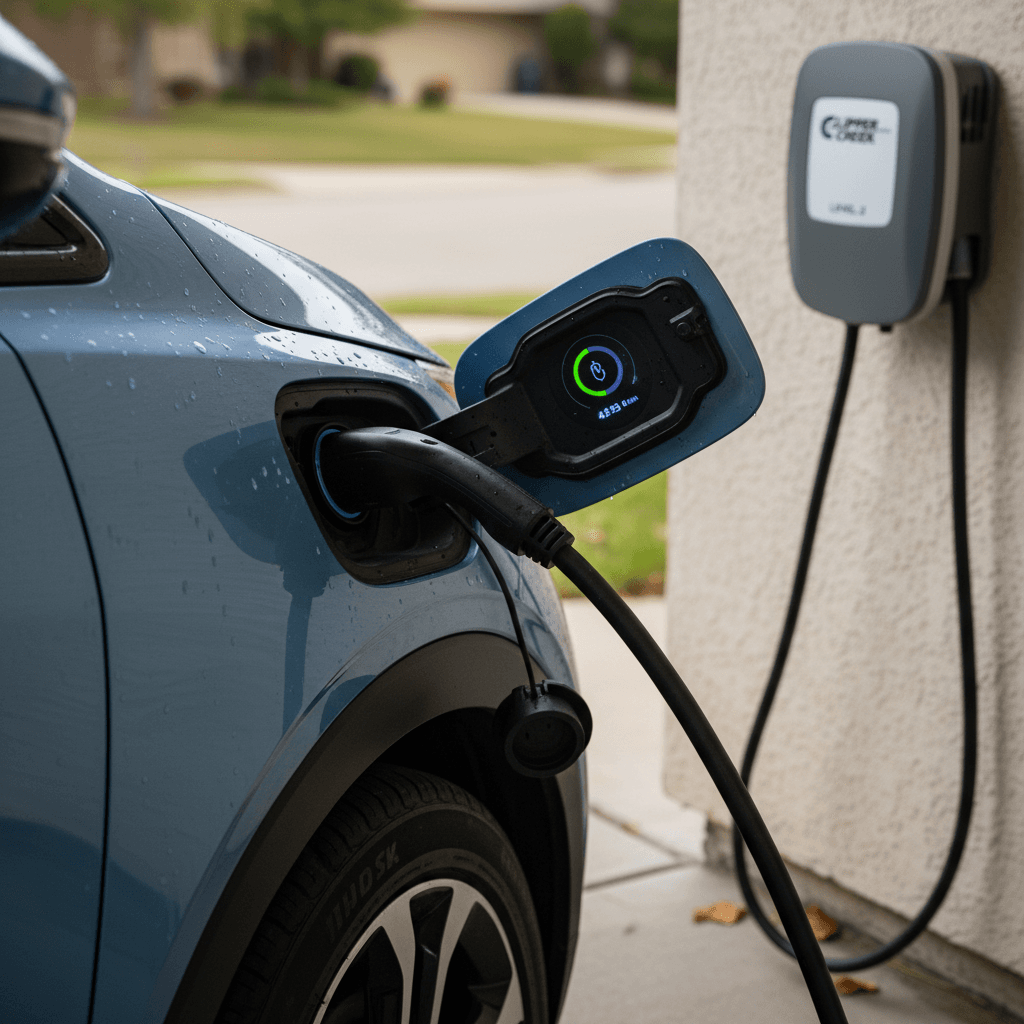
On the charging side, the 2023 Bolt EUV’s specs look modest next to newer 150–250 kW EVs. Real-world testing shows a peak DC fast-charge rate of about 55 kW, with typical sessions from 10–80% taking around 60–75 minutes at a healthy CCS fast charger. On Level 2 at home or work, the onboard 11.5 kW charger can take you from near empty to full in roughly 7–8 hours, perfect for overnight charging if you have a 240 V setup.
Road-trip expectations
Real-world driving experience and comfort
Acceleration and handling
The 2023 Bolt EUV isn’t a performance EV, but its single motor delivers quick, responsive acceleration around town. Instant torque makes stop-and-go traffic easy, and passing power up to highway speeds is more than adequate. Steering is light and precise, and the battery’s low placement keeps the car planted in corners.
Where it shows its age is highway refinement: wind and road noise are noticeable above 70 mph, and the suspension can feel choppy on broken pavement. It’s comfortable enough for a weekend trip, but clearly tuned for urban and suburban duty.
Cabin space and usability
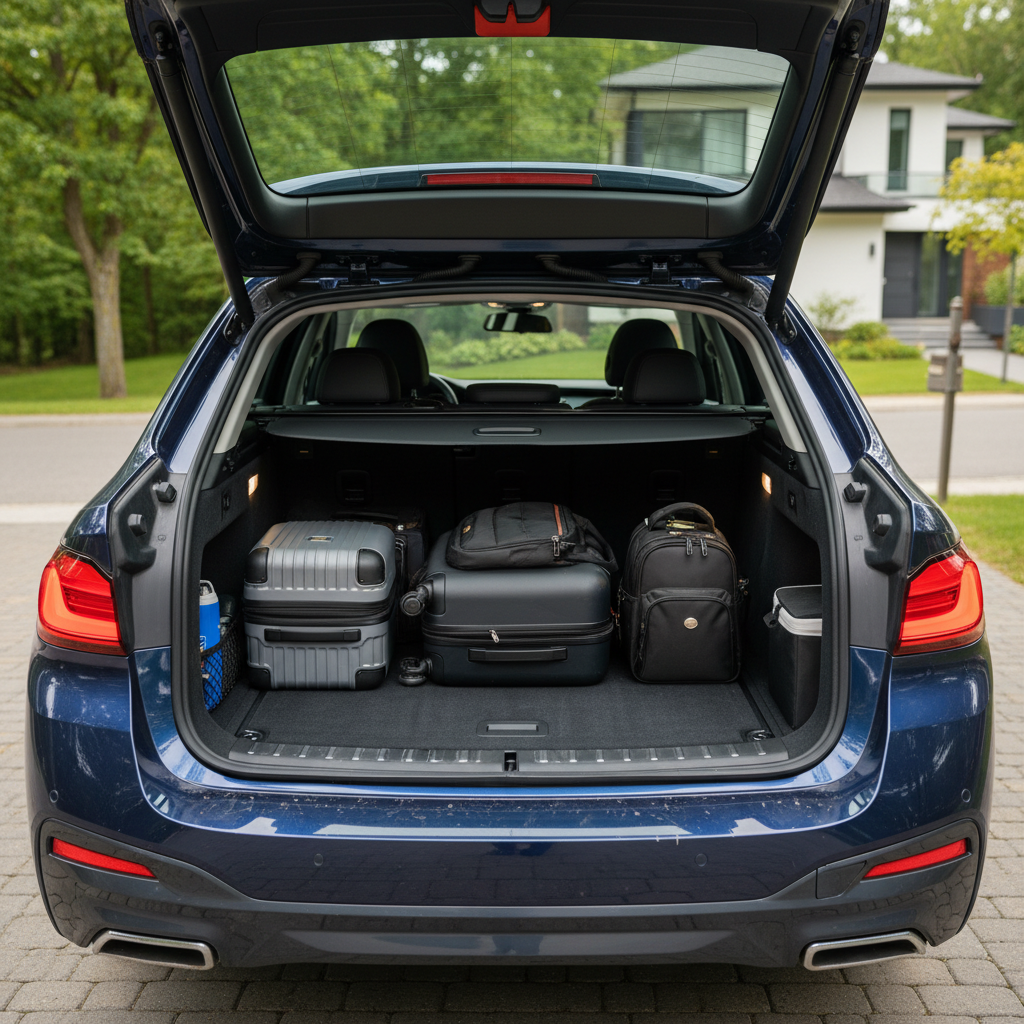
The Bolt EUV’s "U" stands for utility, and the cabin generally lives up to it. The slightly stretched wheelbase versus the Bolt EV adds better rear legroom, making it easier to seat adults in the back. The hatchback layout and split-folding rear seats provide enough room for groceries, strollers, or a couple of carry-on suitcases.
Material quality is functional rather than premium, but the dashboard layout is simple, with physical buttons for core functions and a straightforward 10.2-inch touchscreen. Wireless Apple CarPlay and Android Auto are standard, which helps the interior feel more modern than the platform’s age would suggest.
Where the 2023 Bolt EUV shines in daily use
Strengths you’ll notice if you commute or run a lot of errands
Urban-friendly size
The Bolt EUV is compact enough to squeeze into tight city parking spots, yet tall enough that it feels more like a small crossover than a hatchback.
Excellent efficiency
Owners regularly report 3.5–4.0 miles per kWh or better in mild weather. That turns a 65 kWh pack into road-trip-like range for commuting.
Comfortable front seats
GM fixed the early Bolt seat complaints; 2022–2023 EUVs have more supportive cushions and better adjustability for most body types.
Safety ratings and driver-assistance tech
Safety is a strong point for the 2023 Bolt EUV. Chevy bundled a generous set of active safety tech as standard and added some standout options on higher trims.
- Standard Chevy Safety Assist includes automatic emergency braking with pedestrian detection, lane-keep assist with lane departure warning, forward collision alert, automatic high beams, and a following-distance indicator.
- Most trims offer available adaptive cruise control; the top Premier trim could be optioned with Super Cruise, GM’s hands-free driver-assistance system on mapped highways.
- The Bolt family has earned solid crash-test scores from major safety agencies, and its compact footprint plus wide driver visibility make it easy to place in traffic and parking lots.
Used-buy tip: Super Cruise
Reliability, battery history, and longevity
Any used-Bolt conversation has to address the battery recall history. Earlier Bolt EVs and some early EUVs were recalled for a manufacturing defect that could, in rare cases, lead to battery fires. By the 2022–2023 model years, GM had shifted production to updated LG packs and implemented software monitoring. The 2023 Bolt EUV benefits from that later-production run, which reduces, but does not completely eliminate, battery anxiety for used buyers.
Owner reports on 2022–2023 Bolt EUVs show a wide range of experiences but generally modest real-world degradation for vehicles under about 50,000 miles. Many drivers report little to no noticeable capacity loss after two to three years, while a minority have seen 5–7% estimated loss in that same window. GM backs the high-voltage battery with an 8-year/100,000-mile warranty, so most 2023 Bolt EUVs will remain under battery warranty well into the 2030s.
Don’t skip the battery health check
2023 Bolt EUV reliability: pros and watch-outs
What we’re seeing in the used market so far
Reliability positives
- Simple, proven BEV2 platform with far fewer moving parts than a gas car.
- No engine, transmission, or exhaust system to service, lower routine maintenance costs.
- Plenty of high-mileage Bolt EV/EUV examples on the road with only modest battery degradation reported.
Things to watch for
- Isolated reports of battery modules needing service or replacement; warranty coverage matters.
- Occasional "Propulsion Power Reduced" or battery warning messages that require dealer diagnosis.
- Standard DC fast charging is relatively slow, which is more of a convenience concern than a failure risk, but important if you road-trip often.
Used pricing, depreciation, and value
The 2023 Bolt EUV launched as one of the least expensive new EVs in America, and generous discounts on remaining inventory at the end of production pushed transaction prices even lower. That set the stage for heavy depreciation in the first 3–4 years, great news if you’re buying used.
While exact pricing will vary by mileage, trim, options, and local incentives, used 2023 Bolt EUVs generally undercut many similarly sized EV crossovers by thousands of dollars. The trade-off is clear: you’re giving up ultra-fast charging and the latest platform tech in exchange for low entry price, strong efficiency, and a nearly new battery that’s still deep into its factory warranty window.
How Recharged approaches pricing
Ready to find your next EV?
Browse VehiclesWhat to check before buying a used 2023 Bolt EUV
Essential used 2023 Bolt EUV inspection checklist
1. Verify battery warranty and recall history
Confirm the in-service date and mileage to understand how much of the 8-year/100,000-mile battery warranty remains. Ask for documentation showing that all battery-related recalls and software updates have been completed.
2. Get a real battery health assessment
Use more than the dash estimate. A professional <strong>battery capacity test</strong>, like the diagnostics included in a Recharged Score Report, measures actual usable kWh, revealing whether the pack is still close to new or has lost meaningful capacity.
3. Review charging behavior
Test both Level 2 and DC fast charging if possible. Make sure the car connects reliably, charges at expected speeds for a Bolt EUV, and doesn’t trigger error messages at public stations.
4. Inspect tires and brakes
EVs are heavy and can be hard on tires. Check for uneven wear that might indicate alignment issues. Regenerative braking means pads often last longer, but you still want a technician to look for corrosion or sticking calipers in rust-prone regions.
5. Check for interior wear and tech glitches
Cycle the infotainment system, smartphone integration, cameras, and heated seats. Because many Bolt EUVs were used as rideshare vehicles, look for seat fabric wear, stains, or broken trim.
6. Confirm included charging equipment
Make sure the original portable charging cord is present and functional. If the previous owner added a Level 2 charger or accessories, verify those work and are correctly installed.
Make it turnkey
Who the 2023 Bolt EUV (used) is right for
Is a used 2023 Bolt EUV a good fit for you?
Best-fit drivers
Daily commuters with round-trip distances under about 150 miles, even in colder weather.
Urban and suburban drivers who want a compact footprint but usable rear-seat and cargo space.
Households adding a second or third car primarily for local driving, errands, and school runs.
First-time EV buyers who want an affordable entry into electric ownership without paying new-car prices.
Drivers who may want to look elsewhere
Frequent long-distance travelers who rely heavily on public fast charging and want 150–250 kW speeds.
Shoppers who need all-wheel drive, towing capability, or larger cargo space than a compact hatchback can offer.
Drivers who strongly prefer the newest Ultium-based platforms or cutting-edge driver-assistance features beyond Super Cruise.
FAQ: 2023 Chevrolet Bolt EUV as a used buy
Frequently asked questions about the 2023 Bolt EUV (used)
Bottom line: Is a used 2023 Bolt EUV worth it?
As a used vehicle, the 2023 Chevrolet Bolt EUV sits at an interesting crossroads. It’s not the latest platform, and its DC fast charging is merely adequate by 2026 standards. But it delivers excellent efficiency, practical space, modern safety tech, and some of the most approachable pricing in the used EV market, all wrapped in a package that’s still early in its battery warranty life.
If your driving pattern leans toward commuting, errands, and occasional regional trips, a healthy used 2023 Bolt EUV can be a smart, budget-friendly way into EV ownership. Just make sure you treat battery health, recall status, and charging behavior as non-negotiables during your shopping process. Partnering with an EV-focused retailer like Recharged, where every car includes a Recharged Score battery report, fair-market pricing, and nationwide delivery, can turn what might feel like a risky used-EV bet into a transparent, data-driven decision.