If you’re looking at a Mercedes EQB, or already own one, the high‑voltage battery warranty is the single line of fine print that matters most. The EQB’s pack is expensive to replace, and recent battery‑related recalls have raised fair questions about how much protection Mercedes actually provides. This guide breaks down the Mercedes EQB battery warranty, what it covers, what it doesn’t, and how that changes if you’re shopping used.
Short answer: what the EQB battery warranty covers
Overview: EQB battery warranty basics
Mercedes structures EQB protection in layers. The high‑voltage battery warranty sits on top of the normal new‑vehicle warranty and is designed to outlast it. Here’s the basic framework U.S. EQB owners can expect:
Typical Mercedes EQB U.S. warranty snapshot
The key takeaway: your battery coverage usually outlives your full-vehicle warranty by four years. That’s intentional, manufacturers know battery concerns are what keep people on the fence about EVs, especially in the used market.
Core EQB battery warranty coverage: years, miles & what’s included
Mercedes hides the real details in its EQ service and warranty booklets, but once you decode the language, the Mercedes EQB battery warranty boils down to a few core promises. We’ll focus on U.S.‑spec EQB models, which typically follow this pattern.
Standard Mercedes EQB battery warranty coverage (U.S.)
Typical high‑voltage battery warranty terms for recent EQB model years sold in the United States. Always verify against the booklet for your specific vehicle.
| Coverage type | Term (time / mileage) | What it generally covers |
|---|---|---|
| High‑voltage battery (EQB) | 8 years / 100,000 miles | Defects in materials or workmanship of the main traction battery pack and specified high‑voltage components |
| Battery capacity retention | Same 8 yrs / 100k mi window | Battery remaining above a minimum capacity threshold (measured in amp‑hours, not range display) |
| HV components (select items) | Usually included with HV battery term | Certain power electronics, contactors, and high‑voltage cabling if failure is due to defect |
| New‑vehicle limited warranty | 4 years / 50,000 miles | Most non‑wear items: onboard charger, infotainment, many sensors, climate system, etc. |
Warranty terms may vary by model year, state, and any extended coverage or battery certificates sold with the vehicle.
Within that 8‑year / 100,000‑mile window, Mercedes is essentially saying: if your EQB’s traction battery or covered high‑voltage parts fail because they were built wrong or fail early, they’ll repair or replace them. That’s very different from promising that your range will never drop, or that the pack will be replaced just because it’s old.
Watch the in‑service date, not just model year
Capacity loss & degradation: how Mercedes measures it
One of the most confusing parts of the Mercedes EQB battery warranty is how it treats capacity loss (degradation). Owners tend to think in miles of range on the dash, but Mercedes, and most automakers, think in amp‑hours and internal test routines.
1. Capacity is measured in amp‑hours, not range
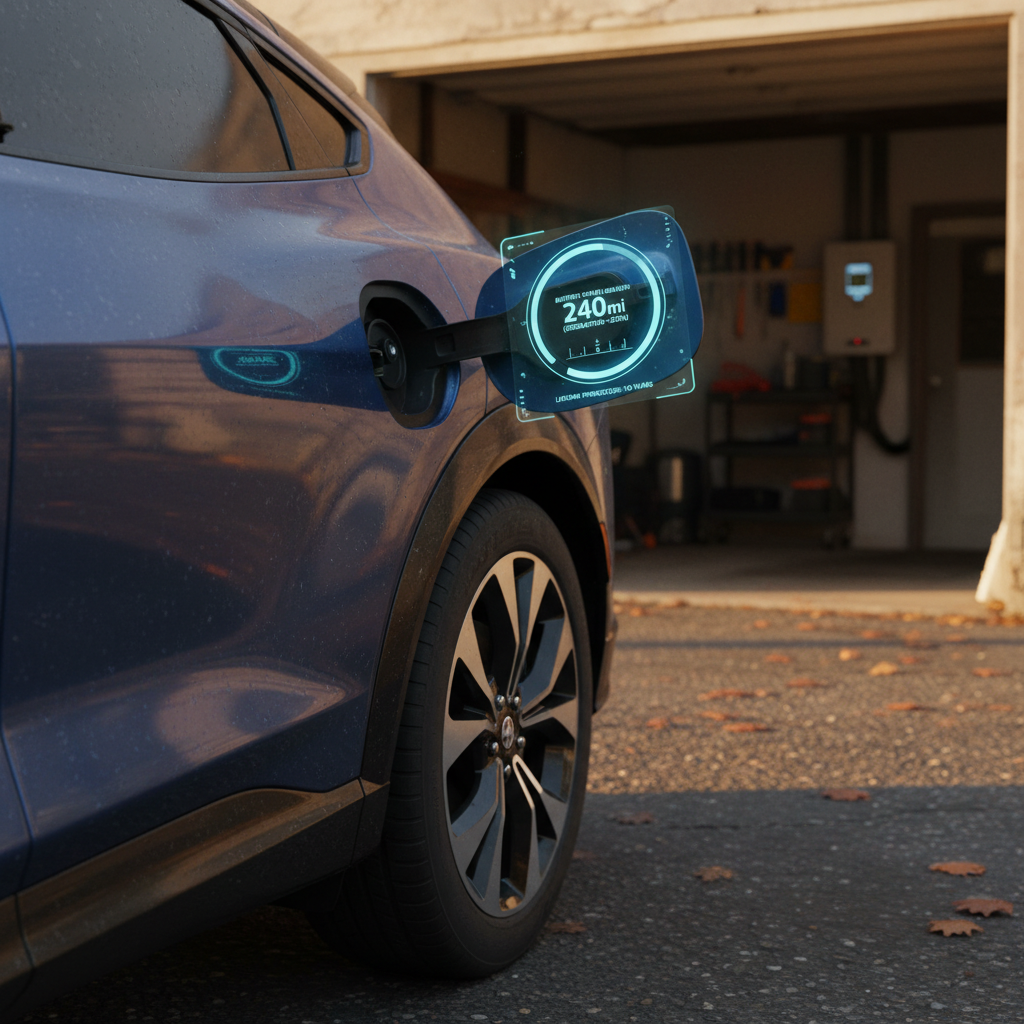
The EQB warranty booklet defines capacity in amp‑hours (Ah). For example, you’ll see language saying the battery is warranted to maintain at least a certain Ah figure (such as 133 Ah) over the warranty term. That’s an internal metric, not the EPA range number or what your instrument cluster shows after a charge.
Mercedes decides whether to repair or replace based on its own test procedures, not your road‑trip experience or smartphone app estimates.
2. There is a floor, but it’s not advertised like Tesla’s
Some Mercedes materials and dealer explanations reference a minimum capacity threshold (often comparable to ~70% of original capacity) as the point where they’ll consider repair or replacement. The exact threshold and test method are controlled by Mercedes and are not spelled out in simple consumer language.
Practically, it means: modest range loss over time is treated as normal wear, but dramatic or uneven degradation within 8 yrs / 100k mi may qualify for warranty action.
Don’t rely only on the range estimate
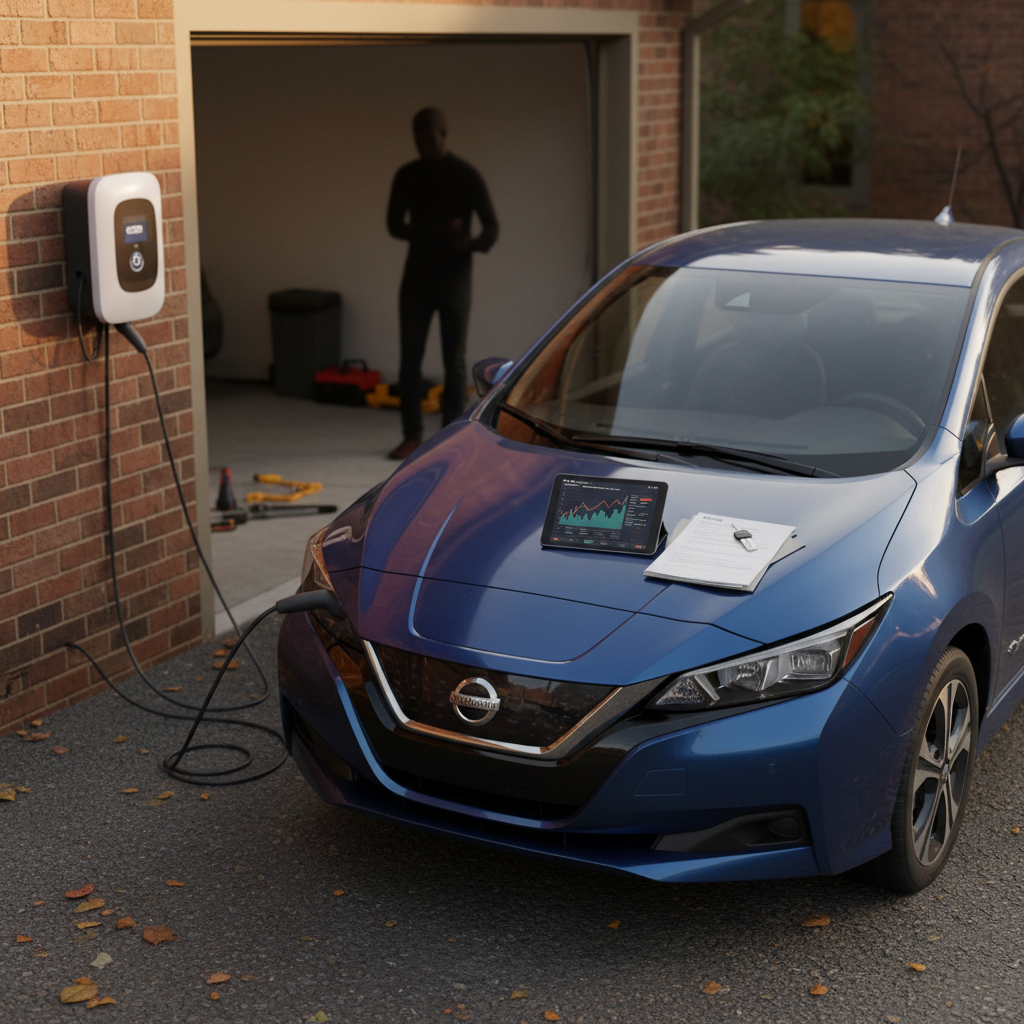
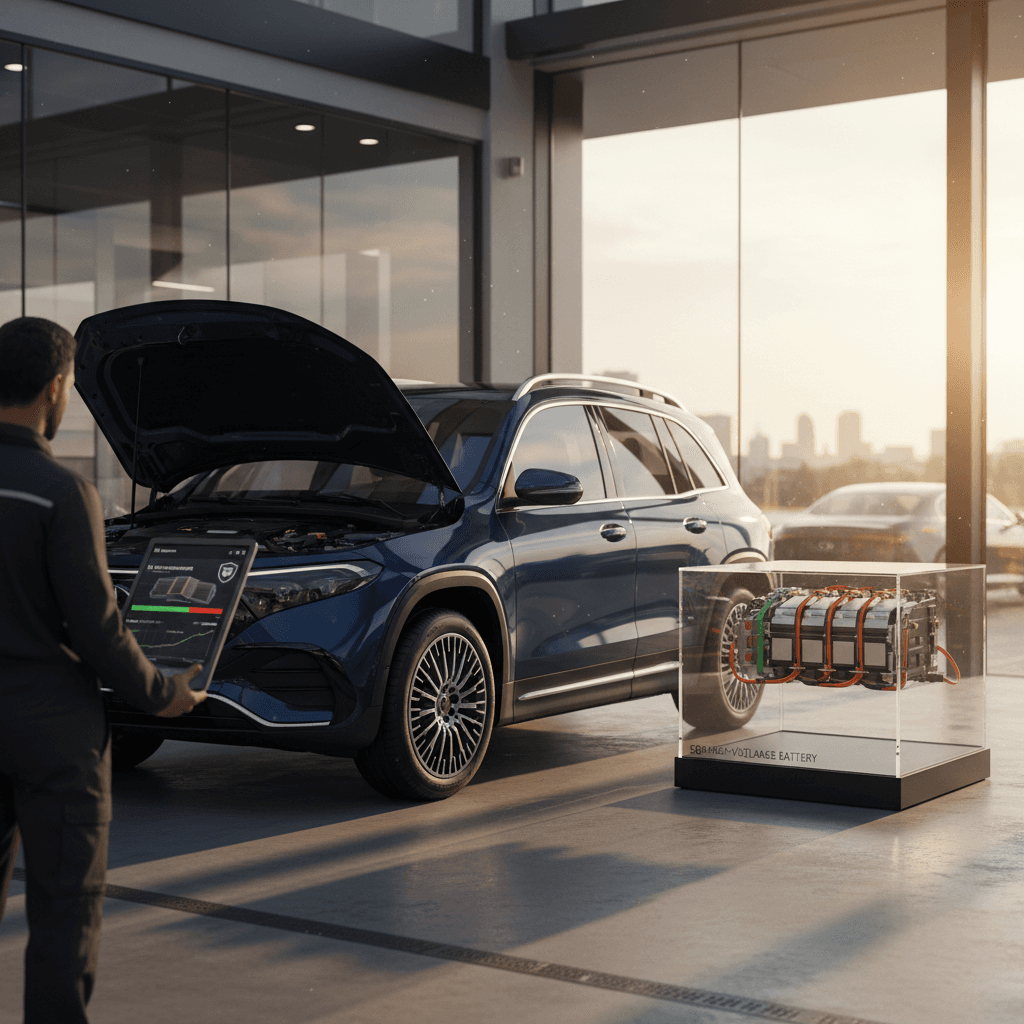
If you’re buying a used EQB, you want more than just a full‑charge screenshot. A structured battery‑health report that looks at state of health (SoH), pack balancing, and error codes gives you a far better read on where that pack sits relative to Mercedes’ warranty limits.
What the Mercedes EQB battery warranty does NOT cover
Automakers are careful about what they exclude from battery warranties, and Mercedes is no exception. Understanding the carve‑outs will keep you from assuming coverage that isn’t really there.
- Normal, gradual degradation that still keeps the battery above Mercedes’ internal minimum capacity threshold, even if you’ve lost a noticeable chunk of range over many years.
- Damage from accidents or impact, including road debris, curb strikes, or collision damage to the pack enclosure or high‑voltage cabling.
- Water intrusion and corrosion caused by flooding, deep‑water driving, or ignoring obvious damage to under‑body shields and seals.
- Improper modifications or repairs, such as aftermarket high‑voltage work, non‑approved software changes, or tampering with cooling systems.
- Abuse or improper use, like repeated operation far outside recommended temperature ranges, ignoring critical warning messages, or use for racing or extreme towing beyond rated limits.
- Scheduled maintenance items that may be related to the battery (like coolant service when required) but aren’t themselves covered under the battery warranty.
Warranty won’t cover ignoring warnings
Recalls vs battery warranty: how they interact on the EQB
If you’ve followed EQB news lately, you’ve probably seen headlines about high‑voltage battery recalls and fire‑risk concerns. That understandably muddies the water between “recall,” “technical service bulletin,” and the underlying battery warranty.
Recalls and battery warranty: what each one does
You may encounter both on a single EQB. Here’s how to think about them.
Safety recalls
Recalls address known safety defects, for example, a batch of EQB packs from a specific supplier that can fail and cause thermal events. Recalls are performed at no cost to you, regardless of normal warranty status.
Service campaigns & software updates
These may adjust battery management software, charging limits, or cooling logic. They can change day‑to‑day behavior (like limiting max charge) but are usually framed as improvements or protections, not new warranty promises.
Underlying battery warranty
Even with recalls or software campaigns in play, your 8‑year / 100,000‑mile battery warranty is the baseline protection against defects and extreme capacity loss. Recalls don’t reset the clock unless explicitly stated.
If your EQB gets a new pack under recall
For used‑EQB shoppers, recalls are a double‑edged sword. On one hand, they reveal genuine underlying risk. On the other, an EQB that has already received a brand‑new pack under recall or warranty could be a value play, as long as you understand what coverage remains on that replacement battery and have documentation to back it up.
New vs used EQB: what battery coverage you still have
Because the EQB’s battery warranty is time‑ and mileage‑limited from the original in‑service date, your remaining coverage depends heavily on when that first owner took delivery and how far the car has been driven.
Quick rules of thumb for remaining EQB battery coverage
1. Subtract the in‑service year from eight
If a 2023 EQB went into service in mid‑2023, you can expect battery coverage roughly until mid‑2031, assuming it doesn’t hit 100,000 miles first.
2. High miles burn warranty faster
An EQB with 90,000 miles after only four years is close to the <strong>mileage limit</strong>, even though the calendar says you have years left. Battery warranty ends at whichever comes first: time or miles.
3. CPO or extended warranty doesn’t always add battery coverage
Certified‑pre‑owned or third‑party extended warranties often focus on mechanical components, not the traction battery. Read the fine print before assuming the pack is covered past 8 yrs / 100k mi.
4. Replacement pack usually inherits remaining term
If the high‑voltage battery was replaced at, say, year three, most contracts state the <strong>remaining original term</strong> applies to the new pack rather than starting the clock over.
5. Documentation is everything on a used EQB
Ask for the original warranty booklet, in‑service date, dealer service history, and any recall or battery‑replacement paperwork. Without them, assume less coverage, not more.
Used EQB sweet spot
How to protect your EQB battery warranty (and your range)
The EQB’s battery warranty is there for worst‑case scenarios, but you can stack the deck in your favor, both to keep the pack healthy and to avoid giving Mercedes an easy excuse to deny coverage.
- Follow the official maintenance schedule, especially for high‑voltage coolant service and software updates. Skipping required service can be used against you in a warranty dispute.
- Avoid repeatedly charging to 100% and letting the car sit full for days. For daily use, 60–90% charge limits are generally kinder to lithium‑ion packs.
- Don’t ignore high‑voltage warnings, battery temperature alerts, or sudden drops in available power. Get the issues documented at a dealer while you’re still under warranty.
- Protect the pack physically: be cautious on rough roads, avoid deep standing water, and inspect under‑body panels after any impact or off‑road excursion.
- Keep detailed records: service invoices, recall letters, charging habits if a failure occurs, and any correspondence with Mercedes or the dealer. Paper trail matters in borderline cases.
Treat software updates seriously
Buying a used EQB? Battery warranty checklist
On a new EQB, you’re mostly validating that you understand the warranty. On a used EQB, especially a 2–6‑year‑old one, you’re trying to figure out how much real protection is left and whether the pack has lived an easy or hard life.
Used Mercedes EQB battery‑warranty due diligence
1. Confirm the original in‑service date
Ask for the original sales paperwork or a printout from a Mercedes dealer showing when the warranty clock started. That date, plus eight years, is your battery‑warranty end date (mileage limits still apply).
2. Verify current mileage and usage pattern
A low‑mileage EQB that did mostly highway commuting is a different risk profile than a high‑mileage urban delivery vehicle. Compare odometer reading to how much warranty mileage remains.
3. Pull full recall and campaign history
Use the VIN to check open recalls and ask the seller for documentation of any completed high‑voltage battery recall or service campaign. A completed recall with a new pack can be a plus, if you know when it was done and what terms apply.
4. Get an independent battery health report
Go beyond OBD dongles and guesswork. A <strong>professional battery diagnostic</strong> that measures state of health, cell balance, and error codes gives you leverage on price and peace of mind about how much of the battery’s useful life is left.
5. Inspect under‑body and cooling system
Look for evidence of impacts, missing shields, or leaks around the battery pack and cooling lines. Physical damage can void coverage even if the calendar and miles say you’re still under warranty.
6. Read any extended service contract carefully
If the seller advertises an extended warranty, don’t assume it covers the traction battery. Many don’t. Look for explicit language around the high‑voltage pack and capacity loss.
How Recharged reduces battery‑warranty guesswork
The gap between what the Mercedes EQB battery warranty sounds like on paper and how it works in practice is where most buyers get nervous, especially in the used market. That’s exactly the gap Recharged was built to close.
What you get with a used EQB from Recharged
Battery transparency, fair pricing, and expert support from search to delivery.
Recharged Score battery health diagnostics
Every EQB we list comes with a Recharged Score Report that includes verified battery‑health data. We go deeper than the dash range number, using high‑voltage diagnostics to understand pack condition, balance, and error history.
Pricing built around remaining warranty
Our valuation models factor in how much of the 8‑year / 100,000‑mile battery warranty remains and any recall or replacement history. That helps you avoid overpaying for an EQB that’s near the end of its safety net.
Flexible ways to buy and sell
Whether you’re trading in your current EV, getting an instant offer, or consigning your EQB, we handle the details. Financing, nationwide delivery, and EV‑specialist support are all wrapped into a fully digital experience, with an Experience Center in Richmond, VA if you want to see vehicles in person.
Ready to find your next EV?
Browse VehiclesPlan to keep an EQB past its battery warranty?
FAQ: Mercedes EQB battery warranty questions answered
Mercedes EQB battery warranty: common questions
The Mercedes EQB’s 8‑year / 100,000‑mile battery warranty is designed to make early EV adoption feel less like a leap of faith and more like a managed risk. But like most factory warranties, it’s narrower than many owners assume: it’s there for defects and extreme degradation, not to guarantee that your EQB will drive like new forever. If you understand where the lines are, keep solid records, and, when shopping used, demand real battery‑health data instead of vague reassurances, you can let the warranty do what it does best: backstop the worst‑case scenarios while you enjoy the car day to day.