If you’ve started shopping for a Tesla, you’ve probably had a bit of sticker shock, not just on the window sticker, but on the insurance quote. The natural question is: **which Tesla is the cheapest to insure**, and how much can you really save by picking one model over another, especially if you buy used?
Quick answer
Which Tesla is cheapest to insure in 2026?
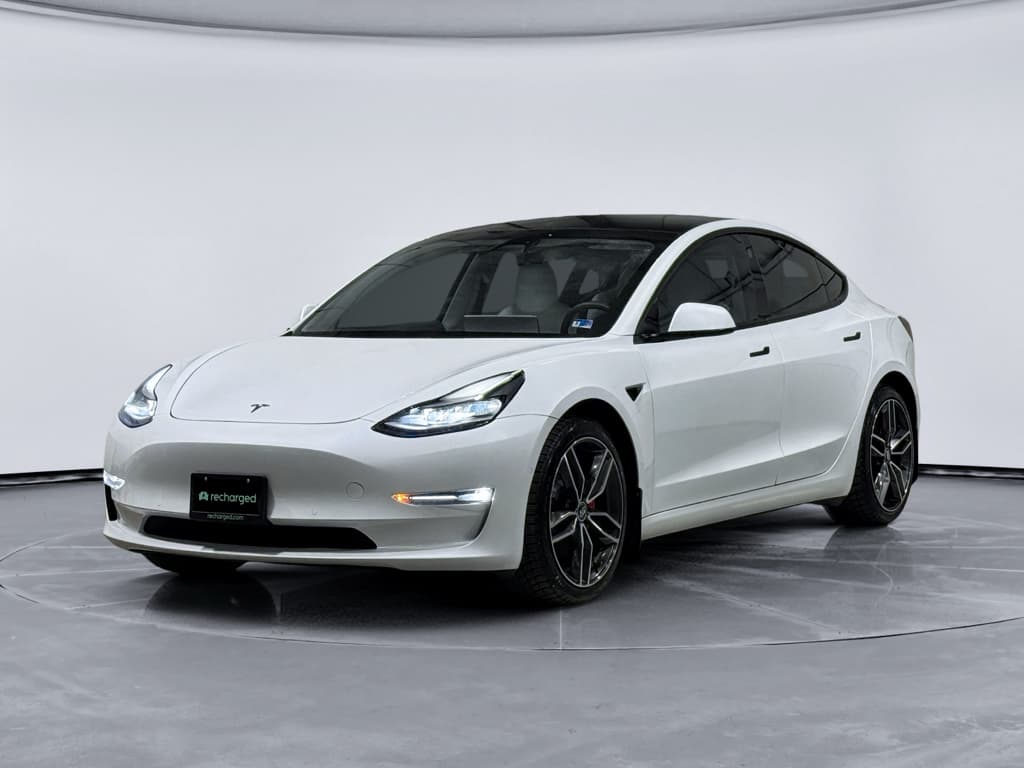
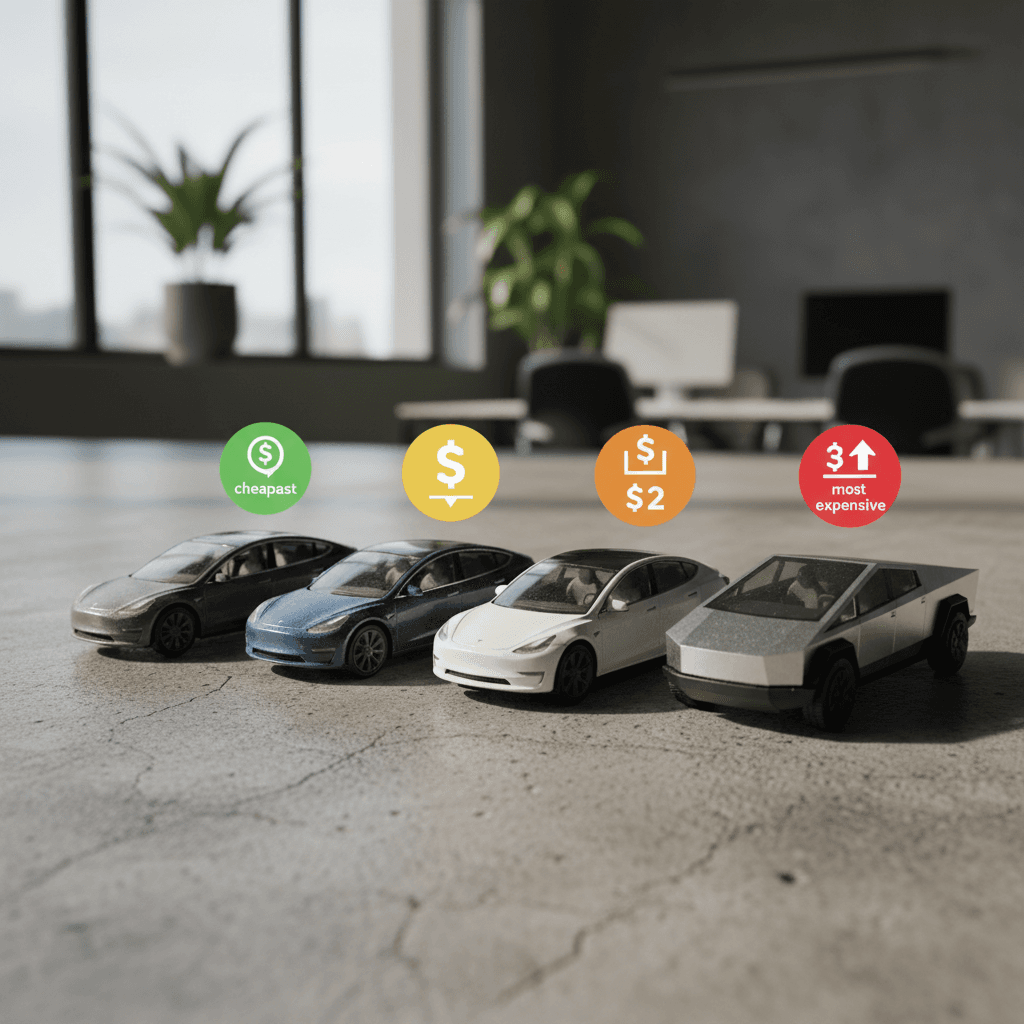
Let’s start with the headline: **for most drivers in most states**, the **cheapest Tesla to insure in 2026 is a non‑performance Tesla Model 3**, often the base or “Standard Range” / RWD trim. National averages from major insurance data aggregators put the Model 3 at the bottom of the Tesla insurance ladder, with the higher‑riding **Model Y**, the flagship **Model S**, and the big **Model X** all costing more to cover each year.
- Model 3 (RWD / Long Range): typically the **lowest average premium** in the lineup
- Model Y (non‑Performance): usually a bit more than Model 3, but still mid‑pack for Teslas
- Cybertruck: surprisingly competitive with Model 3 in some studies, but highly variable and still new to underwriters
- Model S and Model X: consistently **most expensive Teslas to insure**, thanks to price, performance and repair costs
Your state may disagree
Average Tesla insurance costs by model
To make this concrete, let’s look at approximate, national‑level averages for **full‑coverage** insurance (liability + comprehensive + collision) on 2025–2026 Teslas in the U.S. These are ballpark figures pulled from recent industry reports and insurance quote studies; your own number may land lower or higher depending on your profile.
Estimated 2026 full-coverage premiums by Tesla model (national averages)
These are generalized annual averages for typical drivers with clean records, insuring 2023–2026 model‑year Teslas. Use them as a comparison guide, not a personal quote.
| Tesla model | Trim examples | Typical annual premium (full coverage) | Relative to Model 3 |
|---|---|---|---|
| Model 3 | RWD, Long Range | ~$3,400–$4,400 | Baseline |
| Model Y | Long Range, RWD | ~$3,800–$5,100 | +10–20% vs Model 3 |
| Cybertruck | Cybertruck, Cyberbeast (early data) | ~$3,000–$4,000 | Similar or slightly lower than Model 3 in some reports |
| Model S | Long Range, Plaid | ~$4,500–$5,500 | +20–40% vs Model 3 |
| Model X | Long Range, Plaid | ~$5,000–$6,000 | +30–50% vs Model 3 |
The Tesla Model 3 is typically the cheapest Tesla to insure, while the Model S and Model X remain the priciest.
How to read this table
How Tesla insurance compares to typical cars
Why are Teslas so expensive to insure?
If Teslas ace crash tests and have advanced safety tech, why are premiums so high in the first place? Insurers don’t just look at crash **prevention**, they look at **what it costs when things go wrong**.
6 big reasons Tesla insurance is pricey
Knowing the "why" helps you pick the cheapest Tesla to insure, and lower the bill on the one you already own.
1. Expensive to repair
2. Battery risk
3. Packed with tech
4. Performance potential
5. Rising claim costs
6. Limited repair network
Don’t cheap out on coverage
Used vs new: Which Teslas are cheapest to insure?
If you’re shopping the used market, you’re already doing one of the smartest things you can do for your budget. **Older, lower‑value Teslas are usually cheaper to insure than new ones**, all else being equal. That’s because the insurer’s exposure, the cost to repair or replace the car, drops as the vehicle depreciates.
Why used Teslas often insure for less
- Lower replacement value: A 2019 Model 3 is cheaper to replace than a 2025 Model 3 with the same trim.
- More repair data: By year 3–5, insurers have a better handle on real‑world claim costs.
- Smaller loans: Lenders on older cars may require slightly lower coverage limits and deductibles.
When new can be cheaper than you expect
- New safety tech: Added crash‑avoidance features can unlock discounts with some insurers.
- Factory warranties: Certain coverage types may be less risky during the warranty window.
- Bundled incentives: Tesla’s own insurance or a preferred‑partner deal can occasionally make a new car competitive.
Sweet spot: sensible, used Model 3
This is exactly where a used‑EV specialist like Recharged can help. Every car on the Recharged marketplace comes with a **Recharged Score Report** that covers battery health, usage history, and fair market pricing. That transparency not only protects you on purchase day, it also gives you a clean dossier to share with insurers when they ask about mileage, prior damage, and equipment.
9 ways to lower your Tesla insurance premium
No matter which model you pick, you’re not powerless. Here are practical, insurer‑friendly moves that can make **any** Tesla cheaper to insure.
Your Tesla insurance savings checklist
1. Compare at least 3–5 insurers
Rates for Teslas vary wildly between companies. Get quotes from at least **three to five insurers**, including any that specialize in EVs, and compare apples‑to‑apples coverage, not just the cheapest monthly number.
2. Right‑size your coverage and deductibles
Don’t under‑insure, but do check whether you can modestly raise your comprehensive and collision deductibles. Bumping from a $500 to a $1,000 deductible can cut the premium, especially on higher‑value Teslas.
3. Use telematics or "safe‑driver" programs
Usage‑based programs that track braking, acceleration, and mileage can unlock serious discounts if you’re a conservative driver. Teslas with gentle, predictable use often score well here.
4. Ask about EV and safety discounts
Many insurers now offer **EV‑specific discounts** or incentives for advanced safety features like automatic emergency braking and lane‑keeping assist, features that are standard on Teslas.
5. Mind your mileage
If your Tesla is a second car or low‑mileage commuter, make sure your policy reflects that. Lower annual miles typically mean lower risk and lower premiums.
6. Clean up your record before you switch
Even one at‑fault accident or speeding ticket can push Tesla premiums into the stratosphere. If you’ve had a recent violation that’s about to roll off, it may pay to wait a few months before re‑shopping coverage.
7. Bundle home and auto
Classic advice because it works: bundling your Tesla with a homeowner’s or renter’s policy can chop a meaningful percentage off the bill.
8. Consider a different trim or wheel/tire package
Big wheels, performance tires, and ultra‑quick trims can nudge premiums up. If insurance costs are tight, pick the **sensible wheels and non‑Performance drivetrain**.
9. Shop used with a clean history
A well‑documented used Tesla with verified battery health and no crash history, like those sold through <strong>Recharged</strong>, is often easier for insurers to price favorably than a heavily modified or hard‑used example.
Take a defensive‑driving course
Cheapest Tesla to insure for different types of drivers
The absolute cheapest Tesla to insure on paper might not be the cheapest **for you**. Your age, driving history, and where you live can shuffle the deck. Here’s how the picture usually looks across common driver profiles.
Best Tesla choices by driver profile
Match the Tesla to your life, and your insurance bill.
City commuter
- Best bet: Model 3 RWD or Long Range.
- Why: Lower purchase price than an SUV and typically the cheapest Tesla to insure.
Suburban family
- Best bet: Model Y Long Range (non‑Performance).
- Why: Slightly higher premium than Model 3, but more space; still far cheaper to insure than Model X.
Performance‑minded driver
- Best bet: Model 3 Long Range or mild performance package.
- Why: You still avoid the Model S/Model X insurance penalty, but enjoy serious speed.
Young driver or college student
- Best bet: Used Model 3 with conservative wheel/tire setup.
- Why: Youthful‑driver surcharges are brutal. Starting with a cheaper‑to‑insure model helps offset them.
Retiree or low‑mileage driver
- Best bet: Gently used Model 3 or Model Y.
- Why: Low mileage makes either model look good to insurers; Model 3 still wins on price.
Road‑trip regular
- Best bet: Model 3 Long Range or Model Y Long Range.
- Why: Range and Supercharger access, with lower premiums than S or X.
How Tesla’s own insurance compares
Tesla now offers its own branded auto insurance in a growing list of states, with premiums partially based on your **real‑time driving behavior** (through a safety score). In some states, Tesla Insurance can undercut traditional carriers for certain drivers and models; in others, it’s roughly a wash or even more expensive.
Potential advantages
- Integrated repairs: Claims and repairs often flow through Tesla’s own network.
- Safety‑score pricing: Smooth, attentive driving can reduce your premium month‑to‑month.
- EV‑specific underwriting: They understand Teslas better than many legacy carriers.
Potential drawbacks
- Not in every state: Availability is still patchy.
- Driving tracked: Some drivers are uncomfortable with usage‑based pricing.
- Not always cheapest: In some regions, mainstream insurers still beat Tesla on price.
Always get at least one non‑Tesla quote
How to shop for a Tesla with insurance costs in mind
If you’re still in the shopping phase, you can bake insurance savings into your Tesla decision from day one. Here’s a smart sequence that keeps ownership costs under control.
Shopping roadmap: From dream spec to realistic premium
1. Before you fall in love with a spec
Decide how much **total monthly cost** (payment + insurance + charging) you’re comfortable with.
Check your credit and clean up any easy dings, both auto loans and insurance pricing care about it.
Think about how you actually drive: yearly mileage, where you park, and who else uses the car.
2. Shortlist 2–3 Tesla candidates
Put at least one **Model 3** on the list if you’re chasing the cheapest Tesla to insure.
Consider a lightly used car to reduce both payment and premium.
Avoid Performance trims, oversized wheels, or unusual modifications if budget is tight.
3. Get real insurance quotes on VINs
Ask the seller (or a marketplace like <strong>Recharged</strong>) for VINs of cars you’re serious about.
Get full‑coverage quotes on each VIN with the **same limits and deductibles** for apples‑to‑apples comparison.
Pay attention to how premiums change with model, year, and trim, not just the car price.
4. Choose the best overall value
Add up loan payment, estimated insurance, charging costs, and taxes/fees.
If two Teslas feel similar, favor the one with the lower long‑term insurance cost.
When buying used through <strong>Recharged</strong>, use the Recharged Score Report to reassure insurers about condition and usage.
At **Recharged**, we live in that overlap between what you want to drive and what you can comfortably afford to own. Our specialists can walk you through **payment scenarios that include realistic insurance estimates**, and help you compare a few different Teslas, often all digitally, with nationwide delivery if you’re not near our Richmond, VA Experience Center.
FAQ: Cheapest Tesla to insure
Frequently asked questions about the cheapest Tesla to insure
Bottom line: Picking the cheapest Tesla to insure
If you’re chasing the **cheapest Tesla to insure**, the math keeps pointing back to the same place: a **sensible‑spec Tesla Model 3**, ideally bought used once the initial depreciation has done its work. The Model Y usually sits just a rung above that, while the Model S and Model X live in a different insurance neighborhood entirely.
That doesn’t mean you should buy on insurance cost alone, but it should absolutely be part of the conversation. When you line up a few VIN‑specific quotes, factor in your driving habits, and look at total monthly cost instead of just the payment, the right Tesla for your life usually makes itself obvious.
If you’d like help running those numbers on a used Tesla, Recharged can pair **battery‑health‑verified cars**, transparent pricing, and **EV‑savvy guidance** from first click to delivery. That way, you don’t just find a Tesla you love, you find one that’s affordable to own, insure, and live with for years to come.