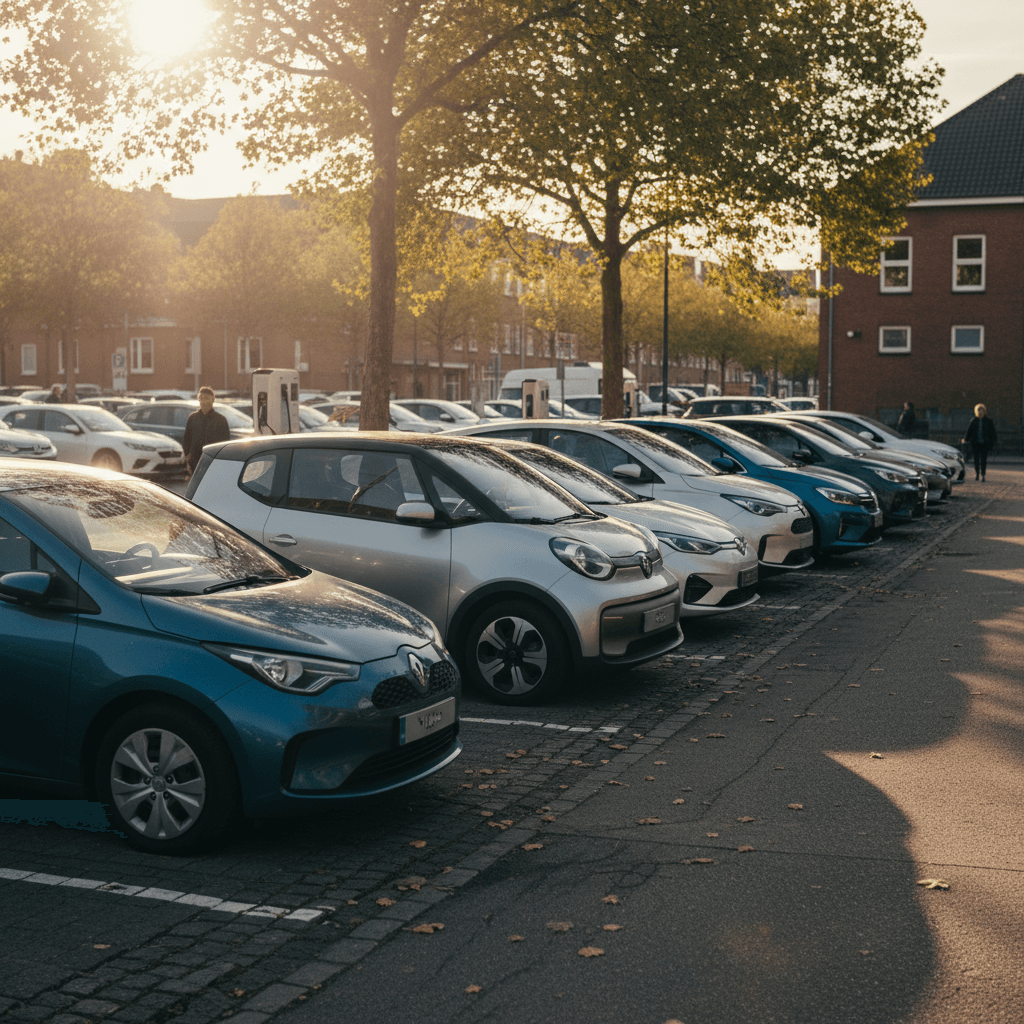
When people search for the cheapest electric vehicles, they’re usually hoping for one thing: a solid, everyday EV that doesn’t blow up the budget. The good news is that 2025 finally brings several sub‑$35,000 new EVs, and an even bigger opportunity in the used market, where you can often save five figures versus new.
Quick snapshot
Why the cheapest EV isn’t always the best deal
It’s tempting to sort EVs by price and just pick the lowest number. But the cheapest electric vehicle on paper isn’t always the cheapest to own, or the one that fits your life. Range, charging speed, battery health, and resale value all play a big role in what you’ll really spend over five to ten years.
When "cheapest" can backfire
- Short range that forces you to fast‑charge more often
- Slow DC charging, adding time and frustration on trips
- Obsolete charging plugs (like CHAdeMO) with shrinking infrastructure
- Poor resale value, so you give back all your savings when you sell
When “cheap” is a smart move
- You mainly drive locally and charge at home
- You can live with 150–220 miles of range
- You buy a model with a proven, durable battery
- You got a thorough battery health report (like a Recharged Score)
Watch the charging standard
Cheapest new electric vehicles in 2025
Let’s start with the headline question: what are the cheapest new EVs you can actually buy in the U.S. today? Exact pricing shifts with destination charges and local incentives, but the models below consistently show up at or near the bottom of the new‑EV price ladder for 2025.
New EV price reality in 2025
Some of the cheapest new electric vehicles in 2025 (U.S.)
Approximate base prices and ranges for key budget‑oriented EVs on sale for the 2025 model year. Prices reflect manufacturer or analyst data available in late 2025 and typically exclude taxes, registration, and dealer fees.
| Model (2025 MY unless noted) | Body style | Approx. base MSRP | Approx. range (EPA/est.) | Notable strengths |
|---|---|---|---|---|
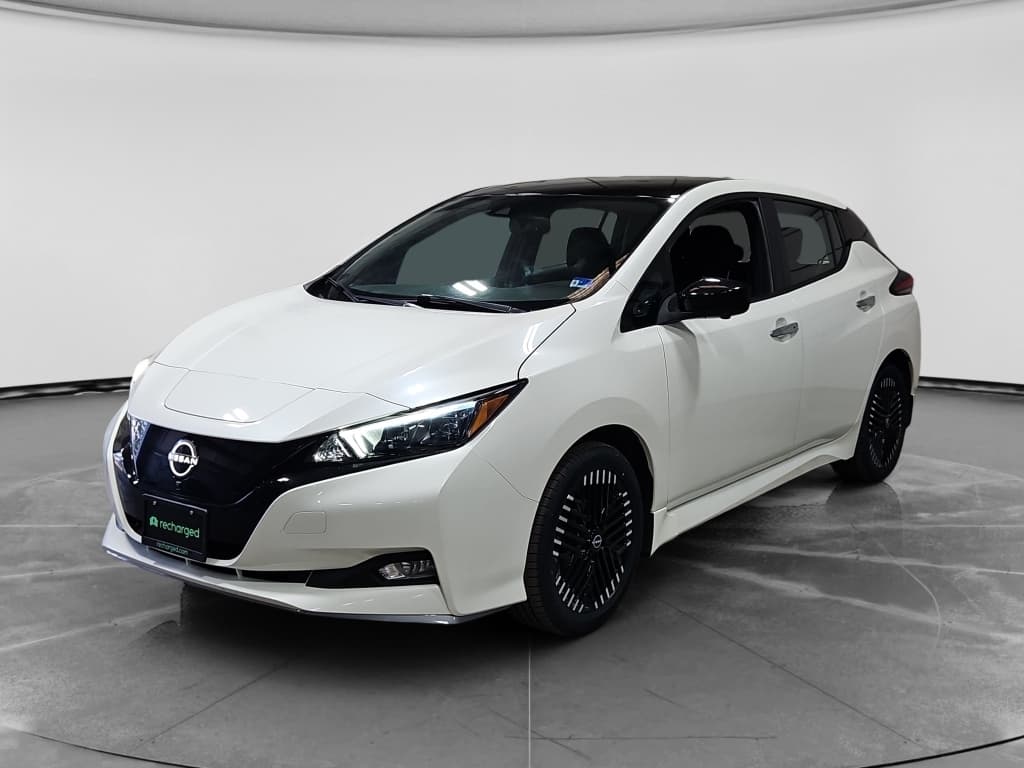
| Nissan Leaf (2025/2026) | Compact hatchback | Low $30Ks, with 2026 Leaf projected under $30K | ~149–300+ miles, depending on battery | One of the lowest‑priced new EVs; proven, simple commuter |
| Fiat 500e (2025) | Subcompact hatchback | Low $30Ks | ~115–145 miles | Tiny footprint, city‑friendly, fun to drive |
| Hyundai Kona Electric (2025) | Subcompact SUV | Low‑to‑mid $30Ks | ~200–260 miles | Good efficiency, small‑SUV practicality |
| Chevrolet Equinox EV (2025) | Compact SUV | Mid $30Ks (before incentives) | ~250–319 miles | Strong range for the money; family‑friendly crossover |
| Volvo EX30 (2025) | Subcompact SUV | Mid $30Ks | Up to ~275 miles | Premium feel with relatively aggressive pricing |
| Hyundai Ioniq 6 (2025) | Midsize sedan | High $30Ks–low $40Ks | Up to ~340 miles | Excellent efficiency and range for the price |
| Toyota bZ4X / bZ (2025) | Compact SUV | High $30Ks–low $40Ks | ~235–314 miles (depending on version) | Toyota reputation, solid standard safety tech |
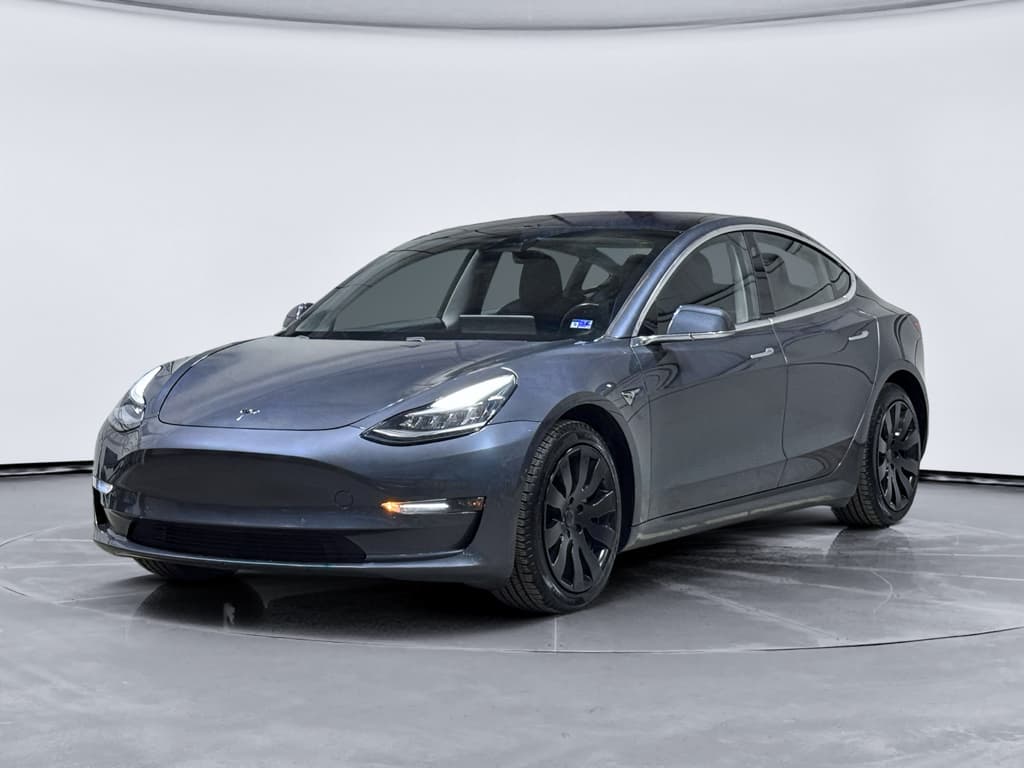
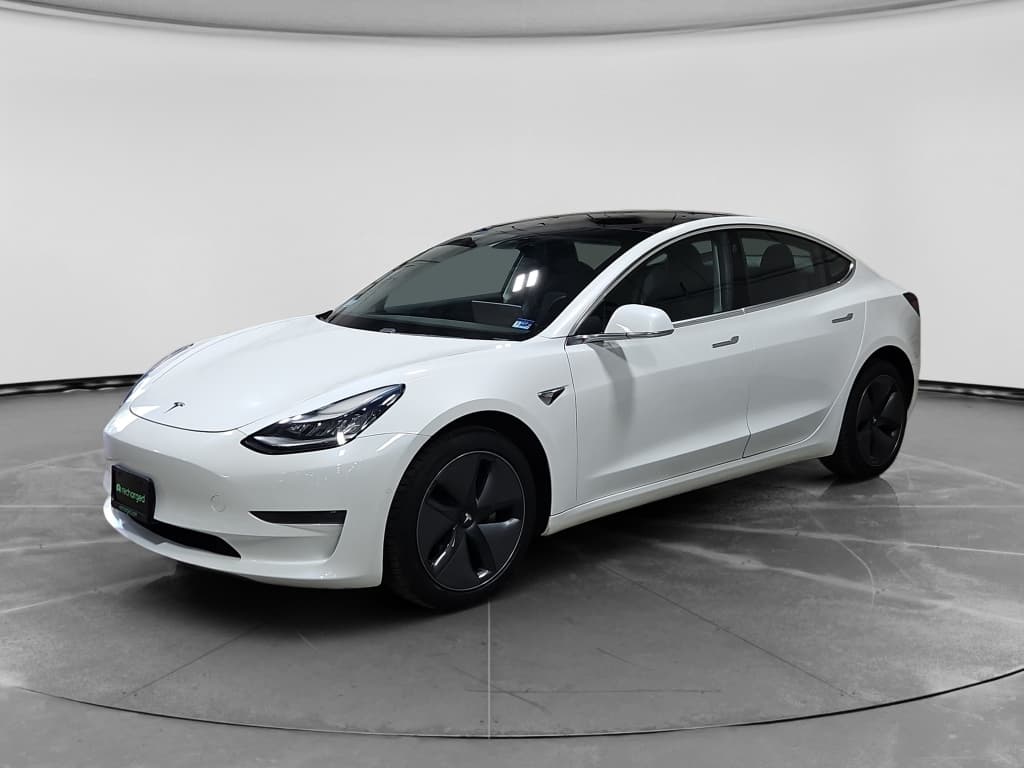
| Tesla Model 3 Standard (2025) | Compact sedan | High $30Ks | Low‑300‑mile range region | Access to Supercharger network; strong efficiency |
Always confirm current pricing and incentives with a local dealer, numbers below are ballpark, not quotes.
Don’t forget destination and fees
Which cheap new EV fits your life?
Think in terms of how you’ll actually use the car, not just the lowest price tag.
Urban commuter
If most of your driving is in town, a shorter‑range hatchback like a Leaf or 500e can make sense.
- Lower upfront cost
- Easy to park
- Home charging covers most use
Small‑SUV family hauler
Models like the Hyundai Kona Electric and Chevy Equinox EV add cargo and rear‑seat space.
- Better for car seats
- More comfortable on trips
- Generally higher range
Budget road‑trip machine
If you take regular highway trips, look for 250+ miles of range and faster DC charging.
- Equinox EV, Ioniq 6, or Model 3
- NACS or CCS with adapter path
- Good charging network coverage
Future cheap EVs worth watching
If you’re willing to wait a year or two, the pipeline for truly low‑cost EVs is getting more interesting. Some of these won’t arrive until late 2026 or 2027, but they’ll put real pressure on prices across the market.
- Next‑generation Chevy Bolt: GM has confirmed a redesigned Bolt with modern tech and NACS fast‑charging, targeted to once again be one of the cheapest EVs on sale.
- Redesigned Nissan Leaf: The 2026 Leaf aims to keep its “most affordable EV” crown while finally delivering range numbers competitive with mainstream crossovers.
- New low‑cost EV startups: A handful of younger brands are promising $25,000–$30,000 electric cars and compact pickups. The big question is which of them will scale production and dealer support.
Should you wait for the next wave?
Used EVs: the real cheapest electric vehicles
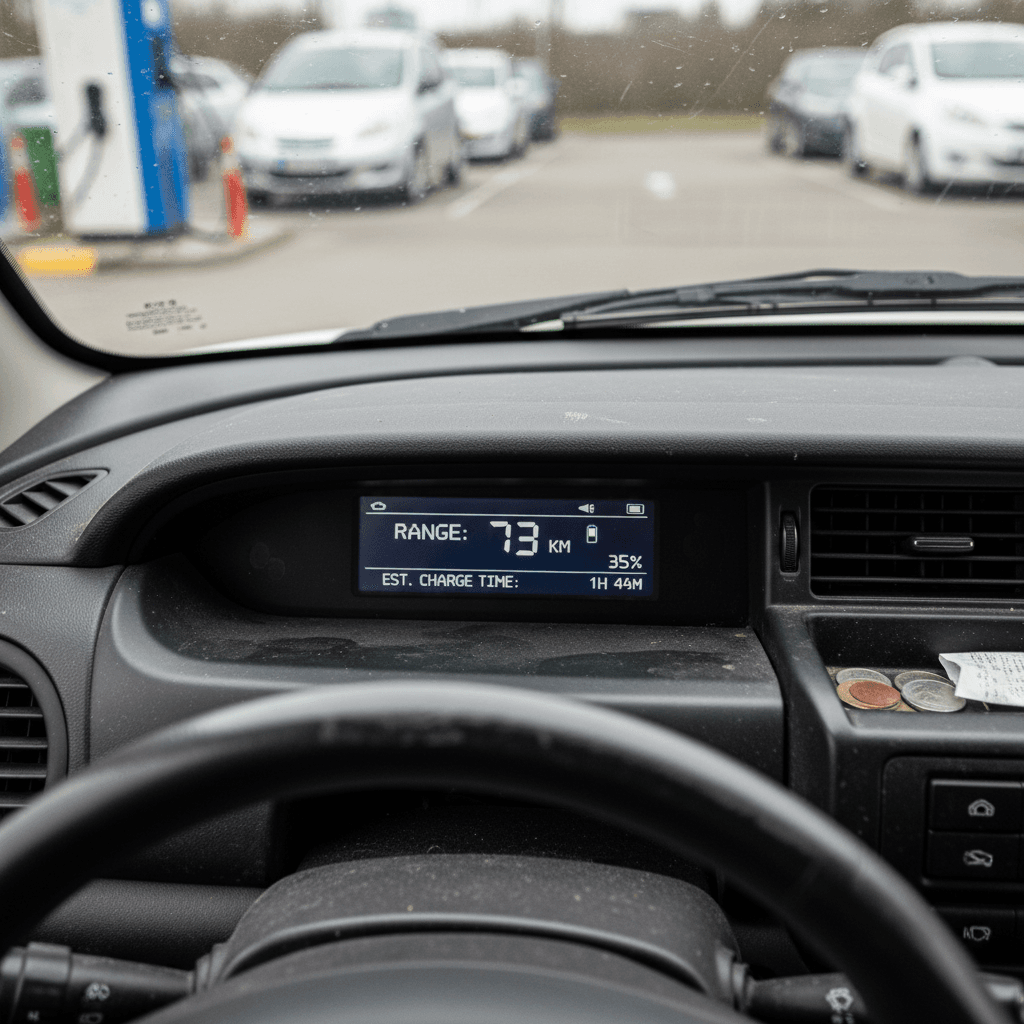
Here’s where the math gets interesting. Thanks to rapid tech change and early‑adopter turnover, used electric vehicles can be dramatically cheaper than their new counterparts. It’s common to see three‑ to six‑year‑old EVs listed for half (or less) of their original MSRP.
Typical used EV price bands you’ll see
Real ask prices vary by mileage, condition, and region, but these bands are common in 2025.
Under $15,000
- Early Nissan Leaf, older BMW i3
- Shorter range, often under 150 miles
- Great for second cars and city duty
$15,000–$25,000
- Newer Leaf, Kia Soul EV, early Bolts
- Balanced range and price
- Often the sweet spot for value
$25,000–$35,000
- Used Tesla Model 3/Y, Hyundai Kona Electric, Ioniq 5
- Modern fast‑charging and 200+ miles of range
- Feels much like a current new EV
Where Recharged fits in
Ready to find your next EV?
Browse VehiclesWhy a used EV is often the true cheapest option
1. Massive depreciation in your favor
Many EVs lost value faster than comparable gas cars as technology improved quickly. Buying used lets you capture that discount instead of suffering it.
2. Lower operating costs from day one
Electricity remains cheaper per mile than gasoline in most U.S. markets, and EVs have fewer moving parts to maintain, no oil changes, timing belts, or exhaust systems.
3. Battery health can now be measured
With modern diagnostics (like the Recharged Score), you can see real battery health instead of guessing based solely on age or mileage.
4. More EV for the same money
The budget that buys a basic new EV can often buy a well‑equipped used model with longer range, faster charging, and more space.
Why total cost of ownership matters more than MSRP
Sticker price gets the headlines, but the cheapest electric vehicle over the long run is the one with the lowest total cost of ownership, purchase price, financing, energy, maintenance, and resale value combined. That’s where many EVs quietly beat their gas counterparts, even when the monthly payment looks similar up front.
Cost levers that work in your favor
- Lower fuel cost: Even at higher electricity prices, cost per mile is typically below gasoline.
- Less routine maintenance: No oil changes, fewer fluids, and simpler drivetrains.
- Regenerative braking: Extends brake life, especially in stop‑and‑go driving.
- Time savings: Home charging means fewer fuel‑station stops.
Costs that can surprise you
- Home charging upgrades (adding a 240V outlet or wall box).
- Public fast‑charging rates, which are higher than residential power.
- Insurance, which can be slightly higher for some newer EVs.
- Battery condition on older used EVs if you buy without a health report.
Run the numbers with financing in mind
How to shop for a cheap EV without regretting it
Finding a bargain EV isn’t hard in 2025. Finding a cheap EV you’ll still be happy with three years from now takes a bit more care. Here’s a structured way to do it.
Step‑by‑step: shopping for the cheapest electric vehicles wisely
1. Define your real range needs
Track a normal week of driving. If you rarely exceed 120–150 miles in a day, a lower‑range EV can be perfectly adequate and much cheaper.
2. Decide where you’ll charge most
If you have secure overnight parking with access to a 120V or 240V outlet, you can prioritize price and range over charging‑network coverage.
3. Choose your segment first, then your model
Hatchback, sedan, or SUV? Once you know the shape and space you need, it’s easier to compare apples to apples across brands.
4. Use battery health data on any used EV
Ask for a third‑party battery report, on Recharged, that’s baked in via the Recharged Score, so you’re not guessing about the most expensive component in the car.
5. Compare payment plus energy, not just payment
When you’re comparing options, look at the monthly payment plus a realistic electricity or fuel estimate. That’s a better picture of what each car really costs you to drive.
6. Test‑drive with your typical use in mind
Bring the family, load some cargo, and drive the routes you actually use. A cheap EV that feels cramped or tiring on the highway won’t be a good long‑term fit.
Common cheap‑EV mistakes to avoid
Frequently asked questions about the cheapest EVs
Cheapest electric vehicles: FAQs
Bottom line: when “cheap” is a smart EV buy
In 2025, the cheapest electric vehicles fall into two camps. On the new side, you’ll see low‑$30K hatchbacks and small crossovers that make EV ownership more accessible than it was just a few years ago. On the used side, you’ll find deeply discounted early EVs and well‑equipped, long‑range models that cost far less than their original MSRP, often the true bargains in the market.
If you focus on how you drive, how you’ll charge, and the real health of the battery you’re buying, a budget‑friendly EV can deliver quiet, low‑maintenance driving for years without wrecking your monthly budget. And if you’d like help running the numbers, exploring financing, or comparing options, Recharged is built to make that process simple, so “cheap” doesn’t mean compromising on the things that actually matter.