If you’re eyeing a Toyota bZ4X as a family EV, the big question is simple: can it tow, and how far will it go while pulling a trailer? The answer is more nuanced than a simple yes or no. Between evolving model‑year updates, different battery sizes, and front‑ versus all‑wheel drive, towing capacity and range in the bZ4X depend heavily on which version you’re driving and what you’re trying to haul.
Quick snapshot
Toyota bZ4X towing and range: what to expect
Toyota approached the bZ4X as a family crossover first and a tow vehicle second. Early U.S. models were conservative; some markets launched with little or no rated towing, while European updates have since pushed the envelope. The pattern is clear: light trailers are fine, heavy ones are not, and you need to budget range carefully.
High-level expectations for bZ4X towing
Where this EV SUV shines, and where it doesn’t
Use-case sweet spot
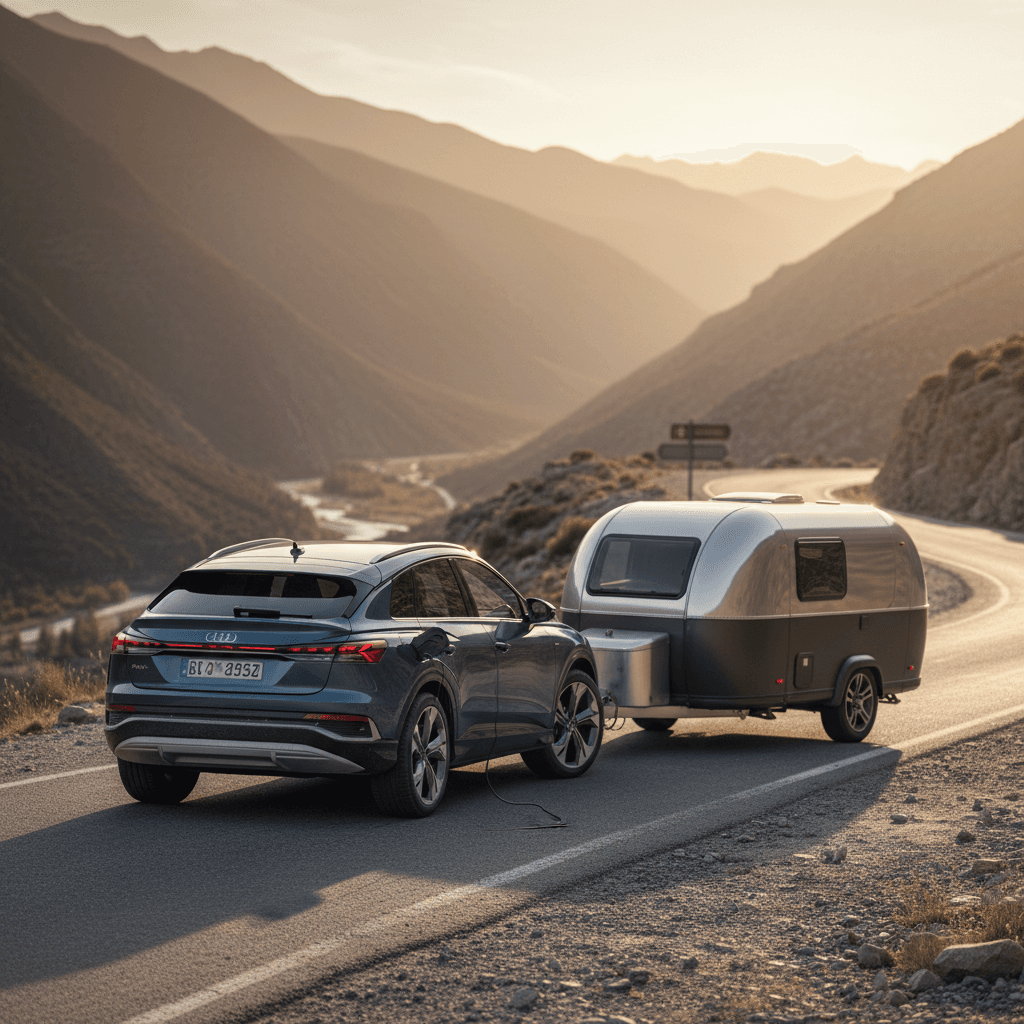
The bZ4X is happiest towing small utility trailers, lightweight cargo, or a compact teardrop camper. Think garden runs, bikes, or a pop‑up, not a three‑row camper with slide‑outs.
Realistic range
Without a trailer, U.S. models typically deliver around 200–250 miles per charge depending on trim and conditions. With a trailer, plan for 90–140 miles between fast‑charge stops.
Key limitation
The bZ4X was not engineered as a heavy hauler. If you routinely tow large campers or boats, a bigger‑battery EV (or plug‑in hybrid) will suit you better.
Official Toyota bZ4X towing capacity by model year
Towing specs for the bZ4X have evolved as Toyota has updated the platform, especially in Europe. U.S. documentation has often been more conservative, and in some early model years the vehicle wasn’t promoted for towing at all. For shoppers, that makes it even more important to look at the specific year, drivetrain, and market of the car in front of you.
Toyota bZ4X towing capacity snapshot
Approximate factory‑rated braked towing capacity by region and configuration. Always confirm your specific VIN and owner’s manual.
| Model year / market | Drivetrain | Rated braked towing capacity | Unbraked trailer rating | Notes |
|---|---|---|---|---|
| 2023 U.S. | FWD & AWD | Often not rated / towing discouraged | N/A | Early guidance in the U.S. was extremely conservative; many owners treat 2023 as a non‑towing model. |
| 2023–2024 Europe | FWD (71–72 kWh) | ≈ 750–1,000 kg (1,650–2,200 lb) | ≈ 750 kg (1,650 lb) | Modest towing allowed with proper hitch and wiring; aimed at small utility trailers. |
| 2025 refresh Europe | FWD 57.7 kWh | ≈ 1,000 kg (2,200 lb) | ≈ 750 kg (1,650 lb) | Updated e‑axles and battery; still light‑duty towing only. |
| 2025 refresh Europe | FWD / AWD 73.1 kWh | Up to 1,500 kg (3,300 lb) AWD | ≈ 750 kg (1,650 lb) | Toyota has doubled AWD towing capacity to about 1,500 kg in Europe, with 73.1 kWh pack and updated hardware. |
| Projected 2026 "bZ" U.S. | FWD large‑battery | TBD – likely around 2,000–3,000 lb | TBD | Renamed bZ with more power and range; U.S. tow ratings not final at time of writing. |
Figures are approximate and may vary by market, trim, and equipment. When in doubt, go by the sticker on the car and the owner’s manual.
Always trust the label, not the internet
On the newest European AWD models with the 73.1 kWh battery, Toyota now quotes a 1,500 kg (about 3,300‑lb) braked towing capacity, roughly in line with some rival EV crossovers. In the U.S., where naming will shift from bZ4X to simply “bZ” for 2026, final tow numbers haven’t been published yet, but given the hardware commonality you can reasonably expect light‑duty trailer capability rather than full‑size‑truck numbers.
Toyota bZ4X range: FWD vs AWD and battery sizes
To understand range while towing, you have to start with the bZ4X’s baseline efficiency. Early U.S. models use a battery around 71–73 kWh (gross) depending on FWD or AWD and deliver EPA range figures roughly in the low‑ to mid‑200‑mile band. The upcoming refresh splits the lineup into two main battery sizes: a smaller pack around 57.7 kWh and a larger pack around 73.1–74.7 kWh with significantly improved efficiency.
Approximate bZ4X / bZ range figures (without trailer)
Drivetrain matters too. Front‑wheel‑drive bZ4X models are consistently more efficient, have slightly more range, and charge a bit faster on DC. The AWD versions add grip and performance but pay a range penalty, exactly the thing you care about when you strap 2,000 pounds of fiberglass and plywood to the back.
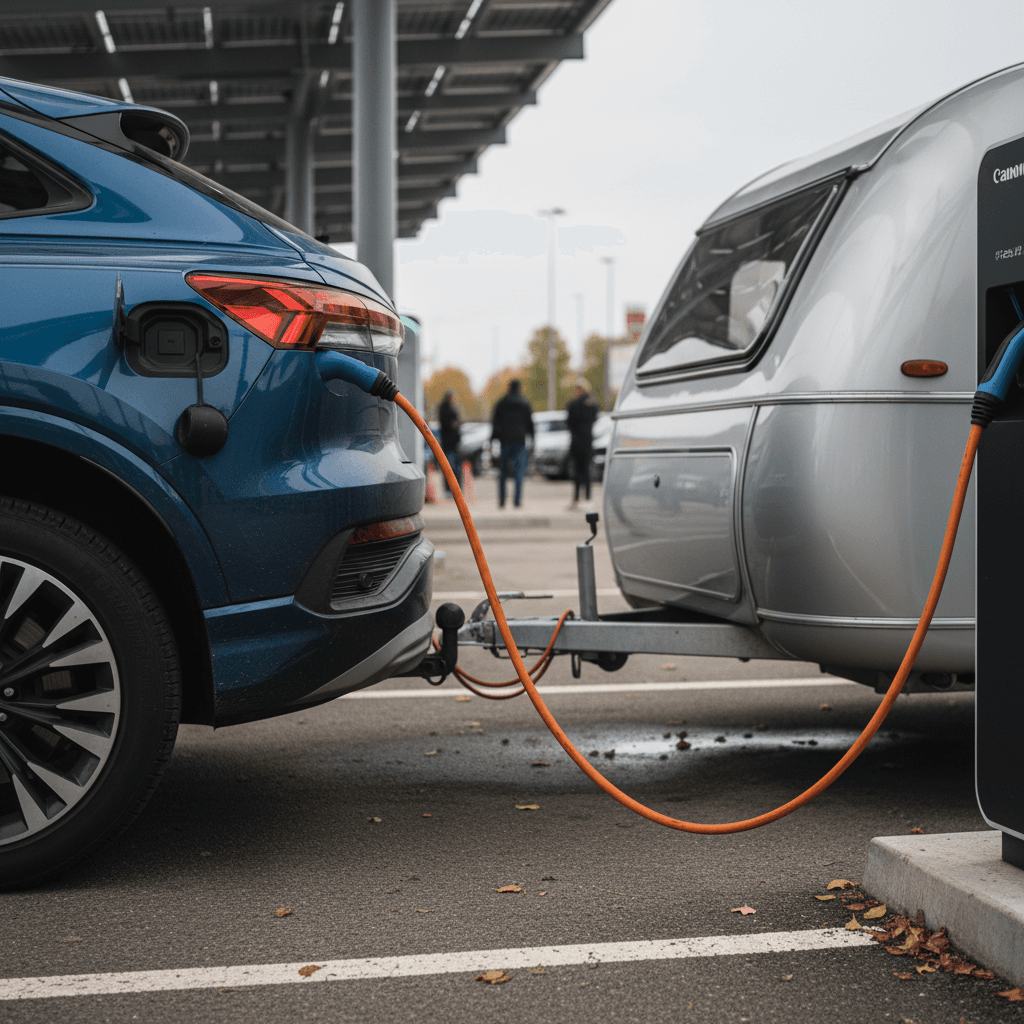
How towing affects Toyota bZ4X range in the real world
Towing is a physics problem dressed up as a lifestyle choice. Extra weight, rolling resistance, and, most importantly, aerodynamic drag all conspire to eat into your battery. In any modern EV, not just the bZ4X, towing can cut usable highway range by 40–60%. The bluff front of a travel trailer basically turns your sleek crossover into a barn door on wheels.
4 factors that dictate your bZ4X’s range while towing
1. Trailer size and shape
A low, narrow utility trailer with bikes on it might cost you 30–40% of your range. A tall, wide camper can knock you down 50–60% or even more at interstate speeds.
2. Speed and wind
Above about 60 mph, aerodynamic drag skyrockets. A bZ4X towing at 75 mph into a headwind can feel like a completely different vehicle than the same combo cruising at 60 with a tailwind.
3. Elevation and terrain
Climbing long grades drains the battery quickly, even though you’ll claw some of that back with regenerative braking on the way down. Mountain road trips demand the most conservative planning.
4. Temperature and HVAC
Cold weather thickens the air, cuts battery performance, and encourages you to blast the heat. All three erode range. The updated bZ4X’s battery preconditioning helps, but physics still takes its cut.
Scenario A: Light trailer, careful driver
You have an earlier U.S. FWD bZ4X rated around 230–250 miles of EPA range. You tow a small, aerodynamic teardrop camper, keep speeds near 60 mph, and pick a mild‑weather day.
In this case, planning around 120–140 miles between DC fast‑charging stops is realistic. That’s roughly a 40% hit, and the day is very manageable if you’re willing to stop every two hours or so.
Scenario B: Big trailer, fast driver
Same bZ4X, but now you’ve rented a tall box trailer and you’re hustling at 70–75 mph to make a campsite before dark.
You may see effective range tumble below 100 miles per charge, especially into a headwind. Now you’re stopping every 80–90 minutes, searching for pull‑through chargers, and living at the mercy of the network.
Rule of thumb for EV towing
bZ4X towing capacity vs other electric SUVs
On paper, the refreshed bZ4X (and its upcoming U.S. “bZ” sibling) is finally in the same conversation as other compact electric SUVs when it comes to towing, but only in its stronger configurations. That new ~3,300‑lb European AWD tow rating puts it squarely in the light‑duty class alongside Hyundai, Kia, and Volkswagen rivals, even if they often offer slightly bigger batteries and more headroom for range loss.
How the bZ4X stacks up to other EV SUVs (approximate U.S. figures)
Representative factory tow ratings; always verify specs for the specific year and trim you’re considering.
| Model | Max braked tow rating | Battery size (approx.) | Headline range | Towing character |
|---|---|---|---|---|
| Toyota bZ4X / bZ (AWD refresh) | Up to ~3,300 lb (Europe) | 73.1–74.7 kWh | High‑200‑mile band | Capable light‑duty tower once updated; still range‑constrained vs bigger‑battery rivals. |
| Hyundai Ioniq 5 | Up to 3,500 lb | 77.4 kWh | Up to ~300 mi | One of the more tow‑friendly crossovers; strong DC fast‑charging curve. |
| VW ID.4 | 2,200–2,700 lb | 82 kWh | Mid‑200s | Solid tow option with a bit more battery in reserve. |
| Tesla Model Y Long Range | 3,500 lb | 75–82 kWh | 330 mi | Powerful and efficient, but tongue‑weight and cooling limits still apply. |
For serious, frequent towing, especially with larger campers, most shoppers step up to EVs with 80+ kWh packs or even electric trucks.
Where the bZ4X makes sense
Planning a road trip: towing with a bZ4X
EV towing is like planning a heist movie: everything works if you do the prep. The bZ4X doesn’t give you a gigantic battery to hide behind sloppy planning, so range discipline matters more than it might in a 100‑kWh SUV.
Step-by-step: planning a towing trip in a bZ4X
1. Confirm your specific tow rating
Use the VIN, door‑jamb sticker, and owner’s manual to verify exactly what your bZ4X can tow, and whether your hitch and wiring are rated accordingly.
2. Weigh trailer and cargo honestly
Know the loaded trailer weight, not the brochure “dry weight.” Add water, propane, gear, and bikes. Stay comfortably <strong>under</strong> the vehicle’s rated limit.
3. Map chargers along your exact route
Use apps like A Better Routeplanner or PlugShare to plot fast chargers every 60–90 miles along your path, favoring stations near major interstates with multiple stalls.
4. Prioritize pull-through or trailer-friendly sites
Not every station is tow‑friendly. Look for chargers with easy access, space to maneuver, and the ability to park without blocking traffic while hitched.
5. Aim to charge from ~10% to ~70–80%
That’s where DC fast‑charging is quickest. The bZ4X’s charging curve tapers noticeably after ~80%, so long hauls go faster with more frequent, shorter stops.
6. Give yourself a 20–30% buffer
Headwinds, traffic, and detours happen. Don’t plan to roll into every charger on 1%, especially if you’re far from an urban corridor.
Charging a Toyota bZ4X while towing
The bZ4X’s charging story has improved meaningfully with each update. Early AWD models were criticized for slower DC fast‑charging, while later FWD and refreshed versions support up to about 150 kW peak DC charging and offer battery preconditioning to improve cold‑weather performance. That doesn’t turn it into a charging monster, but it does make life with a trailer far less stressful.
Charging realities when you tow with a bZ4X
Less about maximum kW, more about where you stop
DC fast-charging profile
Expect roughly 30–35 minutes from about 10–80% on newer FWD models in ideal conditions, a bit longer for AWD. In winter, preconditioning is your friend.
Home base advantage
At home, a 7–11 kW Level 2 charger will refill the pack overnight, trailer or not. That makes "out‑and‑back" camping trips much easier to live with.
NACS and future access
Newer bZ/bZ4X models are slated to adopt Tesla’s NACS connector, opening up Superchargers, a big deal for road‑trippers in North America.
Don’t DC fast-charge to 100% every time
Buying a used Toyota bZ4X for towing duties
Shopping used adds another wrinkle: not every bZ4X on the lot will have the same towing hardware, updates, or even the same underlying battery chemistry. The upside is that depreciation has been doing its quiet work; a used bZ4X can be a very accessible way to get into an electric SUV, if you choose carefully.
What to check on a used bZ4X
- Tow rating & hitch install: Verify that any aftermarket hitch is properly rated, professionally installed, and wired correctly for lights and brakes.
- Battery health: Ask for data, not vibes. A detailed battery report gives you a sense of current usable capacity before you start towing with it.
- Model year & updates: Later cars with improved charging hardware and software will be more pleasant on long towing days.
- Tire choice: Aggressive all‑terrains look cool but can quietly shave range, something you’ll feel immediately with a trailer.
How Recharged can help
Because Recharged focuses on used EVs, every vehicle we list comes with a Recharged Score Report, including verified battery health and fair‑market pricing. If you’re considering a bZ4X for occasional towing, our EV specialists can help you:
- Compare bZ4X range and charging to other tow‑capable EVs.
- Understand how much trailer your lifestyle realistically demands.
- Arrange financing and nationwide delivery, so the right EV shows up at your driveway ready for its first camping trip.
Toyota bZ4X towing & range: FAQ
Frequently asked questions about bZ4X towing and range
Is the Toyota bZ4X a good tow vehicle? The bottom line
The Toyota bZ4X (and its refreshed "bZ" successor) is not the electric F‑150 of your dreams, and that’s fine. It’s a comfortable, efficient family crossover that happens to be able to tow, not a dedicated long‑haul rig. In its latest form, especially with the larger battery and higher tow ratings, it finally plays in the same league as other compact EV SUVs for light‑duty towing and weekend adventure duty.
If your life is mostly hardware‑store runs, bike trips, and the occasional teardrop camper weekend, the bZ4X makes quiet, clean sense, as long as you plan your routes and accept more frequent stops. If you’re trying to drag a big travel trailer cross‑country at 75 mph, you’re shopping in the wrong aisle. And if you’re browsing the used market, a Recharged bZ4X with a clear battery‑health report and expert guidance can save you from learning all of this the hard, expensive way at a windswept charger.