You type “cheap repair shops near me” because something on your car (or EV) is making a noise, flashing a light, or just plain broken, and you do not want a four‑figure surprise. The trouble is, the cheapest quote today can be the most expensive decision six months from now. Let’s walk through how to find a shop that’s truly affordable, not just “cheap on the sign.”
Quick take
Why “cheap repair shops near me” is trickier than it sounds
When you’re hunting for cheap repair shops near you, you’re really balancing three things: price, quality, and convenience. In 2025, average labor at a mechanic shop in the U.S. hovers around $140 per hour, with independent shops often on the low end and dealerships at the high end. That means a shop that feels “cheap” in California might look pricey in Mississippi, and vice versa.
- Parts prices have climbed with tariffs and supply chain bumps, especially for imported components.
- Labor rates vary wildly by state and even by neighborhood, two shops on the same road can differ by $50+ per hour.
- Modern vehicles are more complex, especially EVs, which means more jobs require specialized tools, software, or training.
Cheap vs. suspiciously cheap
What “cheap repair” really means in 2025
Real‑world 2025 repair cost snapshots
Those numbers aren’t “discount” prices, they’re what fair, competitive shops often charge. A truly cheap repair shop does three things well:
- Gives you written estimates with labor hours, parts line items, and taxes.
- Uses decent‑quality parts (often mid‑grade, not bottom‑shelf or overpriced premium) and tells you what’s going in.
- Helps you prioritize safety‑critical work now and schedule non‑urgent items later so you’re not paying for everything at once.
How to sanity‑check a quote
Dealer vs independent: which is actually cheaper?
Dealership service department
- Pros: Brand‑specific training, factory tools, access to technical bulletins and recalls.
- Best for: Warranty work, complicated electronics, software updates, major EV repairs.
- Typical labor: Often $150–$225+ per hour in big metro areas.
Independent repair shop
- Pros: Lower hourly rates, more flexibility on parts brands, often better personal service.
- Best for: Brakes, suspension, fluids, tires, basic diagnostics, most out‑of‑warranty work.
- Typical labor: Commonly $90–$150 per hour, sometimes less in smaller towns.
A good rule of thumb
Step-by-step: how to find cheap repair shops near you
A practical search plan you can follow today
1. Start with local search, but read beyond the stars
Google Maps, Apple Maps, and Yelp are a decent starting point. Sort by rating, but actually read the detailed reviews. Look for patterns around price honesty, communication, and how the shop handles mistakes, not just “five stars, great!”
2. Filter for ASE certification and specialization
ASE‑certified technicians (look for the blue badge in photos or on the shop’s website) signal baseline competence. For EVs or hybrids, look for specialty training or separate EV bays in the description or photos.
3. Ask real people, not just the internet
Neighborhood Facebook groups, Reddit city subs, and coworkers can be gold. Ask specifically: “Who’s the most honest, reasonably priced mechanic you’ve used, and what did they do for you?”
4. Call for a ballpark price and attitude check
Describe your issue briefly and ask for a typical range. You’re not forcing them to diagnose over the phone; you’re listening for whether they explain clearly, avoid scare tactics, and are upfront about fees.
5. Start small before you need something big
If possible, try a new shop for an oil change, tire rotation, or brake inspection before you need a transmission or battery job. Cheap shops that treat small jobs with respect usually treat big jobs well too.
6. Keep your paperwork
Save all estimates, invoices, and notes. Knowing what’s already been done and what parts are in the car makes future repair shopping faster, and helps you avoid paying twice for the same work.
For used EV shoppers
Ready to find your next EV?
Browse VehiclesPrice check: what common repairs should cost
To know whether a “cheap repair shop near me” is genuinely affordable, you need rough price targets. Real quotes will vary by region and vehicle, but these 2025 ranges help you spot nonsense quickly.
Typical 2025 repair price ranges (mainstream vehicles)
Use this as a starting point when you compare quotes from repair shops near you.
| Repair/service | Typical range (parts + labor) | Notes |
|---|---|---|
| Oil change | $35 – $125 | Conventional at the low end, full synthetic and some dealers at the high end. |
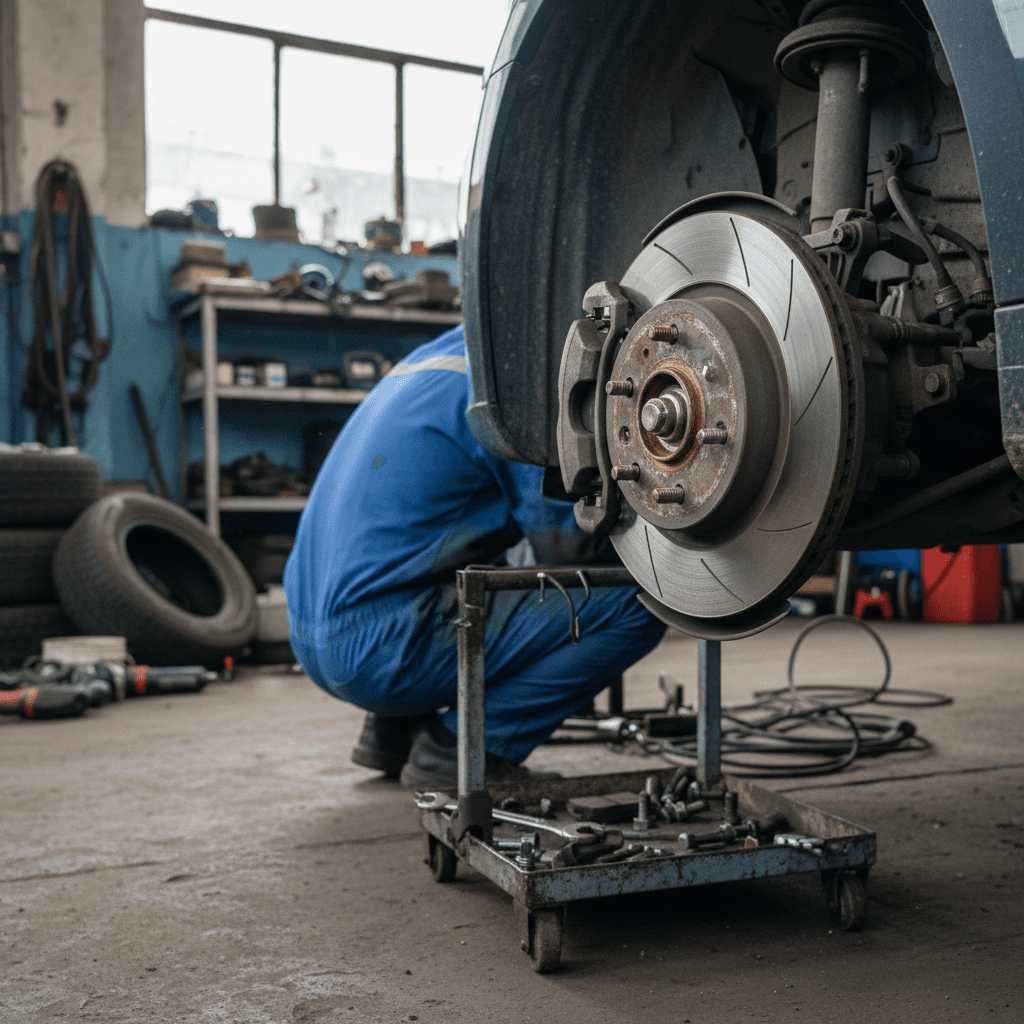
| Brake pads only (per axle) | $150 – $300 | Independent‑shop pricing for most non‑luxury vehicles. |
| Pads + rotors (per axle) | $250 – $600 | Heavier vehicles and performance brakes cost more. |
| Battery replacement (12V) | $100 – $300 | Many parts stores install free when you buy the battery. |
| Engine diagnostics | $80 – $180 | Dealers trend higher; some shops apply this toward the repair. |
| Alternator replacement | $300 – $1,200 | Wide range based on vehicle and parts quality. |
| Starter replacement | $230 – $800 | Tight spaces and AWD packaging can add labor time. |
| Tire rotation/balance | $20 – $120 | Some shops include with other services or tire purchase. |
| Coolant flush | $100 – $150 | Often bundled with other maintenance services. |
| Complete brake job (both axles) | $500 – $1,200+ | Pads + rotors all around; calipers or sensors add cost. |
Luxury brands, performance models, and some EVs can run significantly higher.
How to use these ranges
EV owners: how to find affordable EV repair
If you drive an EV, finding a cheap repair shop near you gets more complicated. Many independent shops still won’t touch high‑voltage systems, and even simple jobs can require special procedures.
Where to take your EV (and for what)
Match the job to the right kind of shop to keep costs down.
EV‑certified dealer
Best for: Warranty work, high‑voltage battery issues, software glitches, complex driveline problems.
More expensive, but they have factory tools and access to technical bulletins.
EV‑savvy independent shop
Best for: Brakes, tires, suspension, 12‑volt battery, HVAC, many steering and suspension issues.
Ask directly what EVs they work on regularly.
Tire & brake specialists
Best for: Tires, alignments, and brake work, especially if regenerative braking is causing rotor rust issues.
Often cheaper than dealers for wear parts.
High‑voltage is not DIY territory
If you’re considering a used EV instead of repairing your current vehicle, Recharged can help you skip a lot of repair‑shop roulette. Every EV we sell comes with a Recharged Score that includes battery health diagnostics, so you know whether you’re walking into future repair bills before you ever sign paperwork.
Red flags that turn a “cheap” shop into an expensive one
- No written estimates, only a verbal “about $400, maybe more.”
- Refusal to return old parts or show you what failed.
- Vague fees like “shop supplies” that add 10–15% to the bill with no explanation.
- Scare tactics: everything is a safety emergency, and it all has to be done today.
- No time for questions: the service writer rushes you, gets annoyed when you ask what something means.
Hard pass on these
Ways to cut your repair bill without risking safety
Smart ways to pay less (that good mechanics respect)
Ask for a “good/better/best” parts choice
For brakes, suspension, and some engine parts, you can usually choose from economy, mid‑grade, and premium components. Mid‑grade often delivers the best balance of price and durability.
Bundle non‑urgent jobs
If the shop mentions a small oil leak and worn wiper blades, ask what can safely wait. Combining jobs later can save on duplicate labor and shop fees.
Skip the upsells your owner’s manual doesn’t mention
If you’re offered an engine flush, fuel injection cleaning, or other add‑on, check your maintenance schedule. If your car’s manufacturer doesn’t call for it, you probably don’t need it.
Use coupons, but read the fine print
Oil‑change specials and seasonal brake deals can be genuine savings, but make sure the advertised price includes the oil your car actually uses and doesn’t require a pile of add‑ons.
Ask about warranty and rechecks
A good shop stands behind its work. Ask how long parts and labor are covered and whether they’ll recheck an issue for free if it comes back quickly.
Think long‑term, especially with older cars
If your list of needed repairs is getting longer than the car payment you’re avoiding, it might be time to run the numbers on replacing the vehicle. That’s where a solid used EV with verified battery health can win out.
FAQ: cheap repair shops near me
Frequently asked questions about finding cheap repair shops
Bottom line: make price and trust work together
Finding truly cheap repair shops near you isn’t about chasing the lowest number on a billboard. It’s about understanding what a fair price looks like in 2025, choosing the right kind of shop for the job, and learning to spot the difference between a deal and a disaster. Do a little homework now, compare estimates, read reviews with a skeptical eye, and start with a small job, and you’ll save yourself a lot of money and aggravation over the life of your car or EV.
And if your repair list is starting to look like a car payment, remember you have options. At Recharged, every used EV comes with a Recharged Score battery health report, fair market pricing, and EV‑specialist support, so you can move out of emergency repair mode and into predictable ownership costs. That’s one of the smartest “cheap repair” decisions you can make.