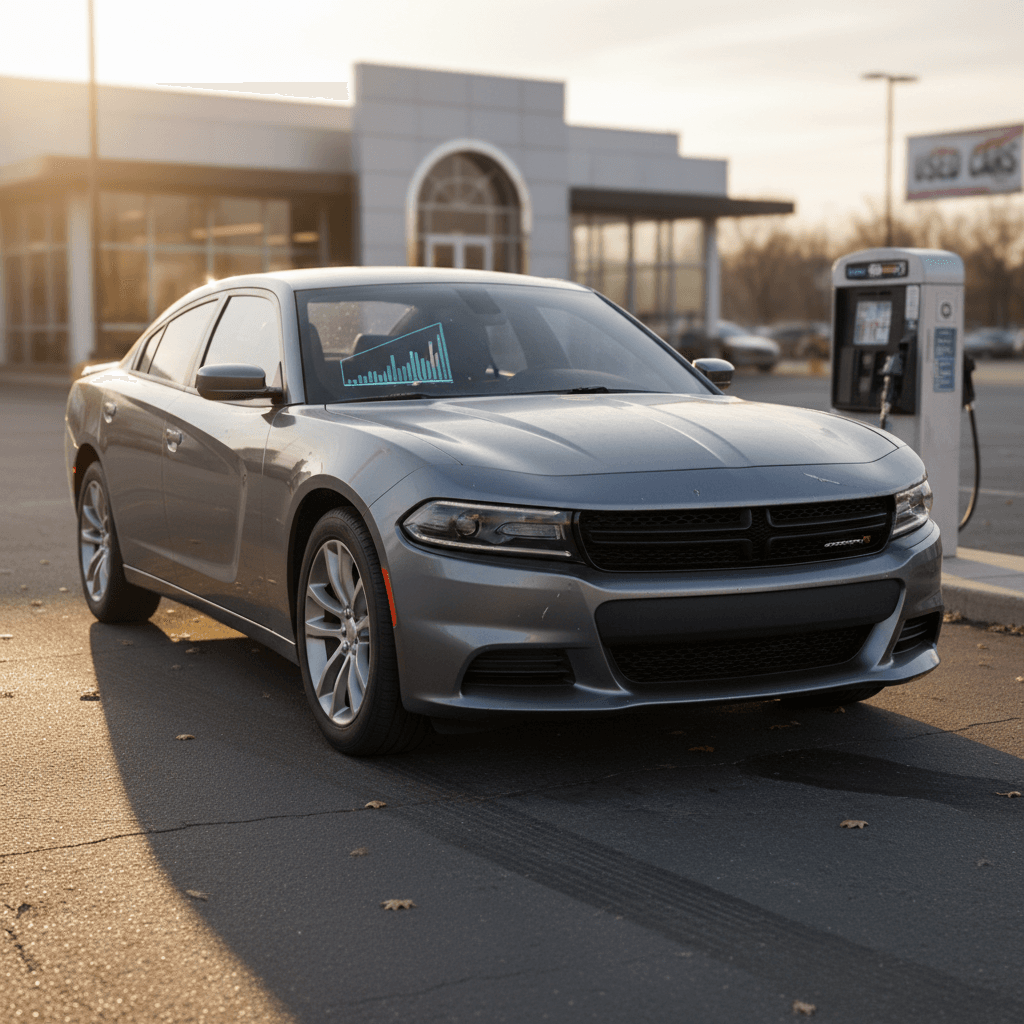
Searching for a Charger SXT usually means you want classic Dodge muscle car style without the V8 price tag. The SXT is the more affordable, V6-powered Dodge Charger trim that still looks like a full-on muscle sedan, but with friendlier insurance costs and better fuel economy than the big HEMI engines.
Quick take
What is the Dodge Charger SXT?
The Charger SXT has been the base trim of the modern Dodge Charger sedan for years. It’s positioned below the GT, R/T, Scat Pack, and Hellcat models and focuses on value rather than maximum performance. You still get the aggressive, long-hood styling that made the Charger a modern icon, but with a V6 instead of a V8 and a more modest feature set.
Charger SXT at a glance
Where it fits in the Charger lineup
Body and layout
• Full-size four-door sedan
• Seats up to five adults
• Large trunk and good rear legroom
Powertrain
• 3.6L Pentastar V6
• 8-speed automatic
• Rear-wheel drive or available AWD
Role in lineup
• Entry-level Charger trim
• Emphasis on value, comfort, and style
• Popular with commuters, fleets, and first-time muscle car buyers
Not an EV or hybrid
Charger SXT engine, performance, and MPG
Every recent Charger SXT uses Dodge’s familiar 3.6L Pentastar V6 paired with an 8‑speed automatic transmission. Power output varies slightly depending on drivetrain: rear‑wheel drive cars are typically rated around 292 hp, while AWD versions are tuned to about 300 hp. That’s plenty to move a big sedan with confidence, but it’s not the wild acceleration of the V8 trims.
Typical Charger SXT performance and efficiency
Real-world MPG may vary
Charger SXT trims: RWD vs AWD
One of the big choices when shopping a Charger SXT is rear‑wheel drive vs all‑wheel drive. Mechanically, both use the same 3.6L V6 and 8‑speed automatic, but the AWD system changes how the car behaves in bad weather and at the pump.
Charger SXT RWD vs AWD comparison
How the common SXT configurations stack up for daily use.
| Feature | SXT RWD | SXT AWD |
|---|---|---|
| Horsepower | ~292 hp | ~300 hp |
| Drivetrain | Rear‑wheel drive | All‑wheel drive (automatic engagement) |
| EPA mpg (city/hwy)* | ~19 / 30 | ~18 / 27 |
| Weight | Lighter | Heavier |
| Winter traction | Depends on tires | Better traction in snow/ice |
| Fun-to-drive feel | More classic "muscle" feel | More planted, slightly less tail‑happy |
Exact numbers vary slightly by model year and options. Always confirm specs for the specific car you’re buying.
AWD behavior in cold weather
Pros and cons of the Charger SXT
Charger SXT advantages
- Iconic styling with the same general look as higher-performance Charger trims.
- Reasonable performance from the V6, especially in highway passing and on‑ramp acceleration.
- Better MPG and insurance than the V8 models, making it more realistic as a daily driver.
- Spacious interior and big trunk, unlike many smaller performance cars.
- Wide parts availability and lots of independent shops familiar with the platform.
Charger SXT tradeoffs
- Not a fuel-sipper, it’s still a large, heavy gas sedan; a hybrid or EV will usually cost less to run.
- Interior quality is mixed, with some hard plastics and aging infotainment in older model years.
- Ride and road noise can feel coarse compared with newer, more comfort‑oriented sedans.
- Depreciation can be steep if you buy new; used examples often make more sense.
- No electrified option, so you don’t get EV incentives or low charging costs.
Used Charger SXT reliability and common issues
The good news is that the Charger SXT’s Pentastar V6 has a generally solid reputation when maintained properly. Many engines run well into high mileage with routine oil changes and cooling system care. That said, you’re likely to be shopping these cars used, and they’re often driven hard or used in fleets, so condition varies widely.
- Cooling system leaks or thermostat issues on higher‑mileage cars
- Suspension wear (bushings, control arms, shocks) from heavy bodies and rough roads
- Brake wear if the car lived a hard city or police‑fleet life
- Interior wear on seats and plastics, especially if it spent years in the sun
- Electrical gremlins such as sensors, TPMS, or infotainment glitches on older models
Watch for hard-use history
Few cars blend big-sedan practicality and muscle-car attitude the way the Charger SXT does. The flip side is that many examples live hard lives, so condition matters more than mileage alone.
Fuel, insurance, and total cost of ownership
When you’re deciding between a Charger SXT, a V8 Charger, or even a used EV, you’re really choosing a cost structure: fuel and insurance vs purchase price and depreciation. The SXT sits in the middle, it isn’t as thirsty or pricey to insure as the big‑power trims, but it’s nowhere near as cheap to run as a compact hybrid or EV.
Where your money goes with a Charger SXT
Key ownership cost buckets to budget for
Fuel
With mid‑20s mpg in mixed driving for many owners, fuel will be a noticeable monthly cost if you commute long distances or drive aggressively.
Insurance
Insurance is usually cheaper than high‑output Charger trims but still higher than an economy sedan, thanks to the performance image and repair costs.
Maintenance
Routine maintenance is straightforward, but you should budget for big‑car items like tires and brakes. Suspension work is common as mileage climbs.
Compare to EV charging costs
Charger SXT vs used EV: which fits you better?
At Recharged, we live and breathe electric vehicles, but it’s important to be realistic: many shoppers looking at a Dodge Charger SXT are drawn to its sound, style, and familiarity. Still, a lot of those same buyers are surprised when they see how a used EV stacks up for daily commuting and running costs.
When a Charger SXT makes sense
- You want classic American muscle-car styling in a four‑door practical package.
- You drive moderate miles per year and can live with mid‑20s mpg.
- You don’t have easy home charging access (for example, you street‑park or your apartment won’t allow EV charging).
- You prefer the sound, feel, and simplicity of a gasoline powertrain.
When a used EV is the smarter move
- You drive a lot of miles and want to reduce fuel and maintenance costs.
- You have access to at‑home or workplace charging, even just a standard outlet overnight.
- You care more about smooth acceleration and efficiency than engine noise.
- You want to future‑proof against emissions rules and potential gas‑price spikes.
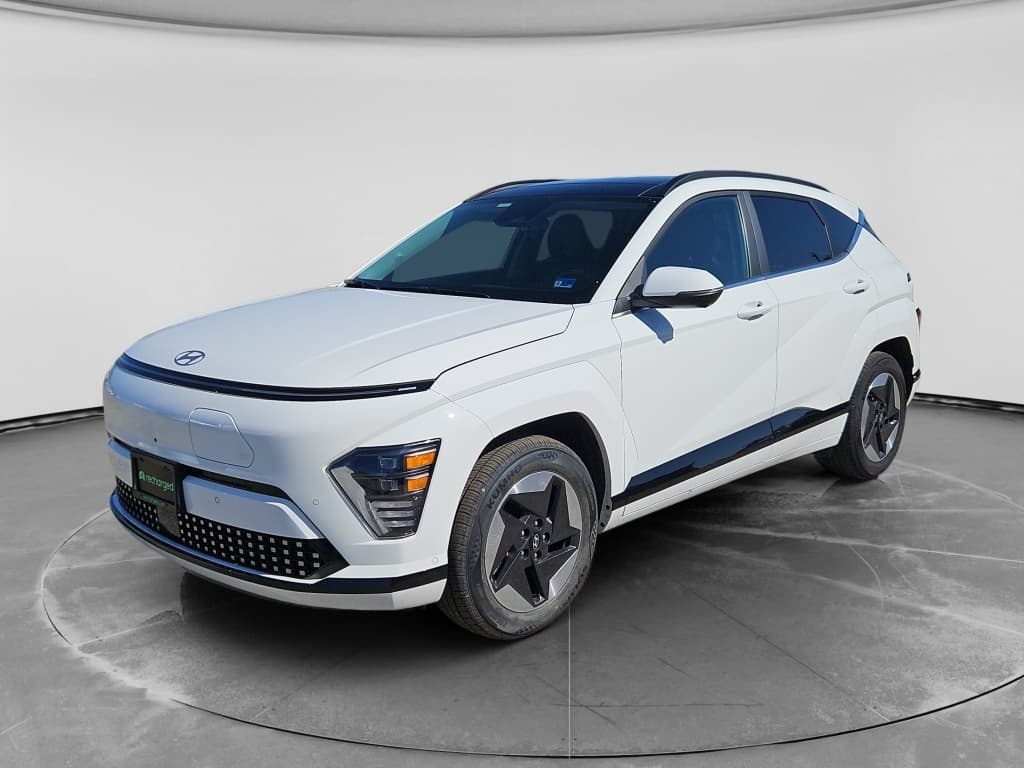
If that sounds like you, it’s worth comparing the Charger SXT you’re eyeing with a used EV like a Chevrolet Bolt, Nissan Leaf Plus, Hyundai Kona Electric, or Tesla Model 3, especially when you factor in battery health and resale value.
How Recharged can help if you’re EV‑curious
If you landed here searching for Charger SXT deals, you might be on the fence between sticking with gas power and seeing what an EV could do for your budget. That’s where Recharged comes in. We’re a retailer and marketplace focused entirely on used electric vehicles, built to make EV ownership simple and transparent.
What you get with Recharged
If you decide to compare a Charger SXT to a used EV
Verified battery health
Every vehicle on Recharged comes with a Recharged Score Report that includes diagnostics of the EV’s battery health, so you know what you’re buying before you sign.
Financing and trade‑in
We offer financing, instant offers or consignment on your current vehicle, and trade‑in options, so you can seamlessly move from a gas car like a Charger SXT into an EV.
Nationwide delivery
Shop online, work with EV specialists, sign digitally, and have your car delivered nationwide. You can also visit our Experience Center in Richmond, VA if you want an in‑person look.
Ready to find your next EV?
Browse VehiclesExplore EV options alongside your Charger search
Checklist for buying a used Charger SXT
Essential steps before you sign
1. Decide on RWD vs AWD
Think about your climate and driving style. If you see real winter weather or lots of rain, SXT AWD may be worth the small MPG tradeoff. In warm, dry climates, RWD is simpler and slightly more efficient.
2. Check service records
Ask for oil change intervals, coolant service, and any major repairs. Regular, documented maintenance is a strong indicator that the Pentastar V6 and transmission were cared for.
3. Inspect suspension and brakes
Have a mechanic check control arms, bushings, shocks, and brake wear. The Charger is a heavy car, and worn components can make it feel loose or unstable.
4. Scan for accident and fleet history
Pull a vehicle history report to check for police or rental use, prior accidents, or title issues. Walk away from cars with major structural repairs or unclear paperwork.
5. Test electronics and interior
Cycle through the infotainment, climate control, driver‑assist features, and gauges. Look for warning lights, screen glitches, or non‑functioning accessories.
6. Take a long test drive
Drive on city streets and highways. Listen for clunks, rattles, or driveline noises. Check that the transmission shifts smoothly and the engine pulls cleanly through the rev range.
Thinking about switching from a Charger to an EV?
Charger SXT FAQs
Frequently asked questions about the Charger SXT
The Dodge Charger SXT is a compelling gateway into the world of muscle‑styled sedans: spacious, reasonably quick, and far more affordable to insure and fuel than its V8 siblings. Its main weaknesses show up in fuel economy and the realities of buying any hard‑driven used performance car. If you’re drawn to the Charger’s attitude but open to lower running costs and a smoother drive, it’s worth comparing a few used EVs before you commit. With tools like the Recharged Score Report, EV‑specialist support, and nationwide delivery, you can evaluate both paths, gas V6 muscle and all‑electric efficiency, and choose the one that actually fits your life and your wallet.