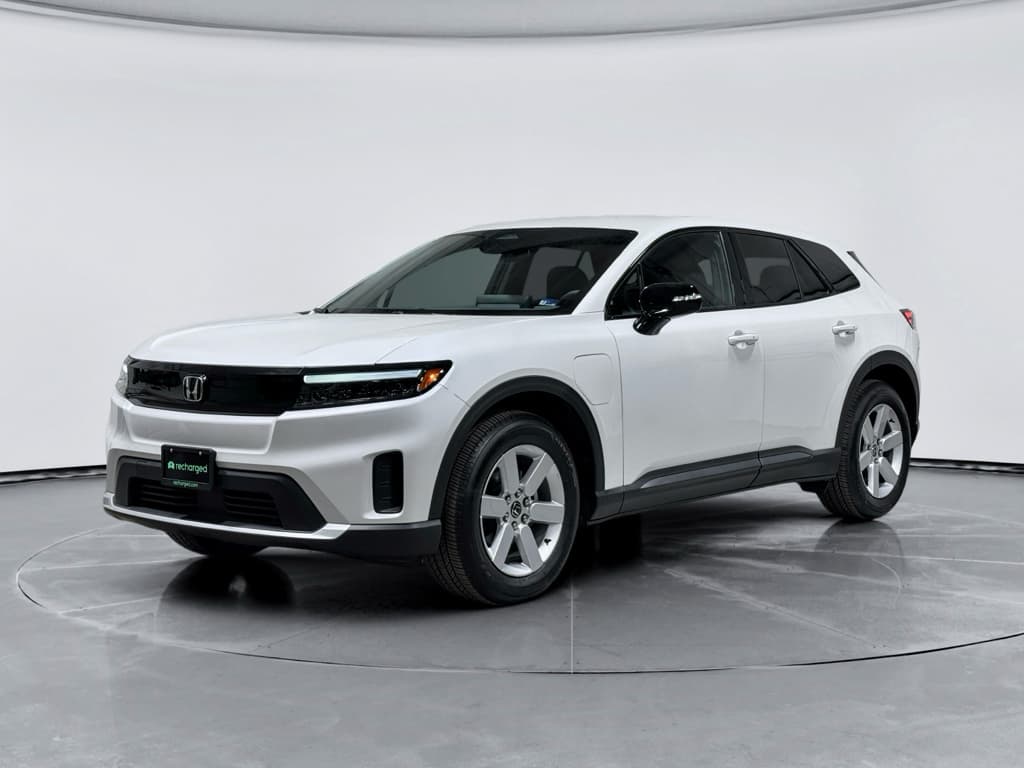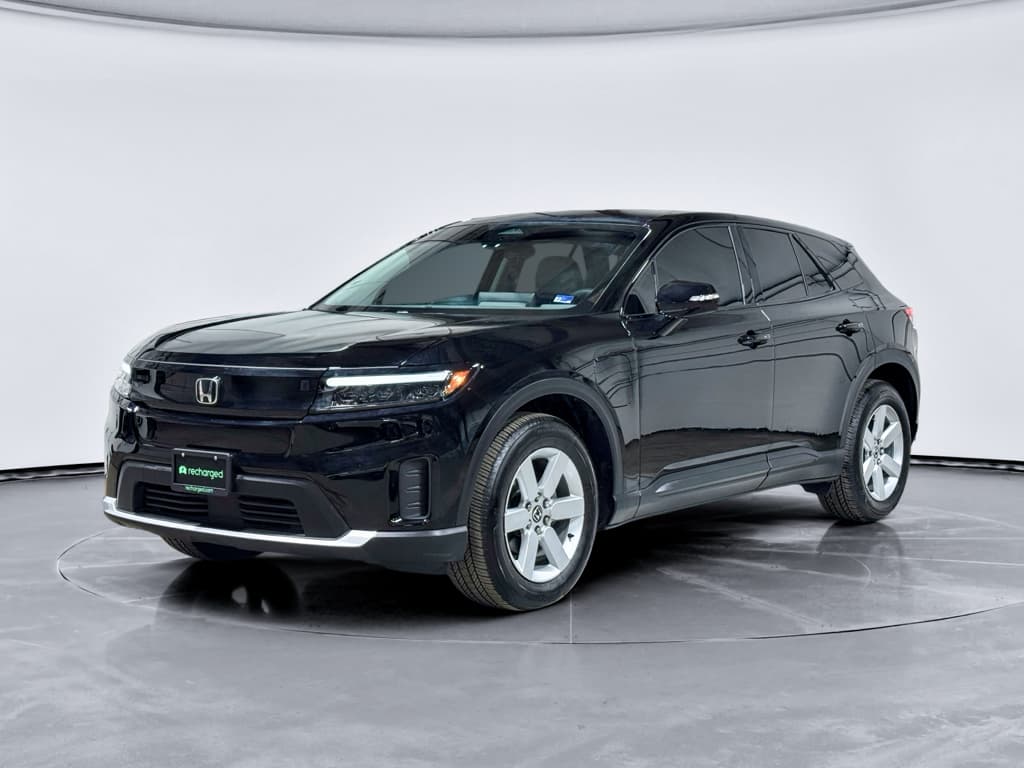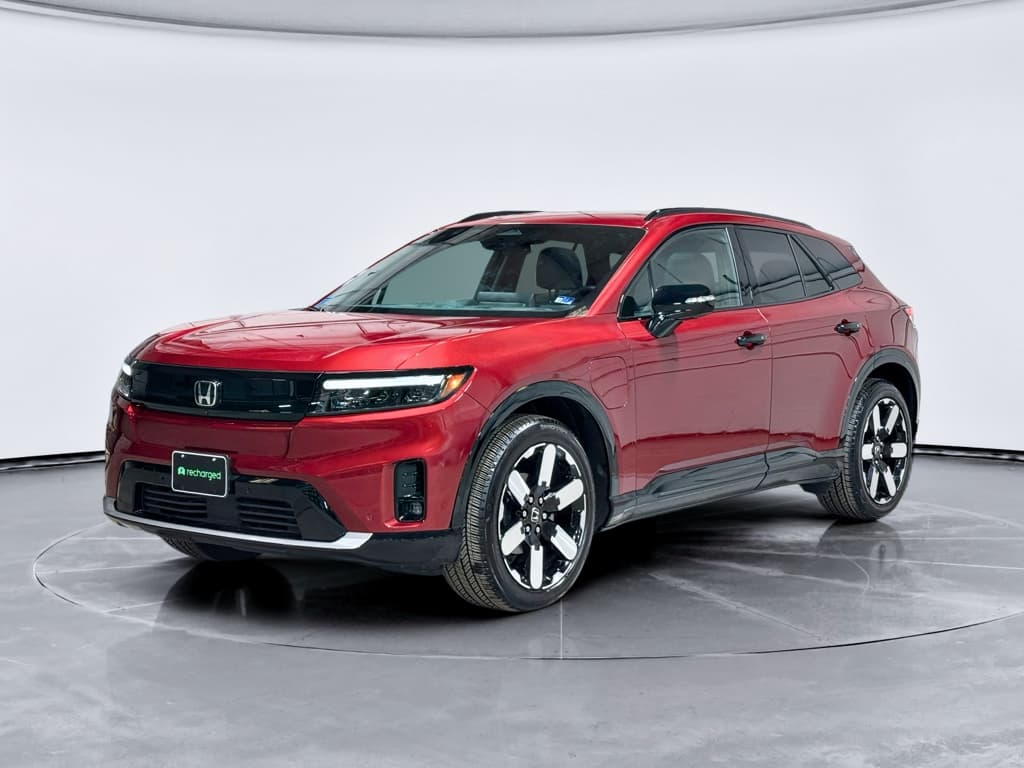
If you’re considering a Honda Prologue or already have one in your driveway, you’re probably wondering how it really performs at a DC fast charger, not just what the brochure says. This Honda Prologue charging speed test breakdown walks through the official specs, independent test data, and what you can actually expect on a 10–80% fast charge at today’s public networks.
Quick takeaway
Honda Prologue charging basics and specs
Key Honda Prologue charging stats
Every Honda Prologue uses GM’s 85 kWh Ultium battery (around 83 kWh usable) on a 400‑volt architecture. All trims can DC fast charge via a CCS connector today, and newer model years are rolling into the North American Charging Standard (NACS) transition with an adapter to access Tesla Superchargers.
- Battery: 85 kWh Ultium pack (about 83 kWh usable)
- Architecture: 400 V system
- Max DC fast‑charge power: ~150–155 kW (10–80% in ~35 minutes in ideal conditions)
- Onboard AC charger: 11.5 kW (Level 2)
- DC port: CCS today, with NACS adapter for Tesla Superchargers in North America
Good news for road‑trippers
Lab specs vs. real‑world charging speed tests
On paper, Honda says the Prologue can charge from roughly 20–80% in about 35 minutes at a capable DC fast charger and add around 63–65 miles of range in 10 minutes. That’s respectable for a mid‑size electric SUV. But charging speed tests from road testers and early owners show some important nuance you should understand before you plan a 600‑mile day.
What the brochure promises
- Peak DC power: ~150–155 kW
- 20–80% time: ~35 minutes in ideal conditions
- 10 minutes of DC fast charging: ~63–65 miles (AWD vs FWD)
- Level 2 at 11.5 kW: ~8–9 hours for a full charge
What testers are seeing
- Independent tests have observed peaks around 130–155 kW, depending on state of charge and charger.
- One highway test saw a 10–90% session average around the high‑90 kW range, taking just under 50 minutes.
- Another quick top‑up test from the low‑40% range held ~128–131 kW for several minutes, even without starting that low.
Why your results may differ
DC fast‑charging speed test: What we know so far
Let’s translate the mixed testing data into something usable. Across several instrumented tests, the Prologue’s DC fast‑charge performance is generally consistent with Honda’s claims and roughly in line with other 400‑V crossovers in this class.
Honda Prologue DC fast‑charge test highlights
Approximate results from independent charging speed tests under mild conditions.
| Test scenario | State of charge window | Average power | Session time | Miles added |
|---|---|---|---|---|
| Highway test, DC fast | 10–90% | ~95–100 kW | ~45–50 min | ~200+ highway miles |
| Typical road‑trip stop | 20–80% | ~110–120 kW | ~30–35 min | ~160–200 miles |
| Quick splash‑and‑go | 30–60% | ~120–130 kW | ~15–20 min | ~90–120 miles |
| Short top‑up (Honda estimate) | , | +63–65 mi in 10 min | 10 min | +63–65 miles |
Your exact times will vary, but these numbers are a realistic starting point for planning.
The big picture
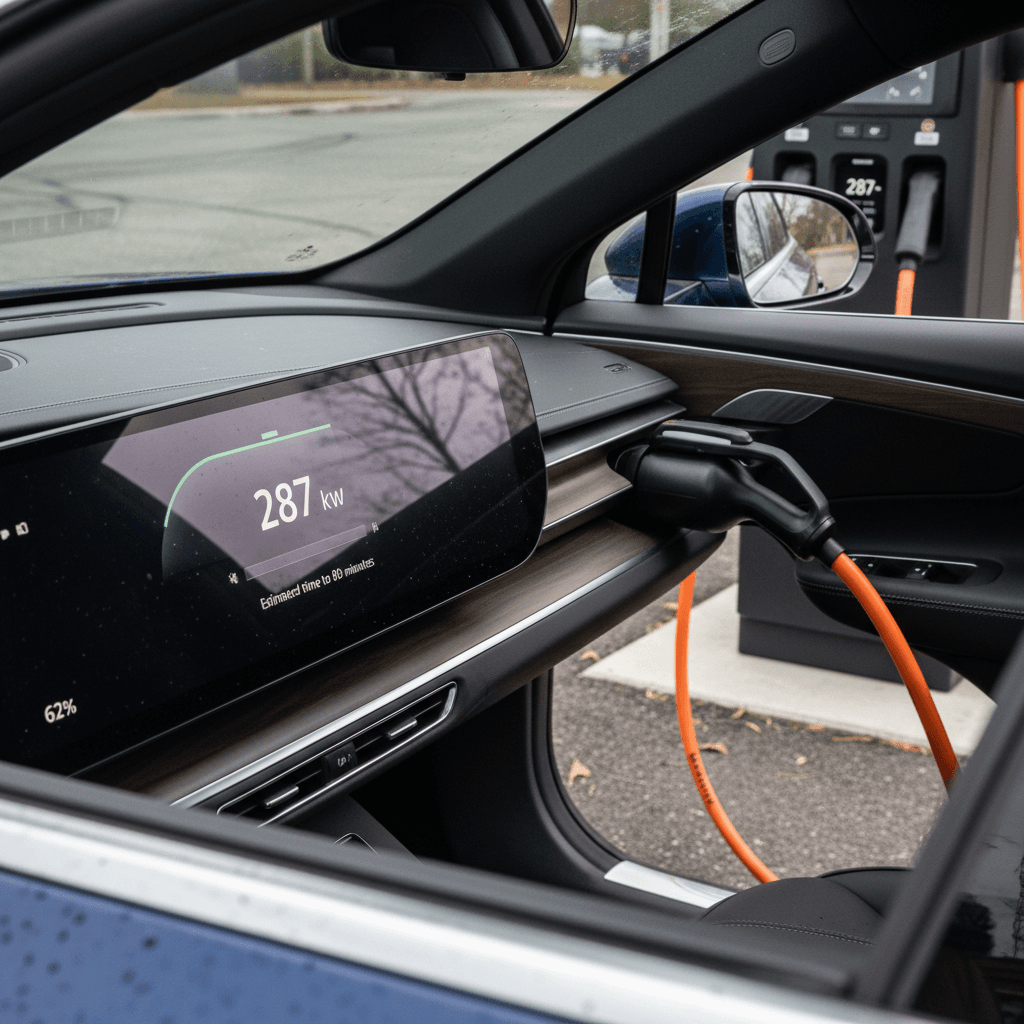
Charging curve: Does the Prologue hold speed or taper early?
The charging curve, how power ramps up and then tapers as the battery fills, is just as important as peak kilowatts. The Prologue’s curve is quietly impressive for a first‑wave Honda EV built on GM hardware.
How the Honda Prologue’s charging curve behaves
What you’ll notice at the charger, from 10% to 90%.
Strong ramp‑up
Flat mid‑session power
Predictable taper
When to unplug for fastest trips
Home and Level 2 charging: How long does a full charge take?
DC fast‑charging tests get the headlines, but most Prologue owners will rack up the majority of their miles on Level 2 home charging. With its 11.5 kW onboard charger, the Prologue is well‑set for overnight refills.
Honda Prologue charging times by charger type
Approximate charging times and range gained under typical conditions.
| Charger type | Power | Time (approx.) | Typical use case |
|---|---|---|---|
| Level 1 (120V wall outlet) | ~1.4 kW | 0–100% in 40–70 hours; ~3–5 miles of range per hour | Emergency top‑off only |
| Level 2 (240V, 40–48A) | Up to 11.5 kW | 0–100% in about 8–9 hours | Overnight home or workplace charging |
| DC fast (150 kW+ station) | Up to ~150–155 kW | 20–80% in about 30–35 minutes | Road‑trip stops and quick top‑ups |
Actual results depend on temperature, driving style, and how full the battery is when you plug in.
Plan for a 240V solution at home
Road‑trip planning: How often you’ll stop and for how long
Range and charging speed look different once you stack them across a full day of driving. The Prologue’s EPA range varies by trim, roughly 273–296 miles for earlier AWD models and over 300 miles for newer FWD trims, but on interstates you should plan around ~220–260 miles between efficient DC stops in normal weather.
Planning a realistic Prologue road‑trip charging strategy
1. Use a conservative range estimate
Start by assuming 75–85% of the official EPA rating at highway speeds, especially with passengers, cargo, or winter weather. That gives you a buffer for headwinds, elevation, or unexpected detours.
2. Target 10–20% arrival at chargers
Fast chargers work best when the battery is low. Aim to arrive around 10–20% to see the strongest ramp‑up toward peak power and keep your overall session time down.
3. Charge only to 60–80% when possible
Beyond ~80%, the Honda Prologue’s charging curve slows dramatically. On a road trip, it’s faster to do more frequent 10–20% to 60–80% hops than a single 10–100% marathon session.
4. Precondition the battery when you can
Use the built‑in navigation to route to a DC fast charger so the car can warm or cool the battery in advance. Some trims also let you manually precondition if the station isn’t in the nav database.
5. Budget 25–35 minutes per full fast‑charge stop
From low state of charge up to ~75–80%, assume around half an hour per stop on a healthy charger. That’s enough time for a restroom break and a quick meal.
6. Have a backup charger in mind
Apps can show real‑time status, but stations still go down. Always have a second site within 15–30 miles, especially in rural areas or during peak travel holidays.
Supercharger access & adapters
How Honda Prologue charging compares to other EVs
On a spec sheet, the Prologue’s 150–155 kW peak doesn’t jump off the page next to 250+ kW headline numbers from 800‑V EVs. But charging curves tell a more nuanced story: the Prologue’s stable mid‑range performance makes it more competitive than the raw peak suggests.
Honda Prologue vs. key rivals on fast charging
High‑level comparison of charging behavior among popular electric SUVs.
Honda Prologue
• Holds relatively strong power through 20–60%
• 20–80% in ~35 minutes under good conditions
Hyundai Ioniq 5 / Kia EV6
• Very fast 10–80% (often <25 min)
• Remarkably short stops but smaller network familiarity for some drivers
Tesla Model Y
• Efficient network & routing
• Short, frequent stops with strong mid‑curve performance
Where the Prologue lands
Charging tips to save time and protect battery health
Smart charging habits can shave minutes off every stop and keep the Ultium pack in good shape for the long haul, especially important if you plan to keep the Prologue beyond its first lease or you’re shopping the used market.
- Favor 20–80% DC sessions on road trips instead of 5–100%.
- Use home Level 2 charging for everyday driving and save DC fast charging for long‑distance travel.
- Lean on the Prologue’s preconditioning features whenever you can before a DC stop.
- Avoid repeatedly fast charging a hot battery immediately after high‑speed driving if the car indicates it’s overheating.
- If you don’t need the range, cap regular charging at 80–90% to reduce stress on the top of the pack.
Battery health vs. constant fast charging
What fast‑charge data means if you’re buying a used Prologue
If you’re shopping for a used Honda Prologue, charging performance isn’t just a convenience issue, it’s a window into the battery’s health and how the previous owner treated the car. A Prologue that still charges briskly from 20–60% and behaves predictably at fast chargers is a good sign.
Questions to ask the seller
- How often did you use DC fast charging vs. Level 2 at home?
- Did you regularly charge to 100%, or usually stop around 80–90%?
- Have you noticed the car slowing down dramatically at fast chargers compared with when it was new?
- Any history of battery or charging‑system service?
How Recharged can help
Every EV sold through Recharged includes a Recharged Score Report with verified battery health and detailed charging data, so you’re not guessing about prior use. Our EV‑specialist team can explain how a Prologue’s fast‑charging behavior looks today and what it means for long‑term ownership costs.
You can brush up on charging basics or compare used‑EV inspection checklists before you decide.
Why battery reports matter on Ultium‑based EVs
Ready to find your next EV?
Browse VehiclesHonda Prologue charging speed FAQ
Frequently asked questions about Honda Prologue charging speed
The bottom line: in real‑world charging speed tests, the Honda Prologue behaves like a well‑sorted, mid‑pack EV. It won’t chase headline DC numbers, but it delivers predictable 20–80% sessions that are easy to plan around, especially as CCS and NACS coverage expand. If you’re looking at a new or used Prologue, focus on how the car charges between 10–60%, pair that with solid battery health data, and you’ll have a clear picture of what long‑term ownership will feel like. And if you want someone in your corner while you sort through those details, Recharged’s EV‑specialist team and battery‑backed Recharged Score can make sure you know exactly what you’re buying before you click “buy now.”