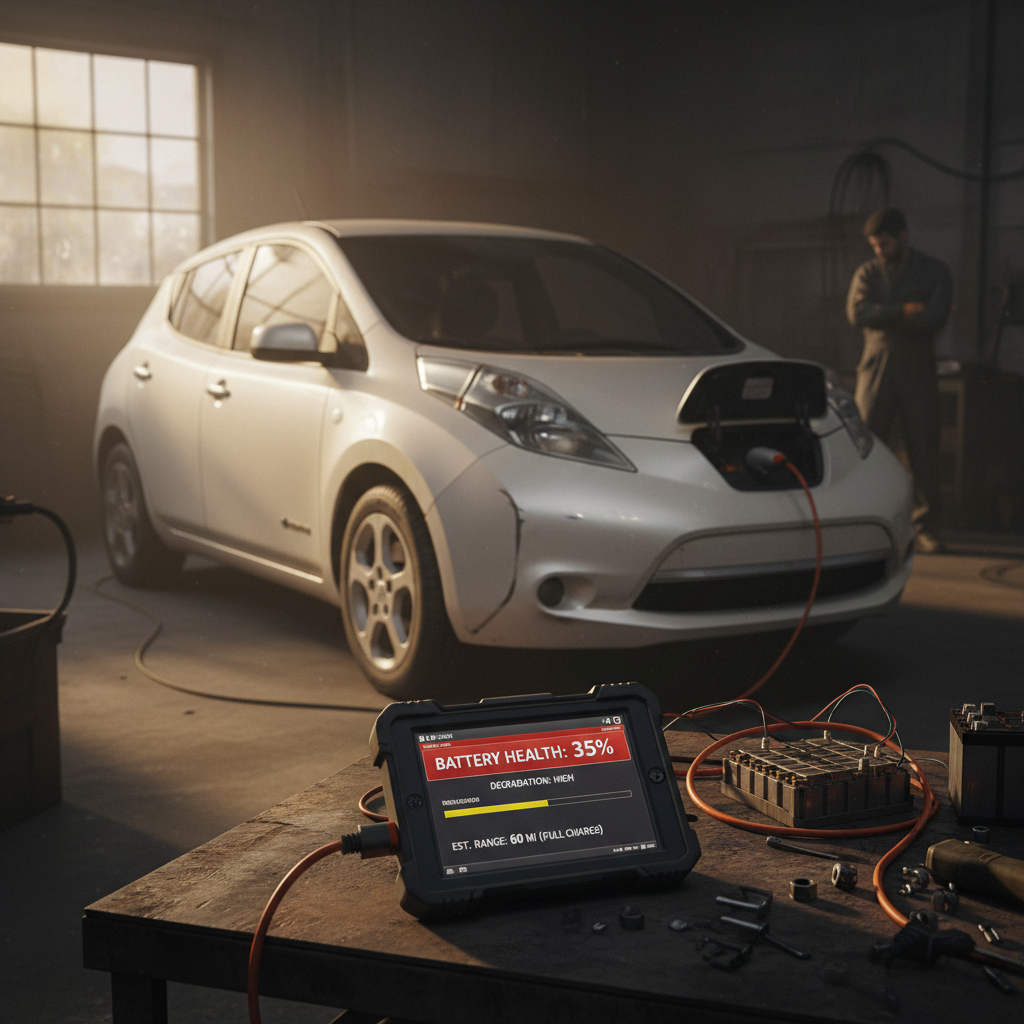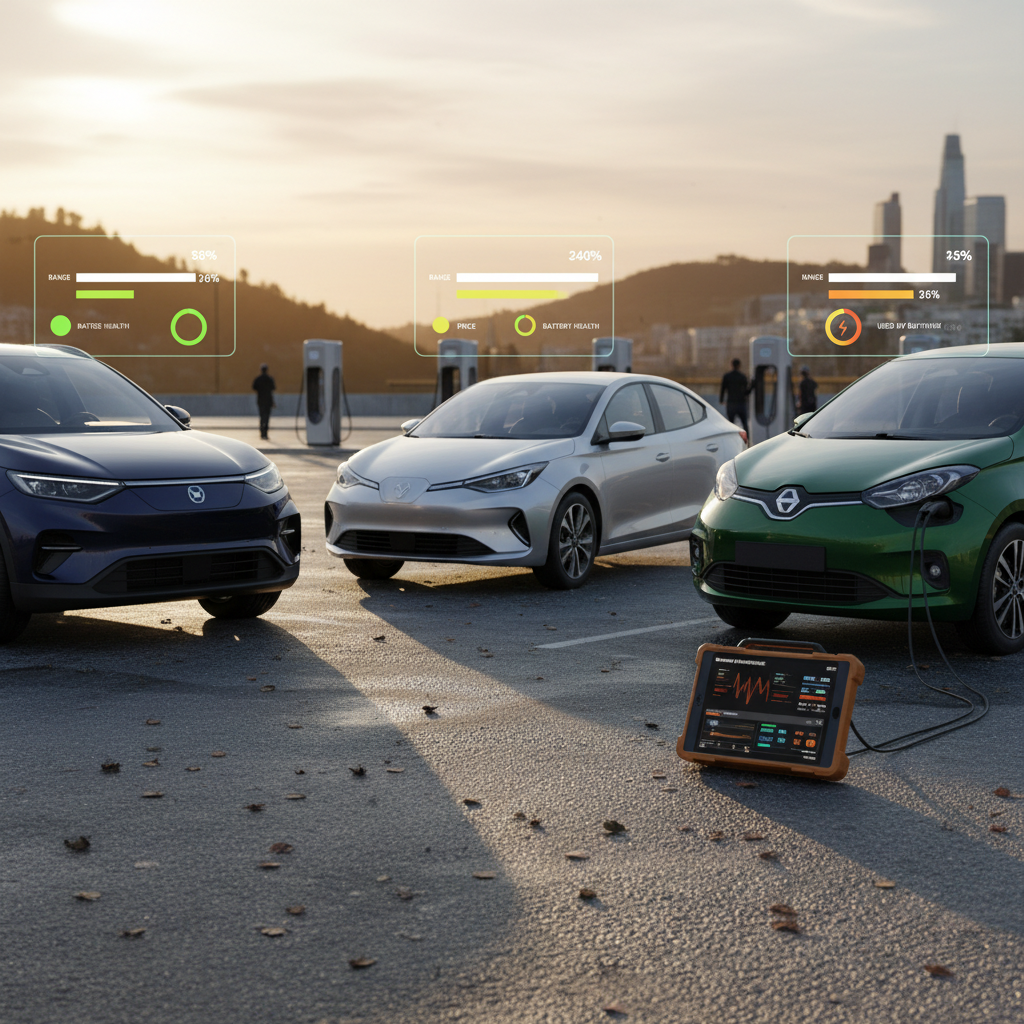
You’ve probably seen the phrase “certified pre owned” splashed across dealership ads and window stickers, especially now that used electric vehicles are everywhere. Certified pre owned dealerships promise carefully inspected cars, factory-backed warranties and “like new” peace of mind, but what does any of that actually mean when you’re shopping for a used EV, where the big unknown is battery health, not oil changes?
Quick definition
Why certified pre owned dealerships matter for EV buyers
Certified pre owned vs. used: by the numbers
For gas cars, certified pre owned dealerships mainly sell you peace of mind about maintenance and prior abuse. For electric vehicles, the stakes are higher and more specific. A modern EV battery pack can cost $10,000–$20,000 to replace; you don’t want to gamble on that with a mystery “as‑is” car from a lot that closes before the ink dries.
The better certified pre owned dealerships are at least trying to answer the questions you care about most: How healthy is the battery? Has the car been crashed? Is there warranty left, and will it transfer to you? When they’re done right, CPO programs reduce risk and make it easier to finance a used EV on good terms. When they’re done badly, they’re just a shiny logo and a price bump.
Not all CPO badges are equal
How certified pre owned dealerships actually work
Under the hood, most certified pre owned dealerships follow the same basic playbook, especially for manufacturer-branded CPO programs:
- They start with a late‑model used car that meets strict age and mileage caps (for example, under 5–6 model years and usually under 60,000–80,000 miles).
- They pull a vehicle history report and reject cars with serious title issues, airbag deployments, flood damage or incomplete recall work.
- They run the car through a multi‑point inspection, typically 150 or more checks covering mechanical systems, safety tech, cosmetics and, for EVs, the high‑voltage components.
- They recondition anything that doesn’t pass, from tires and brakes to software updates and cosmetic touch‑ups.
- They bundle the car with an extended warranty, roadside assistance and sometimes perks like free maintenance or exchange policies.
From your side of the desk, what you see is a row of late‑model cars on a certified pre owned dealership lot, each with a slightly higher asking price than the non‑certified cousin down the street. You’re paying for the inspection, the warranty, and frankly, for the ability to sleep at night.
Where EVs change the script
What certified pre owned inspections cover on EVs
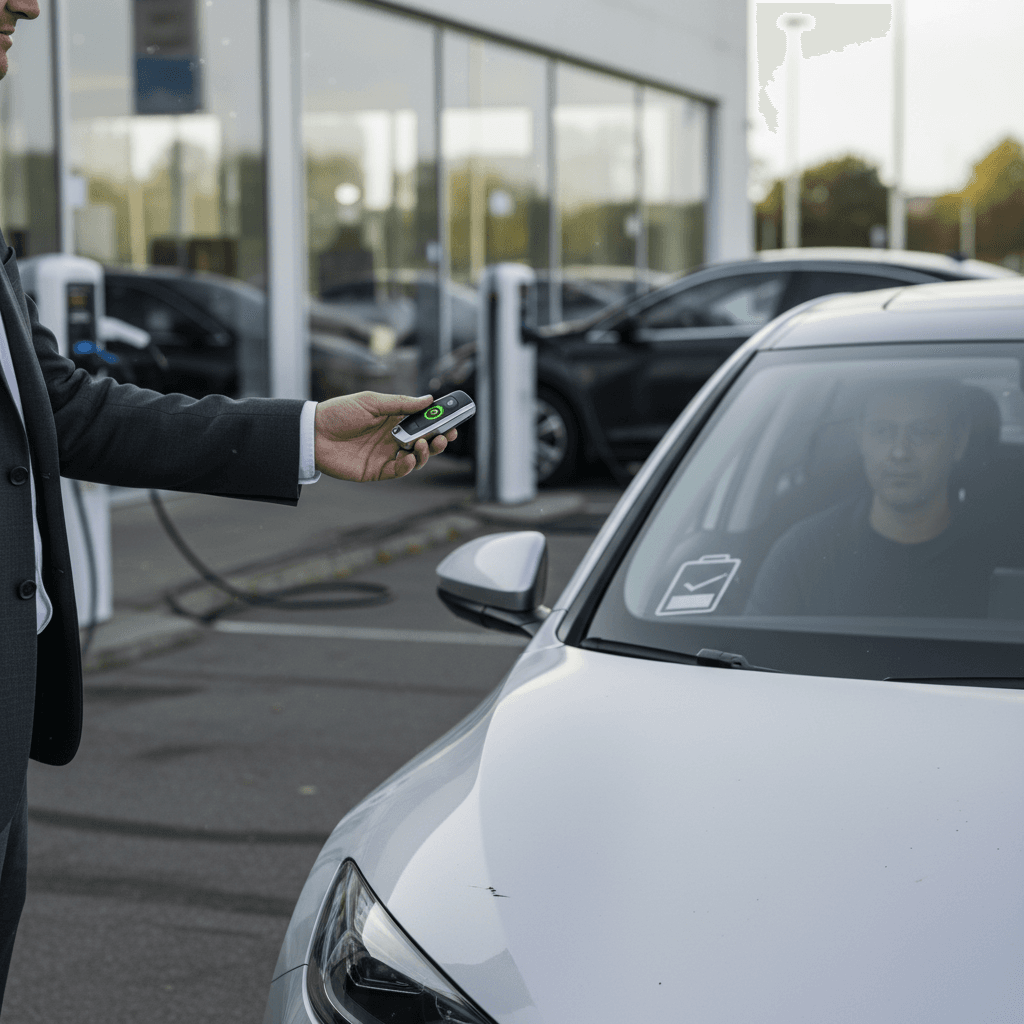
A solid certified pre owned EV inspection goes well beyond kicking the tires and checking that Apple CarPlay works. While every brand’s checklist is different, here’s what you should expect a competent dealership to verify before they slap on the CPO badge:
Core EV checks a certified pre owned dealership should perform
If they can’t show this in writing, be skeptical.
High‑voltage battery
Technicians should check battery state of health, temperature management, and scan for fault codes. Some brands expose this in software; others require proprietary tools.
Charging hardware
On‑board charger, charge port, DC fast‑charge capability and included cables should all be tested. Connect to AC and DC chargers to confirm normal behavior.
Range & efficiency
Dealers should compare the car’s current real‑world range to its original EPA rating and note any unusual degradation or energy‑use patterns.
Safety & recalls
All open recalls, especially high‑voltage or charger‑related, should be completed before sale. Advanced driver assistance systems must be calibrated.
Wear items
Brake pads, tires and suspension components still matter on EVs. Low‑rolling‑resistance tires and correct load ratings are particularly important.
Software & connectivity
Firmware updates, app connectivity, navigation, charging network access and key fob/app keys should be tested and updated to current versions.
Walk away if…
CPO EV warranties and battery protection
Warranties are the real spine of certified pre owned dealerships. For EVs, it’s critical to understand how the original battery warranty stacks with any CPO coverage the dealer adds.
1. Factory battery warranty
Most EVs leave the factory with an 8‑year/100,000‑mile (or similar) battery warranty. That coverage typically remains in force for subsequent owners, regardless of whether the car is certified, though there are exceptions and fine print.
Battery warranties usually protect against defects and severe capacity loss (for example, more than 25% loss within the warranty window). They don’t promise you’ll keep 100% of the original range forever.
2. Certified pre owned add‑ons
CPO programs don’t usually extend the battery warranty itself; instead, they add coverage for everything around the battery, electric motors, chargers, infotainment, suspension, climate control and more.
Expect 1–2 years of extra coverage or a higher total mileage cap for the comprehensive warranty, plus 24/7 roadside assistance and sometimes perks like loaner cars.
Ask these warranty questions
Price differences: CPO vs used vs new EVs
Let’s talk money. On average, certified pre owned dealerships charge more than a comparable non‑certified used car, but still well under the price of a new EV.
Typical pricing tiers for the same EV model
Illustrative example based on recent market data; your local prices will vary by brand, trim and incentives.
| Type of vehicle | Typical buyer experience | Approximate price level |
|---|---|---|
| New EV from dealer | Full factory warranty, latest tech, highest depreciation. | $$$$ |
| Certified pre owned EV | Lower mileage, inspected, extra warranty, factory support. | $$$ |
| Non‑certified used EV | Lowest upfront price, minimal warranty, condition varies widely. | $$ |
CPO sits between non‑certified used and new, often with a meaningful bump in protection for a modest premium.
Recent market snapshots show certified pre owned EVs often listing five figures below new equivalents, while still carrying warranties and dealer support. Non‑certified used EVs can be cheaper again, but you’re assuming more of the risk yourself.
Don’t forget tax credits
Pros and cons of certified pre owned dealerships
What certified pre owned dealerships do well, and where they fall short
Use this to sanity‑check the pitch from any dealership.
Advantages of CPO EVs
- Peace of mind: Multi‑point inspections and manufacturer standards weed out many problem cars.
- Extra warranty coverage: Added protection on top of remaining factory coverage, plus roadside assistance.
- Better financing: Captive finance arms often offer lower rates or special programs for certified pre owned vehicles.
- Newer, lower‑mileage inventory: Tighter age and mileage caps mean fewer abused “mystery” cars.
Drawbacks of CPO EVs
- Higher price: Expect to pay a premium versus non‑certified used cars.
- Program variability: Not all brands or dealerships hold themselves to the same inspection and warranty standard.
- Limited selection: CPO pools are smaller; you may have fewer colors, trims and options to choose from.
- Dealer‑only coverage risk: Some “certified” programs aren’t manufacturer backed and restrict where you can get warranty work done.
How to shop certified pre owned EV dealerships
Certified pre owned EV shopping checklist
1. Decide what you’re really buying
Are you chasing the lowest possible price, or are you paying for reduced risk and better support? Being honest about this upfront will keep you from overpaying for a badge or under‑protecting yourself just to save a little today.
2. Compare multiple CPO programs
Pull the official CPO details from the automaker’s site, not just the dealership brochure. Look at inspection scope, warranty length, roadside assistance, and whether perks like loaner cars or maintenance are included.
3. Demand the inspection report in writing
A credible certified pre owned dealership will show you a signed, itemized inspection report. For an EV, that report should spell out battery state of health, charging tests and software checks, not just “passed.”
4. Verify warranty start and end dates
Ask the dealer to print the current warranty status from the manufacturer’s system. You want to know the in‑service date, remaining battery warranty, and exactly how the CPO coverage stacks on top.
5. Take a long, realistic test drive
Drive your likely commute route. Watch estimated range, consumption and how quickly the car regains miles on a DC fast charger if possible. Any weird noises, warning lights, or charging glitches are red flags.
6. Price the non‑CPO alternatives
Search for the same model as a standard used car, ideally with similar mileage. How much more is the certified pre owned dealership asking, and what, precisely, are you getting for that premium?
When CPO is worth it, and when to skip it
Good reasons to pay for CPO
- You’re new to EVs. If you’re still learning the difference between kW and kWh, having a factory‑backed program standing behind the car is worth real money.
- You plan to finance. Certified pre owned EVs often qualify for better interest rates and terms, which can shrink or erase the price premium over time.
- It’s a complex or luxury model. Higher‑end EVs with advanced air suspensions, motor configurations and tech stacks benefit more from strict inspections and coverage.
- You need nationwide support. Manufacturer CPO usually lets you get warranty work at any franchised dealer, which matters if you road‑trip or move states.
When a standard used EV makes more sense
- You’re buying a simple, well‑documented car. A modest, first‑gen EV with rock‑solid reliability, full records and an independent inspection can be a smart non‑CPO buy.
- You’ve budgeted for risk. If you’re paying a lot less and you’ve set aside money for potential repairs, the math can favor a non‑certified car.
- The CPO program is weak. If the certified pre owned dealership can’t show meaningful inspection depth or extra warranty coverage, don’t pay extra for their sticker.
- You’re shopping older, high‑mileage EVs. Many won’t qualify for genuine CPO anyway; in that world, a strong battery health report matters more than a badge.
Rule of thumb
How Recharged differs from traditional CPO dealerships
Recharged isn’t a traditional certified pre owned dealership with balloons on the lot and a finance office down a fluorescent hallway. It’s a digital-first marketplace built specifically around used EVs, designed to solve the same problems CPO programs aim at, battery uncertainty, pricing opacity, and dealer games, without the old‑school frictions.
Recharged vs. a typical certified pre owned dealership
Same goal, confidence in a used EV, very different playbook.
Recharged Score battery report
Every vehicle comes with a Recharged Score Report that includes verified battery health and range diagnostics, so you aren’t guessing about the pack that powers your car.
Transparent, fair pricing
Recharged benchmarks each EV against fair market pricing instead of leaning on a fuzzy CPO badge to justify markups. You see how the price compares, not just a monthly payment.
Fully digital experience
Browse, finance, value your trade‑in and sign online, with optional nationwide delivery and an Experience Center in Richmond, VA if you want to see cars in person.
EV‑specialist support
Instead of generic salespeople, you get EV specialists who live and breathe battery health, charging and ownership costs, guiding you from first question to delivery.
Flexible selling options
Have an EV to move? Recharged offers instant offers, trade‑ins or consignment, so you can maximize value whether you’re upgrading or cashing out.
Financing built for EVs
You can pre‑qualify for financing online with no hit to your credit score, then pair the right monthly payment with an EV whose battery health has already been verified.
Ready to find your next EV?
Browse VehiclesWhere Recharged fits in your search
FAQ: certified pre owned dealerships and EVs
Frequently asked questions about certified pre owned EV dealerships
Bottom line on certified pre owned dealerships for EVs
Certified pre owned dealerships exist to sell you confidence. With electric vehicles, that confidence lives or dies on one question: does this car’s battery and warranty story make sense for the price? A good CPO program will answer that clearly, in writing, and back it with meaningful coverage. A bad one will wave a laminated checklist at you and hope you don’t read the fine print.
If you’re new to EVs or simply want fewer surprises, paying a fair premium for a strong certified pre owned program, or choosing a specialist like Recharged that bakes battery diagnostics and transparent pricing into every sale, can be money very well spent. If you’re more experienced, comfortable with risk and willing to do your own homework, a non‑certified used EV with a great battery health report can be just as smart.
Either way, don’t let the badge make the decision for you. Compare the numbers, interrogate the inspection, understand the warranties, and choose the car that will still feel like a good idea after the new‑to‑you smell wears off.