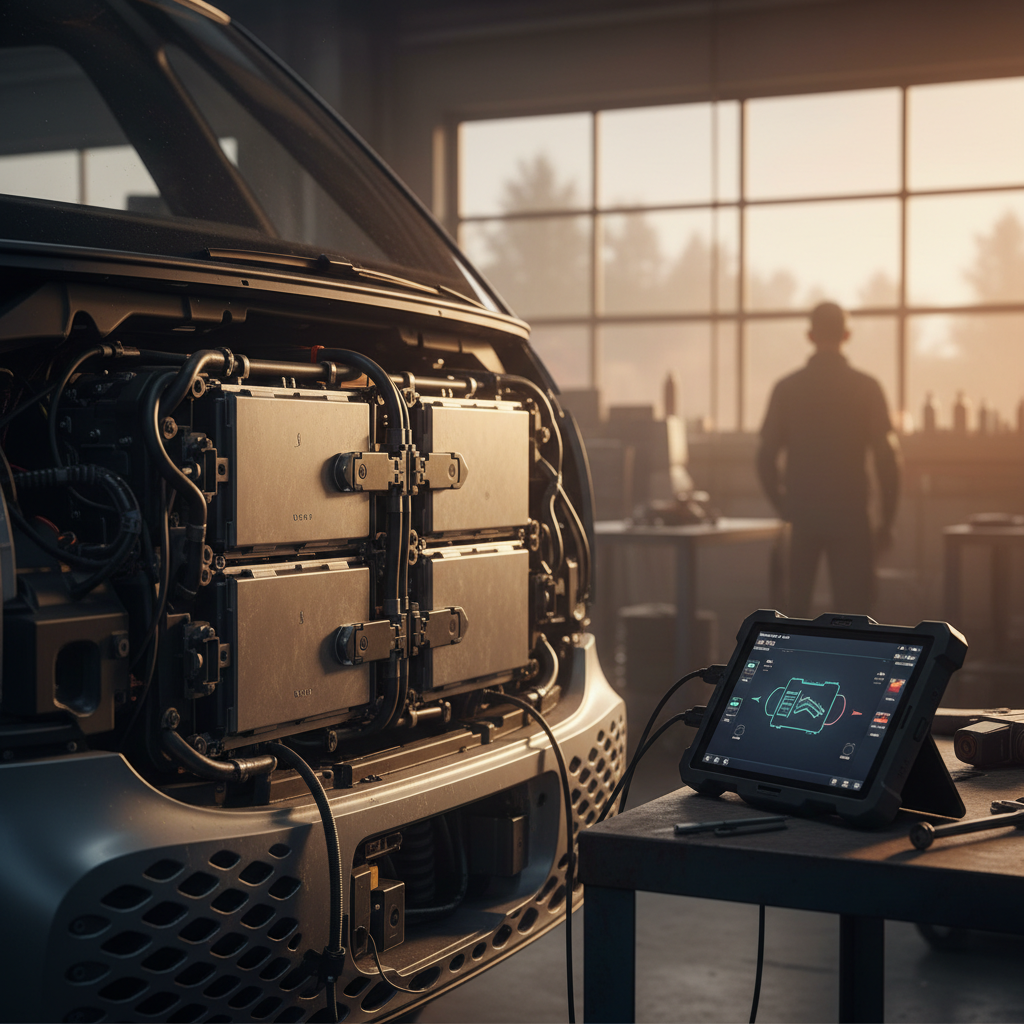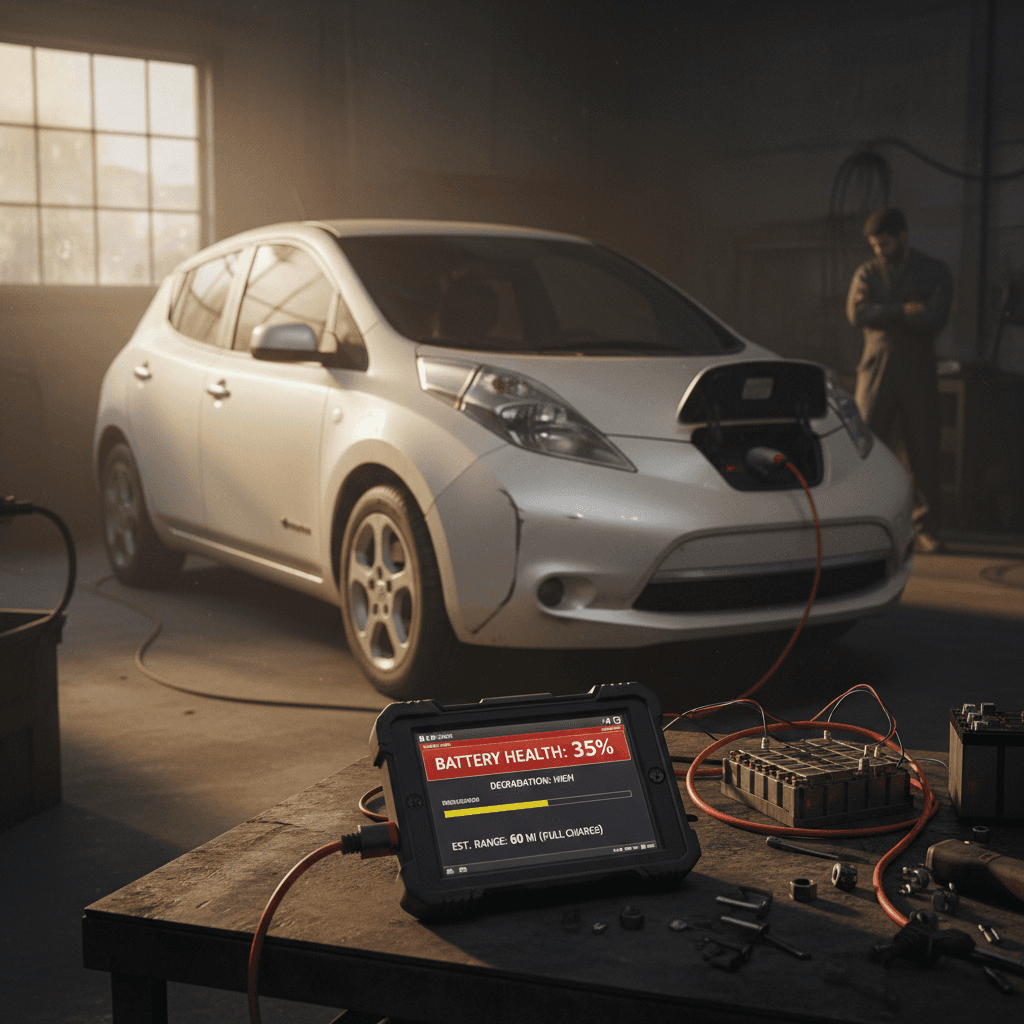
If you’re shopping for a used EV in 2026, you’ll quickly discover something uncomfortable: not all electric cars age gracefully. Some of the **worst used electric cars in 2026** look like bargains on price, but hide battery degradation, major recalls, or glitchy software that can turn ownership into a science experiment.
Why “worst” is different for EVs
Why “worst used electric cars” matters in 2026
By 2026, the first wave of modern EVs is 8–14 years old. That means there’s finally enough data to see clear patterns: **which models hold their battery health, which suffer from design flaws, and which were hit by serious recalls**. At the same time, EV prices have fallen sharply, so it’s easier than ever to be tempted by a deal that’s cheap for a reason.
Used EV risk snapshot in 2026
None of this means you should avoid used EVs. It does mean you should be **picky about which used electric car you buy in 2026**, and that you need to look deeper than a clean Carfax or a shiny infotainment screen.
How we defined the worst used electric cars
Different lists rank the “worst EVs” by different criteria, some look only at reliability surveys, others at recalls or owner complaints. For used buyers, the question is more practical: *what’s likely to cost you time, money, or range you can’t afford to lose?* For this guide, we focused on four dimensions:
- Battery degradation: Real‑world reports of capacity loss and range shrinkage, especially in hot climates or high‑mileage cars.
- Major safety or battery recalls: Especially those involving fire risk, sudden power loss, or repeated software fixes.
- Chronic reliability or software issues: Patterns in Consumer Reports, J.D. Power, owner forums, and recall data.
- Support and depreciation: Whether the brand still supports the car well and how severely it has lost value.
Model years matter more than nameplates
Used electric cars to approach with caution in 2026
Here are the high‑level groups of **used EVs to be wary of in 2026**, with an emphasis on U.S. market cars you’re likely to see on dealer lots or classifieds. We’ll start with the biggest red‑flag categories, then dive into specific examples.
The big red-flag buckets for used EVs
If a used EV you’re considering fits one of these, slow down and investigate deeply.
1. EVs with major battery fire recalls
These cars have seen large-scale battery recalls and, in some cases, guidance to limit charging or even park outdoors. Post-recall fixes can help, but they make independent battery health checks even more important.
2. Early, air‑cooled batteries
First- and some second‑generation EVs without liquid cooling often show faster capacity loss, especially in hot climates or with frequent fast charging.
3. Software- and tech-heavy early adopters
Flagship EVs that pushed cutting‑edge software, air suspension, or complex doors often age poorly, even if the powertrain is solid. Expect glitches and expensive repairs.
1. Chevrolet Bolt EV / EUV (2017–2022): Great car, tough history
The Chevrolet Bolt EV is one of the most important mass‑market EVs of the last decade, and one of the most controversial used buys. Every 2017–2022 Bolt EV and EUV was recalled for a high‑profile battery fire risk, with GM replacing or reworking battery packs and asking owners to temporarily cap charging around 90% and avoid deep discharges.
Used Chevrolet Bolt EV/EUV in 2026: Quick risk profile
How the Bolt stacks up as a used buy after its battery recall history.
| Factor | What’s good | What’s risky for used buyers |
|---|---|---|
| Value | Huge depreciation makes them very cheap for the range. | Low prices sometimes mask owners dumping cars after recall work. |
| Range | Real-world 200+ mile range on most trims. | Older packs may have been abused before recall replacements. |
| Battery history | Many cars got new or reconditioned packs. | Hard to verify how the replacement pack has been treated since. |
| Resale & support | GM parts network is large, repairs are possible. | Model discontinued; long-term brand focus is shifting to newer Ultium EVs. |
“Good car, bad press” sums up the Bolt, but individual cars still deserve extra scrutiny.
How to shop a used Bolt safely
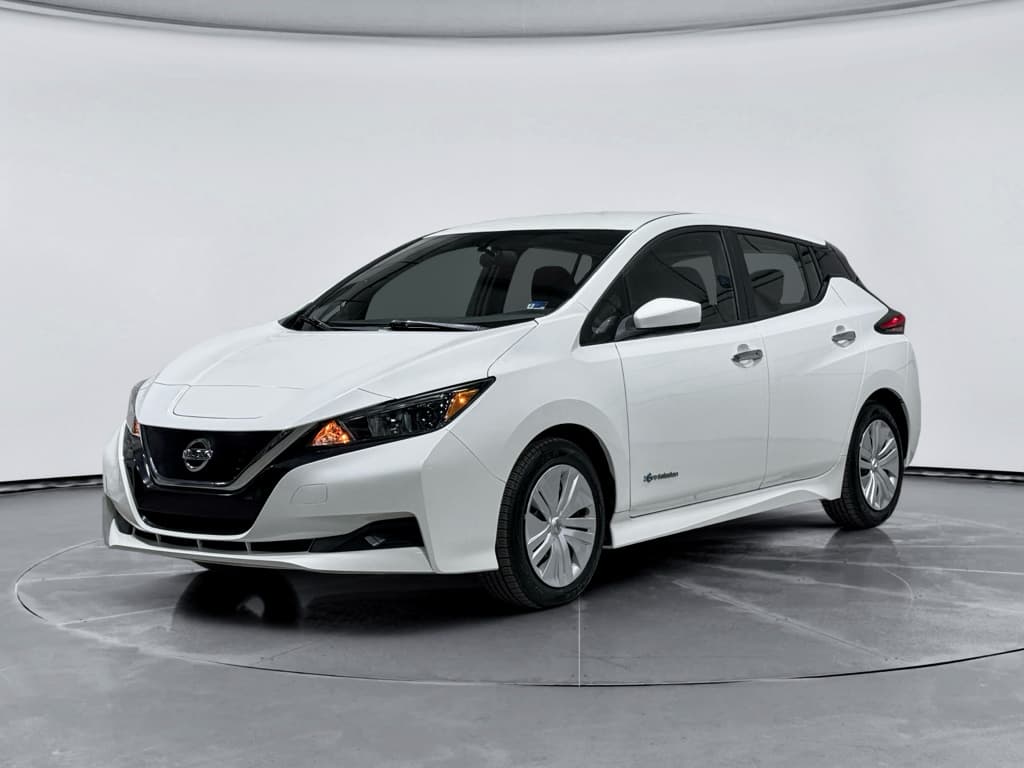
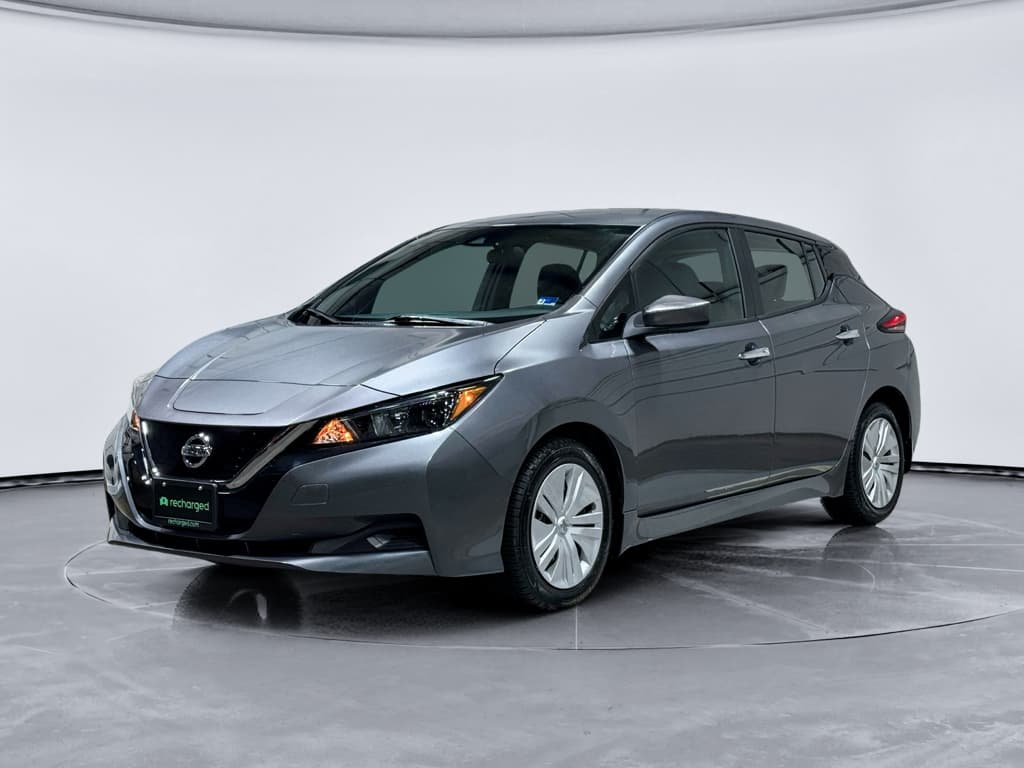
2. Early Nissan Leaf (2011–2017 24/30 kWh): Range that melts away
If there’s a poster child for **battery degradation in used EVs**, it’s the first‑generation Nissan Leaf with 24 or 30 kWh packs. These cars used an air‑cooled battery that struggled in hot climates and under repeated fast charging, leading many owners to see 20–30% capacity loss well before 100,000 miles, and sometimes much sooner.
- Original EPA ranges as low as ~73–84 miles on early 24 kWh cars, which can drop into **sub‑50‑mile** real‑world range after heavy degradation.
- No liquid cooling means thermal stress from heat and DC fast charging is harder to manage.
- Battery warranties helped some owners, but many cars now on the market are well outside warranty or have already had one pack replacement.
Why early Leafs are among the worst used EVs
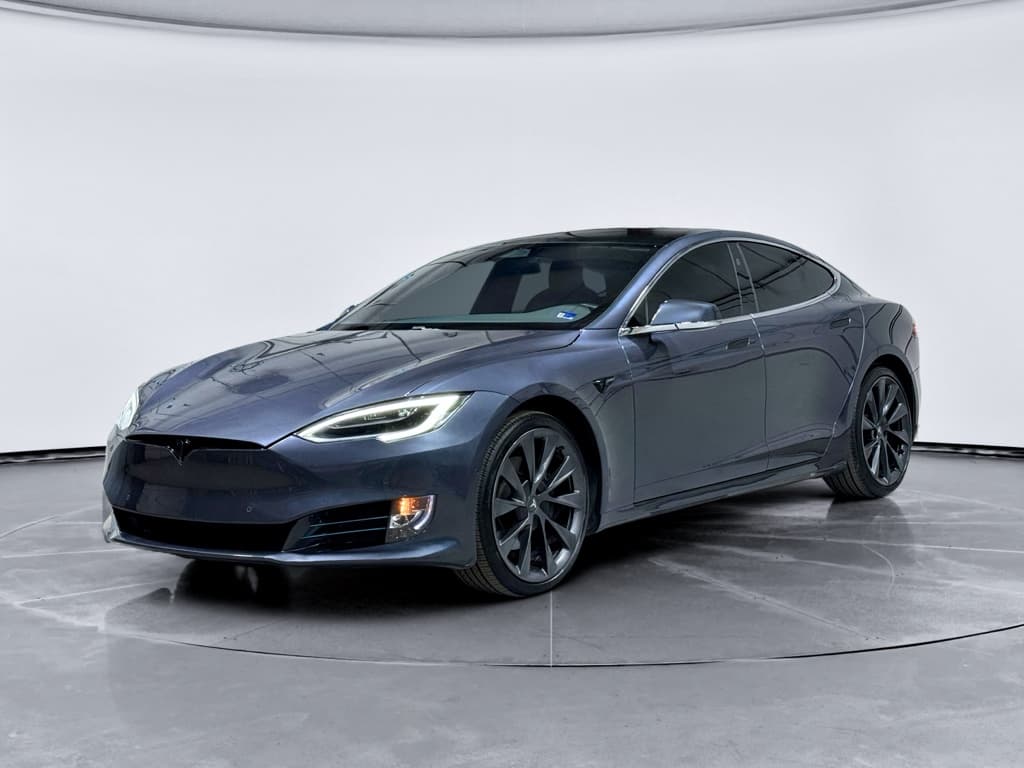
3. Aging premium Teslas (early Model S and Model X): Expensive quirks
Early Tesla Model S and Model X helped define the modern EV, but they also combined **complex hardware** (air suspension, retractable door handles, falcon‑wing doors) with maturing software and build quality. As these cars age into the 8–12‑year‑old range, some become money pits even if their batteries are holding up reasonably well.
- Door handles, MCU screens, air suspension components, and trim issues can all add up to four‑figure repair bills.
- Earlier Autopilot hardware and quirky control layouts (like the steering yoke era) may be less desirable or more failure‑prone than newer systems.
- Out‑of‑warranty repair pricing at Tesla service centers can be steep, and independent shops are still catching up on some components.
Who should avoid early premium Teslas
4. Compliance and “science project” EVs with weak support
Several early EVs were essentially **conversion projects** or “compliance cars” built in low volumes to satisfy regulations, not to anchor a long‑term EV strategy. Examples include cars like the Fiat 500e, Ford Focus Electric, Mercedes‑Benz B‑Class Electric, and some low‑volume German and Japanese models.
Why they’re tempting
- Often incredibly cheap on the used market because few people know them.
- City-friendly size and pleasant driving manners.
- In some cases, Tesla‑sourced powertrains wrapped in a mainstream badge.
Why they can be among the worst buys
- Short range even when new, often well under 100 miles.
- Limited parts availability and shrinking dealer familiarity.
- Unclear long‑term battery support; some were sold only in a few states.
Ask this before buying a niche EV
5. Older tech-heavy city EVs (early BMW i3 and friends)
Cars like the early BMW i3 show how a good idea can age awkwardly. The i3 is light, efficient, and cleverly packaged, but early model years have small packs and real‑world reports of noticeable degradation by 80,000 miles or so. Add in unique carbon‑fiber construction and unusual tire sizes, and repair or collision costs can climb quickly.
- Early 60 Ah i3s started with modest range that can feel very tight once degradation sets in.
- Range‑extender (REx) versions add mechanical complexity that needs its own maintenance schedule.
- Specialized body and interior parts can be costly compared to mainstream EVs.
Models that have aged poorly: battery and tech issues
There isn’t a single definitive list of the “worst used electric cars 2026,” but the same themes show up across owner forums, reliability surveys, and recall databases. The most problematic used EVs usually fall into at least one of these three patterns:
Patterns behind the worst used EVs
If a car checks more than one of these boxes, be extra careful.
Under‑engineered batteries
Small packs, no thermal management, and high‑stress use (heat, fast charging) combine to slash usable range long before 150,000 miles.
Immature software & electronics
Glitchy infotainment, buggy driver‑assist, and charging software faults can strand you even when the hardware is fine.
Depreciation + low support
Some EVs lose 70–90% of value in ~10 years, not just because they’re old, but because buyers don’t trust the platform or brand support.
When a “bad” EV can still be a good deal: context matters
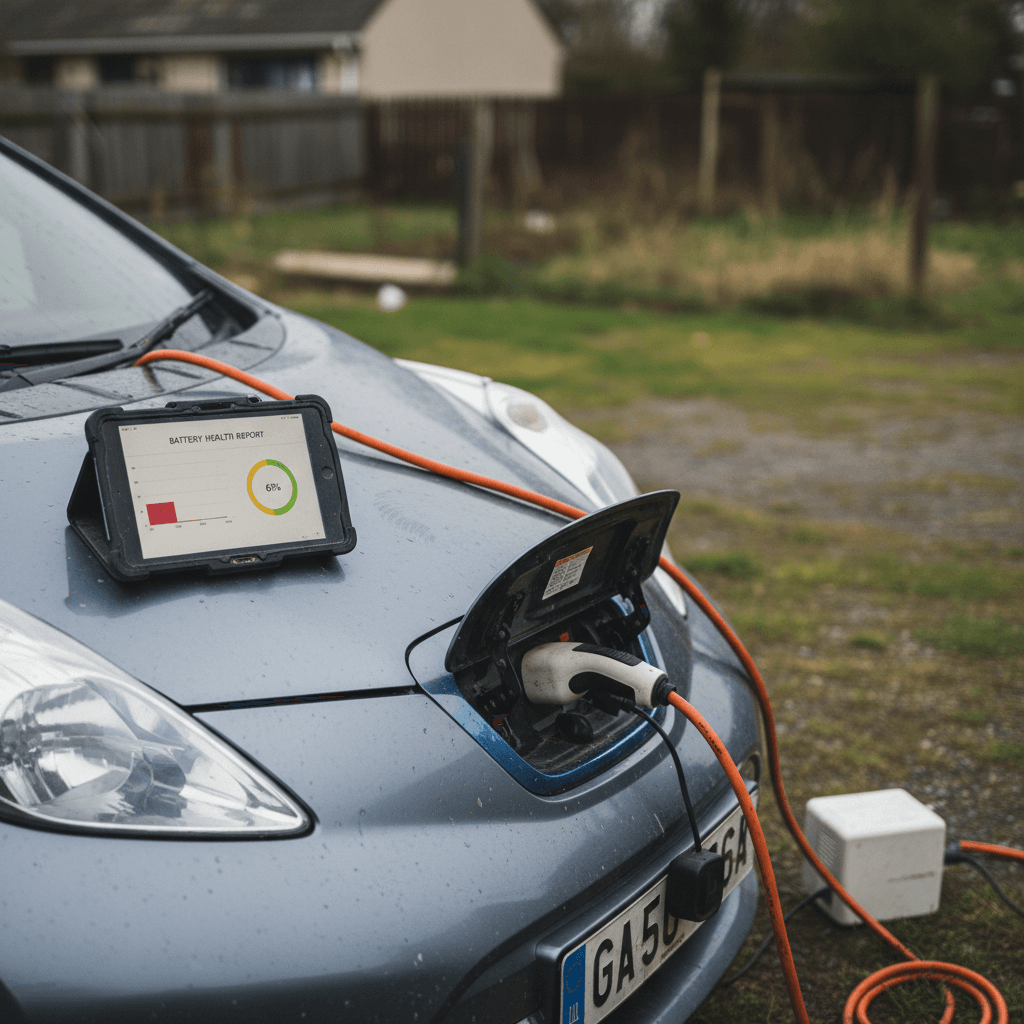
Labeling something one of the **worst used electric cars** is only useful if you also ask, “for whom?” A first‑generation Leaf with 50 miles of real‑world range is a disaster for a 70‑mile commuter, but perfectly acceptable for someone who just needs a cheap, local second car.
When a “bad” used EV can work
- You have a short, predictable daily route (under 30–40 miles).
- You can charge at home every night, ideally at Level 2.
- You’re paying so little that battery replacement is off the table, you’ll just drive it to the end of its useful life.
When you should walk away
- You need reliable 100+ mile range in all weather.
- You don’t have home charging or rely heavily on DC fast charging.
- You can’t afford major surprise repairs or weeks waiting on parts.
Smart contrarian buys
How to protect yourself when buying a used EV
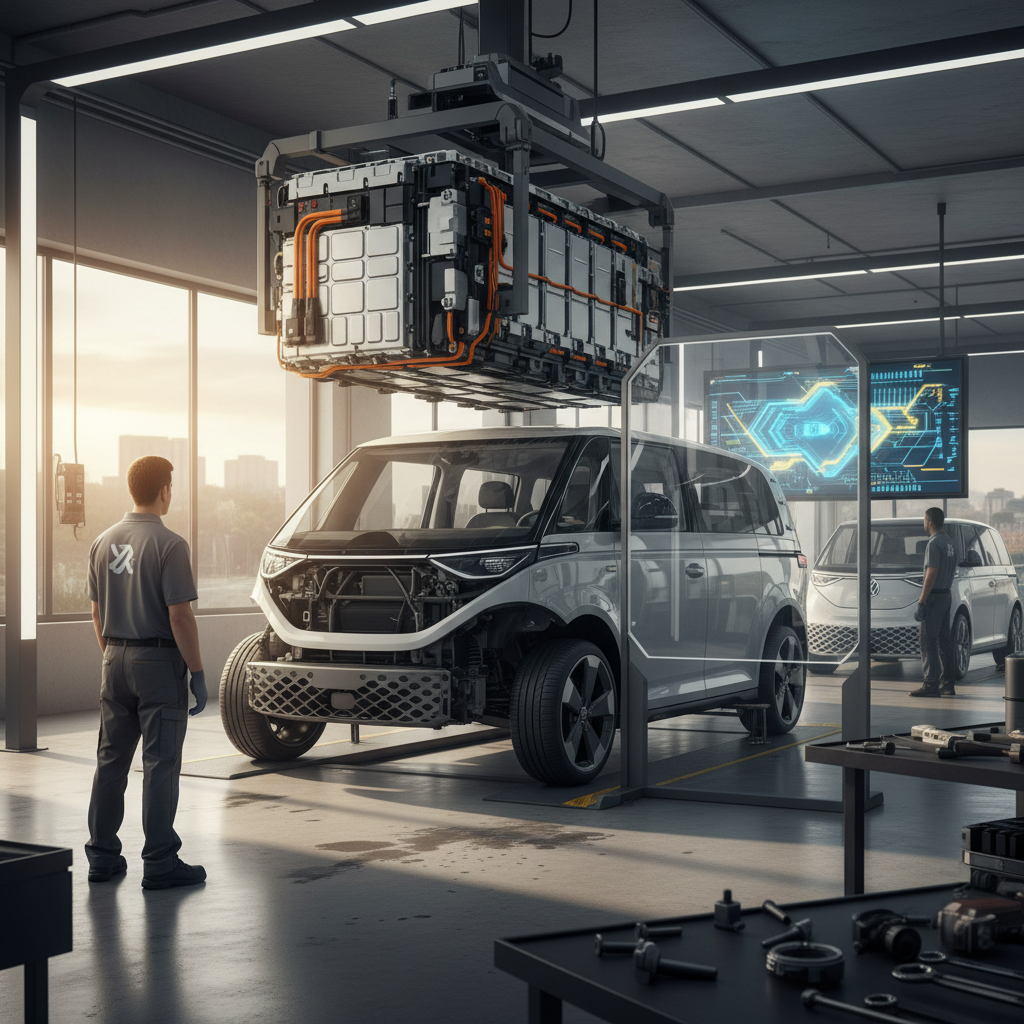
You don’t need to memorize every problem model year to avoid the worst used electric cars in 2026. Instead, build a process that surfaces the same issues analysts look at: **battery health, thermal management, software stability, and support**.
Used EV risk-reduction checklist
1. Start with the battery, not the paint
Ask for a <strong>quantitative battery health report</strong>, not just an estimated range display on the dash. Compare state‑of‑health to the car’s age and mileage, and be suspicious of numbers that look “too perfect” without documentation.
2. Research model-specific recalls and TSBs
Search NHTSA recalls and technical service bulletins (TSBs) for your exact year and trim. Pay special attention to EV battery, charging, and power electronics issues, and verify all recall work is complete.
3. Understand the thermal management system
Figure out if the car uses liquid‑cooled or air‑cooled batteries and how it’s been driven. An air‑cooled pack that lived in Phoenix and fast‑charged daily is a very different bet than the same car garaged in Seattle and mostly Level‑2 charged.
4. Inspect charging behavior
On a test drive, plug into Level 2 and, if possible, DC fast charging. Look for unusual noises, error messages, or obviously throttled charging speeds that don’t match what owners typically report for that model.
5. Evaluate software and driver-assist
Check for laggy screens, random reboots, warning lights, and inconsistent behavior from driver‑assist systems. Glitches might sound minor, but on many EVs, <strong>software is the gateway to the powertrain</strong>.
6. Look at total cost, not just price
Price low enough that you can walk away if a major component fails? Or are you counting on it to be trouble‑free for 8 years? Your budget and risk tolerance should steer you toward newer, better‑supported EVs or away from problem‑child models.
Use independent diagnostics, not just the dash
How Recharged reduces the risk with used EVs
At Recharged, we built our entire used EV process around the problems that make the **worst used electric cars** so painful to own: opaque battery health, confusing pricing, and a lack of EV‑specific expertise at traditional dealerships.
What the Recharged Score looks at (beyond a basic inspection)
Every vehicle we sell includes a transparent, EV‑specific health report.
Battery health & range
We run Recharged Score diagnostics to measure battery state‑of‑health and expected real‑world range, not just dashboard guesses. That’s especially critical on models with known degradation or recall histories.
Fair market pricing
Our pricing reflects battery condition, remaining warranty, and market data, not just mileage and cosmetics. A cheap car with a weak pack isn’t a deal, so we price accordingly or don’t list it.
EV specialists on call
From trade‑in to delivery, you work with people who live and breathe EVs. We can walk you through specific model‑year issues, charging needs, and whether a particular car is a fit for your use case.
Ready to find your next EV?
Browse VehiclesIf you already own a used EV you’re worried about, Recharged can also help you **trade in or get an instant offer**, even if it’s a model with a complicated history. And if you’re just starting the search, you can shop fully online or visit our Experience Center in Richmond, VA, knowing every car on the site has already cleared a battery‑focused screen.
FAQ: Worst used electric cars in 2026
Frequently asked questions about the worst used electric cars
Bottom line on the worst used electric cars of 2026
In 2026, the “worst used electric cars” aren’t simply the ones with the lowest reliability scores, they’re the ones where **battery health, thermal design, software maturity, and long‑term support all intersect in the wrong way**. Early air‑cooled EVs, recall‑plagued models, and complex luxury flagships can all be risky if you buy them blind.
The good news is that you don’t have to. If you focus on verifiable battery health, transparent recall history, and realistic range for your needs, you can confidently skip the problem children and still capture the massive value that used EVs offer in 2026. Whether you buy through Recharged or not, treat the battery as the heart of the deal, and make sure you see its health in writing before you sign anything.