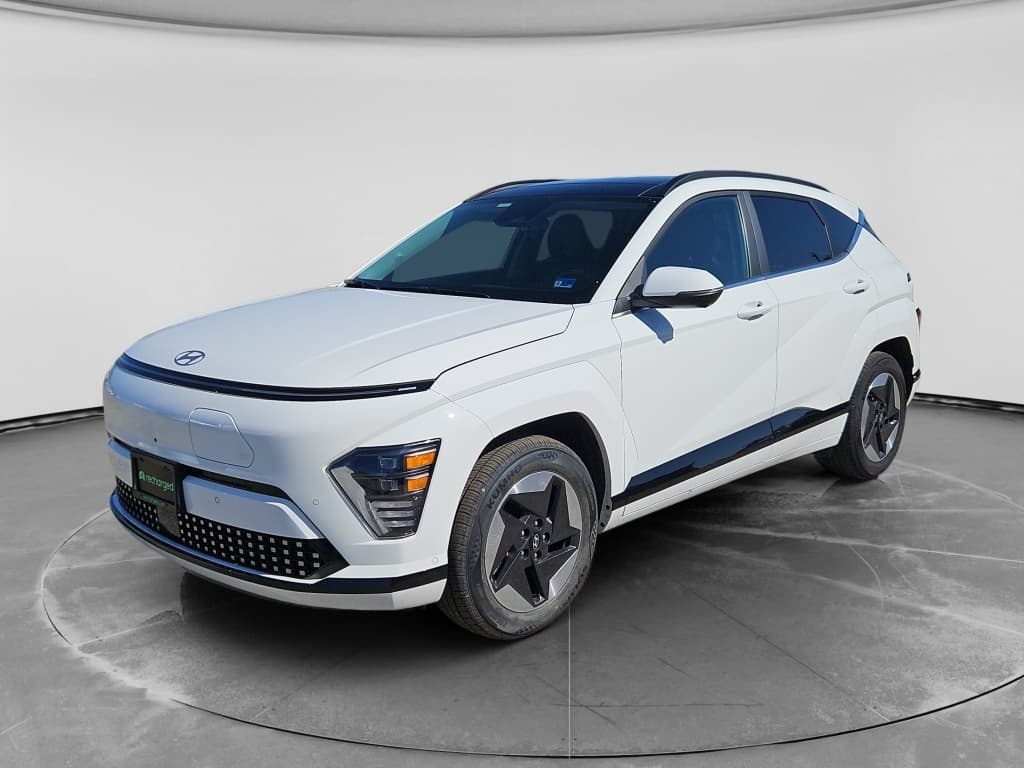
If you’re shopping for an electric vehicle or hybrid, you’ll see the phrase “cars with regenerative braking” everywhere. It sounds technical, but the idea is simple: instead of wasting energy as heat when you slow down, the car turns some of that motion back into electricity to help recharge the battery and extend range.
Quick definition
What is regenerative braking in cars?
Every time you slow a car, you’re dealing with kinetic energy, the energy of motion. In a traditional gas car, pressing the brake pedal squeezes pads against a metal disc, creating friction. That slows the car, but it also turns almost all of that kinetic energy into wasted heat.
In a car with regenerative braking, the process changes. When you lift off the accelerator or press the brake, the electric motor that normally drives the wheels flips roles and becomes a generator. The resistance you feel is the motor pushing back against the wheels as it creates electricity. That electricity flows into the high‑voltage battery or, in some mild hybrids, a smaller 48‑volt pack.
- You slow down using the resistance of the electric motor, not just friction pads.
- A portion of the car’s kinetic energy is converted into electrical energy.
- The recovered energy is stored in the battery and later reused for acceleration.
- Friction brakes are still there for hard stops and emergencies.
How regenerative braking works vs normal brakes
Under the skin, regenerative braking isn’t magic; it’s smart use of the hardware the car already has. Here’s how it stacks up against conventional friction brakes.
Regenerative braking
- Uses the electric traction motor as a generator when you lift off the accelerator or touch the brake pedal.
- Creates resistance in the drivetrain, slowing the car and sending current back into the battery.
- Most effective at city speeds and in stop‑and‑go driving where you brake frequently.
- Often adjustable through drive modes or paddles (Eco/Normal/Sport, “B” mode, or dedicated regen levels).
Friction braking
- Uses hydraulic pressure to clamp brake pads on discs, converting motion into heat.
- Works regardless of battery charge level and doesn’t depend on an electric motor.
- Provides the majority of stopping power in emergencies and at very low speeds.
- Creates brake dust and typically wears pads and rotors faster in non‑electrified cars.
Modern EVs and hybrids blend these systems automatically. The brake pedal is essentially a request for deceleration. The car’s computer uses as much regenerative braking as it safely can first, then adds friction braking on top if you need to stop faster or if the battery can’t accept more charge at that moment.
How much energy can regen recover?
Which cars have regenerative braking today?
If a car has a meaningful electric motor and a traction battery, odds are it has regenerative braking. That includes battery‑electric vehicles (BEVs), plug‑in hybrids (PHEVs), and virtually all full and mild hybrids on sale in 2025.
Vehicle types that use regenerative braking
From full EVs to mild hybrids, regen is everywhere now
Battery‑electric vehicles (BEVs)
Examples include Tesla Model 3/Y, Chevy Blazer EV, Hyundai IONIQ 5, Kia EV6, Ford Mustang Mach‑E, Nissan LEAF, Rivian R1 series, and many more. All modern BEVs use regenerative braking.
Plug‑in hybrids (PHEVs)
These combine a gas engine with a substantial battery and motor: Toyota RAV4 Prime, Hyundai Tucson PHEV, Kia Sportage PHEV, Volvo Recharge models, Jeep 4xe SUVs, etc. They use regen to extend electric‑only range.
Hybrids & mild hybrids
Conventional hybrids like Toyota Prius, Honda Accord Hybrid, Ford Maverick Hybrid, and many 48‑volt mild hybrids from brands like Volvo and Mercedes use regen to charge their smaller batteries and assist the engine.
Do any gas‑only cars have regen?
Popular 2025 models with notable regenerative braking
A non‑exhaustive snapshot of well‑known vehicles where drivers often talk about regen feel and adjustability.
| Type | Examples | Adjustable regen? | One‑pedal mode? |
|---|---|---|---|
| Battery‑electric (BEV) | Tesla Model 3 / Model Y | Yes (drive modes) | Yes |
| Battery‑electric (BEV) | Hyundai IONIQ 5 / Kia EV6 | Yes (paddles & modes) | Yes (i‑Pedal / similar) |
| Battery‑electric (BEV) | Ford Mustang Mach‑E | Yes | Yes |
| Compact BEV | Chevy Bolt EV/EUV, Nissan LEAF | Yes | Yes (on many trims) |
| Plug‑in hybrid (PHEV) | Toyota RAV4 Prime, Hyundai Tucson PHEV | Usually | Sometimes (strong coasting regen) |
| Hybrid | Toyota Prius, Honda Accord Hybrid, Ford Escape Hybrid | Limited driver control | No (mostly blended braking) |
Availability and tuning vary by trim and model year, always confirm specific features when you shop used.
What cars with regenerative braking feel like to drive
If you’ve never driven a car with regenerative braking, the experience can be surprising at first, in a good way. Many EVs are tuned for what’s called one‑pedal driving. When you lift off the accelerator, the car slows aggressively using regen alone, sometimes all the way to a complete stop. You can drive through city traffic with very little use of the brake pedal.
Other vehicles take a lighter approach. Lift off the accelerator and you’ll coast more like a gas car, with regen only ramping up when you press the brake pedal itself. Some plug‑in hybrids and conventional hybrids live in this middle ground to make the transition from gasoline vehicles feel more familiar.
It’s still a brake system
Benefits and limitations of regen braking
Why regenerative braking matters
- More range / better MPG: Captured energy reduces how often you plug in or visit the pump.
- Lower brake maintenance: With regen handling most everyday slowing, brake pads and rotors typically last much longer.
- Smoother driving: Once you’re used to it, modulating speed with the accelerator alone feels natural and reduces lurching in traffic.
- Less brake dust: Less friction braking means fewer particulate emissions from pads and rotors.
Key limitations
How to get the most from regenerative braking
The hardware is built into the car, but your driving style and settings determine how much benefit you get from regenerative braking. Here are practical ways to make it work for you.
Practical regen driving tips
1. Explore your drive modes
Switch between Eco, Normal, and Sport, or dedicated "B"/"L" modes, to feel how regen changes. Stronger regen is often tied to efficiency‑focused modes.
2. Use paddles or regen levels
Many EVs let you adjust braking strength on the fly with steering‑wheel paddles or menu settings. Try higher levels in city driving and lower levels on the highway.
3. Look farther ahead
Smooth, early lift‑offs give your car more time to harvest energy. Instead of waiting and braking hard, ease off the accelerator sooner and let regen do the work.
4. Be mindful in bad weather
On low‑traction surfaces like ice or gravel, strong regen can unsettle the car. Many systems reduce regen automatically, but it’s wise to choose a gentler setting.
5. Don’t “chase” 0‑brake usage
Trying to avoid the brake pedal completely can be distracting. Focus on safe, predictable driving, regen will still do its job in the background.
City commuters benefit most
Buying a used car with regenerative braking
When you’re evaluating a used EV or hybrid, regenerative braking is part of the bigger picture: battery health, driving feel, and long‑term maintenance. A car can have regen on paper but feel very different on the road depending on how the manufacturer tuned it.
What to test on a drive
- Try all available drive modes and regen settings (Eco/B mode, paddles, one‑pedal).
- Practice slowing from city speeds using only lift‑off. Does it feel smooth and predictable?
- Perform a firm stop from higher speed in a safe area. Listen for any grinding or vibration that could indicate neglected friction brakes.
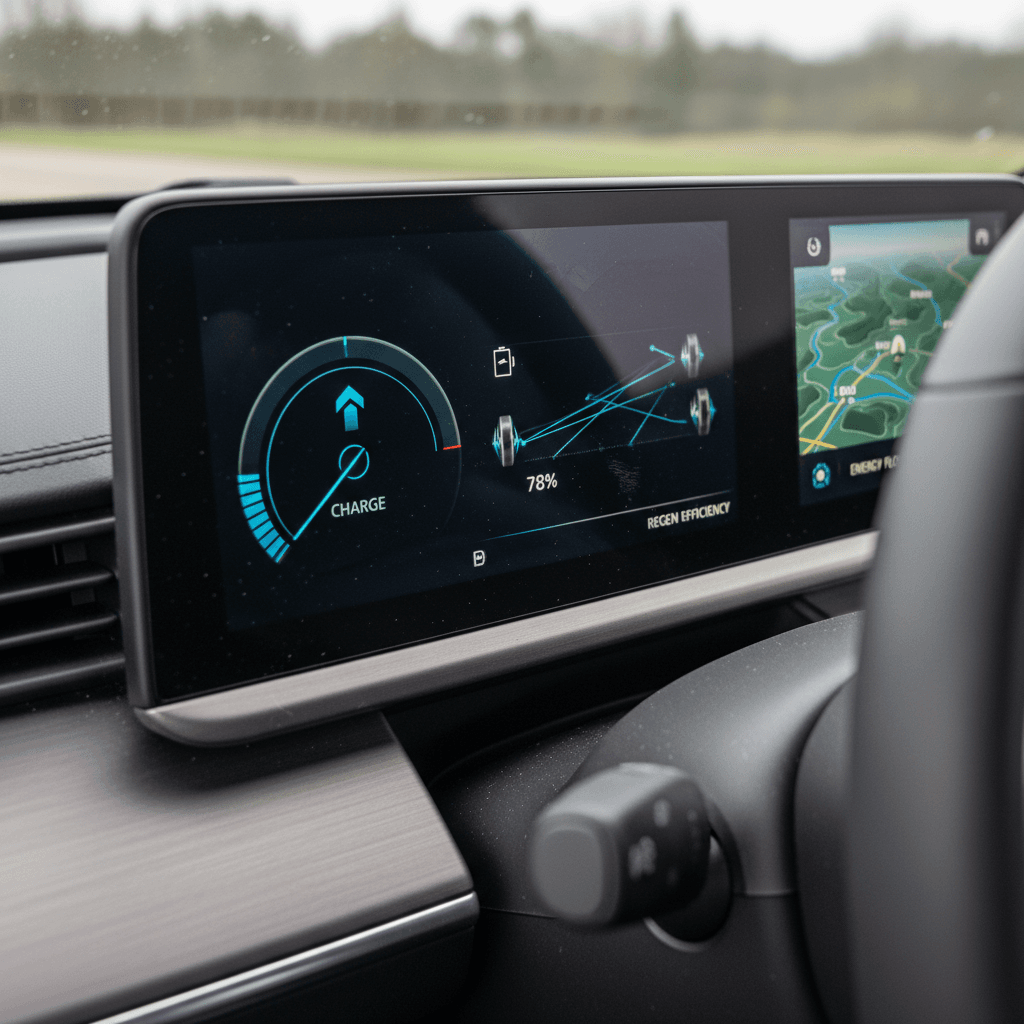
- Watch the dash or energy flow screen to confirm that power is flowing back into the battery when you slow.
Questions to ask the seller
- Has the brake fluid been changed on schedule, and have the pads/rotors ever been replaced?
- Were most miles highway or city? City miles typically mean more regen but less friction‑brake wear.
- For plug‑in hybrids, how often was the car driven in EV mode versus mostly on gasoline?
- Has the car ever shown warning lights related to the brake or stability systems?
How Recharged helps
Because regenerative braking extends pad and rotor life, it’s common to see relatively low brake wear on used EVs. That’s good news, but it also means some cars go years without the friction brakes being used hard, which can lead to surface rust. A proper inspection, and an honest test drive, will tell you whether everything is working the way it should.
FAQ: Cars with regenerative braking
Frequently asked questions about regenerative braking
Bottom line: Is regenerative braking a must‑have?
For today’s EVs and hybrids, regenerative braking isn’t a luxury, it's part of the core drivetrain. It helps you go farther on every charge or tank, trims maintenance costs, and offers a smoother, more controlled driving experience once you get used to it. If you’re choosing between electrified options, it’s worth paying attention to how adjustable the regen is and whether you like the way it feels on the road.
When you shop for a used EV or hybrid through Recharged, you get more than a feature list. You get a transparent Recharged Score Report with verified battery health and expert guidance on how that specific car has been used and maintained. That makes it much easier to choose a car with regenerative braking that fits your driving style, and your budget.