If you’re eyeing a 2023 Volvo XC40 Recharge, you’ve probably noticed one thing: its official range numbers don’t look as flashy as some newer rivals. A range test tells you whether that matters in the real world. In this guide, we unpack the 2023 XC40 Recharge’s EPA ratings, real‑world highway and city results, and what you can actually expect on a typical day behind the wheel.
Key takeaway up front
Battery, trims, and official 2023 XC40 Recharge range
Before you can make sense of any 2023 Volvo XC40 Recharge range test, you need to know what’s under the floor. In the U.S., the 2023 XC40 Recharge comes only as a **dual‑motor all‑wheel‑drive** compact SUV with a lithium‑ion battery pack of roughly **78 kWh gross and about 67–75 kWh usable**, depending on source and test method. Volvo pairs that pack with two motors for a combined **402 hp and 486 lb‑ft of torque**, so this is a quick little brick.
2023 XC40 Recharge: battery and official range at a glance
Key battery and range specs that frame every range test you’ll see.
| Spec | 2023 XC40 Recharge AWD (U.S.) |
|---|---|
| Battery size (gross) | ≈78 kWh |
| Battery usable capacity | ≈67–75 kWh (varies by source) |
| Drivetrain | Dual‑motor AWD |
| Power | 402 hp |
| EPA combined range | 223 miles |
| EPA efficiency (combined) | ~396 Wh/mi incl. charging losses |
| Top speed | 112 mph (180 km/h) |
The 2023 XC40 Recharge trades ultimate range for strong performance and a compact footprint.
Mind the label details
Real‑world 2023 XC40 Recharge range test results
Range tests for the 2023 XC40 Recharge cluster around a clear pattern: strong city efficiency, adequate mixed‑driving range, and noticeably shorter legs at sustained highway speeds. That’s typical of a tall, boxy SUV, but it’s more pronounced here than in some sleeker rivals.
XC40 Recharge range test snapshots
What different tests suggest you’ll actually see day to day
EPA 223‑mile baseline
The official **223‑mile EPA combined rating** is your starting point. In mild weather, driving a mix of city and highway at legal speeds, many owners report results close to this figure when the car is new.
Highway test ~180 miles
Independent 70–75 mph highway tests tend to land near **170–190 miles** per charge, depending on temperature, wheel size, and elevation. The boxy shape and strong dual‑motor powertrain both nibble at efficiency when you hold high speeds.
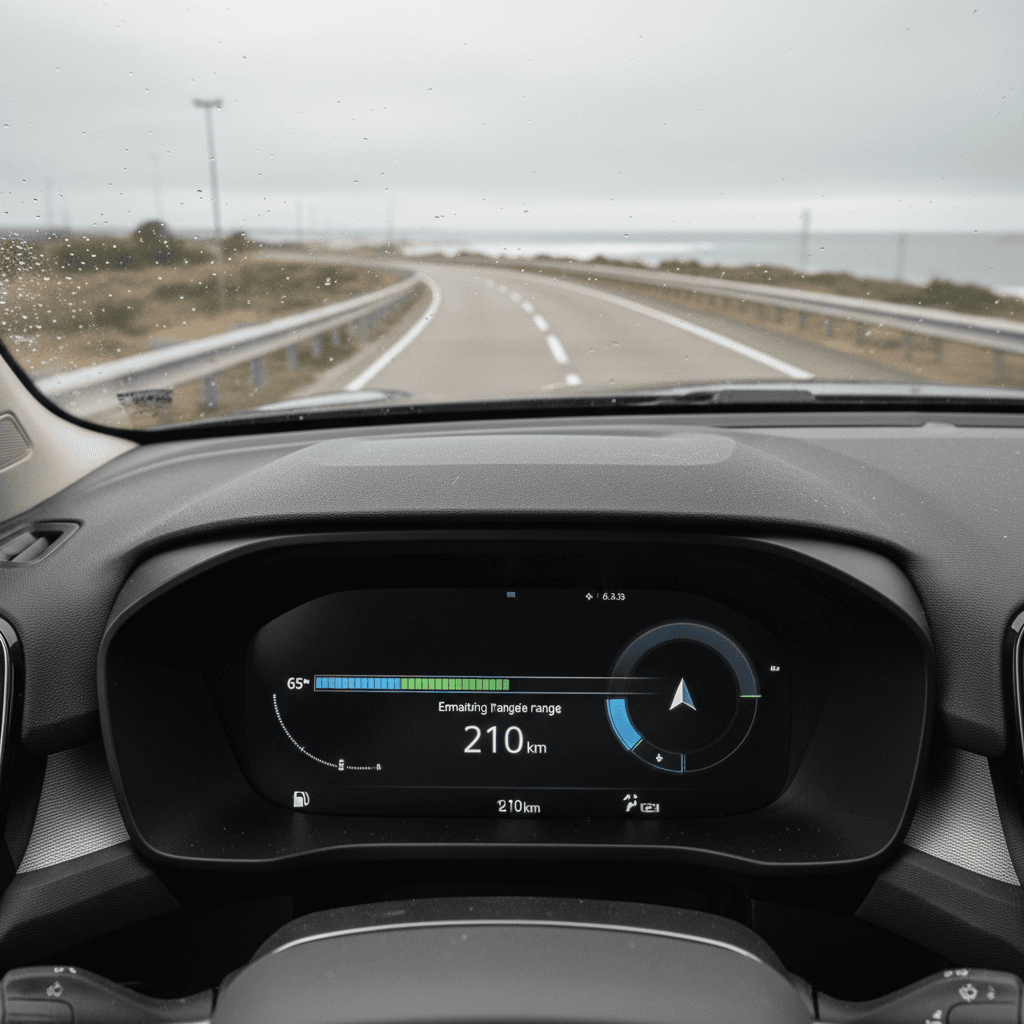
City & suburban ~210+ miles
In slower city and suburban driving with lots of braking and coasting, the XC40 Recharge can often **match or slightly beat its EPA rating**, especially in mild temperatures. The car is happiest at 25–55 mph, not 75.
Typical real‑world 2023 XC40 Recharge range window
What testers consistently note
City vs highway vs mixed driving range
The 2023 XC40 Recharge is essentially three different cars, range‑wise: a relaxed urban commuter, a solid regional cruiser, and a short‑legged interstate sprinter. The same battery behaves very differently at different speeds.
City & suburban driving
- Speed window: Mostly 25–55 mph with stop‑and‑go.
- Typical consumption: Roughly 250–280 Wh/mi in mild weather.
- Usable range: About **210–230 miles** if you’re not constantly flooring it.
- Why it shines: Regenerative braking recovers energy, and aero drag is low at these speeds.
Highway & interstate driving
- Speed window: 65–80 mph sustained.
- Typical consumption: ~320–380 Wh/mi at 70–75 mph.
- Usable range: **170–190 miles** in fair weather; often **150–170 miles** in winter or heavy rain.
- Why it suffers: The XC40’s bluff nose and tall profile punch a big hole in the air, and the dual motors are always along for the ride.
Think in legs, not full battery
How weather, speed, and driving style change range
If you only looked at the window sticker, you’d assume every 2023 XC40 Recharge goes 223 miles, every day, everywhere. In reality, three things dominate your range test results: temperature, speed, and how you treat the accelerator and climate controls.
Major factors that move your XC40 Recharge’s range up or down
Same battery, very different outcomes depending on how and where you drive
Cold weather
Below about 40°F, the pack’s chemistry gets less efficient, and cabin heating draws a lot of power. Expect **20–30% less range** in sustained cold, more if you take short trips with the heater blasting.
Use seat and steering‑wheel heaters first, they sip far less energy than full cabin heat.
Extreme heat
Very hot days don’t hurt quite as much as deep cold, but the battery still needs cooling and the A/C has to work harder. A long, fast highway run at 95°F with the A/C on full can trim **10–15%** off your usual range.
Speed & aero drag
Push past 70 mph and air resistance climbs fast. Because the XC40 Recharge is a boxy SUV, aero drag takes a real bite. Dropping from 78 to 68 mph on a long stretch can easily save **30–40 miles** of range over a full pack.
Driving style & load
Hard launches, abrupt braking, big wheels, roof boxes, and full cargo all cost energy. If you accelerate smoothly, coast early, and keep roof racks off when you’re not using them, you’ll see the payoff on the range meter.
Winter range reality check
How the XC40 Recharge’s range compares to rivals
If you shop on numbers alone, the 2023 XC40 Recharge looks outgunned. The compact EV SUV class has moved fast since Volvo launched this powertrain, and several rivals advertise longer legs on the spec sheet.
2023 compact EV SUV range comparison
Approximate EPA‑rated or widely reported ranges for popular rivals to the XC40 Recharge.
| Model & year | Drivetrain | Battery (gross) | EPA or typical range |
|---|---|---|---|
| Volvo XC40 Recharge 2023 | Dual‑motor AWD | ≈78 kWh | 223 miles (EPA combined) |
| Tesla Model Y Long Range 2023 | Dual‑motor AWD | ≈82 kWh | ≈330 miles (EPA) |
| Hyundai Ioniq 5 RWD 2023 (77 kWh) | Single‑motor RWD | 77.4 kWh | ≈303 miles (EPA) |
| Kia EV6 RWD 2023 (77.4 kWh) | Single‑motor RWD | 77.4 kWh | ≈310 miles (EPA) |
| Volkswagen ID.4 RWD 2023 (82 kWh) | Single‑motor RWD | 82 kWh | ≈275 miles (EPA) |
The XC40 Recharge trades outright range for Volvo design, safety tech, and strong performance.
Where the XC40 still makes sense
How to stretch your XC40 Recharge’s real‑world range
Whether you’re testing a new 2023 XC40 Recharge or buying a used one, you have plenty of control over the numbers you see on that range readout. Think of range as a partnership between the battery and your habits.
Practical ways to add miles to every charge
1. Use preconditioning smartly
If your XC40 Recharge supports battery and cabin preconditioning, set it up while the car is plugged in. Warming or cooling the pack and cabin from shore power preserves usable energy and stabilizes range, especially in winter.
2. Drive 5 mph slower than usual on the highway
On this car, nudging down from, say, 75 to 70 mph can be the difference between one more fast‑charge stop or skipping it. In range tests, that small change often adds **10–20 miles** of usable range.
3. Favor Eco/efficient drive modes
Use the most efficient driving mode available so the car softens throttle response and optimizes climate control. You still have plenty of power on tap, but the software helps you resist wasteful spikes.
4. Rely on seat and wheel heaters
On cold days, keep cabin temperature modest and let the seat and steering‑wheel heaters do the comfort work. They use much less energy per mile than heating all the cabin air.
5. Keep tires and alignment in shape
Under‑inflated tires and poor alignment drag range down quietly. Check pressures monthly and after big temperature swings. A simple tire check can be worth several miles of range per charge.
6. Travel light and skip the roof box
If range matters, remove roof racks when you’re not using them and avoid hauling unnecessary weight. On a small battery pack, aero add‑ons and cargo weight show up quickly on the consumption graph.
Test your own baseline
Used XC40 Recharge: Range, battery health, and Recharged Score
Shopping used for a 2023 Volvo XC40 Recharge? Range becomes a two‑part story: the model’s inherent efficiency and the **actual health of the battery** in the specific car you’re considering. A well‑cared‑for pack should retain the vast majority of its capacity for many years, but usage, fast‑charging habits, and climate all matter.
What to ask about a used XC40 Recharge
- Charging history: Was it mostly AC home charging or constant DC fast charging?
- Climate: Did the car live in extreme heat or cold?
- Mileage vs degradation: How does its real‑world range today compare to the original 223‑mile rating?
- Software updates: Has it received Volvo’s latest efficiency and range calibrations?
How Recharged helps you see the real story
Every EV sold through Recharged includes a **Recharged Score Report**, which goes beyond a glance at the dashboard guess‑o‑meter.
- Verified battery health using dedicated diagnostics, not just mileage.
- Range expectations based on that car’s actual pack condition.
- Fair market pricing that reflects battery state, not just trim level.
- Specialist guidance on whether the XC40 Recharge’s range fits your daily life.
That means you’re not guessing how far a used 2023 XC40 Recharge will go, you’re starting with data.
When a shorter‑range EV is still a smart buy
FAQ: 2023 Volvo XC40 Recharge range
Common questions about 2023 XC40 Recharge range tests
Bottom line: Is the 2023 XC40 Recharge’s range enough?
Range tests tell a consistent story about the 2023 Volvo XC40 Recharge: it’s not the longest‑legged EV in its class, but it is **predictable, honest, and easy to live with** if your expectations match your use case. Expect roughly **180–210 miles** in everyday driving, less in winter, and plan highway legs around 120–150 miles between fast‑charge stops.
If your life is mostly school runs, commuting, and errands inside a 40–50‑mile radius, and you have reliable charging, this Volvo’s mix of comfort, safety, and effortless torque may matter more than an extra 50 miles of theoretical range. And if you’re hunting for a used 2023 XC40 Recharge, a **Recharged Score battery health report**, transparent pricing, and expert EV guidance can turn range anxiety into simple, confident planning.