Put “car E” into a search bar and you fall into the uncanny valley of the internet: half-finished search terms, obscure spec sheets, and a lot of confusion. In the European classification system, “car E” is shorthand for executive cars, big, premium sedans and fastbacks. In 2025, that increasingly means one thing: electric power.
Quick definition
What does “car E” actually mean today?
European regulators and automakers have long sorted cars into size and class buckets: A for city cars, C for compacts, D for midsize, and E for executive. This E segment historically meant cars like the Mercedes E‑Class or BMW 5 Series, long wheelbases, business‑class rear seats, and the kind of car your tax attorney buys when things are going well.
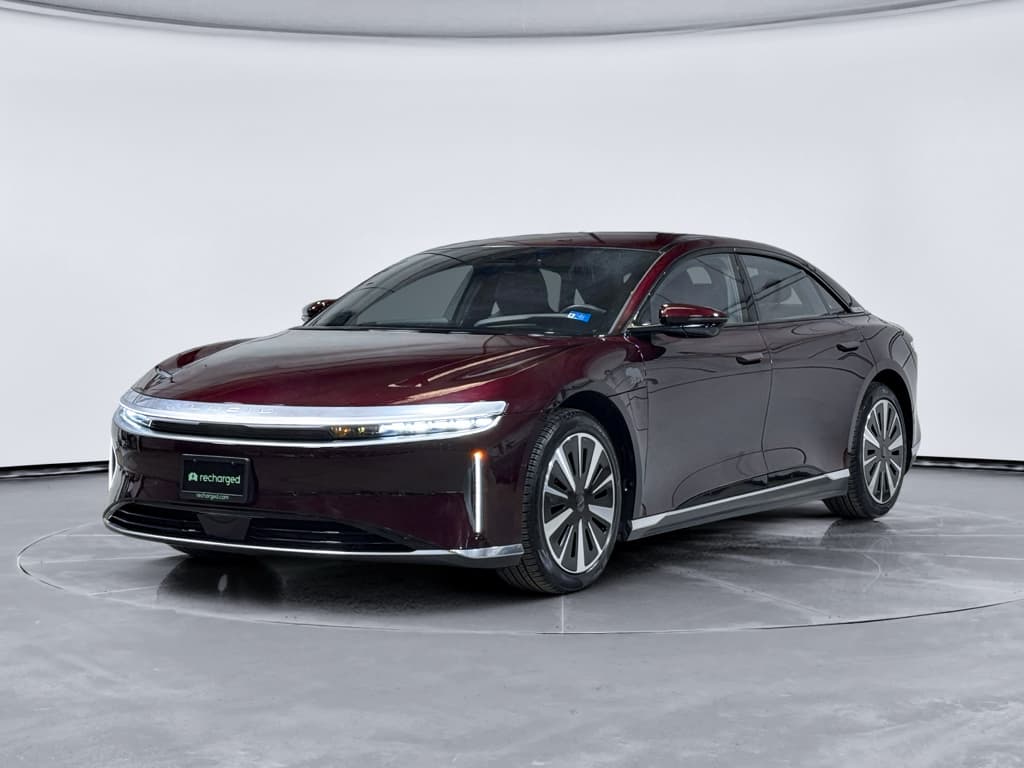
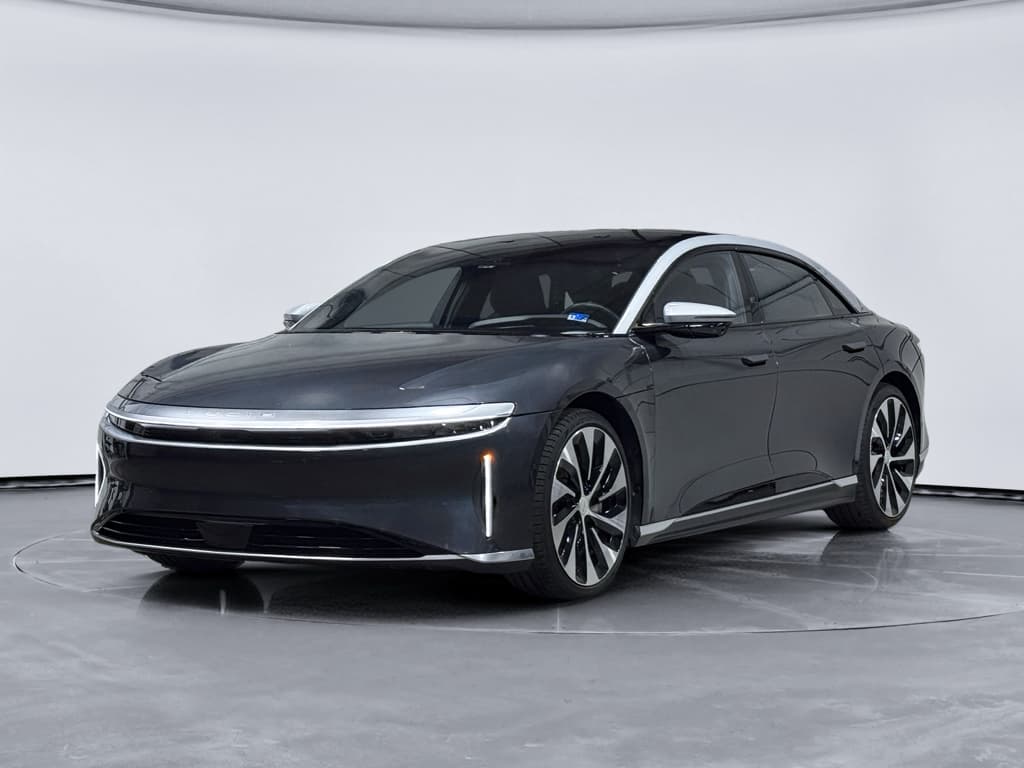
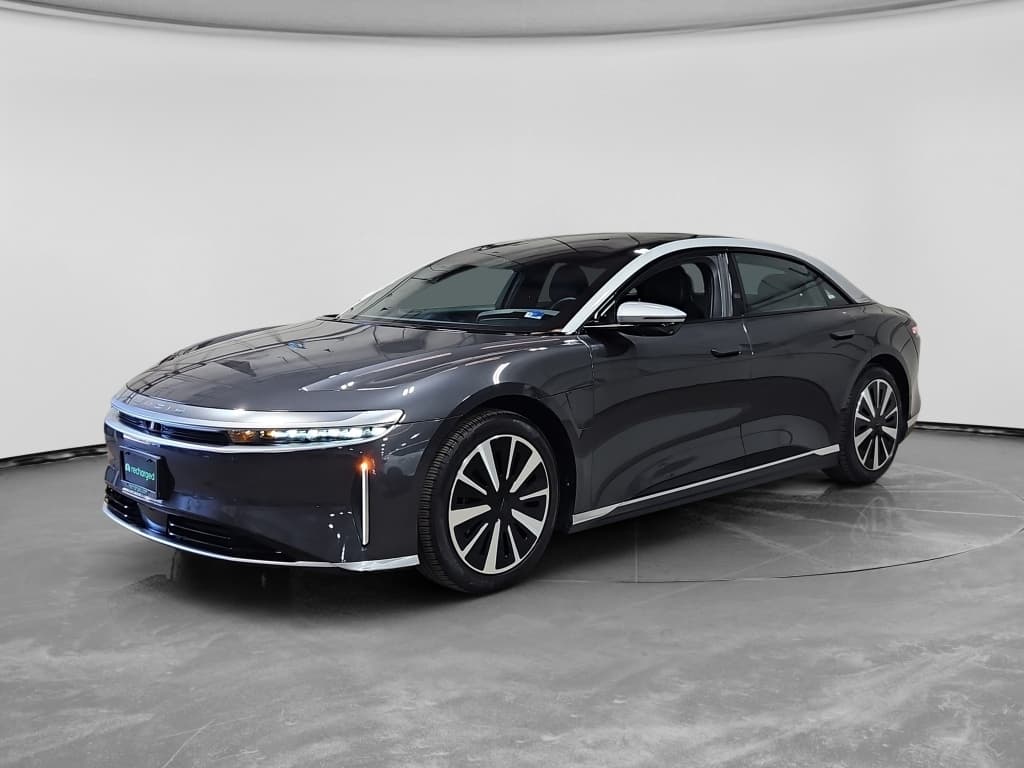
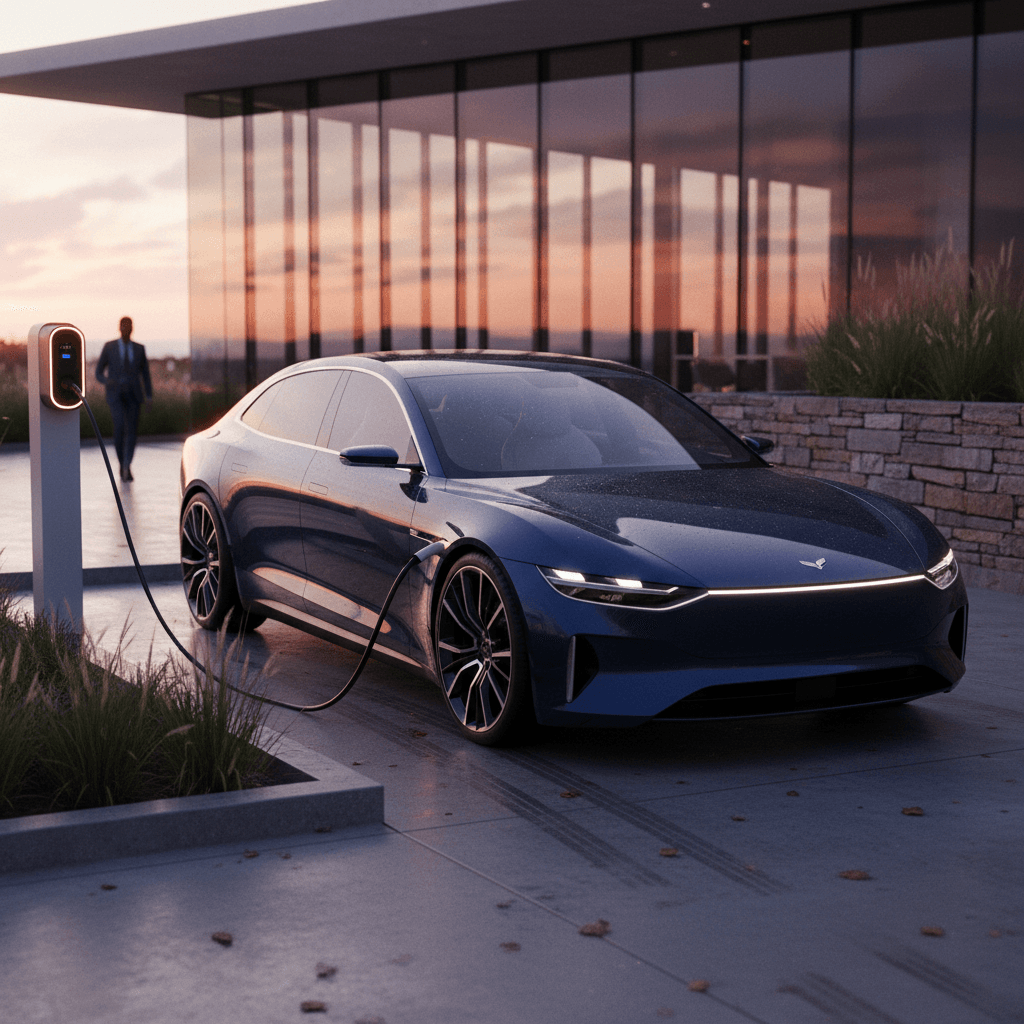
As the industry electrifies, brands have been quietly sliding their new battery-powered flagships into this slot. The Lucid Air, Porsche Taycan, and a small but growing wave of Chinese imports are, on paper, executive cars (E). Under the skin, they are something more: rolling technology flexes, using EV platforms to do things old gasoline E‑segment sedans never could.
- Longer and wider than a typical family sedan, with serious rear legroom
- Premium cabin materials and tech, massive screens, advanced driver assists, high‑end audio
- High power outputs and performance that would embarrass yesterday’s sports cars
- Pricing that starts where compact EVs top out, and climbs quickly with options
Think of it this way
Key traits of a Car E executive EV
Car E at a glance
Not every large EV is a Car E, and not every Car E is electric. But when an automaker builds a long, low, expensive four‑door on its latest EV platform, you’re firmly in executive territory. Here are the traits that tend to show up together:
Signature features of modern Car E EVs
What separates executive electric from the rest of the parking lot
Space to stretch
Serious screens
High-voltage hardware
Headline examples: today’s Car E electric flagships
To make this concrete, let’s look at a few EVs that literally carry the “executive car (E)” label in their spec sheets, and what that means for you as a driver or used‑car shopper.
Representative Car E electric models
A snapshot of how leading executive EVs stack up on paper.
| Model | Class (E) | Battery (approx.) | Powertrain highlights | Personality |
|---|---|---|---|---|
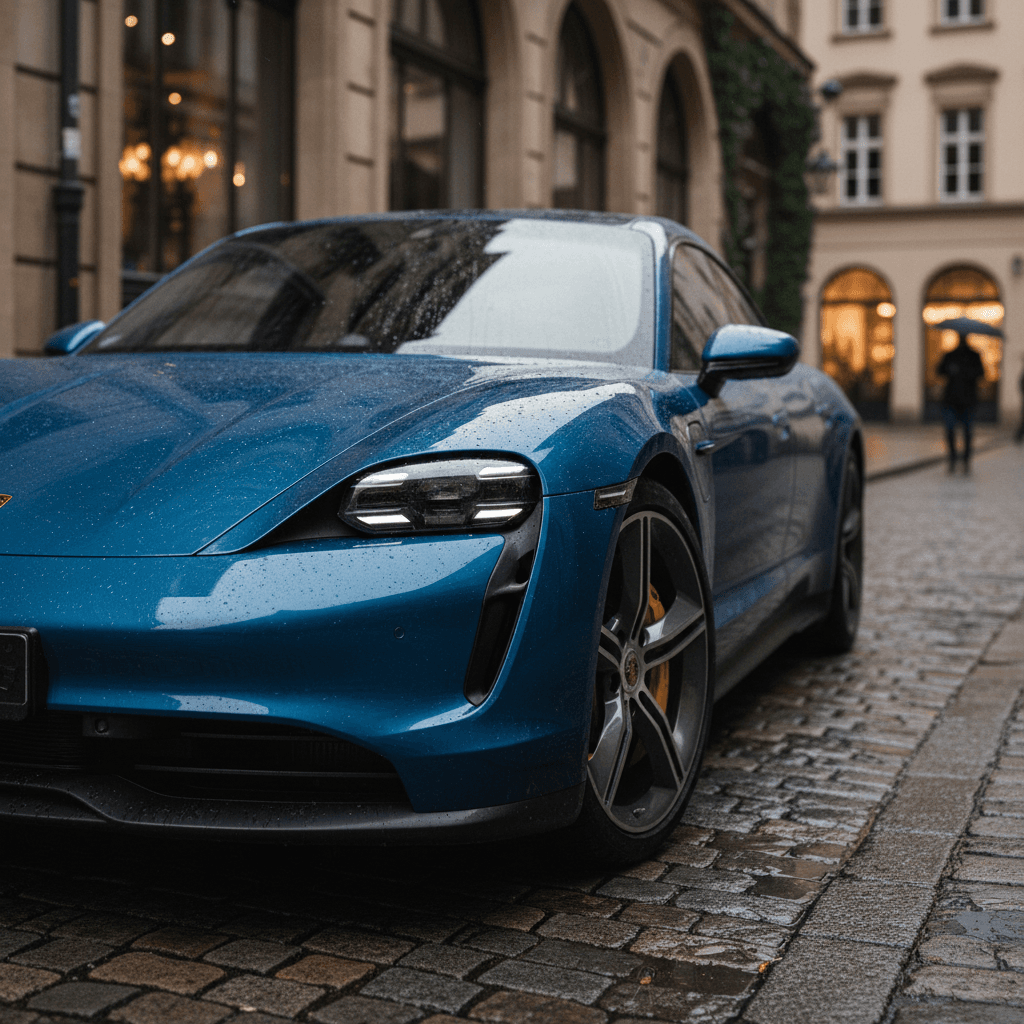
| Porsche Taycan | Executive car (E) | 79–93 kWh | 800 V system, dual motors on most trims | Electric 911 for grown‑ups; sharp, dense, very German |
| Lucid Air | Executive car (E) | 88–118 kWh | Focus on extreme range and efficiency | California lounge interior wrapped around a hyper‑efficient drivetrain |
| Zeekr 001 | Executive car (E) | Up to ~100+ kWh | Multiple motor options, long‑range variants | Shooting‑brake practicality with concept‑car stance |
| Avatr 12 | Executive car (E) | ~95 kWh BEV / EREV | BEV and range‑extended variants | Tech‑heavy Chinese luxury with dramatic styling |
Specs vary by trim; ranges are manufacturer or regulatory estimates under ideal conditions.
Watch the fine print
Why Car E EVs feel different on the road
Driving a proper Car E EV after a mainstream compact crossover is like walking out of coach and accidentally turning left. The fundamentals, steering wheel, pedals, a road, are the same. Everything else feels upgraded.
Weight as a feature, not a bug
Executive EVs are heavy, sometimes outrageously so. But the battery is slung low and often between the axles, so the car feels planted rather than clumsy. At highway speeds, that mass turns into a kind of serene inertia, small bumps get shrugged off, lane changes feel decisive.
Power that borders on impolite
Even the "slow" versions of these cars are quick. The hot trims deliver physics‑bending launches that can make passengers reconsider lunch. In daily traffic, it translates into no‑drama merges and effortless two‑lane passes with a toe’s worth of accelerator.
Where E‑segment EVs really earn their keep is long‑distance work. Taller crossovers catch the wind; lighter compacts get bounced around by lousy pavement and heavy trucks. A big, low, quiet executive EV just lopes along, shrugging off crosswinds and road noise while adaptive cruise and lane‑centering do their best impression of a ghost chauffeur.
When Car E really shines
Car E costs: ownership, charging and battery health
The sticker price on a new Car E EV can induce vertigo, easy to see $90,000 or more. But in the real world, what matters is total cost of ownership: what it costs you over years of driving, charging, and maintaining the car.
- Electricity vs fuel: Even a thirsty executive EV typically costs far less per mile to energize than a comparable gas sedan, especially if you can charge at home or on off‑peak rates.
- Maintenance: No oil changes, fewer moving parts, and regenerative braking mean less routine service, though big‑ticket items (air suspension, complex infotainment) are not cheap if they fail out of warranty.
- Insurance: Luxury nameplates, high repair costs, and strong performance can push premiums higher than a mainstream EV.
- Depreciation: New, six‑figure luxury EVs tend to drop quickly in the first years. That hurts first owners, and creates opportunity for used buyers.
The big unknown: the battery
Is a used Car E EV a smart buy?
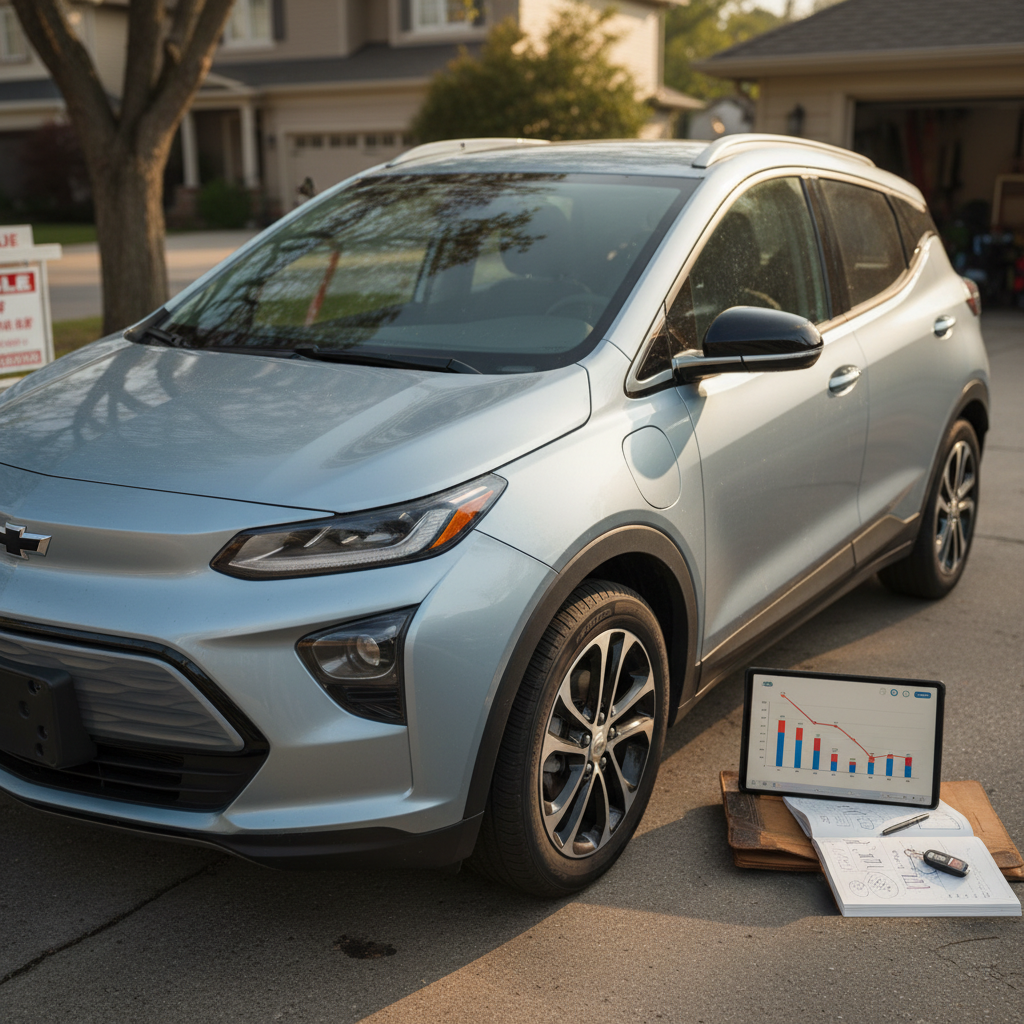
For many shoppers, the only realistic way into a Car E EV is through the secondhand market, and that’s not a consolation prize. It’s often the sweet spot, where the first owner has absorbed the painful early depreciation and you enjoy the car at something approaching rational money.
A three‑ or four‑year‑old executive EV with a clean history can give you all the toys, range, performance, massage seats, active safety, for the price of a new, nicely optioned mainstream SUV. The trade‑off is that you need to be more methodical when you shop. Battery health, fast‑charging behavior, and software support matter far more here than on a cheap city EV.
Where Recharged fits in
Checklist for buying a used executive EV
Your step-by-step Car E EV buying checklist
1. Confirm battery health with real data
Ask for a recent battery health report based on diagnostics, not just a dashboard guess at range. With Recharged, this comes baked into the Recharged Score.
2. Test a full DC fast-charge session
If possible, plug into a DC fast charger and watch the curve. A healthy Car E EV should ramp quickly and hold strong power to a decent state of charge; a sick one will taper early.
3. Check software and feature support
Executive EVs are rolling software projects. Verify that over‑the‑air updates are still supported, that key features (ADAS, navigation, infotainment) work properly, and that you can pair your phone and apps without gymnastics.
4. Inspect tires, brakes and suspension
These cars are heavy and often very quick. That combination can chew through tires and brakes, and put wear on air suspension or adaptive dampers. A thorough pre‑purchase inspection is money well spent.
5. Look at charging history
Ask how the car was charged. A mix of home AC and occasional fast charging is ideal. A lifetime of back‑to‑back DC sessions on road‑trip duty isn’t a dealbreaker, but it makes the battery report even more important.
6. Compare total cost, not just price
Add insurance, expected charging costs, and any service plan or warranty coverage. A slightly more expensive car with a stronger battery and warranty may be cheaper over five years than a bargain with unknown history.
FAQ: Car E and executive EVs
Frequently asked questions about Car E EVs
Bottom line: should you go Car E?
“Car E” started life as a bureaucratic size code. In the electric era, it’s become shorthand for something more interesting: large, luxurious EVs that make range anxiety feel like a quaint memory. They’re not cheap, they’re not small, and they aren’t for everyone, but when the ingredients align, they deliver a blend of pace, comfort, and tech that smaller EVs simply can’t match.
If you’re curious, the smartest play is often the used market. Let someone else pay new‑car money to beta‑test the software updates, then swoop in once the depreciation curve bends in your favor. Just do it with your eyes open: insist on hard battery data, understand charging behavior, and get expert help reading between the lines. That’s exactly what Recharged was built for, simplifying used EV ownership so that stepping up to a Car E executive EV feels like a promotion, not a gamble.